7 Genius Ways To Use Fallen Pinecones In Your California Garden
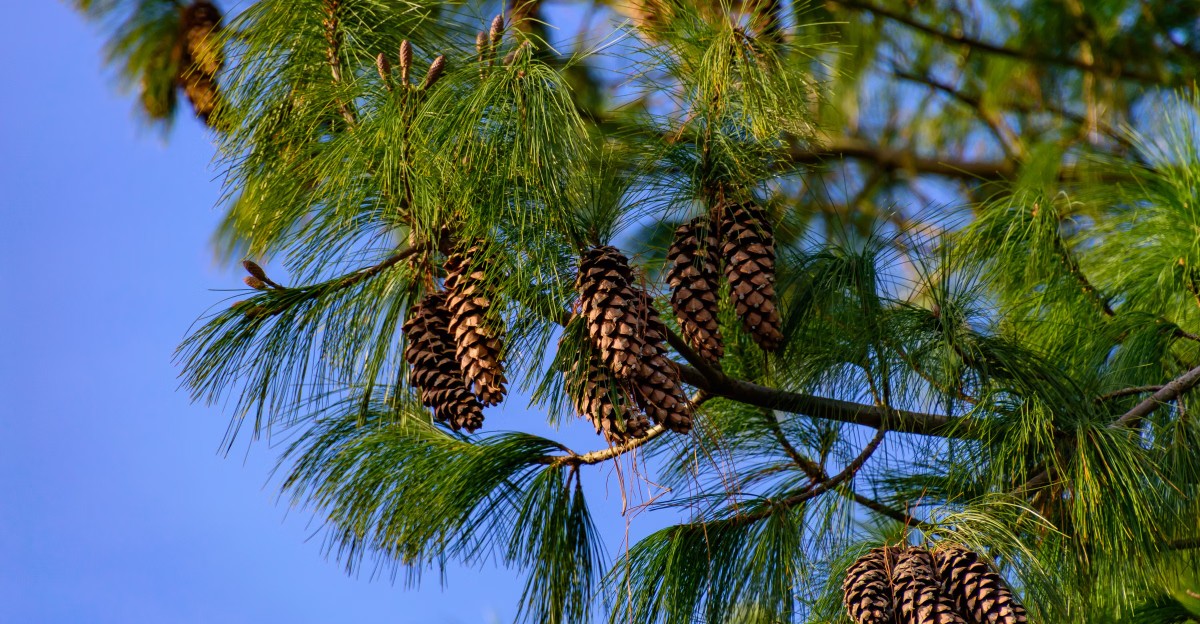
Prickly woody treasures fallen from backyard pines can linger in a compost pile for a year or longer, thanks to stubborn resin. Crushing them first, even inside a sturdy feed sack with a mallet, helps the microbes get to work far sooner.
A ring of them around seedlings can make soft soil far less inviting to digging cats and squirrels. Tiny gaps between their scales also shelter ladybugs and lacewings, whose young devour aphids.
My compost bin has been quietly teaching me that woody leftovers need a little help before they break down. You might notice a few chunky pieces refuse to soften, which makes them perfect starter material for the next batch.
Plenty of California yards treat these prickly castoffs as nothing more than tripping hazards. A few creative uses in planters, borders, and sloped beds could turn every fallen one into free garden help.
1. Shredded Pinecone Mulch Keeps Garden Beds Cool And Moist
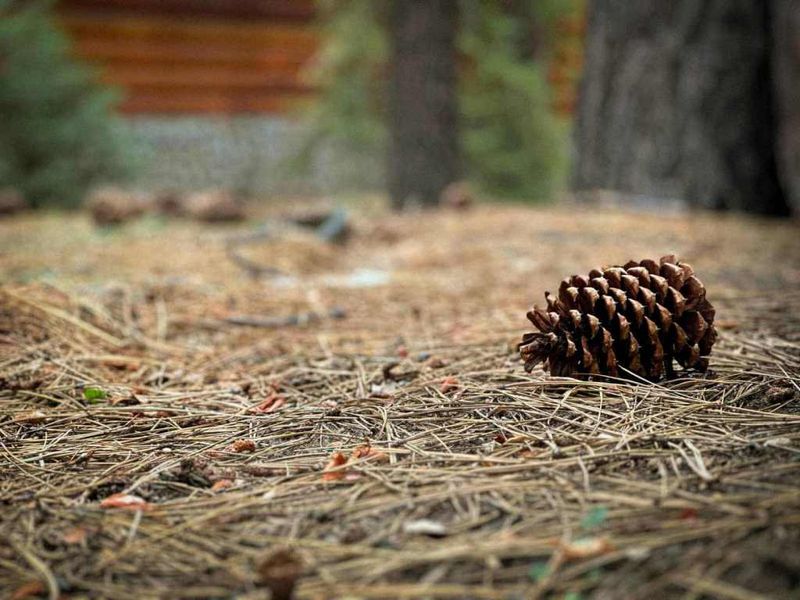
Crunchy underfoot and earthy to the nose, a pinecone mulch layer feels like a forest trail in your backyard. I love how the brown tones blend with native plants instead of shouting for attention like dyed bark.
Whole cones work, but crushing them with a mower or stomping them in a bag helps them settle better. Smaller pieces lock together and stay put, while whole cones can roll away on slopes or in strong wind.
Spread a layer about two to three inches deep around shrubs and perennials, leaving space near stems. Mulch piled against trunks holds moisture against bark and can invite rot, so give each plant a little breathing room.
A mulch blanket slows evaporation, which matters a lot during long dry summers in much of the state. It also shades the soil surface, so fewer weed seeds get the light they need to sprout.
Many people worry that pinecones will sour the soil, but extension experts report that mulch barely shifts soil pH. Any acidity stays mostly near the surface and fades as the cones slowly break down over time.
Fire safety deserves real attention, because natural resin makes dry cones burn quickly and easily. CAL FIRE advises keeping the first five feet around your home free of combustible mulch, so use gravel there instead.
Personally, I save pinecone mulch for beds farther out in the yard, away from fences and wooden decks. That simple habit lets me enjoy the benefits while keeping my home safer during the long fire season.
2. Pinecones Fill The Bottom Of Big Patio Planters
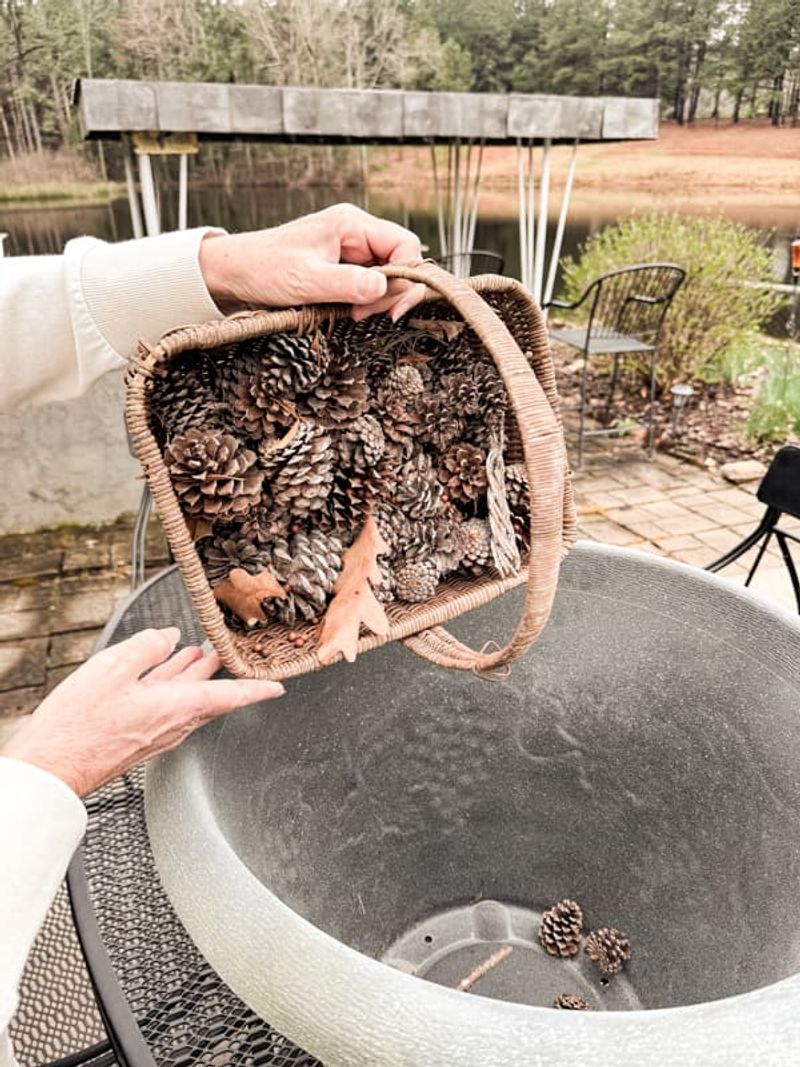
Hauling a giant terracotta pot full of wet soil across the patio taught me a painful lesson about my back. Since then, I tuck a layer of pinecones into the bottom of my deepest containers before adding mix.
Cones take up space that would otherwise need bags of potting soil, which saves money at the garden center. They weigh very little, so the finished planter becomes noticeably easier to shift when the sun moves around.
This trick works best in tall pots holding shallow-rooted plants like succulents or colorful annual flowers. Deep-rooted shrubs and small trees need every inch of real soil, so skip the filler for those bigger plants.
Many sources claim cones improve drainage, yet university research shows coarse layers can actually trap water above them. Soil holds onto moisture until it becomes saturated, creating what scientists call a perched water table.
For that reason, I think of cones as a handy space filler rather than a cure for soggy roots. Good drainage really comes from a quality potting mix and a pot with open holes at the bottom.
Place a piece of burlap or landscape fabric over the cones so soil does not sift down between them. Over a few seasons the cones soften, so expect the soil level to sink and plan to top it up.
Rinse cones and let them dry in the sun first to knock off spiders and loose debris. A quick inspection now saves you from surprise hitchhikers crawling out of your favorite planter a few weeks later.
3. Prickly Pinecones Around Seedlings Discourage Digging Cats And Squirrels
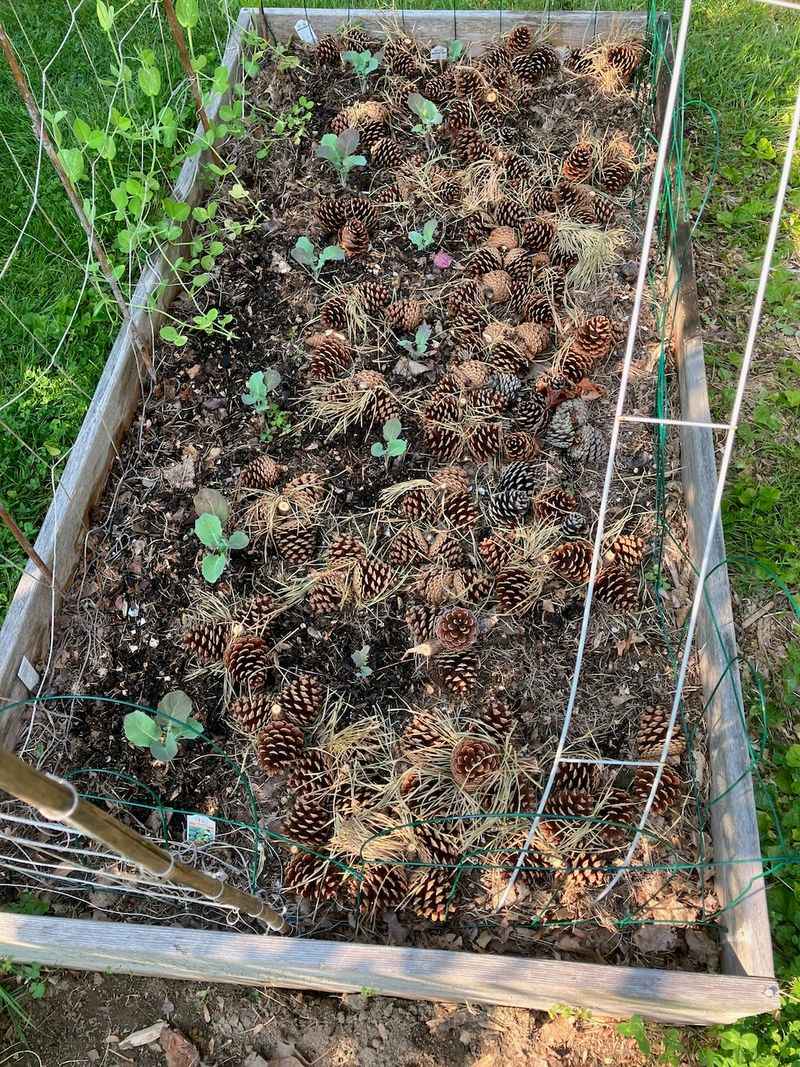
Nothing stings quite like finding your freshly planted lettuce tossed aside by a squirrel hunting for buried snacks. I have been there, staring at the mess with my coffee mug and plotting a gentle fix.
Cats and squirrels prefer soft, loose soil for digging, so a rough surface can make a bed far less inviting. A ring of pointy cones around young plants gives curious paws an uncomfortable spot to land.
Results vary, and a hungry or determined animal may push right through, so think of cones as one helpful layer. They tend to work best alongside other methods, like chicken wire laid flat just under the mulch.
Choose cones with stiff, sharp scales, such as those from Coulter or gray pines, for the most prickly effect. Soft, small cones from ornamental trees rarely bother a curious cat for more than a minute or two.
Lay them close together so no wide patches of bare soil peek through between the spikes. Leave a small open circle around each seedling so you can water easily and keep an eye out for slugs.
This approach feels kinder than sprays or traps, and it costs nothing beyond a few minutes of gathering. Neighborhood cats simply wander to a different spot, which keeps everyone, including the cats, much happier.
Once your seedlings grow tall and fill in, you can rake the cones aside or move them to new plantings. I keep a bucket handy near my vegetable beds so a fresh barrier is ready whenever I need it.
4. Ladybugs And Lacewings Shelter In Pinecone Bug Hotels
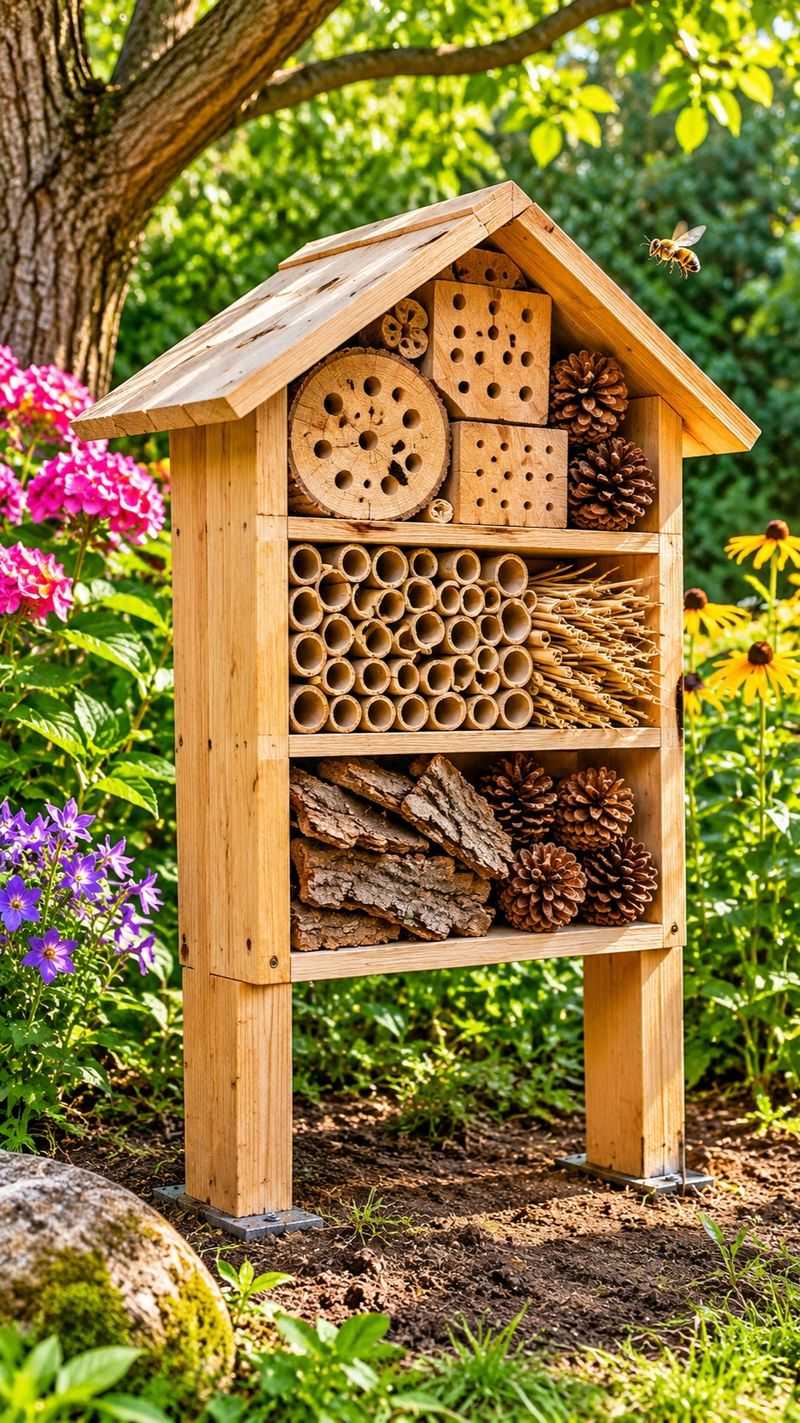
Tiny gaps between pinecone scales look like a cozy apartment complex if you happen to be a ladybug. I get a little thrill every time I spot a red shell tucked deep inside one of my cones.
Ladybugs and green lacewings both feast on aphids, and lacewing larvae earned the nickname aphid lions for good reason. Giving these helpers a place to rest may encourage them to stay near your roses and vegetables.
Pack cones tightly into a clay pot laid on its side or a small wooden box with an open front. Set the shelter in a slightly raised spot where gentle morning sun can warm the tiny residents inside.
Be honest with yourself about expectations, because no bug hotel guarantees a crowd of happy guests. Insects choose shelters based on many factors, so some cones may stay empty while others fill with spiders or earwigs.
Spiders are welcome partners anyway, since they snack on plenty of garden pests throughout the whole year. Earwigs can nibble seedlings, so if they move in, relocate the hotel farther from tender young plants.
Avoid buying boxes of commercially collected ladybugs and releasing them in your yard. UC IPM experts note many are gathered from wild overwintering sites in California mountains, and most fly away soon after release.
Skip broad pesticide sprays near your bug hotel, because those treatments harm the very predators you hope to attract. Patience pays off, and within a season or two your garden may find a healthier balance between pests and predators.
5. Crushed Pinecones Add Carbon To A Backyard Compost Pile
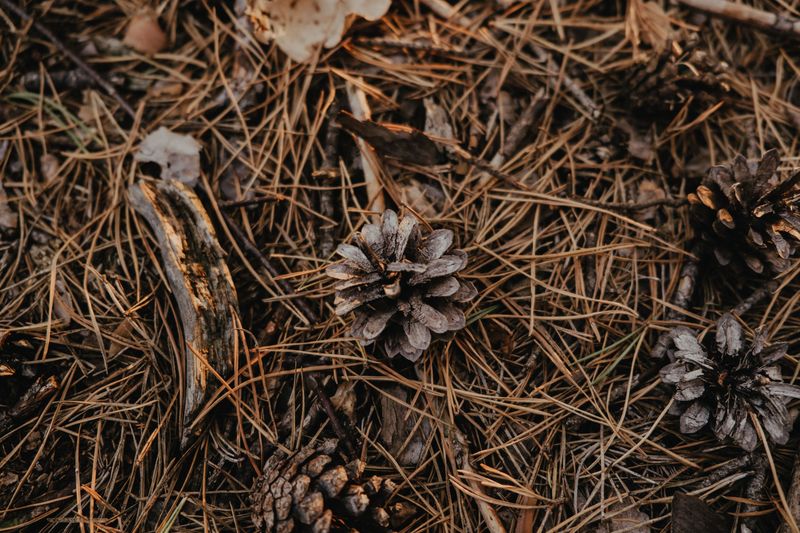
Every compost pile craves a balance of browns and greens, and pinecones count as a woody brown packed with carbon. Kitchen scraps and grass clippings bring the nitrogen, while cones supply structure that keeps everything breathing.
Fair warning, though, because whole cones are stubborn and may linger in your pile for a year or longer. Woody tissue and resin slow down the microbes, which is why I crush mine before tossing them in.
Run them over with a lawn mower on a tarp, or smash them inside a sturdy feed sack with a mallet. I find that second method oddly satisfying after a long and frustrating day at work.
Chunky pieces create air pockets that help oxygen reach the center of a dense, soggy pile. Better airflow supports the helpful microbes that heat compost and cuts down on sour smells drifting toward the neighbors.
Mix cones in gradually with plenty of fresh greens rather than adding a giant heap all at once. A rough ratio of two or three parts browns to one part greens by volume suits most home systems.
Keep the pile about as damp as a wrung-out sponge, since dry woody material barely breaks down at all. Turning it every week or two speeds the process and spreads moisture evenly through the cone pieces.
Any chunks that refuse to soften can be screened out and returned to the next batch for another round. Think of them as reusable starter material that carries helpful microbes straight into your fresh new compost.
6. Pinecone Mulch Slows Runoff On Sloped Garden Beds
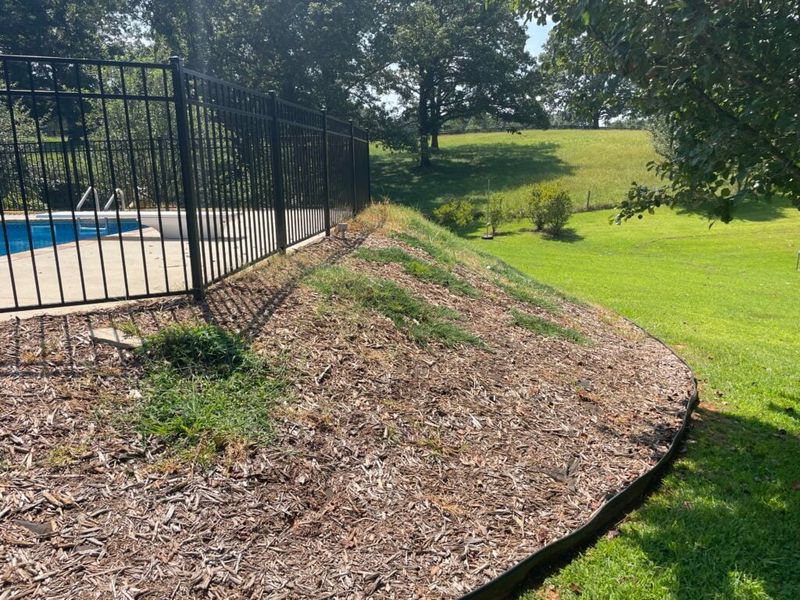
Heavy winter storms can send muddy soil sliding down a bare hillside faster than you can grab a shovel. I watched that happen on my own slope once, and it changed how I cover exposed ground.
Raindrops hitting bare soil break apart crumbs and loosen particles, which flowing water then carries downhill. A rough layer of mulch absorbs that impact and slows the flow, giving water more time to soak in.
Crushed or broken cones interlock better than whole ones, which tend to roll away during heavy downpours. Spread them about two to three inches deep across the slope, working steadily from the bottom upward.
On steeper ground, pin burlap or jute netting over the soil first, then tuck cone pieces into the openings. That combination holds mulch in place far better than loose material scattered across a steep grade.
Mulch alone works only as a short-term fix, so plan to add deep-rooted native plants as soon as practical. Fall planting suits much of the state, since cooler temperatures and winter rain help roots settle before summer heat.
Many local nurseries carry drought-tolerant natives like manzanita and California buckwheat that grip slopes beautifully. Their roots weave through soil over time, creating a living net that holds the hillside together for years.
Keep cone-mulched slopes well away from your house to respect defensible space guidelines in fire-prone areas. Hillsides near homes may do better with rock or low-growing, well-watered plants instead of woody mulch.
7. Giant Sugar Pine Cones Make Striking Garden Borders
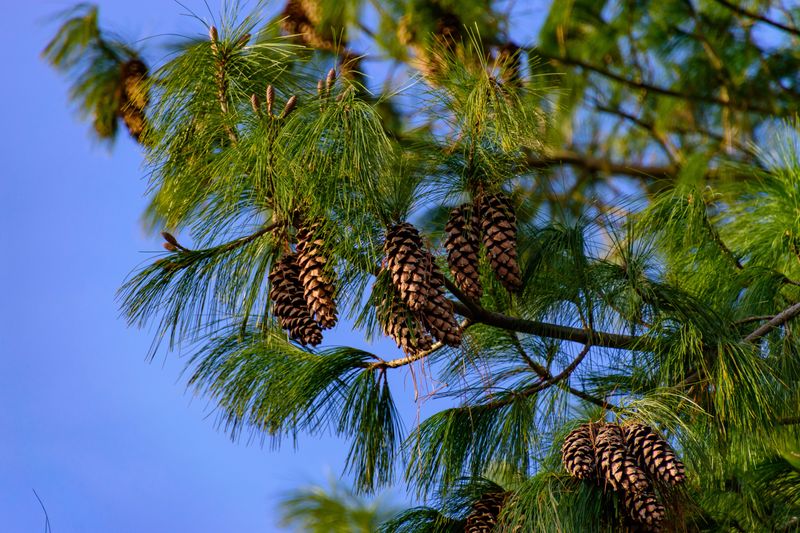
Sugar pines produce the longest cones of any conifer in the world, often stretching well beyond a foot. Lay a few along a garden path and visitors will stop mid-step to ask where you found them.
Coulter pine cones win the heavyweight title instead, with thick hooked scales that look almost prehistoric. Mixing these native giants with smaller cones creates a border full of texture and plenty of conversation.
Gather only from your own yard or from a willing neighbor who happily shares their fallen cones. Removing natural items from state parks is not allowed, and national forests may require a permit, so check rules first.
Line flower bed edges with cones placed end to end, or tuck them along stepping stones for a woodland feel. I like nestling a few large ones around boulders, where they look as if they landed there naturally.
Fallen cones also make charming seasonal displays in shallow bowls on a patio table or porch step. Add a few sprigs of native sage, and you get a fragrant arrangement that costs nothing at all.
Handle big cones with gloves, since those sharp scales can scratch hands and sticky resin clings to everything. Avoid standing under heavy-coned pines on windy days, because a falling Coulter cone carries surprising force.
Over time, sun and rain will fade cones to a soft silvery gray that many gardeners find lovely. Swap in fresh finds each year, and your borders will keep telling the story of your local trees.