Why North Carolina Gardeners Are Leaving Stems Standing for Overwintering Pollinators
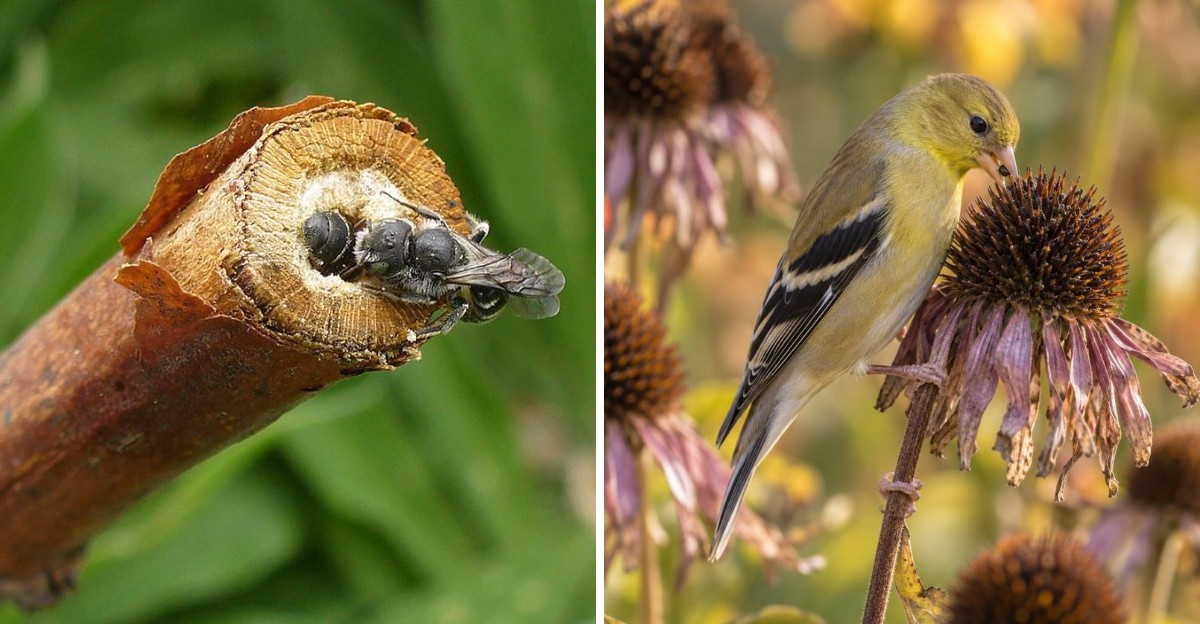
Some of the tiniest bees in your yard spend winter tucked inside a hollow plant stalk no wider than a pencil. Their babies rest in little rooms walled off with mud, chewed leaves, or plant pulp.
I find it fascinating that a brown, brittle stick can work like an apartment building. One stem can hold a whole row of sleeping young bees, stacked one after another like peas in a pod.
Here in North Carolina, researchers went out and split open thousands of garden stems to see who was living inside. What they learned surprised plenty of gardeners, me included.
You might be surprised by how much your fall cleanup habits matter to these little neighbors. The timing of a single snip can decide whether a stem becomes a cozy nursery or just yard waste.
So which stalks deserve a spot in your winter garden?
1. Those Brown Perennial Stalks Are Hiding Tiny Bee Nurseries
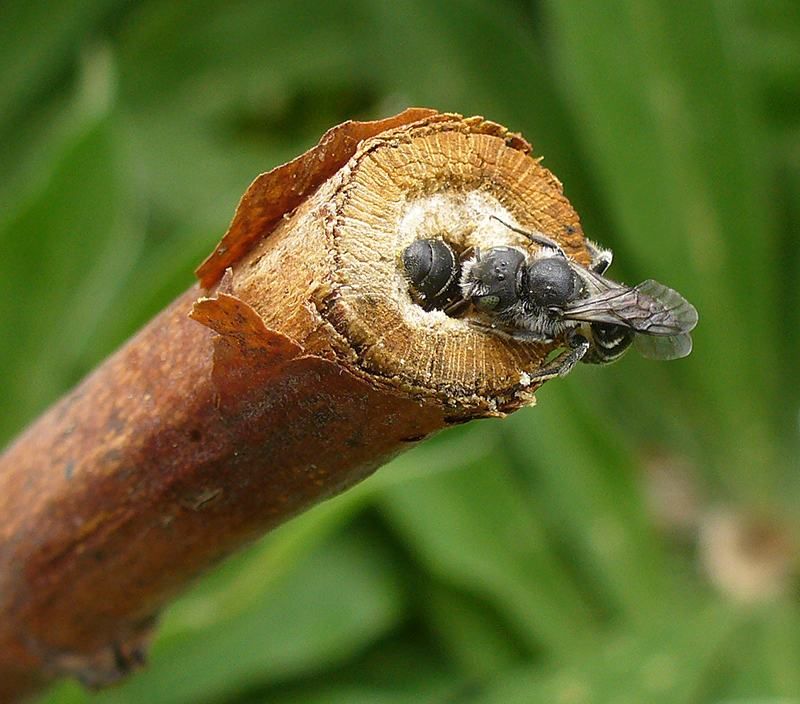
Small carpenter bees, mason bees, and leafcutter bees do not live in big hives like honey bees. Most are solitary, which means each mother bee builds her own nest and raises her young alone.
Roughly one in four native bee species in North Carolina nests in cavities. Many of them choose pithy or hollow plant stems.
A mother bee chews or crawls into a stem, packs a ball of pollen and nectar inside, and lays one egg on it.
She then builds a little wall and repeats the process. By fall, a single stem can hold a neat row of cells, each with a growing bee inside.
Those young bees often stay put through the cold months and chew their way out in spring.
Solitary wasps use stems too. They help gardeners by hunting caterpillars and other pests to feed their young.
When stalks get yanked out and tossed in the yard waste bin, the bees inside go with them. That simple fact explains why so many gardeners now look at old flower stalks differently.
A bed full of brown stems may seem messy, yet it can be one of the busiest bee nurseries on your street.
2. NC State Researchers Split Open Nearly 3,000 Garden Stems
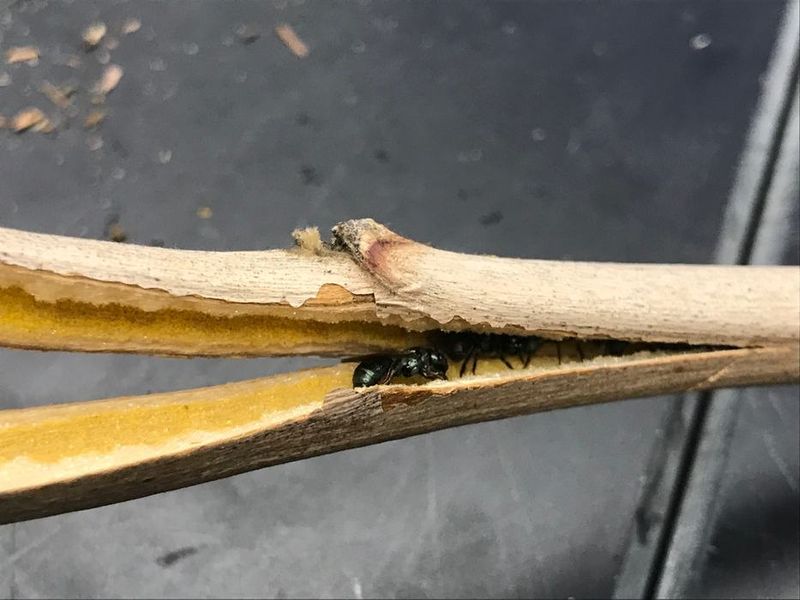
Curiosity can lead to a lot of careful work. Scientists at NC State University collected close to 3,000 stems from gardens around the state and opened them up to see what was nesting inside.
The results changed the advice many of us had heard for years. Bees mostly skipped stems during their first winter standing.
In other words, a fresh stalk that grew this summer usually was not occupied yet.
The reason makes sense once you think about it. Many stem-nesting bees cannot easily get inside a whole, uncut stalk.
They need an open end, like a broken tip or a pruned top, to reach the soft pith inside.
So the older idea of leaving everything standing until late spring was not wrong, but it was missing a piece. Uncut stems are mostly waiting for a door to open.
I love research like this because it turns guessing into real, useful guidance. Instead of choosing between a tidy garden and a bee-friendly one, you can plan your cuts with purpose.
The study gives you a clear reason to grab your pruners at the right moment rather than leaving the whole bed alone forever.
3. Cut Last Summer’s Flower Stems Down to Knee-High Stubble
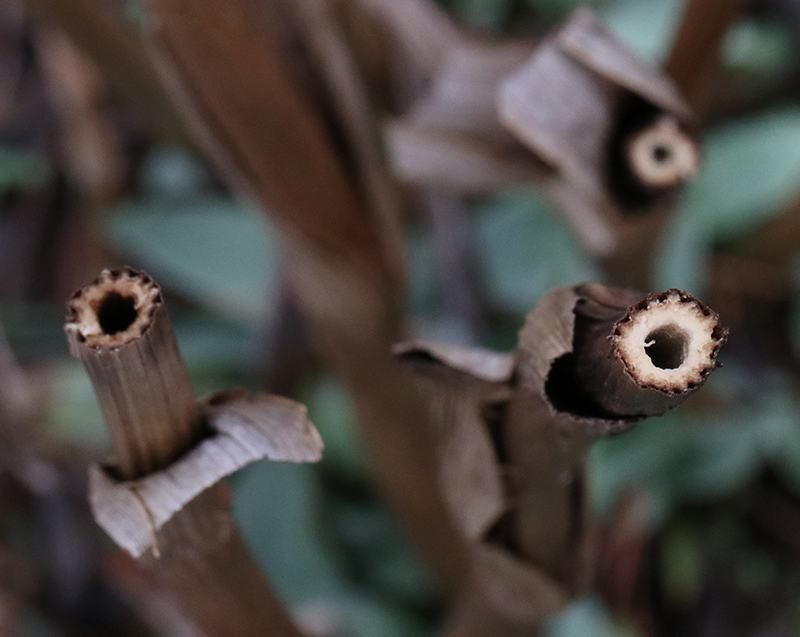
Grab your hand pruners and a measuring eye. The NC State findings point to a simple routine that creates new bee homes on purpose.
Between your first fall frost and your last spring frost, trim this year’s perennial stems down to stubble about 12 to 24 inches tall. That fresh cut exposes the soft center, giving bees an open doorway the next spring and summer.
Timing varies across the state. Mountain gardens often see frost in October, while the Coastal Plain may wait until November or later.
Watch your own weather rather than a calendar date.
A few tips help the job go smoothly:
Use clean, sharp pruners so each cut is crisp rather than crushed. Vary the heights a bit, since different bees like different stem sizes and depths.
Leave the stubble standing for at least two seasons, because bees may move in during the first year after cutting.
New spring growth will quickly hide those short stalks, so the bed will not look scruffy for long. You get a neater winter garden and a fresh supply of nesting tubes at the same time.
That feels like a win for everyone, buzzing or not.
4. Broken Stem Tips And Old Stubs May Already Have Tenants
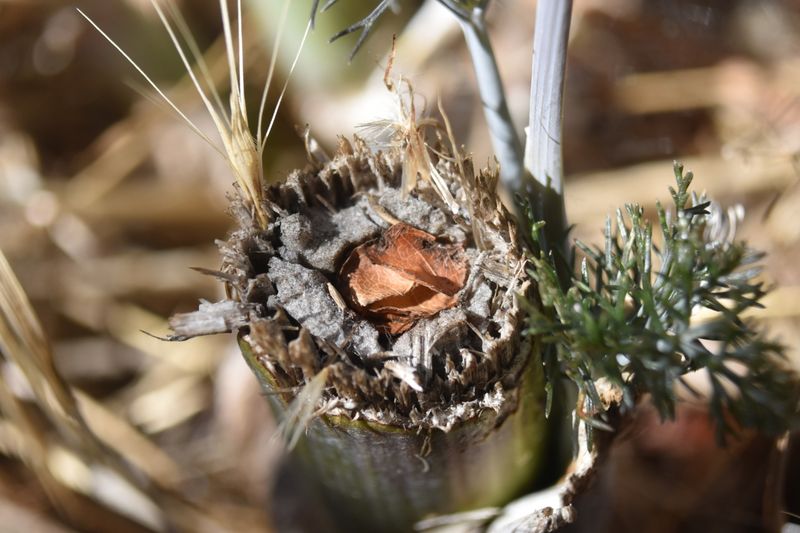
A snapped stalk might look like storm damage. To a small carpenter bee, it can look like a front door left wide open.
Stems that broke or got cut earlier in the growing season may already hold nests. The same goes for stubble you left standing from a year or two ago.
Those older stalks have had plenty of time to attract tenants.
Telling an occupied stem from an empty one is tricky. Sometimes you will spot a plug of mud, chewed leaf, or packed pith at the top.
Often, though, the nest is hidden deep inside with no clue on the outside.
A safe rule is to leave alone any stem with a broken top or any stub that has stood for more than one season. Trim only the fresh, intact stalks from this year.
If old stubble finally needs to go, wait until warm spring days are well underway. Even then, consider laying the pieces in a quiet corner instead of bagging them.
Late emerging bees can still crawl out and fly off. A little patience here can protect a whole generation of pollinators.
5. Ground-Nesting Bees And Bumblebee Queens Need Leaves And Bare Soil
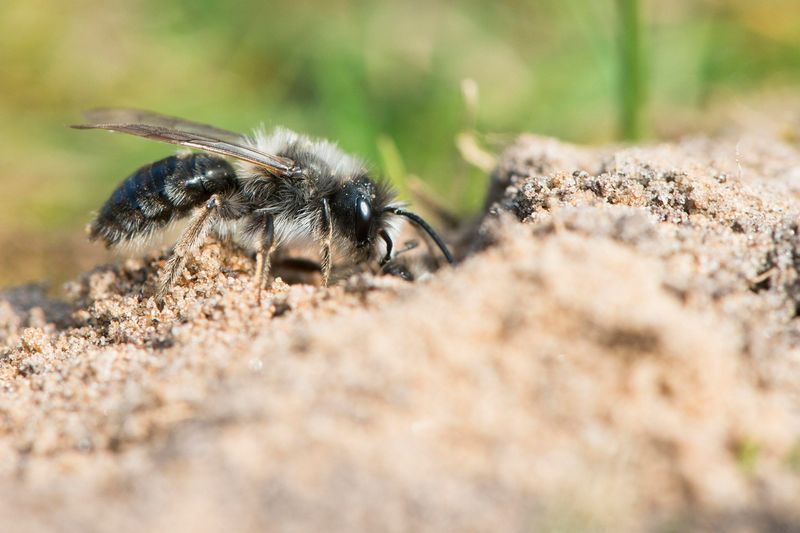
Stems tell only part of the story. Around three out of four native bee species nest underground, digging tunnels in bare, sunny soil.
Mining bees and sweat bees are common examples. They prefer patches of loose, well-drained ground without thick mulch on top.
If every inch of your yard is covered in wood chips or turf, these bees struggle to find a spot.
Leaving a small sunny strip of bare soil can help. It does not have to be large, and it can sit along a path edge or beside a flower bed.
Fallen leaves matter too. Mated bumblebee queens often spend winter in shallow spots in the soil or under leaf litter.
Many butterflies and moths also ride out the cold as eggs, caterpillars, or pupae tucked into leaves.
You can rake leaves off the lawn and simply move them under shrubs or into flower beds. That keeps the grass healthy while giving insects a cozy blanket.
Think of your winter garden as a layered home. Stems offer upstairs rooms, leaves provide a warm middle floor, and bare soil serves as the basement for the biggest group of all.
6. Coneflowers, Bee Balm, And Goldenrod Make Roomy Stem Homes
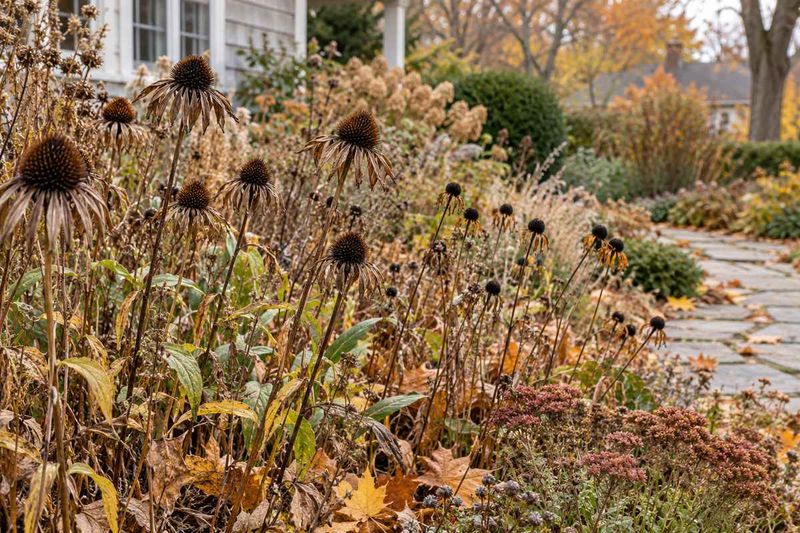
Plenty of popular garden plants already do double duty. In the NC State work and similar studies, stem nests turned up in a nice range of familiar flowers.
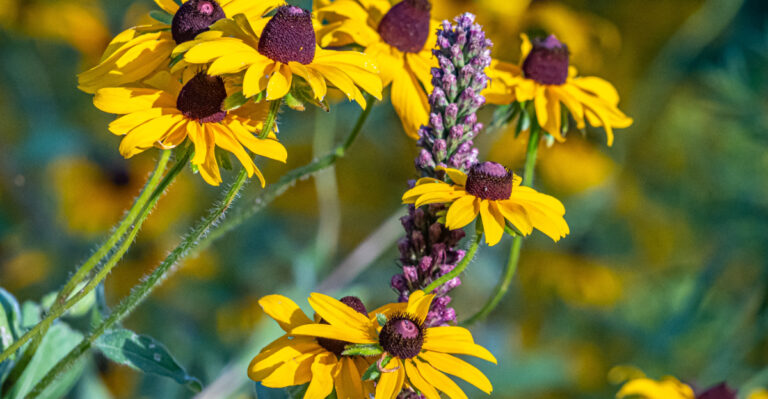
Purple coneflower, goldenrod, bee balm, and native verbenas all made the list. Hydrangea stems, with their soft centers, also hosted nests.
Other good options include black-eyed Susan, coreopsis, and Joe Pye weed.
What makes a stem appealing? Bees often look for a soft, pithy core they can hollow out or a natural hollow tube.
Stem width matters too, since tiny bees prefer skinny stalks and larger bees need more room.
Planting a mix gives you a range of sizes, which welcomes more kinds of bees. Native plants also feed pollinators through the warm months, so the same plants provide both meals and housing.
Many of these perennials grow well across much of the state, from the mountains to the coast. Check plant tags or your local extension office for choices that suit your soil and sun.
I like to group several kinds together in one bed. Come winter, that patch turns into a tidy little neighborhood of stubble, each stalk ready for a new resident.
7. Goldfinches Love The Seed Heads On Those Standing Stalks
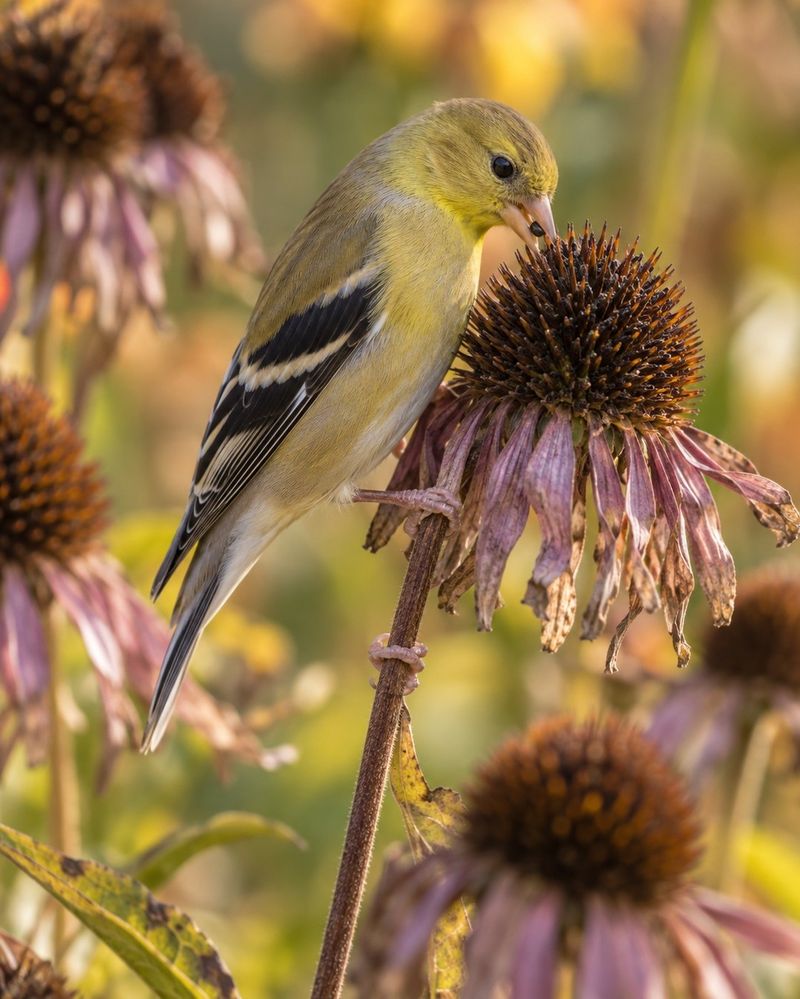
On cold mornings, my favorite show happens right outside the kitchen window. Goldfinches cling to old coneflower heads, picking out seeds one by one.
Leaving stems standing through part of winter gives birds a bonus snack bar. Coneflowers, black-eyed Susans, and goldenrod hold seeds that finches, sparrows, and other birds eat during the lean season.
There is more to the menu than seeds. Birds such as chickadees and wrens poke around stalks and leaf litter for insect eggs and tiny larvae.
Those protein-rich bites help them stay warm on chilly nights.
You can balance birds and bees with a little planning. Let seed heads stand for a while after frost so birds can feast.
Later in winter, trim this year’s stalks to 12 to 24 inches as stubble for bees.
Many gardeners find the seed heads add winter interest too. A light frost on a coneflower dome looks lovely in morning sun.
So the same patch serves two kinds of wildlife at once. What might seem like leftover clutter becomes a food stop, a perch, and a future nursery all rolled into one.
8. A Smarter Pruner Habit Fills Spring Gardens With Native Bees
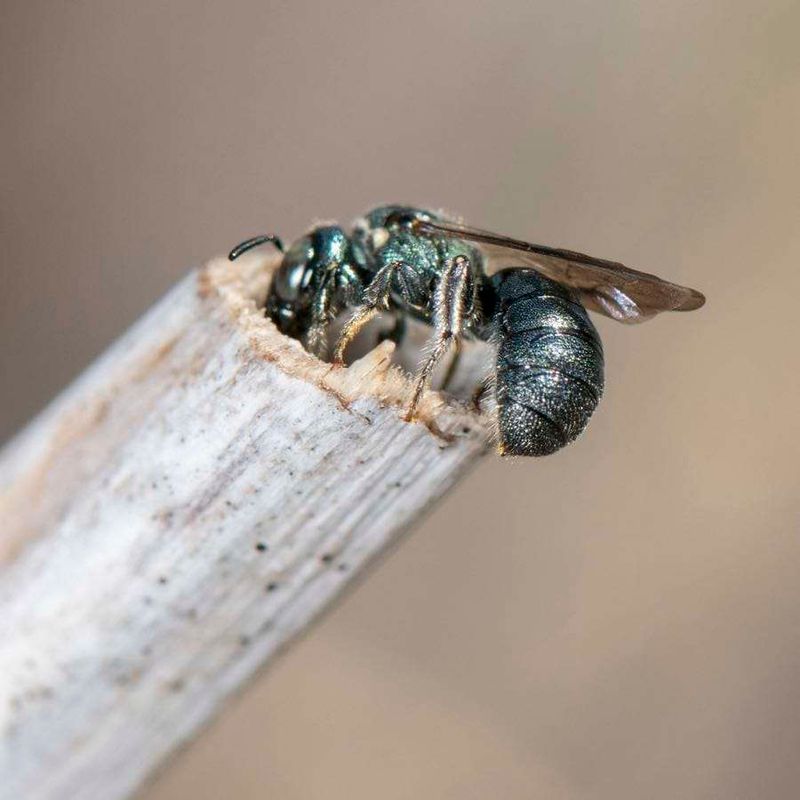
Small changes often matter most in a garden. Learning when and where to cut can turn your winter cleanup into a real gift for pollinators.
Here is a simple plan to follow this season:
After the first fall frost, let seed heads stand a while for the birds. During winter, cut this year’s intact perennial stems down to 12 to 24 inches.
Leave broken stems and older stubble untouched, since they may already hold nests.
Move raked leaves into beds instead of bagging them. Keep a sunny patch of bare soil for ground-nesting bees.
Skip pesticides around these spaces, because sprays can harm the very insects you want to help.
Each year, you will build up stubble of different ages, giving bees a steady supply of homes. Over time, the garden starts to feel livelier, with more buzzing visitors on spring flowers.
A neat bed and a bee-friendly bed can be the same bed. You just need to know which stalks to snip and which to leave.
Share what you learn with gardening friends too. The more yards that follow this habit, the more native bees North Carolina neighborhoods will enjoy each spring.