What It Means When A Goldfinch Visits Your Pennsylvania Garden Every Morning
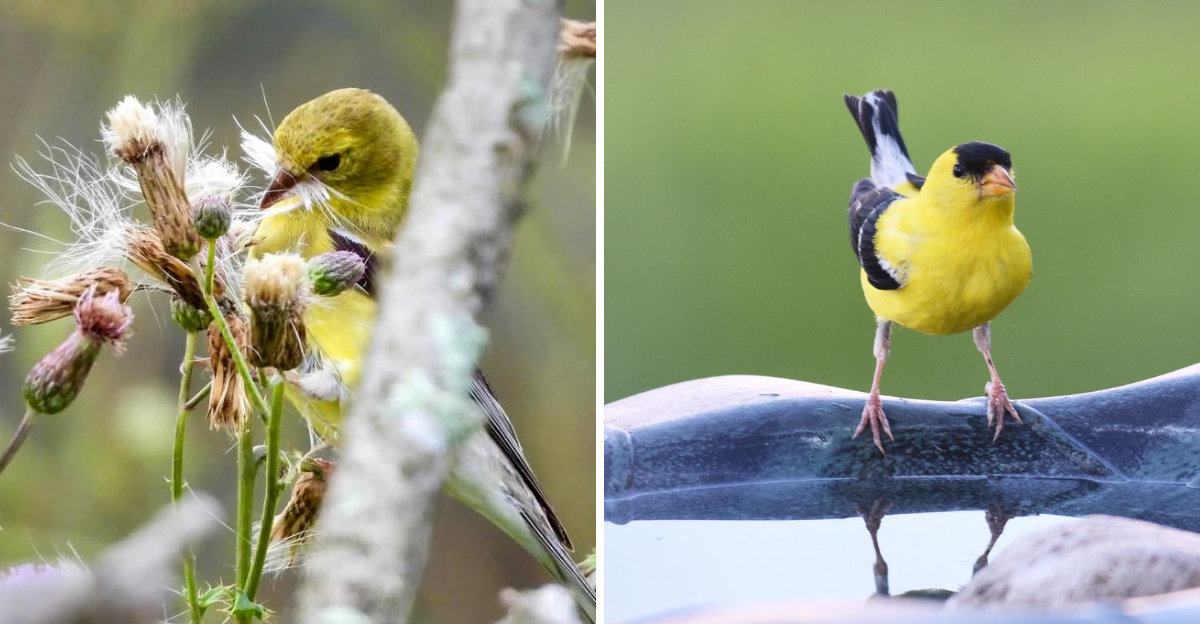
Something small and brilliantly yellow has been showing up to your Pennsylvania garden at the same time every single morning. You’ve started noticing it before you’ve finished your first cup of coffee.
You’ve started looking for it. And somewhere along the way, without quite deciding to, you’ve started caring whether it shows up or not.
That’s the goldfinch effect. And it’s completely understandable. There’s a reason this bird feels different from a casual backyard sighting. A goldfinch that returns to your garden every morning is not being random.
It’s being deliberate. These birds are territorial, highly routine, and deeply selective about where they invest their time.
A daily visit means your garden has earned a place in this bird’s world, and that says something real and worth knowing about the ecological quality of your outdoor space.
But for many Pennsylvania gardeners, the meaning goes further than habitat assessment. Goldfinches carry rich symbolic significance across spiritual and cultural traditions that has followed them for centuries.
1. Your Garden Has A Reliable Seed Supply
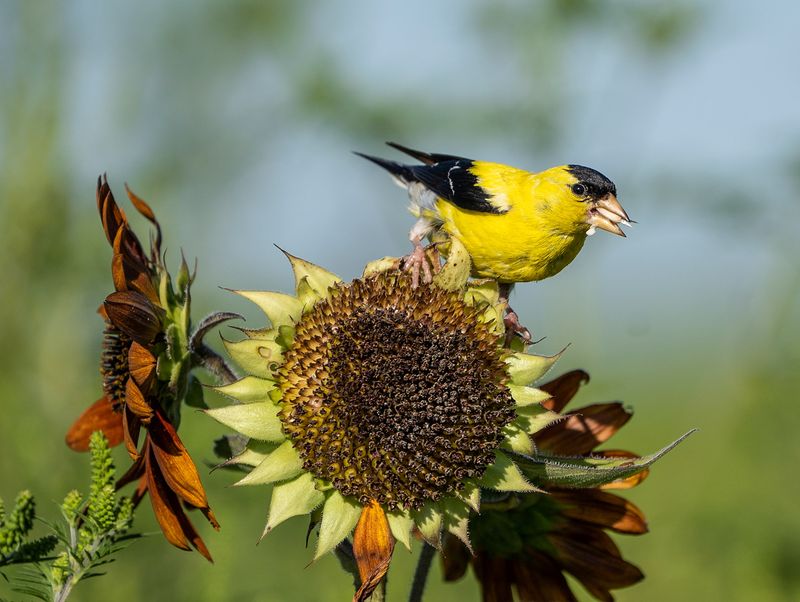
Picture a tiny burst of yellow hanging off a sunflower head, pulling out seeds one by one with impressive speed. That is exactly what a goldfinch does when it finds a garden packed with the right plants.
Goldfinches are seed lovers through and through, and your garden may be serving up their favorite foods every single day.
These birds feed heavily on seeds from sunflowers, coneflowers, asters, thistles, and native grasses. If you grow any of these plants and let them go to seed at the end of the season, you have basically set up a buffet.
Goldfinches prefer seeds that are fresh and easy to reach, so plants with open seed heads work best.
Unlike many birds that switch between seeds and insects, goldfinches stick mostly to plant-based foods. This makes them especially dependent on gardens that offer a steady supply throughout the warmer months.
A garden with a mix of blooming and seeding plants at different times keeps goldfinches coming back again and again.
You do not need a fancy setup to attract them. Simply avoid cutting back your flower stalks too early in the season.
Letting plants like coneflowers and black-eyed Susans stand through late summer gives goldfinches a natural feeding station right in your yard. The more seed variety you offer, the more likely goldfinches will make your garden part of their daily routine.
Consistent food sources build consistent habits in birds, and a goldfinch that finds seeds every morning will rarely look elsewhere.
2. There Could Be A Nesting Pair Nearby
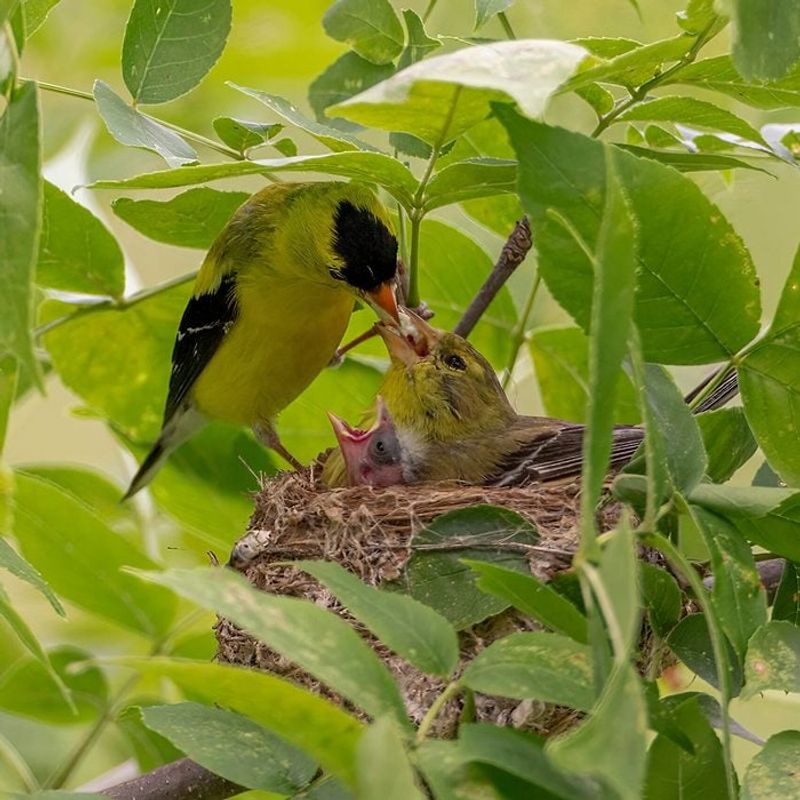
Most people think of spring as nesting season for birds, but goldfinches play by their own rules. American goldfinches are known for nesting later than almost any other songbird in North America.
In Pennsylvania, they often begin building nests in late June and continue raising young well into August and even September.
If you notice a goldfinch visiting your garden every morning during midsummer, there is a good chance a nesting pair has set up home somewhere nearby.
Your Pennsylvania Garden Changes Every Week. Your Plan Should Too.
Gardening in Pennsylvania changes quickly throughout the season. Every Friday you’ll receive a simple weekly plan showing exactly what to plant, prune, fertilize, harvest, and protect so you never miss the right timing.
The adults make frequent trips to gather food and materials during this time, so a regular visitor could easily be a parent on a mission.
Male goldfinches are especially active during the nesting season. They often travel short distances from the nest to find seeds and bring them back to the female or the young.
Seeing the same bright yellow bird each morning could mean the nest is just a few yards away, tucked inside a shrub or small tree.
Watching the behavior of the bird can give you clues. If it arrives quickly, grabs seeds, and leaves in a hurry, it is probably feeding young.
If it lingers and sings, it may be a male marking his territory or attracting a mate. Either way, frequent morning visits during late summer are a strong sign that goldfinches are raising a family close to your yard.
Keeping your garden calm and undisturbed during this time can really help the nesting pair feel safe enough to stay nearby through the entire season.
3. Your Garden Offers Useful Nesting Material
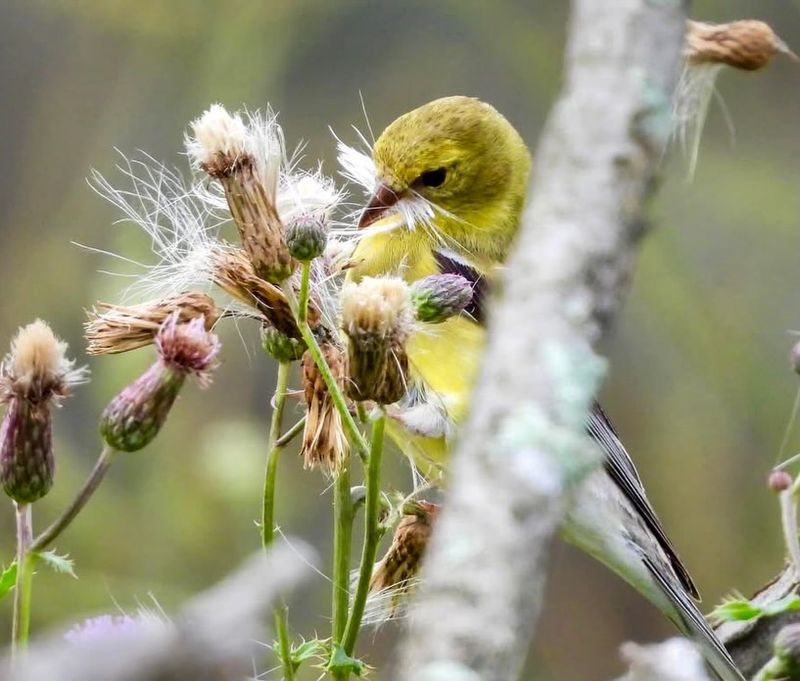
Goldfinches are picky architects. They build some of the most tightly woven nests of any North American bird, and they are very selective about the materials they use.
Soft plant fibers are their top choice, and certain garden plants provide exactly what they need.
Thistles and milkweeds are two of the most valuable plants for nesting goldfinches. The fluffy white fibers from these plants are perfect for weaving a soft, cup-shaped nest.
Goldfinches use these fibers to create a structure so tightly built that it can actually hold water. Cattails and other plants with similar soft seed fluff are also popular choices.
If your garden includes any of these plants, or if you have a wild corner where thistles grow freely, goldfinches may be visiting not just for food but also to collect supplies.
You might catch them pulling at the fluffy tops of seed heads or tugging on dried plant stems in search of usable fibers.
Leaving a section of your yard a little wild can make a big difference. Mowing everything short or pulling up plants too early removes materials that goldfinches rely on during nesting season.
Even a small patch of native plants left to grow naturally can serve as a valuable resource. Gardeners who embrace a slightly messier, more natural look often find that their yards attract far more bird activity.
For goldfinches especially, a garden that provides both food and nesting material becomes an almost irresistible destination every single morning throughout the summer months.
4. Your Yard Provides Good Cover
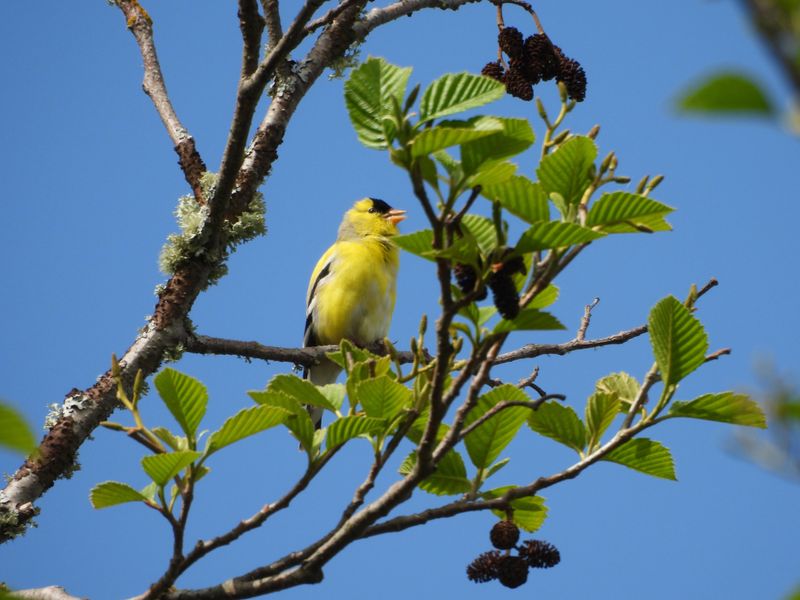
Birds do not just need food and water. They also need places to feel safe. A yard with open lawn and no shelter can feel exposed and risky to a small bird like a goldfinch.
But a garden with shrubs, small trees, and layered vegetation gives goldfinches exactly the cover they are looking for.
Cover serves two main purposes for birds. First, it gives them a place to rest between feeding trips.
Second, it offers quick escape routes if a predator shows up. Hawks, cats, and other threats are always a concern for small songbirds, so having dense branches nearby makes a garden feel much more secure.
Goldfinches tend to favor gardens that have several layers of plants. A mix of ground-level plants, medium-height shrubs, and taller trees creates a layered habitat that feels natural and safe.
Plants like native viburnums, serviceberries, and dogwoods are especially useful because they provide both shelter and food.
You might notice that goldfinches do not always land directly at your feeder or seed plants. Often, they first land in a nearby shrub or tree to check for danger before moving in.
This cautious behavior is completely normal. It means your garden feels safe enough for them to approach at all.
Adding more layered planting to your yard can noticeably increase the number of goldfinch visits. Even a few well-placed shrubs near a feeding area can make a real difference.
A garden that feels sheltered is one that birds will return to every single morning without hesitation or second thought.
5. A Birdbath May Be Drawing It Back
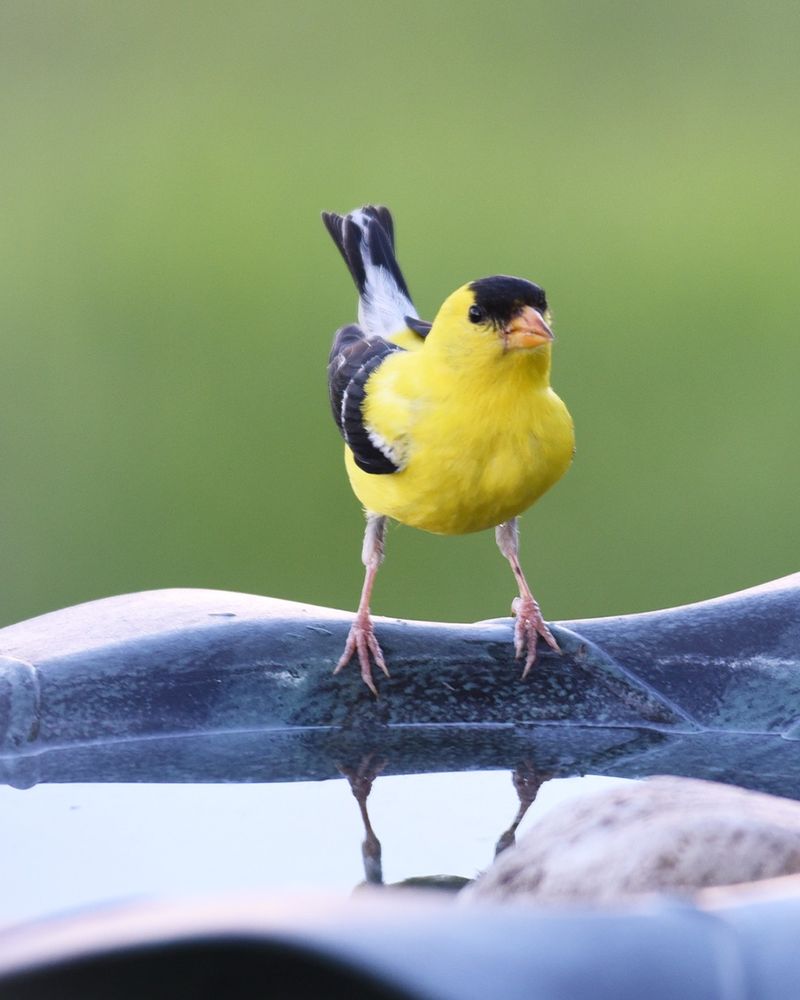
Water is one of the most powerful tools for attracting birds to any garden, and goldfinches are no exception. These small birds need clean water every day for drinking and bathing.
If you have a birdbath that you keep filled and clean, it could be the single biggest reason a goldfinch returns to your yard each morning.
Goldfinches tend to prefer shallow water. A bath that is only one to two inches deep is ideal for them.
Deeper water can feel unsafe for small birds, so they may avoid it even if they are thirsty. A birdbath with a rough or textured bottom also helps because it gives their feet a solid grip while bathing.
Keeping the water fresh matters a lot. Goldfinches are attracted to moving or dripping water, which they can often hear from a distance.
Adding a small solar-powered dripper or fountain to your birdbath can make it even more appealing. The sound of moving water acts like a natural signal that draws birds in from surrounding trees and shrubs.
Cleaning your birdbath every few days prevents algae buildup and keeps the water safe for birds to drink. A dirty or stagnant bath can actually drive birds away rather than bring them in.
Placing the birdbath in a spot with some nearby cover, like a shrub or small tree, also helps birds feel comfortable enough to use it regularly.
Once a goldfinch discovers a reliable water source in your garden, it will build that stop into its daily morning routine. Clean water is often the missing piece that turns occasional visits into daily ones.
6. Your Garden May Be Relatively Bird-Friendly
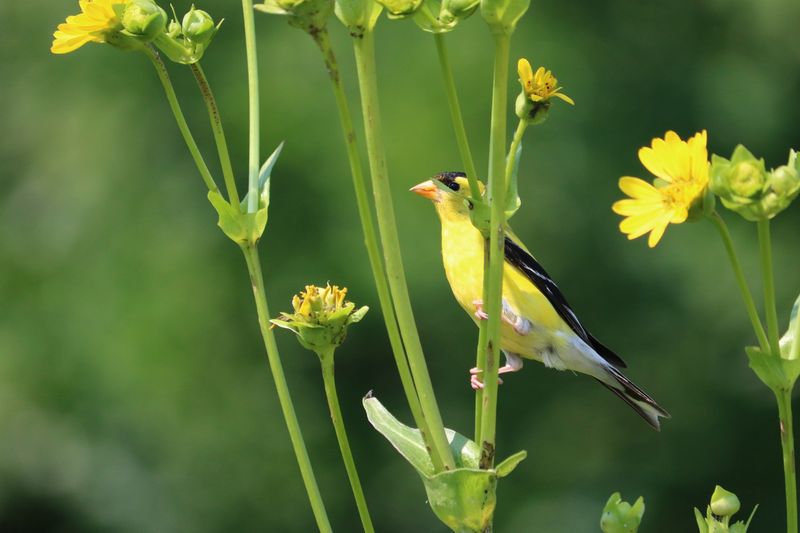
Not every yard is equally welcoming to wildlife. Gardens that rely heavily on pesticides, feature mostly non-native plants, and offer little natural variety tend to support far fewer birds.
If goldfinches are visiting your garden every morning, it is a pretty good sign that your outdoor space is doing something right.
Pesticides are one of the biggest reasons birds avoid certain yards. Many pesticides reduce the insect population that birds rely on, and some can directly harm birds that eat treated plants or insects.
A yard with fewer chemicals supports a healthier food chain, which in turn supports more bird activity.
Native plants are another big factor. Plants that naturally grow in Pennsylvania have evolved alongside local wildlife, including goldfinches.
They tend to produce more seeds, attract more insects, and provide better shelter than non-native ornamental plants. Even adding a few native species to an existing garden can boost bird activity noticeably.
Diverse plantings also create a more stable environment. A garden with many different types of plants offers something useful at every time of year.
Early bloomers support insects in spring, while late-seeding plants like coneflowers feed goldfinches into fall. This kind of layered abundance is exactly what bird-friendly gardens are built on.
Regular bird visits are often used by naturalists and wildlife experts as a sign of a healthy local habitat. Seeing goldfinches every morning is a quiet but meaningful indicator that your garden is supporting local biodiversity.
Small choices like skipping pesticides or planting one extra native flower really do add up over time and make a visible difference for birds.
7. It Probably Isn’t Just Passing Through
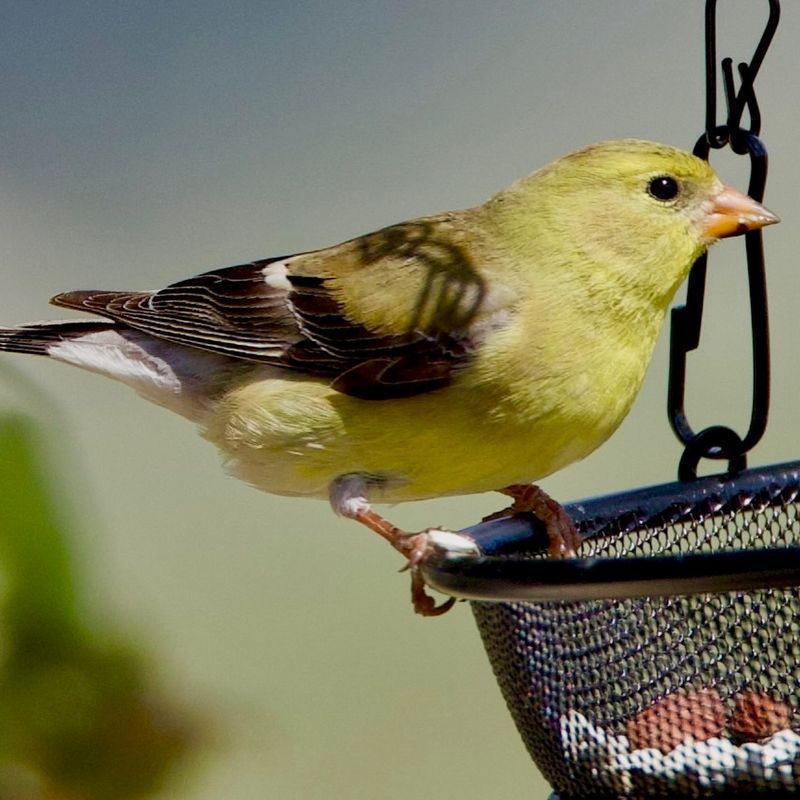
Some birds pass through Pennsylvania only during migration, staying just long enough to rest and refuel before moving on. Goldfinches are not in that group.
American goldfinches are year-round residents of Pennsylvania, which means the bird visiting your garden every morning is likely a permanent neighbor, not a tourist.
During summer, goldfinches wear their famous bright yellow plumage. In winter, they switch to a more muted olive-green color, which often confuses people into thinking the birds have left.
They have not. They are still around, just wearing a different outfit. This seasonal color change is one reason many gardeners do not realize goldfinches stay all year.
A goldfinch that appears every morning has almost certainly established a regular territory or feeding route that includes your yard. Birds are creatures of habit.
Once they find a reliable source of food, water, and shelter, they incorporate that location into their daily movements and stick with it through changing seasons.
As summer fades into fall and then winter, the same goldfinch may keep showing up. It might look different and behave a little differently, but the bird is very likely the same individual returning out of habit and familiarity.
Goldfinches also tend to form small flocks in the colder months, so you might suddenly see several birds where you previously saw one.
Keeping your garden stocked with seeds and fresh water through the fall and winter gives that loyal morning visitor every reason to stay close to your yard all year long.
Consistency on your end encourages consistency on theirs, building a rewarding connection between your garden and local wildlife.