7 Native North Carolina Trees To Plant Instead Of Crape Myrtle For Better Color And Pollinators
You pull into your driveway on a sticky July evening in the Piedmont, and there it is again. Your neighbor’s crape myrtle, covered in aphid soot and topped like a coat rack from last winter’s bad pruning. It blooms, sure, but the bees mostly ignore it and the trunk looks worse every year. North Carolina has native trees that give you better color, feed the pollinators you actually want, and shrug off our clay and cold snaps.
Here are seven worth planting instead.
1. Eastern Redbud Lights Up Spring Before Anything Else
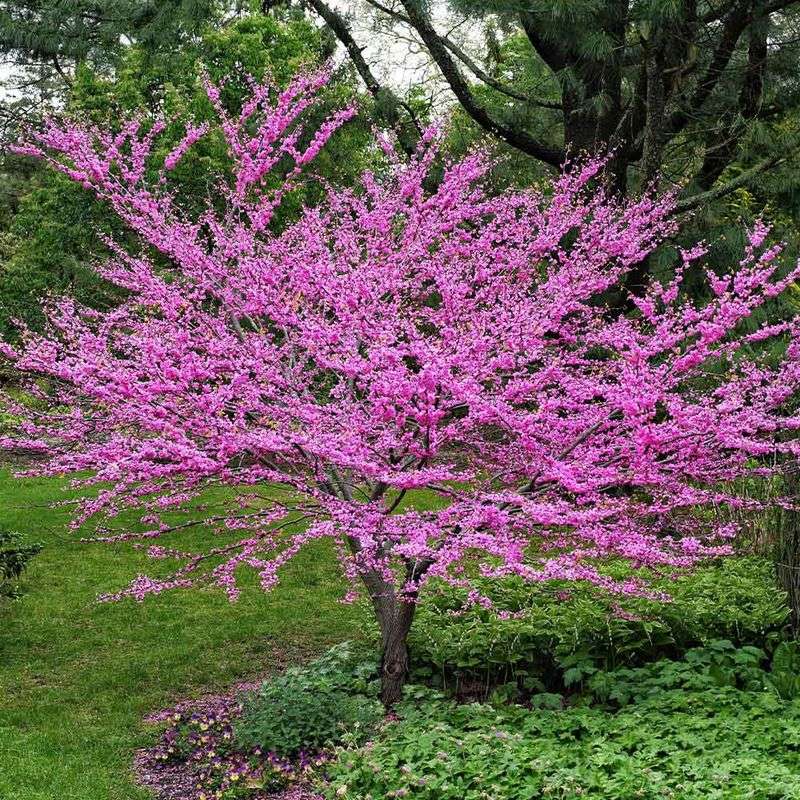
Winter drags on in North Carolina, then one March morning your bare yard glows hot pink out of nowhere. That is the Eastern redbud (Cercis canadensis), and the flowers do something strange. They bloom straight out of the trunk and old branches, a trick botanists call cauliflory.
The turn here is timing. Redbud opens in late March when little else has woken up, so it feeds early native bees at the exact moment they are starving for pollen. Long-tongued bees and even some early butterflies work those blooms hard.
Plant one in spring or fall, giving it a spot with morning sun and a little afternoon shade in the hotter Piedmont. It handles our red clay better than most, but do not drown it. Space it about 15 to 20 feet from the house and other trees so the flat, spreading crown has room.
Mature height runs 20 to 30 feet, so it fits a small yard where a big oak never could. The heart-shaped leaves stay tidy all summer, then turn soft yellow in fall.
Compared to a crape myrtle, you get color a full two months earlier and real food for pollinators. And you never have to top it.
2. Flowering Dogwood Is The Understory Native You Already Love
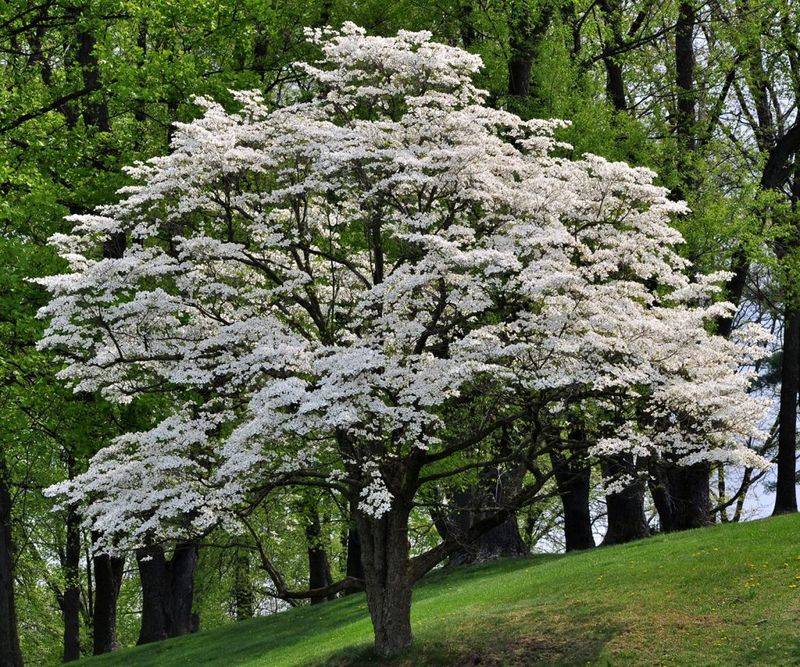
Ask most folks to name a North Carolina tree and the dogwood comes up fast. It is genuinely our signature spring bloom, and there is a reason it shows up in so many yards from the mountains to the Sandhills.
Flowering dogwood (Cornus florida) blooms in April with those creamy white bracts, then quietly gets to work. Small native bees visit the flowers, and by fall the bright red berries feed cardinals, robins, and more than 30 bird species heading through.
Here is where it gets tricky. Dogwood is an understory tree, meaning it evolved under taller trees, so full blazing sun and hot dry clay can stress it. Give it filtered light, a spot on the east side of the house, and 2 to 3 inches of mulch pulled back from the trunk.
Plant in fall so roots settle before summer, and space it around 20 feet out. It tops out near 15 to 25 feet.
NC State Extension recommends watering young dogwoods weekly through dry spells for the first couple of years. Do that, and the fall foliage rewards you with deep burgundy red that no crape myrtle can match.
3. Serviceberry Gives You Flowers, Berries, And Fall Fire
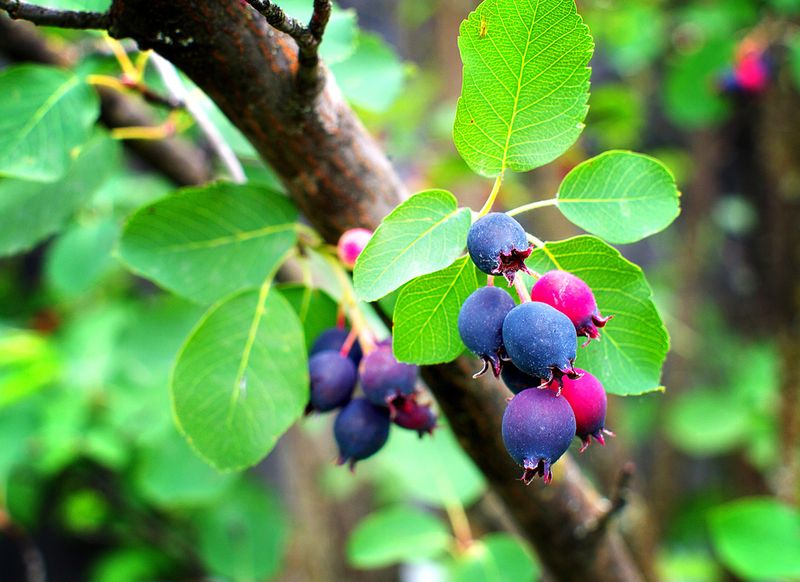
Most trees pick one season to shine. Serviceberry (Amelanchier arborea) refuses to choose, and that greedy little overachiever earns its spot on this list three times over.
Your North Carolina Garden Changes Every Week. Your Plan Should Too.
Gardening in North Carolina changes quickly throughout the season. Every Friday you’ll receive a simple weekly plan showing exactly what to plant, prune, fertilize, harvest, and protect so you never miss the right timing.
Early spring brings clouds of white star-shaped flowers, some of the first nectar bumblebees find after winter. By June you get small purple berries that taste like a blueberry crossed with an almond, and cedar waxwings will strip them before you get many. Then October arrives and the leaves burn orange and red.
Give it full sun to part shade. It handles Piedmont clay and cooler mountain yards in zones 6a through 7b without complaint. Many gardeners grow the multi-stemmed form for a soft, natural shape near a patio.
Plant in fall, water deeply once a week the first year, and space it 15 feet from structures. Mature height sits around 15 to 25 feet.
You get spring bloom, summer fruit for birds and people, and fall color from one tree that asks for almost nothing. A crape myrtle cannot feed your family or your waxwings.
4. Sourwood Blooms In Summer When Bees Need It Most
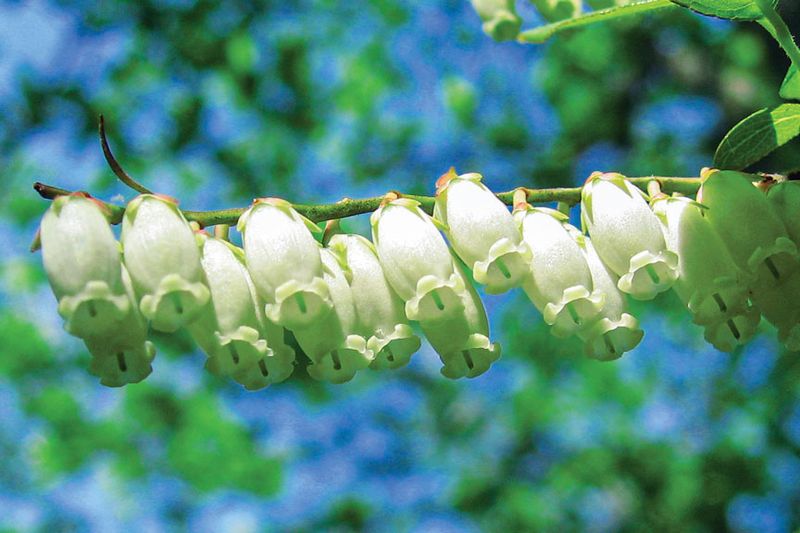
Sourwood is the tree behind that famous jar of honey folks haul home from the North Carolina mountains. And there is a good reason beekeepers chase it.
Sourwood (Oxydendrum arboreum) blooms in June and July, right in the summer gap when spring flowers are long gone and pollinators are hunting. Long, drooping strings of white bell flowers cover the tree, and honeybees swarm them for one of the best-tasting nectars in the Southeast.
The blunt truth is that this tree grows slowly, so patience is the price of admission. It also wants acidic, well-drained soil and does not love soggy clay, so pick a slope or amend the spot with organic matter.
Full sun to part shade suits it, ideally in the Piedmont or mountains. Plant in fall, space it about 15 feet out, and expect a mature height of 25 to 40 feet over many years.
Come autumn, sourwood turns a screaming crimson that rivals anything in the woods. Summer flowers for bees, brilliant fall leaves, and a tree tough enough to shrug off a surprise cold snap. That is a real upgrade over the porch-side crape myrtle.
5. Fringe Tree Drips White Clouds Every May
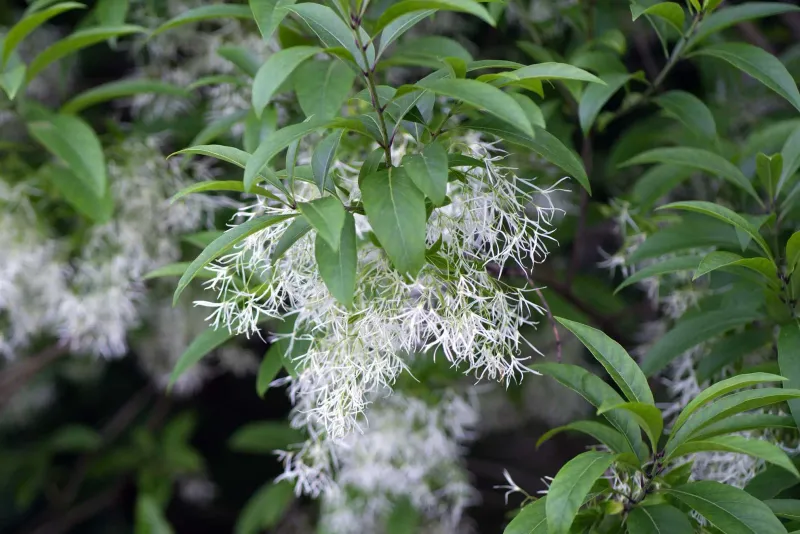
Picture a small tree that looks like it got caught in a snowstorm in May. Neighbors slow down to stare, and half of them have never heard its name.
The fringe tree (Chionanthus virginicus) earns nicknames like Grancy Graybeard for those soft, fringed white flowers that hang in feathery clouds. The blooms are lightly fragrant, and native bees work them while butterflies pass through.
Female trees produce small dark blue fruit in late summer that birds go after quickly. Because it stays compact, around 12 to 20 feet tall, it slots neatly into the same spot where a crape myrtle would go, no topping required.
It is forgiving of Piedmont clay and tolerates both full sun and part shade, which makes placement easy. Plant in fall or early spring, keep it watered weekly through the first summer, and give it about 15 feet of room.
Bloom time lands in late April into May, bridging the gap between dogwood season and summer. You get a jaw-dropping show, food for pollinators and birds, and a tree that stays neighborly in size.
6. Red Maple Feeds Bees In February And Blazes In Fall
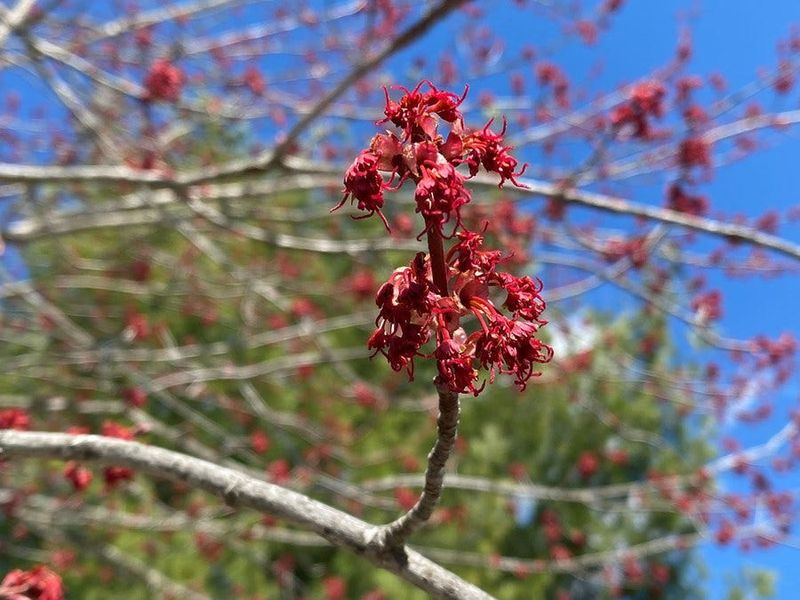
Long before your crape myrtle even thinks about leafing out, the red maple is already feeding hungry bees. Look up on a warm February day and you will see the tiny red flowers before most people notice them.
Red maple (Acer rubrum) is one of the earliest nectar and pollen sources in North Carolina, which matters for native bees breaking hibernation on those first mild days. It grows across the whole state, from mountain coves to the sandy Coastal Plain, and tolerates wet spots that would kill a crape myrtle.
The honest catch is size. Red maple can hit 40 to 60 feet, so this is a shade tree, not a patio accent. Give it room, at least 25 to 30 feet from the house and away from power lines and septic lines.
Plant in fall, water deeply the first year, and pick a spot with full sun for the best color.
Then wait for October, when the leaves ignite in reds and oranges that light up the whole yard. Early food for pollinators, easygoing roots, and a fall show worth raking for. That is a fair trade.
7. American Holly Keeps Birds Fed Through Winter Cold
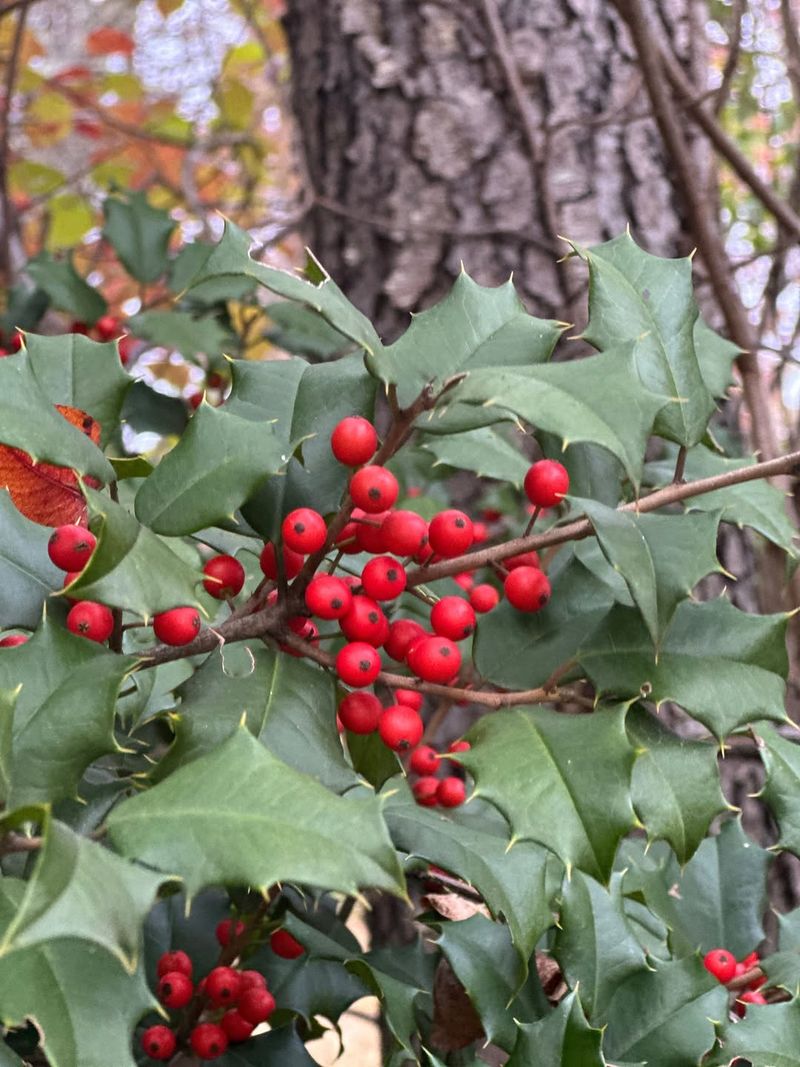
When a January cold snap strips your yard bare, one native tree stays green and loaded with red berries. Cardinals treat it like a corner store in the dead of winter.
American holly (Ilex opaca) does the opposite of everything else on this list, and that is exactly why it belongs here. Its small spring flowers feed bees, but the real payoff comes cold. Robins, bluebirds, and cedar waxwings depend on those berries when almost nothing else is left.
You need to know one thing up front. Holly comes as separate male and female trees, and only the females make berries, so you want at least one male within about 40 feet for pollination.
It grows statewide, handling clay and sandy soil alike, and takes full sun or shade. Plant in fall, space trees 15 to 20 feet apart, and mulch well. Mature height ranges from 15 to 30 feet.
The evergreen leaves give your yard structure through winter when a leafless crape myrtle just looks like sticks. Year-round green, spring bees, and winter food for the birds you love watching from the window. It closes the seasonal circle the whole list has been building toward.