What It Really Means When Groundhogs Start Digging Under Your North Carolina Garden Beds
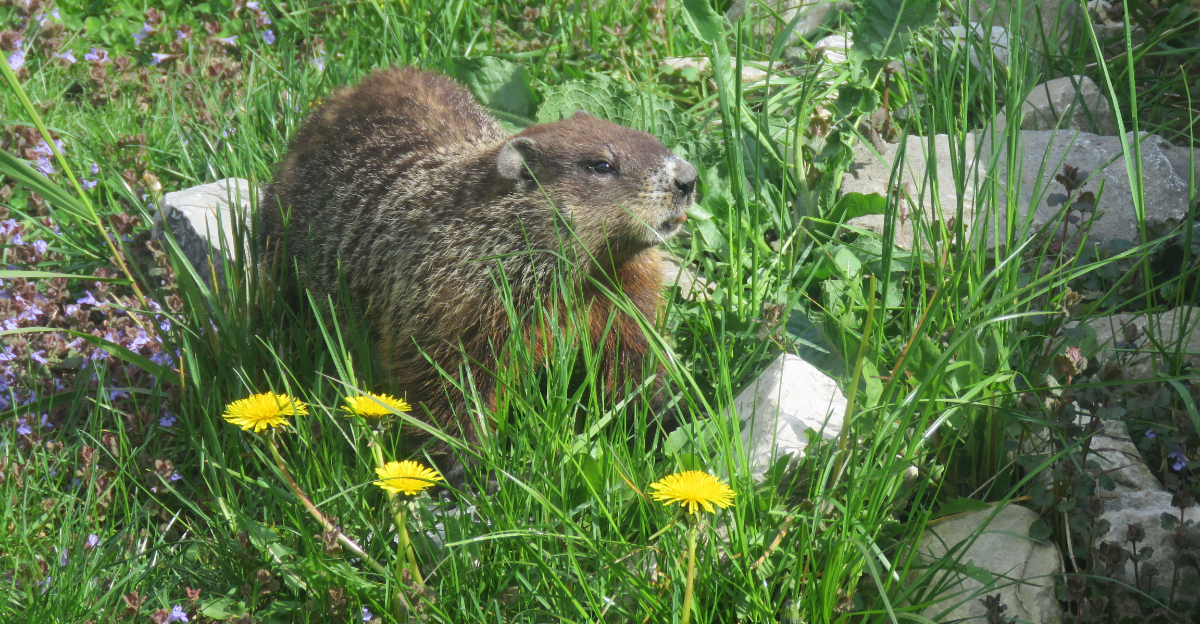
A groundhog digging along the edge of a garden bed is not random opportunism. It is a calculated response to something specific happening in that particular spot, and understanding what that is changes the approach to dealing with it entirely.
Groundhogs in North Carolina are methodical animals that invest significant effort only where consistent reward exists, and a bed they keep returning to is offering them something reliable enough to justify the work.
The location of the digging, the depth, and the timing within the season all carry information about what is drawing them and what the soil conditions in that area are actually like.
Reading those signals correctly makes the solution considerably more effective than generic deterrent advice ever produces.
1. It Means Your Garden Looks Like Easy Food

Picture this: you have spent weeks growing plump tomatoes, crisp lettuce, and tender bean plants, and a groundhog has been quietly watching the whole time. Groundhogs are not random wanderers.
They scout areas where food is easy to reach, and a well-stocked vegetable bed is basically an open invitation for them to move in.
North Carolina gardens are packed with the exact things groundhogs love most. Leafy greens like kale, Swiss chard, and spinach rank high on their list.
Soft fruits, ripe melons, and even overripe vegetables that have fallen to the ground are all fair game for a hungry groundhog looking for a quick meal.
What many gardeners do not realize is that leftover produce sitting in the bed overnight is one of the biggest attractants. When you leave crops on the vine too long or skip cleanup after harvest, you are essentially setting out a free buffet.
Groundhogs have sharp senses and can detect food from a surprising distance away.
The fix is simpler than most people expect. Harvest your crops promptly as soon as they ripen, and clear the bed of any fallen fruits, old leaves, or plant scraps after each growing session.
Keeping the area tidy removes the reward that drew the groundhog there in the first place.
A clean, well-harvested garden bed sends a very different message than a messy one. When there is nothing easy to eat, groundhogs will typically move on and search for a more rewarding spot elsewhere in the neighborhood.
2. It Means They Found A Safe Place To Burrow
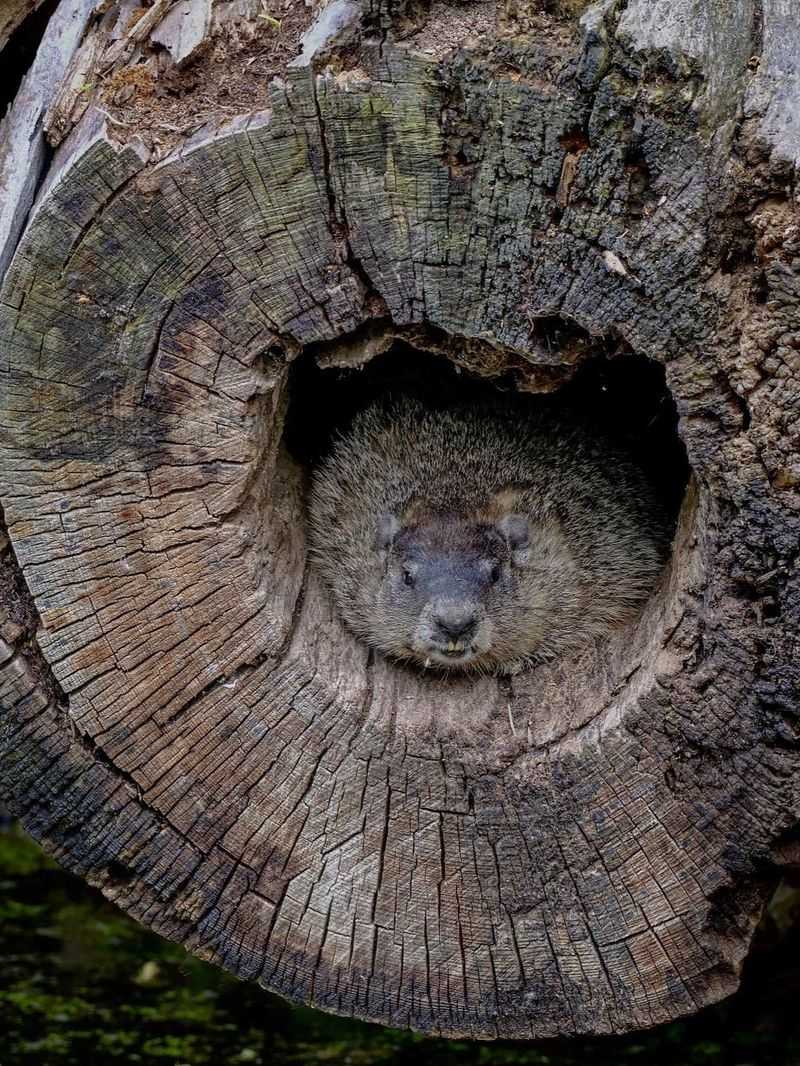
Groundhogs are not just looking for food when they dig near your garden. They are also looking for safety.
A burrow is where they sleep, raise their young, and hide from predators, so location matters a lot to them.
If your garden bed sits near a fence line, a shed, or a brush pile, it suddenly becomes prime real estate for a groundhog searching for a new home.
Raised beds are especially appealing because the edges create a natural overhang that offers partial cover. That slight bit of shelter makes a groundhog feel more secure when it starts digging.
Quiet corners of the yard that do not see much foot traffic are also favorites, since less human activity means less disturbance for the animal.
Your North Carolina Garden Changes Every Week. Your Plan Should Too.
Gardening in North Carolina changes quickly throughout the season. Every Friday you’ll receive a simple weekly plan showing exactly what to plant, prune, fertilize, harvest, and protect so you never miss the right timing.
What you might notice first is a small mound of loose, freshly moved soil near the base of the bed or along a fence line. The entrance hole is usually about five to six inches wide and is sometimes partially hidden by nearby plants or garden clutter.
Groundhogs tend to be tidy diggers, so the opening can look surprisingly neat.
Walk the edges of your garden regularly and look for these telltale signs, especially after rain when disturbed soil shows up more clearly.
Checking the corners near structures is particularly useful since those spots offer the combination of cover and closeness to food that groundhogs find most appealing.
Spotting a new burrow early is far easier to address than discovering a fully developed tunnel system weeks later. Early observation is one of the most practical tools a gardener has.
3. It Means The Bed Edge May Be Too Open Underneath

A wooden raised bed looks solid from the outside, but the bottom edge sitting on top of the soil leaves a gap that a groundhog can exploit surprisingly fast. These animals are powerful diggers with strong front claws built for moving soil efficiently.
A surface-level barrier, whether it is a decorative border, a wooden frame, or even a basic garden fence, does very little to slow them down once they are motivated to get underneath.
Groundhogs typically dig at an angle, starting just outside the bed and tunneling inward and downward. This means the damage can go unnoticed for a while because the entry point is outside the bed while the tunnel extends underneath your plants.
By the time you see wilting or shifted soil inside the bed, the groundhog may have already been working for days.
Hardware cloth or welded wire mesh buried below the soil surface is one of the most reliable solutions available to North Carolina gardeners.
A barrier that extends at least twelve inches down and bends outward at the bottom creates a physical obstacle that groundhogs cannot easily get around.
The outward bend is important because it discourages the animal from digging straight down along the barrier.
Installing this kind of underground protection when you first build a raised bed is much easier than adding it later. Retrofitting an existing bed takes more effort but is absolutely worth doing if groundhog activity is already present in your yard.
Pairing buried mesh with other strategies creates a much stronger layer of protection than any single method alone.
4. It Means Nearby Brush May Be Hiding The Entrance
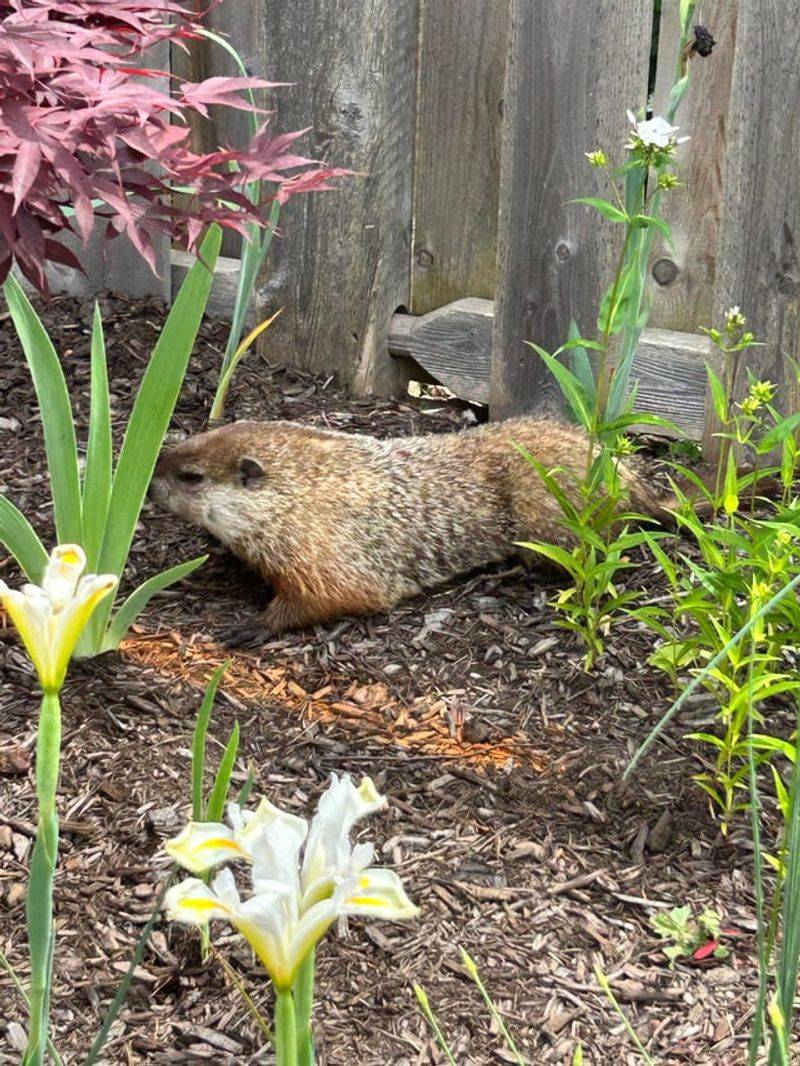
Groundhogs are clever about choosing burrow locations that blend into their surroundings.
A pile of old boards, a stack of garden debris, or a cluster of tall weeds growing along your fence line can completely hide a burrow entrance from plain sight.
North Carolina yards often have these kinds of overlooked spots, especially in the corners near garden sheds or along back fence lines that do not get regular attention.
Brush piles are particularly attractive to groundhogs because they provide overhead cover, which makes the animal feel protected while it enters and exits the burrow. Overgrown edges with thick weeds serve the same purpose.
From the groundhog’s perspective, a hidden entrance is a safer entrance, and safety is a top priority when choosing where to dig.
Many gardeners are surprised to discover a burrow they never noticed simply because the entrance was tucked under a forgotten pile of pulled weeds or a few old boards leaned against the fence.
Clearing these areas regularly is one of the simplest and most overlooked steps in groundhog prevention.
Walk the perimeter of your garden every couple of weeks and remove anything that creates unnecessary ground-level cover. Pulled weeds should go into a compost bin rather than a pile near the garden edge.
Old boards, pots, and unused equipment should be stored off the ground when possible to eliminate hiding spots.
A tidy yard perimeter does not just look better. It actively makes the space less appealing to groundhogs by removing the cover they depend on to feel secure near your garden beds.
5. It Means Your Fence May Need A Ground Barrier
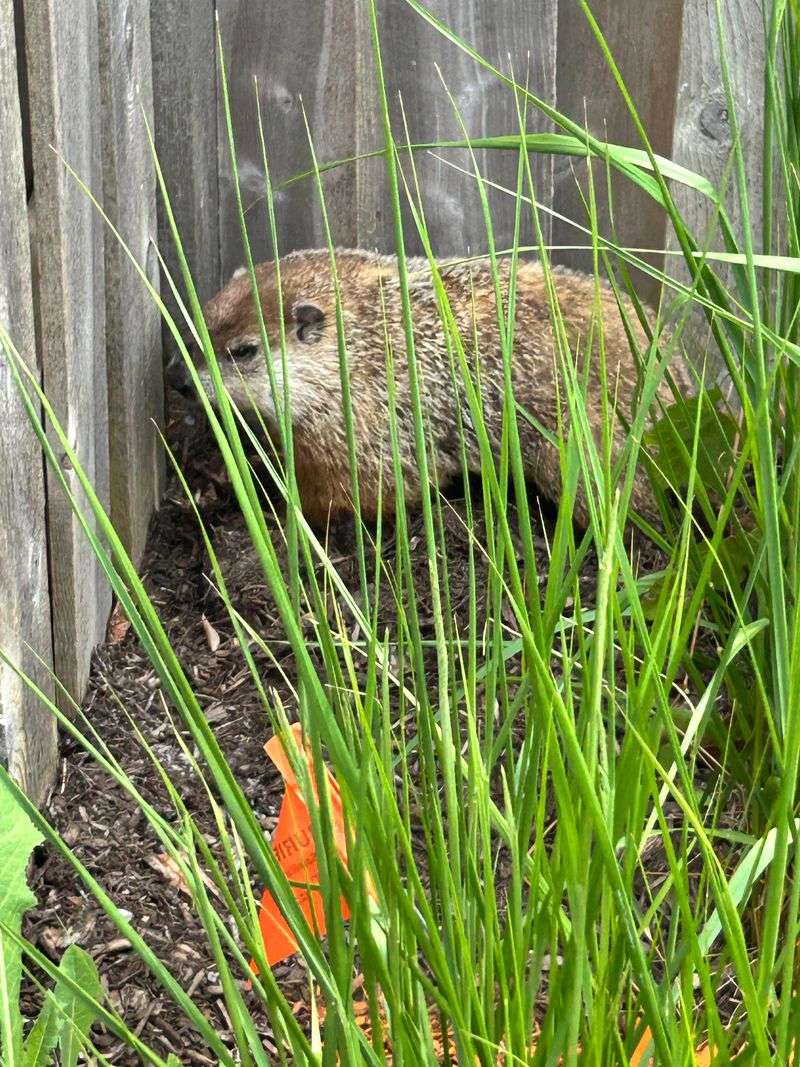
A standard garden fence might keep rabbits out, but groundhogs are a different challenge entirely. They are strong, persistent diggers that can go right under a fence without much effort if there is no underground barrier in place.
NC Wildlife resources specifically recommend fencing that includes a buried footer to prevent groundhogs from tunneling underneath and reaching the garden beds on the other side.
The recommended approach is to use a sturdy wire mesh or hardware cloth fence that extends at least twelve inches below the soil surface.
Bending the bottom of the buried section outward by about six inches creates an L-shaped footer that discourages digging along the fence line.
When a groundhog starts digging and hits the buried mesh, the outward bend redirects its efforts and usually convinces it to move on.
What surprises many gardeners is that groundhogs can also climb. While they prefer to dig under obstacles, they are capable of scaling a fence if the top is not designed to stop them.
Adding a floppy or unattached top section that bends outward when weight is applied makes climbing much harder and far less rewarding for the animal.
Choosing the right fence height matters too. A fence that stands at least three to four feet above ground combined with the underground footer gives you solid coverage from both directions.
This kind of two-direction protection is what separates a fence that actually works from one that just looks like it should work.
Investing in proper fencing upfront saves a tremendous amount of frustration later, especially once a groundhog has already discovered your garden.
6. It Means Plant Roots May Be Getting Disturbed
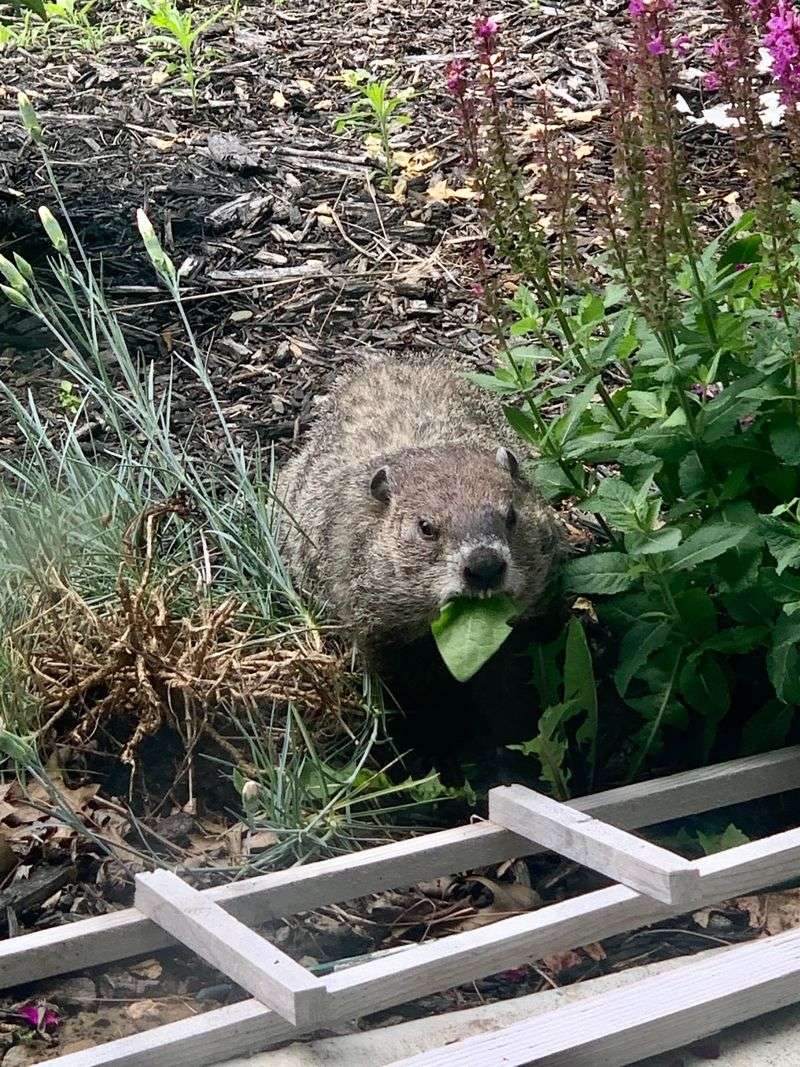
Not every groundhog that digs under your garden bed is actually eating your plants. Sometimes the bigger problem is what the tunneling does to the soil structure underneath.
When a groundhog creates a tunnel beneath a garden bed, it loosens the ground in ways that can seriously stress nearby plants even if the animal never touches a single leaf.
Roots depend on consistent soil contact to absorb water and nutrients. When tunneling creates air pockets or shifts the soil around, roots can lose that contact and begin to struggle.
You might notice plants starting to wilt on sunny days even when the soil surface looks moist, which is a sign that something is off below the surface.
Drainage patterns can also change when tunnels form under a bed. Water that used to move predictably through the soil may now flow into the tunnel channel instead, causing some areas to dry out faster while others stay soggy.
Over time, this uneven moisture distribution puts real stress on a wide range of vegetable crops.
Bed edges are especially vulnerable. The soil near the frame can sink or shift as tunnels collapse slightly, creating visible depressions or gaps along the interior wall of the bed.
After a heavy rain, these spots become much easier to spot because the wet soil settles more noticeably into the voids left behind.
Check your beds carefully after any rainstorm and look for sunken areas, newly exposed roots, or spots where the soil level has dropped.
Catching these signs early helps you address the tunneling before more significant plant stress develops throughout the bed.
7. It Means You Should Act Before The Tunnel System Is Established
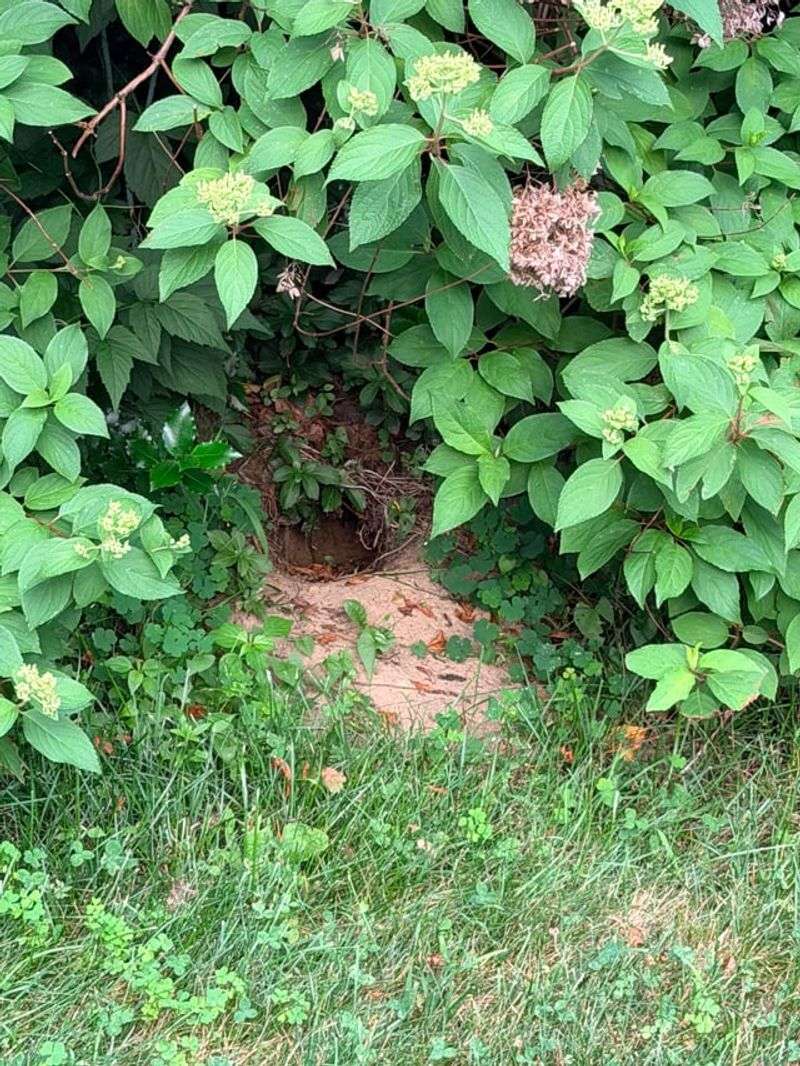
Fresh groundhog digging is a window of opportunity that closes faster than most gardeners realize. When a burrow is brand new, the tunnel is short, the animal has not yet committed fully to the location, and discouraging it is relatively straightforward.
Waiting even a week or two gives the groundhog time to develop a more complex tunnel system that becomes much harder to address without professional help.
The first step is removing whatever drew the groundhog there in the first place. Harvest ripe crops immediately, clean up fallen produce, and pull any weeds or brush that create cover near the bed.
Reducing the reward and the shelter at the same time sends a clear signal that this spot is not worth staying in.
Very fresh burrow openings, ones that appear to be newly dug and show no signs of regular use yet, can sometimes be loosely filled with soil or gravel to discourage the animal from continuing.
Always make absolutely sure the groundhog is not inside the tunnel before filling any opening, and never seal an active burrow.
Filling should only happen when you are confident the animal is out foraging.
Adding proper exclusion fencing around the affected bed at this early stage is one of the most effective moves you can make.
Installing buried wire mesh while the tunnel system is still small prevents the situation from growing into something much more complicated over the coming weeks.
When the situation feels too complicated or the burrow seems well-established, reaching out to your local North Carolina Wildlife Resources Commission office connects you with reliable, region-specific guidance tailored to your exact situation.