7 Plants To Think Twice About Bringing Indoors Before California Nights Turn Cold
Many potted fruit trees want eight to twelve hours of strong sun daily, far more than most south-facing windows deliver. That gap explains why many drop leaves after moving indoors, especially near heater vents and drafty doors.
Rooting a few four-inch cuttings in fall takes up less space than hauling a whole leggy pot inside. Some tropical favorites also slip into natural winter dormancy, looking worse above ground than their roots really are.
As a rule, I give my potted tropicals a warm, sheltered wall and a frost cloth before I give them my living room. You might notice a few stressed plants dropping crispy leaves on the carpet within weeks of coming inside.
Plenty of sunny patio stars can’t get what they need from a cozy but dim indoor corner. A few smart choices about shelter, cuttings, and frost cloth could keep them healthier where they already thrive.
1. Bougainvillea
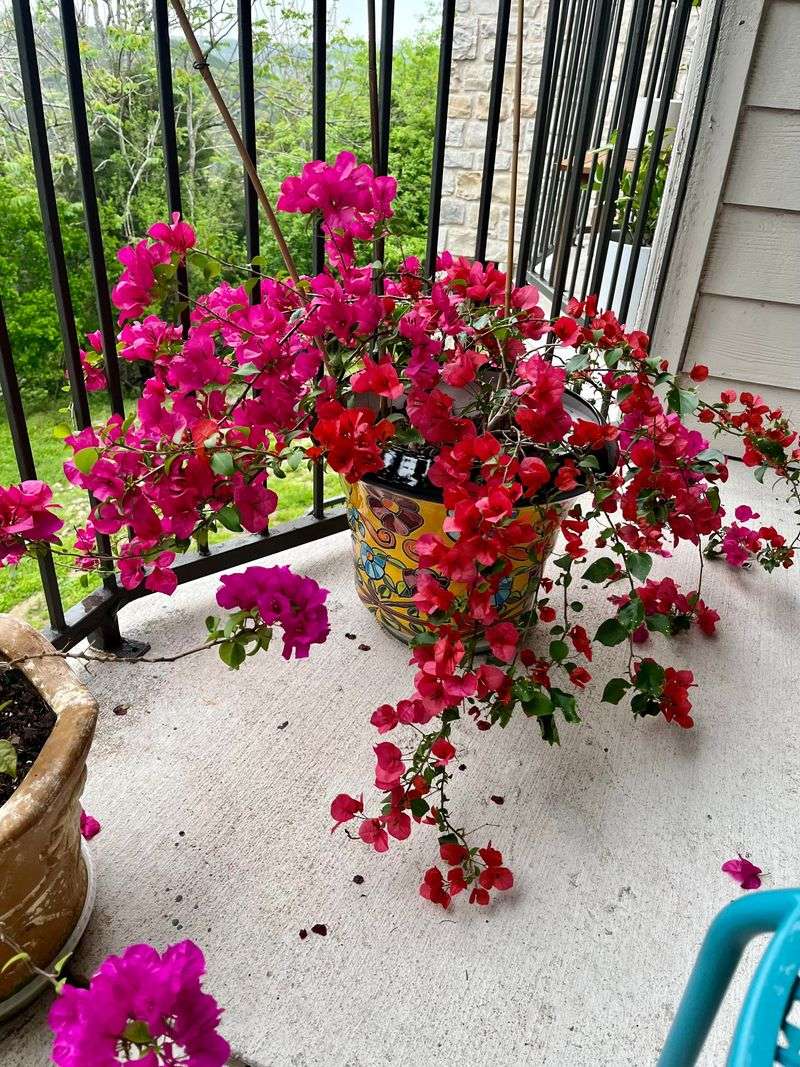
Those papery magenta blooms are not petals at all, but colorful bracts surrounding tiny white flowers in the center. I love how a mature bougainvillea can drape an entire garage wall in color for months at a time.
Outdoors, it thrives in USDA zones 9 through 11 and handles hot, dry summers with impressive toughness. Trouble begins when temperatures dip toward the low forties, because leaves and tender tips can start showing damage.
Moving one indoors sounds kind, yet most homes simply cannot deliver the intense light this vine expects. Even a bright south or west window often needs help from a strong grow light to keep blooms coming.
You should expect some leaf drop as the plant adjusts to lower light and drier indoor air. Personally, I find a pile of crispy leaves on the carpet less charming than a sunny patio display.
Those thorny stems create another headache, especially when a big plant sits beside a busy doorway or couch. Long canes snag sweaters and scratch arms, so careful placement matters as much as light for indoor survival.
A smarter plan for many gardeners involves leaving the pot outside against a warm, south-facing wall. On rare frosty nights, toss a frost cloth over the plant and remove it once the sun returns.
If you do bring it inside, cut watering way back and let the top half of soil dry first. Skip fertilizer until spring, and the vine will usually rebound with fresh growth when warmer weather comes back.
2. Tropical Hibiscus
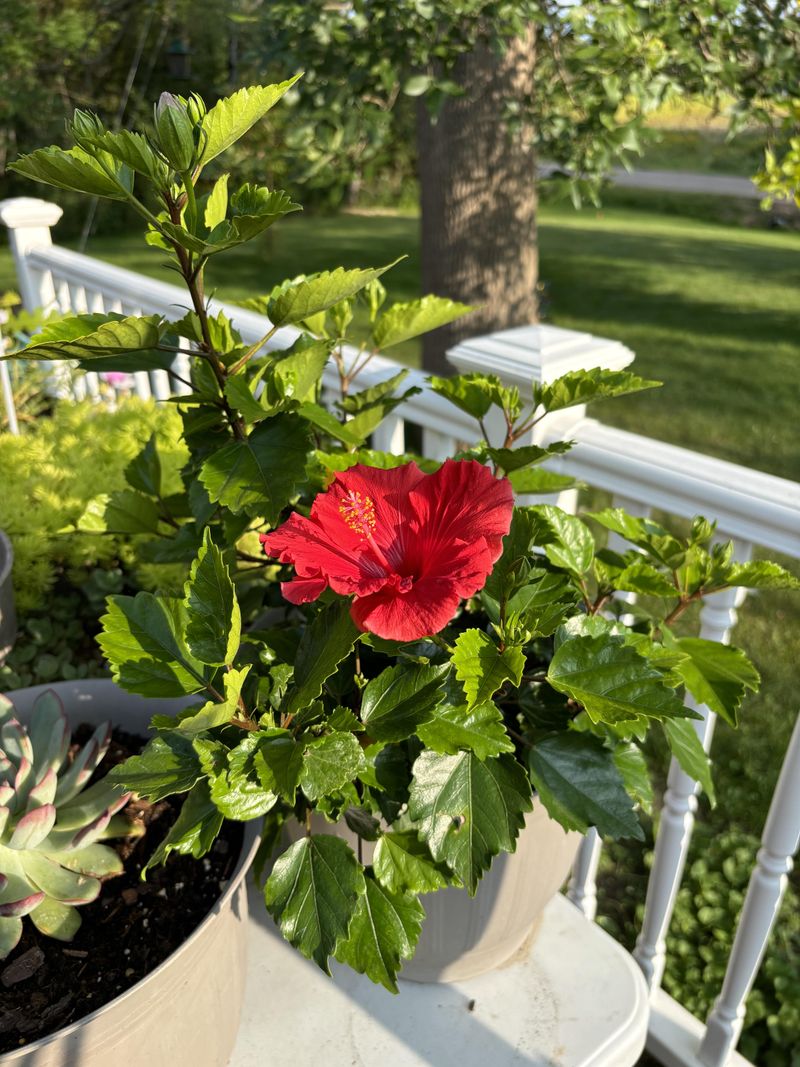
Each dinner-plate hibiscus bloom usually lasts just a day or so, yet healthy shrubs keep producing new ones. I can’t imagine a cheerier sight than a coral flower the size of my hand opening on a cool morning.
Hibiscus rosa-sinensis grows happily in zones 9 through 11 and prefers temperatures staying above 50 degrees. Damage becomes likely below about 35 degrees, so cold snaps inland deserve real attention from careful growers.
Indoors, the biggest challenge is light, since flower buds often drop when the plant feels shortchanged. A south or west window gives it a fighting chance, though blooming usually slows down during winter months.
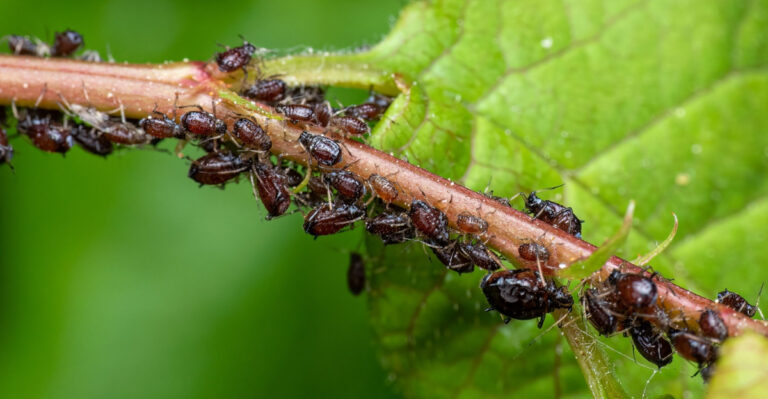
Dry household air is another problem, because this tropical shrub naturally craves the humidity of warm coastal regions. Spider mites and aphids often show up within weeks, leaving speckled leaves and sticky residue on nearby furniture.
You might notice fine webbing under leaves first, which signals mites are already settling in and multiplying. Rinsing foliage in the shower every week or two helps knock populations down before they spiral out of control.
Watering takes balance too, because soil should feel evenly moist without ever becoming soggy or sour. Soggy roots invite rot quickly, so a pot with good drainage holes matters more than a fancy container.
In milder coastal neighborhoods, I prefer tucking hibiscus beside the house under an eave for overhead protection. Covering it with frost cloth on the coldest nights is often easier than nursing a stressed plant indoors.
3. Dwarf Citrus Trees
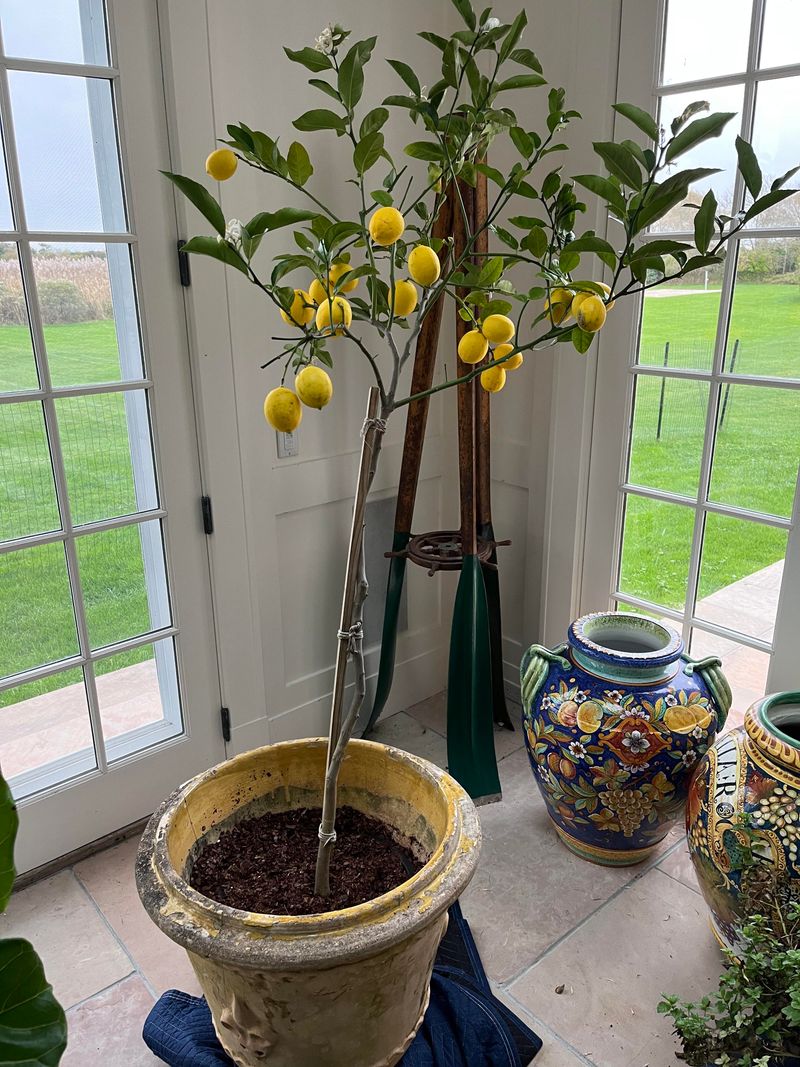
Meyer lemons are actually a natural cross between a lemon and a mandarin or orange, which explains their sweetness. I love how a single potted tree can perfume an entire patio when it blooms in spring.
Dwarf citrus usually stays around three to six feet tall in containers, so it looks perfect for indoor life. Most varieties get nervous once temperatures fall below freezing, which happens in many inland valleys each winter.
Light is where indoor plans fall apart, because citrus wants roughly eight to twelve hours of strong sun. Even a south-facing window rarely provides that much, so a quality grow light becomes almost mandatory indoors.
Leaf drop is the classic complaint, and it often follows sudden temperature swings near heater vents or drafty doors. Watering mistakes make things worse, so let the top inch or two dry before giving the pot a soak.
Scale insects look like tiny brown bumps on stems, and they spread surprisingly fast in warm, still rooms. Spider mites join the party too, especially when indoor humidity drops during long stretches of heater use.
Did you know many citrus trees handle a light frost better once they have been hardened by cooler fall weather? Lemons and limes are generally more tender than mandarins, so their placement deserves extra care during cold snaps.
In much of California, a protected patio corner plus frost cloth works better than dragging the tree indoors. Holiday string lights with old-style incandescent bulbs can add gentle warmth, though LED lights produce very little heat.
4. Mandevilla
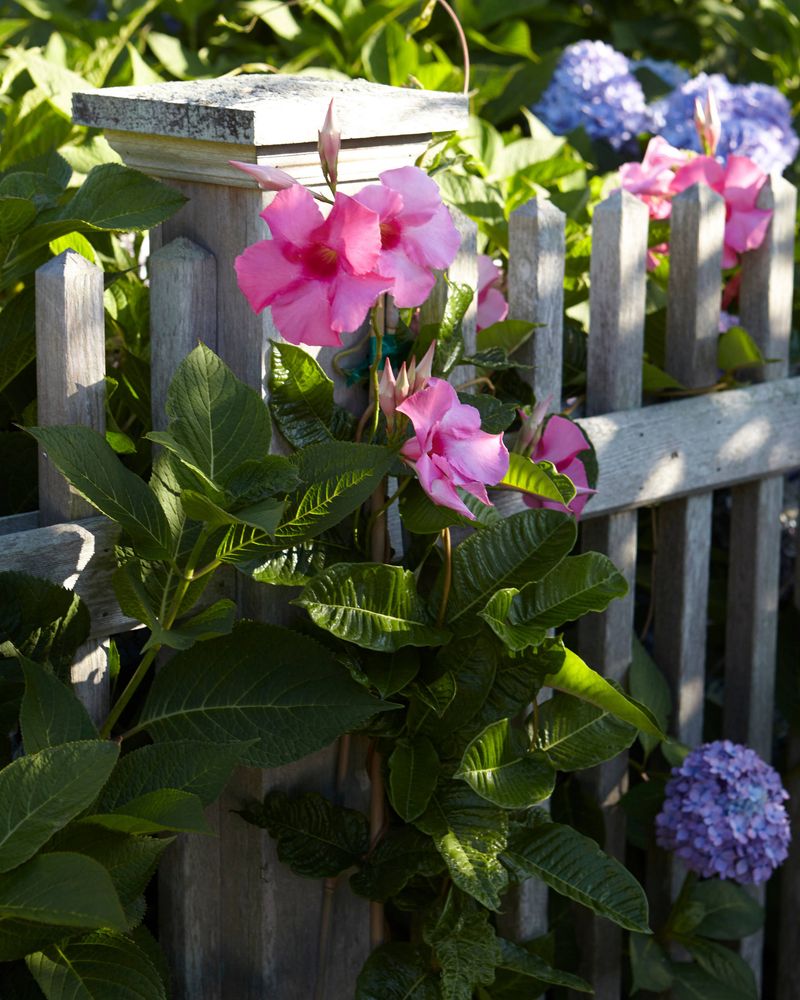
Glossy leaves and pink trumpet flowers make mandevilla look like it belongs on a tropical resort balcony. Personally, I think few vines climb a trellis with more confidence once summer heat really settles in.
Mandevilla thrives outdoors in zones 9 through 11 and grows fastest when days stay warm and bright. Growth slows noticeably in the fifties, and chilly nights in the forties can start damaging its tender foliage.
That cold sensitivity tempts many gardeners to move it inside, yet blooms rarely continue well under indoor conditions. A south or west window works best, and a grow light helps prevent long, floppy stems from stretching toward glass.
You might notice yellowing leaves dropping within a few weeks, which is a normal reaction to reduced light. Low humidity adds stress, so grouping plants together or using a pebble tray can make a small difference.
Mealybugs are sneaky visitors, appearing as cottony white clusters tucked into leaf joints and along twining stems. Spider mites also love mandevilla indoors, and both pests multiply much faster in warm rooms without fresh breezes.
One useful trick involves trimming the vine back before bringing it inside, which makes inspections far easier. Check every leaf underside carefully, because a single hitchhiking pest can grow into a houseful within a month.
In frost-free coastal gardens, leaving the pot near a sheltered wall often works better than any indoor arrangement. Water sparingly through winter, then expect fresh growth and flowers to return once warm days come back in spring.
5. Geraniums
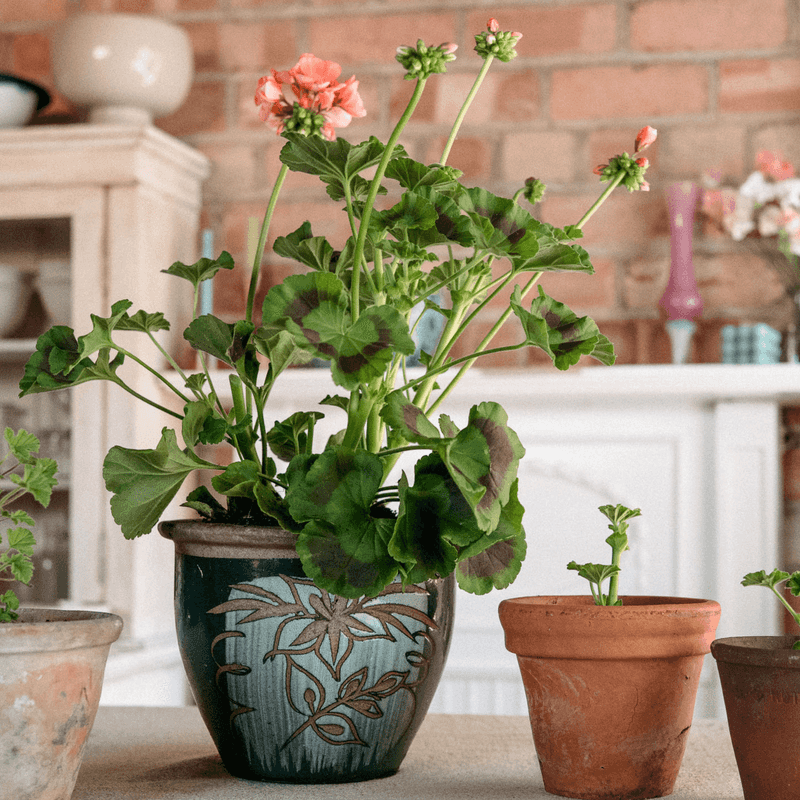
Those classic window-box geraniums are not true geraniums at all, since botanists place them in the genus Pelargonium. I like how they brighten a front step with almost no fuss during most of the year.
Pelargoniums can live as perennials in zones 10 and 11, where winters stay mild and frost rarely visits. Elsewhere they behave more like annuals, because a hard freeze turns their juicy stems mushy almost overnight.
Indoors, they quickly become leggy, stretching thin stems toward the window and producing far fewer flower clusters. A bright south-facing window helps keep them compact, though a grow light often gives better results in winter.
Whiteflies are a common indoor nuisance, rising in tiny clouds whenever you brush against the infested leaves. Aphids and spider mites also find stressed geraniums easy targets once dry, heated air settles into your home.
Watering is the trickiest part, because these plants prefer drying out slightly between drinks rather than staying wet. Overwatering in cool rooms can lead to stem rot or root rot faster than most beginners expect.
A fun alternative involves snipping four-inch cuttings in fall and rooting them in small pots of moist mix. Those little starts take up less space and usually stay healthier than an oversized mother plant indoors.
In coastal areas of California, many geraniums simply keep blooming outside through winter with minimal protection. You only need to cover them during rare frosty nights, which saves you plenty of indoor cleanup.
6. Elephant Ears
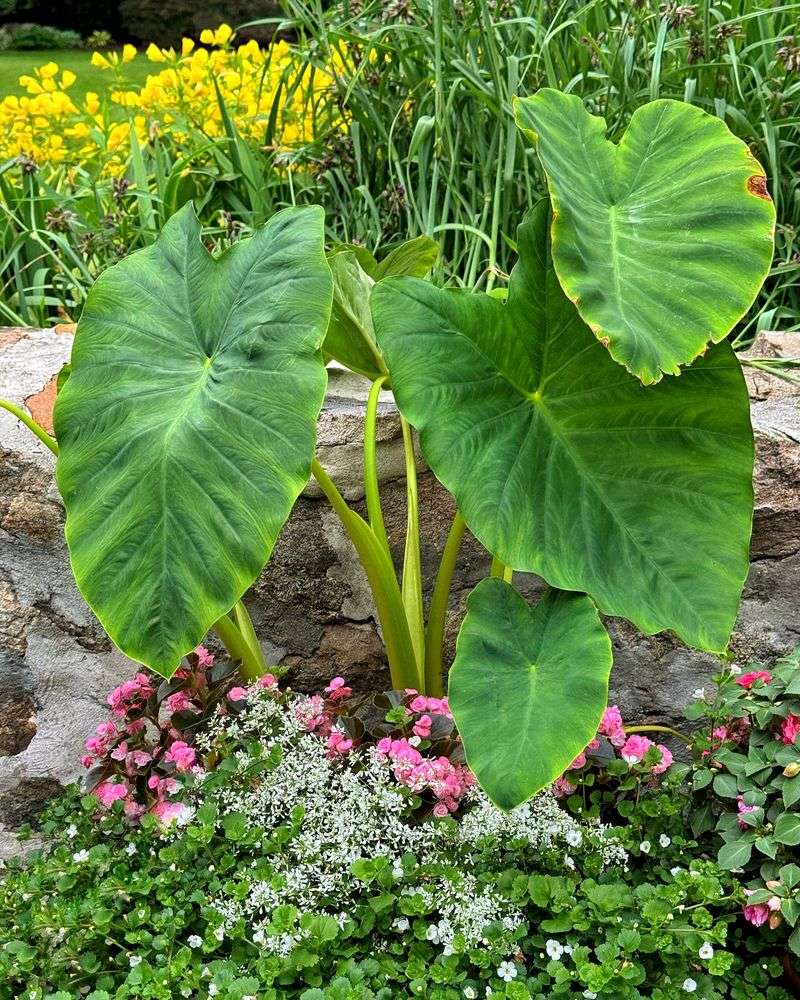
A single elephant ear leaf can grow larger than a kitchen cutting board, and I find that thrilling. Those giant heart or arrow shapes instantly make an ordinary backyard feel like a steamy jungle trail.
Elephant ears belong to two main groups, Alocasia and Colocasia, and both prefer warm, frost-free conditions. Many types naturally slow down or go dormant in winter, which surprises gardeners who expect lush leaves year-round.
Indoors, these plants want bright, indirect light along with humidity somewhere around 60 to 80 percent. Most heated homes sit far below that range, so leaf edges often turn crispy and brown quickly.
Cold drafts from doors and sudden temperature changes add more stress, causing older leaves to yellow and collapse. You might panic at first, but a plant entering dormancy often looks worse than its underground roots actually are.
Personally, I prefer working with that natural rest period instead of fighting it inside a dry living room. Once leaves fade, many gardeners dig Colocasia corms, let them dry briefly, then store them somewhere cool and dark.
Keep stored corms around 45 to 55 degrees, checking monthly for soft spots or signs of rot. Replant them outdoors after frost danger passes, and fresh leaves usually unfurl as the soil warms up.
Colocasia esculenta has become invasive along waterways in some southern states, so keep it away from creeks. All elephant ears contain calcium oxalate crystals, so keep curious pets and toddlers away from chewing the leaves.
7. Bird Of Paradise
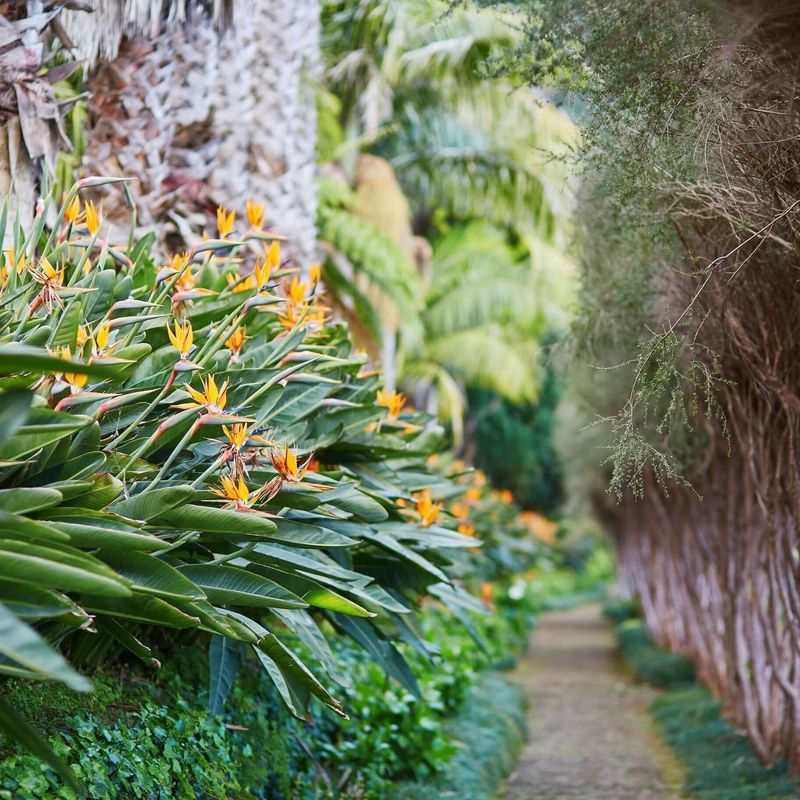
Each orange and blue bloom looks like a crane’s head peeking out of a green beak-shaped sheath. I believe few plants announce a sunny garden quite as boldly as a clump of Strelitzia reginae.
Bird of paradise was named the official flower of Los Angeles in 1952, which shows how much locals love it. Outdoors, it thrives in zones 9 through 11 and handles brief chilly dips better than many tropical neighbors.
Frost can still scar the leaves, though, and severe cold may reduce flowering the following season. That risk makes indoor overwintering tempting, especially for gardeners in colder inland and foothill parts of California.
Indoor light is the real hurdle, because this plant needs extremely bright sun to produce its famous flowers. Most windows simply fall short, so potted plants brought inside often grow leaves without a single bloom.
Size creates another issue, since mature clumps can reach about five feet tall and spread just as wide. You might find yourself rearranging furniture just to make room for those big paddle-shaped leaves.
Scale and mealybugs can also appear indoors, often clustering on tender new growth near the center of clumps. Wiping leaves with a damp cloth helps you spot trouble early while keeping the foliage glossy.
Parts of the plant, especially seeds and seed pods, are considered toxic to pets if swallowed. In mild areas, a sheltered spot outside plus frost cloth on rare cold nights usually keeps it happiest.