Why California Citrus Bark Cracks After Extreme Heat And What To Check
California citrus trees are usually pretty good at looking tough, even when the weather feels like somebody left the oven door open.
Then a brutal stretch of heat passes, you wander outside to check the garden, and suddenly the bark does not look quite right.
A crack here, a split there, and now that peaceful little citrus tree has your full attention. Bark changes can be especially unsettling because they often seem dramatic.
Unlike a droopy leaf or a scorched edge, a visible crack makes it easy to wonder if something serious is happening beneath the surface. Cue the concerned squinting and unnecessary tree inspections every time you walk past.
Extreme heat can put California landscapes through a lot, and citrus trees may show signs of stress in ways that are easy to miss until conditions settle down.
The important part is knowing what deserves attention and what details can help you make sense of what you are seeing.
Before reaching for treatments or assuming the worst, take a closer look at the tree. A few specific clues can tell you much more than the crack alone.
1. Sunburn Can Split Bark On Exposed Citrus Trunks
Bark does not just crack from cold weather. California heat can do just as much damage, sometimes even more.
When citrus trunks sit in direct sunlight for hours, the surface temperature can climb far above the air temperature around it.
That intense, focused heat pulls moisture right out of the outer bark layer, causing it to dry out and shrink faster than the wood inside can handle.
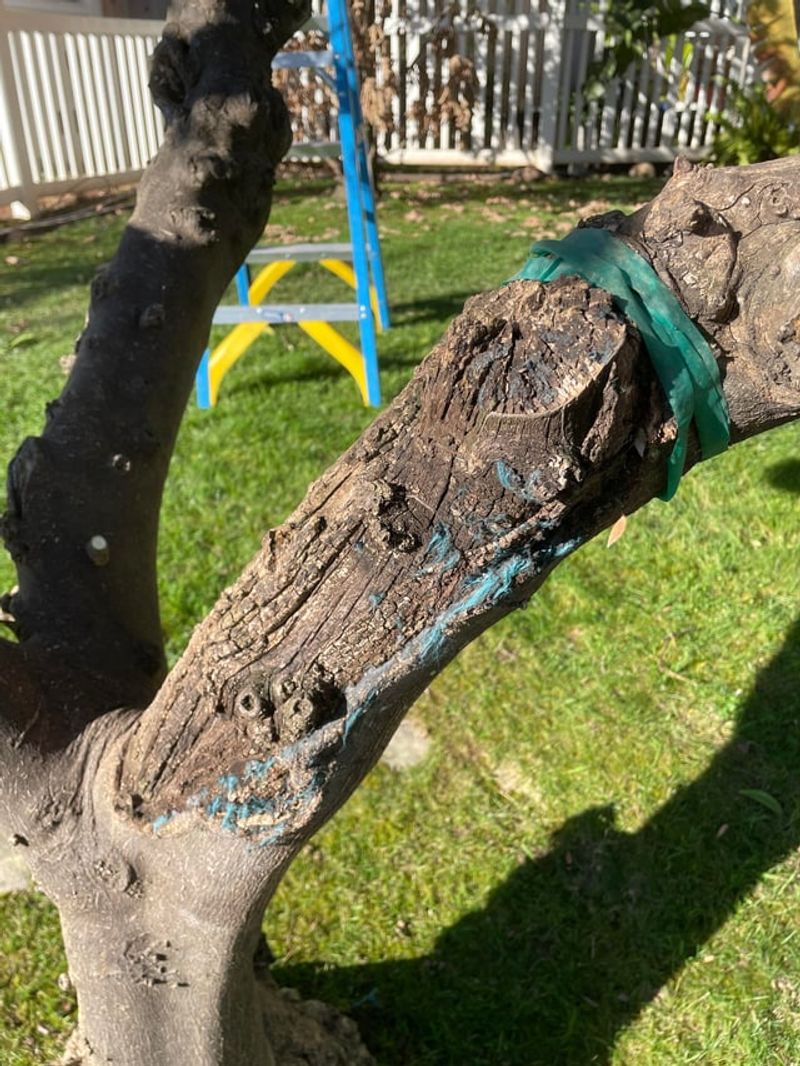
The result is what growers often call sunscald. The bark on the sunny side of the trunk starts to look faded or bleached.
Over time, it tightens and splits. The cracks can range from small surface lines to deeper splits that expose the inner wood.
Both are worth paying attention to, but the deeper ones need faster action.
Young trees and recently planted ones are especially vulnerable because their bark has not yet thickened and toughened up. Mature trees with thin or smooth bark can also show sunscald quickly.
Whitewashing the trunk with diluted white latex paint is one of the most effective ways to reflect sunlight and reduce heat buildup. Tree wraps made from breathable fabric also help protect exposed trunks during hot months.
After a heat event, walk along each tree and look at the south and west-facing sides of the trunks first.
Those spots absorb the most direct sun. Catching early sunscald before it deepens can save the tree a lot of stress during recovery.
2. Sudden Heat Can Stress Bark Faster Than It Can Adjust
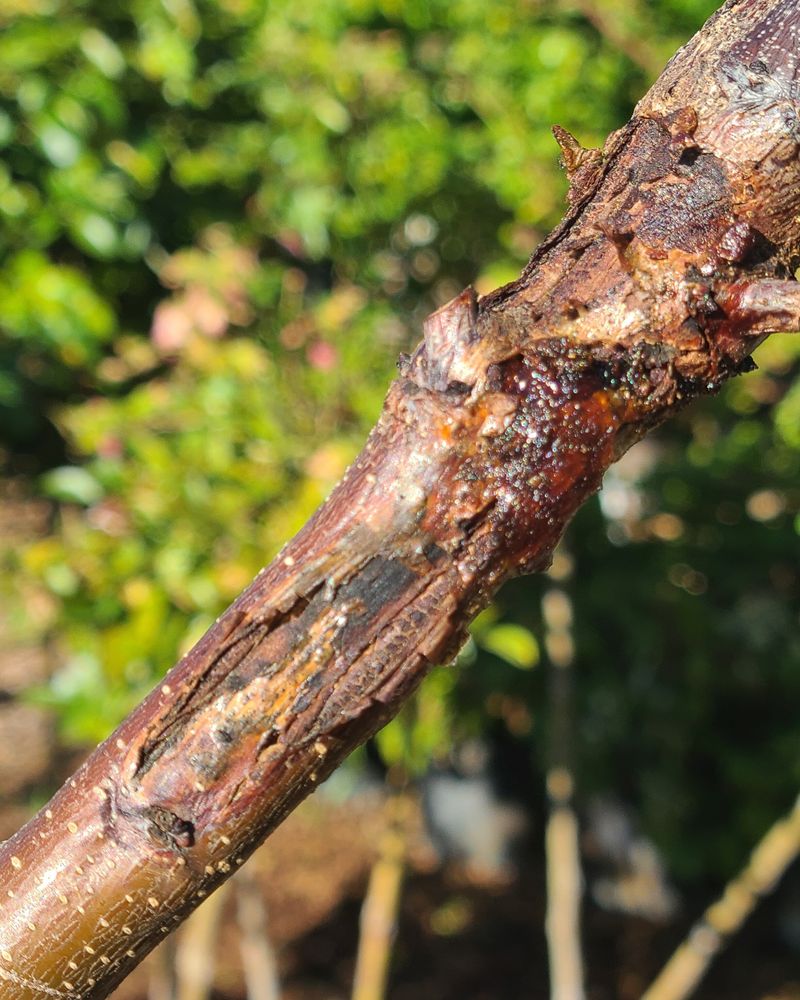
Gradual warming gives trees time to adapt. A slow rise in temperature lets moisture move through the bark layers more evenly, which reduces the chance of cracking.
But when temperatures spike suddenly, the tree does not get that adjustment period. The outer bark dries and contracts quickly while the inner layers stay more moist and stable.
Your California Garden Changes Every Week. Your Plan Should Too.
Gardening in California changes quickly throughout the season. Every Friday you’ll receive a simple weekly plan showing exactly what to plant, prune, fertilize, harvest, and protect so you never miss the right timing.
That difference in tension is what pulls the bark apart. Think of it like a rubber band that gets stretched too fast. A slow, steady pull might not break it.
But a sudden sharp tug can snap it in seconds. Bark works in a similar way. Rapid heat events put sudden mechanical stress on the outer layers, and cracking is the result.
This is especially common after a string of mild days followed by an abrupt heat surge.
After a sudden heat spike, check your trees within 24 to 48 hours. Look for any new cracks that were not there before.
Run your finger along the trunk to feel for areas where the bark feels unusually dry or hollow underneath. A hollow sound when you gently tap the bark can mean the outer layer has separated from the wood beneath it.
That separation slows healing and can invite other problems. Keeping trees well-watered before a predicted heat event helps the bark stay more flexible and better able to handle the stress without cracking as severely.
3. West-Facing Trunks Usually Take The Hardest Hit
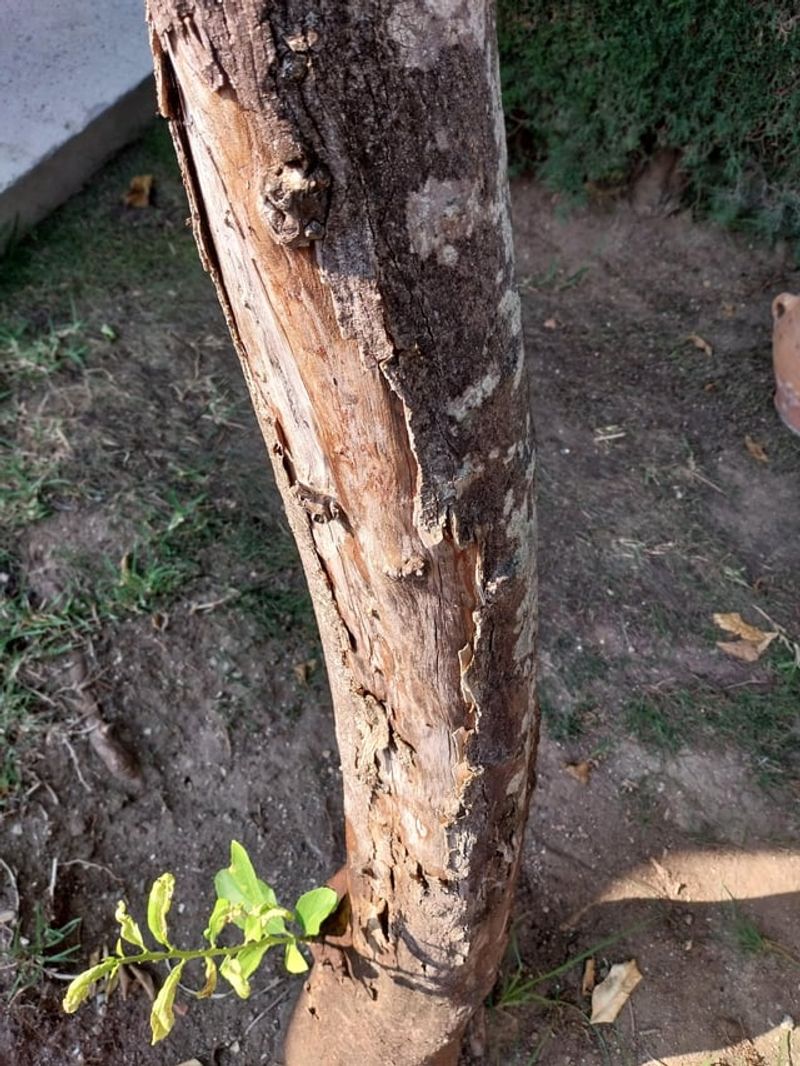
Not all sides of a citrus trunk experience heat equally. The direction a trunk faces makes a big difference in how much sun and heat it absorbs throughout the day.
West-facing sides get hit with the hottest afternoon sun, which tends to be more intense than morning light.
By the time the afternoon sun reaches its peak angle, the air temperature is already high, and the bark has been warming for hours.
That combination of high air temperature and direct late-day sunlight can push surface bark temperatures to extreme levels.
Studies on fruit trees have shown that bark surface temperatures on sun-exposed sides can run 20 to 30 degrees hotter than the surrounding air.
That is a significant amount of heat concentrated on a small area of bark for several hours each day during a heat wave.
When you inspect your trees after a hot stretch, start with the west-facing sides of each trunk. Look for discoloration, which often appears as a bleached or grayish patch.
Check for any raised or bubbled areas where the bark has started to lift away from the wood. Also look for fine cracks running vertically along the trunk.
These vertical cracks are typical of heat-related bark stress. If you have trees planted in rows, the ones on the western edge of the row tend to be most exposed.
Giving those trees extra shade cloth protection during predicted heat events can reduce the risk of serious bark damage.
4. Check Whether The Crack Reaches Into Living Wood
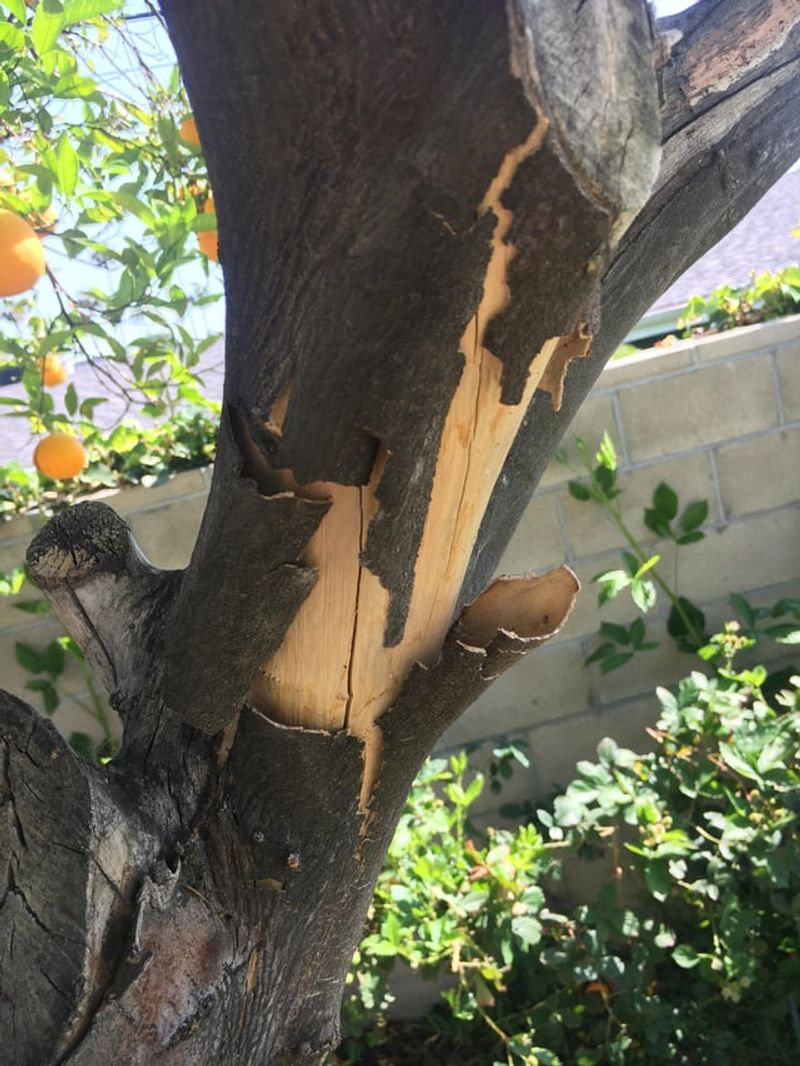
Not every crack in citrus bark signals a serious problem. Some splits are shallow and only affect the outermost layer of withered bark.
Those tend to heal on their own as the tree grows and the bark adjusts. But when a crack goes deeper and reaches the living tissue underneath, the situation becomes more serious and needs closer attention.
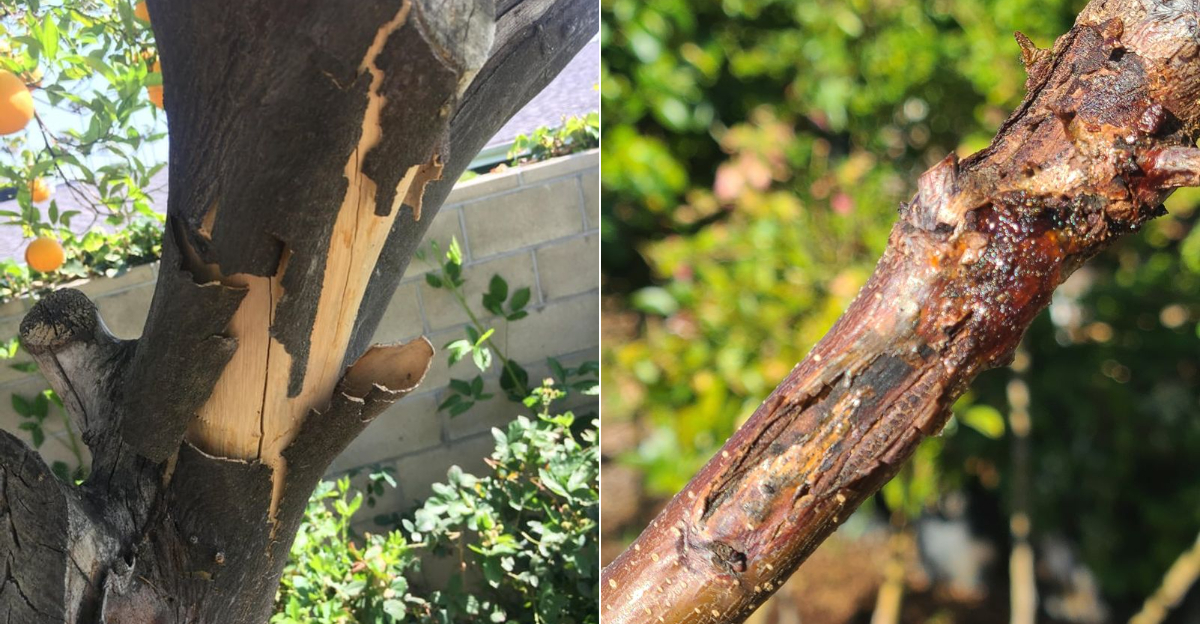
Living wood in a citrus tree is usually a pale greenish or creamy white color. If you look into a crack and see that color, the damage has reached active tissue.
That matters because living wood is where water and nutrients move through the tree. A crack that disrupts that flow can affect how well the tree recovers from the heat stress it already experienced.
To check crack depth, use a clean, thin tool like a wooden skewer or a sterilized knife tip. Gently probe the edges of the crack without forcing it wider.
If the crack feels firm and the wood inside looks healthy, the damage may be manageable. If the wood inside looks brown, soft, or shrunken, that is a sign of more serious injury.
For deep cracks, some growers apply a thin layer of diluted copper fungicide to the exposed area to reduce the chance of infection while the tree heals.
Avoid using wound sealants that trap moisture, as those can sometimes cause more harm than good by preventing the wood from drying properly.
5. Look For Peeling Bark Around The Damaged Area
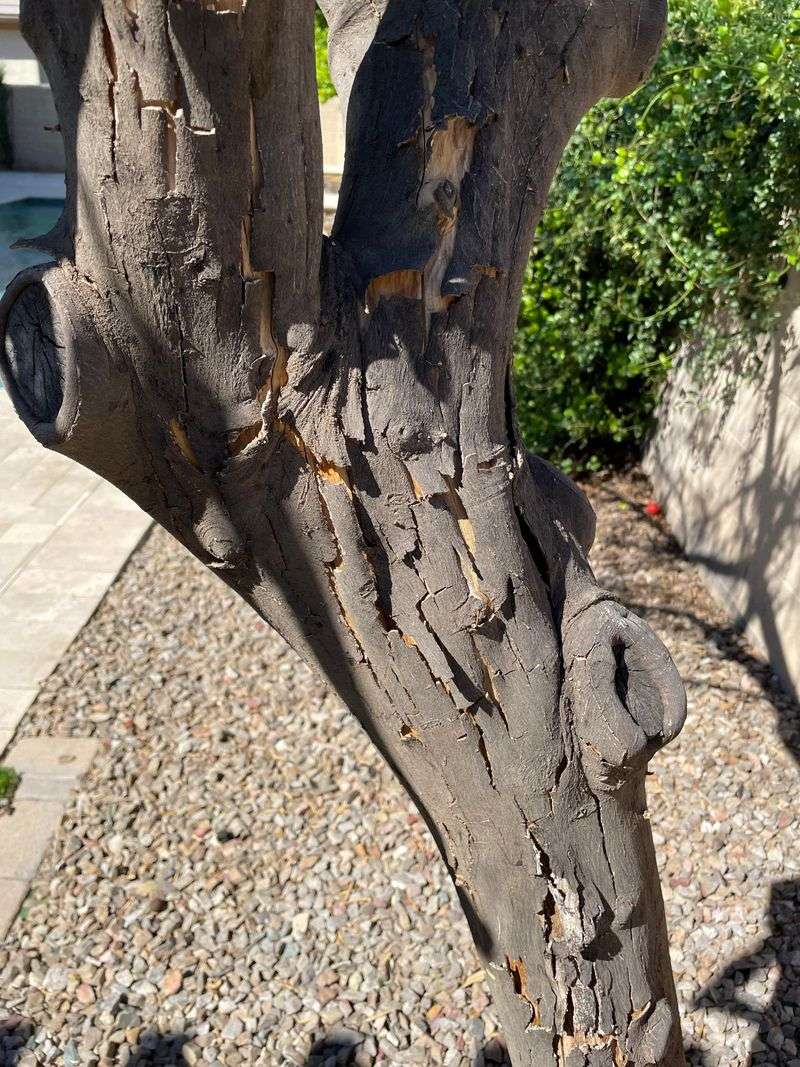
Peeling bark is one of the clearest signs that California heat stress has gone beyond the surface.
When bark peels, it usually means the cambium layer underneath has been damaged enough that the connection between bark and wood has broken down.
The cambium is a thin but critical layer that carries nutrients and helps the tree grow. When it gets damaged, the bark above it loses its anchor and begins to lift and peel.
After a heat wave, peeling bark can sometimes appear slowly over several days rather than all at once.
You might notice the edges of a crack starting to curl outward, or small flaps of bark lifting away from the trunk.
Gently pressing on these areas can help you feel whether the bark is firmly attached or loose underneath. Loose bark that moves when pressed has likely lost its connection to the living tissue below.
Removing loose, dry bark carefully can actually help the tree heal faster. Withered bark sitting against damaged wood can trap moisture and create a habitat for fungal spores.
Use clean pruning shears or a sharp knife to trim away only the bark that is clearly withered and detached. Leave any bark that still feels firm and connected.
After trimming, let the exposed area air out in a shaded spot if possible. Applying a light dusting of sulfur powder can help protect the exposed wood from fungal issues while the tree works to seal over the wound naturally.
6. Inspect The Trunk For Oozing Or Darkened Tissue
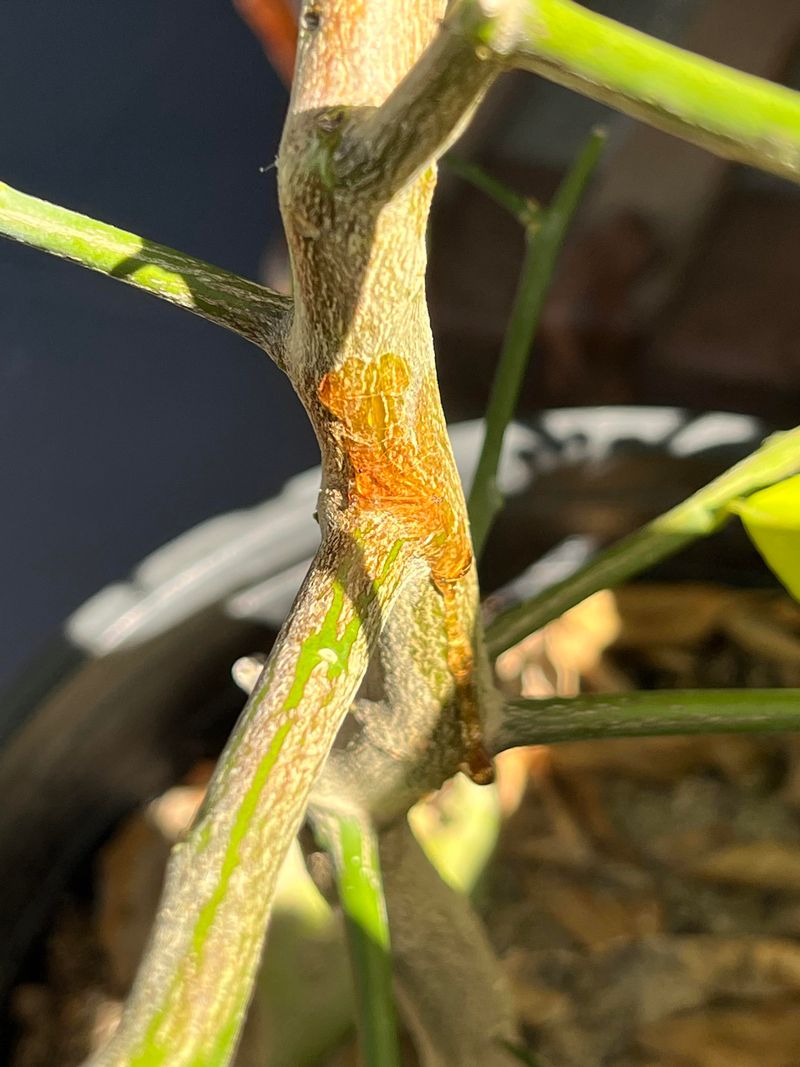
Oozing sap or gum from a cracked area is a warning sign worth taking seriously. Citrus trees naturally produce gum as a stress response, but when it appears around heat-damaged bark, it can mean a fungal pathogen has found a way in.
Phytophthora gummosis is one of the most common culprits in citrus trees, and heat-stressed bark with cracks makes an easy entry point for spores.
The gum itself looks thick and amber-colored, sometimes clear and sometimes darker. It can dry into a crusty residue around the crack.
Beneath the oozing area, the bark and wood often turn dark brown or reddish-brown. That discoloration is a strong sign that the tissue has been infected and is starting to break down.
Scraping away a small piece of outer bark in the darkened area can reveal how far the damage has spread.
If you find oozing combined with dark tissue, act quickly. Remove the damaged bark down to healthy wood using a sterilized tool.
The healthy wood will look lighter and feel firm. After removing the infected tissue, apply a copper-based fungicide to the cleaned area.
Keep the soil around the base of the tree dry, since Phytophthora thrives in wet conditions. Avoid overhead irrigation near the trunk.
Improving drainage around the root zone also helps reduce the risk of the infection spreading deeper into the root system. Check back every week to make sure the area is drying and not spreading further.
7. Check For Borers Around Heat-Damaged Bark
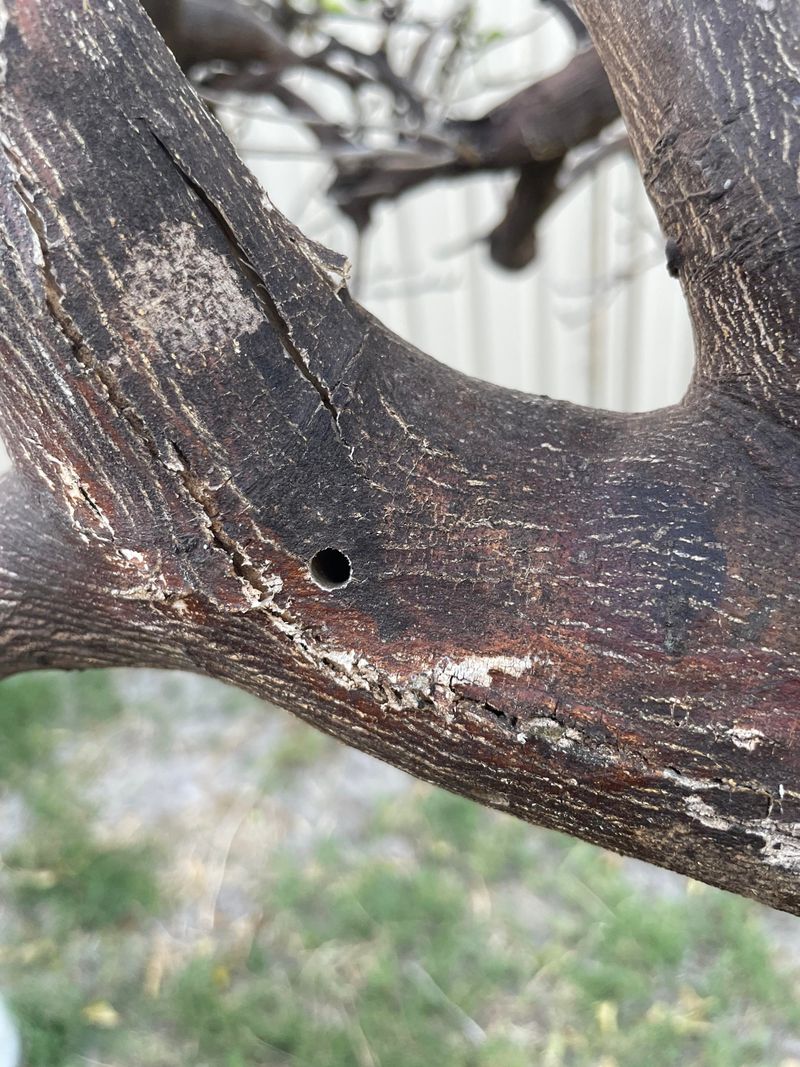
Heat-damaged bark sends out signals that certain insects find hard to resist. Wood borers are among the most troublesome pests that target citrus trees with weakened or cracked bark.
These insects lay their eggs in or near damaged bark, and their larvae tunnel into the wood as they feed. The tunneling disrupts the tree’s ability to move water and nutrients, which slows recovery after heat stress.
One of the first clues that borers are present is small, round holes in the bark near the damaged area. These holes are usually the size of a pencil tip or smaller.
Around the holes, you might notice a fine, powdery material that looks like sawdust. That material, called frass, is a mix of wood dust and insect waste pushed out by the larvae tunneling inside.
It often collects in the crevices of cracked bark. Borers in citrus are more common in trees that are already under stress, which makes heat-damaged trees especially attractive targets.
Checking for borer activity within a week or two after a heat event gives you the best chance of catching an infestation early.
If you find active holes with fresh frass, contact your local cooperative extension office for guidance on approved treatment options in your area.
Keeping trees healthy through consistent watering and proper fertilization is one of the best long-term defenses against borer damage.
Strong, well-nourished trees are much better at resisting and recovering from borer attacks than stressed ones.