The Illinois Bird You Should Stop Feeding This Winter (And What To Offer Instead)
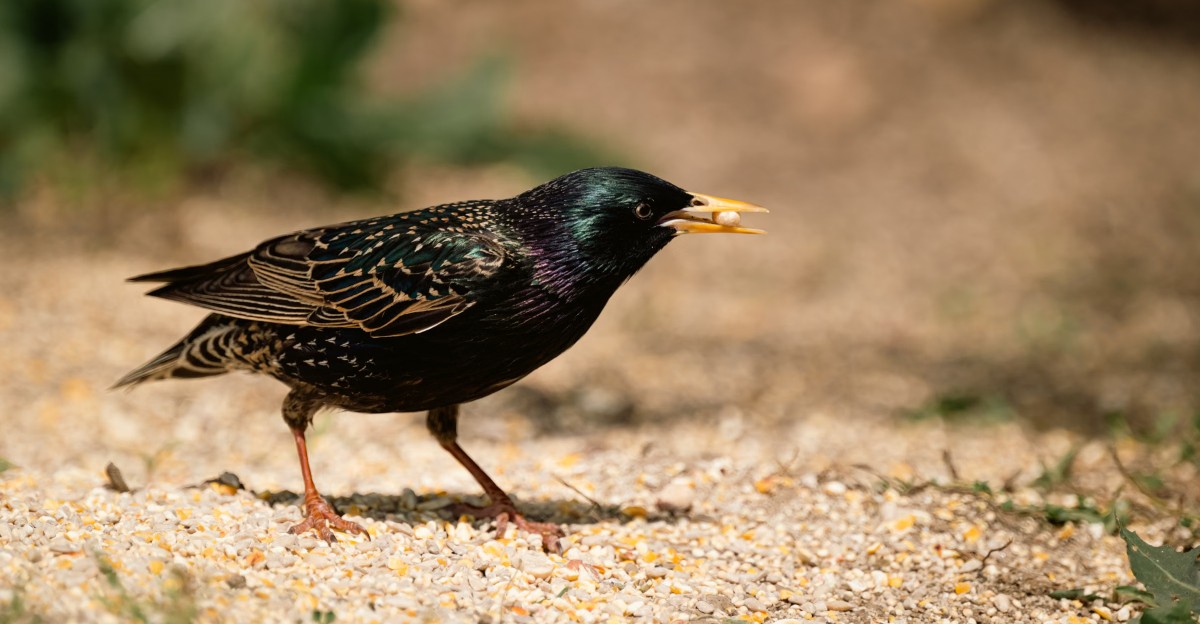
Sixty birds were released in New York’s Central Park in 1890, and their descendants now number in the tens of millions across North America. One of those flocks probably landed in your backyard last January, even here in Illinois.
I watched a dozen of these glossy, speckled visitors empty my platform feeder in under ten minutes. The chickadees waited in the lilac, looking a little offended. A cardinal gave up and left.
Turns out the bird I was feeding so generously is not native to Illinois at all. It competes with bluebirds, woodpeckers, and other cavity nesters for nest holes in spring.
You might notice the same crowd at your feeder, loud and pushy, gulping food by the beakful.
A few small swaps changed my whole winter feeding station. The cost was tiny, and the payoff showed up within a week.
Look closely at who’s eating first, because someone is running your buffet, and it’s time you took the menu back.
That Speckled Black Bird at Your Feeder Has a Surprising Backstory
Shakespeare fans get partial credit for this one. A group in New York released European starlings in 1890, and legend links the effort to birds named in his plays, though historians debate that tale.
Whatever the reason, the birds spread fast. They reached Illinois within a few decades and now live here all year.
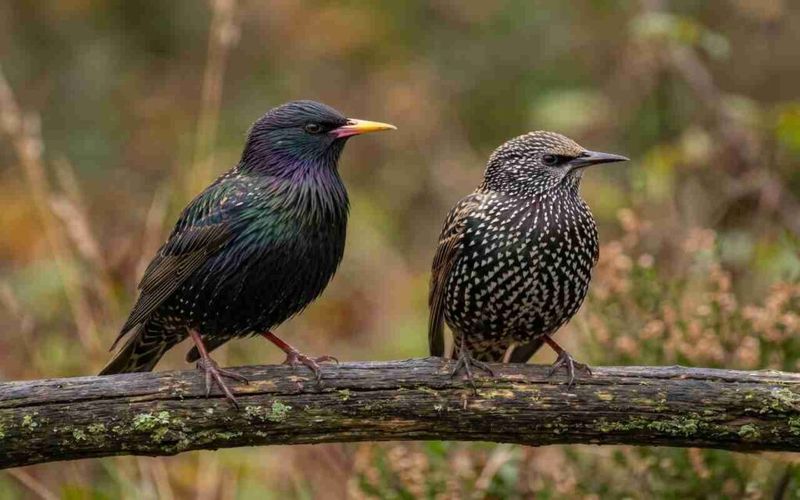
In winter, their feathers turn dark and glossy with bright white or cream speckles, almost like someone flicked paint on them.
You can spot them by their stocky bodies, short square tails, and pointed bills. In fall and winter the bill is dark, then it turns yellow by spring. They walk across lawns instead of hopping, poking the ground for food.
Starlings often travel in big, noisy groups. Their calls include whistles, clicks, rattles, and even copied sounds from other birds or car alarms. I once heard one do a pretty convincing killdeer impression.
People often lump them in with grackles, cowbirds, or red-winged blackbirds. Starlings look shorter-tailed and more speckled, though.
Learning that difference is your first step, because you want to cut back on starlings without bothering the native birds that look a bit like them.
Starlings Crowd Out Bluebirds and Woodpeckers for a Reason
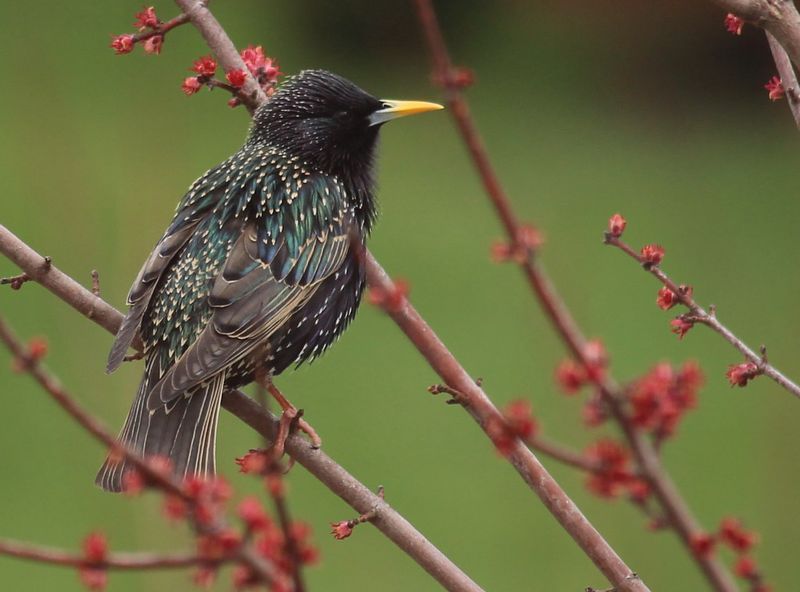
Nest holes are prime real estate for birds. Starlings know it, and they play rough. These invasive birds nest in tree cavities, so they compete with native species like eastern bluebirds, red-headed woodpeckers, northern flickers, and sapsuckers.
Starlings often push those birds out of holes, sometimes even after the native pair has started nesting. Researchers have tracked this competition for decades.
Winter feeding plays a role here. A well-fed starling flock heads into spring in great shape, ready to claim the best nesting spots. Cutting back on easy meals for them gives native birds a fairer start.
Starlings also create problems on farms. Large flocks gather around livestock feed and can spread germs like Salmonella and E. coli through droppings. Feedlot owners in the Midwest often spend real money managing them.
On the legal side, European starlings are not protected under the federal Migratory Bird Treaty Act, and Illinois does not protect them either. That means homeowners can remove their nests.
Just be careful. Make sure you are looking at a starling nest and not a protected native species, since those laws carry serious penalties.
Cracked Corn and Cheap Seed Mix Are a Starling Magnet
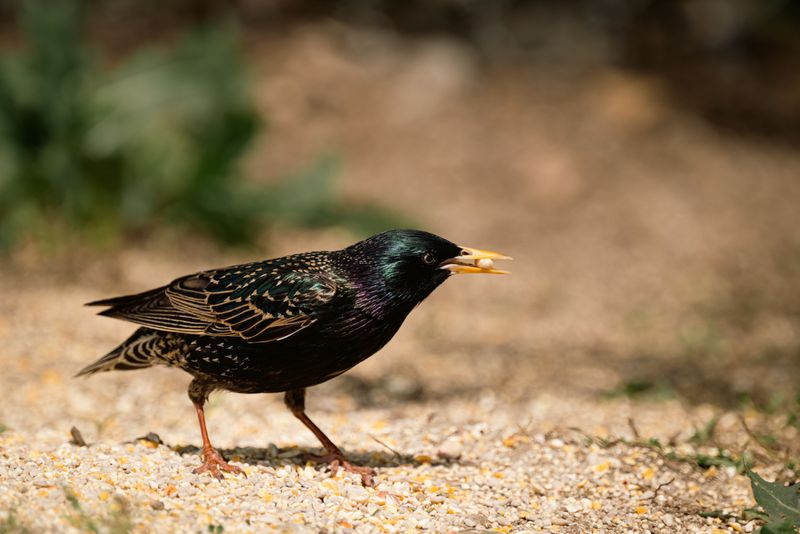
Honestly, my old feeding setup was a starling restaurant with a neon sign. Cracked corn, a bargain seed mix, and an open tray feeder. They loved it.
Starlings eat almost anything, but they favor soft, easy foods. Cracked corn, bread, kitchen scraps, millet-heavy mixes, and plain suet cakes top their list. They grab those fast because they don’t need to crack hard shells.
Feeder style matters just as much. Open platform trays, ground feeding, and wide hopper feeders let a whole flock land at once. A group of twenty can clear a tray in minutes, then fly off and return later.
Cheap mixes create a second problem. Birds toss aside filler seeds they don’t want, and the spilled pile under your feeder draws mice, rats, and more starlings.
Squirrels show up too, of course. So the first change is simple. Stop putting out cracked corn, bread, and filler mixes this winter.
Skip open platforms if starlings are swarming them, and rake up old spilled seed. I noticed fewer starlings within a few days, and the chickadees came back to the lilac.
Safflower Seeds Keep Cardinals Happy and Starlings Grumpy
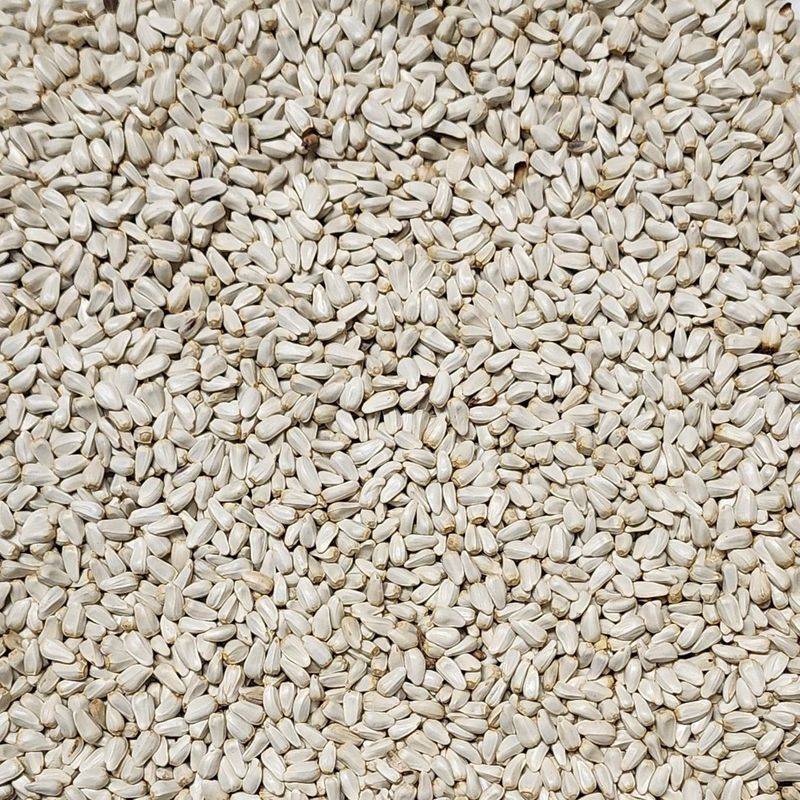
Small white seeds, big results. Safflower was the first swap I tried, and it quickly became my favorite.
Northern cardinals, chickadees, titmice, house finches, and doves eat safflower without complaint. Starlings usually turn up their beaks at it. The hard shell and slightly bitter taste don’t suit them, and squirrels often skip it too.
Black oil sunflower seed is another strong choice. It has thin shells and lots of fat, which helps small birds stay warm on frosty Illinois nights. Starlings may eat some, so serve it in a tube feeder rather than an open tray.
Here are a few more native-friendly picks: Nyjer seed in a thin finch feeder draws goldfinches and pine siskins.
Whole peanuts in the shell appeal to blue jays, but starlings struggle to open them. Shelled raw peanuts in a mesh feeder help woodpeckers and nuthatches.
Give birds a little time to adjust. Some regulars may hesitate for a day or two before trying new food. Mix safflower with your old seed at first, then switch over fully. Patience pays off fast.
An Upside-Down Suet Feeder Leaves Starlings Hanging
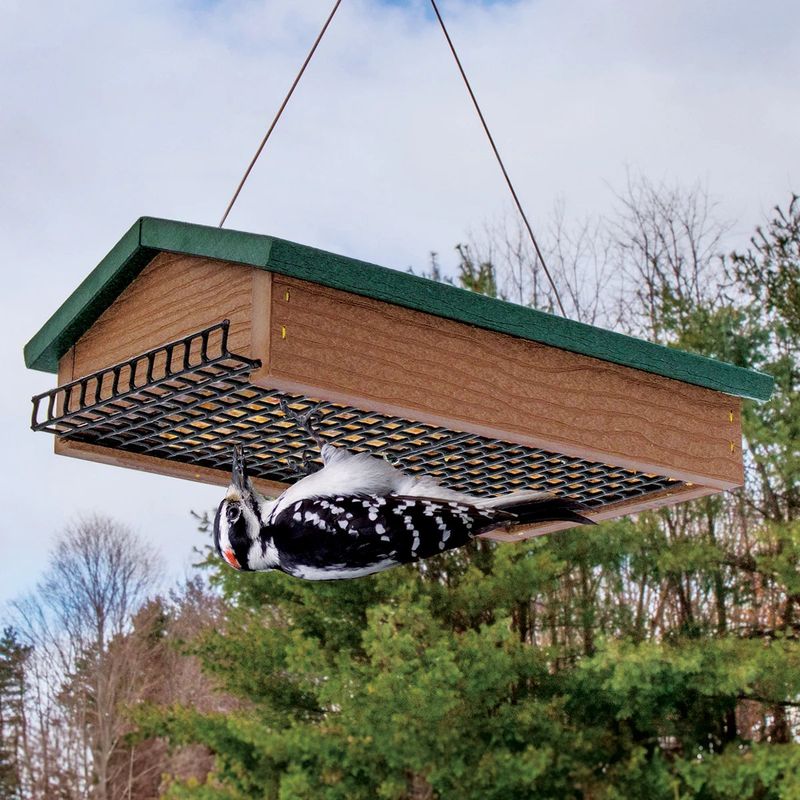
Woodpeckers are acrobats. Starlings, not so much. Suet gives winter birds a powerful energy boost, but starlings gobble it up from regular cages. An upside-down suet feeder fixes that.
The cake faces the ground, so birds must cling underneath. Downy woodpeckers, hairy woodpeckers, nuthatches, and chickadees handle it easily. Starlings can manage a little, but they find it awkward and usually give up.
Tube feeders with short perches also help. Smaller birds perch and feed comfortably, while chunky starlings struggle to balance. Cutting perches shorter, or removing them on nyjer feeders, works even better.
Caged feeders take a different approach. A wire mesh cage surrounds the seed tube, and the gaps let small songbirds slip through while bigger birds stay outside. Cardinals may be blocked too, so pair this with a safflower feeder.
Weight-sensitive feeders close the seed ports when a heavier bird or squirrel lands. You can often adjust the setting. Starlings weigh roughly three ounces, more than a chickadee or finch.
Mixing two or three of these designs gave me the best results. Each one quietly sorts guests without any extra effort from you.
Clean Feeders and Heated Birdbaths Help Native Birds Through Cold Snaps
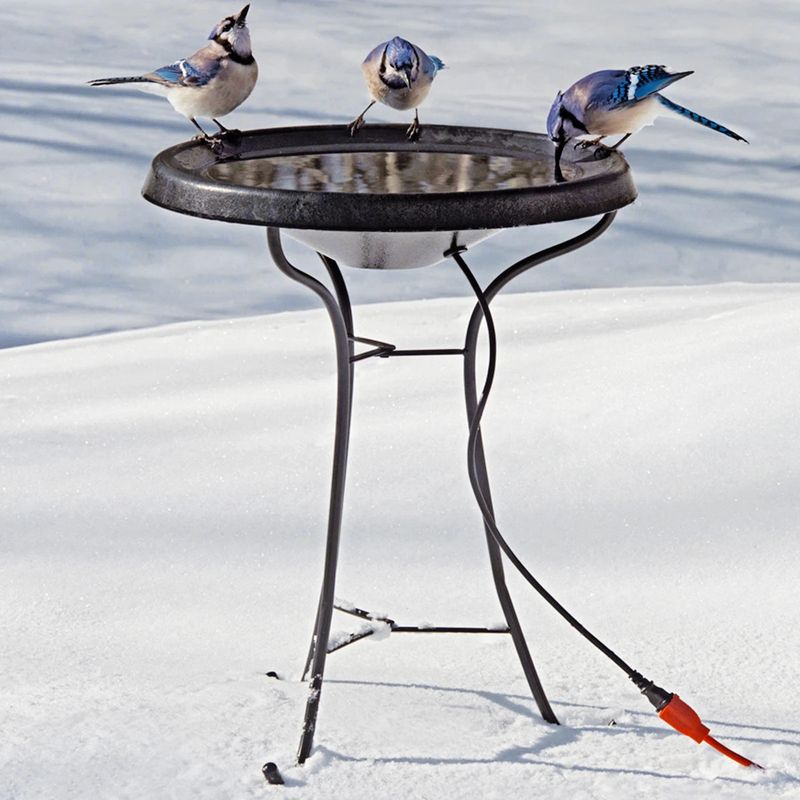
Water might be the most overlooked winter gift. When ponds and puddles freeze solid, birds still need to drink and preen.
A heated birdbath keeps open water available through January deep freezes. Keep the water shallow, about one to two inches deep.
Chickadees, juncos, and bluebirds will visit, and you’ll get some great views from the kitchen window.
Clean feeders matter just as much. Crowded feeders can spread diseases like salmonellosis among birds.
Many wildlife experts suggest scrubbing feeders every couple of weeks with a solution of one part bleach to nine parts water. Rinse well and let everything dry before refilling.
Wet seed turns moldy quickly in winter thaws. Toss clumpy seed and clear old hulls from trays and the ground. That cleanup also removes the leftovers that draw starlings, rodents, and pigeons.
If you see a sick bird, puffed up and sluggish at the feeder, take feeders down for about a week. Clean them well before rehanging.
Birds will spread out and find other food, which helps slow any illness. It feels tough, but it truly helps the flock.
Native Coneflowers and Evergreens Turn Your Yard Into a Winter Bird Pantry

My favorite feeder doesn’t need refilling at all. It’s a patch of purple coneflowers I left standing last fall.
Native plants feed birds in ways a seed tube can’t match. Goldfinches pick at coneflower and black-eyed Susan seed heads.
Juncos and sparrows forage under asters and native grasses like little bluestem. Leaving those stems up through winter offers natural food and shelter.
Berry plants help too. Native winterberry, gray dogwood, and American cranberrybush viburnum hold fruit that robins, cedar waxwings, and bluebirds enjoy.
Skip invasive options like burning bush, bush honeysuckle, and callery pear, which starlings help spread around Illinois.
Cover is just as important as food. Evergreens such as eastern red cedar and white pine shield birds from wind and hawks.
Place feeders about ten feet from dense shrubs so birds can dash to safety without giving cats an ambush spot.
Put it all together and you get a yard that favors native birds naturally. Less starling food, smarter feeders, clean water, and native plants make a real difference. Start with one change this week, then watch who shows up.