7 Pruning Mistakes Florida Gardeners Should Avoid After Isaias – Some Could Make The Damage Worse
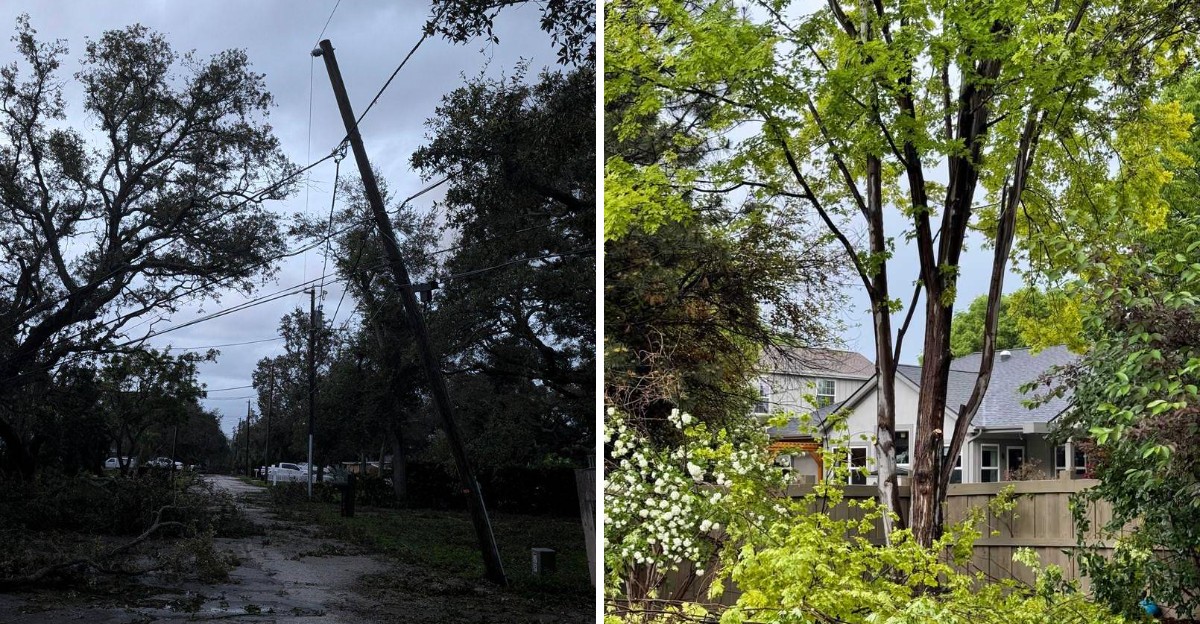
Storm-damaged trees can look like they need immediate attention, especially when broken branches hang over your Florida yard.
Grabbing the pruning saw might seem like the smartest first move. But what if the cuts you make today leave your trees even more vulnerable when the next storm arrives?
Some pruning mistakes are easy to recognize, while others look like perfectly reasonable cleanup.
Removing the wrong branches can weaken a tree that is already struggling to recover. Even a neat-looking cut can create problems that may not become obvious until months later.
The biggest concerns aren’t always the broken limbs you can see from the ground. Sometimes, it’s what happens after you start cutting.
Before you tackle storm cleanup, make sure you know which pruning decisions could cause more trouble than the storm itself.
1. Topping Damaged Trees Triggers Weak, Fast Regrowth
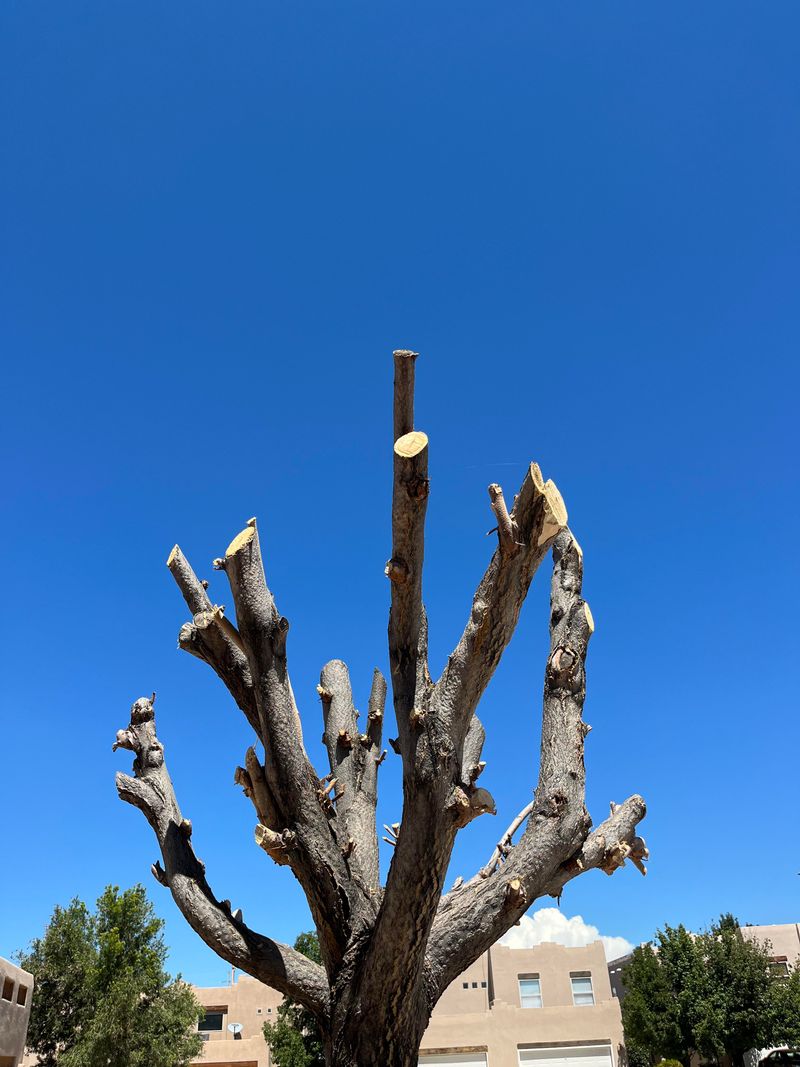
Chopping a tree down to stubs might look tidy for a week or two. Topping means cutting large limbs back to a stub or a random point, and arborists, including UF/IFAS Extension, advise against it.
Trees usually answer topping with a burst of thin, upright sprouts. Those shoots grow from buds near the cut instead of from a solid branch union.
Because they attach loosely to the outer wood, sprouts like these can break more easily in later storms. That is the opposite of what a nervous homeowner wants.
Big stub cuts also leave wide wounds that a tree may struggle to seal. Decay can move in over time, though how fast depends on the species, its health, and local conditions.
A better approach starts with removing only broken, hanging, or clearly hazardous limbs. Cut them back to a healthy side branch or to the trunk, just outside the collar.
Got a tree where most of the crown is shattered? A certified arborist can judge whether it can recover or should come down.
You can search for one through the International Society of Arboriculture website.
Patience pays off here, since many lightly damaged trees push out new leaves on their own within weeks during the warm season.
2. Stripping Healthy Green Fronds From Palms Leaves Them Weaker
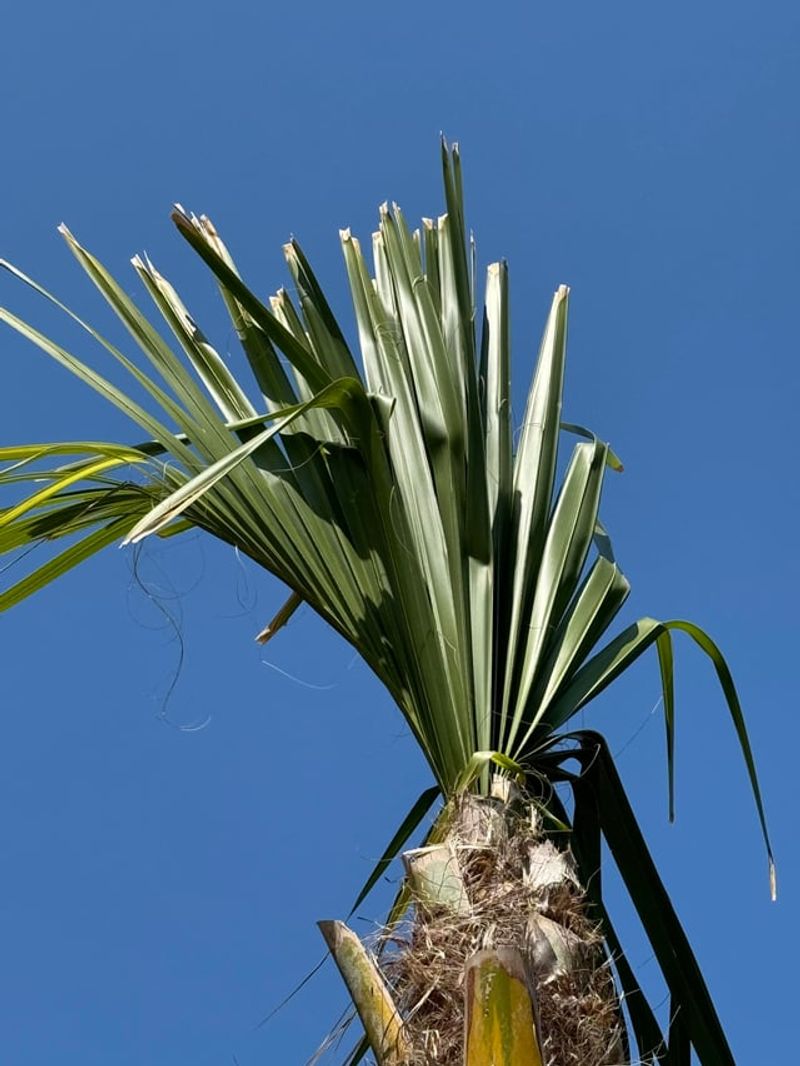
Picture a palm sheared into a skinny feather duster. Folks call that a hurricane cut, and it usually does more harm than good.
Green fronds make the food a palm needs to grow and stay healthy. Even older fronds that are starting to yellow can still send nutrients like potassium back into the plant.
Removing too many healthy leaves can leave a palm short on resources. UF/IFAS Extension notes that heavy frond removal may slow growth and can make nutrient deficiencies worse.
Over-pruned palms also lose some of the protection their lower fronds give the bud. There is no solid evidence that stripping a palm helps it survive wind better.
So what should go after a storm? Fronds that are fully brown, torn and dangling, or snapped over the walkway are fair game.
Leave the healthy green fronds in place, especially those growing at or above a horizontal line. That simple rule keeps the crown full enough to recover.
Your Florida Garden Changes Every Week. Your Plan Should Too.
Gardening in Florida changes quickly throughout the season. Every Friday you’ll receive a simple weekly plan showing exactly what to plant, prune, fertilize, harvest, and protect so you never miss the right timing.
Be careful near the bud at the top of the trunk, since damage there can be serious for a palm. Keep tools clean between plants to cut the risk of spreading disease.
Tall palms are best left to pros with proper gear.
3. Flush Cuts That Remove The Branch Collar Slow Wound Closure
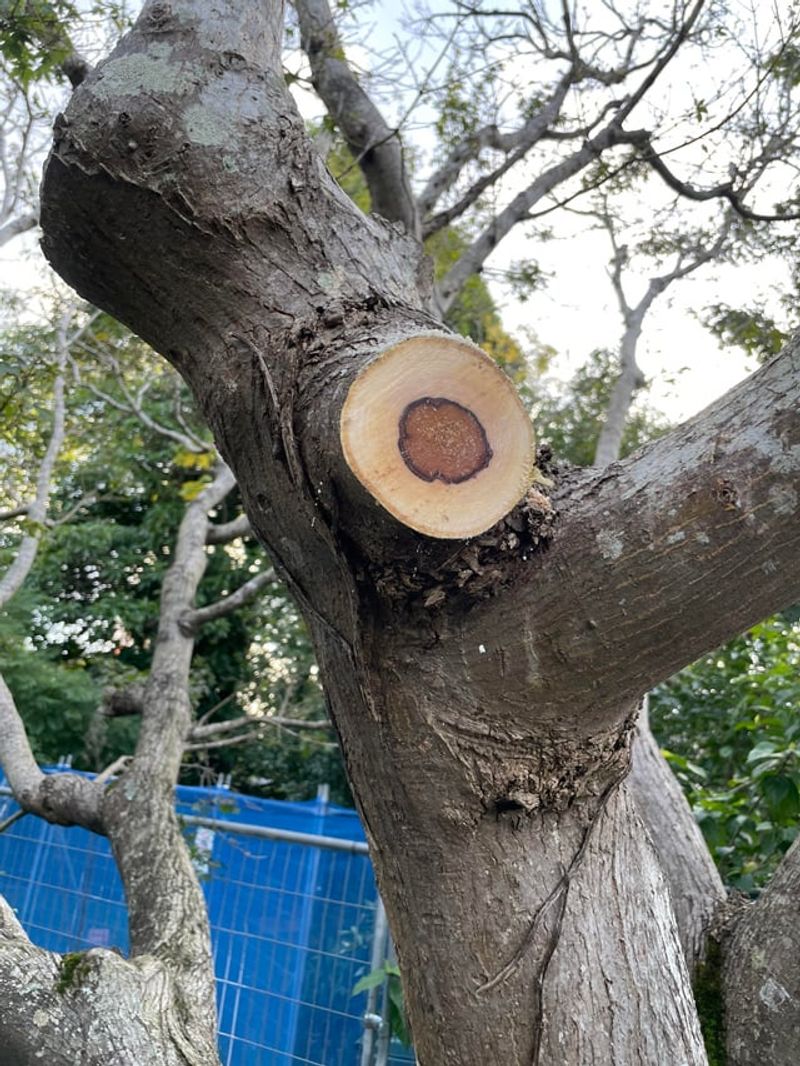
Slicing a limb off perfectly even with the trunk feels neat. It is also one of the most common pruning errors homeowners make.
Look closely where a branch meets the trunk and you will often see a slight swelling or ring of wrinkled bark. That bulge is the branch collar.
Tissue in the collar helps the tree grow wound wood over a cut. A flush cut removes that tissue and leaves a larger wound that may close slowly.
Open wounds stay exposed longer to fungi and insects. Whether decay actually follows depends on the tree’s species, vigor, and the weather.
Aim to cut just outside the collar, without leaving a stub. Angle the saw slightly so the cut follows the collar’s natural line.
For heavy limbs, use the three-cut method to avoid bark tearing. Make a shallow undercut a foot or so out, then cut through from the top a bit farther out, then remove the short stub at the collar.
Skip the wound paint or tar. Extension specialists generally say it does not prevent decay and can sometimes trap moisture.
Clean, properly placed cuts give Florida trees their best shot at sealing up during the summer growing season.
4. Ragged Stubs Left Behind Invite Decay Into The Trunk
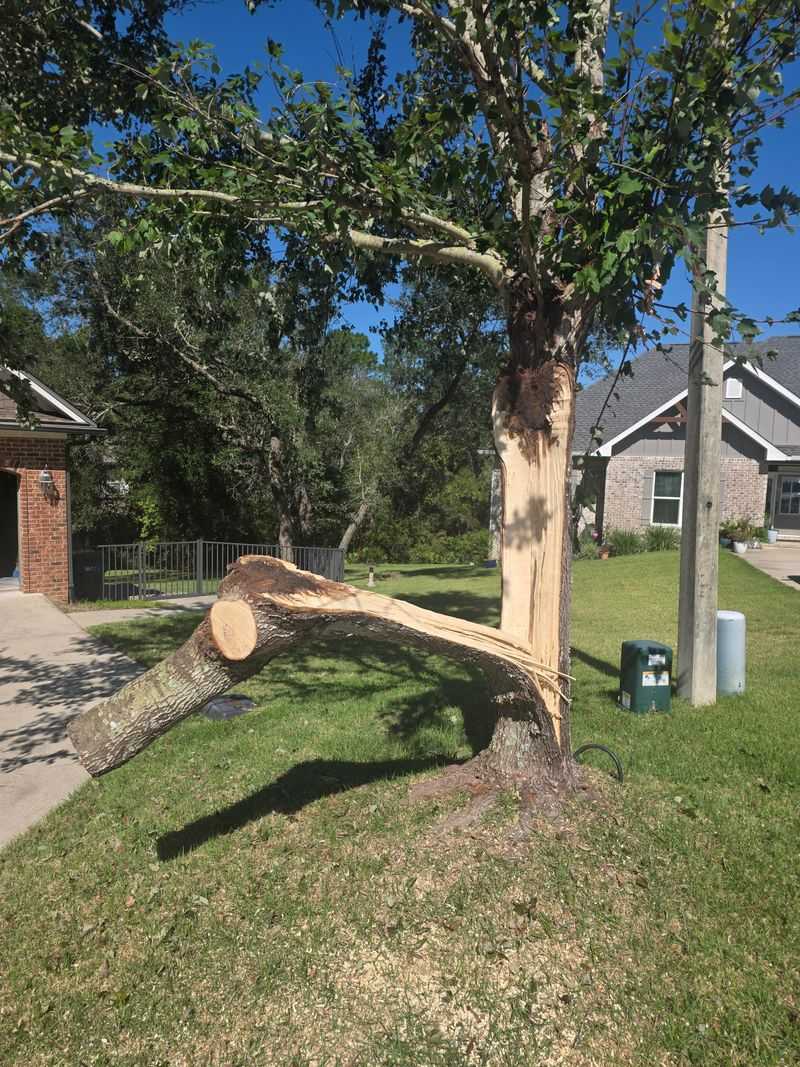
Storm breaks rarely happen cleanly. Wind tends to snap limbs into jagged, splintered stubs with peeled bark hanging down.
Leaving those stubs alone might seem harmless, but they can cause trouble later on. A long stub has no healthy tissue at its end to grow over the wound.
Over months or years, wood in the stub may decline and decay. In some trees, that rot can spread back toward the trunk if conditions favor it.
Torn bark creates its own problem. Strips of loose bark can widen the injury well beyond the break itself.
Here is how to tidy things up. Trim the broken limb back to the branch collar or to a healthy lateral branch that is at least about one-third the diameter of the cut limb.
Small ragged bark edges can be carefully smoothed with a sharp knife. Avoid cutting into healthy bark around the wound, since bigger wounds take longer to close.
High stubs are a different story. Anything you would need a ladder and chainsaw to reach is safer handled by a trained arborist.
Checking those breaks again in a few months is smart, because cracks and decay are not always obvious right after a storm.
5. Removing Too Much Living Canopy At Once Adds Stress
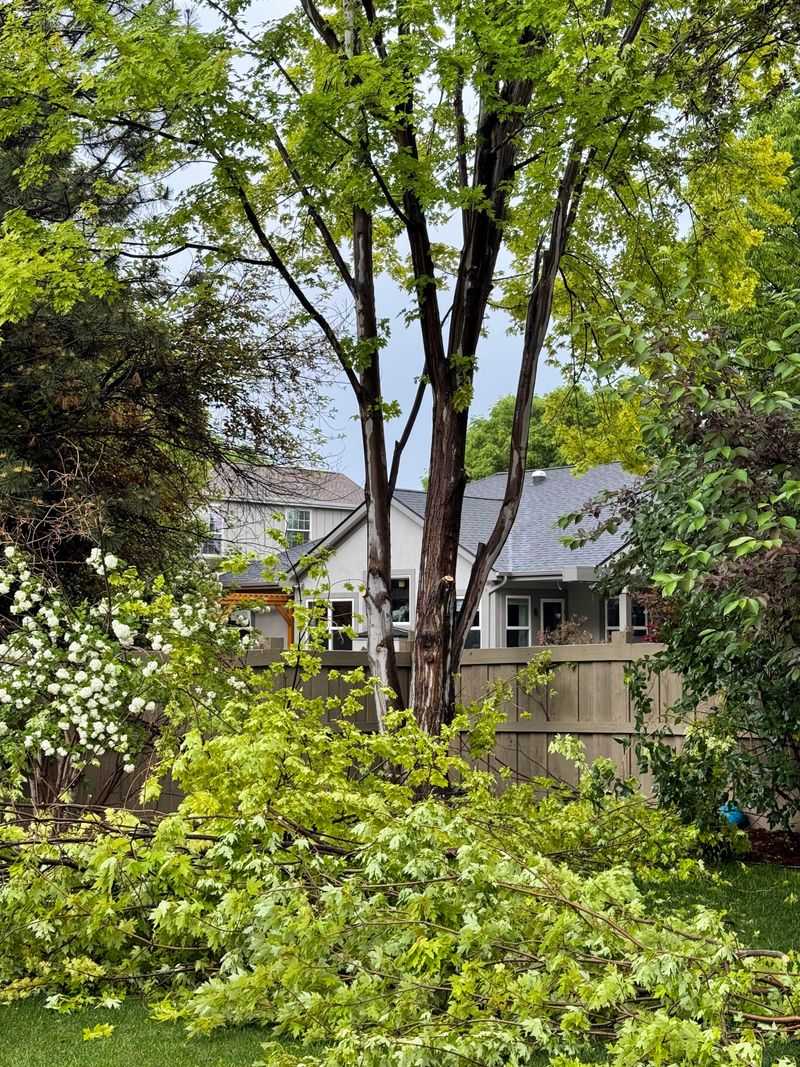
Leaves are a tree’s kitchen. Cut away too many at once and the whole plant has less energy to repair storm wounds.
After a hurricane, it is tempting to thin a tree hard so it feels lighter and safer. Yet a tree that already lost leaves to wind has fewer reserves to spare.
Arborists commonly suggest removing no more than about 25 percent of a healthy mature tree’s live canopy in one season. Stressed or older trees may handle even less.
Heavy thinning can also expose bark that used to sit in shade. Some thin-barked species may scald under strong Florida summer sun.
Overthinning sometimes triggers lots of water sprouts along the limbs. Those shoots add clutter rather than strength.
A smarter plan spreads the work out. Handle urgent hazards now, then do any shaping or structural pruning gradually over the next year or two.
Watch how your tree responds over the coming weeks. New leaf growth is often a good sign, though slow recovery can happen for many reasons beyond pruning.
Water newly planted or young trees during dry spells, even in rainy season. Hold off on heavy fertilizing unless a soil test or professional suggests a real need.
6. Hiring Door-Knocking Crews Without Proof Of Insurance Puts You At Risk
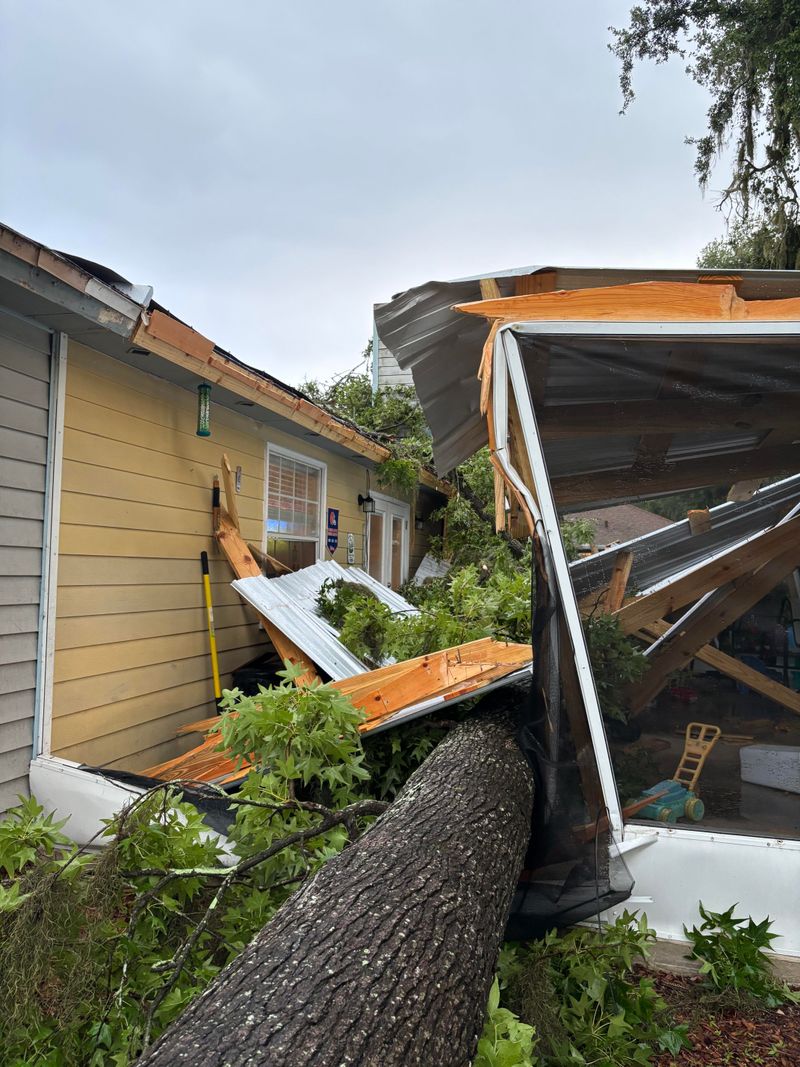
Knocks on the door start fast after a storm. Some crews are honest locals, while others travel from region to region chasing quick cash.
Without liability and workers’ compensation coverage, you could face real costs if a worker is hurt or a limb crashes onto your roof. Ask for certificates of insurance and call the insurer to confirm they are current.
Paying everything upfront is another warning sign. Reputable companies usually agree to a written estimate and a reasonable payment schedule.
Watch for crews that push topping or hurricane cuts on palms. That advice often signals limited training.
Look for an ISA Certified Arborist on staff, which you can check online. Local business licensing rules vary by county and city in Florida, so check what applies where you live.
Get two or three quotes if time allows. Ask for references and read recent reviews from neighbors nearby.
Get every detail in writing, including debris hauling, stump work, and cleanup. Vague agreements often lead to disputes later.
Suspect fraud or price gouging during a declared emergency? You can report it to the Florida Attorney General’s office.
7. Limbs Tangled In Power Lines Belong To Utility Crews
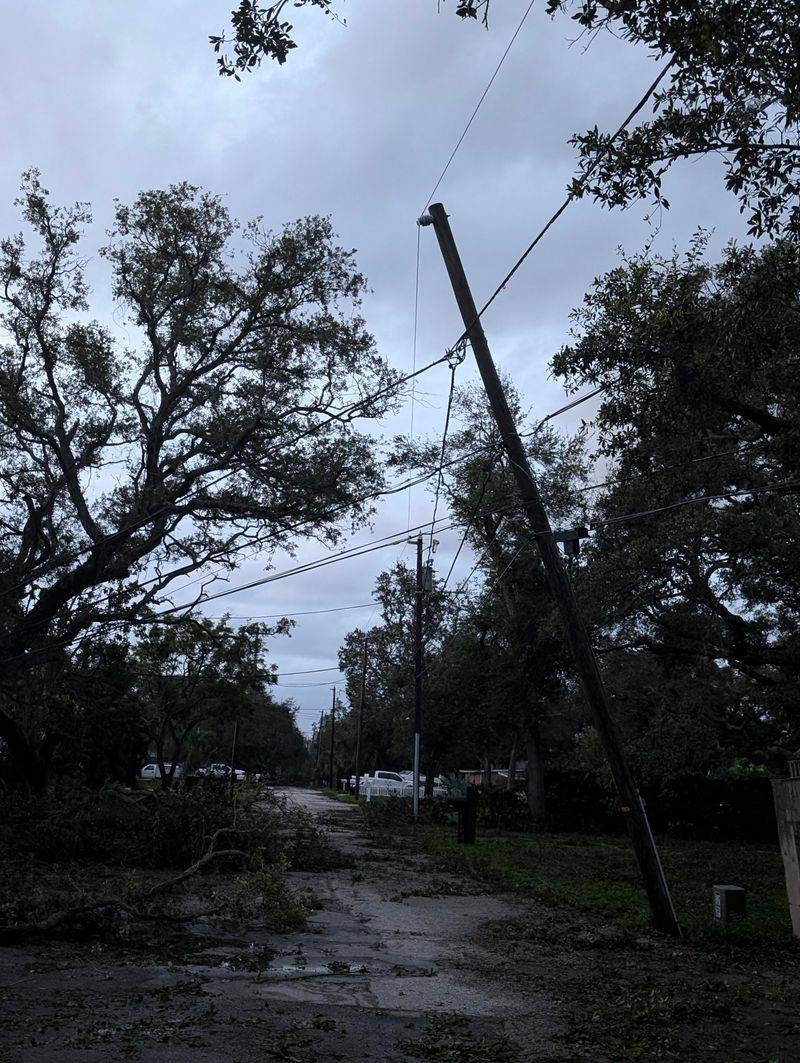
Stay back. A branch resting on a power line can carry electricity even when your lights are out.
Wet wood and damp ground can conduct current. Touching the limb, or using a pole saw or ladder nearby, puts you in serious danger.
Electrocution is a real hazard during storm cleanup. Downed lines may also be live, so treat every one as energized.
Call your utility company right away and report the location. Florida Power and Light, Duke Energy, and local co-ops all have outage and hazard reporting lines.
Keep kids and pets well away from the area. Warn neighbors too, especially if the line hangs over a sidewalk.
Utility crews or line-clearance contractors are trained and equipped for this work. They handle limbs near lines that the utility maintains.
Wondering about the service drop running to your house? Responsibility can differ by utility, so ask before anyone touches it.
Once the line is cleared, you or a hired arborist can deal with the remaining damage on the tree itself.
Planning ahead helps too. Choosing smaller trees for spots under power lines can reduce conflicts down the road.