What to Do With Your Fig Tree After Harvest in Arizona
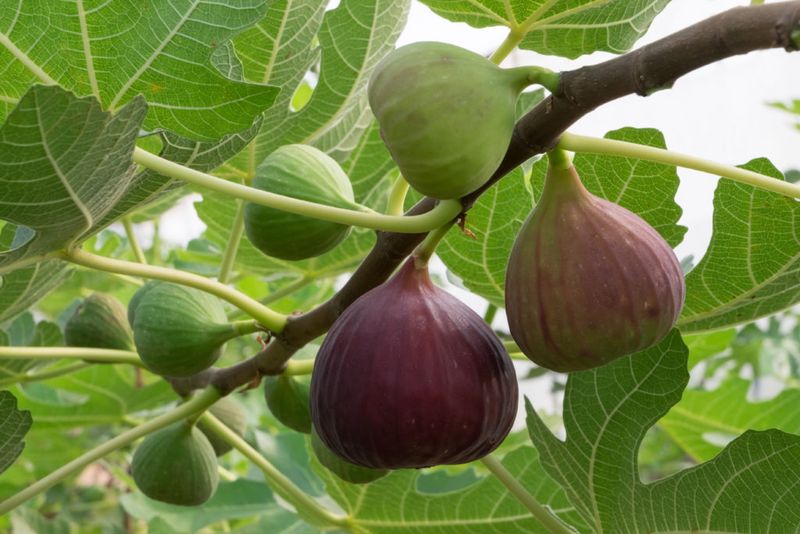
The last figs are off the branches, and the tree suddenly looks like it needs a job done. Many Arizona gardeners grab the pruners or stop watering right away, and both moves can backfire.
A few calm choices after harvest help your tree stay healthy and ready for next season. Here is what to do, and just as important, what to leave alone.
Finish the harvest gently
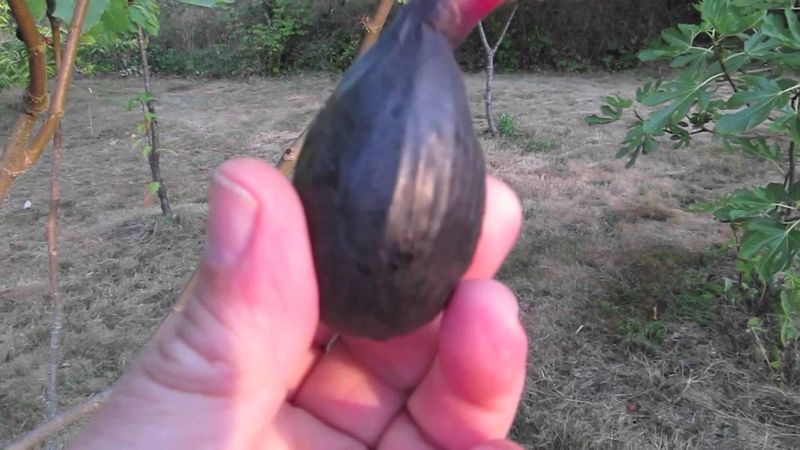
Before you think about anything else, finish picking what is ready. Walk the tree every day or two and take only figs that are fully ripe, soft to the touch and drooping slightly on the branch.
Fruit picked too early will not sweeten up on the counter.
Handle each fig like a ripe peach. They bruise easily, so use shallow containers and avoid piling them deep.
Arizona Cooperative Extension garden news advises picking fully ripe fruit and leaving the stem attached, which helps cut down on spoilage.
Overripe or split fruit left on the branches or ground can turn sticky and messy. Pick it up and toss it so the area stays tidy.
Once the tree is clear, you can decide what, if anything, comes next.
Does the tree need pruning?
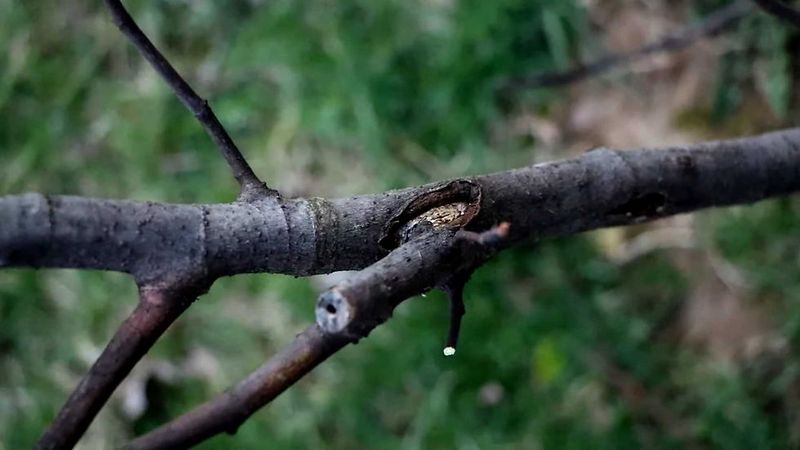
Finishing the harvest is not a reason to prune by itself. Figs need very little pruning to produce fruit, so a tree that looks healthy and fits its space can often be left alone.
There are good reasons to reach for the pruners. University of Arizona fig guidance says pruning makes sense to remove dry or damaged branches, or to keep the canopy open enough for sunlight and air.
Skip routine hard cuts. Figs set the early-summer crop on last year’s growth, so trimming off that wood can mean fewer figs in early summer.
Walk around the tree, look for broken limbs, crossing branches, or crowded centers, and make only the cuts that solve a real problem.
Let Arizona’s winter conditions guide timing
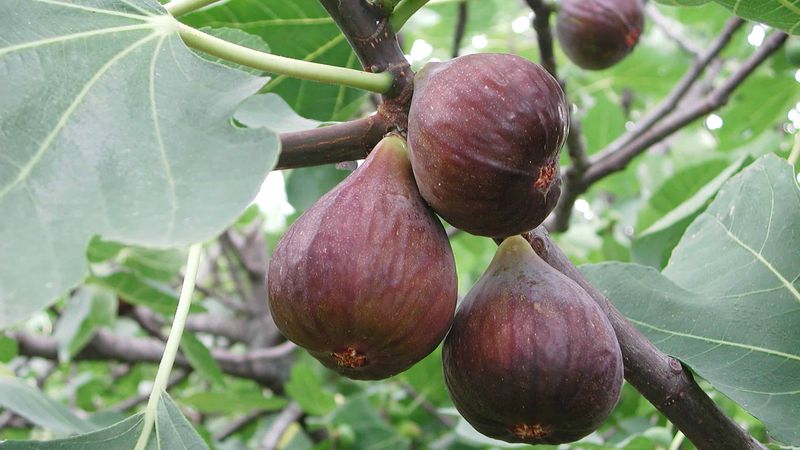
Low-desert figs commonly give two harvests: one in early summer, often around late June, and another in late summer or early fall, often August or September. Exact timing shifts with the year, the variety, and your yard.
That second crop sets the pruning clock. If your tree needs shaping or cleanup, the low-desert fig guide points to fall pruning after the second harvest.
In Southern Arizona, wait until that crop is done before cutting.
Colder parts of the state work differently. There, wait until the coldest part of winter has passed, which fits the newer guidance about pruning during dormancy.
The two guides sound a little different, but the message matches: prune only when needed, and let your local winter decide the moment instead of a single date for all of Arizona.
Keep watering as the weather cools
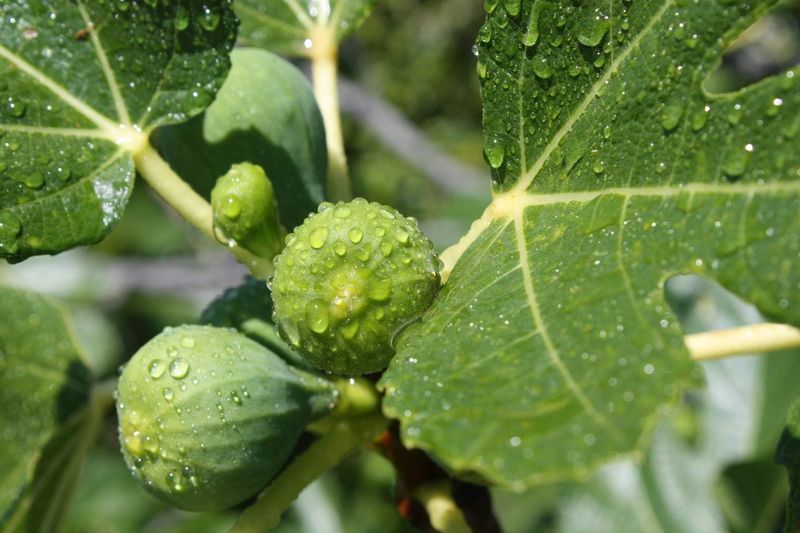
A picked tree is still a living tree, and the roots keep working after the last fig is gone. Irrigation can ease off as days cool, but stopping altogether is a mistake.
Your Arizona Garden Changes Every Week. Your Plan Should Too.
Gardening in Arizona changes quickly throughout the season. Every Friday you’ll receive a simple weekly plan showing exactly what to plant, prune, fertilize, harvest, and protect so you never miss the right timing.
For starting points, the low-desert fig guide suggests watering about every 3 to 5 days in normal summer heat and possibly about every two weeks in winter. Treat those numbers as a first guess, not a rule.
Weather, soil type, tree age, and whether the fig is in a pot or in the ground all change what your tree needs.
Check the soil before you water. Push a probe or long screwdriver down and see how deep the moisture goes.
Tree watering guidance says to water the root zone near and beyond the canopy’s drip line, not just at the trunk, since most roots reach 18 to 36 inches deep.
Skip routine post-harvest fertilizing
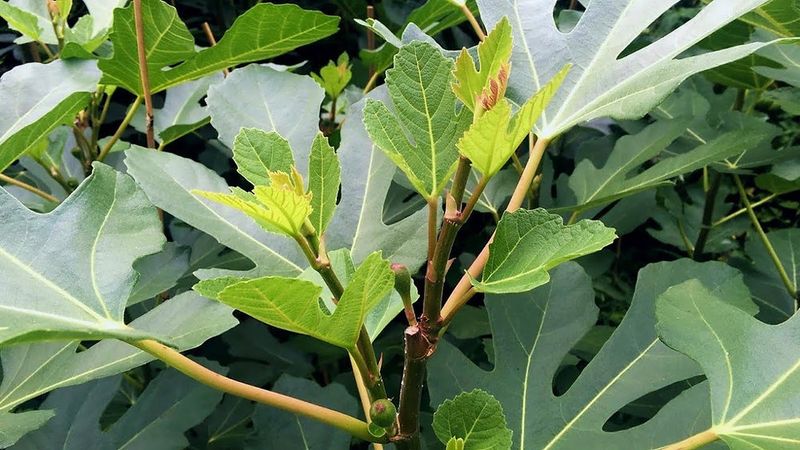
It feels logical to feed a tree that just worked hard, but figs in the ground rarely need it. The Arizona fig guide says in-ground trees do not often need fertilizer, and when feeding is called for, it falls in the growing season rather than after harvest.
Container figs follow a different plan. Their roots cannot spread out to find nutrients, so the guide lays out a May, June, and July feeding schedule for potted trees.
That does not mean every tree needs a meal. If your in-ground fig has healthy leaves and steady growth, leave the fertilizer bag on the shelf this fall.
Extra feeding as nights cool is not part of either plan.
Protect exposed skin when handling fig sap
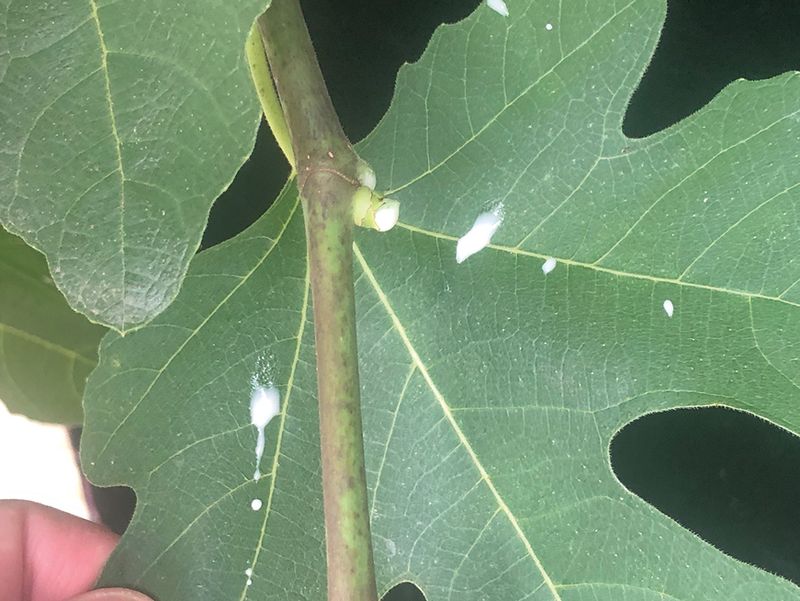
Fig sap looks harmless, but it carries a documented risk. A peer-reviewed case report describes a painful, blistering skin reaction after fig sap touched skin that was then exposed to sunlight.
Most people who prune figs will not have this problem, but Arizona sun is strong enough to make caution worthwhile. When you cut or handle broken branches, wear long sleeves and long pants, and consider eye protection too.
Do not count on gloves alone. In the reported case, the worker wore gloves and sap still reached bare skin.
If sap lands on you, wash it off promptly and keep that spot covered from the sun. Working in shade or in early morning can add another layer of protection.
Cover the tree only when a freeze is forecast
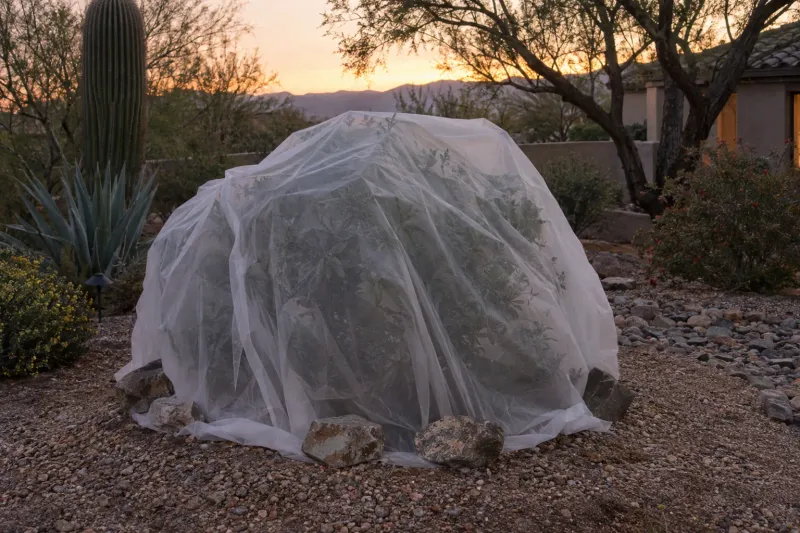
Frost protection is a night-by-night decision, not a post-harvest chore. If the forecast stays above freezing, your fig does not need a cover.
When a freeze is on the way, University of Arizona frost protection advice is to cover the plant with cloth or paper, not plastic. Drape the material all the way to the ground so it holds in heat from the soil.
Take the cover off as temperatures warm the next day. The same guidance warns against leaving sheets or blankets on all winter in Southern Arizona, since prolonged covering can cause harm.
Keep a sheet handy, watch the forecast, and let the tree breathe the rest of the season.