7 Signs Your California Orange Tree Needs Help Before Winter
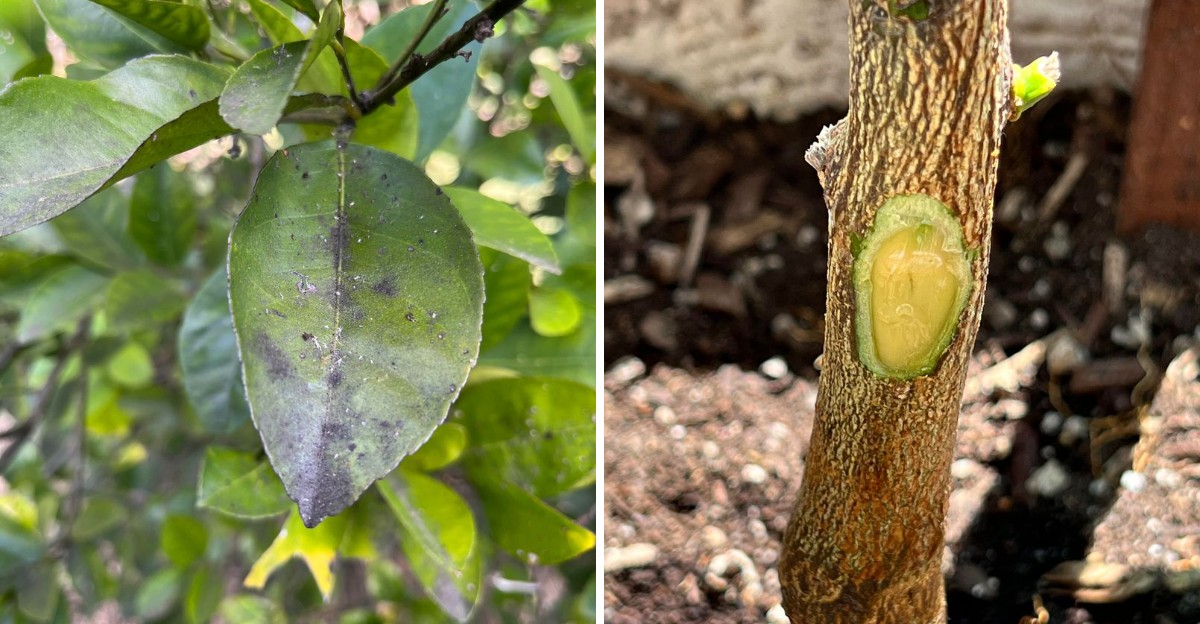
Folded in half along its center vein, a yellow leaf can tell you a surprising amount. Matching halves often point to a hungry tree. Lopsided, random blotches may signal something far more serious.
These glossy evergreens are masters of hiding trouble in plain sight, and I find that oddly impressive. They keep their leaves all winter, so problems rarely take a seasonal break. Cold, soggy soil can even make roots struggle to absorb nitrogen that sits right there.
Last November, I spent ten minutes squinting at one sticky leaf through a magnifying glass. Anyone watching from the window assumed I’d finally lost it. My tree now gets inspected more often than my teeth.
With chilly nights settling in across California, now is a smart time for that kind of snooping.
Your tree has likely been dropping hints for weeks. The loudest one might be a single quiet leaf.
1. Pale Yellow Orange Tree Leaves Signal Hungry Roots
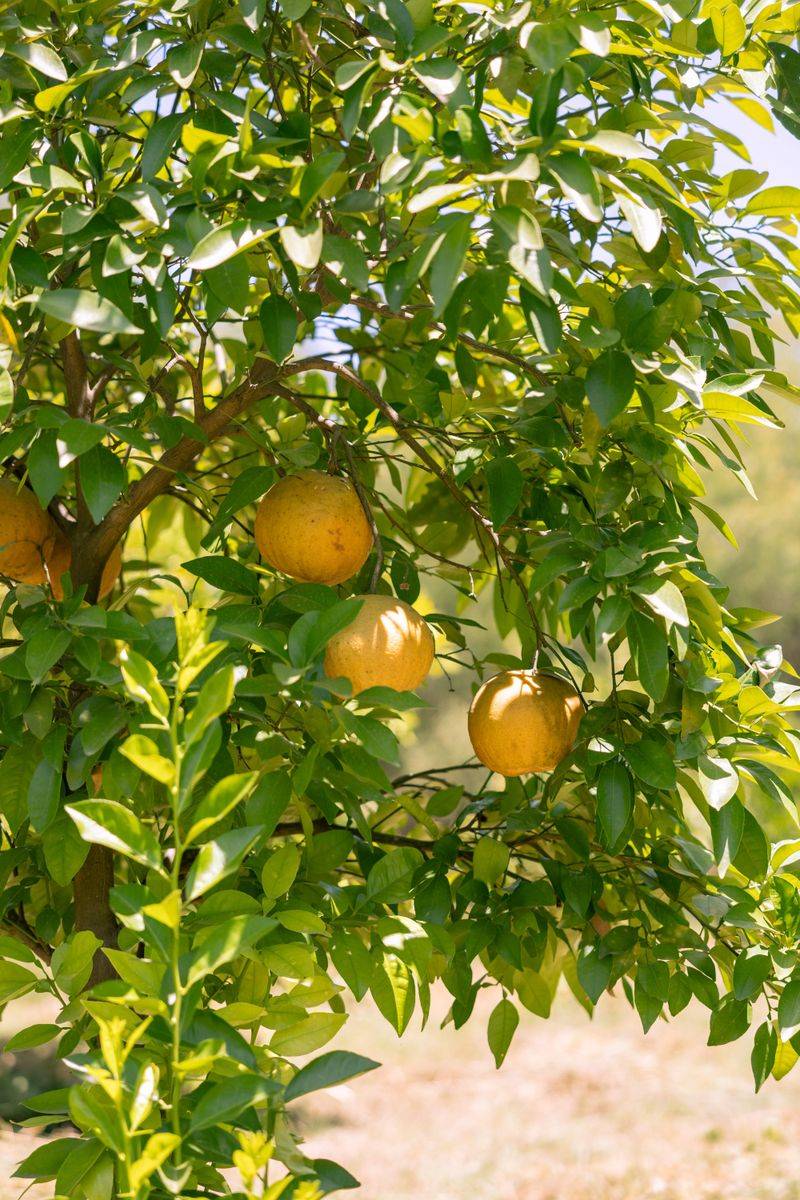
Yellow leaves on an orange tree feel like a cruel joke, since the fruit should get the golden color. I laugh about it now, but pale foliage often tells you something real is going on underground.
Nitrogen shortage usually shows up first as an even, pale yellow wash across the older leaves near the bottom. Cold, wet soil makes nitrogen harder for roots to absorb, even when plenty is sitting right there.
Zinc shortage looks different, with small leaves showing yellow patches between green veins in a mottled pattern. University experts call this mottle leaf, and it is one of the most common deficiencies in California citrus.
Magnesium shortage leaves a green, upside-down V near the base of older leaves while the edges turn yellow. Iron trouble, on the other hand, hits fresh new growth first and leaves the veins looking crisp and green.
Before you grab fertilizer, check your watering habits, because soggy roots can starve a tree just as easily. Push a finger a few inches into the soil and wait until it feels slightly dry before watering again.
Some yellowing in cooler months is normal, since citrus trees shed a portion of their oldest leaves each year. Persistent yellowing across fresh growth is the pattern that deserves a closer look and possibly a soil test.
Personally, I like a citrus fertilizer with micronutrients like zinc and iron, applied following label directions carefully. Many extension guides suggest feeding during the warmer growing season, so plan your main feeding for late winter or spring.
2. Curled Citrus Leaves Point To Thirst Or Tiny Pests
Curled leaves look a bit like tiny green taco shells, and they are your tree trying to tell you something. I find it fascinating how fast a thirsty tree rolls up its foliage to slow water loss.
Drought stress makes leaves turn dull and curl inward, and they may feel crisp between your fingers. Dry autumn winds can speed this up, especially on trees planted in open and exposed yard spots.
Oddly enough, too much water can cause curling too, because soggy soil starves roots of the oxygen they need. Checking soil moisture with your hand is the quickest way to figure out which problem you actually have.
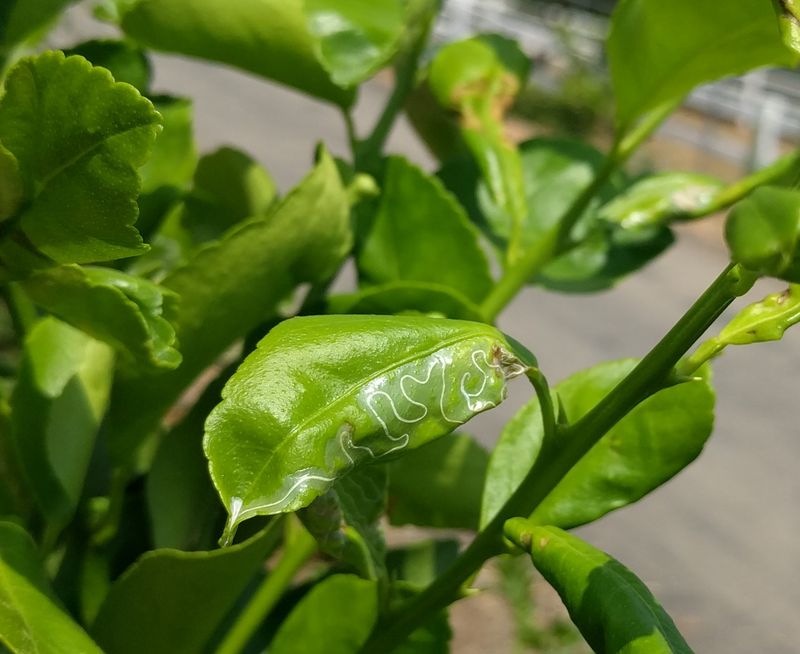
Citrus leafminers leave a different signature, with silvery, winding tunnels carved inside young leaves by tiny larvae. The damage looks dramatic, yet extension experts say mature trees rarely suffer serious harm from these miners.
Aphids and whiteflies also suck sap from tender shoots, leaving new growth twisted and puckered at the tips. A strong spray of water often knocks aphids loose without any need for harsh store-bought products.
Contorted leaves at the ends of young shoots can also point to the Asian citrus psyllid feeding there. That pest matters far more than leafminers, so grab a magnifying glass and inspect those new flushes closely.
A little curling during a cold snap can be a natural reaction, so watch whether leaves relax once it warms. Leaves that stay curled on mild afternoons are the ones that deserve a bit of your detective work.
3. Dropped Oranges Under The Tree Mean Stress Above
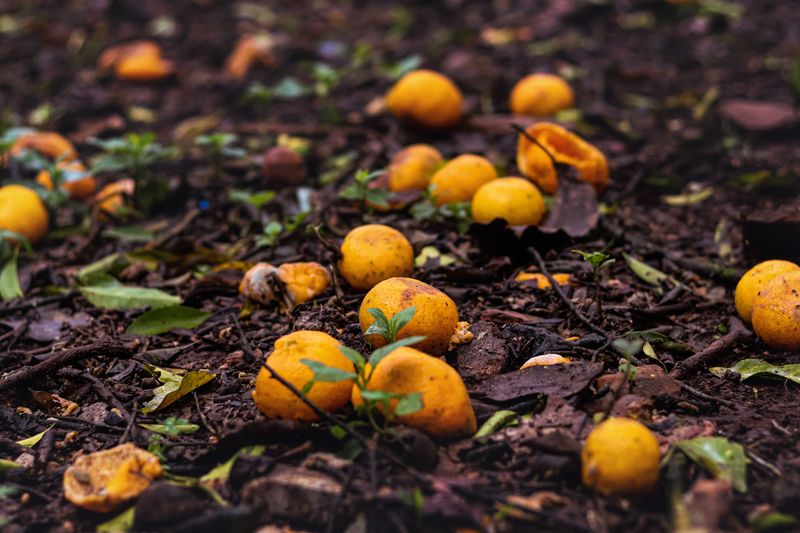
Nothing stings quite like stepping outside and finding a carpet of green oranges scattered beneath your tree. I still remember grumbling at mine, convinced a squirrel was to blame, until I checked the soil.
Uneven watering ranks among the most common reasons for early fruit drop, especially while fruit is still developing. Long dry spells followed by heavy soaking can also leave remaining fruit smaller than you hoped.
Split fruit is another clue, since a sudden flood of water makes the inside swell faster than the peel. Steady, deep watering on a regular schedule helps the rind keep pace with the juicy pulp inside.
Weather plays a big role as well, because sudden temperature swings and strong winds can shake fruit loose. Fall rain and fog in some regions also raise the risk of rind decay, which leads to early drop.
Nutrition matters too, since trees short on nitrogen or zinc often struggle to size up their fruit properly. Pick up fallen fruit quickly, because rotting oranges on the ground can invite pests and spread fungal problems.
Lopsided, bitter fruit that stays green at one end is a different story and deserves serious attention. Diseases like citrus greening and stubborn disease can cause misshapen fruit, so note what you see and photograph it.
What surprises me most is how often a simple watering fix brings the next crop back to normal. A layer of mulch kept a few inches from the trunk helps hold soil moisture steady through the season.
4. Sticky Leaves And Black Sooty Mold On Orange Branches
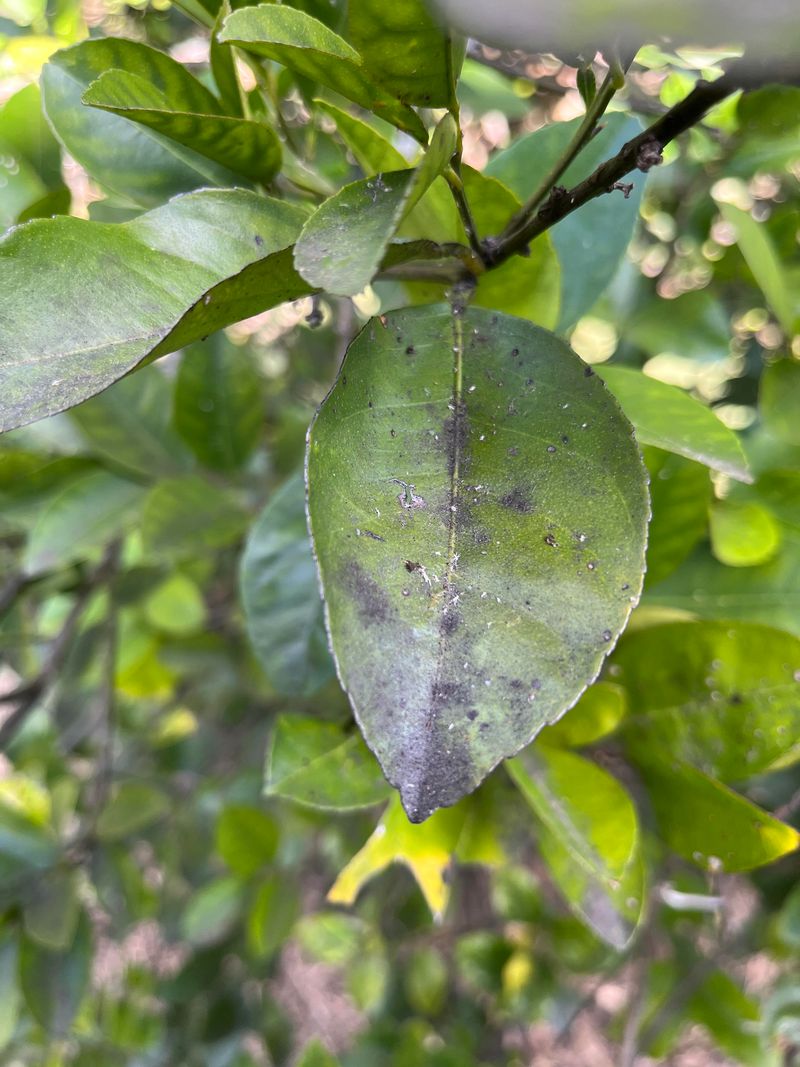
Brush a leaf and feel sugary stickiness, and you have found a clue left behind by tiny sap drinkers. That glossy goo is called honeydew, and it is basically insect waste dripping onto everything below.
Soon a black, powdery coating appears on top, looking like someone dusted the tree with chimney soot. This sooty mold is a fungus that feeds on the honeydew rather than attacking the leaf itself.
Even so, a thick layer blocks sunlight from reaching the leaves, which can slow the tree down over time. I can’t imagine eating fruit covered in the stuff either, though it usually washes off the peel.
Aphids, mealybugs, whiteflies, and soft scales are the usual honeydew makers found on backyard citrus trees. Asian citrus psyllid nymphs make honeydew too, often with curly white waxy threads that look like tiny ribbons.
Ants are the sneaky sidekicks here, because they guard honeydew producers from ladybugs and other helpful predators. Wrapping the trunk with a sticky barrier band keeps ants out, so beneficial insects can do their job.
Trim branches touching fences or the ground, since ants love using them as bridges into the canopy. Insecticidal soap or horticultural oil can help with heavy infestations, but follow the label and spray carefully.
Pest numbers often drop as weather cools, yet the mold and leftover residue can linger for months. Once the insects are under control, rain and gentle hosing will slowly wash that grimy film away.
5. Oozing Gum On The Orange Tree Trunk Needs Attention
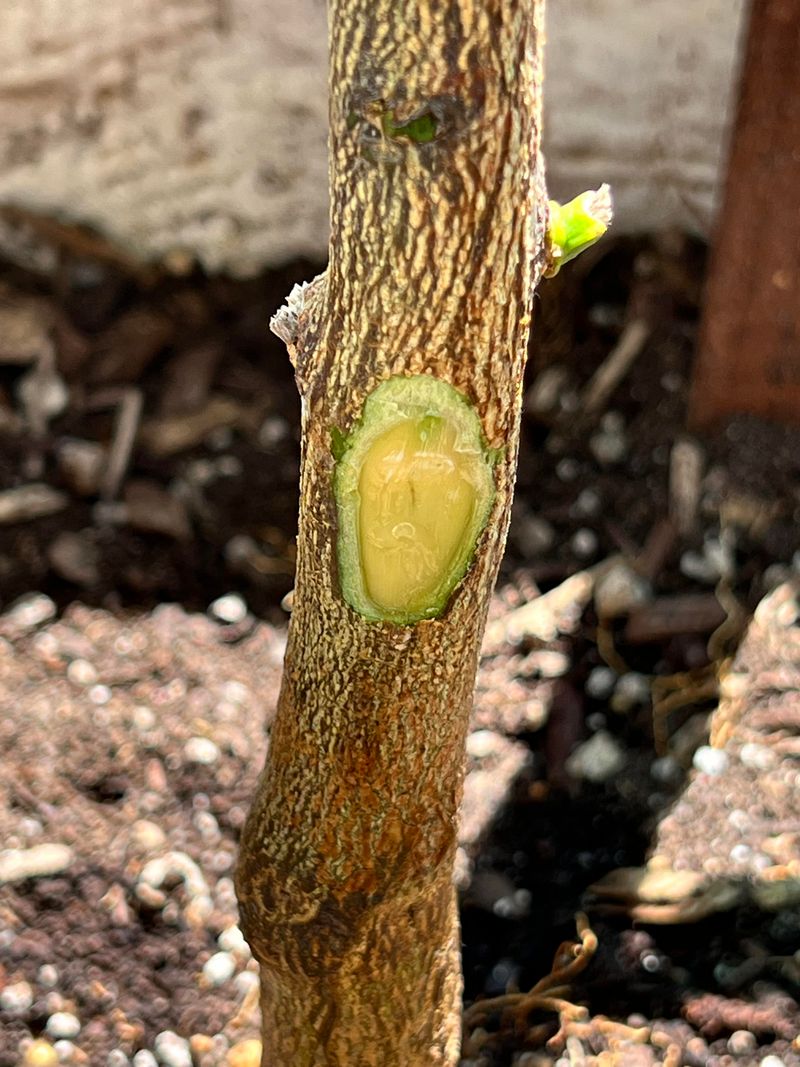
Amber droplets beading on bark might look like pretty tree jewelry, but they are rarely a happy sign. Personally, I check the lower trunk of my tree every few weeks once the cool, damp season returns.
Sap oozing from cracked bark is called gummosis, and it often turns reddish brown as it hardens. The bark underneath may darken and split, then eventually peel away in rough, flaky patches near the soil.
The usual cause is Phytophthora, a water mold that lives in soil and thrives when conditions stay wet. UC experts note these organisms stay active in California citrus soils year-round, with cool, moist months favoring them.
Sprinklers hitting the trunk and soil piled against the bark both give the water mold an easy entry point. Keep mulch and irrigation emitters pulled back several inches from the trunk so the crown stays dry.
Look closely at where the trunk meets the soil, since that crown area is where infections often begin. If the root flare is buried, gently pull soil away to let air reach the lower bark.
Another culprit, called Bot gummosis, comes from fungi that sneak into wounds higher up on branches and trunks. Avoid nicking the bark with mowers or string trimmers, because every scrape opens a door for infection.
Severe or spreading lesions call for expert help, so contact your local UC Master Gardener program for guidance. Catching gummosis early gives your tree a much better chance at bouncing back strong by spring.
6. Brown Twig Tips And Bare Branches On Citrus Trees
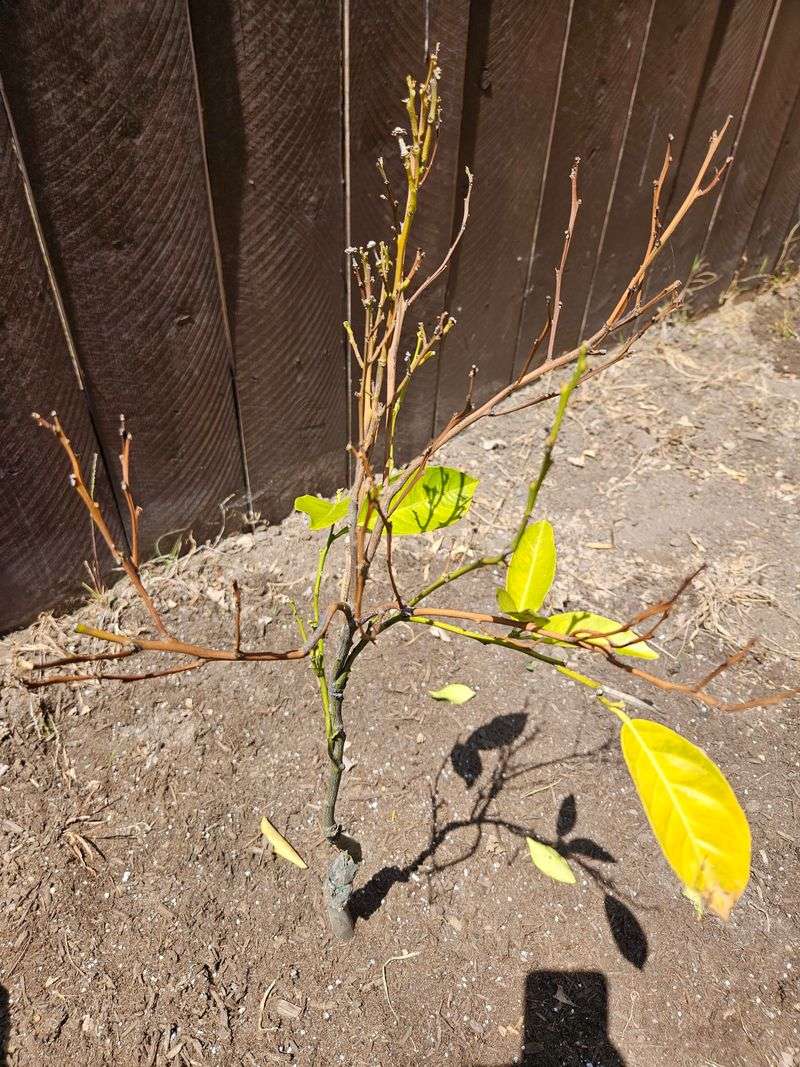
Bare, brittle twigs poking out of a leafy canopy look a little like a bad haircut on your tree. I love a good mystery, and browning branch tips offer plenty of suspects worth investigating before frost season.
Cold damage from earlier winters is a common cause, with frosted twigs drying out and keeping their brown leaves. Hot, dry winds can also scorch exposed branches, especially on trees planted in breezy, open spots.
Wait to prune frost-damaged wood until new growth appears in spring, since the injured leaves shield inner branches. Pruning too early can also spark tender new shoots that are easily hurt by the next cold night.
Severe zinc shortage can lead to thin, bare twigs as well, often paired with small mottled leaves nearby. Bacterial blast is another suspect, starting as black spots on leaf stems before girdling small twigs.
Blast tends to show up after cold, windy rainstorms, especially on the exposed side of the tree. Planting a windbreak or choosing a sheltered spot can noticeably reduce the problem over the years.
Slow, steady thinning across the whole canopy is more worrying, because root rot often hides behind it. Citrus greening can cause twig decline too, so pair your inspection with a careful look at leaf color.
When you do prune, cut back to healthy, light-colored wood, and clean your shears between trees. A tidy cut heals faster and leaves fewer openings for fungi looking for a way inside.
7. Blotchy Yellow Leaves Can Signal Citrus Greening
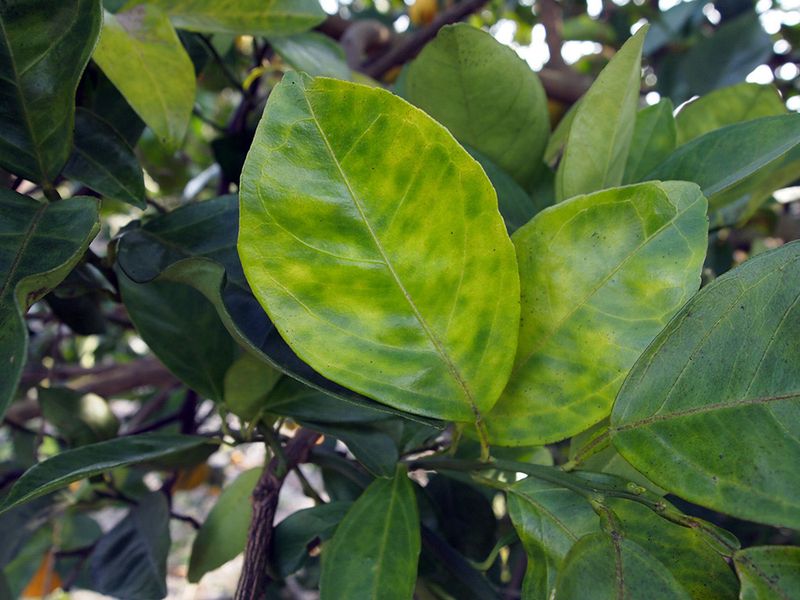
Fold a suspicious leaf in half along the midrib, and you might uncover the scariest clue on this list. Nutrient shortages usually create matching patterns on both halves, while greening leaves blotches that look lopsided and random.
Citrus greening, also called Huanglongbing or HLB, is a bacterial disease with no known cure for infected trees. It clogs the tree’s internal plumbing, slowly starving branches of the nutrients they need to grow fruit.
Other warning signs include corky raised veins on leaves and green, bitter fruit that stays oddly lopsided. The disease has devastated citrus in Florida, which is why growers here watch for it so closely.
The Asian citrus psyllid spreads the bacteria, and the adult measures only about three to four millimeters long. Look for brownish insects feeding with their rear ends raised at that telltale forty-five degree angle.
Psyllids are established across much of Southern California, and quarantine zones limit moving citrus plants and fruit. Please avoid sharing homegrown fruit with leaves or stems attached, and buy new trees from licensed local nurseries.
Psyllid numbers may dip in cooler weather, but extension experts urge year-round checks on every flush of growth. Infected trees cannot recover, so removal protects nearby trees, including the ones in your neighbor’s yard.
If you suspect psyllids or greening, call the state hotline for help from experts. I believe a quick phone call beats months of worry, and it helps protect citrus across the whole region.