How to Trim a Snake Plant That’s Grown Too Tall or Floppy in North Carolina
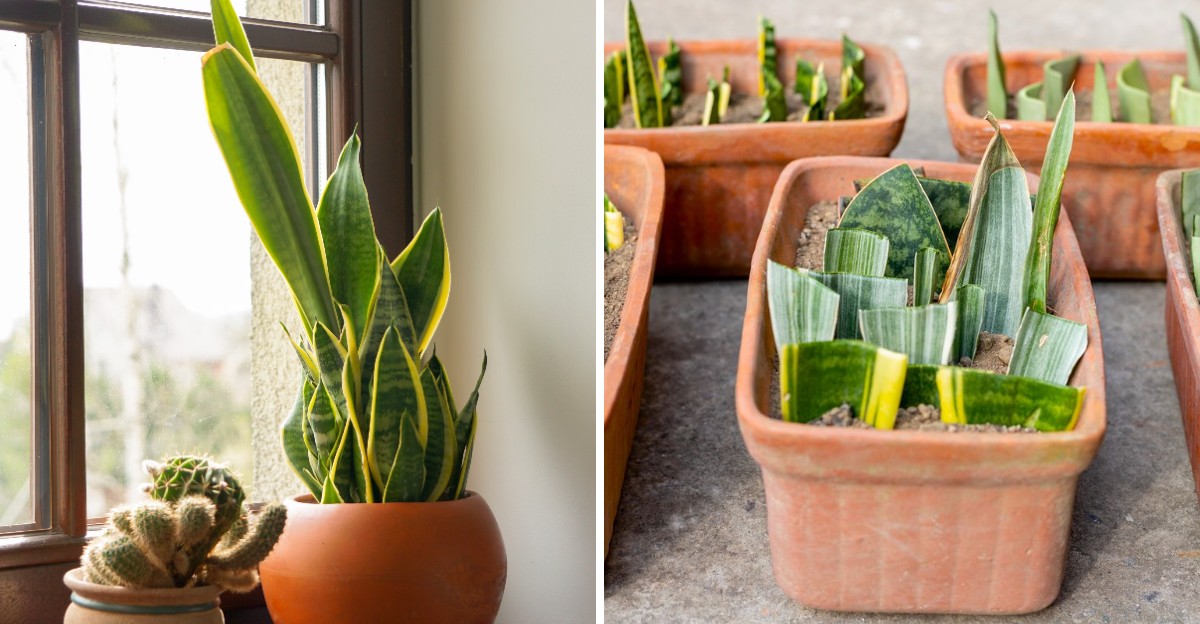
A single leaf on some houseplants can stretch past four feet tall, and it still refuses to grow back once you snip its tip. That stubborn quirk surprises a lot of plant owners.
I know how frustrating it can be when a plant famous for standing straight starts leaning like a tired fence post. One corner of your living room suddenly looks messy.
Here’s something you might not expect. That wild height is sometimes a sign of a happy plant, while a floppy lean usually points to light or water trouble. The fix depends on reading those clues first.
North Carolina homes swing from humid summers to dry, heated winters, and indoor plants feel every shift. A few smart cuts can reset the whole look. So which leaves should go, and where exactly should the blade land?
1. Those Stretching Snake Plant Leaves Are Telling You Something
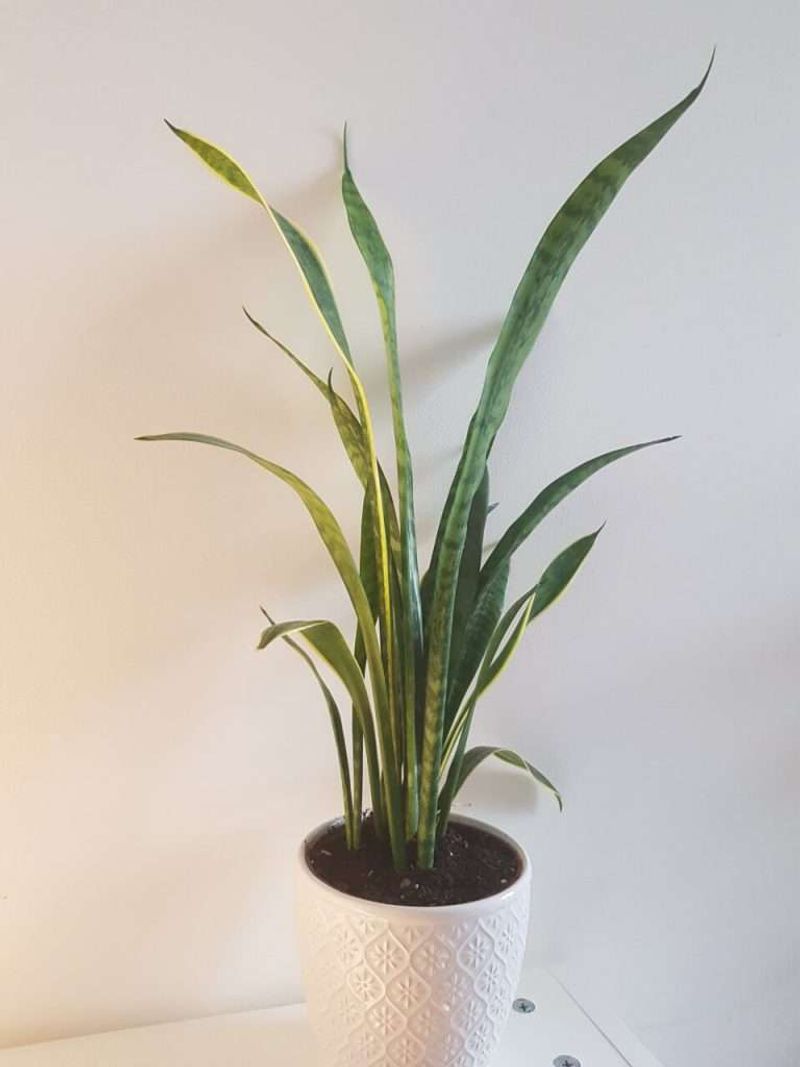
Plants can’t talk, but a snake plant comes pretty close. When its leaves grow tall, thin, and pale, it is often reaching for more light. Gardeners call this stretching etiolation.
A lean toward one window tells a similar story. One side gets more sun, so that side grows faster and the whole plant tilts. In many North Carolina houses, shady north rooms and porches with deep roofs make this common.
Floppy leaves have a few other likely causes. Too much water softens the leaf base and can lead to root rot. Too little water for too long makes leaves wrinkle and bend. Heavy fertilizer can also push soft, bendy growth that can’t hold itself up.
Height alone isn’t a problem, though. Some types, like the classic Dracaena trifasciata ‘Laurentii’, naturally grow three to four feet tall in good conditions. If the leaves are firm, green, and upright, your plant may just be thriving.
So before grabbing scissors, press a leaf gently near the soil. Firm and strong means you’re trimming for size. Mushy or wrinkled means you should fix watering or light first, because a trim alone won’t solve the cause.
2. Cut Snake Plant Leaves Right at the Soil Line
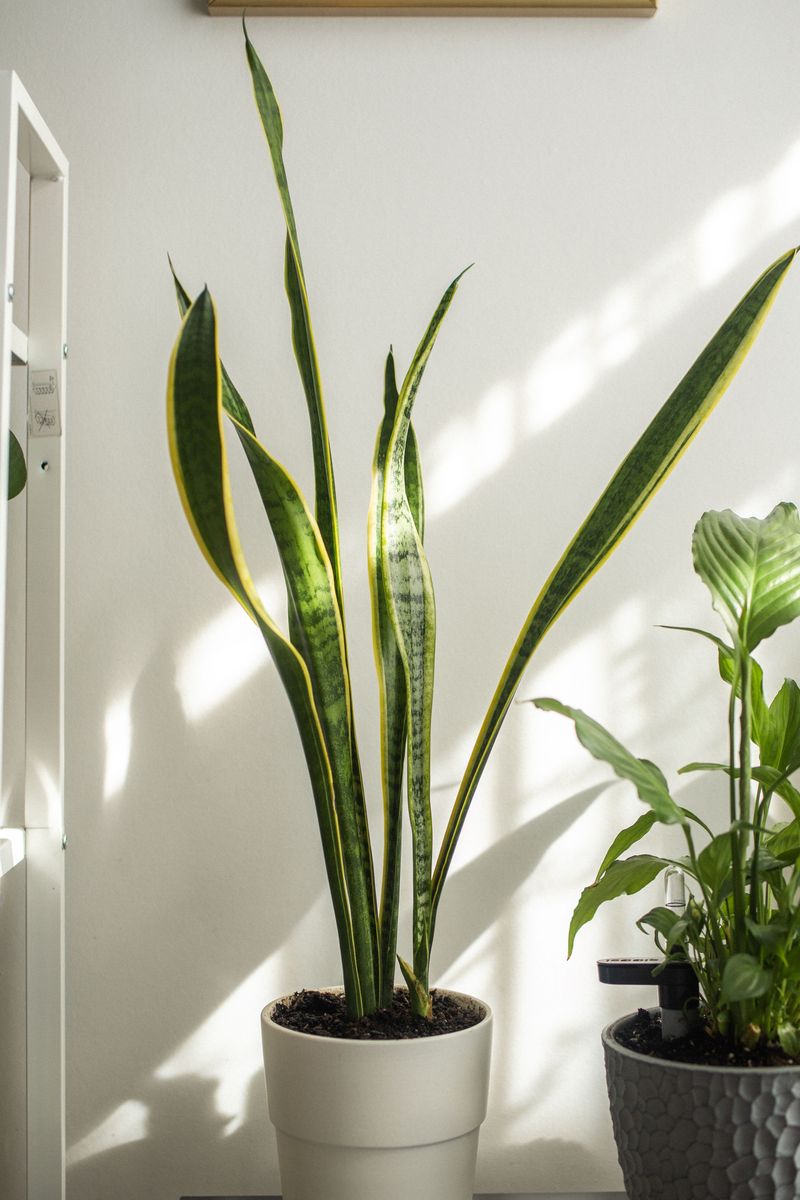
My favorite pruning rule for snake plants is wonderfully simple. Take the whole leaf off at the base, as close to the soil as you can get.
Each leaf grows from the bottom, not the tip. If you chop a leaf halfway down, that cut end stays flat and blunt for good. It won’t form a new point, and it can look odd for years.
Start by wiping a sharp knife, pruners, or sturdy scissors with rubbing alcohol. Clean tools help keep germs out of fresh wounds. Then pick your targets: the tallest leaves, floppy ones, yellowed ones, or any with damage.
Slice each one with a single clean cut near the soil line. A smooth cut heals better than a ragged tear. Wearing gloves is smart too, since the sap can irritate skin, and the plant is mildly toxic to pets if chewed.
Try not to remove more than about a quarter to a third of the leaves at once. That leaves the plant enough green to keep making food. If it still looks too tall afterward, wait a few months and trim a little more.
3. Brown Snake Plant Tips Need a Gentler Snip
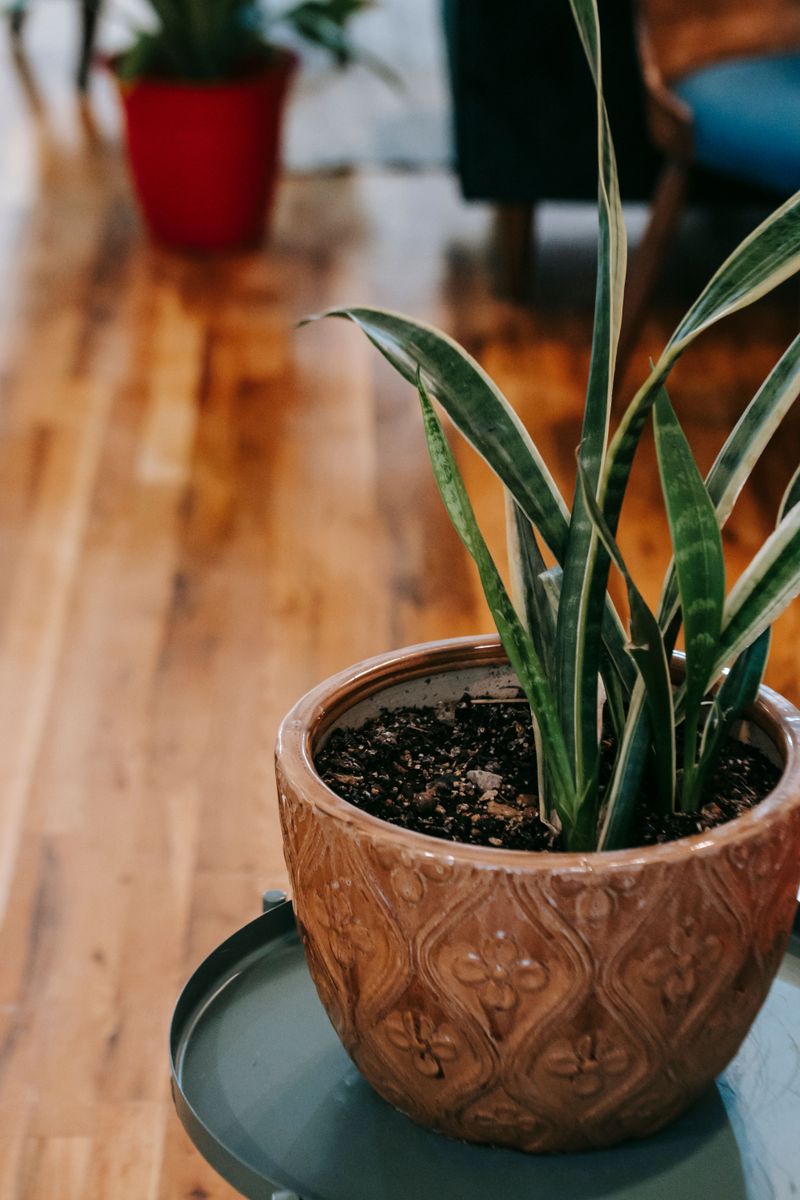
Not every problem calls for removing a whole leaf. Sometimes the only issue is a crispy brown tip, and the rest of the leaf looks great.
For those, grab small, clean scissors and trim just the brown part. Follow the natural angle of the leaf so the end still looks pointed instead of flat. Leave a thin line of brown behind, since cutting into green tissue creates a fresh wound.
Brown tips often come from uneven watering or very dry indoor air. North Carolina winters bring furnace heat that can drop indoor humidity a lot. Fluoride or salt buildup from tap water and fertilizer may also play a role.
Remember, the leaf won’t grow a new tip. So this snip is about looks, not growth. If a leaf has brown damage halfway down, it’s usually cleaner to remove it at the base.
A quick habit helps prevent repeats. Water deeply, then wait until the soil is dry before watering again. Every few months, run water through the pot until it drains out the bottom to rinse away extra salts.
4. Spring and Summer Make the Best Snake Plant Trimming Season
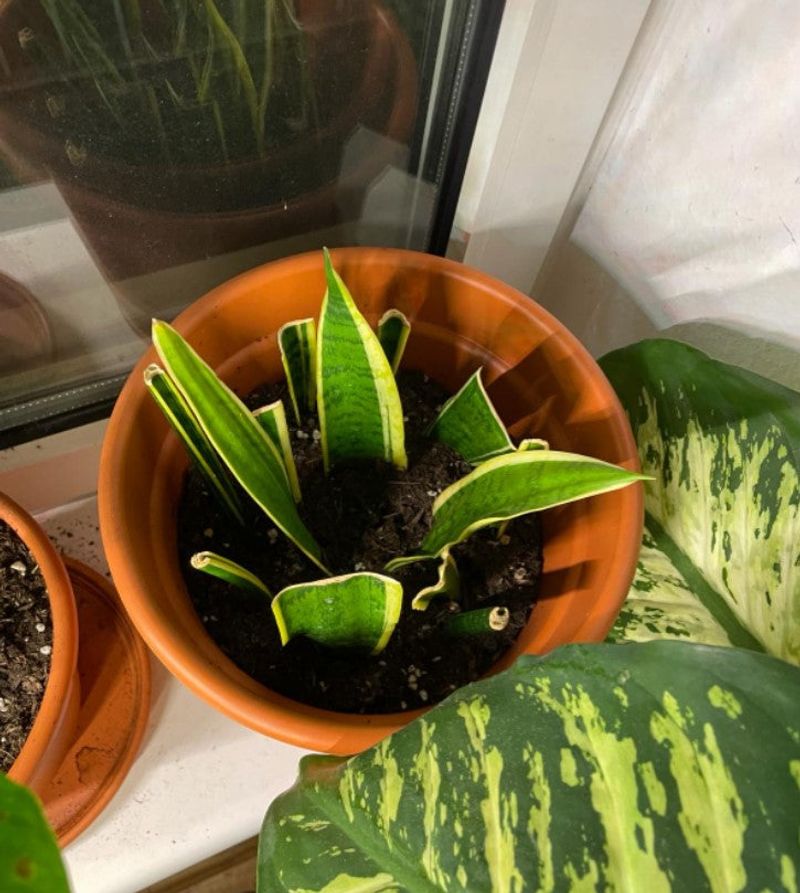
Timing matters more than you might think. Snake plants grow most actively from spring through summer, and that’s when they bounce back fastest from a trim.
In North Carolina, longer days usually arrive by April. Indoor plants notice the extra light, and new shoots start pushing up from the roots. A trim during this stretch gives the plant months of good growing weather to fill in.
Winter is a slower time. Short days and cooler rooms mean the plant uses less water and makes less new growth. You can still remove a mushy or broken leaf anytime, but save the big reshaping job for warmer months.
Spring is also a handy moment to check the roots. If roots are circling the pot or cracking it, the plant may be crowded. Snake plants like being a bit snug, but very packed roots can make watering tricky.
Here’s a fun detail I love. These plants are native to tropical West Africa, so a warm, bright season is basically home weather for them. Working with that natural rhythm makes your trim far less stressful for the plant.
5. Hold the Watering Can After You Prune Your Snake Plant
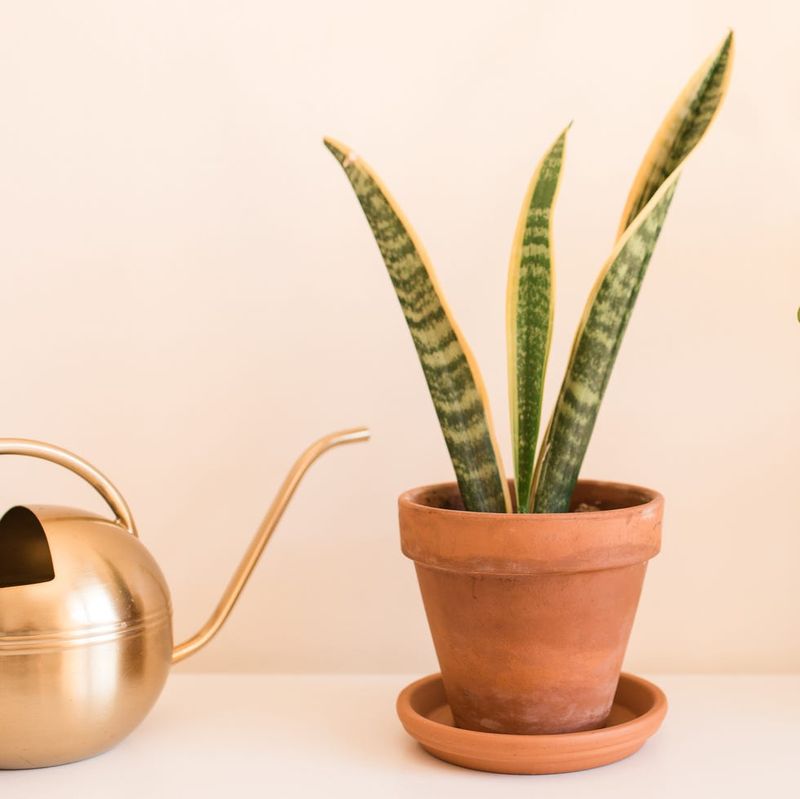
Patience is the secret ingredient after a trim. Those fresh cuts need a few days to dry and seal over before water comes near them.
Damp soil around open wounds invites rot. So skip watering for several days, and let the cut ends form a dry, firm callus. Good airflow in the room helps that happen faster.
Once the cuts look sealed, go back to a normal routine. For snake plants, that means watering only when the soil is dry most of the way down. Poke a finger in or use a wooden chopstick to check.
Place the plant in bright, indirect light while it recovers. A spot a few feet from an east or west window works nicely in most homes. Avoid harsh afternoon sun right on the leaves, which can scorch them. Hold off on fertilizer for a few weeks too.
The plant needs time to settle, not a rush of extra nutrients. After that, a diluted houseplant or cactus fertilizer once or twice in the growing season is plenty. New shoots from the base are your sign that recovery is going well.
6. Those Trimmed Snake Plant Leaves Can Grow New Plants
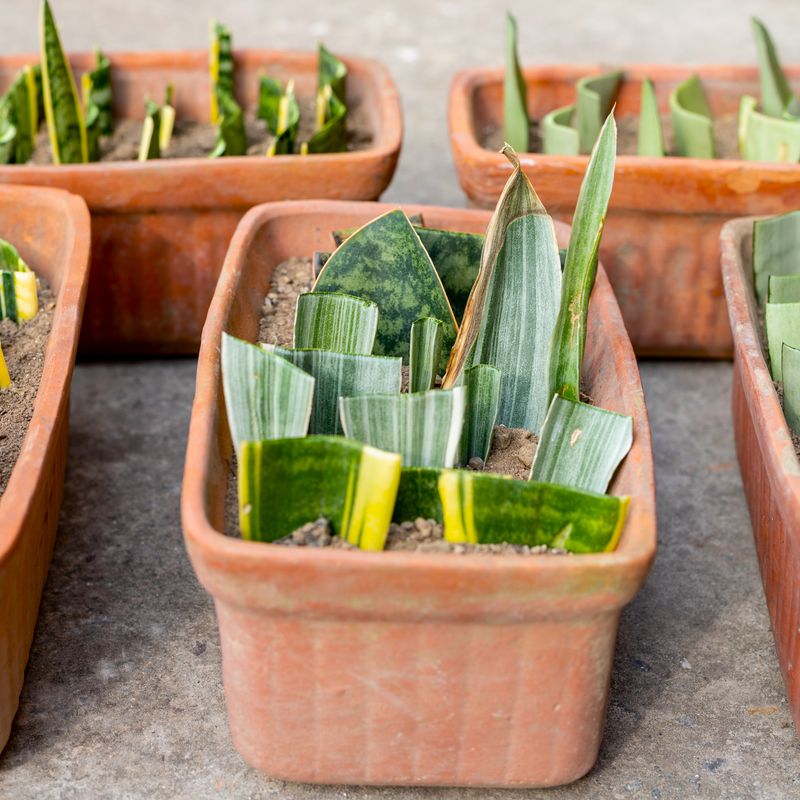
Don’t toss those healthy leaves just yet! Each one can become a brand new snake plant with a little time.
Cut a leaf into sections about three to four inches long. Keep track of which end was closer to the soil, because roots only form from that bottom edge. Many gardeners notch the top with a small V so they don’t mix them up.
Let the pieces sit out for a few days until the cut ends dry and callus. Then choose your method. You can stand them in a jar of water and change it weekly, or press them into moist, well-draining cactus mix.
Set them in a warm, bright spot out of direct sun. Roots often take a few weeks, and new pups can take a few months. It’s slow, but watching that first little shoot poke up feels like winning a tiny prize.
One quirky fact surprises people. Variegated types like ‘Laurentii’ with yellow edges usually lose that yellow stripe when grown from leaf cuttings. If you want an exact copy, divide the plant at the roots instead.
7. Bright Light Keeps Your Sansevieria Standing Tall and Tidy
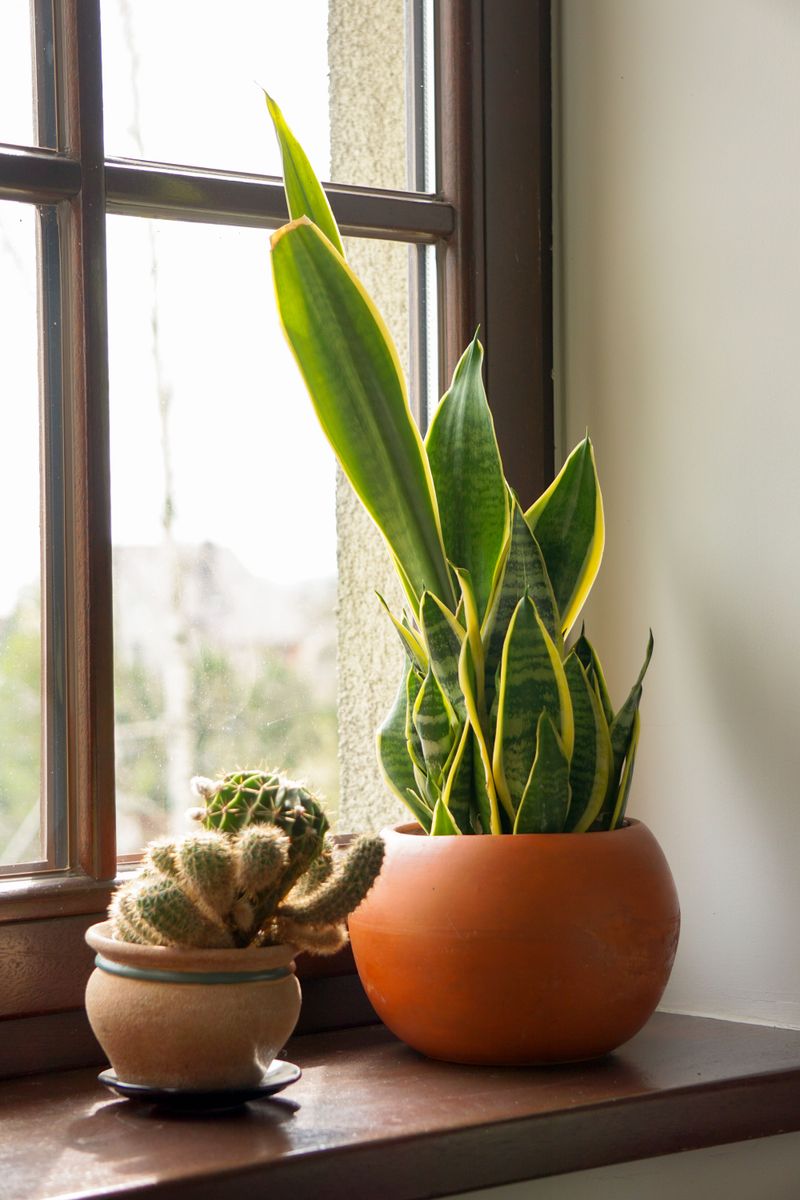
Trimming fixes today’s mess, but daily care decides what grows next. The biggest helper is steady, bright, indirect light.
Snake plants put up with dim corners, which is part of their fame. Still, they grow sturdier, more upright leaves when they get good light. NC State Extension notes they handle a wide range of light, yet stronger light means better form.
Turn the pot a quarter turn each week so every side gets a fair share. That simple habit stops the lopsided lean before it begins. If leaves keep stretching, move the plant closer to a window.
Watering wisely keeps leaves firm. Let the soil dry between drinks, and use a pot with a drainage hole and gritty cactus mix. In winter, many North Carolina gardeners water only every month or so.
Feed lightly, if at all, from about April to September. Too much fertilizer brings soft, droopy growth, which is the exact thing you just trimmed away. Keep these steps simple and your plant should stay sharp, upright, and easy to love for years to come.