The California Vegetable Garden Trick That Buys You Three More Weeks Of Tomato Harvest
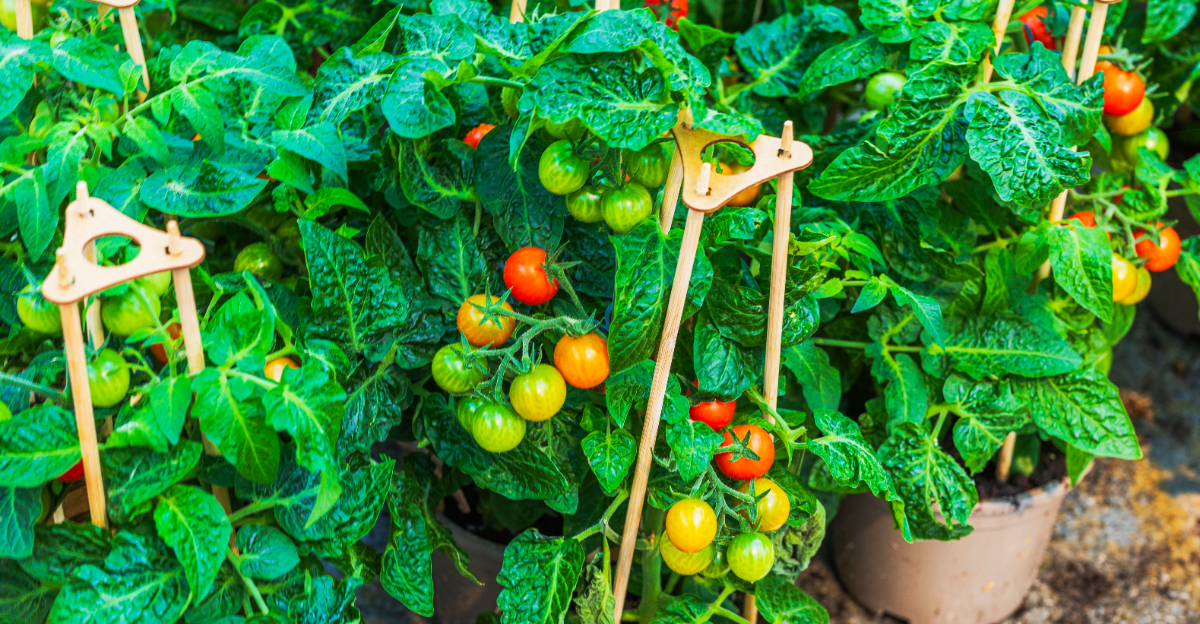
Tomato plants in California often slow down while plenty of warm weather still remains. Fruit takes longer to ripen, flowers drop, and the vines begin to look tired.
Most gardeners assume the season has simply run its course.
A clever garden trick can stretch that harvest by nearly three weeks. It does not require a greenhouse or an expensive setup.
The real advantage comes from how the plant responds once late-summer conditions start to shift.
Timing matters here. Try it too early, and the vines may lose useful growth.
Wait too long, and cooler nights can beat you to the final tomatoes. Garden calendars love a little drama.
This simple move helps the plant focus its remaining energy where it counts. Instead of supporting growth that may never produce, the vine can put more effort into the tomatoes already within reach of the finish line.
1. The Trick You Should Try ASAP
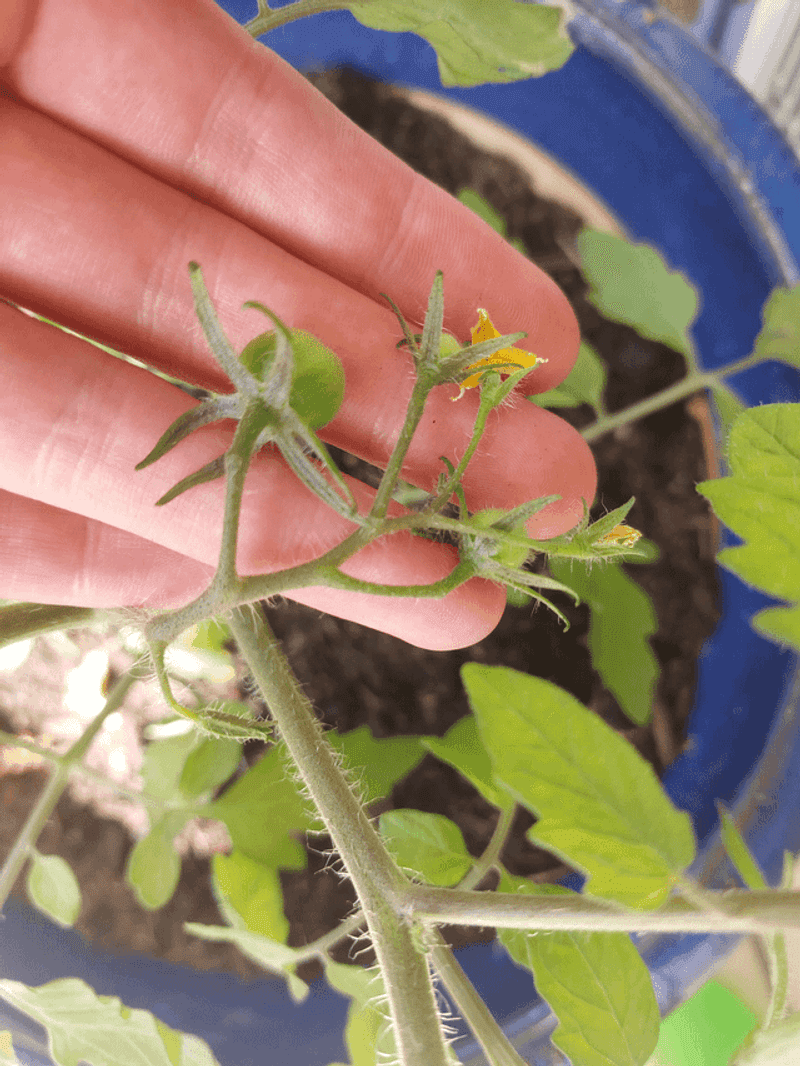
Here is something most backyard gardeners never think about: those cheerful little yellow flowers on your tomato plant are not always a good thing late in the season. When summer is almost over, new flowers signal wasted effort.
Each flower your plant produces takes real energy to grow. That energy comes from the same reserves that are feeding your existing green tomatoes.
Removing new tomato flowers is the core of this late-season trick. You simply pinch off any flower buds that appear after a certain point in the growing season.
It sounds almost too easy, but the science behind it is solid. A tomato plant only has so much energy to give.
When you remove flowers, you tell the plant to stop spreading itself thin.
Instead of chasing new growth, the plant focuses entirely on ripening what is already there. Gardeners across California have used this method for generations.
It works especially well in areas where nights start cooling down in early fall. The plant responds quickly, often within a week or two.
You will notice your existing tomatoes begin changing color faster and tasting richer. Pinching flowers is free, takes about five minutes per plant, and delivers a noticeably better harvest before the season ends.
2. Late Flowers Steal Energy From Existing Fruit
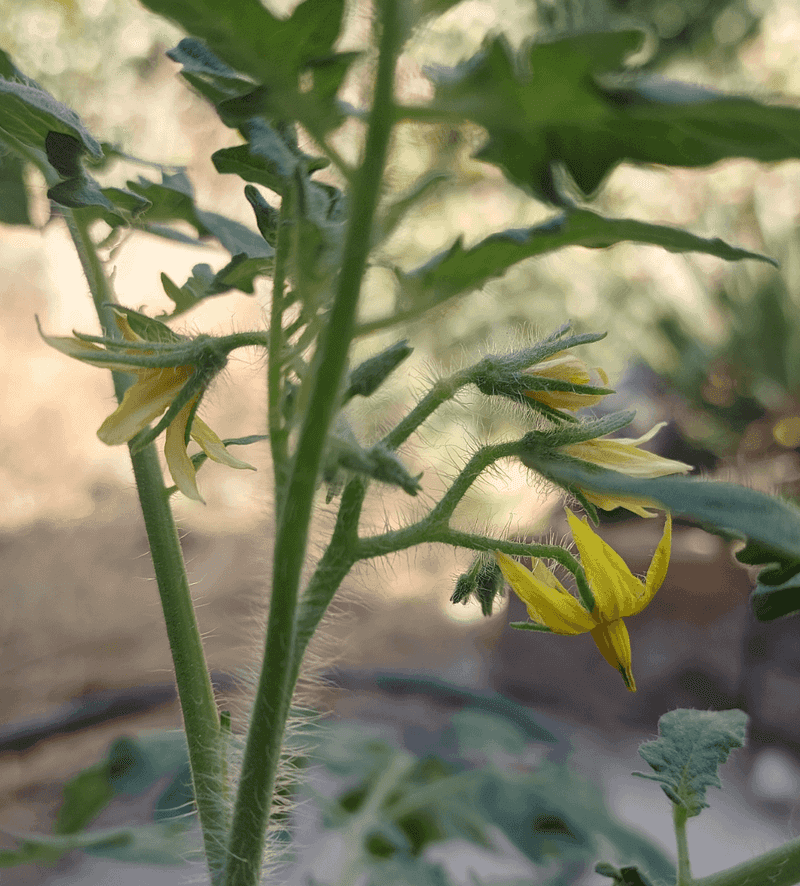
Every gardener wants more tomatoes, but more flowers do not always mean more tomatoes. Late in the growing season, new flowers are actually a problem.
They pull nutrients and sugars away from the green tomatoes already hanging on the vine. Those green tomatoes are so close to being ripe.
They just need a little more time and a lot more energy from the plant. Think of your tomato plant like a household budget. There is only so much to go around.
When new flowers show up late in summer, they are like unexpected bills. They demand attention and resources that were already promised to something else.
Your existing fruit ends up getting less than it needs to finish ripening properly.
Removing those late flowers is like canceling those unexpected bills. Suddenly, the plant has more to give to the tomatoes that are already developing.
Your California Garden Changes Every Week. Your Plan Should Too.
Gardening in California changes quickly throughout the season. Every Friday you’ll receive a simple weekly plan showing exactly what to plant, prune, fertilize, harvest, and protect so you never miss the right timing.
The fruit fills out better, colors up faster, and develops a sweeter, richer flavor. In California, where growing seasons can be long but unpredictable near the coast, this small step makes a big difference.
Experienced gardeners say it is one of the most effective and underused tricks in the entire vegetable garden. Try it once and you will keep doing it every year.
3. Small Green Tomatoes Need The Plant’s Focus
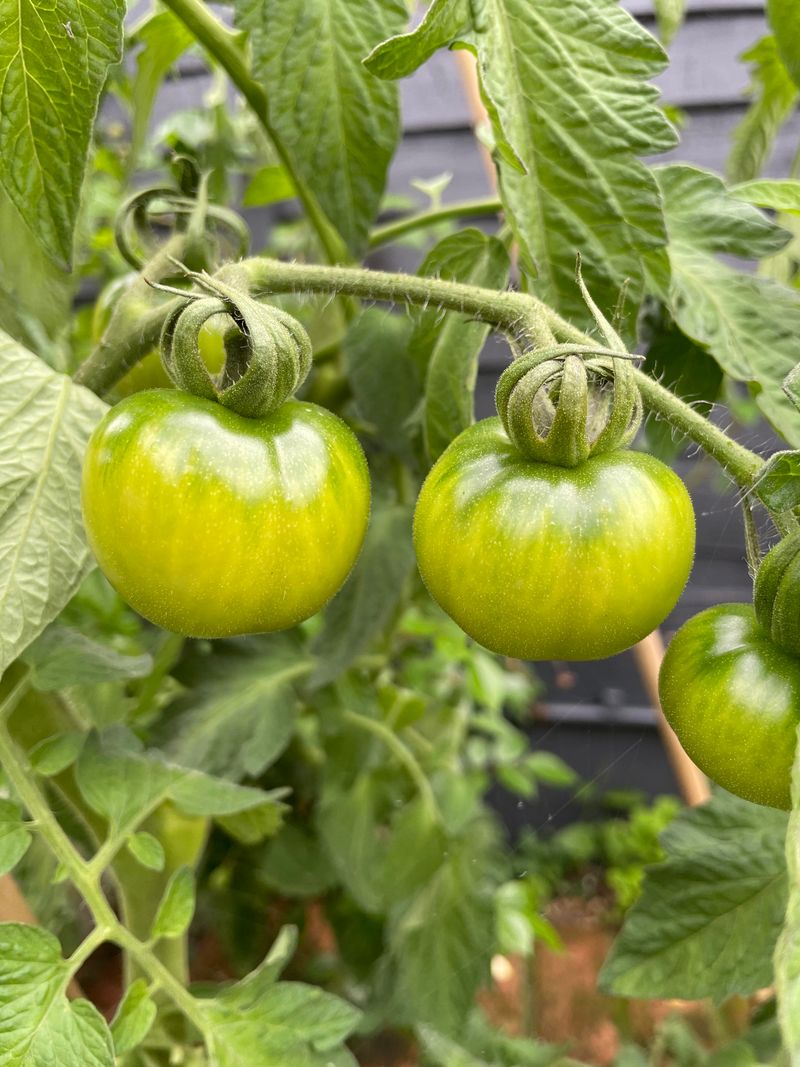
Those small green tomatoes clinging to the vine in late summer deserve a real chance. They are already there, already formed, and already close to becoming something delicious.
The problem is that a busy tomato plant does not automatically know to prioritize them. It keeps producing flowers because that is what tomato plants do.
Your job is to redirect that focus.
Small green tomatoes need three things to ripen well: warmth, time, and nutrients from the plant. You can not always control the weather, but you can absolutely control where the plant sends its energy.
When you remove new flowers and stop the plant from setting new fruit, those small green tomatoes become the top priority. The plant pushes sugars and nutrients directly into them.
Growers in the warmer inland valleys of California often see small tomatoes ripen up beautifully when this technique is applied in August or early September. Even in cooler coastal zones, the results are noticeable.
The tomatoes that once looked like they would never change color start blushing red or orange within days.
Some gardeners also remove the smallest fruit, about marble-sized or smaller, to give the medium-sized ones an even better shot.
Every choice you make for those green tomatoes adds up to a better, longer harvest.
4. Cool Nights Slow Ripening Fast
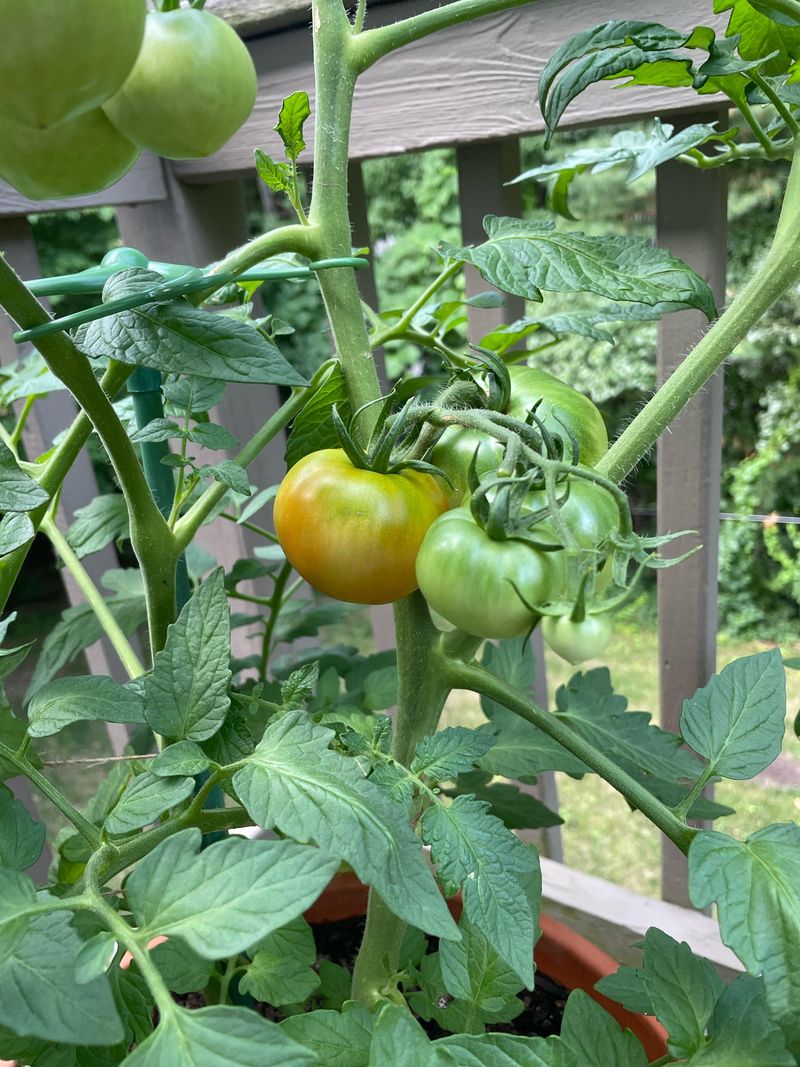
Tomatoes love heat. They ripen fastest when daytime temperatures are between 70 and 85 degrees and nights stay comfortably warm.
But once fall arrives and nights start dropping below 55 degrees, ripening slows down significantly. The plant’s metabolism drops, and the chemical process that turns tomatoes red begins to stall.
This is one of the most common reasons gardeners end up with a vine full of green tomatoes at the end of the season.
In California, the shift can happen quickly. One week you are enjoying warm evenings, and the next week the air feels noticeably cooler after sunset.
That temperature drop is your signal to act. If you have not already started removing new flowers, now is the time.
The fewer demands on the plant, the better it can support the fruit already developing.
Some gardeners also use row covers or lightweight fabric to trap warmth around their plants on cool nights. This simple step can buy another few degrees of warmth and keep ripening on track.
Pairing that technique with flower removal creates a powerful combination. The plant stays focused, the fruit stays warm, and ripening continues even as the season winds down.
Northern regions of our state especially benefit from this approach since coastal fog and cool marine air can arrive earlier than expected.
5. August Is The Time To Start Watching
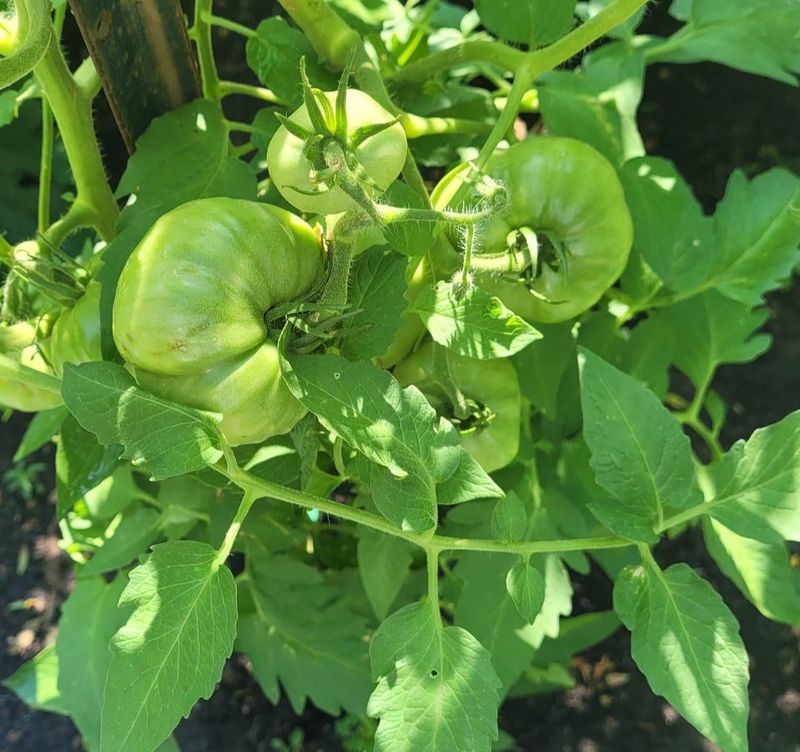
August feels like peak summer, but for tomato growers, it is actually a critical turning point. The days are still long and warm, but the season is already starting to shift.
This is the month to start paying close attention to what your tomato plants are doing. Are they still setting lots of new flowers?
Are there clusters of tiny new tomatoes forming near the top of the plant? These are signs that your plant is still in full growth mode.
Starting your observations in August gives you time to make smart decisions before the weather changes. You want to assess how many green tomatoes are already on the plant and how large they are.
Tomatoes that are at least golf ball-sized by mid-August have a good chance of ripening before the season ends. Smaller ones may not make it, especially if cool nights arrive early.
In the warmer parts, like the Central Valley and Southern regions, you may have a bit more time. But growers in foggy coastal areas or higher elevations need to act earlier.
Mark your calendar and do a weekly walkthrough of your garden starting in early August. Look for new flower buds and remove them as soon as you spot them.
This monthly habit sets you up for a much stronger finish to the growing season.
6. Pinch Flowers Before They Become Wasted Fruit
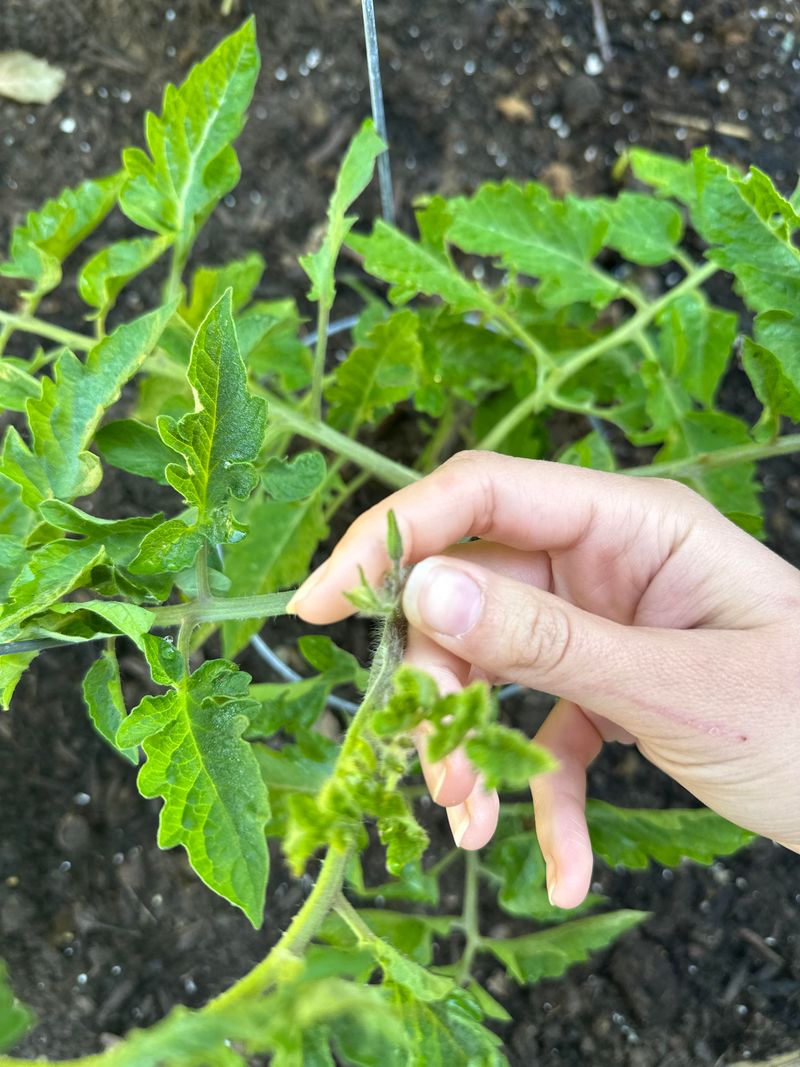
There is something satisfying about pinching off a flower bud, even though it feels counterintuitive at first. Most gardeners are trained to celebrate every flower because each one could become a tomato.
But late in the season, that mindset needs to shift. A flower that opens in September in most growing zones will not have enough time to become a ripe tomato before cold weather arrives.
It will just hang there, green and hard, until the plant gives up on it.
Pinching flowers before they open is the cleanest and most effective approach. Once a flower opens and gets pollinated, the plant commits resources to it right away.
If you catch the bud before it opens, you save all of that energy. Use your thumb and forefinger and gently snap the bud off.
No tools needed, no damage to the plant.
Do this every few days throughout late summer and early fall. Check the tips of each branch where new growth is happening.
That is where new flower buds tend to appear first. Some gardeners also choose to pinch off the growing tip of each main stem, a technique called topping.
This stops all new growth at once and is especially useful when you are short on time. Either way, the goal is the same: stop the plant from chasing new fruit and let it finish what it already started.
7. Keep Healthy Leaves To Feed The Tomatoes
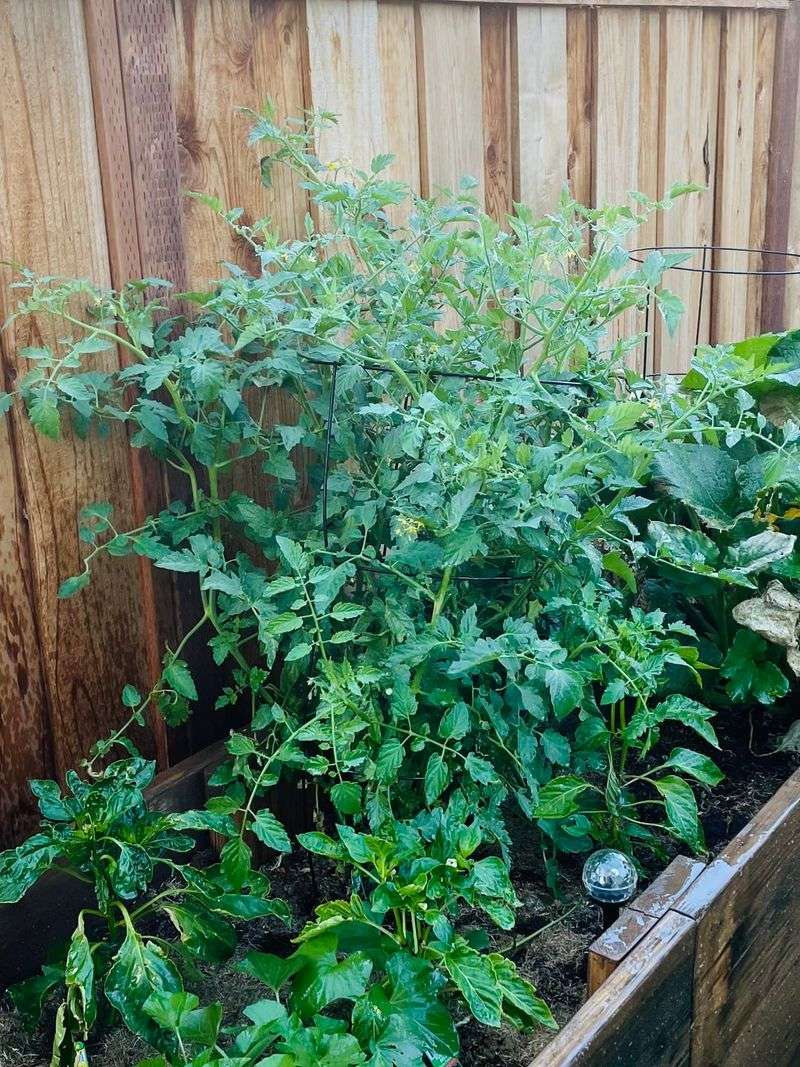
While you are removing flowers and trimming back new growth, do not make the mistake of over-pruning the leaves. Healthy leaves are the engine of your tomato plant.
They capture sunlight and convert it into the sugars that feed your developing fruit. Without enough leaf coverage, ripening slows down and fruit quality drops.
A plant stripped of too many leaves simply does not have the fuel to finish the job.
Focus your pruning on yellowing leaves, damaged leaves, and any foliage touching the soil. These lower leaves are more likely to harbor fungal diseases and pests.
Removing them improves airflow around the base of the plant and reduces the risk of late-season problems. But the green, healthy leaves higher up the plant should stay right where they are.
Some gardeners get overzealous with pruning in late summer, thinking a tidier plant is a better plant. That is not always true.
A tomato plant with good leaf cover can keep photosynthesizing even on cloudy fall days, which are common along the coast of our state. Think of each healthy leaf as a small solar panel.
The more panels you have working, the more energy reaches your tomatoes. Protect the leaves, remove the flowers, and your plant will reward you with a stronger, tastier finish to the season.
8. Water Consistently While Fruit Finishes
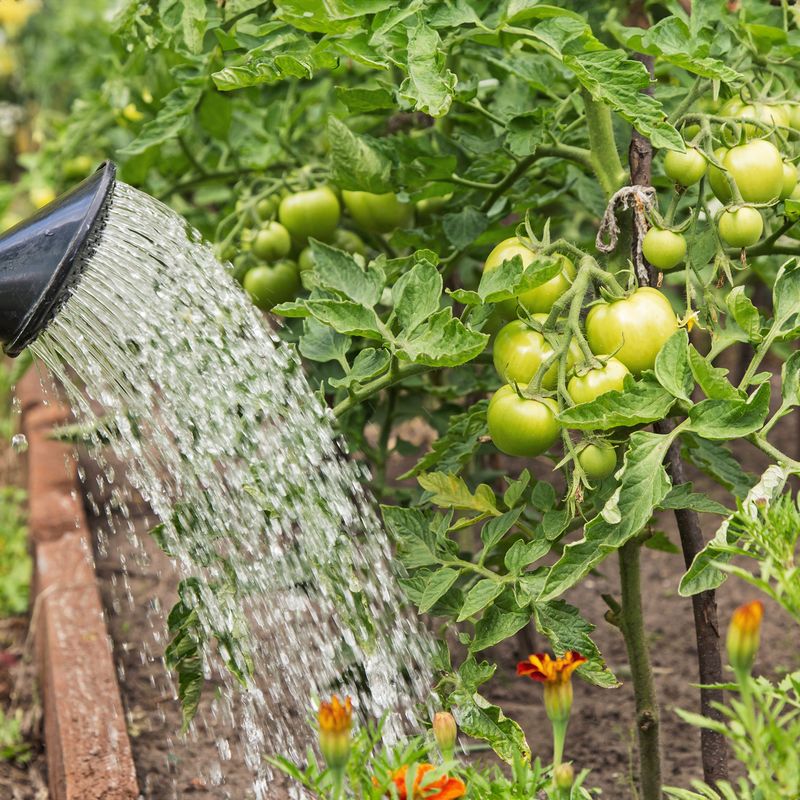
Watering might seem like the most basic part of gardening, but it becomes especially important during the final weeks of the tomato season.
Inconsistent watering at this stage causes a frustrating problem called blossom end rot and cracking.
When a plant goes from dry to suddenly soaked, the fruit expands too fast and the skin splits. That ruins tomatoes that were just days away from being perfect.
Keep your watering schedule steady and predictable. California late summer can bring dry stretches with low humidity and warm winds.
Tomato plants can lose moisture quickly under those conditions. Check the soil a few inches down every day or two.
If it feels dry at that depth, it is time to water. A good deep soak is better than frequent shallow watering.
Drip irrigation is a great option for late-season tomato care because it delivers water directly to the roots without wetting the foliage. Wet leaves late in the season can encourage fungal problems.
If you are hand-watering, aim at the base of the plant and avoid splashing water on the stems and leaves. Mulch around the base of each plant also helps hold moisture in the soil between waterings.
Consistent water means consistent ripening, and that is exactly what you need during these final precious weeks of harvest.
9. Stop Heavy Fertilizer Late In The Season
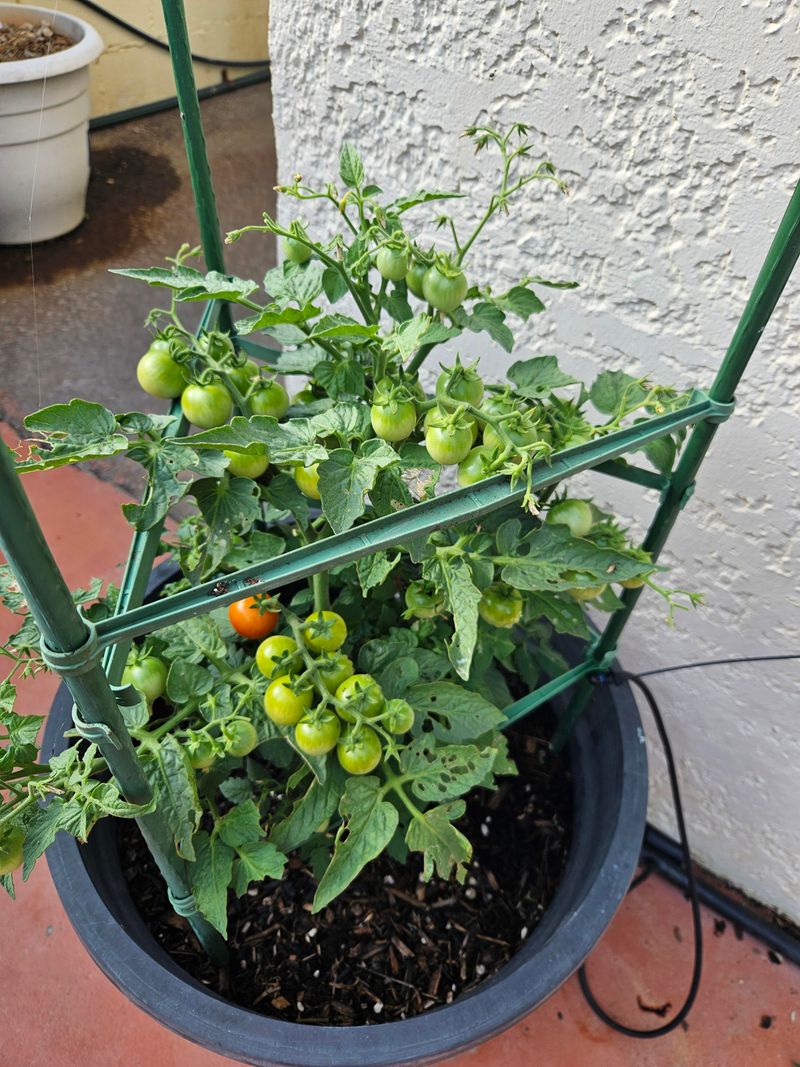
Fertilizer is a powerful tool, but timing matters enormously. Early in the season, a nitrogen-rich fertilizer helps your tomato plant build strong stems and lots of healthy leaves.
That is exactly what you want in spring and early summer. But late in the season, heavy fertilizer sends the wrong message to the plant.
Nitrogen pushes plants toward new green growth, which is the last thing you want when you are trying to ripen existing fruit.
When you apply heavy fertilizer in August or September, the plant responds by producing new shoots, new flowers, and new growth. All of that competes with your ripening tomatoes for the plant’s limited energy.
You end up with a lush, bushy plant and fewer ripe tomatoes. That trade-off is not worth it.
If you feel like the plant needs a boost, switch to a low-nitrogen fertilizer with higher phosphorus and potassium. These nutrients support fruit development and ripening rather than vegetative growth.
A light application of compost tea or a diluted liquid fertilizer is usually enough. Some experienced growers skip fertilizer entirely during the last four to six weeks of the season and simply focus on water management and flower removal.
That approach often produces the best-tasting tomatoes of the entire year. Less really can be more when the finish line is in sight.