7 Vegetables California Gardeners Can Keep Growing Through Winter
Cold nights can make certain garden leaves taste sweeter, because plants turn stored starch into sugar as natural antifreeze. I still remember my first frosty harvest, and the flavor difference made me laugh out loud in the garden.
California farms grow huge amounts of cool-season produce, and much of it thrives near the foggy Salinas Valley coast. Locals call that region the Salad Bowl of the World, which tells you plenty about our mild winters.
Your backyard can follow the same playbook, even if your space is just a few raised beds or pots. Personally, I find winter gardening more relaxing, since pests slow down and the rain often handles watering for me.
Many of these crops shrug off light frost, and some keep producing from late fall clear into early spring. So which tough vegetables deserve a spot in your beds before the next cold snap rolls through town?
1. Kale
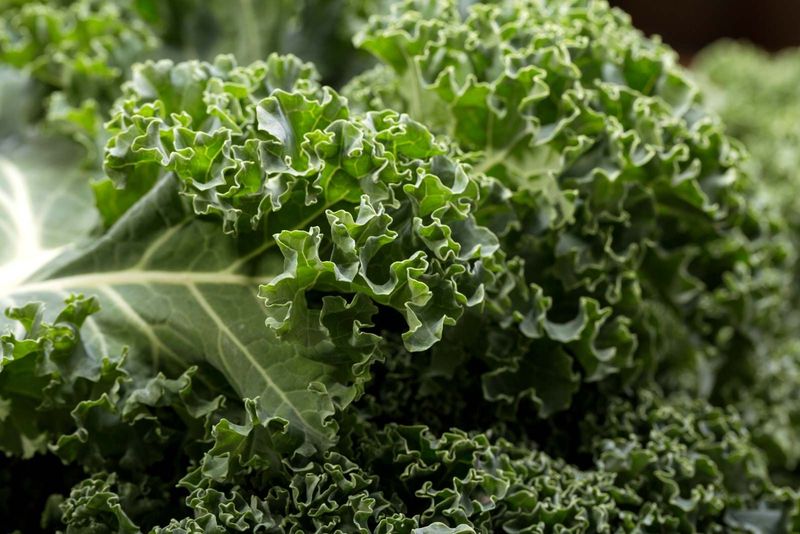
Lacinato kale looks like it wandered out of a dinosaur movie, with bumpy blue-green leaves that feel almost leathery. I love tearing a leaf straight off the plant on a chilly morning and tasting how sweet it gets.
Kale belongs to the species Brassica oleracea, the same family tree that gave us cabbage and broccoli. Light frost actually improves its flavor, because the plant stores extra sugar to protect its cells from freezing.
Set transplants out in fall, spacing them about 12 to 18 inches apart in a sunny bed. Mix compost into the soil first, since kale is a hungry crop that rewards rich ground with bigger leaves.
Water deeply whenever the top inch of soil feels dry, though winter storms may cover that chore for weeks. A layer of straw mulch helps hold moisture and keeps muddy splashes off the lower leaves.
Harvest the outer leaves first and leave the central bud alone, so the plant keeps growing upward. Personally, I pick a few leaves from each plant weekly, and one bed feeds my family for months.
Keep an eye out for aphids hiding on leaf undersides, especially during warm spells between winter storms. A strong spray of water from the hose usually knocks them off before they become a real problem.
Kale is a biennial, so it often sends up yellow flowers once longer, warmer days return in spring. Bees adore those blooms, and I like leaving a few plants standing just to watch them buzz around.
2. Spinach
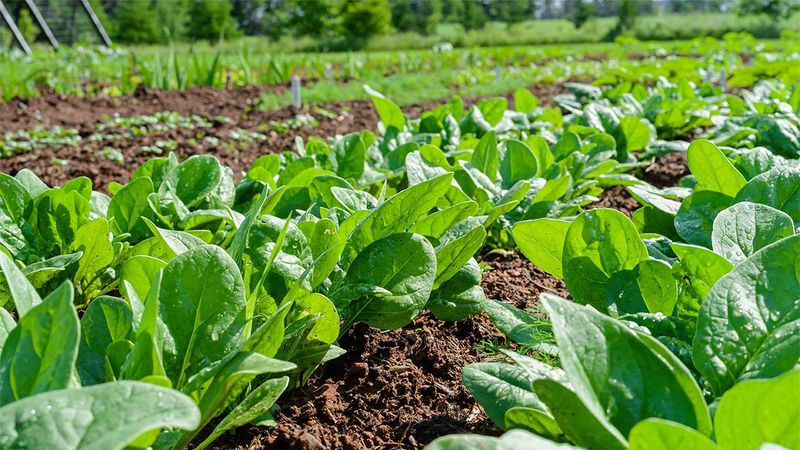
Spinach seeds will sprout in soil as cold as 40 degrees, which feels like a tiny miracle in December. I have to admit that watching those little green loops push through chilly ground still makes me grin.
Spinacia oleracea is a true cool-season lover, and it struggles once days grow long and hot. Warm weather triggers bolting, when the plant shoots up a flower stalk and the leaves turn bitter.
Winter solves that problem beautifully, which is why so many California gardeners sow spinach from fall through late winter. Coastal gardens often stay cool enough to grow it for much longer stretches of the year.
Plant seeds about half an inch deep in loose soil enriched with compost and kept evenly moist. Spinach dislikes being moved, so direct sowing usually works better than buying small transplants at the nursery.
Thin seedlings to roughly three to four inches apart, and toss the tender extras straight into a salad. Sowing a short row every two or three weeks gives you a steady supply instead of one huge glut.
Baby leaves are ready in about a month, while full-size plants take closer to six weeks. You can snip outer leaves as needed or cut the whole plant about an inch above the soil.
Watch for leafminers, tiny larvae that carve pale squiggly trails between the upper and lower leaf surfaces. Pinching off damaged leaves early keeps the problem small, and lightweight row covers help block the egg-laying flies.
3. Carrots
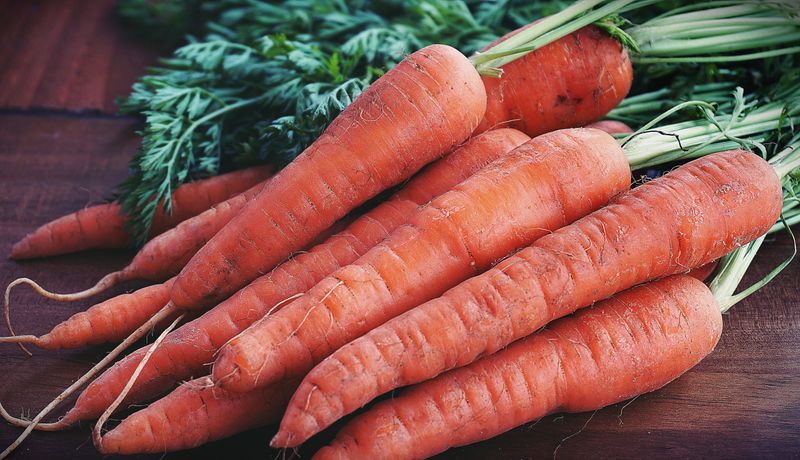
Pulling a carrot feels like unwrapping a gift, since you rarely know what shape will pop out of the ground. I once pulled a twisted orange root that looked like a little person crossing its legs.
Those funny forks usually come from rocks or compacted soil, so loosen your bed about a foot deep. Sandy, crumbly ground works best, and raised beds are a smart fix if you garden on heavy clay.
Carrot seeds are tiny, so sow them only about a quarter inch deep and press the soil gently. Germination can take up to three weeks, and the seedbed must stay moist that whole time.
I lay a plank or burlap over the row to hold moisture, then remove it once sprouts appear. Winter rains in much of the state make this step easier than it is during dry autumn weeks.
Thin seedlings to about two inches apart once they reach a few inches tall, even though it feels painful. Crowded carrots stay skinny and tangled, while properly spaced roots fill out into smooth, sweet shapes.
Cool temperatures help carrots build sugar, which explains why winter roots often taste sweeter than summer ones. Go easy on nitrogen fertilizer, since too much encourages leafy tops and hairy roots instead of crunch.
Check readiness by brushing soil away from the shoulders, which show color when roots reach mature size. Most varieties need two to three months, and you can leave them in cool ground until dinner calls.
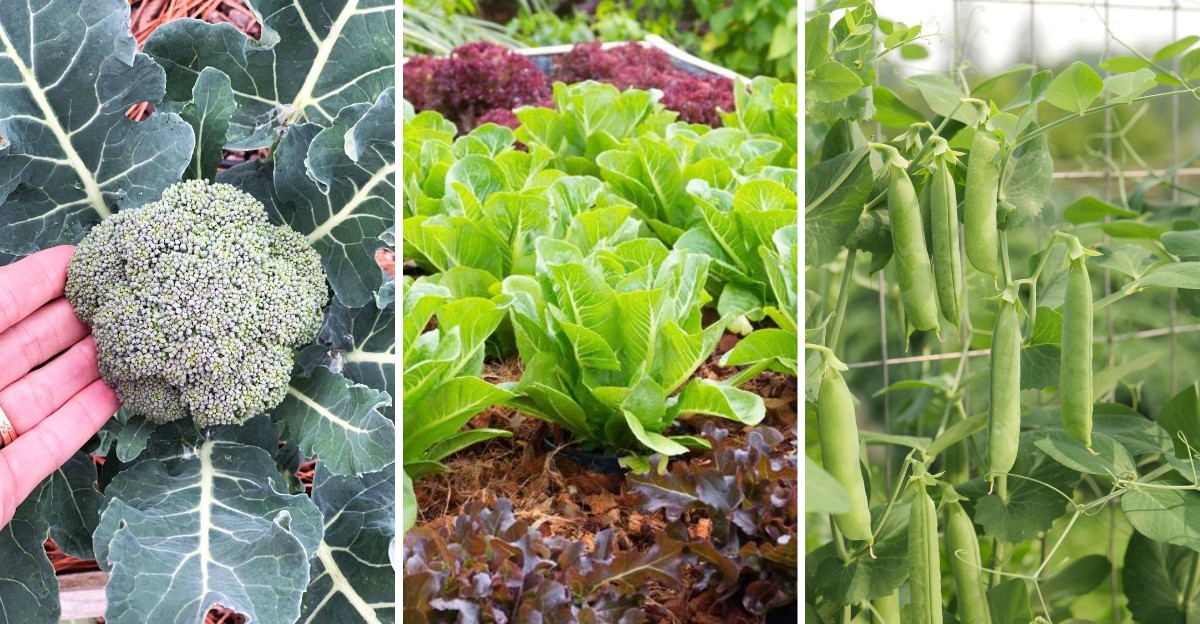
4. Broccoli
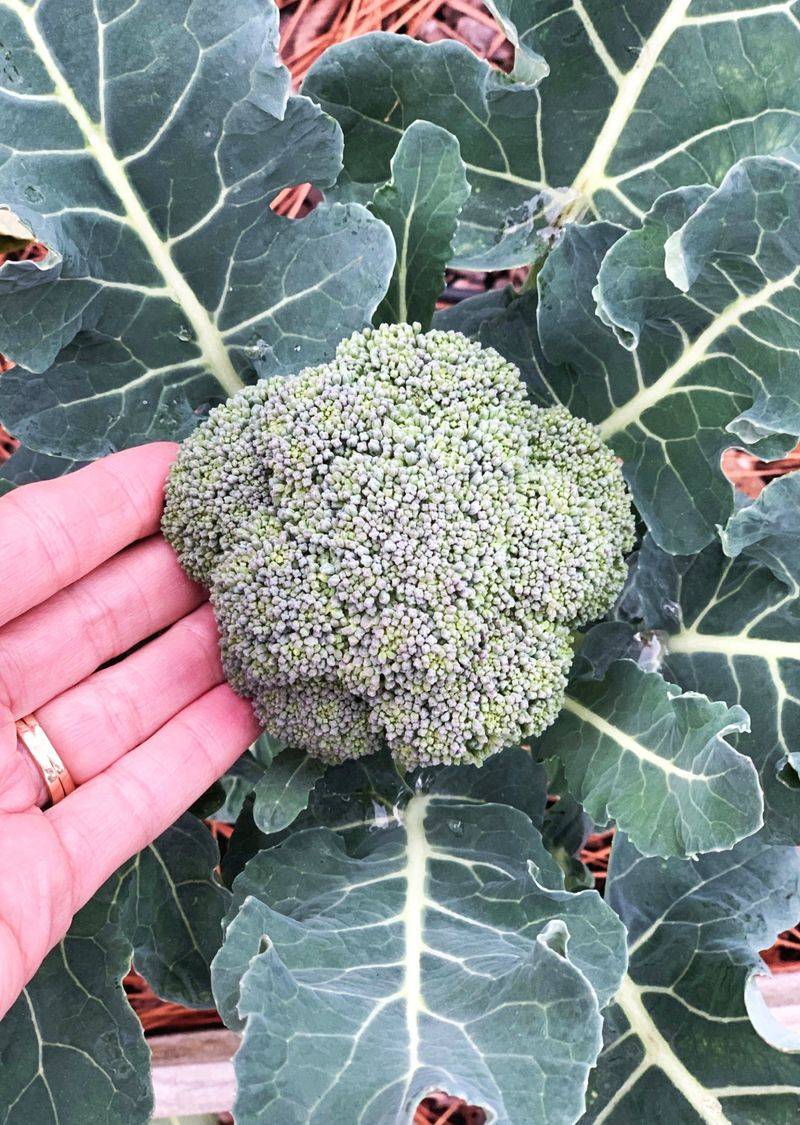
That crown you slice off broccoli is actually a cluster of hundreds of unopened flower buds waiting to bloom. I find that fact oddly delightful, since it means we are basically eating bouquets every time we cook it.
California grows the vast majority of the broccoli sold in the country, thanks largely to its mild coastal climate. Home gardens share those same cool conditions, so you can enjoy fresh heads right outside your back door.
Tuck young plants into the bed during fall, giving each one about 18 inches of elbow room. Broccoli prefers a soil pH between 6.0 and 7.0, and a little compost goes a long way.
Feed plants with a nitrogen-rich fertilizer about three weeks after planting to fuel strong leafy growth. Steady moisture matters too, because stressed plants may form small, early heads called buttons that disappoint at harvest.
Harvest the main head while the buds stay tight and deep green, before any yellow petals peek out. Cut the stem at an angle about five inches below the crown so rainwater slides off the stump.
You’re in for a treat afterward, because many varieties push out smaller side shoots for several more weeks. Those bite-sized florets are perfect for stir-fries, and I honestly like them better than the big head.
Cabbage worms are the main troublemakers, chewing ragged holes and hiding along leaf veins in plain green camouflage. Floating row covers keep the white butterflies from laying eggs, and handpicking works well for small gardens.
5. Swiss Chard
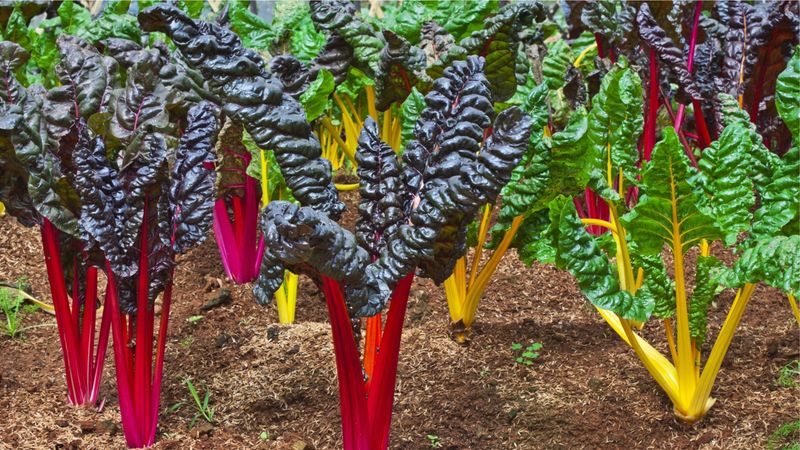
Rainbow chard stems glow like stained glass when low winter sunlight hits them in the late afternoon. Honestly, I have planted it in flower beds just for the color, and nobody guessed it was dinner.
Swiss chard is actually a beet, sharing the species name Beta vulgaris with the familiar red root. Breeders simply selected it for big leaves and thick stalks instead of a swollen bulb underground.
Its toughness surprises many gardeners, since it handles light frost in winter and warm afternoons in spring. In mild coastal areas, one planting can keep producing leaves for a year or even longer.
Sow the knobby seeds about half an inch deep, knowing each one is really a cluster of several seeds. Thin the extra sprouts so plants stand roughly eight to twelve inches apart in full sun or light shade.
Chard grows happily in compost-rich soil, and a balanced fertilizer every month or so keeps leaves coming. Water deeply during dry spells, because thirsty plants tend to produce tougher and more bitter foliage.
Snap or cut outer leaves near the base once they reach roughly eight or nine inches long. Leave the center untouched, and fresh leaves will keep unfurling from the middle like a slow fountain.
In the kitchen, I cook the chopped stems a few minutes before adding the leaves, since they need longer. Snails love chard too, so check under the lower leaves after rainy nights and hand-pick any visitors.
6. Lettuce
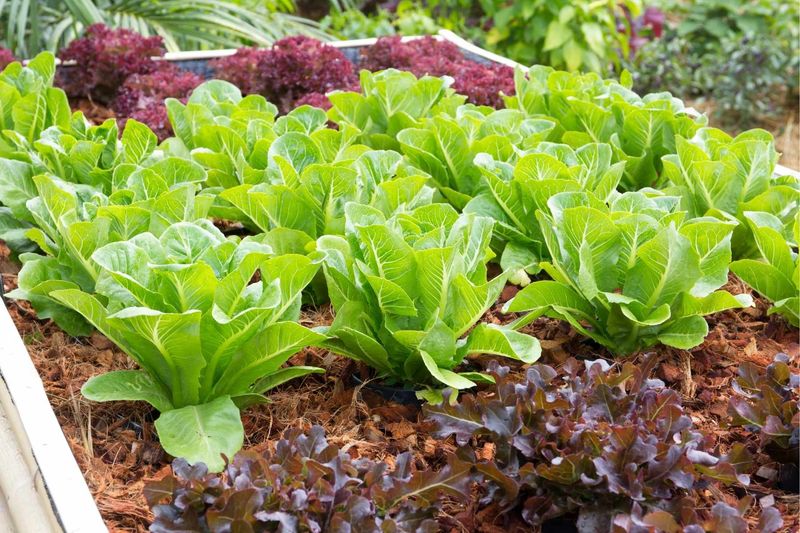
Ancient Egyptians grew lettuce over four thousand years ago, and their tomb paintings show tall plants resembling modern romaine. Knowing my winter salad links me to gardeners from such a distant era makes every bite feel special.
Lactuca sativa grows best when temperatures sit between roughly 45 and 75 degrees, which describes many winter days here. Hot weather pushes it to bolt quickly, so the cooler months give you the sweetest, crispest leaves.
Pick the sunniest spot you have, because short winter days leave lettuce hungry for every bit of light. Barely cover the tiny seeds with an eighth inch of soil, since many varieties need light to germinate.
Loose-leaf types like Black Seed Simpson mature fast, while Buttercrunch forms soft, buttery heads in about two months. Red-leaf varieties add a cheerful pop of color, and they often hold up nicely in cold snaps.
Space plants six to twelve inches apart, depending on the variety, and keep the soil evenly moist. Shallow roots dry out fast, so a quick finger check every few days saves you from limp, bitter greens.
My favorite trick is the cut-and-come-again method, where you pick outer leaves and let the center regrow. One planting can then feed you for weeks, which beats buying sad plastic clamshells at the store.
Hungry birds sometimes nibble young seedlings, so a simple cover of bird netting protects them until they toughen up. Harvest in the cool morning, when leaves are at their crispest, and rinse them right away.
7. Peas
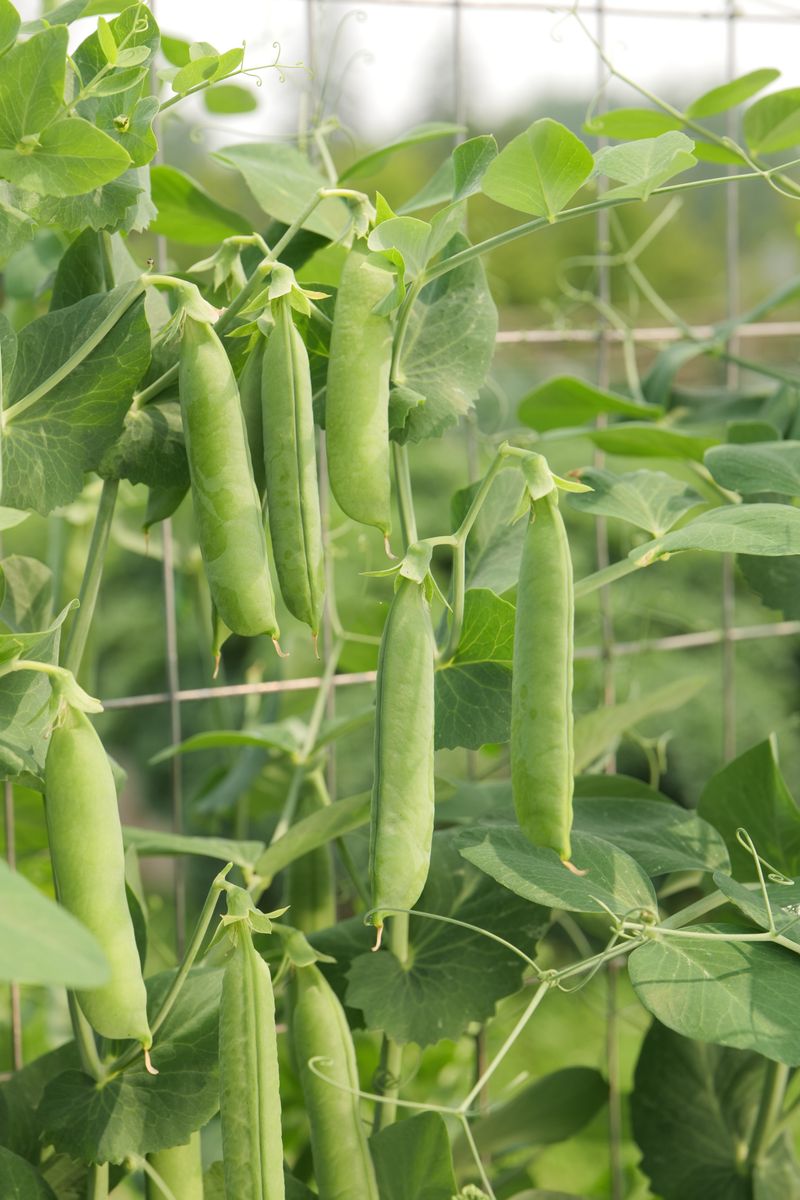
Gregor Mendel used ordinary garden peas to uncover the basic rules of heredity back in the 1860s. I think about that every time I pop a sweet pod straight off the vine and munch it raw.
Pisum sativum loves cool weather and handles light frost well, though freezing temperatures can damage its flowers. Many California gardeners sow from fall into late winter, aiming for a generous harvest before summer heat arrives.
Peas also work as tiny soil helpers, since root bacteria pull nitrogen from the air into the ground. I like following them with leafy crops, which seem to appreciate that boost later in the year.
Plant seeds one to two inches deep and about two inches apart in loose, well-drained soil. Avoid soggy beds during heavy winter storms, because seeds can rot before they ever get a chance to sprout.
Climbing varieties need a trellis or netting at planting time, since their curly tendrils grab anything nearby. Bush types stay shorter and sturdier, which makes them handy for small containers and windy backyard spots.
Snow peas are best picked while pods stay flat, but snap peas taste sweetest once they plump up. Shelling peas are ready when pods feel full and firm, before the color starts to fade.
Pick every couple of days during peak season, because leftover mature pods signal the plant to slow down. Use two hands when harvesting, holding the vine steady so you avoid snapping off future flowers.