A Venomous Violin Might Be Hiding In Your Louisiana Garage Right Now
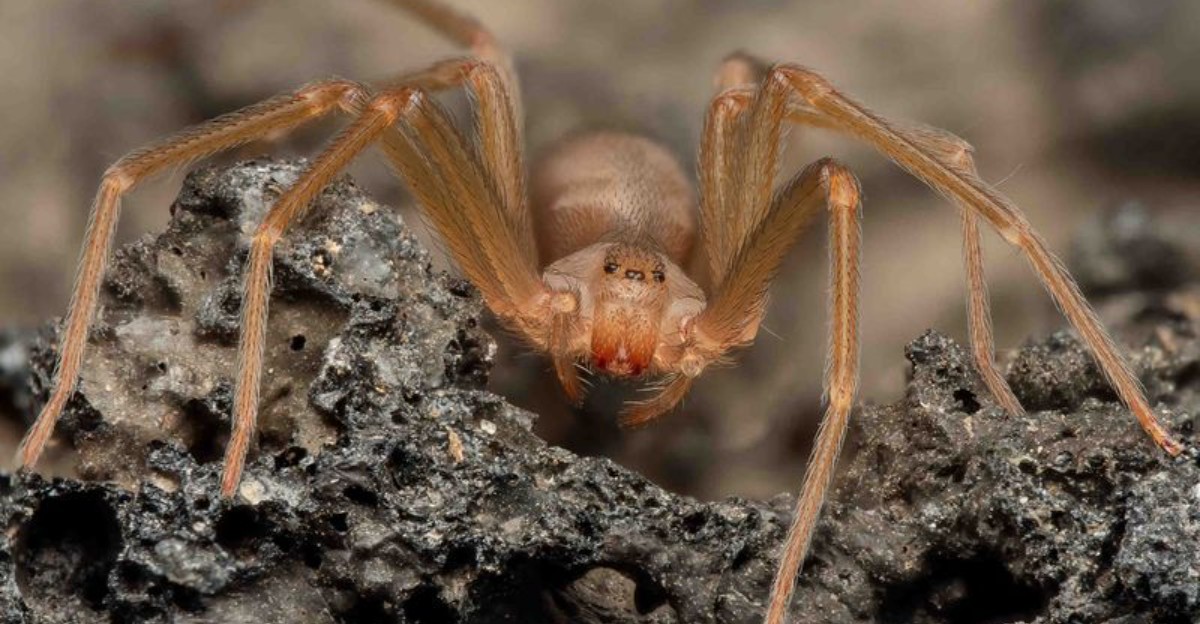
A spider with a tiny fiddle printed on its back can survive for months without a single meal. That patience explains a lot about where it hides.
I found that fact unsettling the first time I read it. Then I glanced at the cardboard boxes stacked beside my potting bench and felt my skin crawl a little.
This shy hunter favors dark, quiet clutter in Louisiana homes, especially garages and sheds. It skips fancy webs and wanders at night, hunting crickets and other small insects. Most people who meet one never even notice it.
You might notice something odd, though. Plenty of harmless brown spiders get blamed for its reputation, and experts say true bites are far less common than rumors suggest.
How do you tell the real tenant from the innocent lookalikes in Louisiana, and what should you do about those gloves on the shelf?
That Fiddle-Marked Brown Spider In Your Garage Has A Name
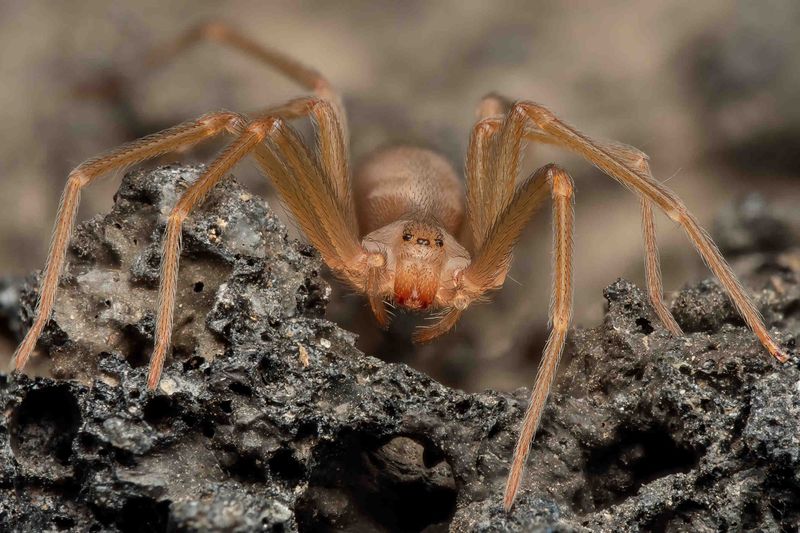
Entomologists call it the brown recluse, and the name fits like a glove. Loxosceles reclusa spends its days tucked out of sight and comes out at night to hunt.
Adults are light tan to medium brown, with a body roughly 1/4 to 1/2 inch long. Add the legs, and one can stretch about the size of a quarter. Females tend to run a bit larger than males.
The famous mark sits on the front body section, called the cephalothorax. It looks like a dark violin, with the neck pointing back toward the abdomen. That shape earned it nicknames like fiddleback and violin spider.
Fun fact for your next garden club meeting: this spider is native to the south-central United States. It did not sneak in from overseas, and it has lived alongside people here for generations.
LSU AgCenter notes these spiders turn up across the state, though reports are more frequent in the northern parishes. Garages, sheds, and attics give them the dry, quiet shelter they prefer.
Knowing the name and the basic look is your first step toward sharing space wisely, rather than panicking over every brown spider that crosses the floor.
Six Eyes Tell You More Than That Violin Mark
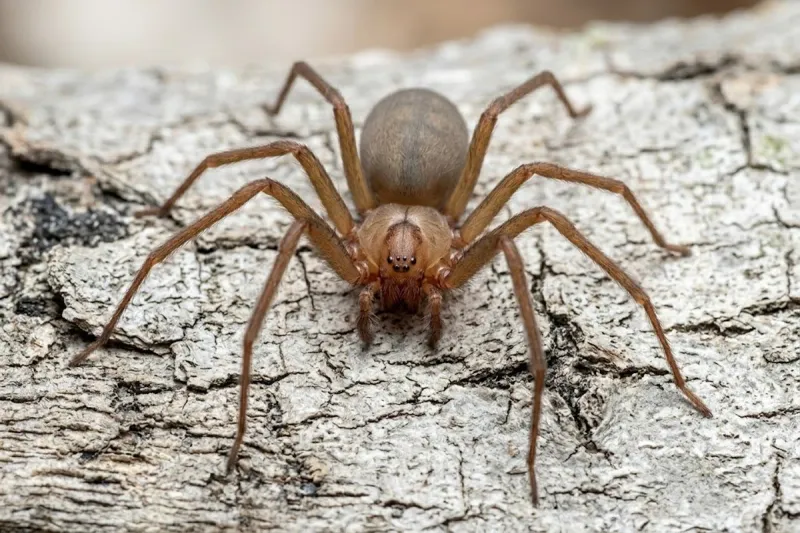
Here is a trick experts actually rely on. Most spiders carry eight eyes, but the brown recluse has only six, arranged in three pairs that form a loose semicircle.
You will need a magnifying glass or a sharp phone photo to see them. Please do not try this with a live spider in your hand. Trap it under a clear jar first, or use a good picture.
The violin marking helps, but it can be faint, especially on young spiders. Plenty of harmless species have dark patterns that look fiddle-ish at a glance. That is why entomologists treat the marking as a hint, not proof.
Check the legs next. A recluse has smooth, uniformly colored legs with no stripes, bands, or bold spines. The abdomen is plain too, with no spots or chevrons.
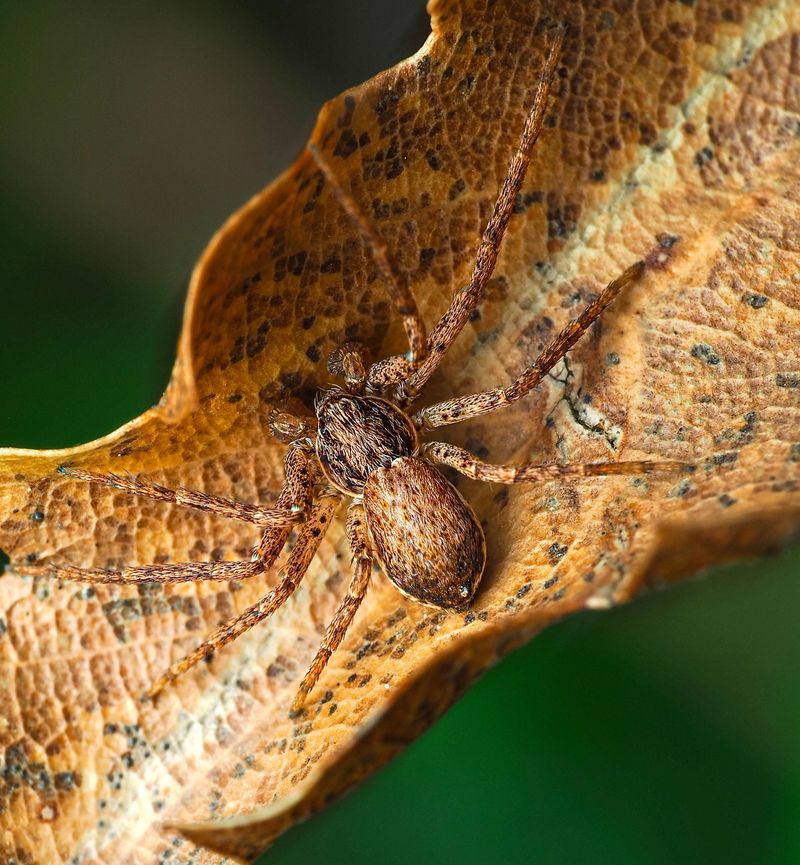
Common mix-ups in Louisiana include wolf spiders, grass spiders, and cellar spiders. Wolf spiders are hairier and often striped, while grass spiders build funnel webs in lawns and shrubs.
If you are unsure, snap a photo and send it to your parish LSU AgCenter extension office. They can help confirm what you found, and many people discover their mystery visitor was harmless all along.
Cardboard Boxes And Old Garden Gloves Make Perfect Recluse Hideouts
My potting shelf used to be a spider hotel, and I had no idea. Stacked cardboard, crumpled seed packets, and a pair of gloves I rarely wore created exactly the setup a recluse loves.
These spiders choose undisturbed spots with little foot traffic. Cardboard is a favorite because it offers crevices and a surface they can grip easily. Corners behind storage bins, gaps under shelves, and folded tarps also qualify.
Rubber boots, gardening gloves, and old jackets hanging on hooks deserve extra attention. A spider may crawl inside overnight and stay there until a foot or hand presses against it.
Louisiana’s warm climate keeps them active much of the year. Many homeowners see more movement in late spring through fall, when males wander in search of mates.
Stacks of clay pots, bags of potting mix, and piles of firewood near the door add even more hiding places. Each one creates shade and stillness.
Take a slow walk around your garage with a flashlight this week. Look for loose, irregular webbing in corners, tiny shed skins, or small round egg sacs. Those clues tell you where to focus your cleanup efforts.
A Recluse Bite Usually Looks Milder Than The Rumors
Let’s clear up the scary stories first. Medical research shows most brown recluse bites in Louisiana heal on their own with minor redness, swelling, or a small blister.
The bite itself is often painless at first. Some people feel a mild sting, and symptoms usually build over two to eight hours. In some cases, a bluish center surrounded by a pale ring and a red outer ring can form.
A smaller number of bites cause tissue damage that heals slowly over weeks or months. Rarely, people develop fever, chills, or body aches, which needs prompt medical care.
Children and older adults deserve especially close watching, and that holds true for families across Louisiana.
For first aid, wash the area with soap and water. Apply a cool compress and raise the affected arm or leg. Skip home remedies like cutting the wound or applying heat.
See a doctor if pain gets worse, the sore spreads, or signs of infection appear. Catching the spider, even in a sealed jar, can help with identification.
Doctors also caution that many skin wounds blamed on spiders are actually bacterial infections like MRSA. That is one more reason to get a professional opinion rather than guessing, which is sound advice for anyone living in Louisiana.
Sealed Plastic Bins Beat Cardboard Every Time
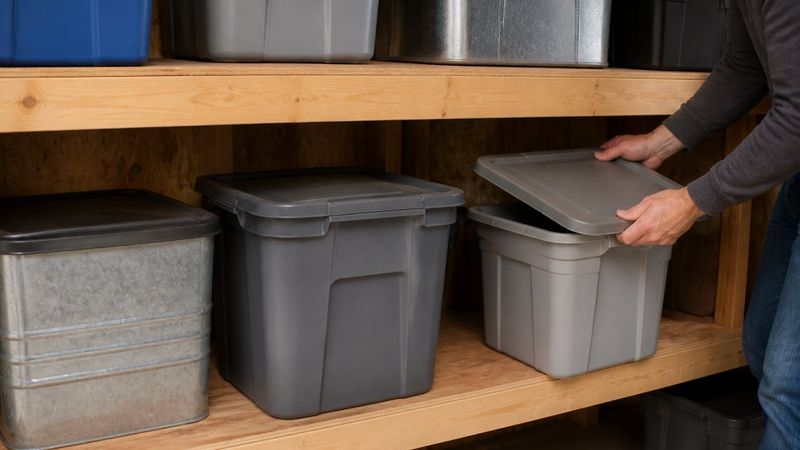
Swapping cardboard for clear plastic bins with snug lids was the best garage upgrade I made last year. It cost less than a nursery trip and removed dozens of hiding places in one afternoon.
Tight lids keep spiders out of stored seed, pots, and holiday decorations. Clear sides let you spot any uninvited guests before you open the bin.
Next, lift items off the floor. Shelves and pegboards reduce dark gaps where a recluse might settle. Hang hand tools instead of piling them in buckets.
Seal cracks around garage doors, windows, pipes, and the foundation with caulk or weatherstripping. A good door sweep on the side entrance helps a lot too.
Vacuuming does more than tidy up. It pulls up spiders, egg sacs, and the small insects they eat. Empty the vacuum bag into a sealed trash bag outside afterward.
Sticky glue traps placed along walls and behind shelves work well for monitoring. They show you where spiders travel and how many are around.
Outdoors, keep firewood, brush piles, and stacked lumber away from the house. Fewer hiding spots near walls mean fewer wanderers moving inside.
Give Your Garden Boots A Shake Before Sliding Them On

One quick habit protects you better than any spray. Shake out boots, gloves, and jackets before you put them on, especially if they sat in the garage overnight.
Recluse spiders bite defensively. Most bites happen when a spider gets trapped against skin inside clothing, shoes, or bedding. A firm tap and a shake usually send it scrambling.
Wear gloves when you move boxes, firewood, or stacks of pots. Long sleeves help during big cleanouts too. Grab a flashlight before reaching into dark shelves or behind cabinets.
Store gardening gloves in a zippered bag or sealed bin rather than tossing them on a shelf. Hang boots upside down on a boot rack so nothing can crawl inside easily.
Kids love helping in the shed, so teach them the shake-out routine early. It becomes second nature quickly, like washing hands after weeding. Spot a recluse up close? Stay calm and avoid touching it with bare hands.
Trap it under a jar, slide paper underneath, and either release it far from the house or take a photo for identification. Most of the time, the spider wants to escape as badly as you want it gone.
Call A Pest Pro When Egg Sacs Keep Showing Up
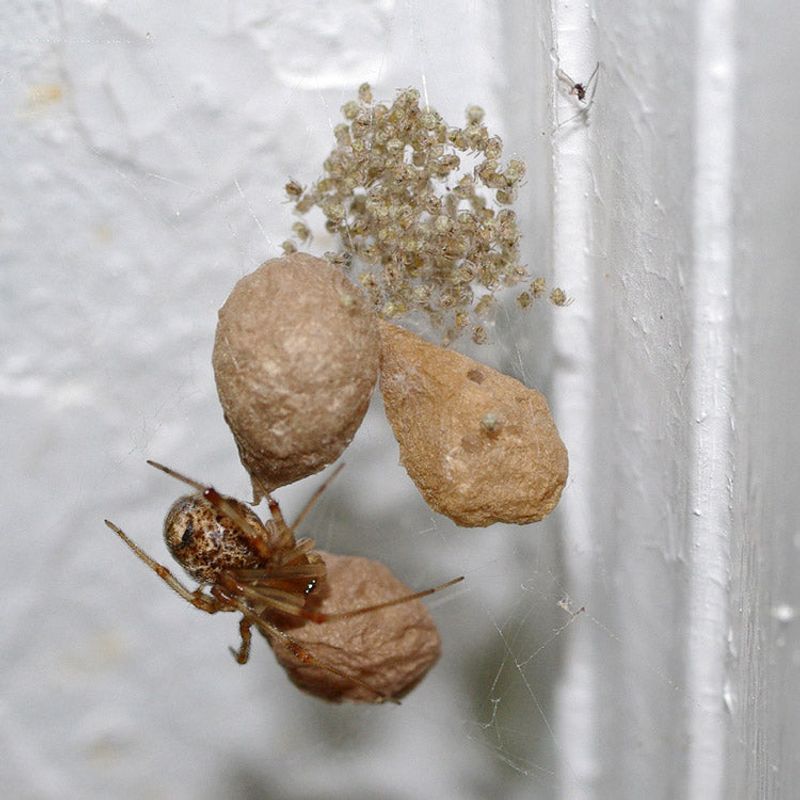
A single recluse in the garage is not an emergency. Finding several spiders, shed skins, and egg sacs over a few weeks suggests an established population that needs more than a broom.
Recluse spiders can be tough to manage with store-bought sprays. They hide deep in cracks and can go a long time without eating, so surface treatments often miss them.
A licensed pest control company can confirm the species, inspect attics and crawl spaces, and use targeted treatments in the right spots. Ask about integrated pest management, which combines cleanup, sealing, monitoring, and careful product use.
Keep your own efforts going alongside professional help. Glue traps show whether numbers are dropping, and decluttering makes any treatment work better.
Your parish LSU AgCenter extension office is another helpful resource. Staff there can identify spider photos and share research-based advice for free.
The biggest takeaway is simple. Brown recluses are real Louisiana residents, but sensible habits keep encounters rare.
Tidy storage, sealed bins, and a quick shake of your gloves let you get back to the fun part, which is growing tomatoes, not worrying about what lives behind the potting soil.