Fall Rose Care Mistakes That Set Arizona Roses Up for a Weak Spring
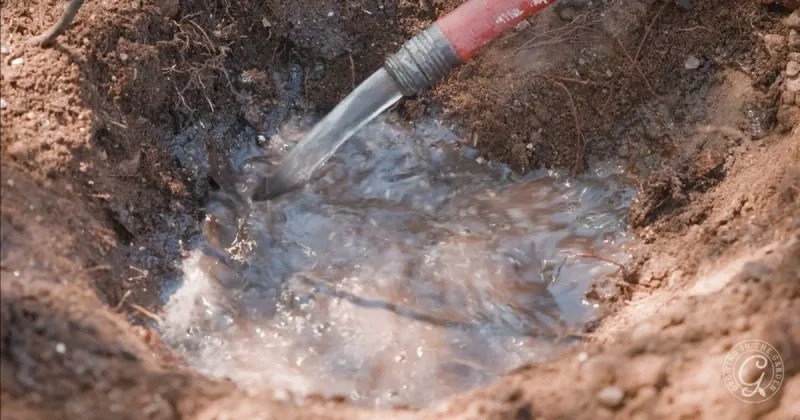
The prettiest shrubs in my desert yard take a summer nap, then wake up when October finally cools things off. Many Arizona gardeners call fall a second spring, and the thorny bloomers in our beds clearly agree.
What surprises me most is how choices made this month quietly decide the size of next spring’s flower show. A single late feeding or careless haircut can echo for months, long after you have forgotten doing it.
I have to admit that I learned several of these lessons the hard way in my own desert garden. You might notice familiar habits on this list, and that is perfectly normal for anyone who truly loves their plants.
The fixes are mostly simple, and a few of them even invite helpful birds and insects into your yard. So which sneaky October mistakes might be quietly stealing next spring’s blooms from your beds right now?
1. Heavy Pruning Rose Canes In October
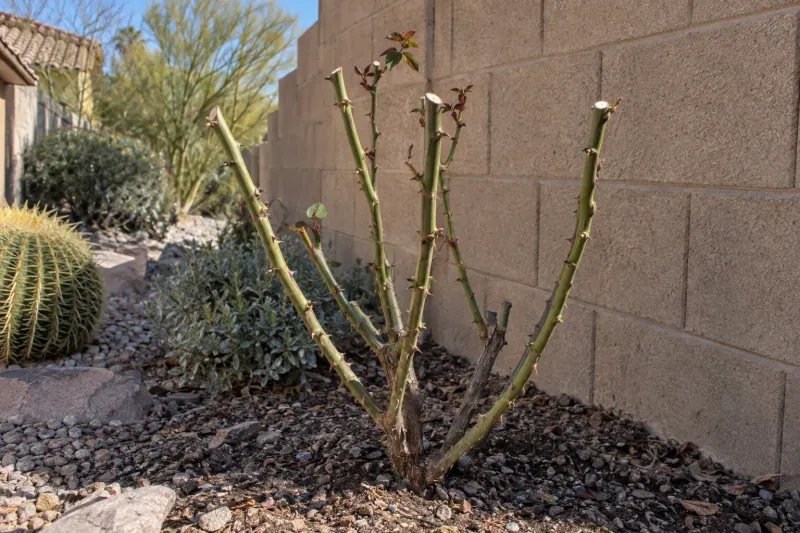
Cooler mornings make me itch to grab my pruners, and I suspect plenty of you feel that same tug. A light fall trim is helpful in the low desert, but a hard cutback in October is a different story.
Maricopa County Master Gardeners suggest only a gentle grooming in early fall, removing about a third of growth at most. Save the serious, structural pruning for mid-January through February, when roses are resting and frost danger is fading.
Heavy cuts now push a flush of soft shoots that may meet a chilly night before they toughen up. Those tender stems spend stored energy, and that energy is exactly what fuels a strong spring bloom later.
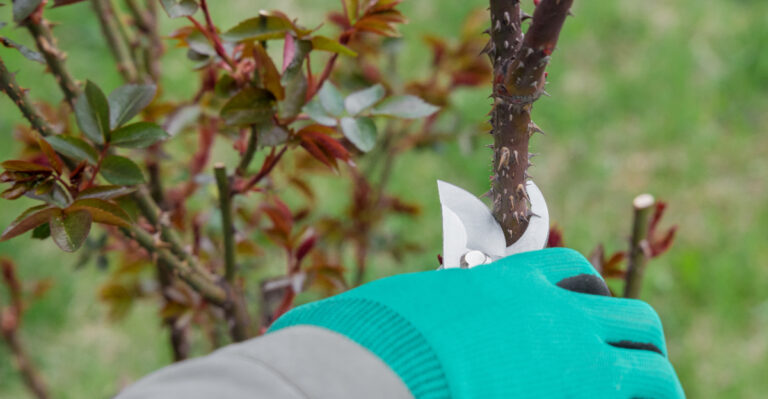
Personally, I stick to snipping crossing canes, thin twiggy stems, and anything damaged by summer sunburn. Keep cuts clean and angled just above an outward-facing bud so new growth opens up the center of the bush.
Gardeners in Prescott or Flagstaff should skip fall shaping because hard freezes arrive much sooner up there. Patience pays off, and your January pruning session will feel far more rewarding with a healthy plant waiting.
2. Feeding Roses High Nitrogen Fertilizer Too Late
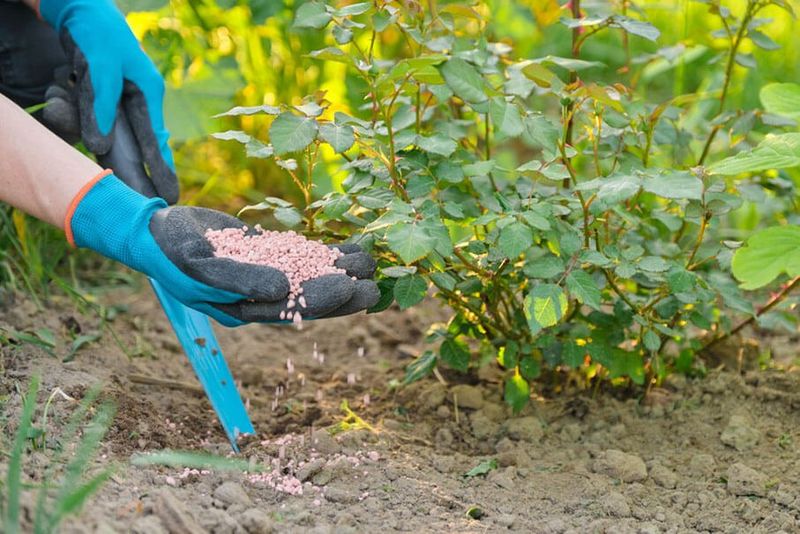
Fertilizer feels like a kind gesture, yet the wrong timing can turn that kindness into trouble for your roses. Nitrogen is the nutrient that drives leafy growth, and late-season leaves are the ones most likely to suffer.
In low desert yards, a feeding in September or early October supports the gorgeous fall bloom cycle nicely. Most local rose growers taper off by November, giving plants time to slow down before the coldest nights arrive.
Higher elevation gardens need an earlier cutoff, often by late summer, because frost shows up much sooner there. Tender shoots formed after that point rarely harden before a cold snap, and the plant loses the energy invested.
I like switching to a balanced or slow-release product for the last feeding instead of a high-nitrogen blend. Water the bed deeply the day before you fertilize, then water again afterward to protect the roots from burn.
You might notice that well-timed feeding produces sturdier canes rather than a burst of floppy foliage. Those firm canes carry stored reserves through winter, and that stored fuel shows up as bigger flowers next March.
3. Shallow Watering Around Rose Roots
Quick daily sprinkles feel productive, but your roses may be secretly thirsty underneath that damp surface. Short, frequent watering keeps moisture in the top few inches, while the important feeder roots sit much deeper.
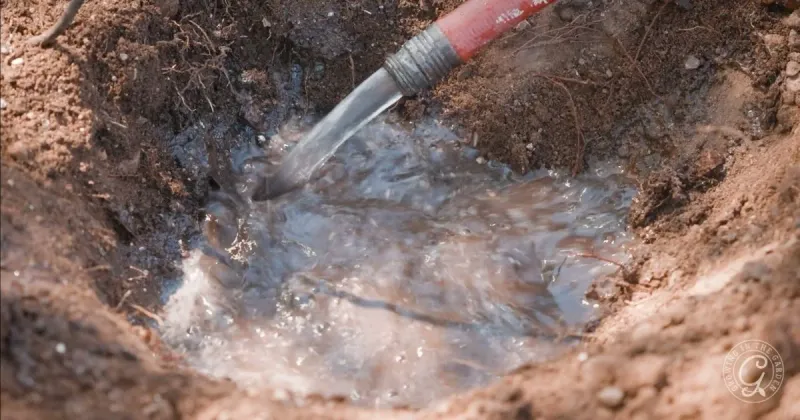
University of Arizona guidance suggests soaking rose beds so water reaches roughly two feet down into the soil. A long soil probe or even a sturdy screwdriver helps you check how far the moisture has actually traveled.
Shallow habits train roots to stay near the surface, where afternoon sun and dry wind stress them quickly. Deep roots, on the other hand, ride out warm fall days far better and store more energy for spring.
I have to admit that switching from daily misting to deeper, less frequent soakings changed my garden dramatically. Fall usually means stretching the interval between waterings while keeping the amount generous each time you irrigate.
Build a shallow basin around each bush so water sinks in rather than running off down the path. A drip line or soaker hose on a timer makes deep watering easy, and your roses will reward that consistency.
4. Cutting Back Irrigation Too Fast As Nights Cool
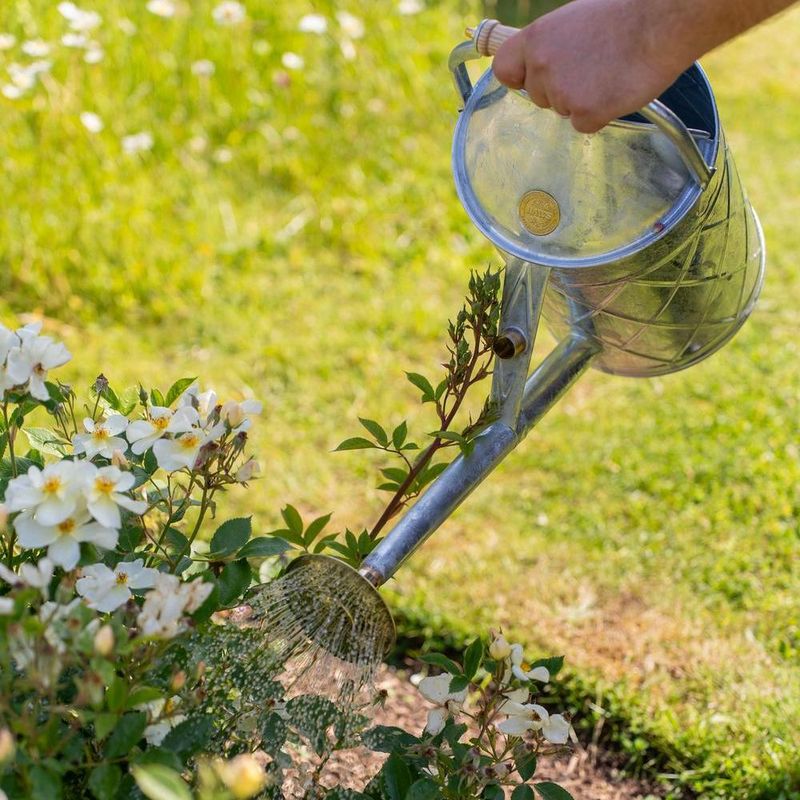
October’s first cool evening tempts many of us to slash watering schedules overnight, and roses notice that sudden drought. Daytime highs in the low desert can still reach the nineties, so plants keep drinking more than you expect.
Roses are actively blooming in fall here, and flowering takes a surprising amount of water to sustain. A sharp cutback stresses the bush right when it should be building roots and storing carbohydrates for later.
Personally, I adjust my timer gradually, trimming a little every couple of weeks rather than all at once. Watching the leaves helps too, since drooping or crispy edges in the afternoon often signal that roots need more.
Soil type matters, because sandy beds drain fast while heavy clay holds moisture for several days after watering. Checking moisture with your finger or a probe beats guessing, and it keeps you from overwatering as well.
By December, most low desert roses need far less frequent irrigation than they did in late summer. Getting there slowly keeps the plant steady, and a steady rose heads into spring with plenty of strength left.
5. Letting Salt Build Up Around Rose Beds

Those crispy brown leaf edges might not be sunburn at all, and the real culprit could be hiding in your soil. Desert water and soils often carry dissolved salts that slowly collect around roots with every light irrigation.
A white crust on the soil surface is a classic clue that salts are concentrating where roots feed. Roses are fairly sensitive to salt, so the buildup can stunt growth and reduce flowers without obvious warning.
The fix is called leaching, which simply means watering deeply enough to push salts below the root zone. Extension experts recommend an extra-long soak every so often, especially after a summer of frequent shallow watering.
I like scheduling a leaching session in fall, because cooler air means less water evaporates before it sinks in. Mulch helps a lot as well, since it slows surface evaporation that would otherwise pull salts back upward.
Go easy on extra fertilizer too, because many products add salts that pile on top of what is there. A rinsed root zone gives your roses a clean start, and you will likely see greener leaves come spring.
6. Leaving Fallen Rose Leaves Under The Bushes
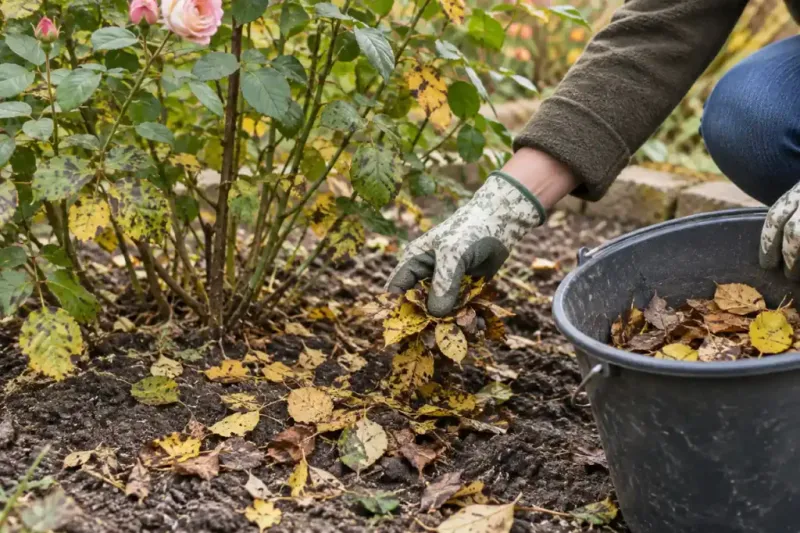
A carpet of fallen leaves looks cozy in a storybook, but under roses it can shelter some unwelcome guests. Fungal spores from diseases like black spot and powdery mildew can linger on old foliage and garden litter.
When warmer, humid days return, those spores can splash back onto fresh leaves and restart the whole cycle. Black spot is less common in our dry air, yet monsoon humidity and crowded beds sometimes give it a foothold.
I make a habit of raking under each bush every couple of weeks once leaves start dropping more often. Bag the diseased material for the trash rather than tossing it into the compost pile where spores might survive.
Clean your pruners between bushes with a household disinfectant wipe or a diluted bleach solution, then rinse them well. That small step keeps you from carrying problems from one plant to the next while you tidy things up.
Healthy leaves without spots can stay as a light mulch if you prefer a more natural look. Removing the troublemakers simply lowers disease pressure, so your roses spend spring growing instead of fighting off infections.
7. Overlooking Spider Mites And Powdery Mildew
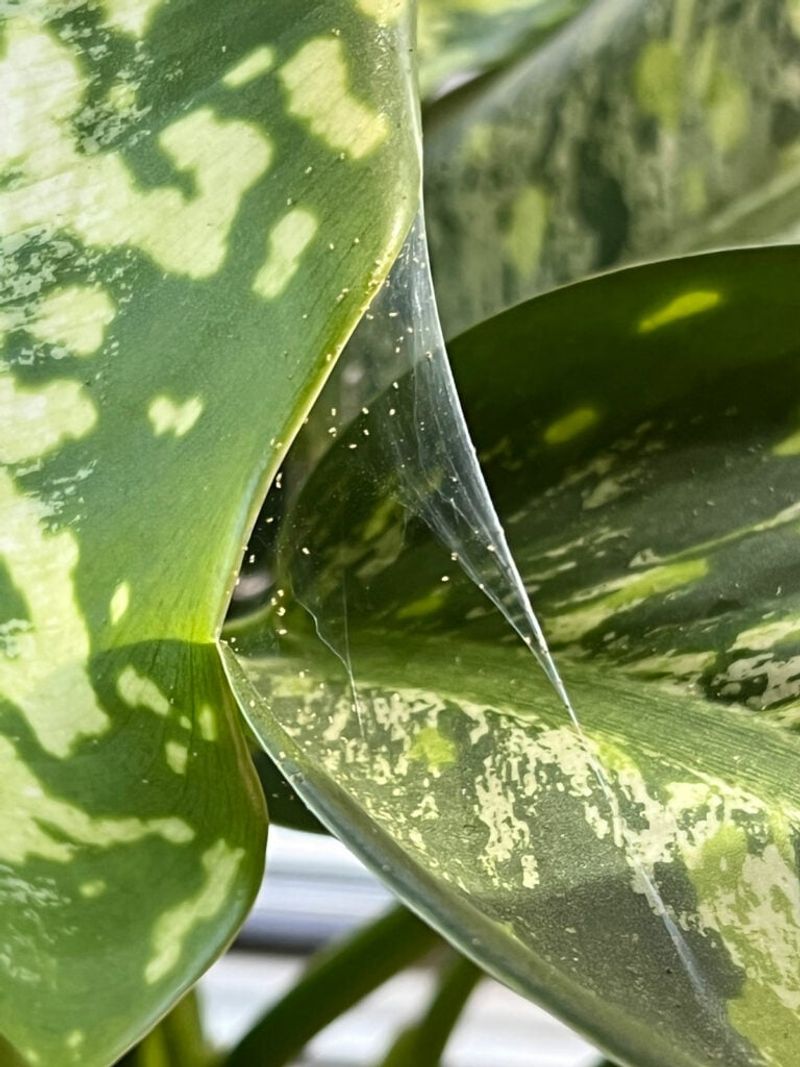
Fine webbing on a rose leaf is your cue to grab a magnifying glass and take a closer look. Spider mites love hot, dry weather, and early fall in the desert still gives them plenty of comfortable days.
Their feeding leaves tiny pale speckles on leaves, and heavy infestations can cause foliage to yellow and drop early. Fewer leaves mean less energy stored in canes and roots, which translates into a weaker flush next spring.
Powdery mildew is another fall regular, thriving when warm afternoons are followed by noticeably cooler nights. You will recognize it by the white, flour-like coating on young leaves and buds, especially in shady, crowded spots.
I knock mites back with a strong spray of water on leaf undersides early in the morning, repeated weekly. For mildew, improving airflow and choosing resistant varieties help, while horticultural oils can manage stubborn cases when labels allow.
Checking your bushes once a week takes only minutes, and early action prevents small problems from becoming big ones. A rose that enters winter with healthy foliage simply has more reserves to spend on spring blooms.
8. Spraying Broad Pesticides That Scare Off Helpful Insects
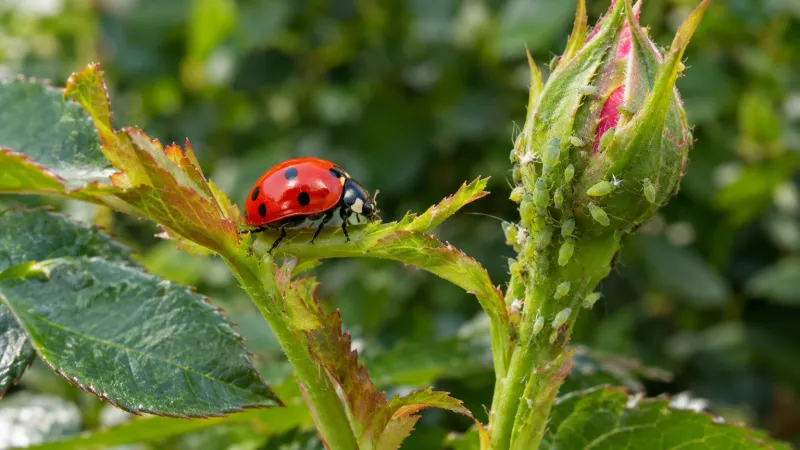
Ladybugs patrolling my roses feel like hiring a free pest control crew, and I hate sending them away. Broad-spectrum insecticides do not discriminate, so they often harm lady beetles and lacewings along with the aphids.
Aphids tend to return in cooler months, clustering on tender buds and new shoots in noticeable little colonies. A healthy population of predators can keep those numbers in check without any spraying at all, given a little time.
Personally, I start with a firm blast from the hose, which dislodges many aphids without bothering beneficial insects much. Insecticidal soap is a gentler backup, and it works best when you spray directly on the pests themselves.
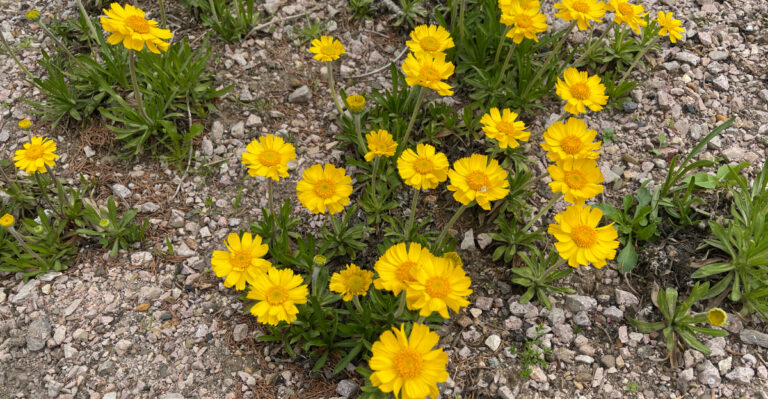
Planting nearby flowers like native desert marigold or penstemon gives predators nectar and shelter between meals. Hummingbirds and small songbirds also snack on insects, so a varied garden welcomes more natural helpers into your yard.
Spraying harsh chemicals in fall can leave your beds with fewer allies when spring pests ramp up again. Protecting those helpers now means your roses wake up surrounded by a hungry squad already on duty.
9. Snipping Every Faded Bloom At Higher Elevations
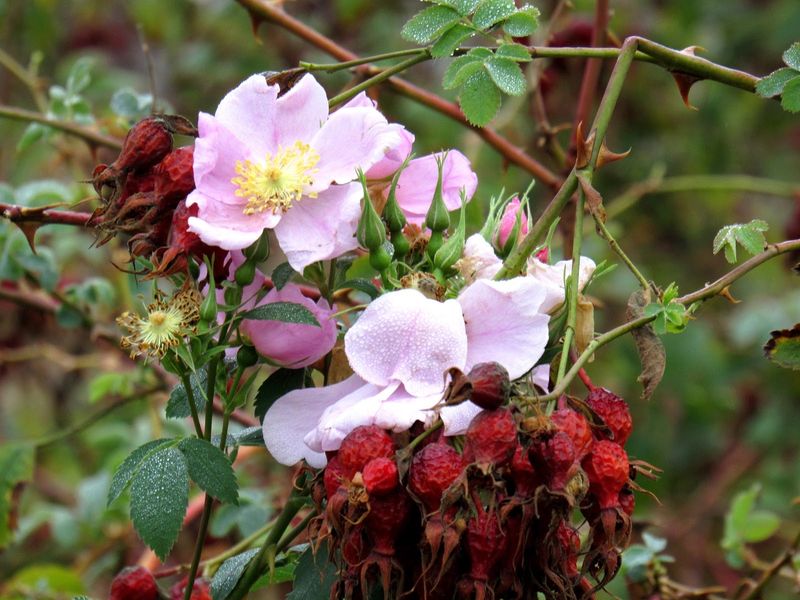
Bright orange rose hips glowing on bare canes are one of my favorite sights in a high country garden. Those berry-like seed pods form only when you leave spent flowers in place instead of snipping them off.
In colder areas like Flagstaff, letting hips form in fall helps signal roses to slow down for winter. Constant trimming of old blooms, by contrast, encourages more flowering and soft growth just as freezing weather approaches.
Low desert roses are different, since our fall is prime blooming season and grooming spent flowers keeps buds coming. The hip strategy mostly makes sense where real winter dormancy and hard freezes are part of the yearly routine.
I love how hips also feed birds through colder months, adding winter color while supporting local wildlife. Varieties like rugosa roses produce especially large, showy hips, though many shrub roses form attractive ones as well.
Simply stop removing faded flowers about six weeks before your usual first frost date and let nature continue. Your roses settle down more gracefully, and you get a cheerful seasonal display without lifting a single tool.
10. Piling Mulch Right Against Rose Canes
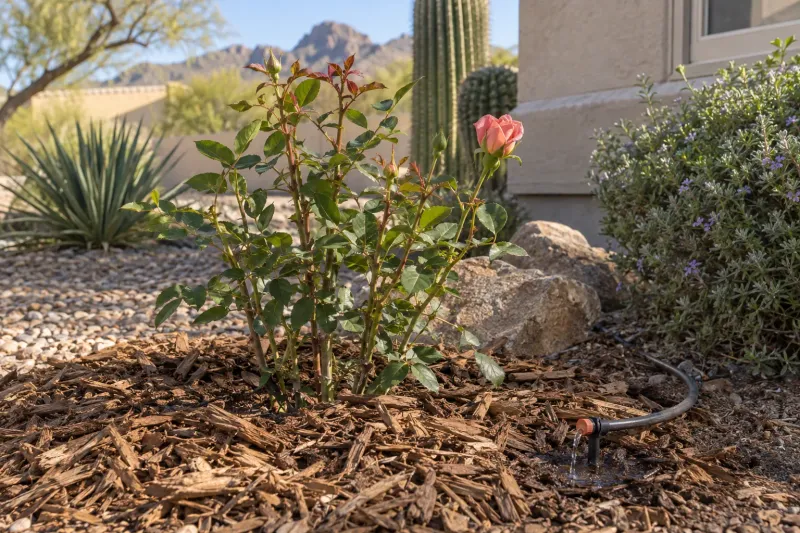
Fresh mulch is honestly one of the best gifts you can give a desert rose this time of year. A three to four inch layer of organic material keeps roots cooler, holds moisture, and slowly improves soil.
Trouble starts when that mulch gets heaped up against the canes and crown like a little volcano. Constant dampness at the base can invite rot and fungal issues, and it gives pests a sheltered hiding spot.
I keep a small gap of a few inches between the mulch and the canes for better airflow. Wood chips, shredded bark, or aged compost all work well, while fine materials can pack down and repel water.
Low desert gardens rarely need the heavy soil mounding used to insulate roses in snowy states. That practice is meant for severe freezes, and in mild winters it can trap warmth and moisture where it causes harm.
Gardeners in colder high country spots may add extra mulch later, once the ground has cooled and frosts arrive. Thoughtful mulching now sets up a calmer root zone, and calm roots support a confident spring flush.