What Texas Law Says When Neighbor’s Branches Damage Your Roof
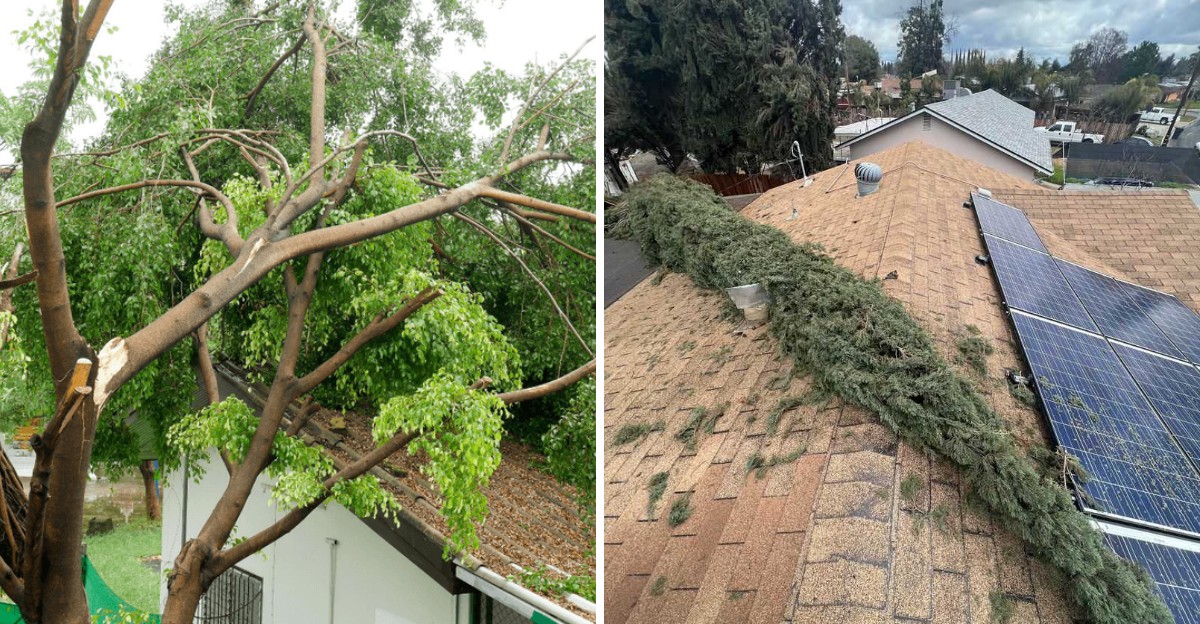
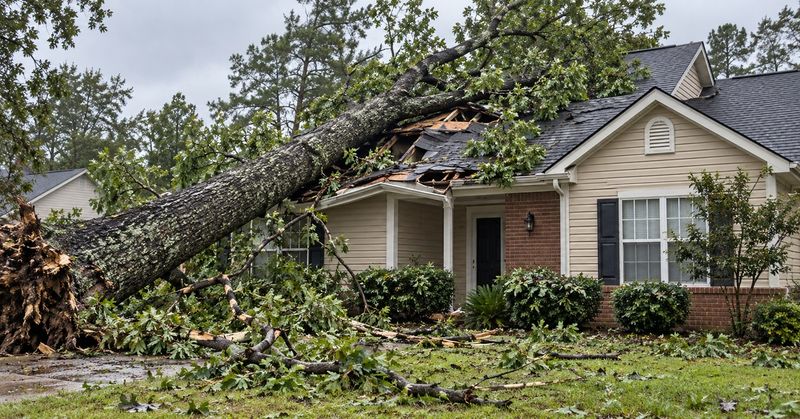
A healthy tree can drop a limb on your house, and the tree owner may owe you nothing. Wait, what? That surprised me too.
In Texas, the rules about wandering branches feel upside down at first. A storm counts as nature doing its thing, so your own insurance usually steps in. Things shift once a tree is sick, rotten, or clearly unstable.
I used to think the person who owns the trunk owns every problem it causes. Nobody warned me how much depends on what your neighbor knew and when. A dated photo or a simple letter can change the whole story later.
You also have more power over those leafy intruders than most folks realize. You can trim them yourself, though a few lines are worth respecting first. So who really pays when a big oak limb lands on your shingles?
1. That Fallen Oak Limb On Your Shingles Has A Surprising Bill Attached
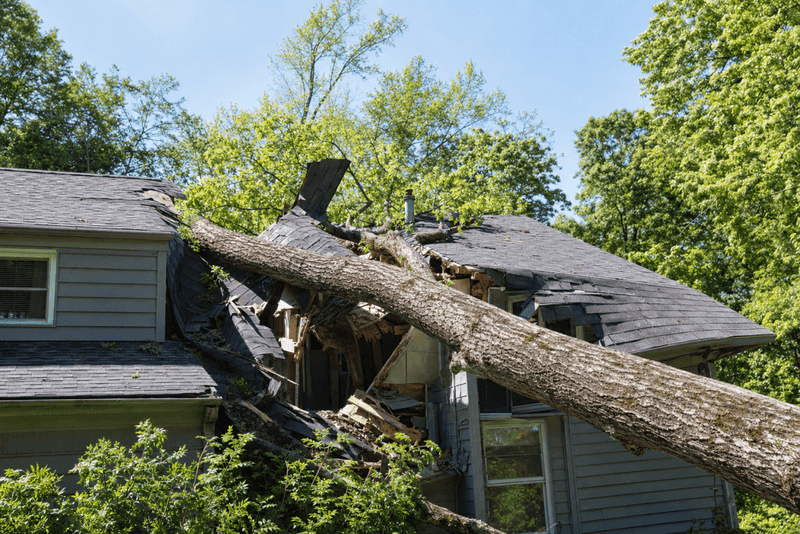
Your roof just took a hit from a branch that grew next door. Most people grab the phone to call the neighbor first, and honestly, I understand that urge.
Texas generally treats storm damage from a healthy tree as an act of nature. Wind, hail, and heavy rain are nobody’s fault in the eyes of the law.
That means your own homeowner’s insurance policy usually covers the repairs, minus your deductible.
It feels backward, right? The tree belonged to them, but the claim lands with you. Insurers in the state follow this approach because a sound tree gave no warning that it might fail.
Take a few steps right away to protect yourself. Snap clear photos of the limb, the roof, and any water stains inside.
Cover open spots with a tarp to prevent more harm, since policies often expect you to limit further damage.
Then call your insurance company and file the claim promptly. Keep receipts for tarps, tree removal, and any emergency fixes. A calm chat with your neighbor still helps, even when they aren’t legally on the hook.
Friendly neighbors sometimes chip in anyway, and that goodwill lasts longer than any shingle.
2. A Rotten Or Leaning Tree Puts The Blame Back Next Door
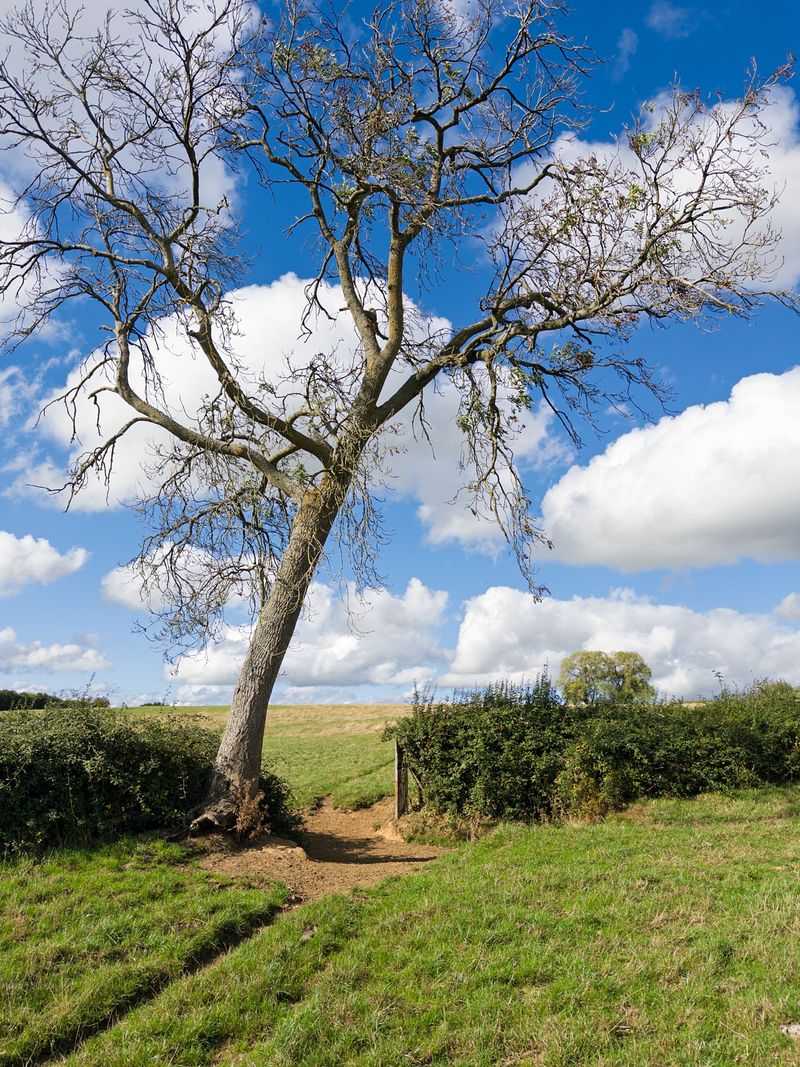
Hollow trunks tell stories, and sometimes those stories end up in an insurance file. The big exception to the act of nature rule is negligence.
A neighbor may be liable if their tree was dead, diseased, or plainly unstable. The key question is whether they knew, or reasonably should have known, about the danger.
Ignoring a clear hazard can shift responsibility onto the tree owner. So what counts as a warning sign? Look for these common clues:
Large patches of missing bark, deep cracks, or mushrooms growing near the base. Bare branches during the growing season while nearby trees look leafy. A sudden lean, lifted soil around the roots, or limbs already snapping off.
Courts look at what a reasonable person would notice. A healthy-looking tree that fails without warning usually stays in the act of nature category. A tree with obvious decay for months is a different matter.
Here’s a helpful tip. If you spot these problems, talk to your neighbor early and kindly. Many people simply haven’t looked up at their own canopy in years.
A certified arborist can also judge a tree’s health and give you an expert opinion.
3. Those Overhanging Branches Are Yours To Trim Up To The Fence
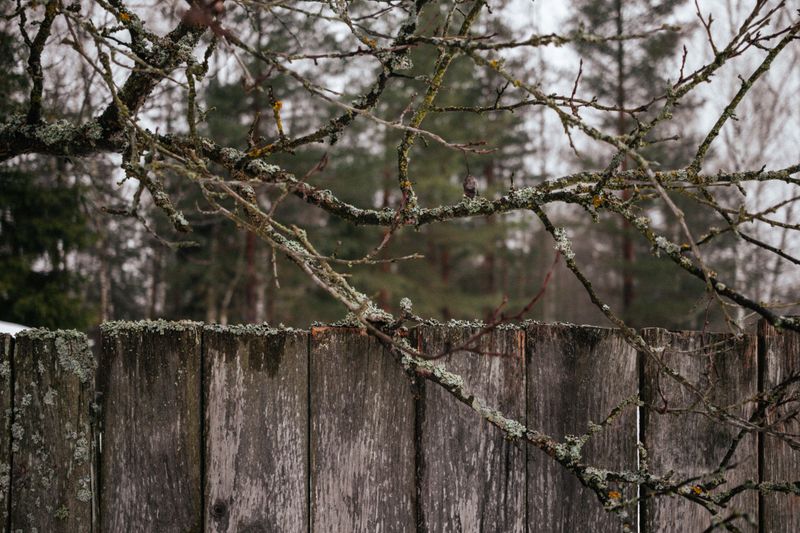
Grab your pole saw, because Texas gives you a handy tool called the self-help rule. You can trim branches and even roots that cross onto your property.
The cut stops at the property line. Anything hanging over your yard or roof is fair game, while the rest belongs to your neighbor. You don’t need their permission to remove what crosses over.
I love this rule for prevention. Limbs that rub against shingles slowly scrape away granules and invite leaks. Leaves packed in gutters can push water under roof edges during heavy rain.
Timing helps, too. Many Texas oaks face oak wilt risk, and Texas A&M Forest Service suggests avoiding oak pruning from February through June.
Paint fresh oak cuts with wound paint right away to discourage the beetles that spread the fungus.
For other trees, late winter often works well since you can see the branch structure clearly. Keep cuts clean and close to a branch collar on your side.
Heads up about power lines nearby. Call your utility company instead of tackling those branches yourself. Your safety matters more than tidy shingles.
4. Stepping Into Your Neighbor’s Yard With A Chainsaw Can Backfire
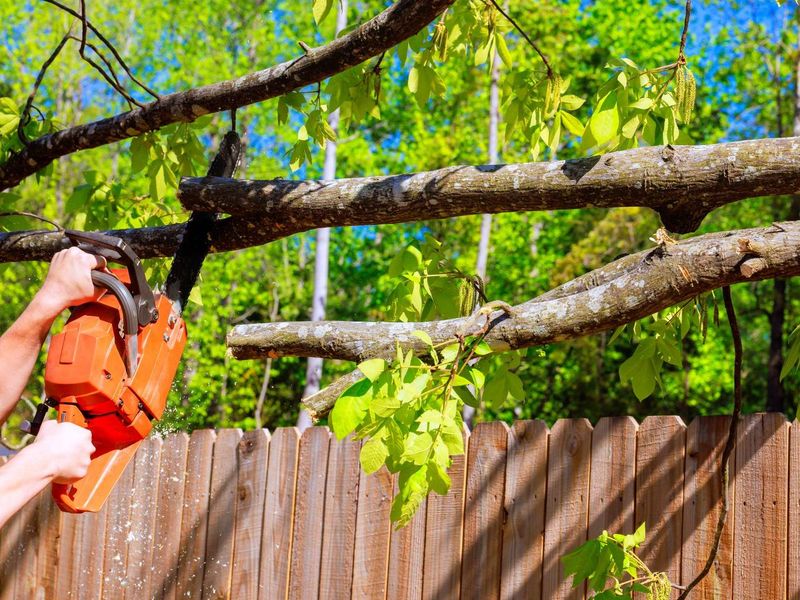
Trimming rights come with a couple of firm guardrails. Cross them, and the friendly fix can turn into a legal headache fast.
First, stay on your side. You can’t step onto your neighbor’s land, climb their tree, or lean a ladder on their side without permission. Doing so counts as trespassing, even if your intentions are good.
Second, your cuts can’t seriously harm the whole tree. Removing too much canopy or slicing major roots can cause decline. If your trimming causes the tree to fail, you could owe the owner for its lost value.
And that value can be surprisingly high. A mature shade tree may be appraised in the thousands, especially when it adds beauty and cooling to a home.
Roots deserve extra caution. Cutting large roots close to the trunk can make the tree unstable, which creates a bigger risk to your roof later.
My advice? Hire a certified arborist for anything beyond light trimming. They know how much a tree can safely lose.
Also send your neighbor a quick heads-up before work starts. A short note keeps surprises off the table and good relationships intact.
5. Guess Who Pays The Tree Crew For Your Side
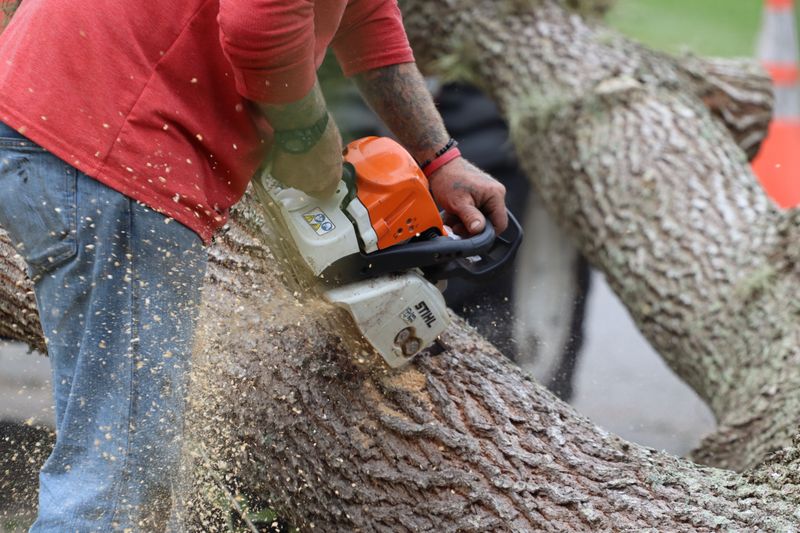
Money talk time. When you choose to trim branches hanging over your property, the bill usually lands in your own pocket.
Texas law gives you the right to cut, but not the right to make your neighbor pay for it. Since the trim benefits you, the cost is generally yours. That surprises plenty of homeowners.
Professional trimming prices vary a lot. Tree size, access, and cleanup needs all play a part. Get two or three written quotes before you hire anyone.
Here’s a smarter move that often saves cash. Knock on your neighbor’s door and suggest sharing one full trim. A balanced cut on both sides looks better and keeps the tree healthier than a lopsided chop.
Many neighbors welcome the offer. They may have wanted the tree shaped anyway and simply never got around to it.
Before hiring, check the crew’s insurance and ask whether they have an ISA certified arborist on staff. An uninsured worker who falls or drops a limb on your roof creates a brand new problem.
Keep every invoice. Those records help if the tree later becomes part of an insurance claim.
6. A Dated Photo Of That Cracked Trunk Could Save You Thousands
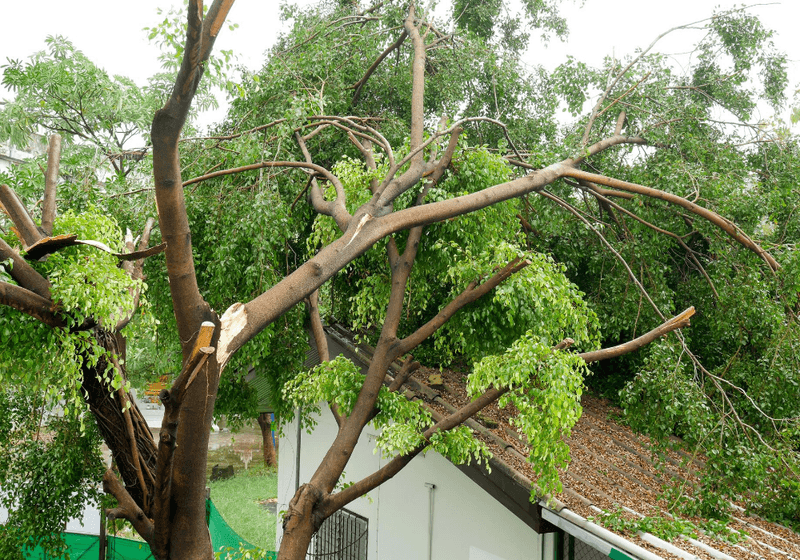
Paperwork may sound dull, but it can be your best friend in a tree dispute. Proof matters when negligence enters the picture.
Say your neighbor’s tree looks sick for months. If you tell them in writing and include dated photos, you create a clear record that they knew about the risk.
Later, if the tree crashes onto your roof, that record can support a negligence claim.
Keep the letter polite and simple. Describe what you see, like cracks, dead limbs, or a growing lean. Suggest they have an arborist take a look.
Send it in a way you can track. Certified mail works well, and an email can add a second time stamp. Save copies of everything in one folder.
Photos should show the tree from several angles. Include something for scale, such as your roofline or fence.
Trust me, a friendly conversation first is still wise. Follow it with a short written note that recaps your chat.
If you rent, send a copy to your landlord too. Owners often respond faster when they see the concern clearly documented.
7. Your Insurance Company Might Chase Down Your Neighbor’s Insurer
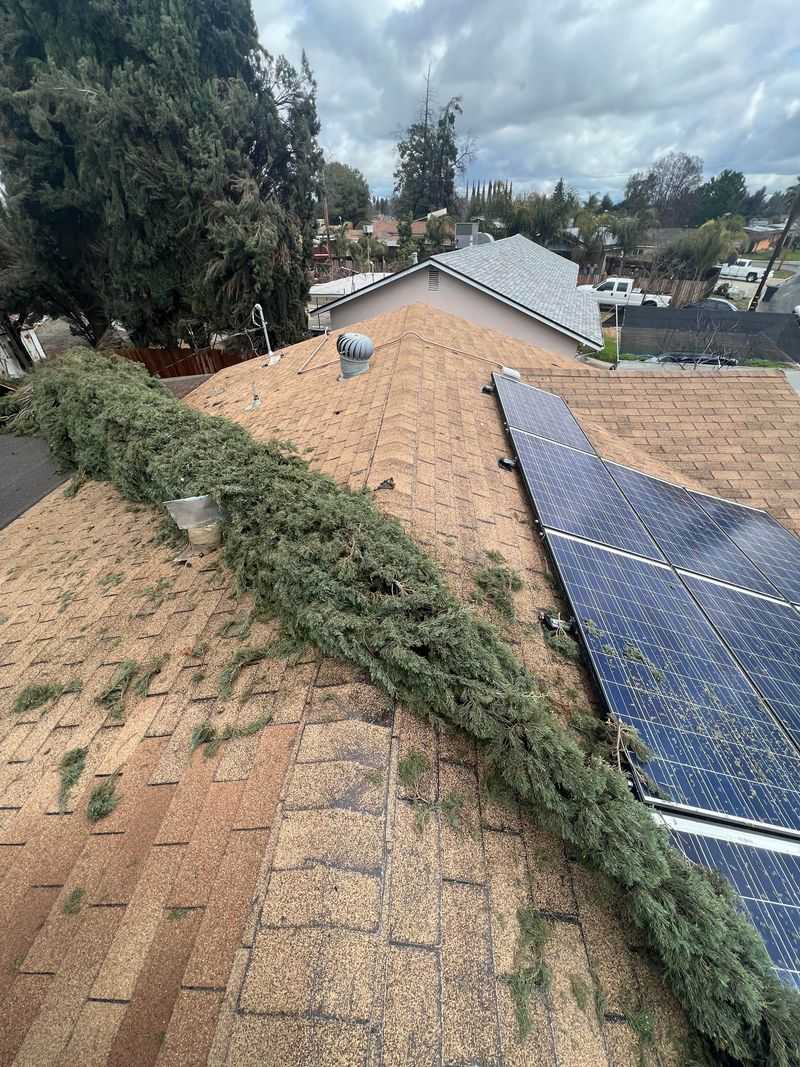
Ever heard of subrogation? It’s a mouthful, but the idea is simple and pretty useful for you. Suppose your insurer pays to fix your roof, and the damage came from a neighbor’s neglected tree.
Your insurance company may then seek repayment from your neighbor’s insurer. Basically, the two companies sort out who should really cover the loss.
Why should you care? A successful subrogation claim may help you recover your deductible. That money can come back to you once the insurers settle things.
Your role stays fairly small. Share your photos, letters, and any arborist reports with your adjuster. Those records help prove the tree was a known hazard.
Neighbors sometimes worry this process feels personal. It mostly happens between companies, so your direct relationship can stay calm.
One more practical step: read your policy closely. Many policies list specific limits for tree removal, often a set amount per tree. Debris that doesn’t touch a structure may not be covered at all.
Questions are fine to ask. A good agent will explain your coverage plainly before trouble arrives.
8. Boundary Trees And Nuisance Claims Deserve A Careful Next Step
Some trees don’t pick a side. When a trunk sits right on the property line, both owners generally share it.
That shared status matters. Neither neighbor can usually remove a healthy boundary tree without the other’s agreement. Talk first, and put any deal in writing.
Then there’s nuisance law. A tree that causes serious, repeated damage or creates an unreasonable risk may qualify as a legal nuisance.
That can open the door to formal action, such as asking a court to require fixes or payment. Nuisance claims are a later step, not the first. Courts expect real harm or real danger, not just falling leaves.
Also check local rules. Some Texas cities protect certain heritage trees, and HOAs may have their own requirements. A quick call to your city or a look at HOA documents can prevent costly mistakes.
My favorite takeaway is simple. Watch your trees, trim wisely, document concerns, and keep conversations friendly.
When the stakes feel high, talk with a Texas real estate attorney. A short consultation often costs less than a single roof repair.