7 Venomous Creatures That Move Closer to Florida Homes as Nights Cool Down
Cold-blooded animals cannot warm their own bodies, so a chilly evening changes where they choose to rest. That simple fact explains why your woodpile and garage corners suddenly look like cozy little hotels to them.
Florida rarely gets truly cold, yet even a dip into the fifties nudges many small creatures toward shelter. Some carry venom strong enough to send a careless gardener straight to the emergency room for treatment.
I have to admit my gloves got a lot more use once I learned where these visitors hide. You might notice them under a flowerpot or tucked beneath the fresh mulch you spread last weekend.
Most of these Florida neighbors want nothing to do with people and simply hope to stay cozy and warm. Would you know which hidden guest to leave alone before your fingers find it first?
1. Pygmy Rattlesnakes Hide In Leaf Litter Near Flower Beds
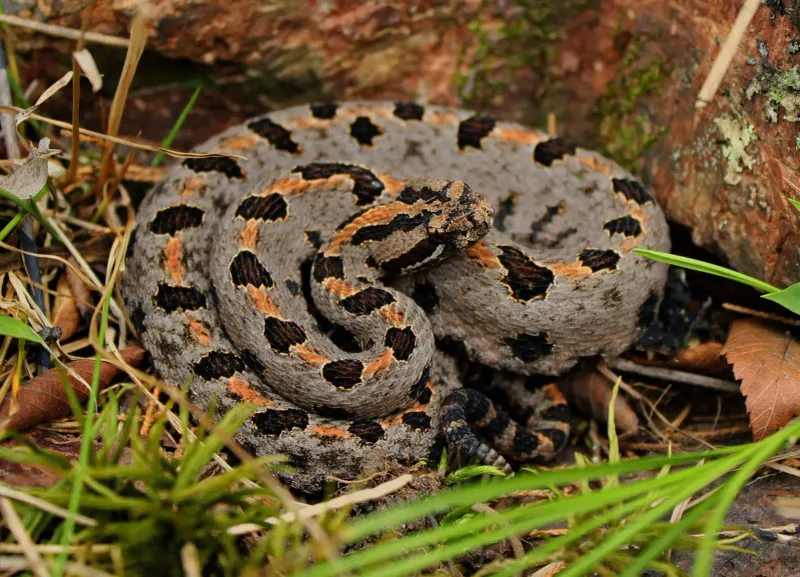
A full-grown dusky pygmy rattlesnake often measures under two feet, yet it still carries a working rattle. That rattle sounds more like a buzzing insect than a warning, and many people walk right past without hearing it.
Its gray body is covered in dark blotches with a rusty stripe running down the middle of the back. Scientists call it Sistrurus miliarius barbouri, and it lives across nearly the whole peninsula and Panhandle.
Personally, I think of them as pond-edge snakes, since they love damp flatwoods and the margins of wetlands. Suburban yards next to those habitats see plenty of them, especially where mulch and pine straw pile up.
When nights cool, they tend to tuck into rodent burrows or thick leaf mats that hold daytime warmth. On sunny afternoons you may spot one basking on a sidewalk edge or a warm stepping stone.
Their venom mainly damages tissue around the bite, causing swelling and pain rather than attacking the nerves. Bites rarely threaten healthy adults, but every bite still deserves a prompt trip to a medical professional.
You need to wear gloves when pulling weeds, and use a rake before reaching into dense ground cover. Keeping grass mowed short around patios and doorways removes many of the shady pockets these snakes prefer.
If you meet one, step back slowly and let it move along on its own schedule. Pygmy rattlers eat plenty of mice and centipedes, so they quietly earn their keep around the garden.
2. Cottonmouths Linger Along Backyard Ponds And Canals
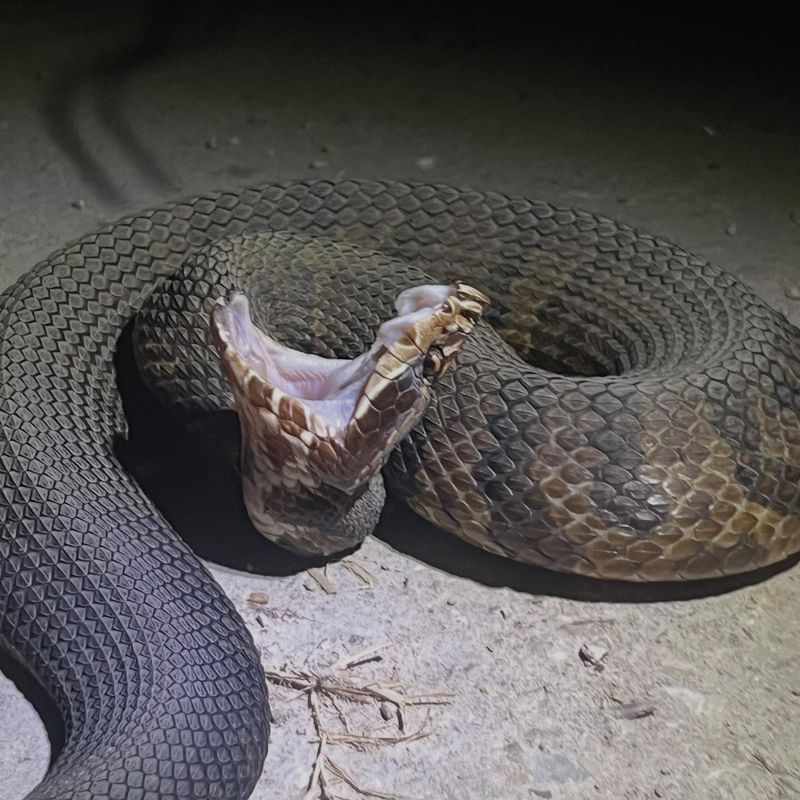
Few snakes put on a show quite like a cottonmouth flashing that bright white mouth lining at you. It looks dramatic, but the gaping display is mostly a bluff meant to say please back off now.
The Florida cottonmouth, Agkistrodon conanti, is a heavy-bodied pit viper found near water across the state. Adults often appear dark brown or nearly black, while youngsters show bold bands and a yellowish tail tip.
I love watching wading birds at my pond, but I check the muddy edges carefully before kneeling down. Retention ponds and drainage ditches in neighborhoods can host cottonmouths, especially where thick plants crowd the banks.
Cooler weather slows them down, so many seek shelter in stump holes and brush piles close to water. On mild winter days they often slip back out to bask on logs and sunny banks.
Plenty of harmless water snakes look similar, and people often mistake them for this venomous species. Instead of guessing, treat every thick dark snake near water as one to admire from a safe distance.
Trimming overgrown vegetation along pond edges gives you a clear view and makes the area less inviting. Keep fish cleaning scraps and pet food away from the shoreline, since those attract the prey they hunt.
Cottonmouth bites can cause serious swelling and tissue damage, so call for medical care right away if bitten. Skip tourniquets and ice, and simply keep the injured limb still while help is on the way.
3. Copperheads Tuck Under Logs In The Panhandle
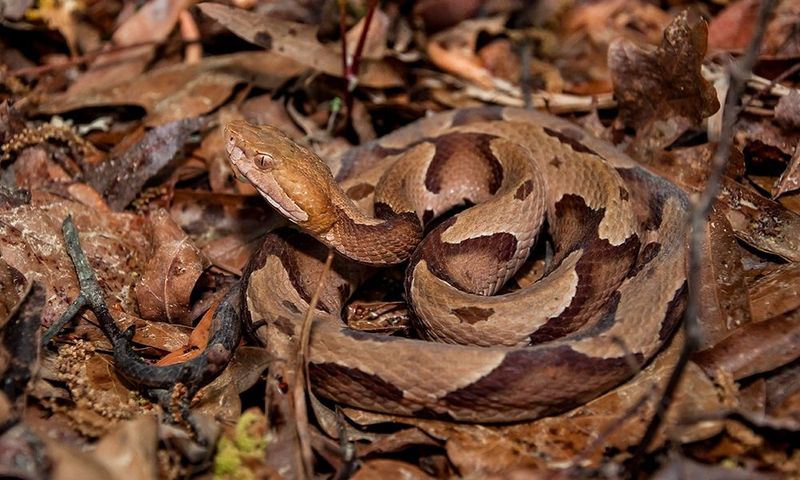
Fallen leaves in autumn make the perfect disguise for a snake patterned in copper and tan hourglass bands. Copperheads blend so well that hikers sometimes step right beside one without noticing anything at all.
In this state, Agkistrodon contortrix is mostly found in the Panhandle, especially along the Apalachicola River corridor. Peninsula gardeners are unlikely to meet one, so this entry matters most for folks living up north.
They prefer shady hardwood forests near streams and swamps, where deep leaf litter offers cover and prey. Neighborhoods built beside those woods can see occasional visitors, particularly near wood piles and old lumber.
Copperheads stay fairly active on mild fall evenings, slipping out after dark to hunt rodents and frogs. As temperatures fall further, they head for rock crevices and stumps where they spend the coldest weeks.
Their venom causes painful swelling, though bites are rarely life-threatening for healthy adults who get treatment. I believe any bite still deserves a hospital visit, because reactions can vary from person to person.
Young copperheads wiggle a bright yellow tail tip to lure frogs close, which is a clever little trick. You might spot that sulfur-colored tail tip first, so treat it as a polite warning sign.
Stack firewood on racks well off the ground and away from the house to reduce cozy hiding spaces. Wear sturdy boots when hauling brush, and use a flashlight when walking paths after sunset this season.
4. Coral Snakes Burrow In Mulch Near House Foundations
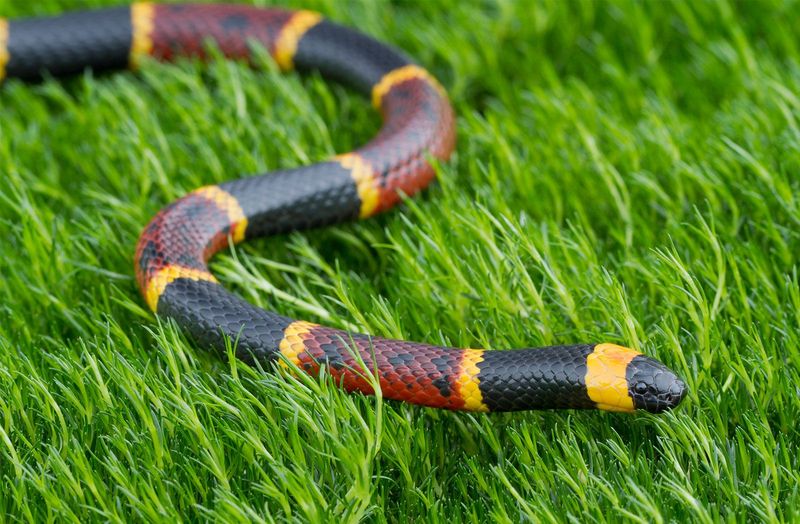
Bright red bands bordered by slim yellow rings make the eastern coral snake one of the flashiest reptiles around. Those warning colors are real, because its venom is among the most potent of any North American snake.
Scientists know it as Micrurus fulvius, and it lives throughout the peninsula and much of the Panhandle. Most adults measure around two feet, with a black snout and a slender, glossy body.
Unlike pit vipers, coral snakes spend much of their lives hidden beneath leaf litter and loose sandy soil. They often surface during spring and fall, frequently in the morning, to hunt smaller snakes and lizards.
Mulched beds against a warm foundation can attract them, since those spots offer cover and plenty of prey. I like to rake back mulch a few inches from walls, which also helps discourage termites nearby.
Their venom attacks the nervous system, and symptoms can show up hours later, even when pain seems mild. Any bite needs emergency care immediately, because waiting for symptoms to appear can lead to trouble.
Old color rhymes help in some areas, but scientists warn they fail with unusual color patterns. Instead of trusting a rhyme, leave any banded snake alone and watch it from a respectful distance.
Bites are uncommon and usually happen when someone picks one up, so handling is the real danger. Coral snakes are shy, and they mostly try to slip away quietly when a gardener comes near.
5. Widow Spiders Spin Messy Webs In Sheds And Garages
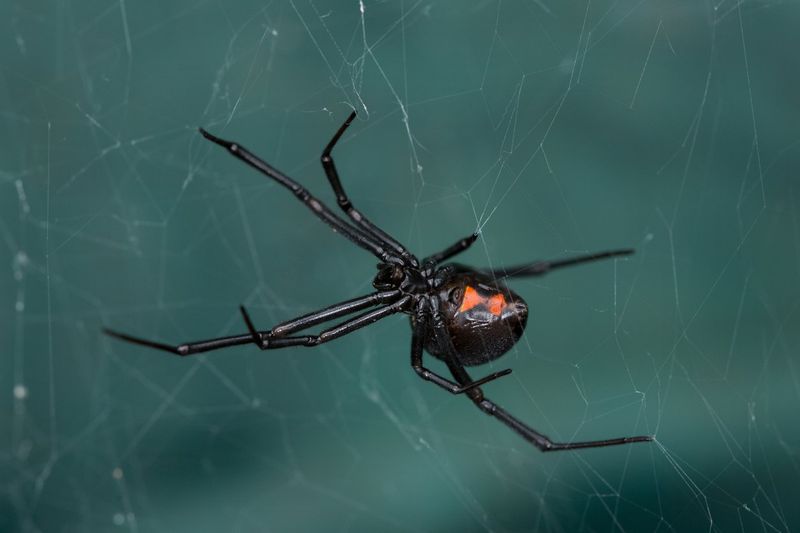
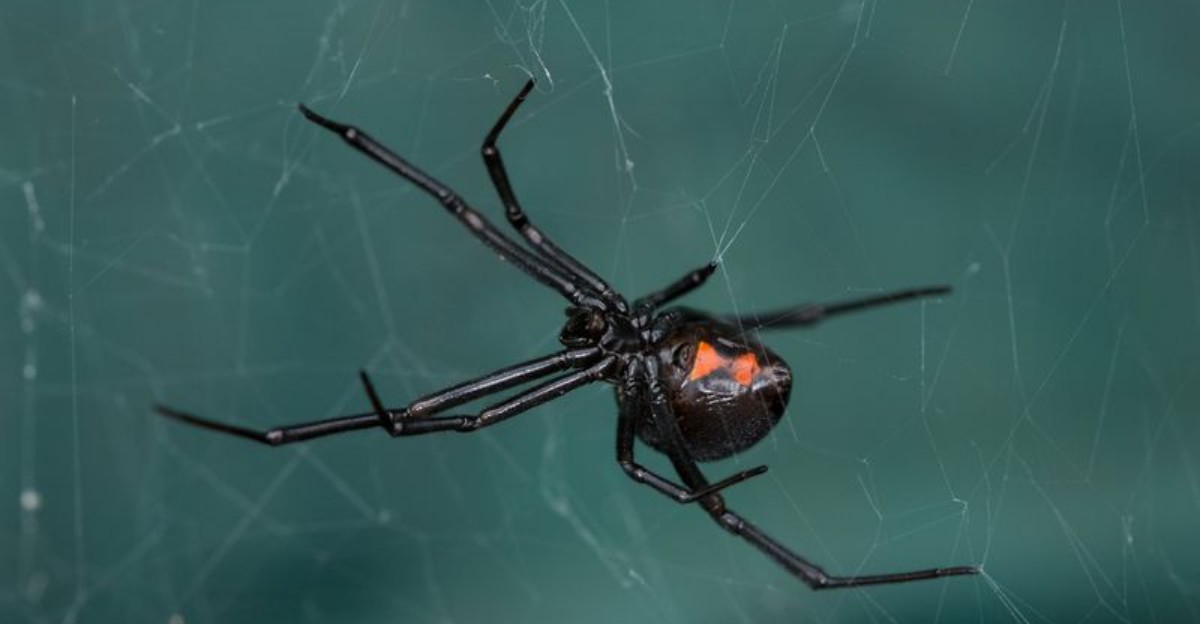
That shiny black spider with a red hourglass under her belly is the southern black widow, Latrodectus mactans. Her web looks messy and tangled, yet its silk is surprisingly strong and sticky to the touch.
Florida hosts several widow species, and the brown widow is a nonnative spider now common around homes. Brown widows make spiky round egg sacs that look like tiny sea mines tucked under patio railings.
Widows prefer quiet sheltered spots like woodpiles and meter boxes, where nobody bothers them for weeks. Garages and sheds also suit them nicely, especially corners cluttered with flowerpots and forgotten garden tools.
I can’t imagine reaching into a stack of clay pots barehanded anymore after finding a widow inside. You need to wear gloves when moving stored items, and give each pot a tap before grabbing it.
Female widows carry venom that affects nerves, causing muscle cramps and pain that can spread from the bite. Bites are uncommon, since these spiders usually bite only when pressed against skin or trapped in clothing.
Sealing gaps around doors and utility lines helps keep wandering spiders from slipping into your living space. Clearing clutter from garages removes hiding places and makes webs easier to spot during routine cleaning.
Seek medical help if a bite brings strong cramps or sweating, especially for children or older adults. Mild bites often improve with a cool compress, but a doctor can offer advice and reassurance.
6. Striped Bark Scorpions Slip Under Doors After Dark
Shine a blacklight across your patio at night, and any scorpions nearby will glow an eerie blue-green. Their outer shell contains compounds that fluoresce, which makes nighttime scorpion spotting oddly fun for curious gardeners.
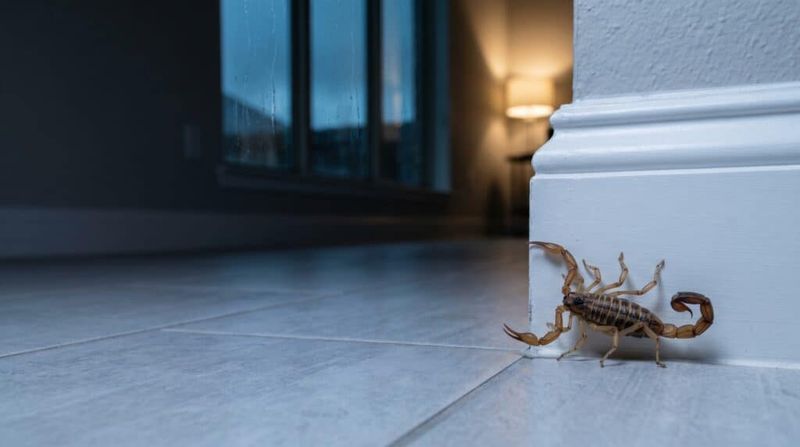
The most common species here is the Hentz striped scorpion, Centruroides hentzi, a native found statewide. It is tan with dark stripes, slim pincers, and a body usually under three inches long.
South Florida also hosts the slender brown scorpion, Centruroides gracilis, a larger species likely introduced long ago. Both climb very well, so you may find them clinging to walls or hiding inside window tracks.
During the day they hide under loose bark and boards, then hunt crickets and roaches after dark. Homes with plenty of insects attract them, so pest control indoors helps reduce scorpion visits too.
What surprises me most is how often they turn up in shoes left beside the back door. Shake out boots and gloves before wearing them, especially if they sat outside or in the garage.
Their sting feels like a sharp wasp sting, with burning pain and some numbness that fades with time. Most stings are not dangerous, though people with allergies or very young children should get checked quickly.
Weatherstripping doors and sealing cracks around plumbing can keep these nighttime hunters outside where they belong. Move firewood and stacked boards away from walls to cut down on cozy daytime hiding spots.
7. Puss Caterpillars Cling To Oak Leaves And Walls
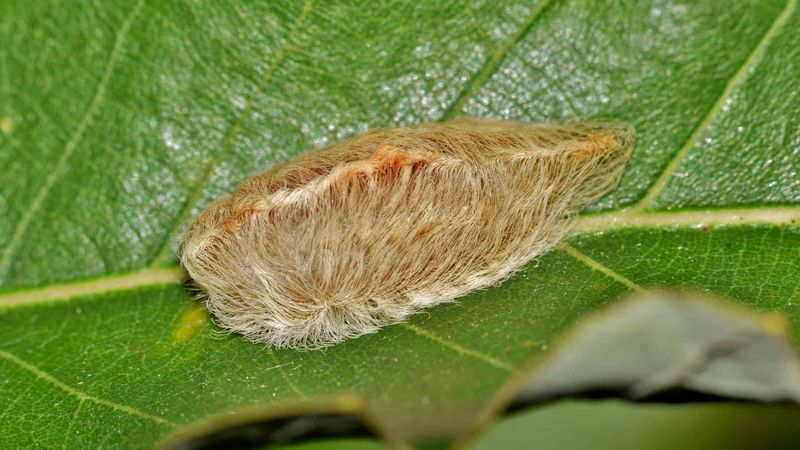
With its fluffy tan coat and teardrop shape, the puss caterpillar looks like a tiny toupee crawling along. Hidden under that soft hair are venomous spines, and a brush against them can cause intense, throbbing pain.
Its scientific name is Megalopyge opercularis, and the adult is a fuzzy moth called the southern flannel moth. UF/IFAS experts note the caterpillars have two main generations each year, with one appearing in fall.
They feed on many trees and shrubs, though oaks and citrus are among their favorite places to dine. Mature caterpillars often wander off host plants and spin tough cocoons on nearby fences or house walls.
Honestly, the first one I saw looked so soft that I nearly reached out to pet it. Children are drawn to them for the same reason, so a quick backyard lesson can prevent painful stings.
Stings often bring burning pain and redness, and some people develop headaches or nausea afterward. Gently pressing clear tape on the skin can pull out broken spines, followed by washing with soap.
Wear long sleeves and gloves when pruning oaks, since caterpillars can drop onto shoulders or arms. Check the undersides of leaves before grabbing branches, and use a stick to move any caterpillar away.
Seek medical care for severe reactions or trouble breathing, since some people react more strongly than others. Admire these fuzzy oddities from a distance, and let natural predators like birds and wasps handle them.