What Pennsylvania Law Says About Clearing A Neighbor’s Vines Growing Over Your Fence
A plant can trespass on your property, at least in the eyes of a court. That sounds like a joke, yet judges in Pennsylvania have treated creeping greenery from next door as a real legal intrusion.
Personally, I find that oddly satisfying. Those leafy tendrils sneaking over the top rail are not just a nuisance, they are crossing a line the law takes seriously.
Still, you hold more power than you might expect, and also more responsibility. A careless snip can turn you from the wronged party into the one who owes money. Cross one invisible line with your ladder, and the tables turn surprisingly fast.
So how far can your pruners actually go before a friendly cleanup becomes a dispute? The answer depends on a property line, a little patience, and an old common-law rule most homeowners have not heard of.
1. That Leafy Vine Spilling Over Your Fence Has a Legal Label

Courts have a surprisingly blunt word for greenery that wanders onto your land. In Pennsylvania, branches, roots, and vines that cross the boundary are generally treated as an encroachment, a kind of ongoing trespass by the plant itself.
That label matters more than it sounds. It means the growth on your side of the line is not a gift you have to tolerate, and it is not something you need a lawyer to address in most cases. The law gives you a simple remedy called self-help.
Self-help is an old common-law idea that lets you fix a small problem yourself instead of running to court.
For overhanging plants, it means you may trim the parts that hang over or grow onto your property. You usually do not need your neighbor’s permission first.
Here is the part I love as a gardener. You do not have to prove the vine is causing harm before trimming what sits on your side.
A tangle of trumpet vine or wild grape draped over your fence can be cut back simply because it is there.
Of course, that freedom comes with limits. The next few sections cover where your pruners must stop and what can get you into trouble.
2. Your Pruners Can Go Right Up to the Property Line
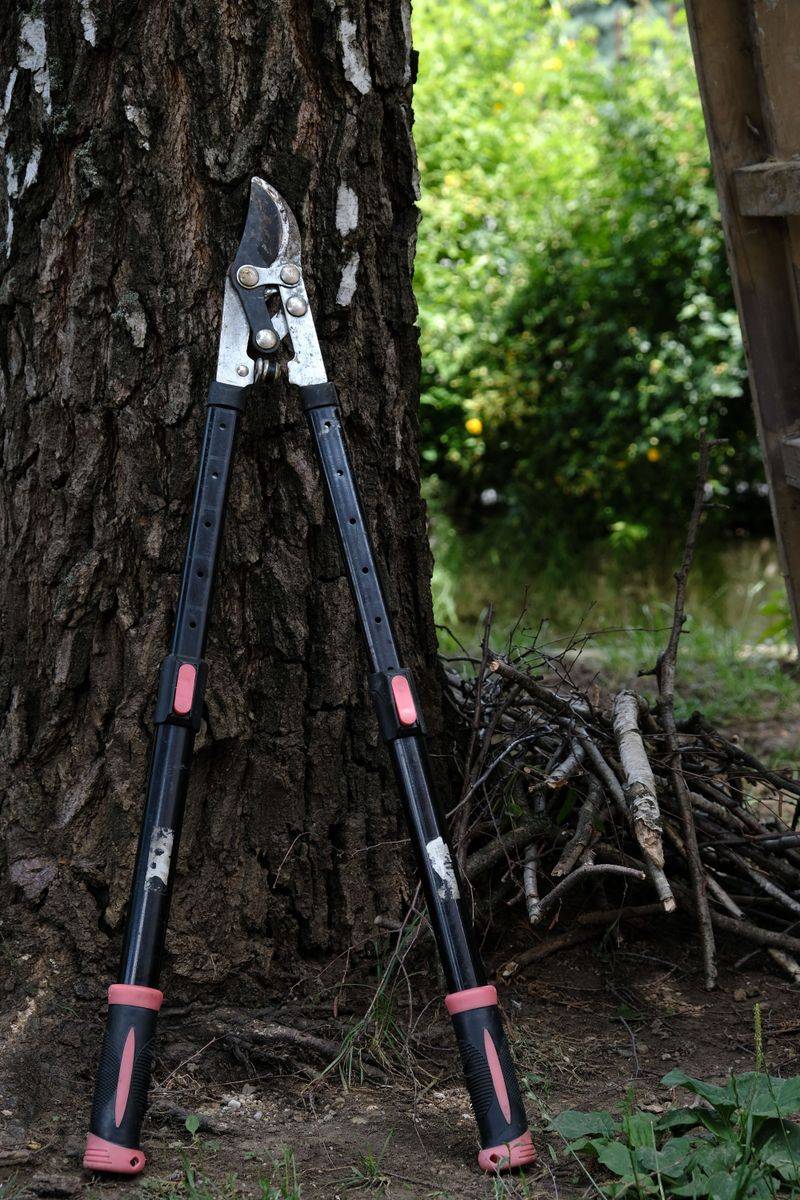
Picking up the loppers is legal, and it feels great. You may cut a neighbor’s vines back to the boundary line, and not one inch beyond it.
Picture the property line as a wall of glass rising from the ground. Anything poking through on your side is yours to trim, whether it is draped across the fence boards or climbing into your shrubs. Anything on the far side of that glass stays off limits.
A few tips make the job cleaner. Use sharp bypass pruners so the cuts heal neatly, and work in dry weather so you can see what you are grabbing. Gloves and long sleeves help, since plenty of vines carry thorns or irritating sap.
Timing helps too. Late winter and early spring, before birds start nesting, is a smart window for heavy trimming in most of the state.
Active nests of many wild birds are protected under the federal Migratory Bird Treaty Act, so check before you clip during spring and summer.
Finally, toss the trimmings in your own yard waste. Throwing clippings back over the fence can create a new dispute, and it rarely wins you any friends next door.
3. Keep Your Ladder and Boots Off Your Neighbor’s Side of the Fence

One wrong step can flip the whole situation around. The moment you walk onto your neighbor’s lawn, lean a ladder against their garage, or reach over to yank roots from their flower bed, you become the trespasser.
Self-help only covers work done from your own property. That surprises people who figure a quick hop over the fence is harmless. Legally, entering someone else’s land without permission is its own problem, separate from the vines.
So what do you do when the only good angle is from their yard? Ask. Most neighbors are happy to say yes when you explain you are tidying growth that belongs to them anyway.
I like to get that permission in a quick text or email. It takes thirty seconds and gives both of you a simple record of what was agreed.
Shared fences add another wrinkle. If the fence sits right on the line or is jointly owned, avoid cutting, nailing, or removing fence boards without talking first. Damaging a fence that is partly theirs could create a bigger headache than the vines ever did.
A long-handled pole pruner can help you reach tricky spots without crossing over. Staying planted on your side keeps your legal footing solid.
4. Cutting Too Deep Into the Vine Could Cost You Money

Here comes the catch that trips up eager gardeners. Your right to trim ends where serious harm to the plant begins.
Courts in many states, including Pennsylvania, have held that a property owner who trims encroaching growth can be responsible if that work ruins the whole plant.
Cutting through a thick main stem near the line, or spraying herbicide that travels back into the roots, can leave you paying for the plant’s value.
Mature specimens are not cheap. An established wisteria, climbing hydrangea, or old grapevine can carry a real replacement cost, and some courts look at that value when damage happens.
Think of your job as a trim, not a takedown. Remove the overhanging growth, keep cuts small and clean, and leave the plant’s main structure alone.
Chemicals deserve extra caution. Many weed killers move through the plant’s tissues, so a spray on your side may harm growth on theirs. Hand pruning is the safer bet for anything rooted next door.
When the vine is woody and large, consider hiring a certified arborist. A pro knows how to reduce growth without wounding the plant, and that receipt can be handy if questions come up later.
5. Roots and Runners Sneaking Under the Fence Count Too
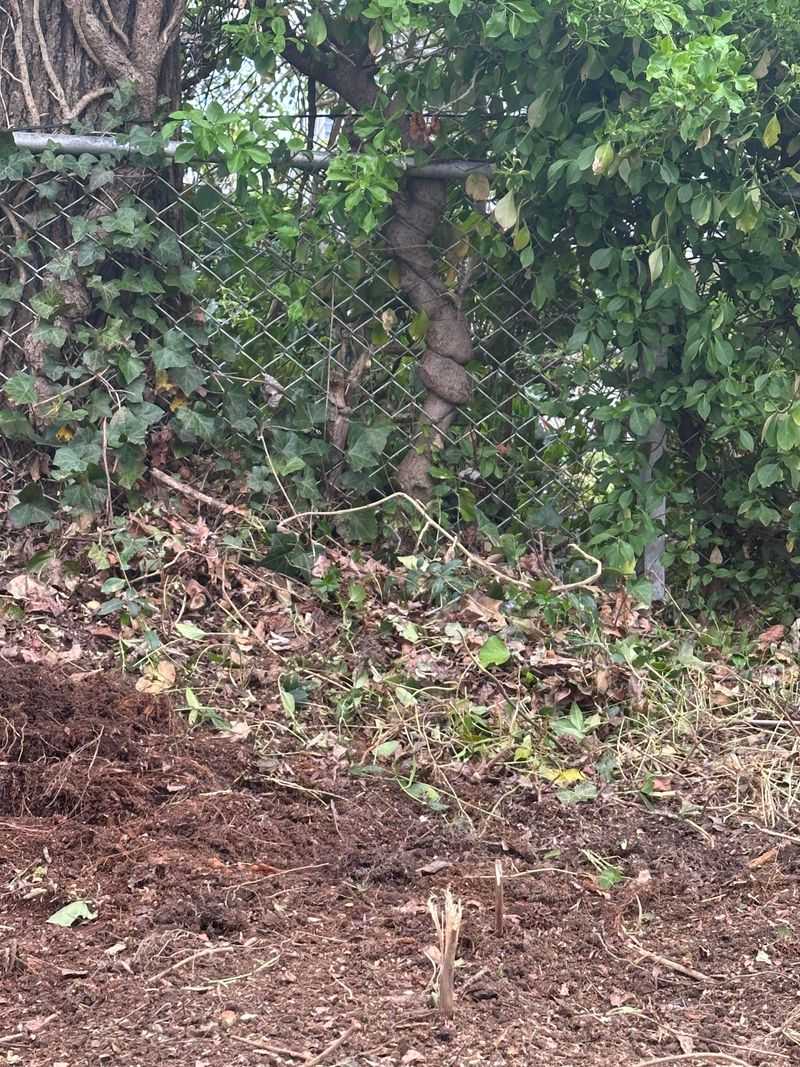
Some climbers are sneaky below ground. Trumpet vine, for example, sends up suckers yards away from the parent plant, and they can pop up right in your vegetable patch.
Roots and runners that cross the line are treated much like overhanging branches. The same self-help idea generally applies, so you may dig out or cut the growth that has crept onto your side.
Shallow sprouts are easy to handle with a hand trowel or a sharp spade. Pull them when the soil is moist, and try to get as much of the runner as you can so they do not bounce right back.
Bigger roots call for more care. Severing a major root right at the line can weaken the whole plant, which brings back the liability concerns from the last section.
A root barrier is a smart long-term fix. Burying a sturdy plastic or metal barrier about 18 to 24 inches deep along your side of the fence can slow many spreading roots and runners.
Before digging deep, call Pennsylvania One Call by dialing 811. The free service marks buried utility lines, and fence lines are a common route for cables and pipes.
6. Damaged Fence Boards Can Open the Door to a Lawsuit
Back in 1993, a Pennsylvania Superior Court case called Jones v. Wagner shook up how encroaching plants are handled.
The court ruled that a neighbor whose property is harmed by encroaching roots or branches is not limited to self-help.
In plain terms, when someone else’s growth actually damages your property, you may be able to sue. Possible remedies include money for repairs and a court order requiring the owner to address the problem.
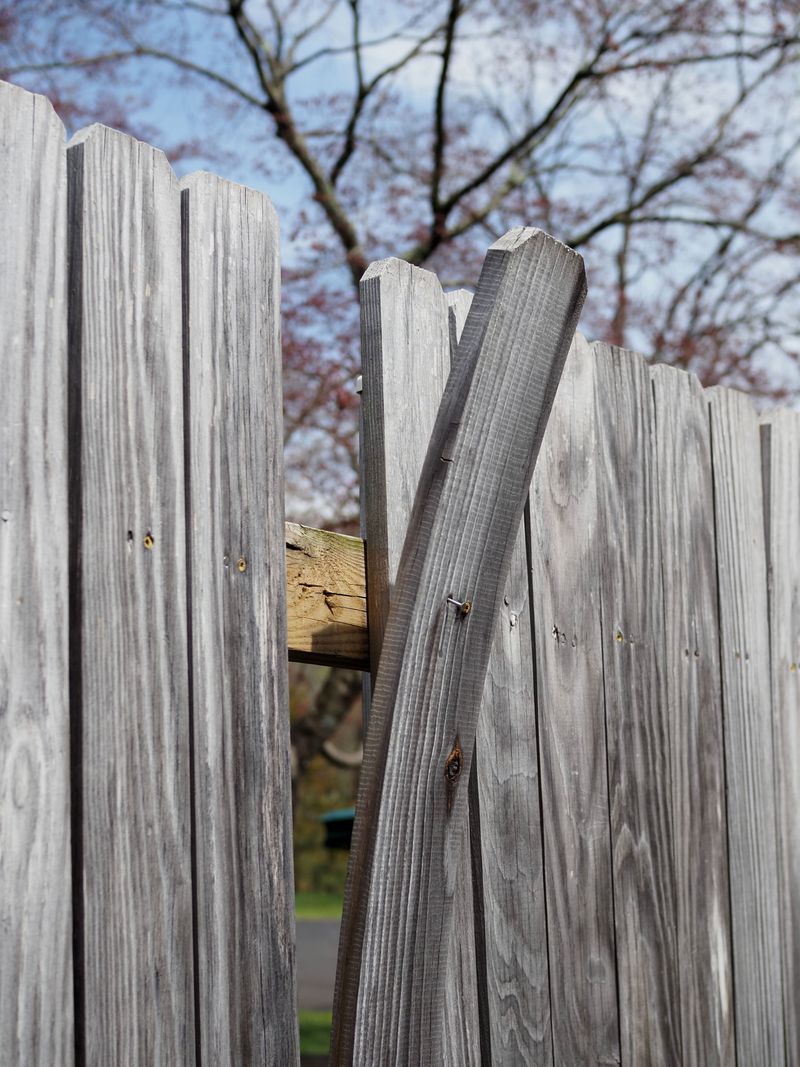
That is where vines get interesting. Heavy woody climbers can pull boards loose, trap moisture that rots wood, and push posts out of line.
Before anyone heads to court, though, damage needs to be real and documented. Simply having leaves hanging over the top rail is usually a job for your pruners, not a judge.
Keep a simple file if trouble is building. Take dated photos, save repair estimates, and hold onto receipts from any contractor work.
Results depend heavily on the facts, and every case is different. Talking with a local real estate attorney before filing anything is wise, since legal fees can quickly outgrow the cost of a few fence boards.
7. Mile-a-Minute, Kudzu, and Poison Ivy Need Special Handling
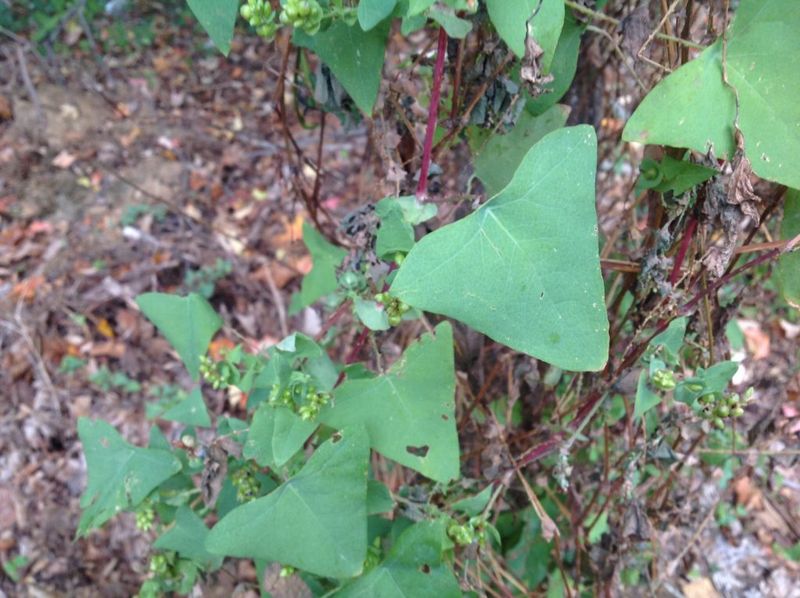
Not every vine over your fence is a pretty garden plant. Some are on Pennsylvania’s noxious weed list, including mile-a-minute weed and kudzu.
Mile-a-minute earns its name. This barbed annual can grow up to six inches a day in summer, smothering shrubs and fences in a matter of weeks. Pull it early, before its blue berries ripen, and bag the plants so seeds do not spread.
Other common troublemakers include porcelain berry, oriental bittersweet, and English ivy. Penn State Extension offers helpful identification guides if you are not sure what you are looking at.
Poison ivy deserves its own warning. Its oil, urushiol, causes itchy rashes for most people and stays active on tools and gloves.
Wear long sleeves, wash gear afterward, and do not burn the vines, since the smoke can harm your lungs.
Invasive growth also gives you a friendly conversation starter. Many neighbors are glad to learn about a problem plant and may want to tackle it on their side too.
Your local township may have weed or property maintenance ordinances as well, so a quick call can clarify extra options.
8. A Survey Stake and a Friendly Chat Settle Most Vine Disputes

Fences fib more often than you would guess. Plenty were built a foot or two off the true boundary, and that gap matters when you are deciding where to cut.
Check your deed, plat map, or county records first. If the line is unclear or the stakes are long gone, a licensed surveyor can mark it precisely, usually for a few hundred dollars or more depending on the lot.
With the line confirmed, knock on your neighbor’s door. Many people have no idea their honeysuckle or grapevine has wandered, and they appreciate a heads-up more than a surprise haircut.
I find a little generosity goes a long way. Offer to share the work, trade some trimming help, or suggest a schedule each spring.
Write down any agreement, even in a short email. That keeps memories honest if either home sells later.
Renters and HOA residents have one more step. Check your lease or association rules, since they may set their own standards for fences and plants.
Clear boundaries, careful cuts, and kind words make the best combination. Your fence stays tidy, and the relationship next door stays happily green.