The Georgia Yard Conditions That Attract Fire Ant Colonies
Some yard problems seem to appear out of nowhere, even when everything looked perfectly normal just a few days before.
One week the lawn feels like a great place to spend time, and the next you find yourself paying closer attention to every step.
That kind of surprise leaves many people wondering what changed so quickly. The answer is often easier to overlook than most expect because small details around the yard can make a big difference.
Those changes build up over time instead of happening all at once, which is why the cause is not always obvious.
Fire ants do not settle in a spot by chance. Certain conditions make a yard far more inviting, and those patterns show up again and again in Georgia.
Recognizing what attracts new colonies early can help you avoid a much bigger problem later in the season.
1. Moist Soil Creates Good Nesting Conditions
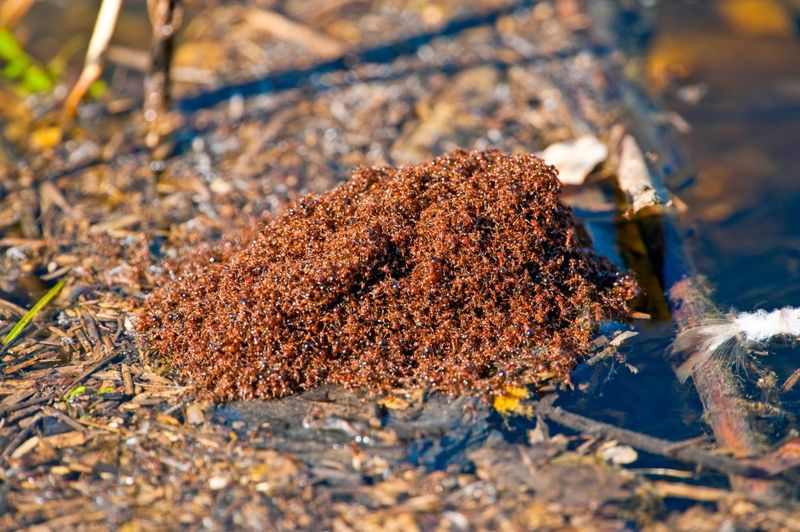
Wet soil is practically an open invitation for fire ants looking to settle down. Colonies need moisture to survive underground, and consistently damp ground gives them exactly what they want.
Areas near leaky hoses, downspouts, or low spots that collect water after rain are especially vulnerable.
Overwatering your lawn creates more risk than most homeowners realize. When water pools regularly in the same spots, the soil stays soft and easy to tunnel through.
Fire ants can build tunnels faster in loose, moist earth than in dry, compacted ground.
Fixing drainage problems can reduce the appeal of your yard significantly. Regrading low areas, repairing dripping irrigation lines, and avoiding deep watering sessions all help.
Even small puddles that form after a light rain can attract scouts looking for a good nesting site.
Raised garden beds with poor drainage are another common trouble spot. Water sitting around plant roots keeps the surrounding soil wet for extended periods.
Checking soil moisture levels regularly and adjusting your watering schedule can help reduce these problem zones over time.
Keeping your lawn at a consistent moisture level, rather than soaking it deeply and infrequently, tends to reduce the attractiveness of the soil.
2. Open Sunny Areas Warm The Ground Faster

Sunlight does more than warm your skin on a summer afternoon. Ground temperature plays a major role in where fire ant colonies choose to build.
Open, unshaded areas heat up faster and hold warmth longer, making them prime spots for mound construction.
Fire ants are cold-blooded, so warmer soil speeds up their development and egg production. A sunny patch of lawn can be several degrees warmer than a shaded section just a few feet away.
Colonies instinctively move toward areas where soil temperatures support faster growth.
South-facing slopes and wide-open lawn sections without tree canopy are particularly attractive during spring and fall. During cooler months, ants shift their mounds toward the sunniest spots to keep their brood warm.
Mounds in full sun tend to be larger and more active than those in shaded areas.
Adding shade through trees, shrubs, or shade structures can slightly reduce surface soil temperatures over time. Planting dense ground cover in open areas also helps moderate soil temperature.
Your Georgia Garden Changes Every Week. Your Plan Should Too.
Gardening in Georgia changes quickly throughout the season. Every Friday you’ll receive a simple weekly plan showing exactly what to plant, prune, fertilize, harvest, and protect so you never miss the right timing.
Neither approach offers a quick fix, but both can make a yard less appealing to colonies searching for warm nesting ground.
Monitoring open areas of your lawn after warm spring rains is smart practice. Scouts often appear first in the sunniest spots.
3. Thin Lawns Leave Bare Soil Exposed

A thick, healthy lawn acts like armor against pest pressure. Bare patches and thin turf leave soil exposed and easy to access, which fire ant scouts find appealing when searching for nesting spots.
Sparse grass coverage is one of the most overlooked risk factors in residential yards.
Compacted soil under thin grass is particularly vulnerable. When turf struggles to fill in, the ground beneath stays loose and relatively undisturbed.
That combination of easy access and soft earth makes those areas attractive targets for new colonies.
Lawn stress from drought, shade, disease, or heavy foot traffic can create bare patches even in yards that looked healthy the season before.
Once grass thins out, bare soil becomes exposed to sun and rain, which speeds up the warming and softening process ants prefer.
Overseeding thin areas in fall and aerating compacted soil in spring can help restore turf density. Choosing grass varieties suited to your specific yard conditions matters too.
A lawn that fills in well and stays consistently green gives fire ants far fewer entry points.
Fertilizing appropriately and addressing drainage issues before reseeding improves success rates. Healthy grass grown under the right conditions is more resilient and fills gaps faster.
4. Freshly Disturbed Soil Attracts New Colonies
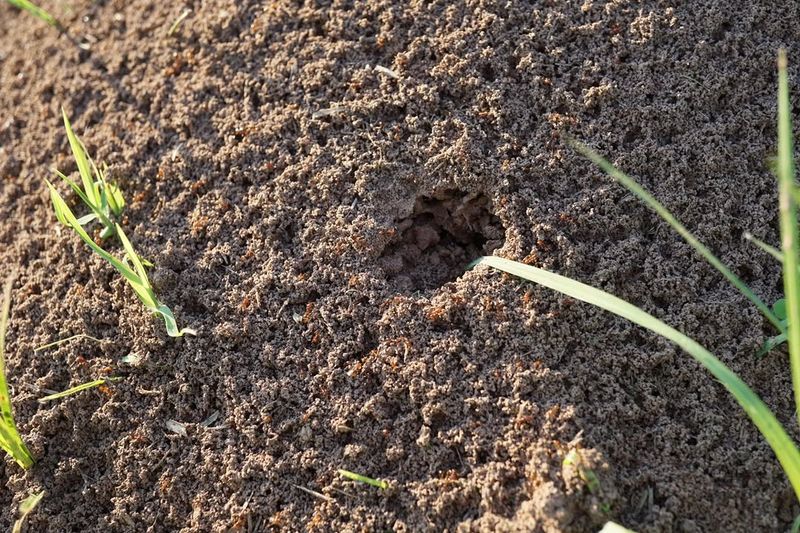
Grab a shovel and break ground anywhere in your yard, and you may have a new ant problem within days. Freshly disturbed soil is loose, aerated, and easy to tunnel through.
Fire ant scouts detect these changes quickly and often move in before the area is even replanted.
Construction projects, garden bed preparation, and even mole damage can trigger this response. Any activity that breaks up compacted soil creates ideal conditions for new colony establishment.
Scouts travel constantly and can detect soil disturbance from a surprising distance.
Landscaping projects are a frequent culprit. Installing new sod, planting shrubs, or regrading sections of the yard all expose fresh earth.
Leaving disturbed areas unplanted or uncovered for extended periods increases the window of vulnerability significantly.
Covering freshly worked soil quickly with sod, mulch, or ground cover plants reduces exposure time. Getting plants established in newly prepared beds as soon as possible limits how long the area stays attractive to scouts.
Speed matters after any major digging or earthmoving work.
Monitoring disturbed zones closely for the first few weeks after any project is a practical habit. Catching a new mound early, before the colony fully establishes, gives you more options for managing it.
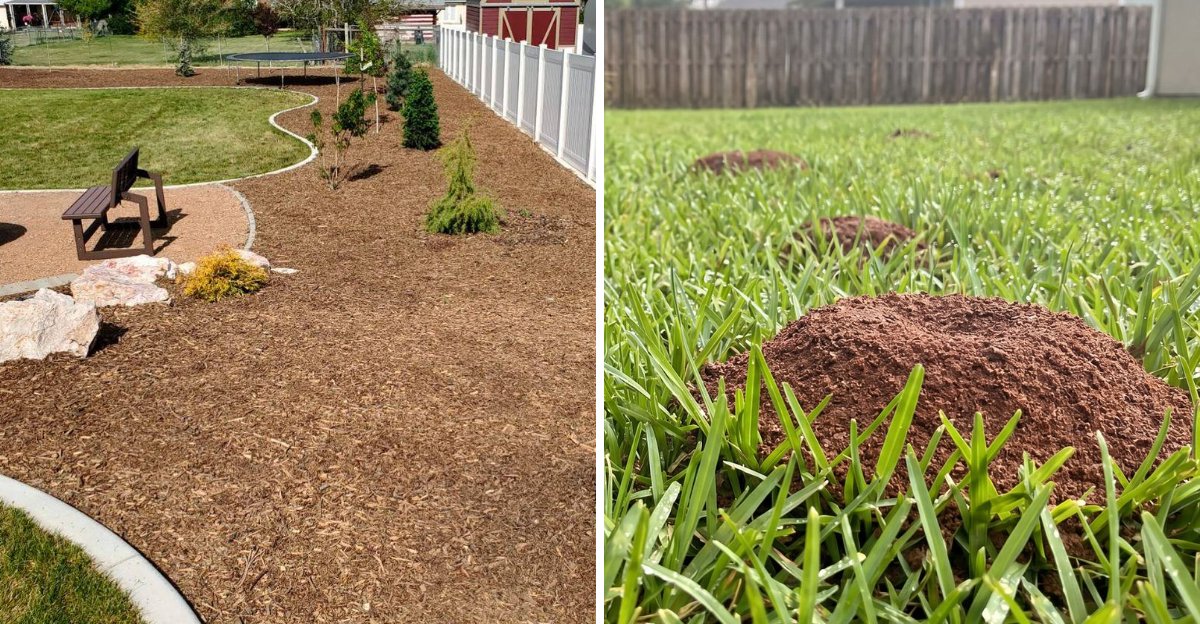
5. Thick Mulch Gives Ants Places To Nest

Mulch is great for plants but can create hidden problems beneath the surface. A layer that is too thick stays moist, insulates the ground below, and provides exactly the kind of protected environment fire ants look for.
Beds with four or more inches of mulch are especially prone to harboring colonies.
Wood chip mulch holds moisture longer than pine straw or shredded bark in most conditions. That retained moisture, combined with the warmth trapped underneath, mimics the soil conditions ants seek out naturally.
Colonies tucked under thick mulch can go unnoticed for weeks before a visible mound appears.
Keeping mulch layers at a depth of two to three inches is a practical starting point. Pulling mulch back from the base of plants and structures also reduces hidden nesting spots.
Raking and turning mulch beds regularly disrupts any early colony activity before it takes hold.
Using pine straw instead of wood chips in certain areas may reduce moisture retention, though results vary depending on rainfall and bed design. Neither material is completely ant-proof, but thinner applications of any mulch type reduce the protected, humid environment ants prefer.
Checking mulch beds along fence lines and foundation edges is worth doing after heavy rain.
6. Food Left Outdoors Brings Ants Closer

Backyard cookouts are a summer staple, but the crumbs left behind can start an ant problem fast. Fire ants are opportunistic foragers that respond quickly to food sources left within range of their scouts.
Even small amounts of grease, sugar, or protein residue on a patio can draw them in.
Pet food left outside is one of the most consistent attractants. Bowls left out overnight or through the day give scouts a reliable food source close to a potential nesting site.
Once foragers find a steady supply, they lay chemical trails that bring more workers back repeatedly.
Fallen fruit from backyard trees is another overlooked issue. Rotting fruit sits on the ground, ferments, and releases strong odors that attract all kinds of insects, including fire ants.
Cleaning up fallen produce regularly makes a noticeable difference in scout activity around those areas.
Grills with grease buildup, trash cans without tight-fitting lids, and compost piles placed too close to the house all contribute to the problem. Addressing each of those sources individually reduces the overall food signal your yard sends to foraging ants.
Rinsing outdoor food containers before tossing them, wiping down grill grates after use, and moving compost bins away from high-traffic areas are practical habits.
7. Overgrown Areas Make Colonies Harder To Notice
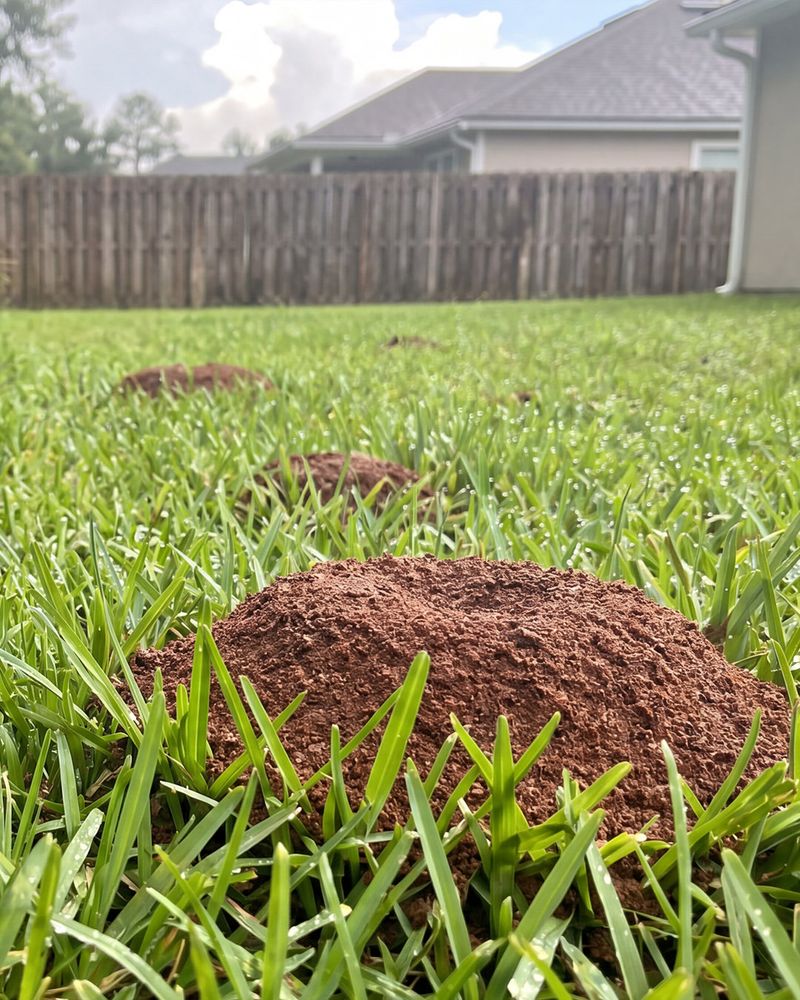
Tall weeds and dense brush do not just look untidy. Overgrown sections of a yard create shaded, undisturbed ground that fire ants can exploit without much interference.
Colonies tucked into neglected corners often go undetected until the mound is quite large.
Leaf litter piles up quickly in areas that do not get regular attention. Decomposing leaves hold moisture, moderate soil temperature, and provide a soft layer over the ground that makes nesting easier.
That combination is hard for scouts to resist when they are searching for a new home base.
Overgrown fence lines, neglected garden corners, and areas under dense shrubs are common problem spots across the Southeast.
Less foot traffic means less disturbance, and less disturbance means colonies can develop undisturbed for longer periods.
Size and activity level both increase the longer a colony goes unnoticed.
Mowing consistently and trimming back overgrown vegetation reduces the hidden areas available for nesting. Raking out leaf litter from corners and along fence bases exposes the ground and removes the insulating layer ants rely on.
Even light, regular maintenance in neglected spots can shift conditions significantly.
Checking overgrown sections of your yard at least once a month is a reasonable habit during warmer months. Prodding the ground with a stick in dense areas can reveal hidden mounds before they reach full size.