Why Coastal Washington Homeowners Deal With Different July Yard Problems Than Those Inland
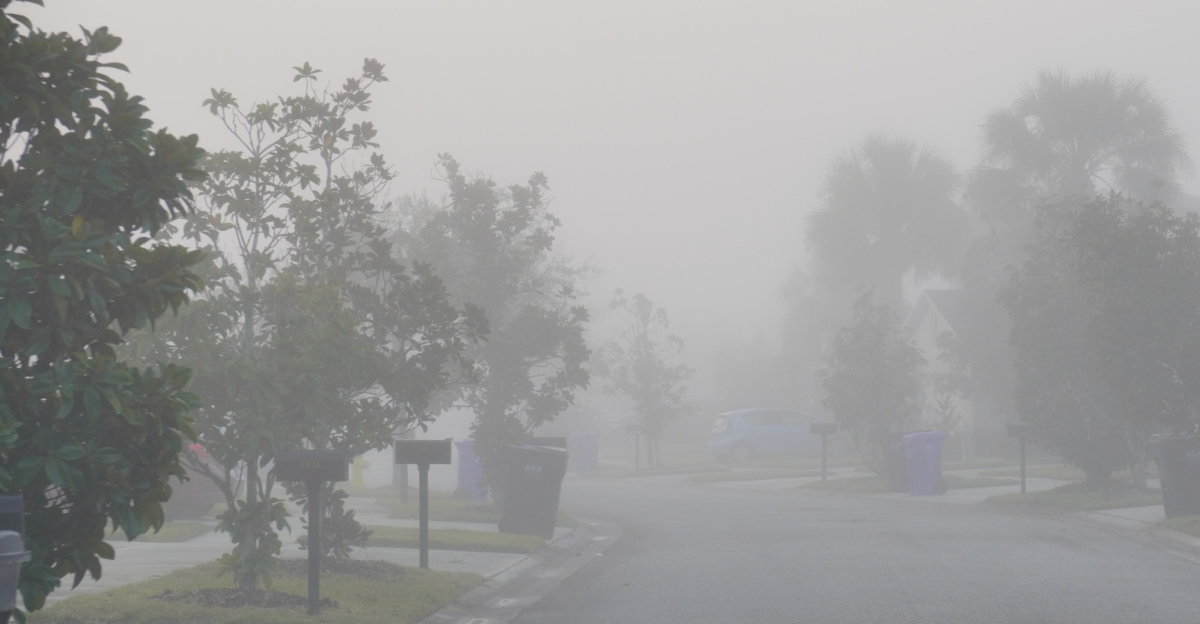
July in coastal Washington plays a different game than the rest of the state. One week the fog rolls in thick enough to dampen your fence posts.
The next, salty wind strips the shine off every leaf in sight. Your neighbor two miles inland waters twice a week and calls it done.
You water twice a week too. Your hydrangeas still droop anyway. That’s the trick of living near this stretch of coastline. The ocean doesn’t just sit there looking pretty.
It reaches into your soil, your air, and your plant roots. It rewrites the rules as it goes. Sand shifts under raised beds. Salt spray leaves tips discolored overnight.
Humidity breeds mildew before you’ve even noticed the clouds building. Washington gardeners further east never face this combination.
That’s exactly why coastal yards demand their own playbook. If your July garden feels like it’s fighting you, the shoreline itself is holding the cards.
1. Salty Winds Dry Out Coastal Plants Fast
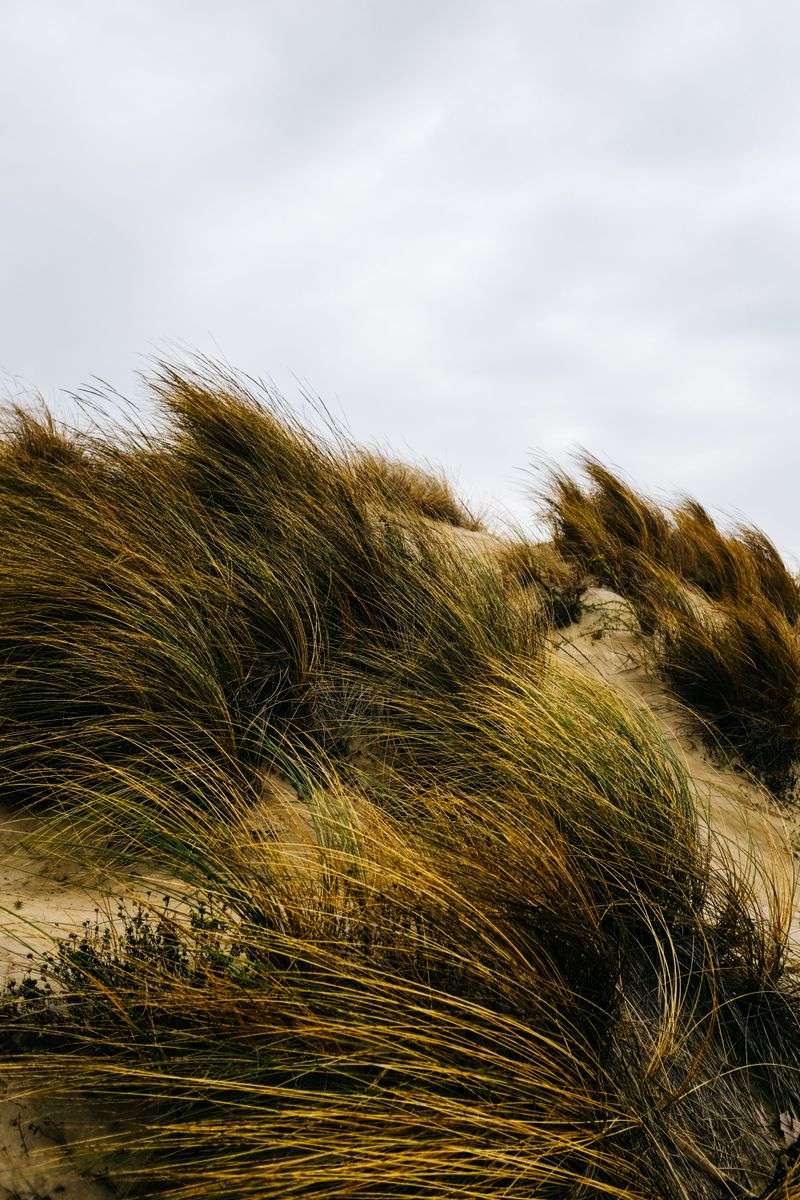
Salt in the air puts slow, cumulative stress on your garden. Coastal Washington homeowners deal with different July yard problems partly because of this invisible threat blowing in from the Pacific.
When salty ocean breezes hit plant leaves, they pull moisture right out of the tissue. The leaves turn brown at the edges, curl inward, and look scorched even without direct sun damage.
Many homeowners assume their plants are thirsty and water more. That extra watering rarely fixes the problem because salt damage is chemical, not just physical dryness.
Smart coastal gardeners choose salt-tolerant plants like shore pine, beach strawberry, or rugosa roses. These species have waxy or thick leaves that resist salt absorption better than tender garden varieties.
Rinsing plants with fresh water after heavy wind events also helps flush salt residue off leaves. A simple garden hose spray-down takes five minutes and can save a shrub from weeks of stress recovery.
Windbreaks made from dense shrubs or wooden fencing reduce how much salt air reaches your most vulnerable plantings.
Placing sensitive plants on the sheltered side of your property makes a real difference in how well they hold up through July.
Think of salt wind like sunburn on pale skin. The damage builds up slowly, looks worse over time, and prevention is far easier than treatment once it sets in.
2. Fog Keeps Coastal Lawns Damp And Moldy
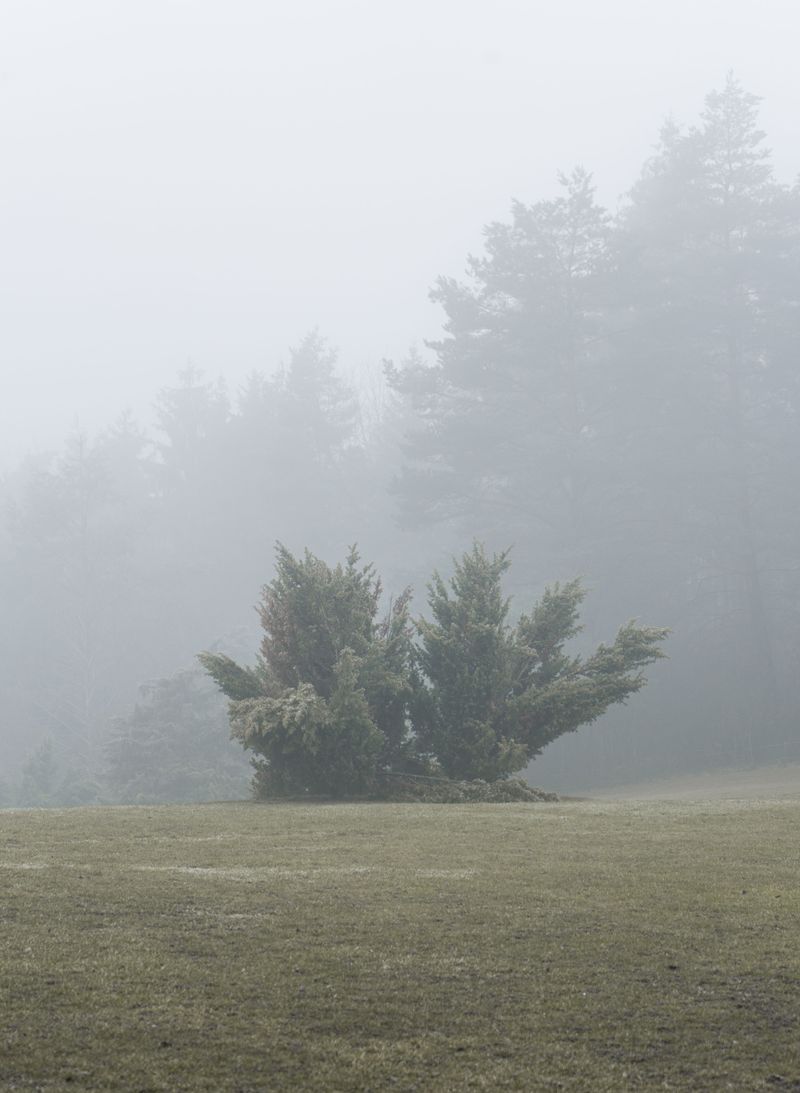
Fog rolls in off the Pacific almost every July morning along the Washington coast. That thick, wet blanket sitting on your lawn is a mold factory waiting to happen.
Unlike inland yards that dry out quickly after morning dew, coastal grass stays damp for hours. That extended moisture is exactly what fungal diseases need to spread fast.
Gray leaf spot, dollar spot, and powdery mildew all thrive in these soggy conditions. You might notice circular brown patches, white dusty coatings, or slimy gray growth appearing across your turf.
Mowing your lawn during the driest part of the afternoon helps reduce fungal spread. Wet grass blades carry spores on the mower deck and transfer them to healthy areas with every pass.
Your Washington Garden Changes Every Week. Your Plan Should Too.
Gardening in Washington changes quickly throughout the season. Every Friday you’ll receive a simple weekly plan showing exactly what to plant, prune, fertilize, harvest, and protect so you never miss the right timing.
Improving air circulation by trimming surrounding shrubs and trees lets fog burn off faster. Even removing a few low branches can speed up how quickly your yard dries each morning.
Staying proactive in July keeps a minor issue from turning into a serious lawn problem. Aeration in early summer also helps by reducing thatch buildup where fungal spores love to hide.
A well-aerated lawn drains better and dries faster, cutting down mold’s favorite hangout spot.
Foggy mornings are beautiful to look at, but your lawn is quietly struggling underneath that mist. Staying proactive in July keeps that stress from turning into a full-blown lawn crisis.
3. Sandy Soil Drains Nutrients Quickly Near Shore
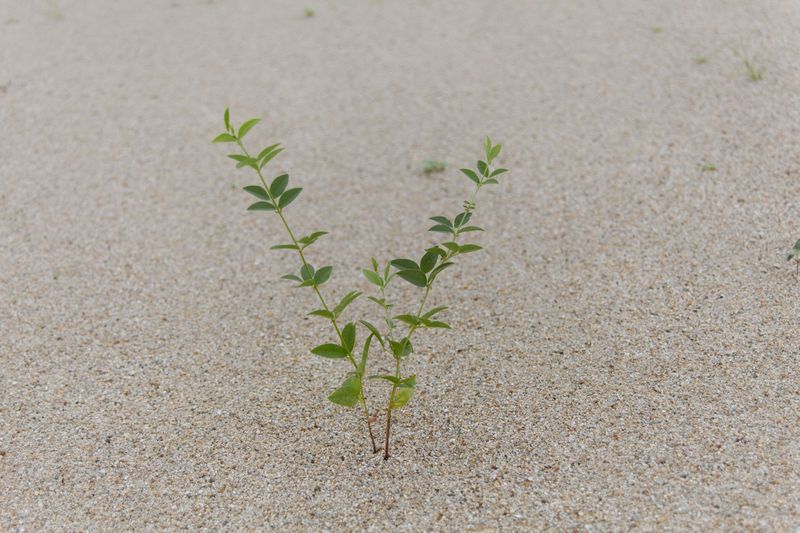
Sandy soil near the Washington shore looks harmless, but it is essentially a nutrient escape hatch. Water moves through it so fast that fertilizer barely has time to reach plant roots before washing away.
Inland gardeners often deal with clay-heavy soil that holds nutrients too tightly. Coastal homeowners face the opposite extreme, where sandy ground releases everything before plants can absorb it.
Nitrogen, potassium, and magnesium are especially prone to leaching in sandy coastal soil. Without these key nutrients, plants turn yellow, grow slowly, and struggle to recover from summer stress.
Slow-release fertilizers are a coastal gardener’s best friend in July. They break down gradually, giving sandy soil time to hold onto nutrients long enough for roots to actually use them.
Adding organic compost to sandy beds improves water and nutrient retention significantly. Mixing two to three inches of compost into the top layer of soil can transform how your plants perform all summer.
Mulching around plants also slows nutrient loss by reducing how fast water moves through the root zone. A thick layer of wood chip mulch keeps moisture and minerals closer to where plants need them most.
Testing your soil every year tells you exactly what is missing and prevents guesswork. Many coastal homeowners over-fertilize without knowing it, which wastes money and can actually harm the local marine environment.
Healthy coastal soil takes effort, but it pays off every single season you invest in building it up.
4. Cooler Temps Delay Coastal Bloom Cycles
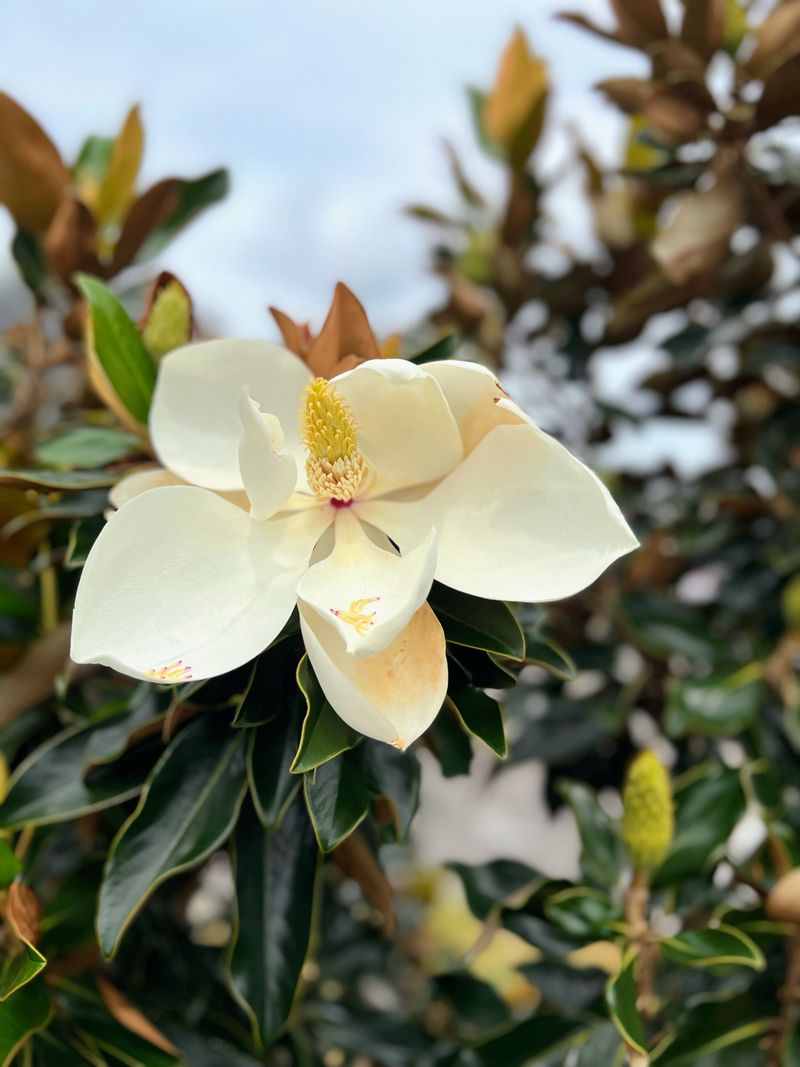
July inland means full bloom, buzzing bees, and ripe tomatoes. On the Washington coast, July often still feels like late spring, with flowers barely opening and vegetables running weeks behind schedule.
Ocean currents keep coastal temperatures noticeably cooler than areas further inland. That temperature gap slows plant metabolism, delays flowering, and pushes harvest dates back by weeks or even months.
Tomatoes, peppers, and corn are the biggest victims of this coastal chill. These warm-season crops need consistent heat to set fruit, and the coast simply does not deliver enough of it in July.
Choosing short-season crop varieties helps coastal gardeners work within the limits of their climate. Varieties labeled 60 days or fewer to maturity have a much better chance of producing before summer ends.
Wall-O-Waters, black plastic mulch, and cold frames trap heat around individual plants. These simple tools can meaningfully raise soil temperature, giving warm-season crops the boost they need.
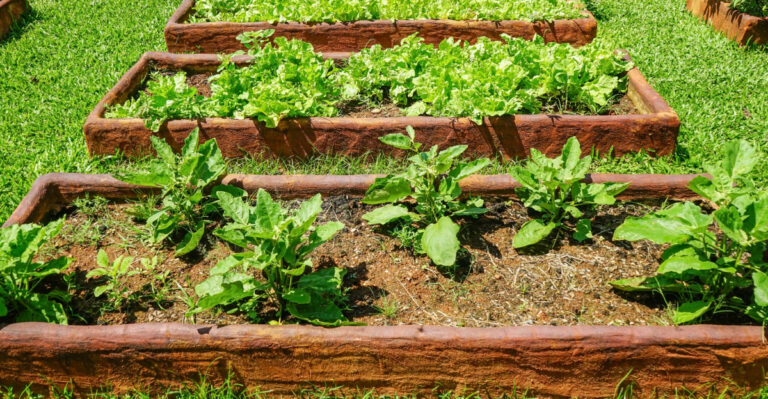
Planting in raised beds also helps because elevated soil warms faster than ground-level plots. Even a 12-inch raised bed can make a noticeable difference in how quickly your garden catches up to its inland counterparts.
Perennial flowers like hardy geraniums and sea thrift actually love the cool coastal summer. Lavender can work too, but only with sharp drainage and good airflow to fight off mildew in foggy conditions.
Leaning into plants that thrive in this climate reduces frustration and creates a garden that feels effortless rather than exhausting.
Working with your coastal climate, not against it, is the smartest July gardening strategy you can adopt.
5. Strong Gusts Snap Young Coastal Branches
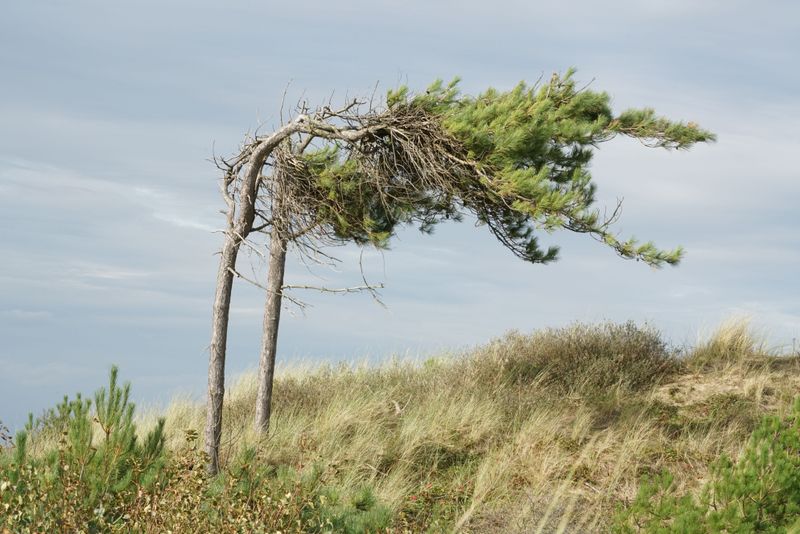
Wind on the Washington coast moves through your yard without warning. July gusts can reach strong speeds, snapping young branches without warning.
Newly planted trees and shrubs are especially vulnerable because their root systems have not yet anchored deeply into the soil. A single strong gust can topple a young tree that took three years to grow.
Staking young trees properly is one of the most important steps a coastal homeowner can take. Use two stakes placed on opposite sides of the trunk and attach them loosely with flexible ties that allow some natural movement.
That slight movement actually strengthens the trunk over time by encouraging thicker growth at the base. Rigid staking does the opposite, creating a weak trunk that snaps the moment the stakes come out.
Pruning for wind resistance is another smart coastal strategy. Thinning out dense canopies lets wind pass through branches rather than catching them like a sail and pulling the whole tree sideways.
Selecting wind-hardy species from the start saves enormous headaches later. Shore pine and Sitka spruce are native to the Washington coast and evolved to handle serious wind loads.
Pacific wax myrtle also holds up well, though it’s more at home along the Oregon coast just to the south.
Ornamental grasses and low-growing groundcovers also hold up better than tall, brittle perennials in exposed coastal yards.
They flex in the wind rather than snapping, recovering quickly after even the strongest July blows. A yard built for the coast weathers every gust with quiet confidence.
6. Humid Air Invites Slugs And Mildew
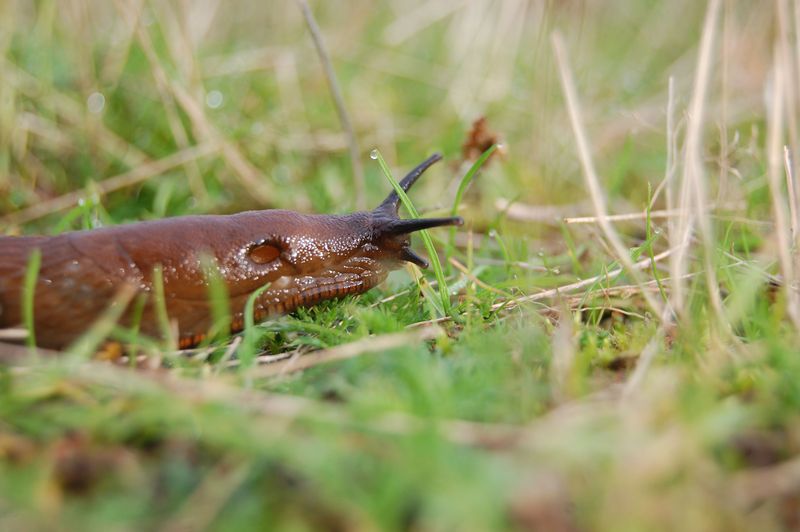
Slugs are the uninvited guests of every coastal garden, and July humidity is their personal invitation. The damp air and wet soil near the Washington shore create perfect slug habitat from the moment temperatures drop each evening.
A single slug can chew through a seedling overnight, leaving behind nothing but a ragged stem and a silvery slime trail. Hostas, lettuce, basil, and young flower starts are their absolute favorite targets.
Iron phosphate slug bait is one of the safest and most effective controls available. It is safe around pets and wildlife, breaks down into soil nutrients, and works within a few days of application.
Copper tape around raised beds and containers creates a mild electrical barrier that slugs refuse to cross. It sounds like a garden myth, but it genuinely works and lasts an entire season without reapplication.
Powdery mildew thrives in the same humid conditions that attract slugs. This fungal disease coats leaves with a white powdery film, reducing photosynthesis and weakening plants heading into fall.
Baking soda spray mixed with a small amount of dish soap disrupts the pH on leaf surfaces where mildew grows. Spraying affected plants every week in July keeps infections from spreading to healthy neighboring foliage.
Increasing plant spacing improves airflow and reduces the trapped humidity that mildew loves.
Even moving pots a few inches apart can change how quickly leaves dry after a foggy coastal morning. Fighting slugs and mildew is a coastal ritual, but the right tools make it very manageable.
7. Erosion Weakens Coastal Root Systems
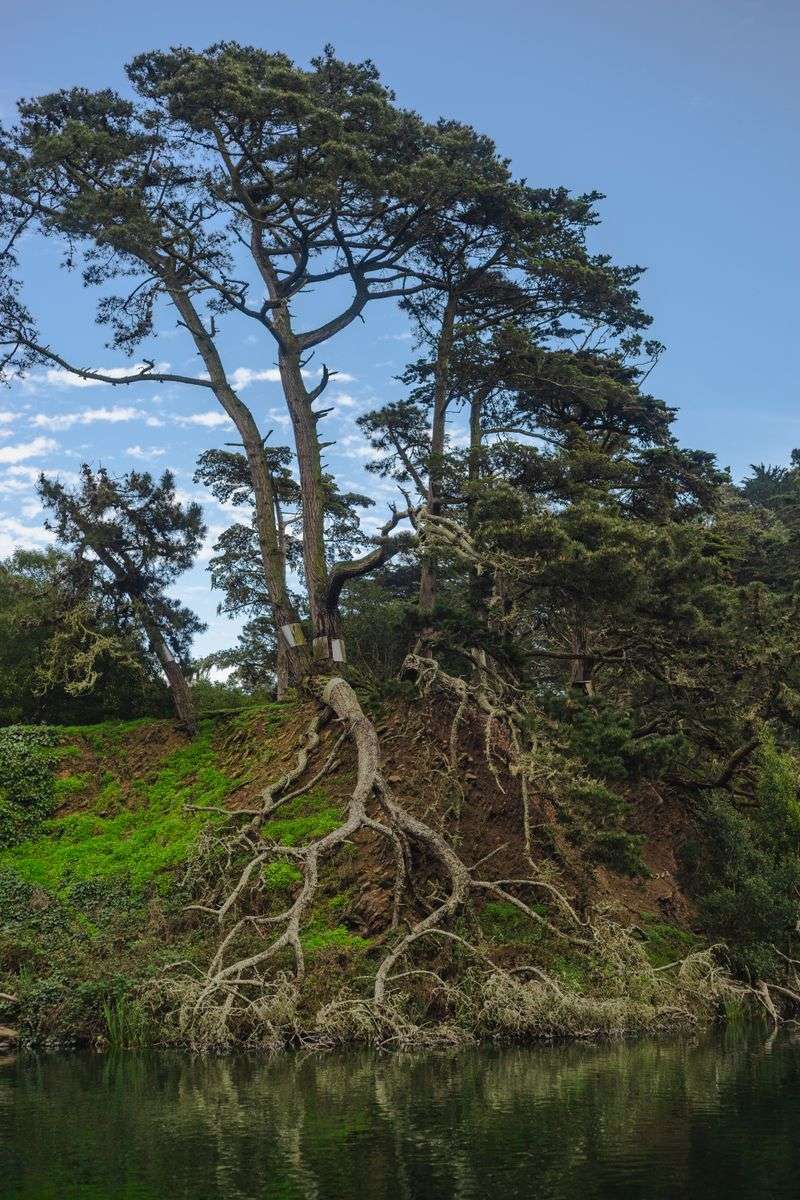
Soil does not stay still near the Washington coast. Wind, rain runoff, and wave action work together to slowly pull ground away from beneath your plants’ feet every single month.
When soil erodes around a root system, roots become exposed to air, sun, and salt spray. Exposed roots dry out quickly and lose their ability to anchor the plant or absorb water effectively.
Trees growing near bluff edges are especially at risk because erosion undercuts their foundation over years. A tree that looks healthy today can lean dramatically within a single rainy season once enough soil disappears beneath it.
Planting deep-rooted native groundcovers is one of the most powerful erosion-fighting tools available to coastal homeowners. Species like kinnikinnick, native sedges, and beach strawberry send roots several feet deep, binding soil together effectively.
Retaining walls and rock borders slow water runoff that carries topsoil away during heavy rain events. Even a low stone border around a garden bed can redirect water flow and protect the soil underneath your plants.
Bioengineering techniques like live stakes and brush layering use live plant material to stabilize slopes. These methods are common in coastal restoration projects and work just as well in residential yards along the Washington shore.
Mulching heavily around exposed roots protects them from temperature swings and moisture loss.
A four-inch layer of arborist chips around tree bases acts like a protective blanket for the root zone all summer long. Protecting your soil means protecting every plant rooted in it for years to come.
8. Shifting Dunes Bury Low Coastal Plantings
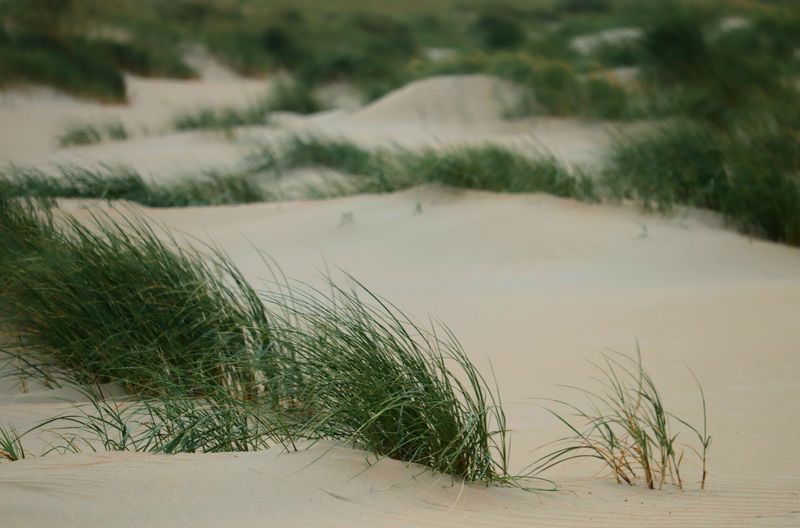
Sand moves constantly near the Washington shoreline, and it does not care about your carefully planted garden.
A single windy July week can bury low-growing plants under several inches of shifting dune material.
Coastal Washington homeowners deal with different July yard problems than inland neighbors, and dune migration is one of the most dramatic examples.
Inland gardeners never lose an entire flower bed to sand burial overnight. Plants buried too deeply are smothered because their stems and leaves cannot reach sunlight.
Even partial burial stresses plants by blocking airflow and trapping moisture against stems, inviting rot and fungal disease.
Beach grass like American dune grass is actually designed to grow upward through sand burial. Planting it as a sacrificial windbreak between your yard and active dunes slows sand movement before it reaches your garden.
Solid fencing placed perpendicular to prevailing winds forces blowing sand to drop before reaching planted areas.
This is the same principle used in commercial dune stabilization projects along Pacific coastal highways.
Raised beds with tall walls give low-growing plants a physical barrier against sand accumulation.
A 12-inch or taller raised bed edge keeps drifting sand from sliding directly onto plant crowns and root zones. Checking your yard after every significant wind event lets you catch burial problems early.
Gently brushing sand away from buried stems within 24 hours gives most plants a good chance of full recovery. Sand is part of coastal life, but it does not have to take over your backyard.