8 Animals Virginians Might Spot in Their Yard on a November Night
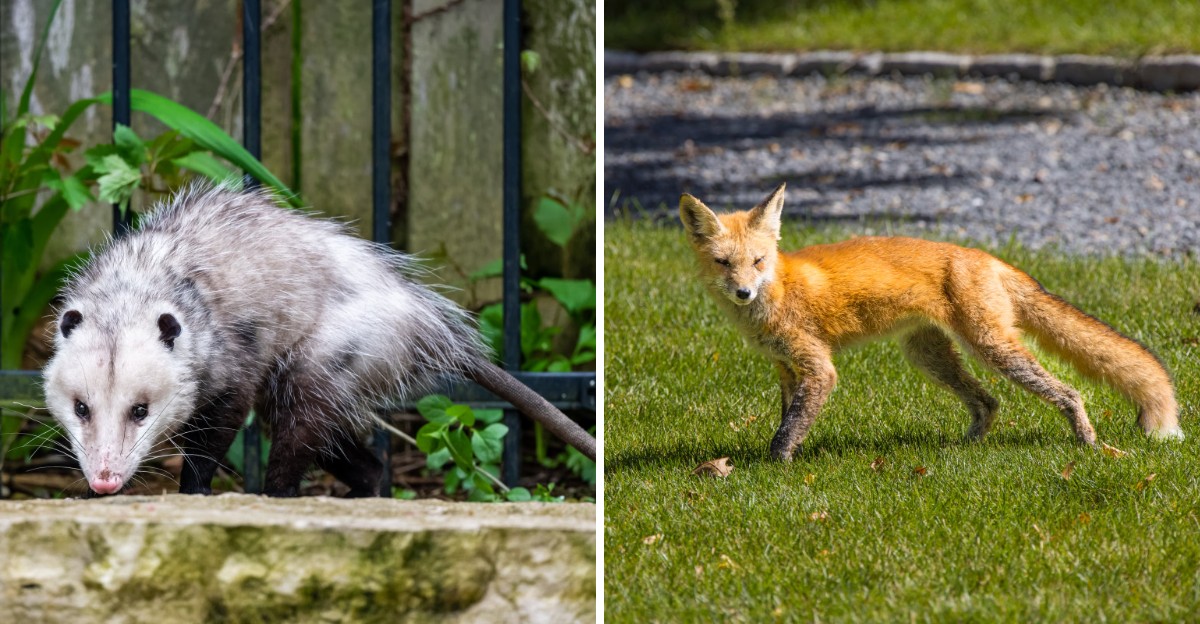
North America’s only native marsupial carries the Virginia name and probably wanders past your compost after dark. It is far from the only visitor, because cool November nights keep plenty of wild neighbors hungry and busy.
Many backyard animals spend late fall packing on fat or stashing food before the coldest weeks arrive. Some even start courting now, which explains those strange hoots and rustles drifting across dark lawns late at night.
What I find fascinating is how many of these creatures live right beside us without ever being noticed. Your woodpile and garden shed probably host more nighttime traffic than the busy street out front does.
A quiet flashlight walk around a Virginia yard can turn up glowing eyes in surprising places. So who exactly is prowling past your sleeping garden beds once the sun slips behind the bare trees?
1. Masked Raccoons Prowling Around Trash Cans
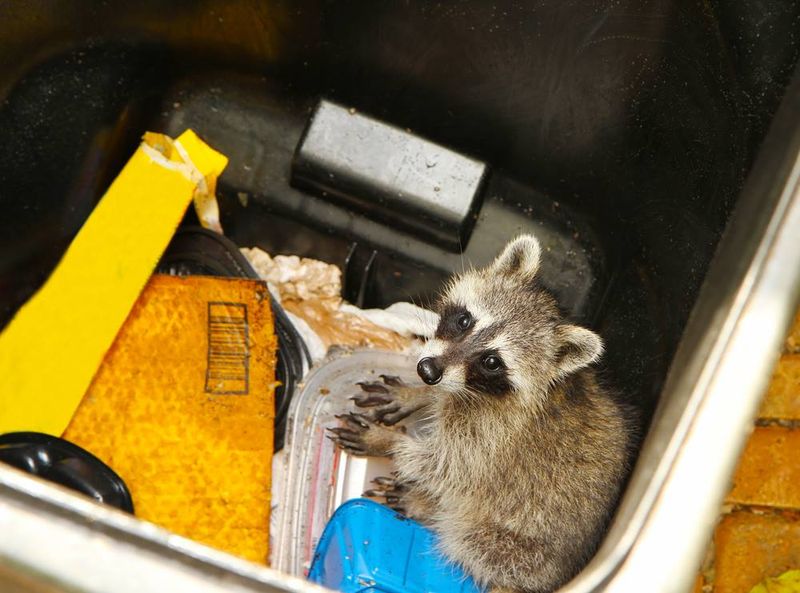
Few sounds startle me like a metal lid clattering at midnight, followed by the shuffle of tiny masked bandits. Raccoons are common across the state, and November finds them eating heavily to build fat for winter.
Their front paws work almost like human hands, with sensitive fingers that can open latches and pry up loose lids. I find it fascinating that they often feel food more carefully than they look at it.
Raccoons do not truly hibernate, though they may sleep for days in a cozy den during bitter cold snaps. November nights before the deep cold arrives are prime time for spotting them near gardens and porches.
Fallen apples and pet food bowls left outside act like a loud dinner bell for these hungry visitors. Bring pet dishes indoors at dusk, and pick up windfall fruit before the sun goes down each evening.
Trash cans need tight lids, and a bungee cord across the top can stop most curious paws. Compost bins work best with a closed design, especially if you add any cooked food scraps to them.
Raccoons can carry rabies and roundworm, so admire them from a distance and keep pets vaccinated year-round. A raccoon wandering in daylight is not automatically sick, but strange stumbling behavior deserves a call to animal control.
The way I see it, a raccoon in the yard is mostly a reminder to tidy up snacks. Remove the free buffet, and these clever neighbors usually move along to easier pickings down the street.
2. Virginia Opossums Shuffling Through Garden Beds
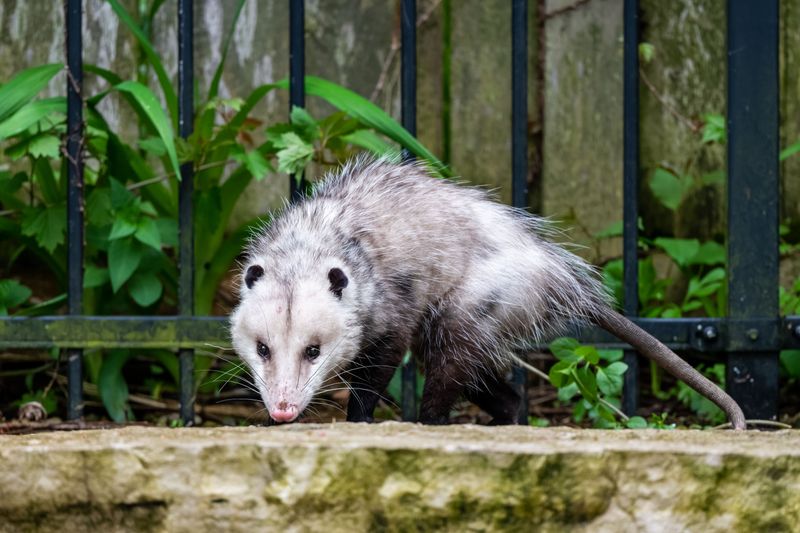
With fifty teeth packed into one grinning mouth, the opossum beats every other North American land mammal. Spotting one under the porch light feels a bit like meeting a tiny, slightly grumpy prehistoric visitor.
It is our only native marsupial, which means mothers carry their tiny young inside a furry pouch. Babies later ride on their mother’s back, though you will rarely see that scene in late fall.
Opossums do not hibernate, so they keep foraging through November and shelter in brush piles or under decks. Their thin ears and bare tails can suffer frostbite during harsh cold, so they lie low on bitter nights.
I’m a big fan of opossums as garden helpers because they happily munch slugs and snails crawling across the beds. They also eat ticks they find while grooming, although newer research suggests the numbers are smaller than once claimed.
When badly frightened, an opossum may flop over and play possum, lying limp with its mouth open. Give it space and quiet, and it will usually get up and stroll away on its own.
Their low body temperature makes rabies quite rare in opossums, which surprises many nervous homeowners who spot them. Still, avoid handling one, and keep pet food indoors so it does not settle in for the season.
Blocking gaps under sheds and decks with sturdy wire mesh keeps them from moving in beneath your house. Otherwise, let this odd little Virginia original wander through, eating pests while you sleep soundly inside.
3. Striped Skunks Digging For Grubs In The Lawn
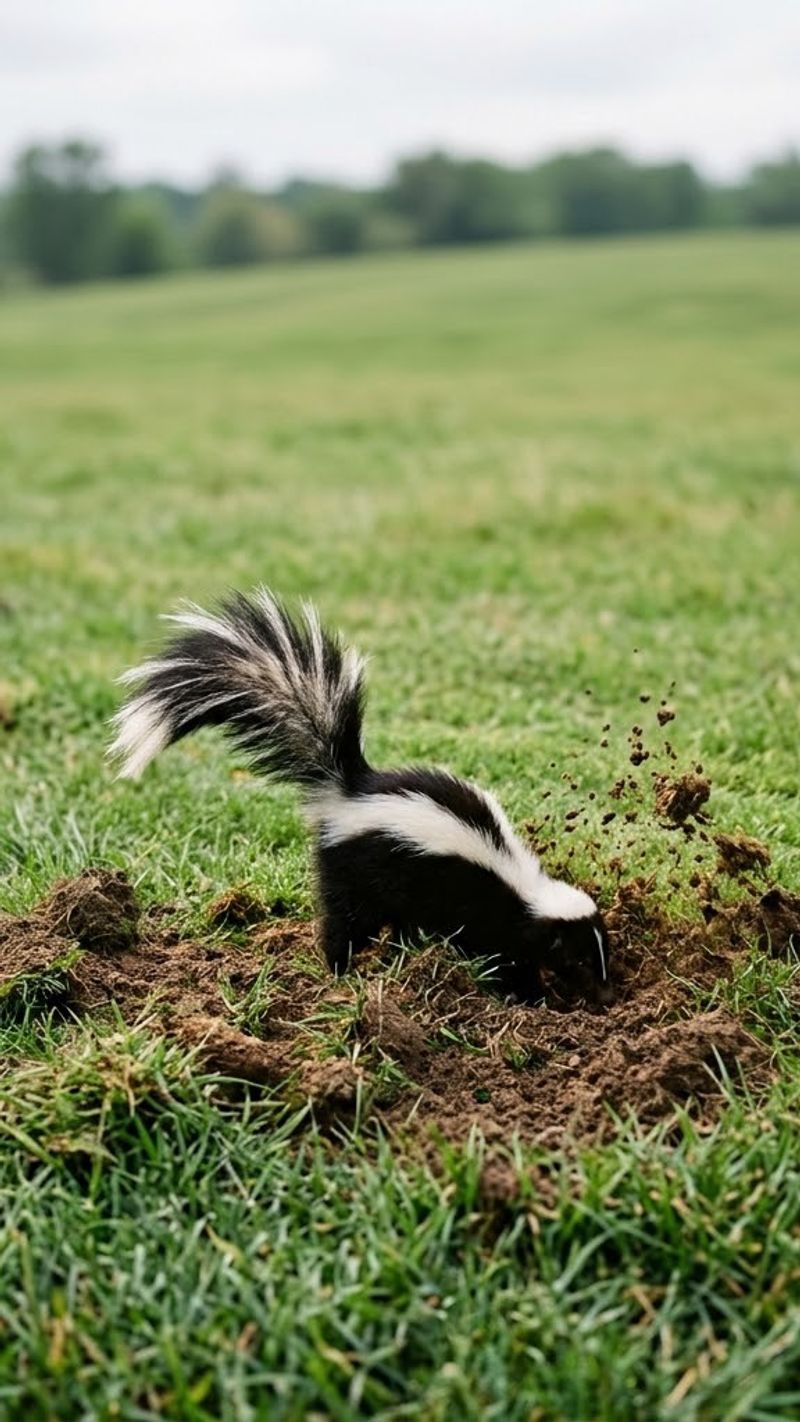
Small cone-shaped holes scattered across the lawn one morning usually mean a skunk went grub hunting overnight. Striped skunks are widespread here, and their bold black and white coats make them easy to recognize.
Those flashy stripes work as a warning sign, telling predators that this little animal carries serious chemical defense. Before spraying, a skunk often stamps its front feet and raises its tail as a polite final warning.
Skunks stay active through November, though they slow down and spend more time sleeping when temperatures drop sharply. Several may share one den under a shed or woodpile, huddling together to save warmth through winter.
Here’s something worth knowing about those lawn holes, since skunks are actually doing gardeners a sneaky favor. They gobble beetle grubs that chew grass roots, so the digging often points to a bigger pest problem.
If a skunk startles you, back away slowly and speak softly instead of running or shouting at it. Their eyesight is fairly poor, so a calm retreat usually ends the encounter without any smelly drama.
Spray aimed at the face can sting the eyes and cause brief blindness, so keep dogs leashed at night. A homemade mix of hydrogen peroxide with baking soda works far better than the old tomato juice trick.
To discourage a skunk from denning nearby, seal openings under porches after making sure nobody is home inside. I wouldn’t necessarily call them cuddly, but I can see why many gardeners quietly appreciate their grub patrol.
4. Red Foxes Trotting Across Suburban Lawns
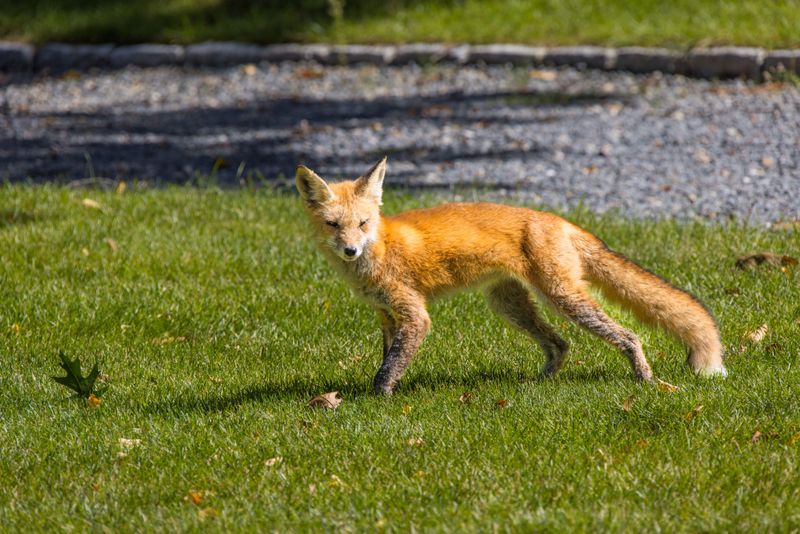
A flash of rusty orange crossing the driveway at midnight is one of my favorite late fall surprises. Red foxes have adapted well to suburbs, and many become more nocturnal there to avoid busy people.
Look for a bushy tail with a white tip, which helps separate red foxes from gray foxes. Their legs often look like they are wearing dark stockings, a detail that stands out in headlights.
In November, foxes keep hunting mice and voles, often pausing to listen before pouncing into tall grass. That high arching leap is famous, and watching one land nose-first in the leaves is pure entertainment.
Late fall and early winter also bring eerie screams after dark, because foxes start calling as mating season nears. You might be surprised by how much that shrill sound resembles a person yelling somewhere down the road.
Foxes rarely bother people, yet small pets and backyard chickens can tempt a hungry fox into trouble. Lock your hens in a sturdy coop each evening, and supervise cats or tiny dogs after sunset.
Rodent control is where foxes really shine, since a single fox can eat a surprising number of mice. Gardeners battling voles in their bulb beds might find that a resident fox quietly helps with the problem.
Avoid feeding foxes on purpose, because handouts teach them to lose their healthy fear of people. Enjoy the view from your window instead, and let these sleek hunters keep their wild habits intact.
5. Cottontail Rabbits Nibbling Shrubs By Moonlight
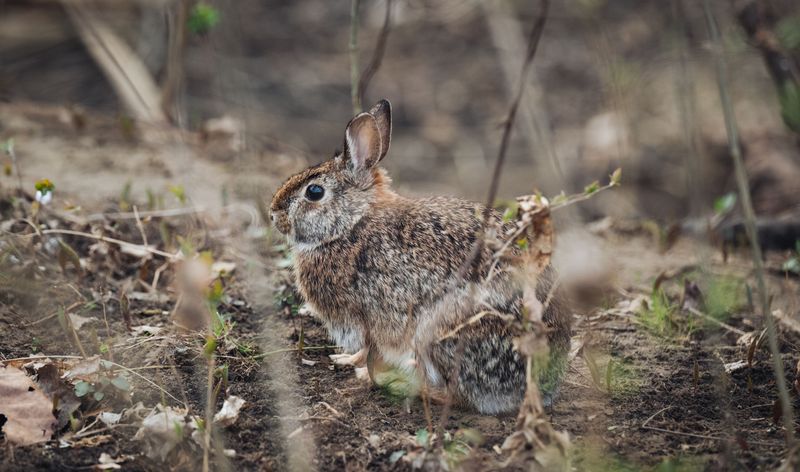
Those neatly snipped twigs on your young blueberry bushes look like someone took pruning shears to them overnight. Eastern cottontails leave that clean, angled cut, while deer tend to leave ragged, torn ends hanging behind.
Cottontails do not hibernate, so they keep feeding all winter long once tender summer greens disappear. In November their menu shifts toward buds and bark from low shrubs and young fruit trees nearby.
Cottontails are most active around dusk and dawn, but they also forage quietly through much of the night. During daylight they usually tuck into thick brush or shallow resting hollows that biologists call forms.
What I find interesting is how a frozen rabbit trusts its camouflage until you nearly step on it. Then it bursts away in a zigzag sprint, flashing that cotton tail as it heads for cover.
To protect young trees, wrap trunks with hardware cloth or plastic guards reaching about two feet high. Remember that snow can lift a rabbit higher, so add extra height where heavy drifts often pile up.
A low chicken wire fence around tender perennials also helps, especially if you bury the bottom edge slightly. Rabbits rarely jump high fences, but they will squeeze through surprisingly small gaps right near the ground.
Brush piles give cottontails safe shelter, so place them away from the plants you most want to protect. That way, you can enjoy watching these fluffy neighbors without sacrificing next spring’s favorite fruit harvest.
6. Great Horned Owls Hooting From Tall Trees
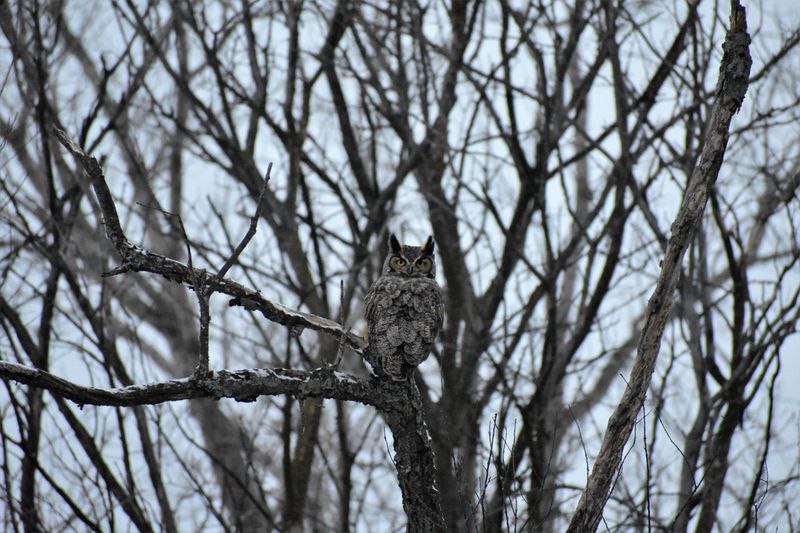
Deep, soft hoots rolling through the bare trees on a chilly evening sound almost like someone asking a question. Great horned owls often start courting in late fall, so their hooting becomes more frequent around November.
Listen closely and you may hear a pair dueting, with the male’s voice noticeably deeper than the female’s. I could be wrong, but few backyard sounds make a cold night feel quite so magical.
Those famous ear tufts are actually just feathers, not ears, and their real ears hide on the sides. Their hearing is so sharp that they can find hidden prey under leaves using sound alone.
Instead of building nests, these owls borrow old hawk or crow nests and sometimes settle into tree cavities. Females in Virginia may lay eggs as early as January, making them among the earliest nesting birds around.
Their menu is wildly varied, ranging from mice and rabbits to the occasional skunk, which few predators tackle. Owls have a poor sense of smell, so skunk spray barely bothers them during a hunt.
Small pets left outside after dark can occasionally become targets, so bring tiny dogs and cats indoors. Skip rat poison as well, since owls that eat poisoned rodents can become seriously sick themselves.
Leaving a few tall trees standing gives these hunters perches for scanning your yard after sunset. Step outside on a calm night, stay still for a few minutes, and simply listen to the darkness.
7. Southern Flying Squirrels Gliding Between Oak Trees
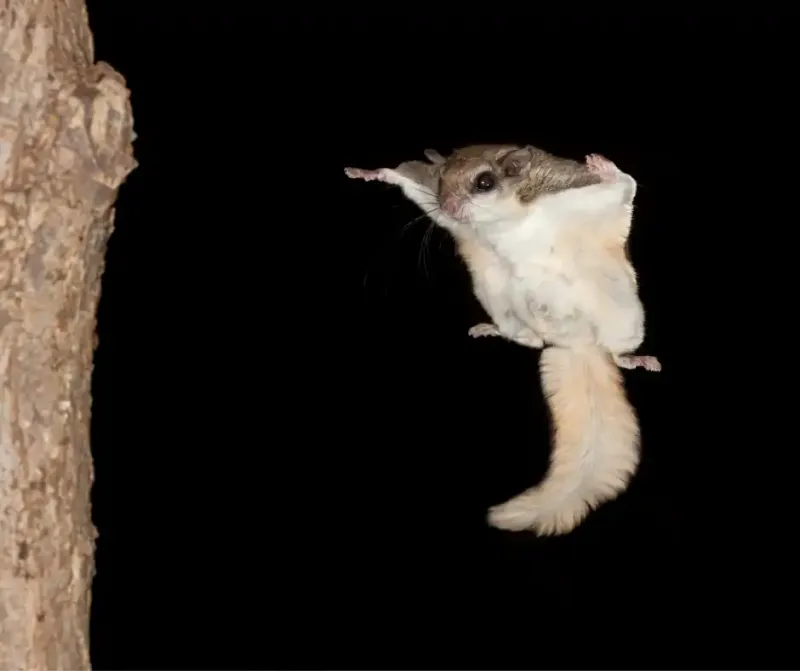
You might find it hard to believe, but a squirrel smaller than your hand may be sailing overhead. Southern flying squirrels are common in wooded suburbs, yet their strict night schedule keeps them mostly unseen.
They do not truly fly, instead gliding on a furry membrane stretched between their front and back legs. A single glide can stretch farther than a school bus, with the flat tail working like a rudder.
November keeps them busy collecting acorns and hickory nuts, which they stash in tree holes and other hiding spots. Opened hickory nuts with a smooth round hole often point to flying squirrels feeding somewhere nearby.
Instead of hibernating, several squirrels often pile together in one cavity to share body heat on frosty nights. Sadly for homeowners, a warm attic can look like a perfect cavity with cozy insulation for bedding.
Scratching and rolling sounds overhead at night, rather than early morning, often point to flying squirrels instead of gray squirrels. Seal roof gaps only after confirming nobody is inside, or hire a licensed wildlife professional for help.
Their huge dark eyes help them see in very low light, and they glow brightly in a flashlight beam. I love checking bird feeders after dark, since these squirrels happily visit for black oil sunflower seeds.
Leaving old trees with natural cavities, when safe, gives them housing that keeps them out of your attic. Wooden nest boxes mounted high on sturdy tree trunks offer another cozy option for these big-eyed gliders.
8. White-Tailed Deer Wandering Through Yards During The Rut
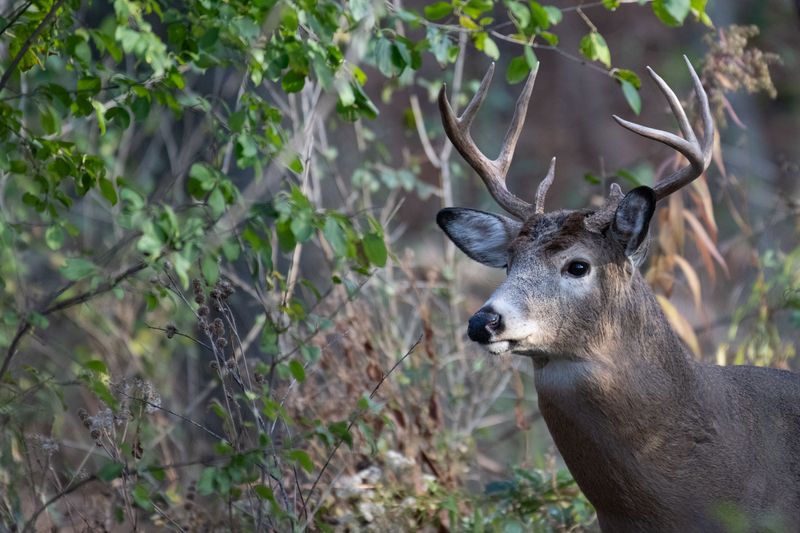
Headlights catching a big-antlered buck in the yard is a classic November moment for many homeowners around here. Deer are crepuscular, but during the rut they move through yards at all hours of the night.
The rut is the breeding season, and bucks chasing does often lose some of their usual caution. Virginia sees a spike in deer and vehicle collisions this time of year, so drive carefully after dusk.
Look for small trees with scraped bark, since bucks rub their antlers on saplings to mark territory. Those rubs can seriously damage young ornamentals, so wrap trunks or add stakes and fencing around them.
Antlers are not permanent, which surprises plenty of people, because bucks shed them every winter and regrow them. Growing antlers are covered in fuzzy velvet, and they rank among the fastest growing tissues in nature.
Hungry deer turn to evergreens like arborvitae and yews once acorns and garden greens run low. Spraying repellents before damage starts works better than waiting, and switching products helps prevent deer from adjusting.
Fences need to be roughly eight feet tall to stop determined deer, since they jump surprisingly well. Planting deer-resistant natives like mountain mint and wild ginger also cuts down on nighttime browsing in your beds.
Ticks travel on deer, so check yourself after working near the woods edge, even on cool days. Frustrating as they can be, I still pause at the window whenever a buck strolls under the streetlight.