Stop Tossing Old Potting Soil In Virginia And Try These 8 Smart Alternatives
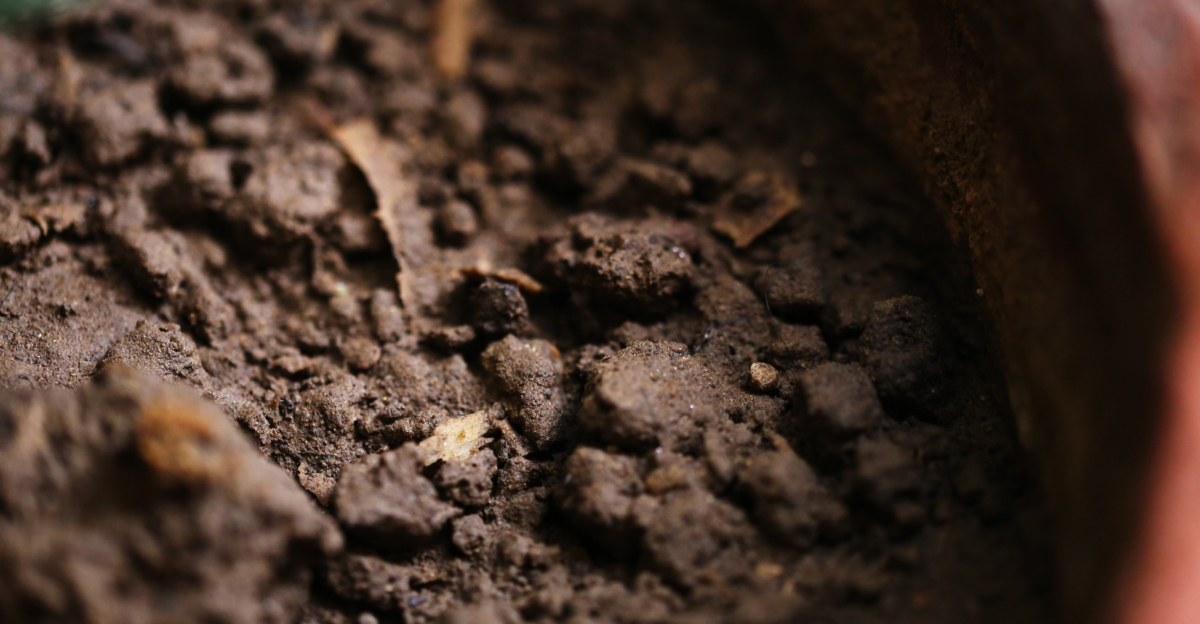
Bags of old potting soil piling up at the curb every spring is one of Virginia’s most overlooked forms of garden waste. That tired mix still holds real value, organic matter, minerals, and texture that your yard genuinely needs.
Throwing it away means losing something your garden beds could put to good use. Old potting soil can be refreshed, repurposed, and redistributed across your outdoor spaces with surprisingly little effort.
Spread it into raised beds, blend it into lawn patches, or work it into bare soil around trees and shrubs. Each approach saves you money and keeps usable material out of the landfill.
Across Virginia, gardeners are finding smarter ways to stretch every bag they have. These alternatives will help you do the same, turning what looked like waste into one of the better decisions you make this season.
1. Mix It Into Garden Beds
Dumping old potting soil straight into the trash is like throwing away a half-used bag of fertilizer. That spent mix still carries organic matter, perlite, and trace nutrients your in-ground beds will eagerly absorb.
Mixing it into existing garden beds is one of the easiest and most rewarding ways to put it back to work.
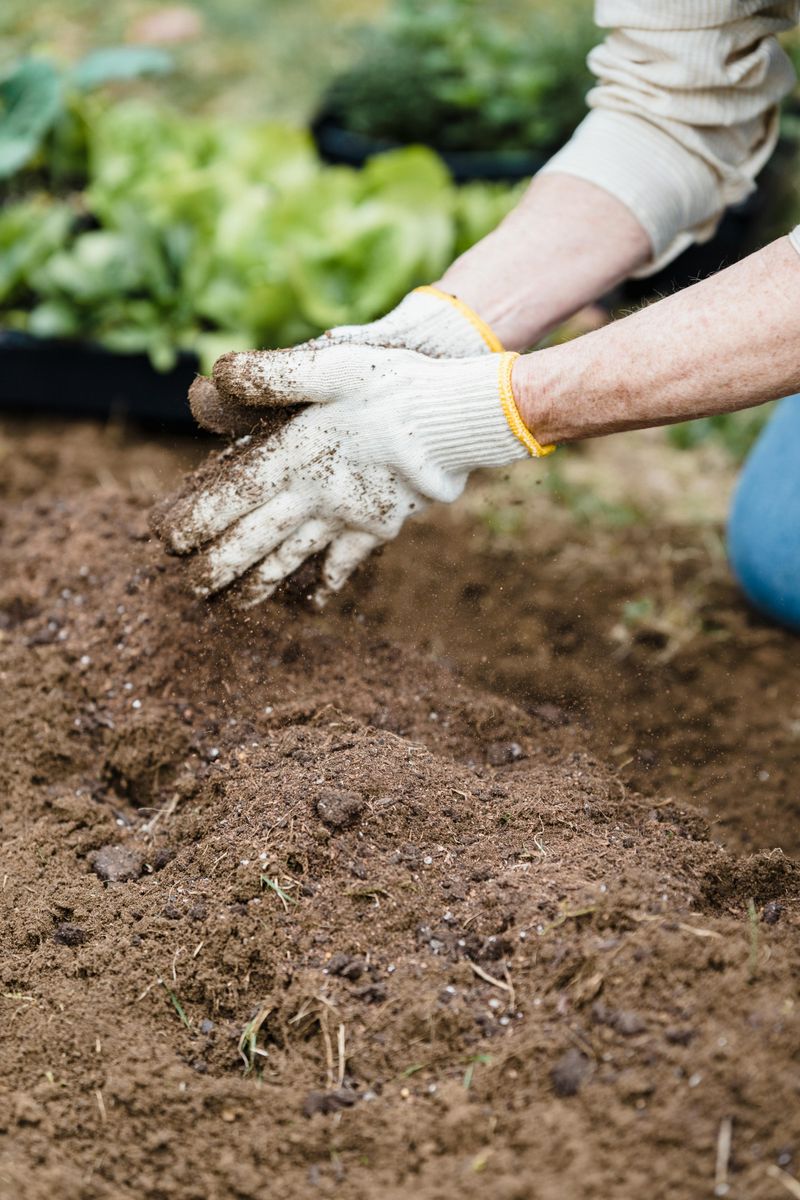
Start by loosening your garden bed soil with a fork or tiller to a depth of about six inches. Spread the old potting mix across the surface, roughly one to two inches thick, then work it in thoroughly.
The lighter texture of potting soil blends beautifully with heavier native Virginia clay, improving drainage and aeration at the same time.
Over one growing season, earthworms and soil microbes will break down any remaining organic material, enriching the bed even further. Plants like tomatoes, peppers, and squash respond especially well to this kind of soil boost.
You may notice stronger root development and faster early growth compared to beds that did not receive the amendment.
One thing to keep in mind: if your old potting mix hosted a diseased plant last season, let it dry out completely before adding it to a bed. Sunlight and air exposure help neutralize many common fungal pathogens.
2. Add It To Raised Beds As Filler
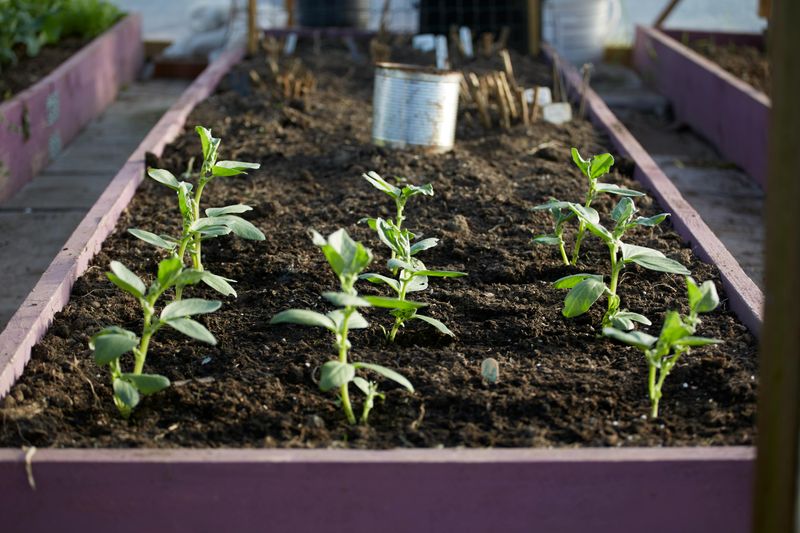
Raised beds are hungry for volume, and filling them entirely with fresh bagged soil every season gets expensive fast.
Old potting mix makes a surprisingly smart filler, especially for the lower layers where roots are still developing and drainage matters most. Layering it strategically can save you serious cash at the garden center.
The classic approach is to fill the bottom third of your raised bed with old potting soil, then top it with fresh compost or a quality garden mix.
This method gives the bed structure and moisture retention below while keeping the top layer nutrient-rich and ready for planting.
Roots will naturally push downward over the season, pulling whatever goodness remains from that older material.
Some gardeners in Virginia mix the old soil with wood chips or straw in the very bottom layer. It is a hugelkultur-inspired approach that builds slow-release organic matter into the bed over time.
Your Virginia Garden Changes Every Week. Your Plan Should Too.
Gardening in Virginia changes quickly throughout the season. Every Friday you’ll receive a simple weekly plan showing exactly what to plant, prune, fertilize, harvest, and protect so you never miss the right timing.
As those organic materials break down, they generate warmth and slow-release nutrients that feed plants well into fall. It is a low-effort approach with a surprisingly high payoff.
If your raised bed has been producing for a few years, the soil level naturally drops as organic matter decomposes.
Old potting mix is perfect for topping it back up without spending a lot. Just make sure to screen out any large root clumps or debris before adding it in, so the bed stays loose and easy for seedlings to establish themselves quickly and confidently.
3. Refresh And Reuse It In New Containers
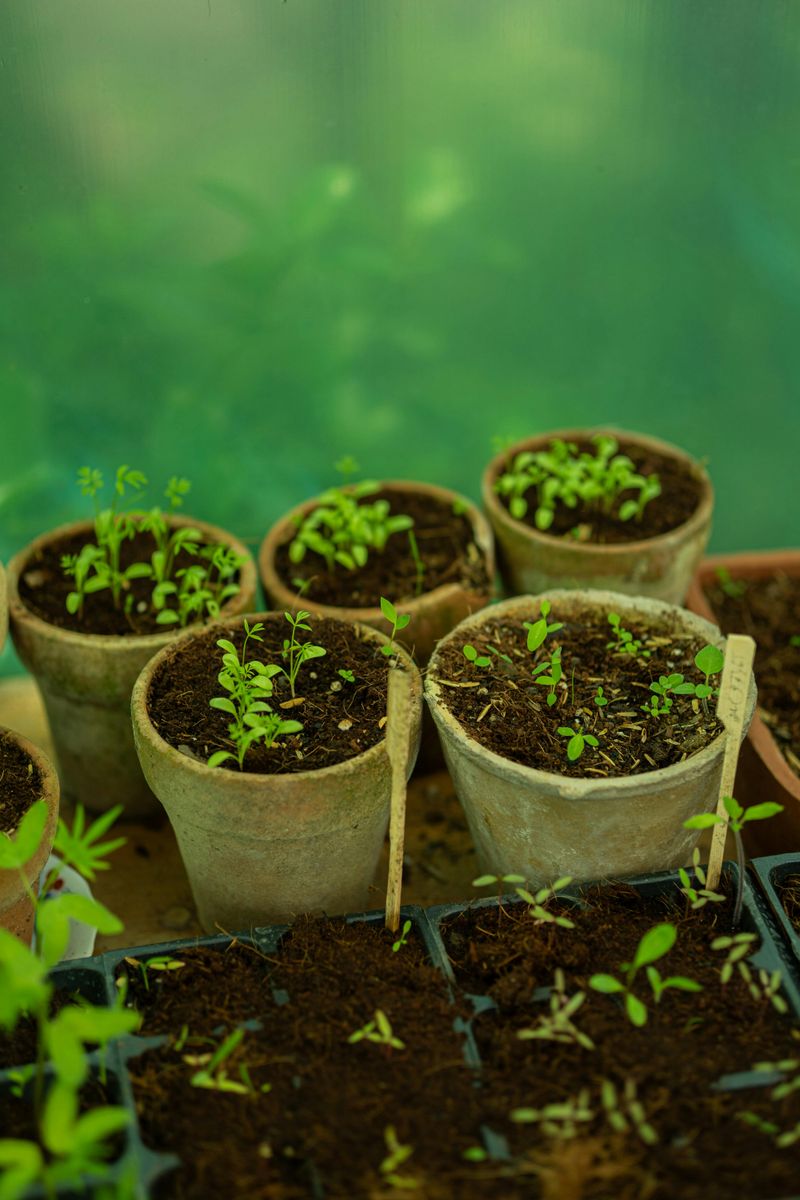
Old potting soil does not have to be retired just because one growing season is over. With a little attention and a few simple additions, that same mix can power a whole new round of container plants without missing a beat.
Refreshing and reusing it is one of the most budget-friendly moves a container gardener can make.
Start by spreading the old mix on a tarp and picking out old roots, clumps, and any debris left from last season. Then for every two gallons of old soil, mix in about a cup of compost and a small handful of perlite.
This restores the fluffy, well-draining structure that potting mixes lose after months of watering and settling.
A slow-release granular fertilizer added at this stage gives the refreshed mix a nutritional foundation that will carry plants through most of the growing season. Herbs, annuals, and even some vegetables do wonderfully in revived container mixes.
The key is not expecting the old soil to carry the full load alone, but treating it as a strong base that just needs a little reinforcement.
Containers on Virginia patios and decks face intense summer heat, which means soil structure and moisture retention matter enormously.
Refreshed mixes that include compost hold water more efficiently than depleted soil, which cuts down on how often you need to water.
That alone can make the difference between thriving plants and ones that struggle through August heat looking exhausted and stressed.
4. Use It To Fill Low Spots In Your Yard
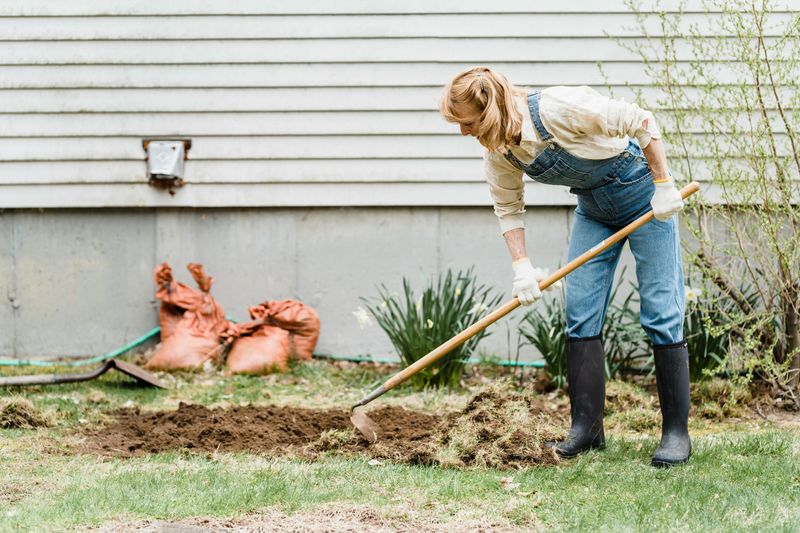
That soggy low spot in the backyard that turns into a puddle every time it rains is more than just an eyesore. Standing water invites mosquitoes, stresses grass roots, and can eventually damage your lawn over time.
Old potting mix, blended with a bit of topsoil, is a practical and inexpensive way to level those problem areas out.
The technique is straightforward. Combine your old potting soil with native topsoil at roughly a 50/50 ratio to create a blend that settles well and supports grass growth.
Spread it over the low area in thin layers, no more than half an inch at a time, and allow the grass to grow through before adding the next layer.
This gradual approach prevents smothering the existing turf. For bare low spots without grass, fill with the blended mix and rake it smooth.
Tall fescue is a solid choice for overseeding, handling Virginia’s heat and humidity better than most cool-season alternatives.
Keep the area moist for a few weeks while germination happens, and you will have a level, green patch where a muddy mess used to be. It is one of those fixes that feels almost too simple for how well it works.
Potting soil brings a lighter texture to the blend that helps with compaction issues common in Virginia clay yards.
The improved structure encourages earthworm activity, which naturally aerates the soil below. Over a season or two, the whole area tends to drain better and support healthier turf than it ever did before the fix was made.
5. Use It Around Trees And Shrubs As A Soil Amendment
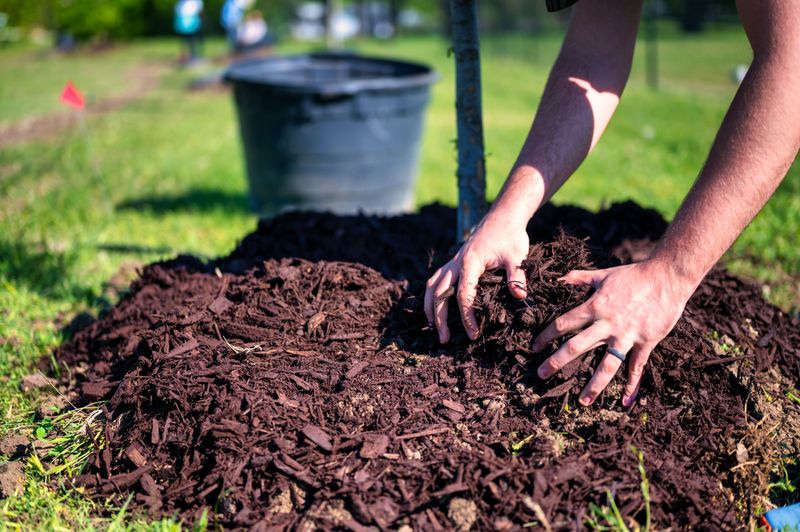
Trees and shrubs are often the most neglected plants in a home landscape, receiving little attention beyond an occasional watering.
But the soil around their root zones tells a very different story, often compacted, nutrient-depleted, and struggling to support healthy growth.
Old potting soil worked into that zone can quietly transform how your woody plants perform season after season.
The method is simple but effective. Loosen the soil in a ring around the tree or shrub, starting about a foot from the trunk and extending outward to the drip line.
Work the old potting mix into the top four to six inches of ground, blending it with the native soil to improve texture and organic content. Avoid piling anything directly against the trunk, which can encourage rot and pest problems.
Shrubs like azaleas, hollies, and viburnums, all common in Virginia landscapes, respond noticeably well to improved soil structure around their root zones.
You may see stronger new growth, brighter foliage, and better resistance to summer drought stress.
Even mature trees benefit from the added organic matter, which feeds the microbial ecosystem that supports root health at a deep level.
Timing matters here. Early spring before new growth pushes out, or fall after leaves drop, are the two best windows for working amendments into the root zone.
The soil is typically workable and the plants are either gearing up or winding down, making it easier for roots to adjust. A small investment of effort now pays off in noticeably healthier plants come the following growing season.
6. Use It As A Lawn Top Dressing
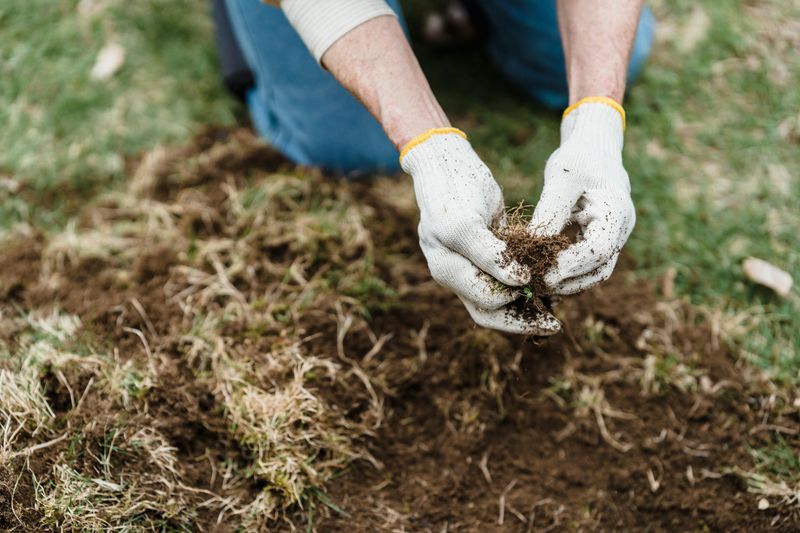
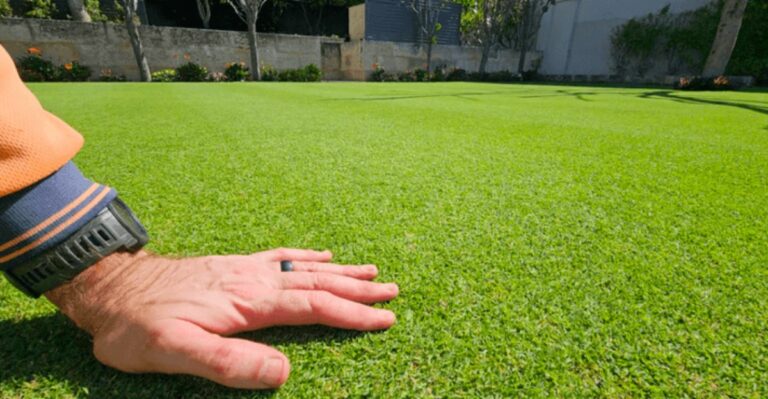
Top dressing a lawn sounds complicated, but it is actually one of the simplest ways to improve grass health without a full renovation.
A thin layer of organic-rich material spread across your turf fills in micro-depressions, improves soil biology, and gives grass roots a nutrient boost right where they need it most. Old potting mix, screened and dried, is a perfect candidate for this job.
The process works best after aerating your lawn in early fall, which is the prime season for lawn care across Virginia.
Spread the old potting soil thinly across the surface, no more than a quarter to half an inch deep, and work it into the aeration holes with a stiff broom or flat rake.
Those holes channel the material directly to the root zone, where it does the most good for long-term turf health.
Over the following weeks, the organic matter in the old mix feeds soil microbes, which in turn release nutrients that grass roots absorb steadily.
Many gardeners notice improved turf density and color by the following spring, though results will vary depending on your soil and grass type. It is the kind of result that makes neighbors stop and ask what your secret is.
One important note: sift the old potting soil through a half-inch screen before applying it to a lawn. Large chunks or clumps can smother grass blades and create uneven spots.
A few minutes of sifting makes the whole process smoother and ensures the material spreads evenly across the turf for a clean, professional-looking finish that holds up beautifully.
7. Give Your Old Potting Soil New Life By Composting It
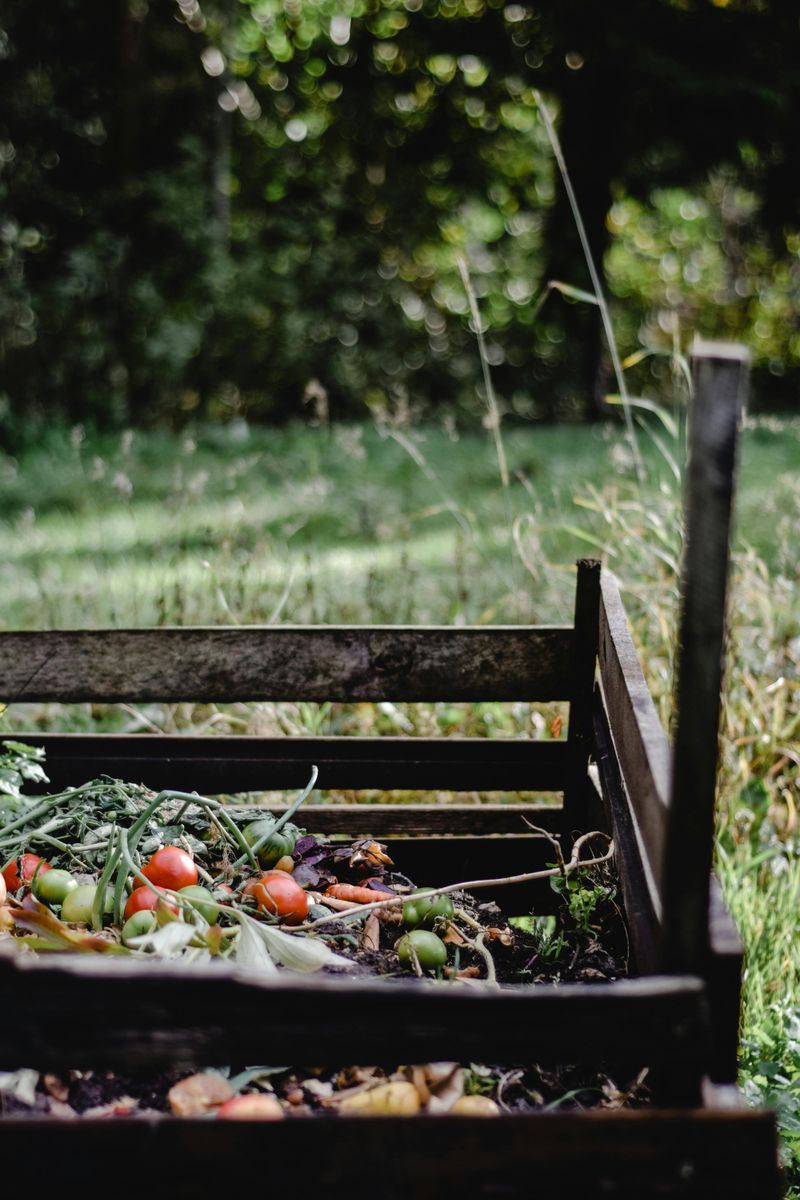
Composting is the great equalizer of garden waste, turning everything from coffee grounds to cardboard into something genuinely valuable. Old potting soil fits right into that cycle, adding carbon-rich structure and beneficial microbes to a compost pile.
It helps break down a mix that might otherwise be too wet or too dense to decompose efficiently. Tossing it in is one of the smartest moves you can make for your compost game.
It works best as a brown layer in a compost pile, balancing out nitrogen-heavy green materials like kitchen scraps, fresh grass clippings, and spent vegetable plants.
Add it in two-to-three-inch layers between your greens, and the pile will heat up more evenly and break down faster than one made from food scraps alone.
The perlite in the old mix also improves airflow inside the pile, which keeps things aerobic and odor-free.
One of the overlooked benefits here is that old potting soil often contains dormant beneficial fungi and bacteria that actually accelerate decomposition.
Rather than starting your compost biology from scratch, you are seeding it with an existing microbial community. That existing microbial activity may help support a more active pile over time.
Finished compost made with old potting soil as part of the blend tends to have excellent texture, dark, and with that clean earthy smell that signals finished compost.
Spread it on beds in spring, work it into container mixes, or use it as a lawn top dressing. The old soil you almost tossed has now completed a full circle back to something extraordinary and deeply useful.
8. Use It To Start A Lasagna Garden Bed
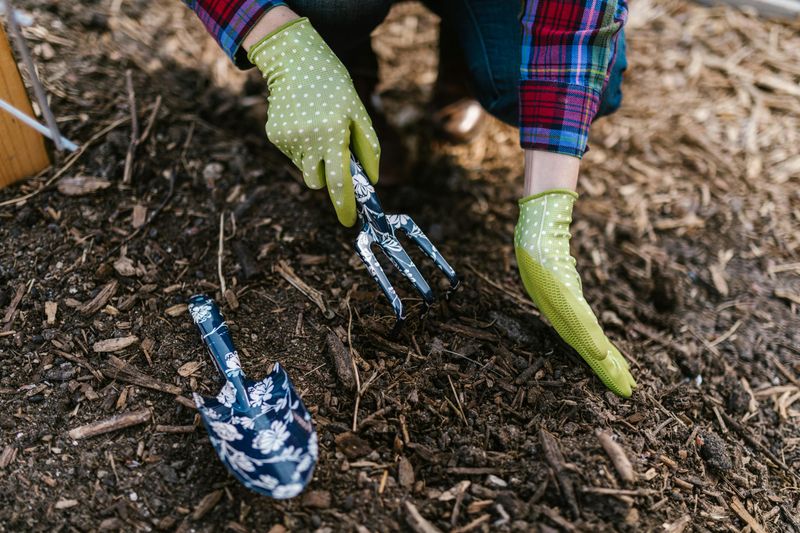
Lasagna gardening skips the pasta and goes straight to the good stuff: layers that build real soil. This no-dig method builds a brand-new garden bed directly on top of grass or weeds using alternating layers of organic materials.
Old potting soil is one of the best ingredients you can add to that stack. It is a technique that practically builds itself while you watch.
Start by laying down a thick layer of cardboard directly on the ground where you want the new bed. Wet it thoroughly so it clings to the soil and begins smothering the grass below.
Then alternate layers of brown materials like dried leaves or straw with green materials like compost and kitchen scraps, adding your old potting soil as one of the middle or upper layers to add structure and organic depth to the stack.
By spring, the layers will have broken down into a rich, loose growing medium that plants absolutely love. The cardboard suppresses weeds at the base while feeding earthworms that tunnel upward through the layers.
What started as a pile of recycled materials becomes a thriving bed with almost no digging required, which is genuinely good news for your back and your schedule.
Old potting soil plays a particularly important role in lasagna beds because its lightweight texture keeps the upper layers from compacting too quickly. In Virginia, where fall rains can be heavy and persistent, that drainage matters.
The finished bed will be ready for spring planting without any tilling. The old potting soil you almost discarded will have been the quiet foundation holding the whole thing together.