8 Arizona Citrus Varieties That Ripen Between Thanksgiving and New Year’s
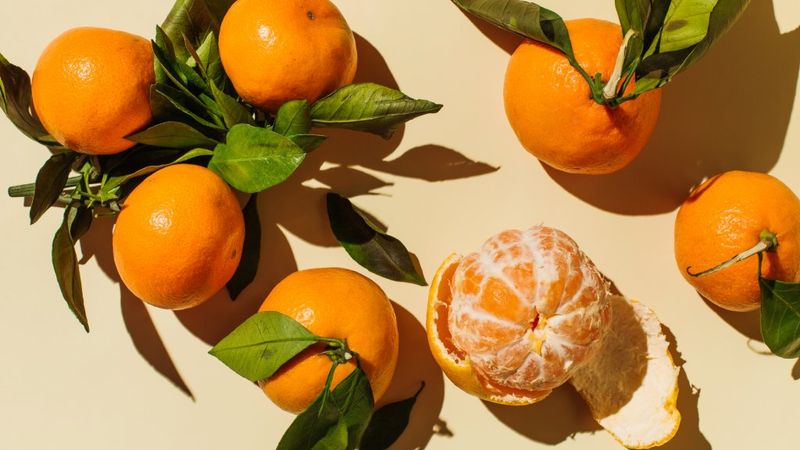
In the low desert, some backyard fruit turns sweet before its peel even finishes changing color. Cool fall nights trigger that color shift, so the flavor often arrives a little ahead of the outfit.
Arizona growers have counted on this timing for generations, since winter frosts here stay light and fairly brief. Long, blazing summers pack sugar into the fruit, then mild December days let it hang and wait patiently.
I love how a single tree can quietly turn into a holiday gift shop right outside the kitchen window. You might notice neighbors leaving bags of fruit on porches, a tradition that feels very Arizona to me.
October is a smart month for planning, because planting season in the desert runs from fall into early spring. So which trees deserve a sunny spot if you want fresh fruit between the turkey and the fireworks?
1. Washington Navel Orange
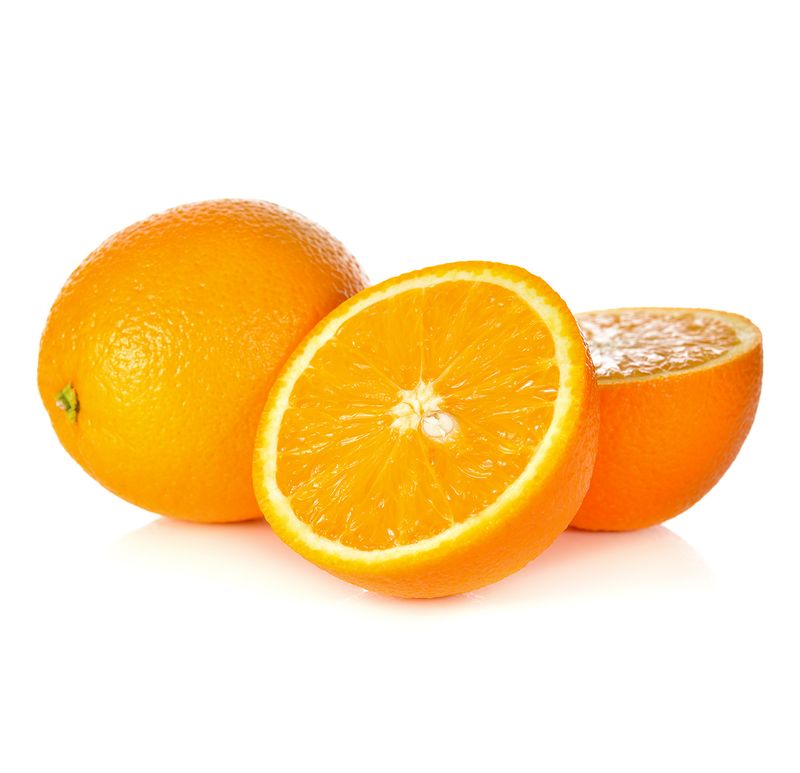
Every navel orange you peel traces back to one unusual branch found on a Brazilian tree in the 1800s. The Washington navel carries that famous little belly button, and I still grin when I spot one forming.
In the low desert, fruit usually starts sweetening up around Thanksgiving, with picking often beginning near December first. You can leave the oranges hanging through March, since the tree stores them better than any refrigerator.
Expect large, seedless fruit with a peel that slips off easily, which makes it a lunchbox favorite for kids. The glossy, dark green leaves stay handsome all year, so the tree earns its spot even between harvests.
Give it full sun and deep, well-draining soil, and mix compost into heavy clay before planting this fall. Older trees handle chilly winter nights fairly well, though young ones appreciate frost cloth on the coldest evenings.
Spring brings fragrant white blossoms that pull in bees and other pollinators from all over the neighborhood. Watch for slender spines on young shoots, and wear gloves when you tuck in frost cloth or prune.
Personally, I think every desert yard deserves one classic navel before trying anything fancier or more unusual. It sets a tasty baseline, and the holiday timing makes it an easy gift to share.
2. Marrs Orange
Patience pays off with Marrs, a Texas-born orange that tastes edible by late October but gets far better later. Waiting another two to four weeks lets the sugar build, and November is when the flavor usually peaks.
Its acid stays low, so the juice tastes mellow and sweet rather than sharp or puckery on your tongue. I have to admit, that gentle flavor makes it a favorite for folks who find regular oranges too tangy.
The tree stays compact and semi-dwarf, which suits smaller yards and spots near a sunny block wall. Despite the modest size, it bears heavily, often loading branches with medium to large fruit in thin, smooth peels.
Each orange usually holds only a handful of seeds, often somewhere around seven to ten per fruit. Pick steadily through December, because fruit left hanging too long can turn bland and lose its sparkle.
Plant it in your warmest, most frost-protected spot, with full sun and well-drained, slightly acidic to neutral soil. During cooler months, water deeply every two to three weeks, letting the soil dry a bit between soakings.
Bees adore the fragrant spring flowers, so a Marrs tree quietly doubles as a pollinator snack bar. You get juicy holiday fruit, and the buzzing visitors help nearby vegetable beds set more fruit too.
3. Fukumoto Navel Orange
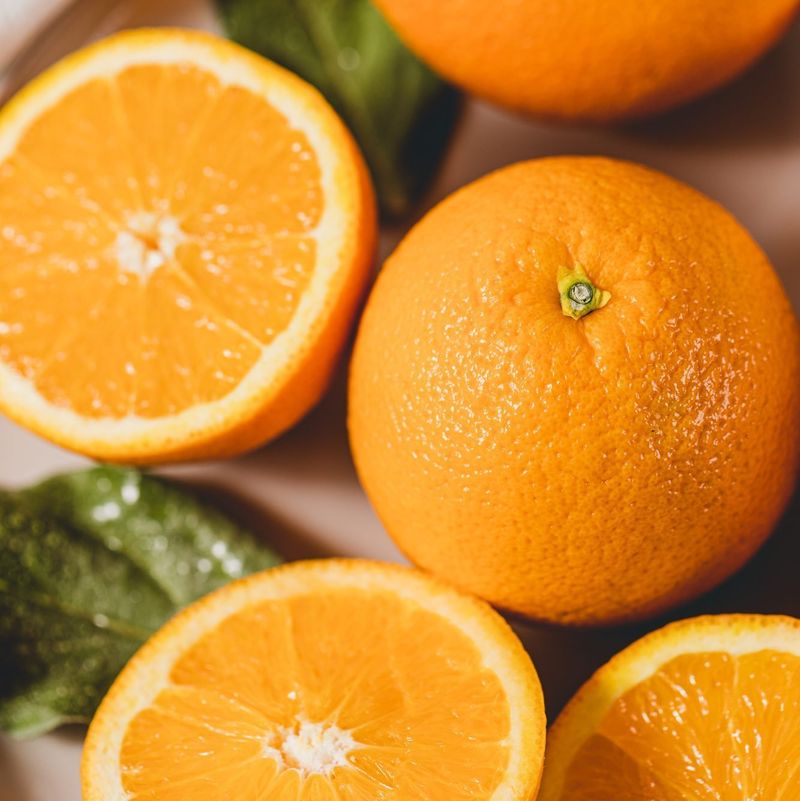
Fukumoto often wins the race, ripening three to four weeks ahead of the classic Washington navel in many yards. Harvest can begin in late October or early November, then keeps rolling through the holiday weeks of December.
What surprises me most is that the fruit may taste sweet before the peel finishes coloring up fully. Warm autumns can delay that color, so taste one orange instead of trusting looks alone before picking.
Once colored, the rind glows a deep reddish orange that looks wonderful in a holiday fruit bowl. Inside, the seedless flesh is juicy and low in acid, with a lovely aroma when you peel the thin skin.
The tree grows slowly and stays smaller than most navels, making it handy for tight side yards. Sources suggest it handles cold down to about eighteen degrees, which helps growers in slightly chillier desert towns.
Ask your nursery for trees grafted onto sour orange rootstock, since Carrizo pairings have shown troubling decline. That one question at checkout can spare you years of frustration with a weak, sulking little tree.
Give it full sun and steady deep watering, then enjoy watching pollinators work the spring blossoms. I think it makes a brilliant partner for a Washington navel, stretching your orange season by weeks.
4. Hamlin Sweet Orange
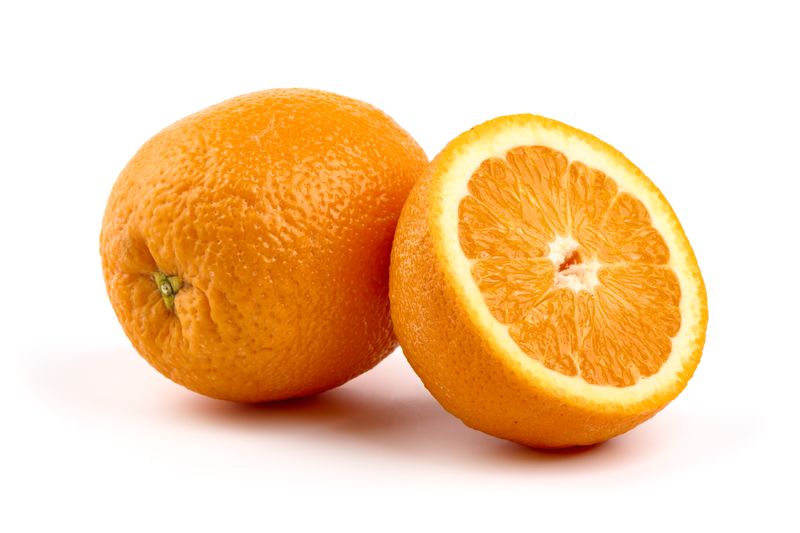
Florida juice growers have relied on Hamlin for decades, and it handles desert heat surprisingly well too. Tucson gardeners see strong results, which says plenty about how tough this cheerful little orange can be.
Fruit begins ripening in November and can hang on the tree through February without much fuss. That long window means you can pick a few for Thanksgiving and still have plenty after New Year.
The oranges run small to medium, with smooth, thin peels and a pale orange glow when ripe. Most fruit holds zero to six seeds, so squeezing a morning glass rarely involves fishing out pips.
I love how the mild sweetness and low acid make juice that even picky kids happily gulp down. The juice itself looks pale, almost golden, so do not judge its flavor by the color alone.
The tree stays a manageable size and needs little fussing, which busy households will appreciate year after year. It tolerates cold better than many sweet oranges, though young trees still need cover during hard freezes.
Plant it in full sun with well-drained soil, and skip heavy fertilizer in November to protect tender growth. Its spring flowers smell lovely and draw in bees, adding a little buzz to your quiet yard.
5. Algerian Clementine Mandarin
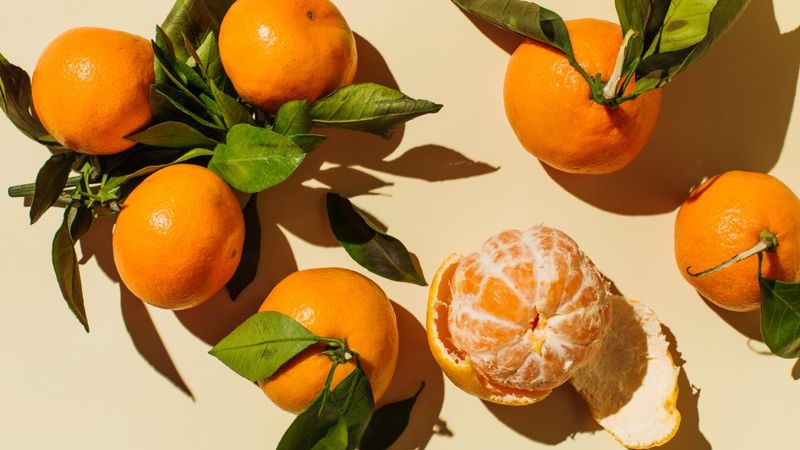
Clementines show up in Christmas stockings for good reason, since Algerian fruit ripens right around November. The name honors its North African roots, where the variety was famously selected near a monastery orphanage.
Peeling one feels almost effortless, because the deep orange-red rind loosens from the sections with a gentle tug. The seedless flesh tastes sweeter and more intense than a typical orange, which makes sharing surprisingly difficult.
Mandarins rank among the more cold-hardy citrus, yet the fruit and blossoms still appreciate protection on frosty nights. Deep watering the day before a freeze helps, because moist soil holds warmth better than dry dirt.
Give the tree full sun or light shade, plus sandy, neutral soil that drains quickly after irrigation. In the desert, afternoon sun can scorch young trunks, so wrapping or painting them offers helpful protection.
Expect a rounded evergreen shape that may carry a few thorns, so plan paths with a little breathing room. Fragrant white flowers open in spring, and honey bees visit them eagerly once the weather warms up.
Personally, I find a bowl of these on the counter disappears faster than any holiday cookie tray. Plant one this fall, and in a few years your stockings could be stuffed from your own backyard.
6. Dancy Mandarin
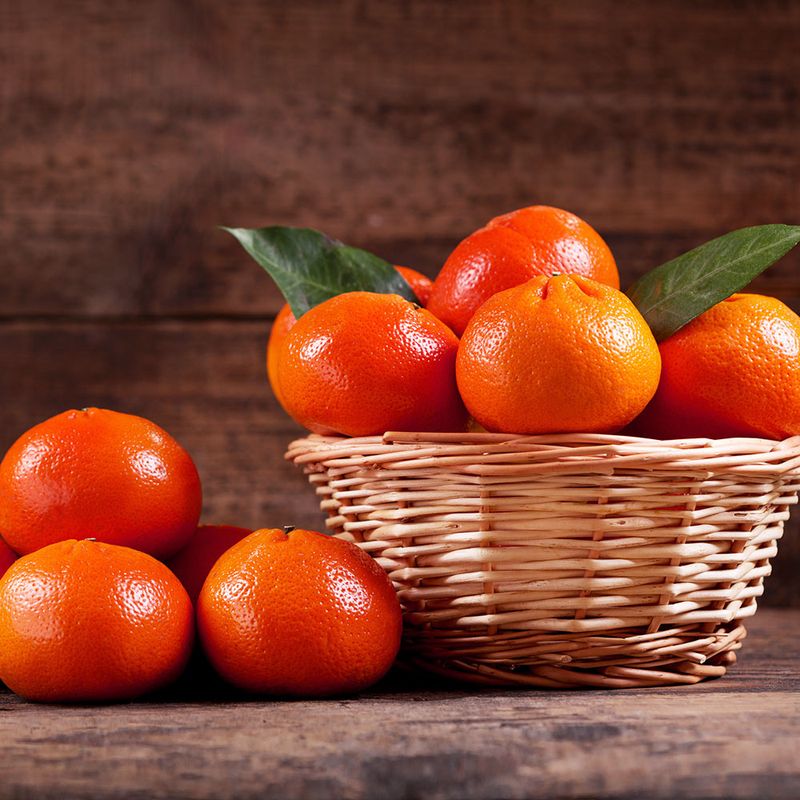
Long before supermarket easy-peelers took over, Dancy mandarins were the fruit many Americans pictured as a tangerine. Its scarlet-orange peel practically glows in December, which is usually when the first fruit is ready to pick.
The flavor leans tangy-sweet, with a bright zing that wakes up your taste buds on a chilly morning. Small, flattened fruit slip out of their loose rinds easily, then pull apart into neat, juicy sections.
You need to pick on time, because quality can slip if the fruit lingers too long on branches. I like to taste one every few days in December, then harvest steadily once the sweetness arrives.
The tree grows to a medium size and can develop thorns along the trunk and major branches. Keep it away from busy walkways, and wear long sleeves whenever you reach inside for hidden fruit.
Like other mandarins, Dancy handles cold better than many citrus, though frost cloth still helps during hard freezes. Drape the cloth to the ground, then remove it by mid-morning so trapped heat does not cook leaves.
Plant it in full sun with well-drained soil, watering deeply but allowing the top layer to dry. Pollinators love the fragrant spring blooms, and you will love the old-fashioned holiday flavor even more.
7. Marsh Grapefruit
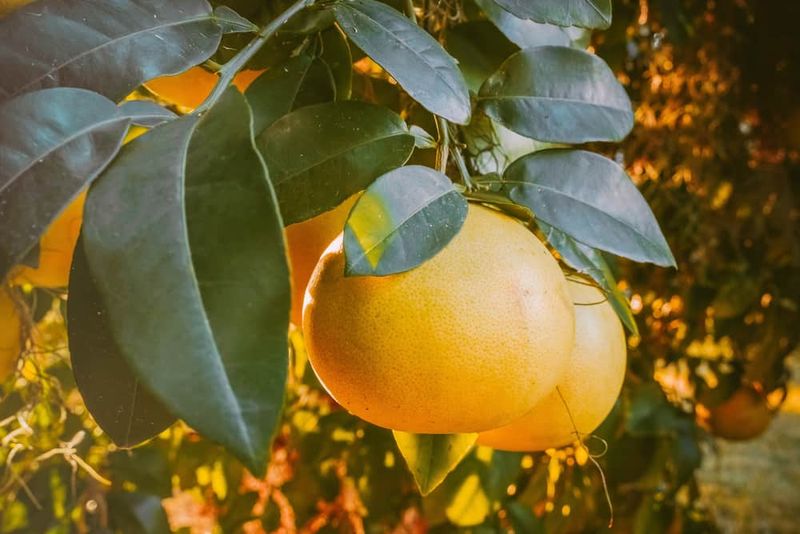
Marsh grapefruit has a long history in Arizona groves, and one tree can feed a whole neighborhood breakfast club. Fruit becomes edible starting in December, though it keeps sweetening on the branch for months afterward.
Acid levels drop as the season goes on, so many growers say March through May brings peak flavor. You can still enjoy holiday halves with a sprinkle of sugar, then compare the taste again in spring.
Inside the smooth yellow skin, you will find creamy white flesh that is tender and practically seedless. Each fruit is big and heavy with juice, so a single tree often supplies far more than you expect.
Leave room, because this vigorous evergreen can reach ten to thirty feet tall and nearly as wide. The dense, glossy canopy casts welcome shade, and it helps shield inner branches from harsh summer sun.
Watch for sharp thorns on twigs, and keep in mind that fruit and flowers are sensitive to frost. Mature trees tolerate dips to the mid-twenties, but covering low branches on freezing nights protects the crop.
Plant in full sun with deep, well-drained soil, and established trees become surprisingly drought tolerant over time. Spring blossoms perfume the whole yard, drawing bees and other wildlife to your little desert orchard.
8. Meyer Lemon
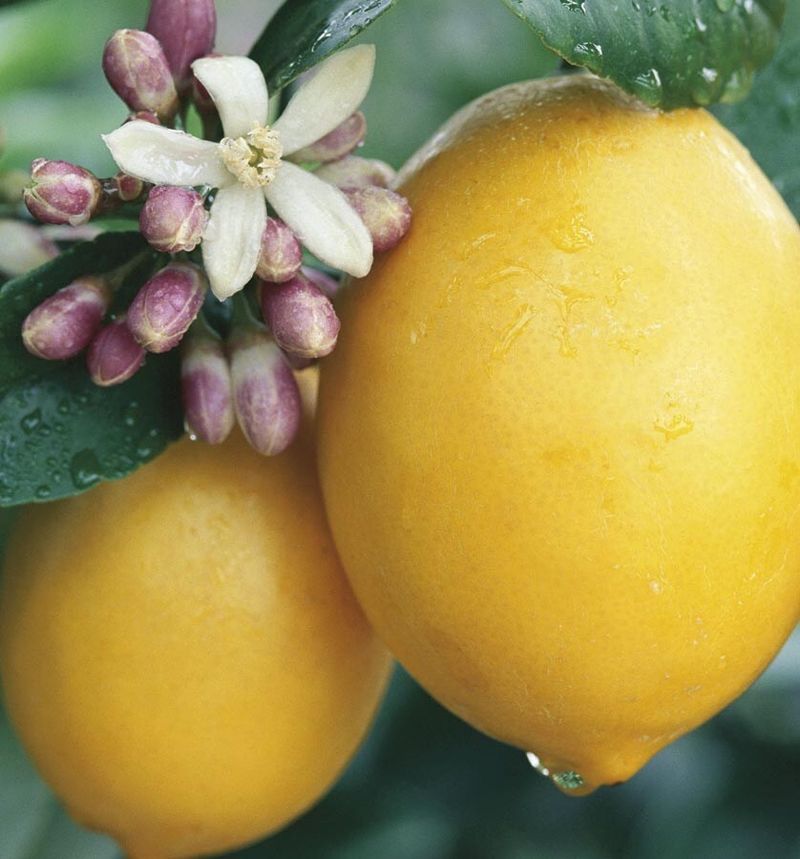
Meyer lemons are believed to be a cross between a lemon and a mandarin or orange, which explains the sweetness. Frank Meyer brought the plant from China to the United States in 1908, and gardeners still thank him.
Heavy crops often arrive in winter, with fruit commonly ready from November through March in warm areas. The thin, smooth skin turns deep yellow with an orange blush, which tells you it is ready.
Personally, I reach for these whenever a recipe calls for lemon, because the juice tastes floral and gentle. They are less acidic than grocery store lemons, so holiday glazes and lemon bars turn out beautifully balanced.
The plant stays compact, usually six to ten feet tall, which makes it ideal for large patio containers. It ranks as the most winter-hardy lemon, a real bonus when a cold snap sneaks through in January.
Buy the Improved Meyer Lemon, because older Meyer trees carried a virus that could spread to nearby citrus. Keep curious cats and dogs away from the leaves and fruit, since the plant is toxic to pets.
Give it full sun and well-draining soil, and inspect new growth for the Asian citrus psyllid, a regulated invasive pest. Fragrant blossoms with purple-tinged bases can appear much of the year, so pollinators keep dropping by.