8 California Garden Plants That Can Handle A Sunny Winter Garden
October in much of the country brings frosty windshields, heavy jackets, and gardens that shut down for the year.
October in California can look very different.
Clear blue skies. Warm, friendly afternoon sun. Soil that stays soft and easy to dig. It seems unfair to the rest of the map.
Yet plenty of sunny beds across the state go bare once summer crops fade. Their owners pull the tomatoes, coil the hose, and wait for spring.
So what could that sunny patch be doing instead?
Quite a lot, as it turns out. A handful of plants treat California’s fall and early winter like prime time.
Some go in the ground right now and bloom by the holidays. Some fill the air with a sweet, spicy scent. One even hands you fresh fruit straight off the branch.
The trick is to know which ones love the cool, bright season ahead.
Ready to put that autumn sunshine to work? Grab your sunglasses and a trowel. This is the perfect month to start.
1. Citrus Trees Thrive In Winter Sun
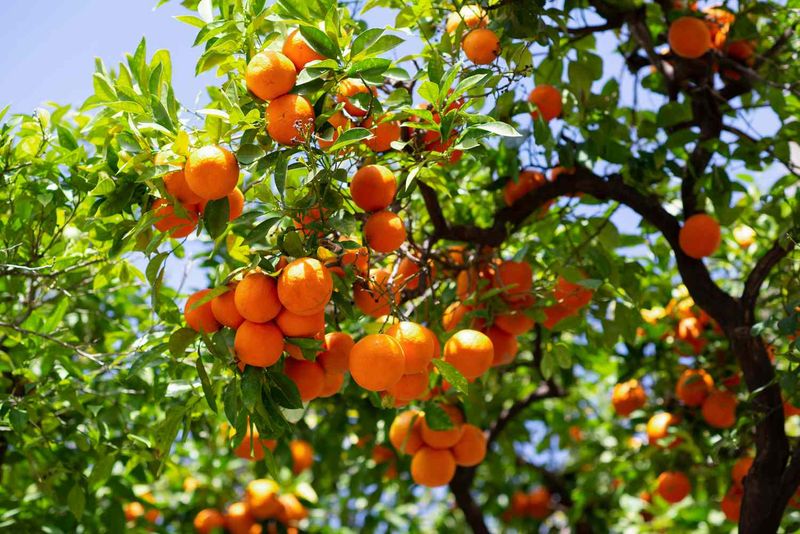
Walk outside on a crisp November morning and spot green fruit turning orange on your own tree. For many California gardeners, that color change marks the real start of the cool season.
Mandarins and navel oranges often ripen from late fall into winter.
October is a great month to prep these trees for the months ahead. Citrus loves full sun, and fall is no exception.
Aim for at least six to eight hours of direct light each day. A south-facing spot near a wall or fence works even better.
The wall soaks up heat by day and releases it at night. That extra warmth can help protect the tree as early winter nights turn chilly.
Frost becomes the main thing to watch by late November. Most citrus can suffer damage below about 28 to 32 degrees Fahrenheit.
Young trees and lemons are the most tender.
Keep frost cloth handy now, before the first cold snap. Cover trees overnight when a freeze hits the forecast, then remove the cloth in the morning.
Cooler weather and the first rains slow down how fast roots dry out. Check the soil a few inches down before the next drink.
Soggy soil can lead to root rot, a bigger risk than drought this time of year.
Now for a bonus that makes citrus extra fun. Ripe fruit can hang on the tree for weeks.
The branches become a holiday fruit bowl, no grocery run required.
2. Aloe Vera Actually Blooms This Season
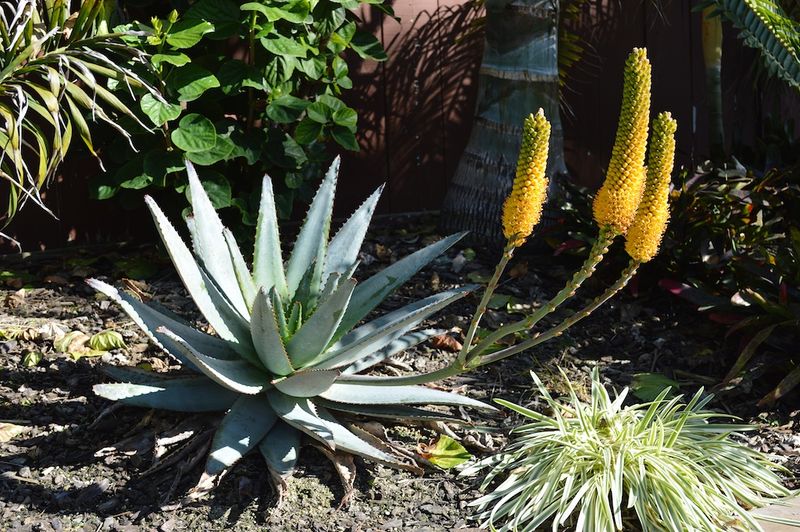
Most people know aloe vera as the plant for a sunburn. Fewer know it gears up for a surprise show as the weather cools.
By early winter, flower stalks may start to rise from the center of healthy plants. Tubes of yellow flowers typically open from late winter into spring.
California’s milder zones, like the coast and much of Southern California, see the most reliable blooms.
The coldest inland valleys, desert highlands, and mountains may see spotty blooms or none at all. A hard freeze can damage leaves and stalks and end the show early.
Your California Garden Changes Every Week. Your Plan Should Too.
Gardening in California changes quickly throughout the season. Every Friday you’ll receive a simple weekly plan showing exactly what to plant, prune, fertilize, harvest, and protect so you never miss the right timing.
October is the perfect time to set the stage. Aloe wants bright light for most of the day.
As the sun sits lower in fall, a sunny, sheltered spot near a wall gives it the best chance to flower.
Good drainage matters even more once rains begin. Cold, wet soil can rot the roots quickly.
Ease off the water this month. Fall rains usually cover the need, and extra drinks in cool weather often do more harm than good.
Potted aloe has an advantage here. Scoot the pot under an eave before the first cold snap.
Now keep an eye on the sky, because tiny visitors love this plant. Hummingbirds adore aloe flowers.
Blooms that open in the chilly months make a welcome snack when little else flowers.
Your aloe goes from first aid kit to hummingbird café. Not bad for a plant that asks for almost nothing.
3. California Poppy Keeps Reseeding Through Winter
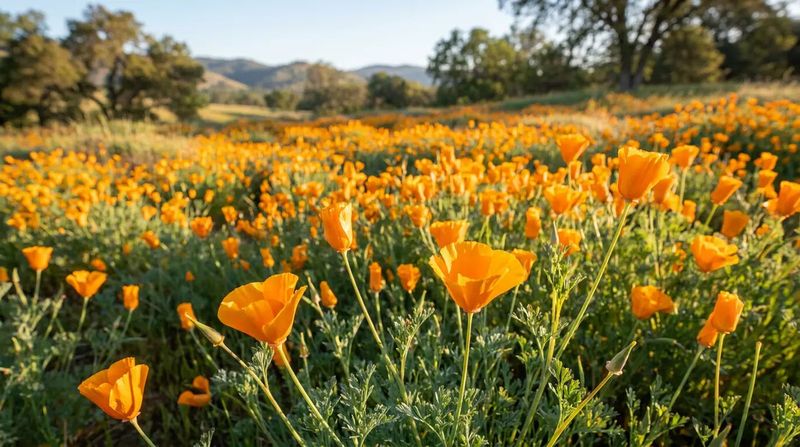
Our state flower acts a bit like a friendly guest who keeps coming back for more visits.
Once California poppies settle into a sunny bed, they tend to return year after year on their own.
The secret lies in how well they match California’s rainy season. Poppy seeds sprout once the first cool fall rains soak the ground.
October and November are prime time to sow seeds, right where you want them to grow. The plants form a long taproot and dislike a move.
By early winter, soft, lacy, blue-green leaves form low mounds across the soil.
Mild areas may see early flowers in late winter. The big burst of orange usually arrives in spring.
Full sun is a must. On cloudy days, the petals may stay closed, then pop open again once the sun returns.
Care is refreshingly simple:
Skip the fertilizer, since rich soil can make plants floppy.
Let rain handle most of the water, except through a long dry spell.
Leave some flowers to form seed pods, which split open and scatter seeds for next season.
Now for the best part, and it costs absolutely nothing. Every pod left behind is a free packet of next year’s flowers.
Over time, a single handful of seed can turn a bare sunny strip into a golden patch. It looks after itself with almost no help from you.
Your poppies basically run their own family business, and business is booming every spring.
4. Stock Rewards A Sunny Winter Spot
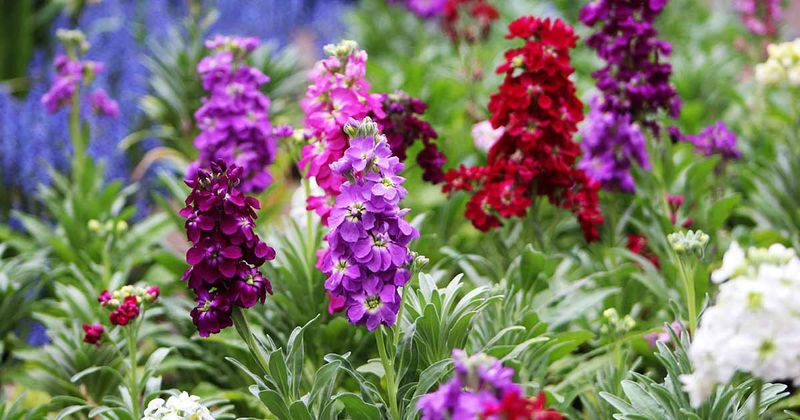
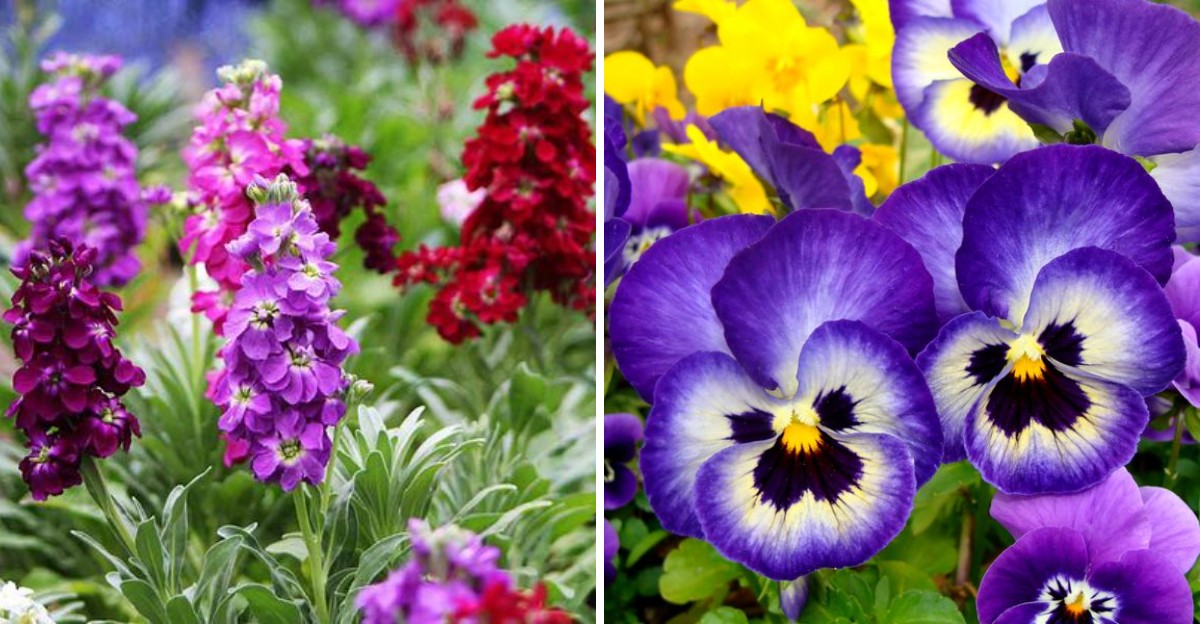
Stand next to a bed of stock on a sunny afternoon, and you will smell it before you really see it. The sweet, spicy scent reminds many people of cloves.
Gardeners have treasured this cottage flower for generations, and it fits beautifully into California’s cool season.
Known by the botanical name Matthiola, stock grows best when days stay mild and nights stay cool. That makes a fall start a smart move in most of the state.
Set out young plants from September through November, with October as the sweet spot.
Spikes of pink, purple, white, or cream flowers then open by early winter and last into spring.
Give stock full sun and soil that drains well. Mix some compost into the bed first to give roots a good start.
Water regularly while plants get established, then ease off once fall rains take over.
Now for a few pro tips, and they make a big difference in the final look:
Taller types may need a small stake, especially in windy spots.
Snip faded flower spikes to keep plants tidy.
Cut a few stems for a vase, because the fragrance can fill a whole room.
Warm weather in late spring usually signals the end. That is perfectly normal for a cool-season plant.
Pull it out, swap in summer flowers, and plan a fresh batch next October.
Your garden smells like a spice shop, and you did not even have to bake anything.
5. Snapdragons Handle Cool Sunny Days Well
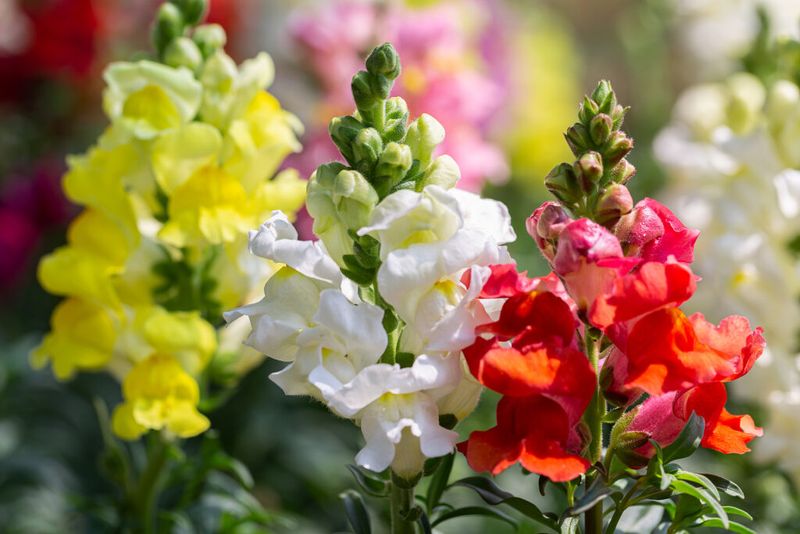
Kids have squeezed snapdragon flowers for ages to make the little dragon mouths open and close. Grown-ups secretly enjoy it too.
Beyond the fun, snapdragons rank among the toughest color plants for a bright fall and winter bed.
These plants actually prefer cool weather. Summer heat often slows them down and stops the blooms.
Crisp, sunny days, on the other hand, bring out their best. In mild parts of California, October is a great month to plant them.
Strong roots form through fall, and blooms follow from early winter into spring.
Their needs are short and sweet:
Full sun for at least six hours a day.
Soil that drains well and has some compost mixed in.
Steady moisture while young, with less water once fall rain begins.
Snapdragons come in many sizes. Dwarf types stay short and suit the front of a bed or a pot.
Tall varieties can reach three feet and make wonderful cut flowers. A pinch at the tips of young plants encourages more branches and more flower spikes later.
Light frost rarely bothers established snapdragons. A hard freeze can damage open blooms, though. Trim off the harmed flowers, and new ones often follow.
Now for a fun fact to share with the kids. The scientific name, Antirrhinum, comes from Greek words that mean like a nose.
That is a nod to the flower’s funny little face. Snapdragons, it turns out, have been making people smile for centuries.
6. Pansies And Violas Love Winter Sun
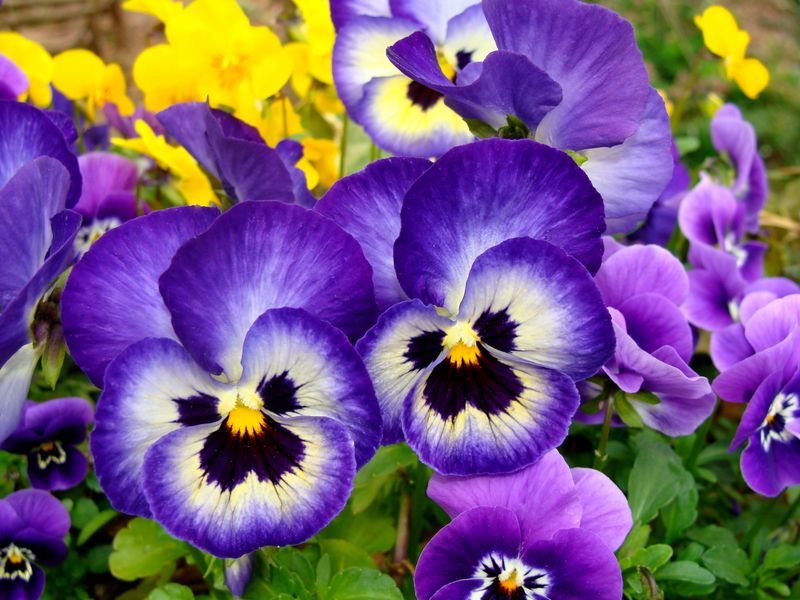
Those little flower faces seem to smile right back at you. That friendly look is one reason pansies and violas show up in so many California gardens from fall through spring.
The two are close cousins. Pansies have larger blooms, often with dark blotches that look like faces.
Violas have smaller flowers but usually produce more of them. They also tend to bounce back faster after cold nights.
A mix of both gives you big and small color together.
Cool sun suits them perfectly. They like mild temperatures and bright light, and many varieties shrug off light frost.
October is the ideal month to plant them in most of California, so they settle in before the shortest days. Hot inland areas may see them fade once late spring heat arrives.
Care is easy:
Water when the top inch of soil feels dry.
Feed lightly every few weeks with a gentle flower fertilizer.
Pinch off faded blooms to keep new buds coming.
Pansies and violas shine in containers, window boxes, and along walkways. They stay low, so they also fit nicely under taller plants like snapdragons or stock.
Now for a sweet surprise, and it may change how you see these flowers. Many pansy and viola blooms are edible when grown without pesticides.
People sprinkle them on salads or press them onto holiday cookies. Stick to flowers you grew yourself or ones labeled safe to eat.
Your garden just became a bakery decoration station. Frosting sold separately.
7. Calendula Blooms Steadily All Season
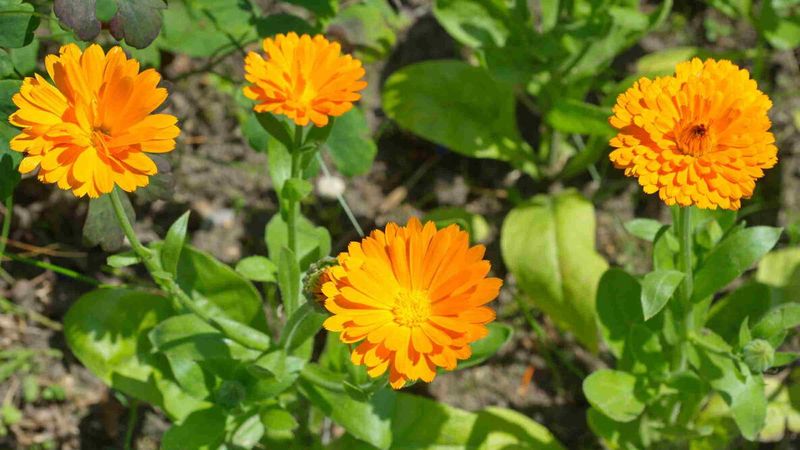
Some flowers take breaks. Calendula works right through the season.
Often called pot marigold, this cheerful plant pumps out orange and yellow daisy-like blooms week after week in California’s cool months.
October is a great month to sow seeds or set out young plants in much of the state. Flowers can appear by early winter.
Blooms often continue well into spring before summer heat slows things down.
Snip off each bloom as it fades, before it forms seeds. The plant responds with more buds.
A missed week or two is no big deal, since calendula often reseeds and pops up again next year.
A few simple habits keep it happy:
Plant in full sun with average, well-drained soil.
Water deeply but not too often, especially once fall rains arrive.
Go light on fertilizer, which can lead to lots of leaves and fewer flowers.
Now take a peek at your vegetable bed, because calendula makes a great neighbor there. Its bright blooms attract helpful insects like bees and hoverflies.
Those visitors show up on sunny late-fall days when food runs scarce. A few plants near lettuce, kale, or peas add color to an otherwise plain bed.
People have grown calendula for hundreds of years and used the petals to add golden color to food.
The name links to a Latin word for the start of each month, a nod to its long bloom time. Clearly, this flower has always been an overachiever.
8. Sweet Alyssum Fills Gaps With Little Care
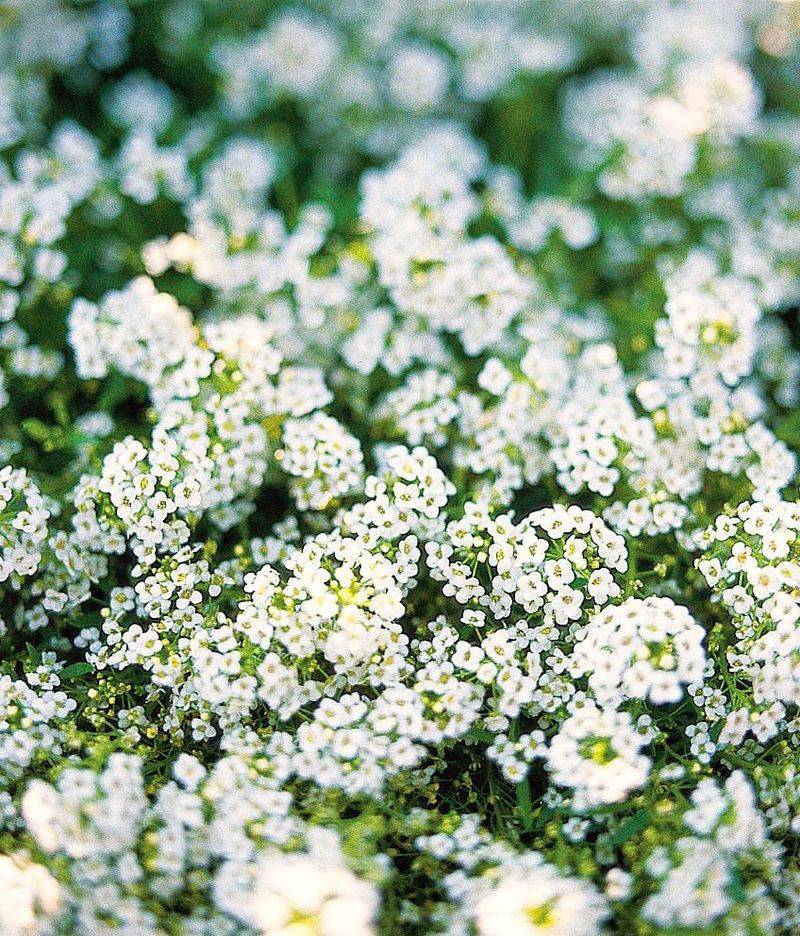
Every garden has awkward bare spots. Maybe it is the space between pavers or the edge of a bed where nothing seems to fit.
Sweet alyssum happily moves in and covers those gaps with soft carpets of tiny flowers.
This low plant grows only a few inches tall but spreads outward. It forms clouds of white, pink, or purple blooms.
The flowers smell faintly of honey, especially on warm, sunny afternoons. Plants set out in October fill in fast and often bloom through the holidays and beyond.
Care could hardly be simpler. Plant it in full sun or light shade, and water once the soil dries out.
Stringy plants bounce back with a quick haircut. Shear them back by about a third, and fresh growth and new flowers usually follow within a few weeks.
Now for a bonus that makes alyssum a real team player. Its tiny blooms attract beneficial insects that help control pests like aphids.
It also reseeds itself. New plants often appear in cracks and borders without any effort from you.
For a finished look, pair it with pansies, snapdragons, or calendula. Those low white mats make brighter colors pop.
With all eight plants in the ground this October, that sunny patch works hard from fall straight through winter. Friends in snowy states may soon request a garden tour.
At the very least, they will want photos to admire from under their blankets.