8 California Garden Tasks To Finish Before October Comes To An End
Every to-do list has a few items that slide to next week. In the garden, October is when next week finally runs out.
The calendar flips faster than expected. Seed packets still sit on the counter. A bag of bulbs waits by the door.
The gutters, well, nobody wants to talk about the gutters.
Sound familiar?
Across much of California, the end of October makes a smart finish line for fall chores. The soil stays warm. The first real storms have not quite arrived.
It is that sweet window when the work feels easy and the payoff lasts for months. Miss it, and some jobs get muddier, colder, and less fun.
Of course, coastal, inland, desert, and mountain gardens all run on slightly different clocks. Still, a few key tasks deserve a spot on nearly every list right now.
The good news? None of them take a whole weekend.
Ready to cross things off with confidence? Grab a notepad and your favorite gloves. November is already peeking around the corner.
1. Finish Any Remaining Fall Planting
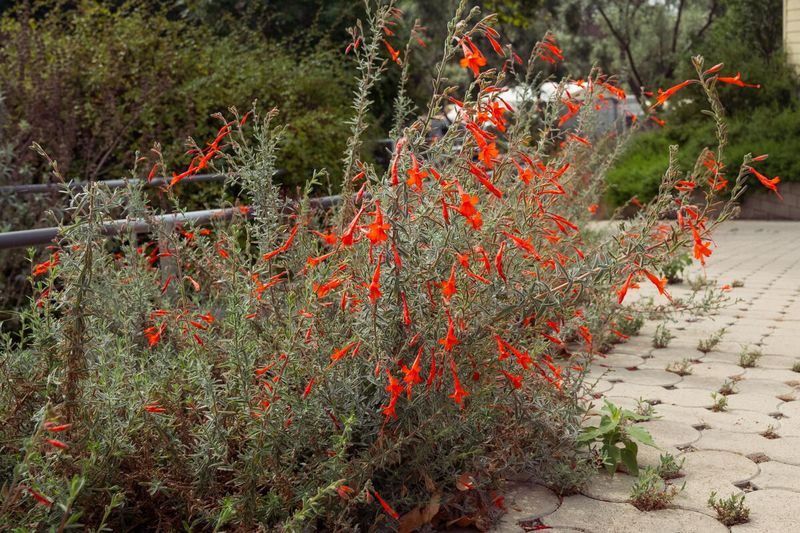
A young sage settles its roots into warm soil while the air above cools down. That combo explains why fall is prime time for new plants in much of California.
Shrubs, trees, and natives set out in fall get a head start from winter rains.
Roots stay active while soil stays warm, even as top growth slows. By the time summer heat returns, a fall-planted shrub has had months to spread out and find moisture.
A spring-planted shrub, on the other hand, faces its first hot summer with a tiny root ball.
In inland valleys and mountain areas, soil temperatures drop faster in November, and roots slow down. Coastal gardeners get a bit more wiggle room.
Low desert gardens actually hit their main season now, so treat late October as a helpful target, not a strict rule.
Now focus on the plants that benefit most, because some really shine with a fall start. California natives, woody shrubs, and perennials top the list.
Cool-season crops like lettuce, spinach, peas, and garlic fit nicely too. A regional garden calendar helps fine-tune the schedule for your zone.
Water deeply after the plants go in, even with rain in the forecast. Fall storms are unpredictable, and new roots need steady moisture for the first few weeks.
A thin layer of mulch around each plant, kept away from stems, helps hold that moisture in. By spring, they will act like they have lived there for years.
2. Get Spring Bulbs Into The Ground
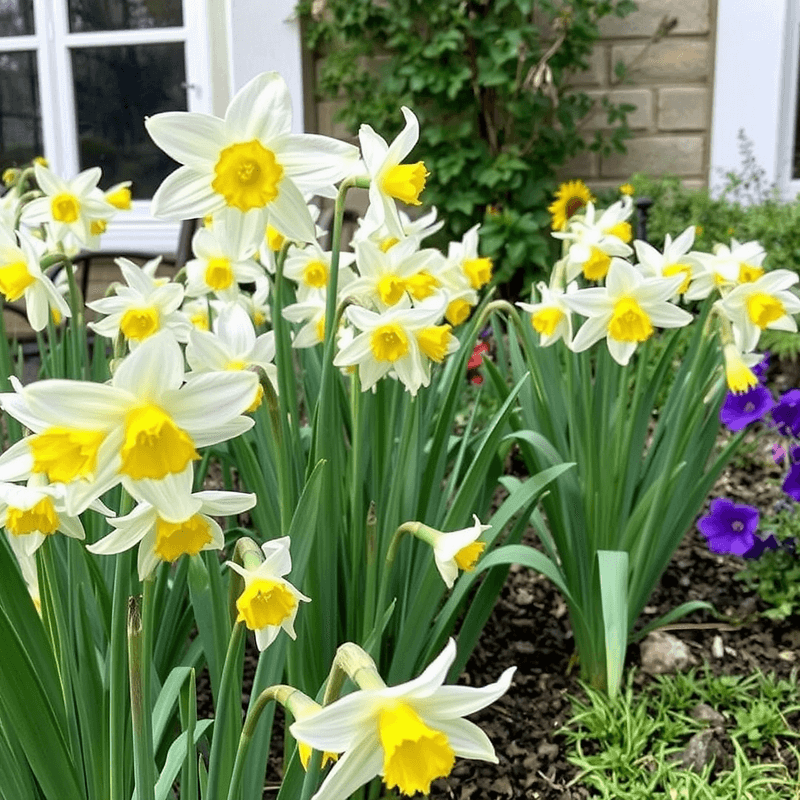
Daffodils have a secret. Those cheerful yellow blooms in February and March depend almost entirely on what happens in fall.
A bulb planted in October has time to grow roots before its leaves ever poke through the soil.
Many California gardeners plant hardy bulbs like daffodils, freesias, ixia, and Dutch iris from October into November.
A late-October finish gives roots a comfortable head start while the soil stays warm. Cooler mountain areas benefit from an even earlier start, since the ground chills quickly.
Your California Garden Changes Every Week. Your Plan Should Too.
Gardening in California changes quickly throughout the season. Every Friday you’ll receive a simple weekly plan showing exactly what to plant, prune, fertilize, harvest, and protect so you never miss the right timing.
Tulips and hyacinths play by different rules in mild parts of the state. Much of California lacks steady winter cold.
That is why these bulbs usually need about six weeks in the refrigerator before they go in the ground.
Now for a kitchen warning, because your fridge holds a sneaky troublemaker. Keep chilling bulbs away from ripening fruit like apples.
Apples release a gas that can harm the flower buds inside.
Set bulbs about two to three times as deep as they are tall, pointy side up. Pick a spot with good drainage, because soggy winter soil ranks as the fastest way to rot a bulb.
Freesia and ixia come from South Africa, which has a climate a lot like California’s. That is why these bulbs often return year after year here with very little fuss.
Plant them once, and they may bring back the spring show for seasons to come. Not a bad return on a single afternoon with a trowel.
3. Complete Disease Prone Perennial Cutbacks
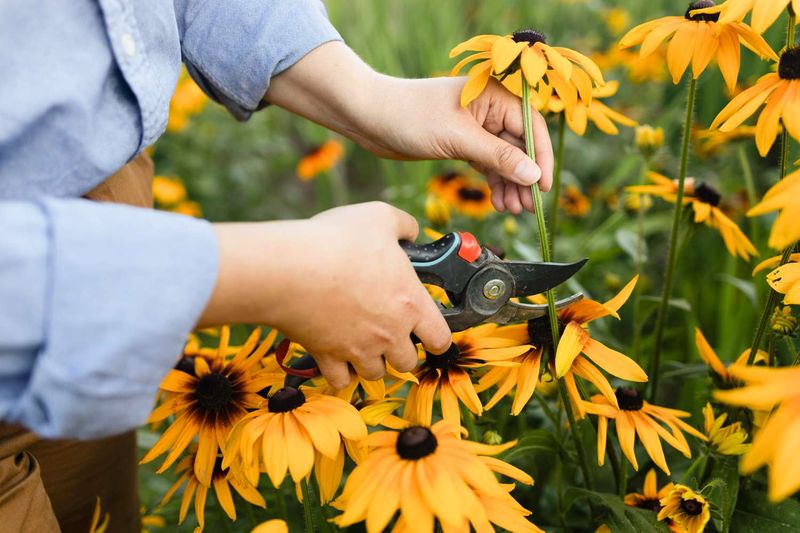
White dust on leaves. Brown spots across stems. Perennials that looked a little sickly by the end of summer can get a fresh start with a fall cleanup.
This is your chance to stop those problems before they return.
Fungal diseases like powdery mildew, rust, and leaf spot can survive on old foliage through winter. Spring spores on leftover plant material can splash onto brand-new growth.
A cutback now, with infected leaves removed, breaks that cycle before the rainy season spreads spores around.
Roses with black spot, peonies, bee balm, hollyhocks with rust, and irises with leaf spot all deserve a look.
Trim diseased stems down to healthy tissue or near ground level, depending on the plant. Wipe pruners with a disinfectant between plants so disease stays put.
Now for a tip plenty of gardeners miss, and it happens right after the cut. Skip the home compost pile for diseased leaves.
Backyard piles often stay too cool to wipe out disease organisms. The green waste bin works better, since city compost facilities reach much higher temperatures.
Healthy perennials are another matter. Seed heads on coneflowers and native grasses can feed birds and shelter helpful insects through winter.
Those can stay standing. The goal is not a perfectly bare garden, just one free of sick leaves that invite trouble next spring.
Your garden gets a clean slate, and the fungi lose their winter hideout. Next spring’s new growth will thank you with clean, healthy leaves.
4. Clear Gutters And Drainage One Last Time
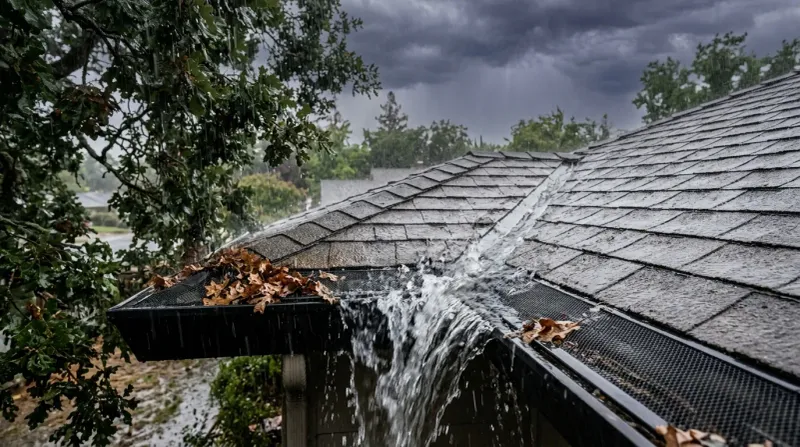
Nobody enjoys a ladder climb to scoop soggy leaves. Still, ten minutes up there now can save a flooded flower bed, or worse, a wet foundation.
California gets most of its rain between November and March. After months of dry weather, gutters and downspouts often fill with leaves, twigs, and dust.
Heavy rain then makes clogged gutters overflow. Water dumps right next to the house and onto nearby plants.
Start at the top. Clear the gutters and flush them with a hose.
Make sure every downspout pushes water at least a few feet away from the foundation. A splash block or extension pipe costs little and works wonders.
Next, walk the yard and hunt for low spots. Puddles that sat for days last winter are a clue.
Many California natives and succulents dislike soggy roots, and standing water can lead to root rot.
Now try a simple drainage test, and all you need is a shovel and a hose. Dig a hole about a foot deep, fill it with water, and watch how long it takes to empty.
Water that lingers many hours signals poor drainage in that spot.
Sensitive plants may need a move to higher ground. A raised bed, a shallow swale, or a rain garden can also catch runoff.
Your plants stay dry-footed, and the neighbors rarely have to see you on a ladder in a rainstorm.
5. Apply A Final Layer Of Compost
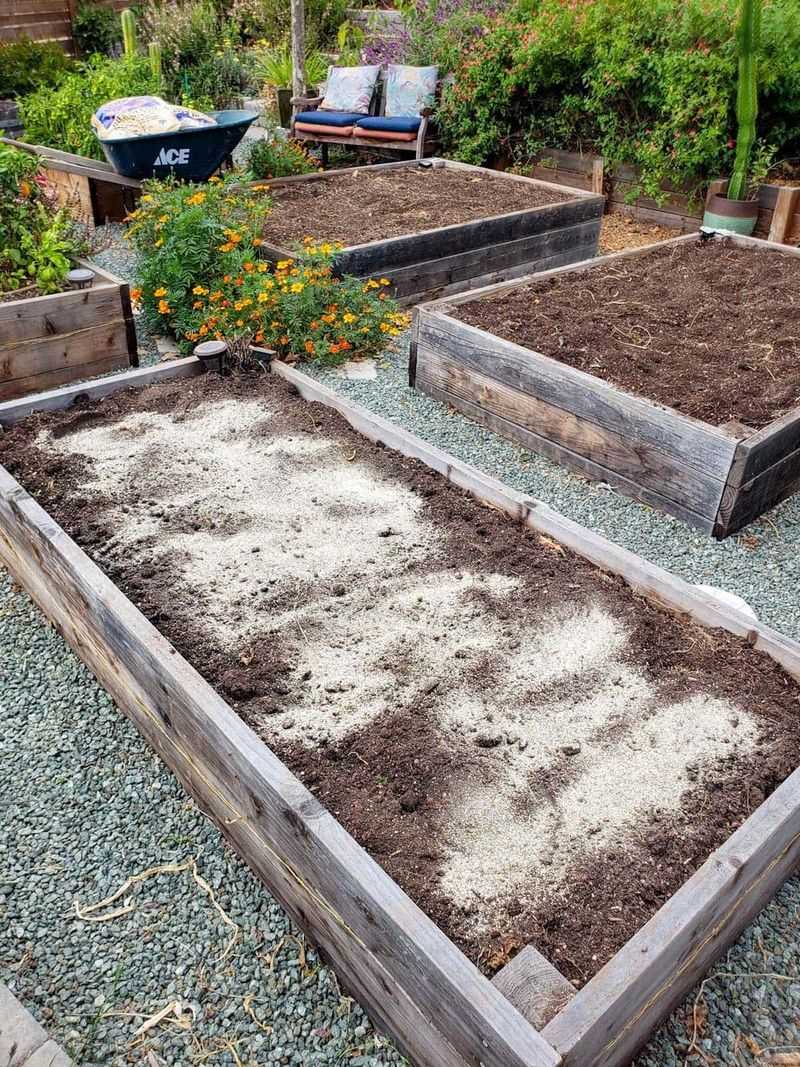
Compost works like a slow-release snack for your soil. Spread it in fall, and winter rains carry its nutrients down to the roots.
Worms and tiny soil organisms mix it in for you. By spring, the ground feels softer and richer.
October makes a great time for this job in most California gardens. The soil stays warm enough for soil life to keep busy with organic matter.
A wait until cold, soggy weather makes the work messier and slower.
A layer about one to two inches thick suits most vegetable and flower beds. Gently mix it into the top few inches of soil, or leave it on top and let nature work.
Around trees and shrubs, spread compost out toward the drip line, where most feeder roots live.
Now for a small detail that makes a big difference. Keep compost a few inches away from trunks and stems to prevent rot.
A layer of wood chip mulch on top adds weed control and holds moisture longer.
Compost also helps both kinds of problem soil found across the state. It loosens heavy clay so water can drain.
It also helps sandy soil keep water around the roots.
Homemade or store-bought, finished compost should look dark and crumbly. It should smell earthy, not sour.
Your soil gets a slow, steady meal all winter long. It is basically a winter potluck, and the worms volunteered to do all the dishes.
6. Sow Cover Crops In Empty Beds
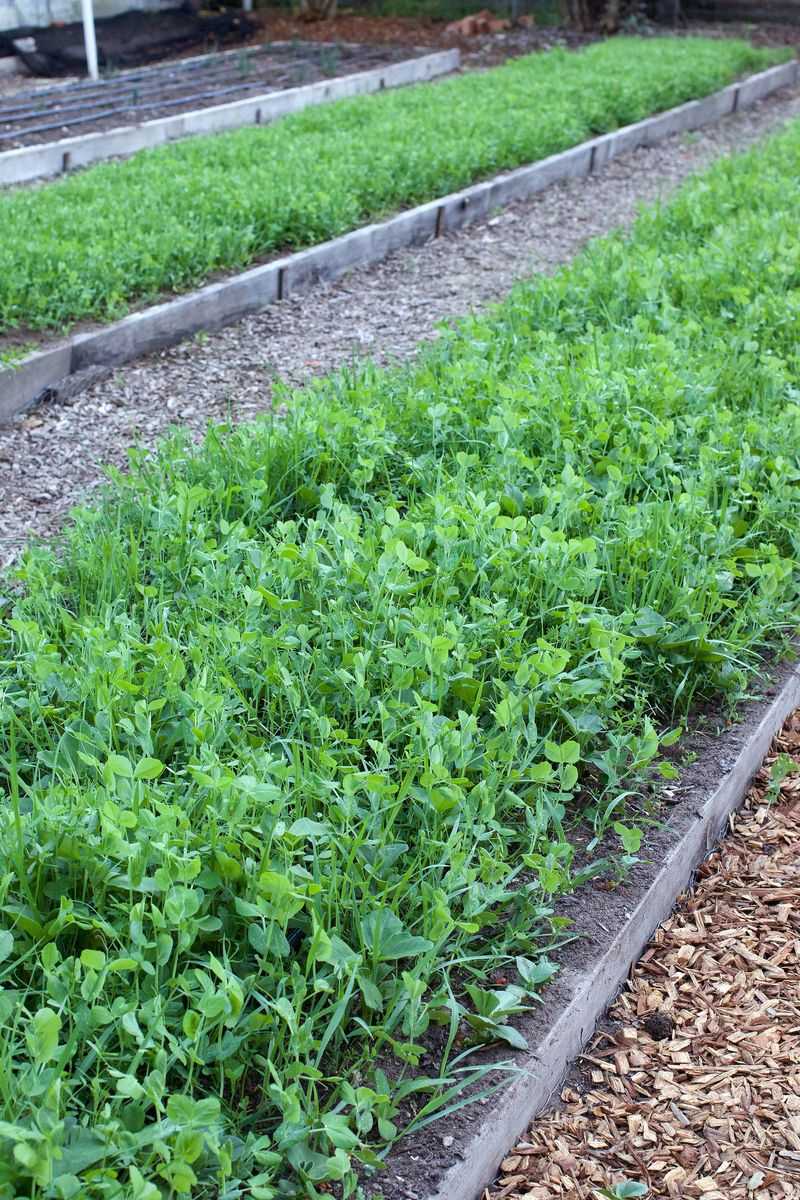
Bare soil in winter is a missed opportunity. Rain pounds it flat, weeds move in, and nutrients wash away.
A cover crop turns that empty bed into a work crew that feeds the soil while you rest.
Cover crops are plants grown to protect and improve soil rather than for harvest. Popular fall choices in California include fava beans, bell beans, crimson clover, vetch, peas, and cereal rye or oats.
Legumes like fava beans and clover team up with soil bacteria. Together, they pull nitrogen from the air and store it in the ground.
The calendar really matters here. Seeds need warm enough soil to sprout and grow roots before winter slows everything down.
A fall start, ahead of or with the early rains, works best. A late-October finish makes a sensible goal in many regions. Higher, colder areas should sow earlier.
Loosen the soil surface, scatter seeds, and rake them in lightly. Water when rain is still a few days off.
Legume seeds may perform better with an inoculant, a powder of helpful bacteria sold at garden stores.
Now look ahead to spring, because the payoff comes later. Cut the plants down before they set seed. Mix them into the soil, or leave them on top as mulch.
Give the bed a few weeks before summer crops go in.
Fava flowers are a big hit with bees. You can even eat a few young beans, a rare garden chore with a snack included.
7. Protect Tender Plants Before November Arrives
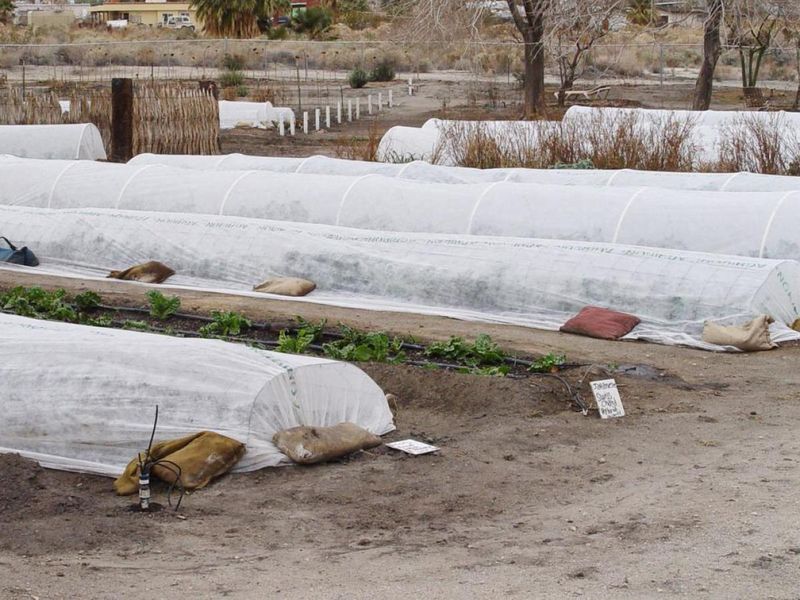
One clear, still night can undo a whole summer of care. Frost often sneaks in after a calm, cloudless evening.
Tender plants like young citrus, bougainvillea, and many succulents can suffer before you even notice.
Frost risk varies wildly across California. Mountain and high desert gardens may already see freezing nights.
Inland valleys often get frost from late November onward, while many coastal spots rarely freeze at all.
A head start before November means calm prep instead of a panicked scramble in the dark.
Start with supplies. Frost cloth, old bedsheets, and stakes to hold covers above leaves are simple and effective.
Keep plastic off foliage, since it can pass cold straight through and damage leaves.
Now move a few pots, because location makes a big difference on cold nights. Scoot potted plants closer to a south-facing wall or under an eave.
Stored daytime heat keeps them warmer after dark.
Water the soil a day or two before a frost warning, since moist soil holds heat better than dry soil. Hold off on heavy cuts or fertilizer, which can trigger soft new growth that frost easily burns.
Sign up for local weather alerts so a surprise cold snap stays a lot less surprising.
With these seven tasks crossed off, your garden can coast into winter healthy and ready for spring. You, meanwhile, get to enjoy the holidays with a well-earned sense of accomplishment.
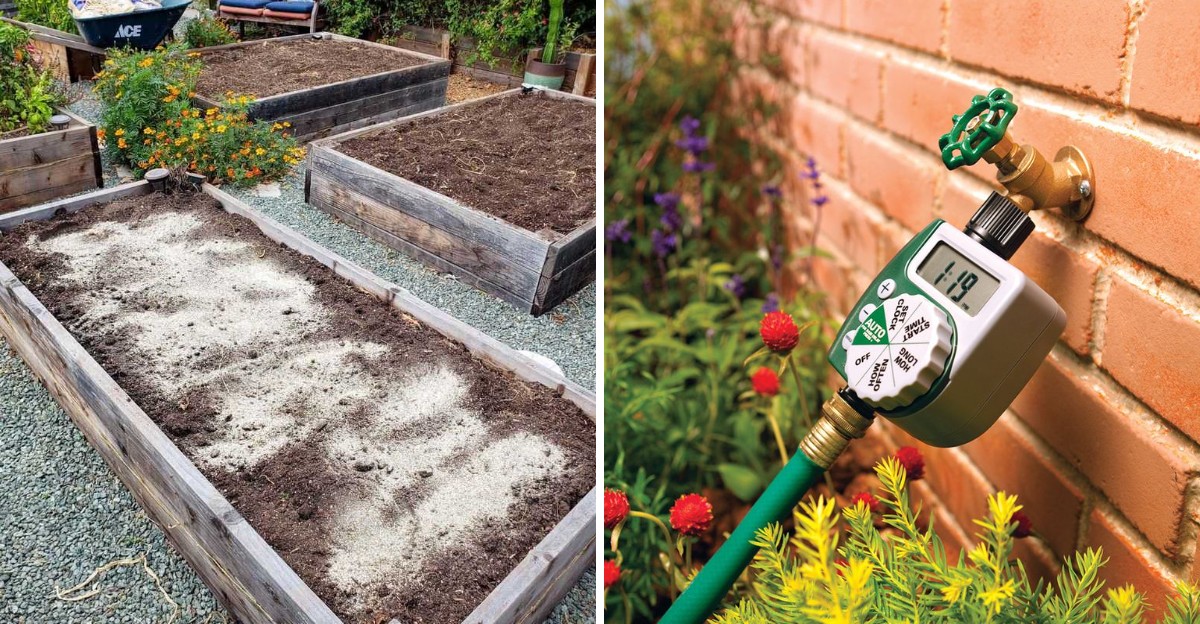
8. Reset Irrigation Timers For The Rainy Season
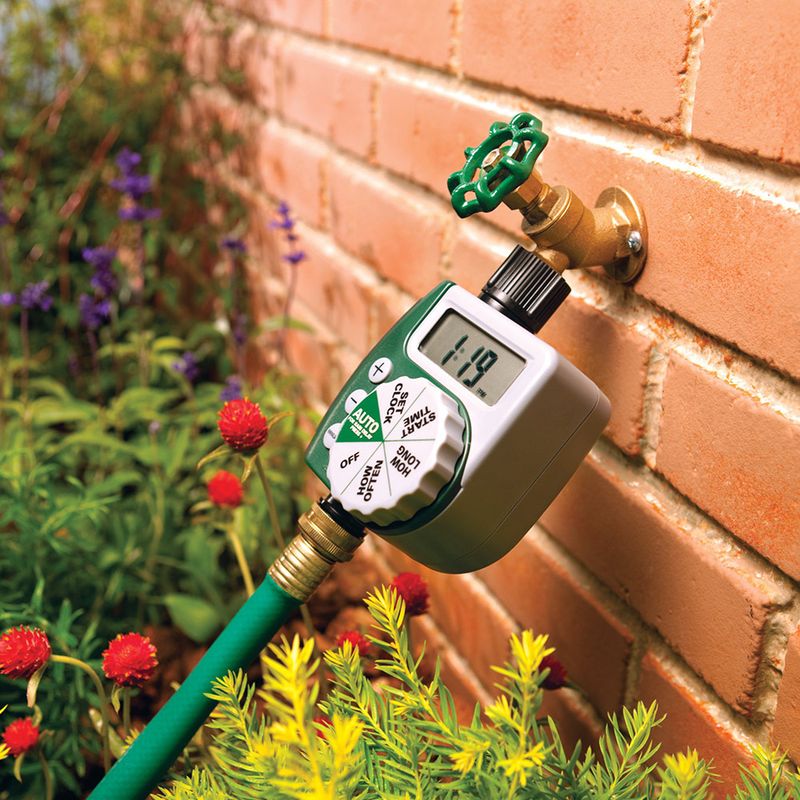
Sprinklers that spray in the middle of a rainstorm win zero points for good sense. Yet plenty of California yards keep their summer schedule well into winter.
Shorter days and cooler temperatures mean plants drink far less water. Many landscapes need only a fraction of their July amount by November.
Soggy soil in cold weather can lead to root rot, fungus, and wasted money.
Start with the controller. Cut run times or days for each zone, and switch to a seasonal setting when available.
Many timers include a simple percentage adjustment for this.
A rain sensor or smart controller helps even more. It skips cycles automatically once storms roll in.
Now take a quick walk through each zone, because leaks love to hide in fall. Run the system one zone at a time and watch for geysers, soggy patches, or spray that hits sidewalks.
Fix broken heads and reconnect loose drip lines while the weather stays pleasant.
Drip systems also appreciate a quick flush. Open the end caps and let water run for a minute to clear out summer grit.
Clean the filter while you are at it.
Once steady rain arrives, many gardeners turn the system off entirely. Check the soil every week or two through dry spells, and water only as needed.
Your water bill shrinks, your plants stay healthy, and your sprinklers finally get a well-earned vacation. They have worked hard all summer, after all.