The Plants California Gardeners Should Never Put Too Close To Citrus Trees
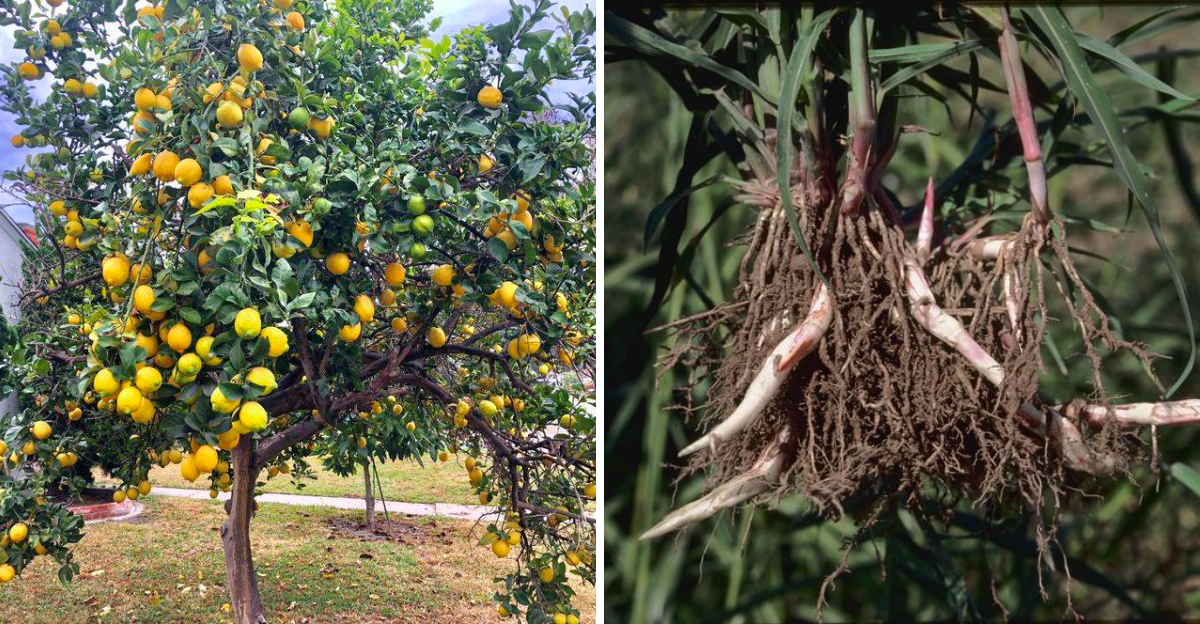
Citrus trees are pretty easygoing in a lot of ways, but when it comes to their personal space? They have opinions.
Strong ones. It turns out that what you plant around your citrus tree matters a whole lot more than most gardeners realize, and some very common and attractive plant choices can quietly cause problems without any obvious warning signs.
Citrus roots sit surprisingly shallow in the soil, which means anything growing nearby is essentially competing at the exact same level for water and nutrients. Not ideal when you are hoping for a tree full of juicy fruit.
The good news is that once you know what to avoid, it is a pretty easy fix.
A little breathing room and some smarter plant choices around the base can make a genuinely noticeable difference in how your tree performs.
1. Lawn Grass Competes More Than It Helps
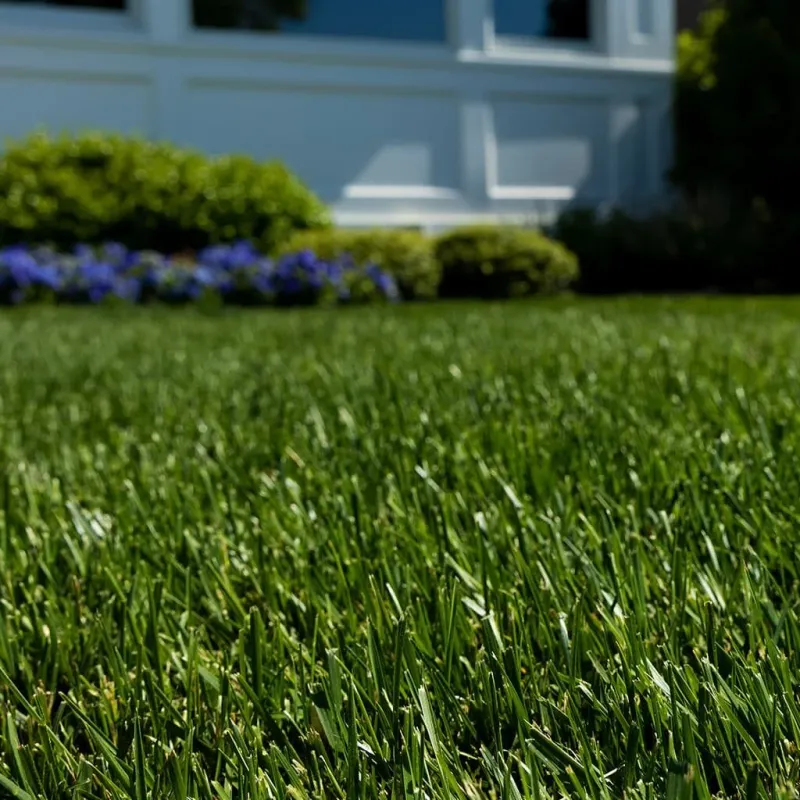
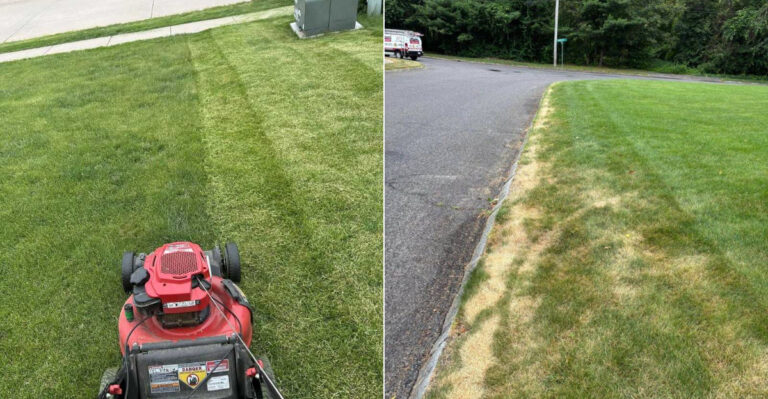
Walking through a California neighborhood, you will often spot citrus trees planted smack in the middle of a lawn, looking a little less vigorous than the ones growing in open mulched beds nearby.
Lawn grass might seem harmless, but it competes aggressively with citrus for both water and nutrients, especially nitrogen, which citrus trees need in steady supply to stay green and productive.
The root systems of common California lawn grasses, including tall fescue and Kentucky bluegrass, spread through the same shallow soil layer where citrus feeder roots are most active.
When grass surrounds the trunk, both plants end up fighting for the same resources after every irrigation cycle.
Over time, the citrus tree often shows the strain through pale leaves, reduced fruit set, or slower overall growth.
Lawn irrigation also tends to run on a schedule that keeps the soil consistently moist, which does not match what citrus trees prefer. Citrus generally does better with deep, less frequent watering that allows the root zone to dry slightly between cycles.
Keeping a grass-free zone of at least a few feet around the trunk, and replacing it with a light layer of wood chip mulch pulled back from the base, gives citrus trees a much more favorable growing environment without requiring a lot of extra effort.
2. Ground Covers Too Close To The Trunk Can Cause Trouble
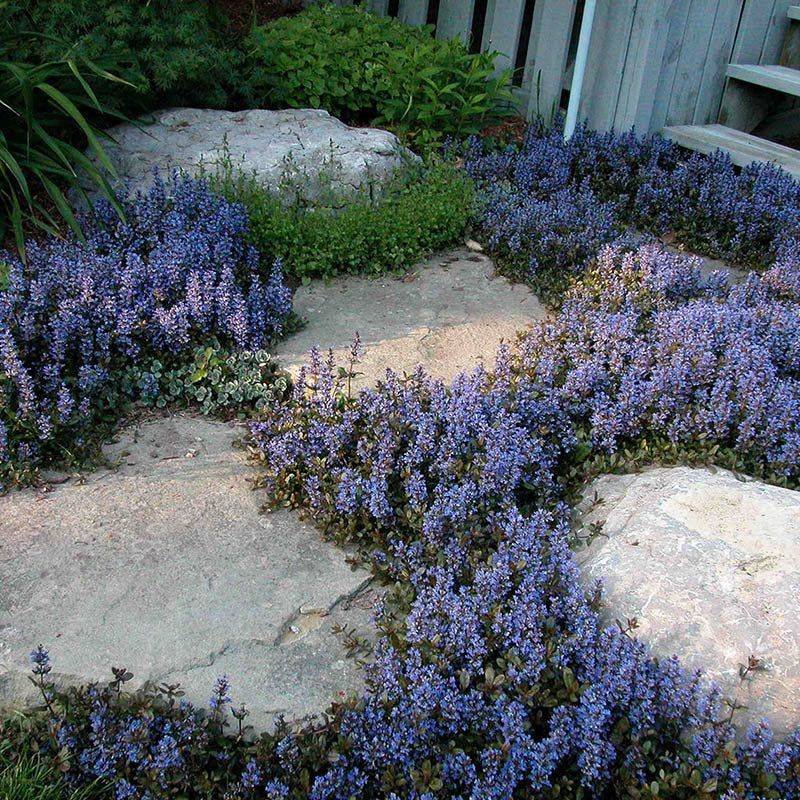
Attractive low-growing ground covers are popular choices in California edible landscapes because they fill space, reduce weeds, and add visual texture.
The problem shows up when those plants creep right up against a citrus trunk and create conditions the tree was never meant to handle.
Ground covers like ivy, vinca, or ajuga hold moisture close to the soil surface and trap humidity around the crown of the tree. Citrus trunks are particularly sensitive to prolonged dampness near the base.
When moisture lingers there consistently, it can encourage fungal issues and bark problems that weaken the tree gradually over a growing season or two.
The feeder roots of citrus also extend outward in a fairly wide radius, and dense ground covers growing across that zone compete directly for the water and nutrients moving through the soil.
Your California Garden Changes Every Week. Your Plan Should Too.
Gardening in California changes quickly throughout the season. Every Friday you’ll receive a simple weekly plan showing exactly what to plant, prune, fertilize, harvest, and protect so you never miss the right timing.
In many California yards, irrigation systems are set to keep ornamental ground covers hydrated, which often means the soil near the citrus trunk stays wetter than ideal.
A practical approach is to keep a clear, mulched ring of at least two to three feet around the trunk, making sure mulch does not pile up against the bark itself.
Beyond that cleared zone, lower-water ground covers can work reasonably well as long as they do not creep back into the trunk area over time.
Regular trimming and monitoring go a long way toward keeping the setup working in the tree’s favor.
3. Frequent-Water Plants Can Create The Wrong Conditions
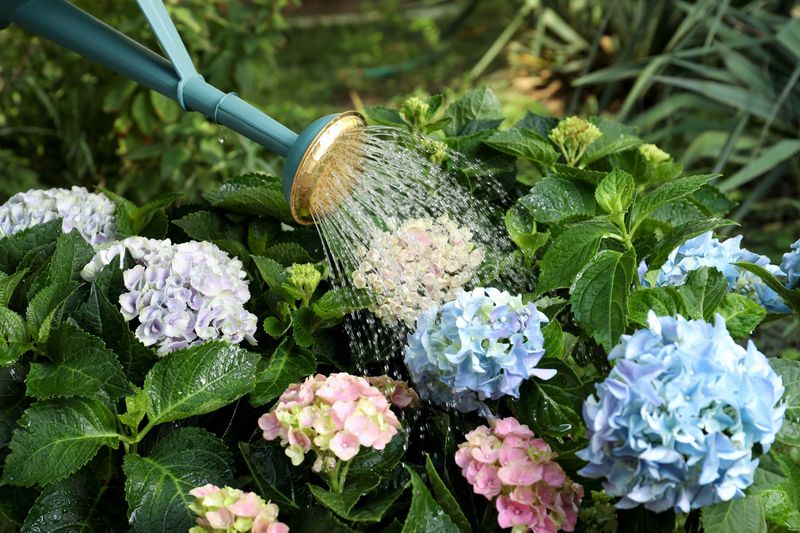
Citrus trees in California have a reputation for being easygoing, but their water preferences are more specific than many gardeners realize.
Planting moisture-loving companions nearby, even with the best intentions, can shift the root zone into conditions that work against the tree rather than supporting it.
Plants like impatiens, ferns, hydrangeas, and certain vegetables thrive with frequent, light watering that keeps the soil consistently moist. When these plants share a bed or border with a citrus tree, the irrigation schedule tends to get set around their needs.
That means the citrus root zone ends up staying wetter than ideal, which can reduce oxygen availability in the soil and create conditions where root health begins to decline slowly.
In many yards, the challenge is that drip lines or sprinkler zones are not always separated cleanly between thirsty plants and citrus. The result is a mixed planting that looks lush on the surface but quietly stresses the citrus tree season after season.
Yellowing leaves, reduced fruit production, or a generally sluggish appearance are often early signs that something is off with the root environment.
Grouping plants by water need is one of the most practical things a gardener can do.
Keeping frequent-water plants in their own irrigation zone, away from citrus, allows each plant to get what it actually needs without one pulling the other in the wrong direction.
Even a modest separation can produce noticeable improvement in citrus performance over time.
4. Annual Weeds Steal Water And Nutrients Fast
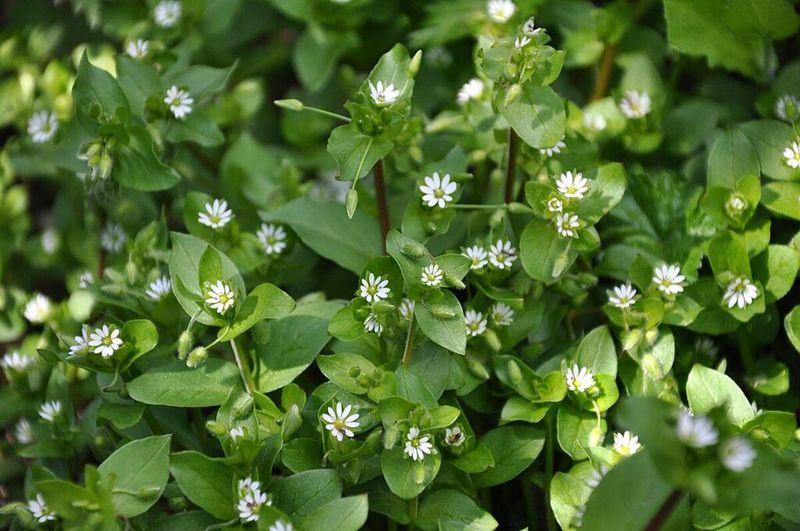
Few things drain a citrus tree’s resources faster than a fresh flush of annual weeds taking hold right in the root zone.
In California, mild winters and early spring rains create ideal conditions for weeds like common chickweed, annual bluegrass, and hairy bittercress to sprout in large numbers around backyard citrus.
Annual weeds germinate quickly, grow fast, and put a lot of energy into producing seeds before the season ends.
While each individual plant is small, a dense mat of annual weeds covering the root zone of a citrus tree can absorb a surprising amount of water and nitrogen from the soil.
Young citrus trees or recently planted ones are especially vulnerable because their root systems have not yet spread wide enough to outcompete that kind of pressure from below.
The problem is not just about competition. Annual weeds also tend to keep the soil surface shaded and moist in a way that can encourage unwanted fungal activity near the crown, particularly when weed growth presses against the lower trunk.
In California, where spring conditions shift quickly into summer heat, a weedy root zone can set a citrus tree back noticeably by mid-season.
Pulling annual weeds by hand before they set seed, and maintaining a two-to-three-inch layer of wood chip mulch over the root zone, reduces germination significantly.
Keeping that mulch layer refreshed each year is one of the most low-effort ways to stay ahead of annual weed pressure without reaching for chemical controls.
5. Perennial Weeds Are Even Harder To Ignore
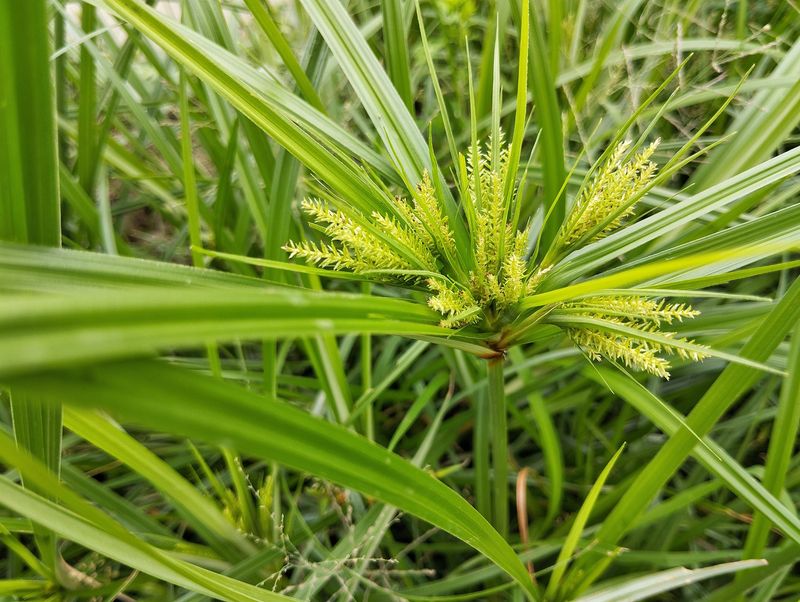
Nutsedge popping up in a citrus bed is one of those frustrating sights that many gardeners know well.
Unlike annual weeds that complete their cycle in a single season, perennial weeds come back from established root systems year after year, making them much tougher to manage once they get a foothold near a citrus tree.
Yellow nutsedge, dandelion, bindweed, and oxalis are among the most persistent perennial weeds found in California citrus gardens. These plants develop deep or spreading root systems that can intertwine with citrus feeder roots over time.
They compete steadily for water and nutrients through the entire growing season, not just during a brief germination window like annual weeds do.
Bindweed is particularly troublesome because its roots can extend several feet deep into the soil and regenerate from small fragments left behind during hand-pulling.
Nutsedge spreads through underground tubers that are difficult to remove completely, and even a few left in the soil will resprout quickly.
In California’s long growing season, perennial weeds have plenty of time to establish and expand if not addressed early.
Consistent hand removal when weeds are young, combined with mulch and good irrigation management, is the most reliable approach for home gardeners. Keeping the area around the citrus trunk as clear as possible limits the foothold these plants need to establish.
Staying on top of small patches before they spread widely is much easier than trying to reclaim a heavily weeded root zone later in the season.
6. Bermudagrass Can Quickly Crowd Citrus Roots
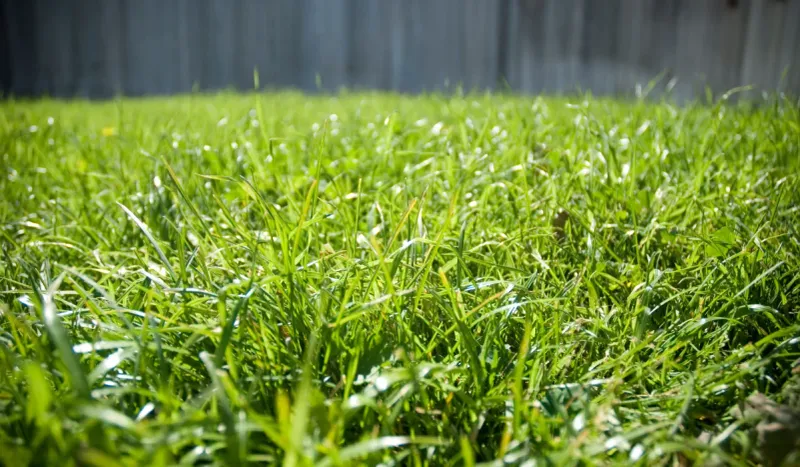
Bermudagrass has a well-earned reputation in California as one of the most aggressive spreading grasses a gardener can encounter.
Once it moves into the root zone of a citrus tree, removing it cleanly becomes a genuine challenge because of how deeply and widely its rhizomes and stolons spread through the soil.
What makes bermudagrass especially problematic near citrus is that it does not just sit on the surface. Its underground rhizomes penetrate the same soil layer where citrus feeder roots are most active, creating direct competition for water and nutrients.
In California’s warm inland valleys and coastal regions where bermudagrass thrives, it can spread several feet in a single growing season under favorable conditions.
Citrus trees surrounded by bermudagrass often show reduced vigor over time. The grass draws water away from the tree during the same warm months when citrus needs consistent moisture to size up fruit properly.
Trying to irrigate around the competition without overwatering the citrus root zone becomes a balancing act that many gardeners find difficult to manage well.
Removing bermudagrass from an established citrus planting takes patience. Repeated hand removal targeting the rhizomes, solarization during hot summers, and maintaining a thick mulch layer can all help reduce bermudagrass pressure over time.
Preventing it from establishing in the first place, by keeping a clear mulched zone around the tree from the start, is considerably easier than managing a full-scale invasion later.
7. Johnsongrass Brings Aggressive Competition
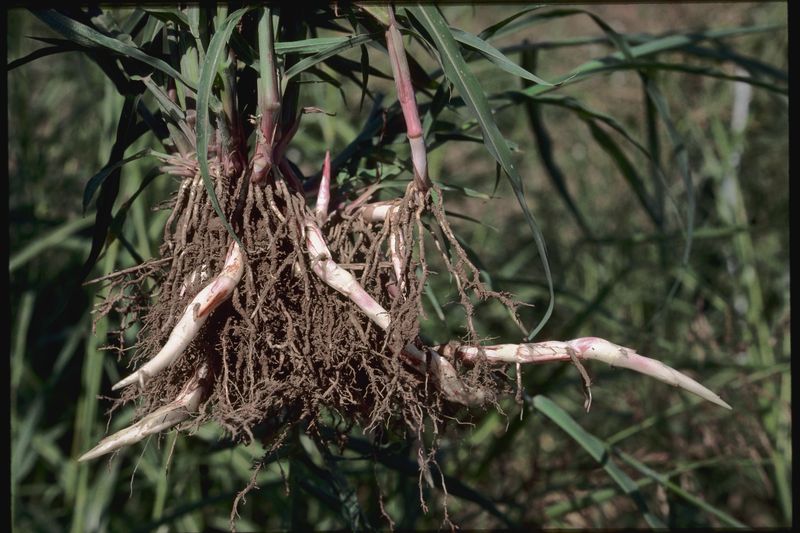
Spotting Johnsongrass near a citrus tree in a California yard is a signal worth taking seriously.
This tall, fast-growing perennial grass is one of the most competitive weeds found in California agricultural and residential settings, and it does not need much of a foothold before it starts creating real problems for nearby fruit trees.
Johnsongrass spreads through both seeds and an extensive rhizome network underground.
Its root system can reach deep into the soil and spread laterally across a wide area, pulling water and nutrients away from the citrus root zone with surprising efficiency.
In California’s warmer growing regions, Johnsongrass can reach six feet or taller in a single season, creating shade and physical crowding that compounds the underground competition happening below the surface.
For backyard citrus growers, the main concern is how quickly Johnsongrass can establish if left unmanaged near the tree. Even small plants left to mature will produce large quantities of viable seed that spread easily through the garden.
Once the rhizome network is established, removal becomes significantly more labor-intensive because fragments left in the soil will resprout readily.
Catching Johnsongrass early, when plants are small and the rhizome system is still limited, gives gardeners the best chance of managing it without a long-term struggle.
Regular monitoring around citrus trees, especially during spring and early summer when new growth flushes rapidly, makes it easier to stay ahead of this particularly persistent grass before it becomes a much bigger project to address.
8. Dense Planting Around The Trunk Can Hold Too Much Moisture
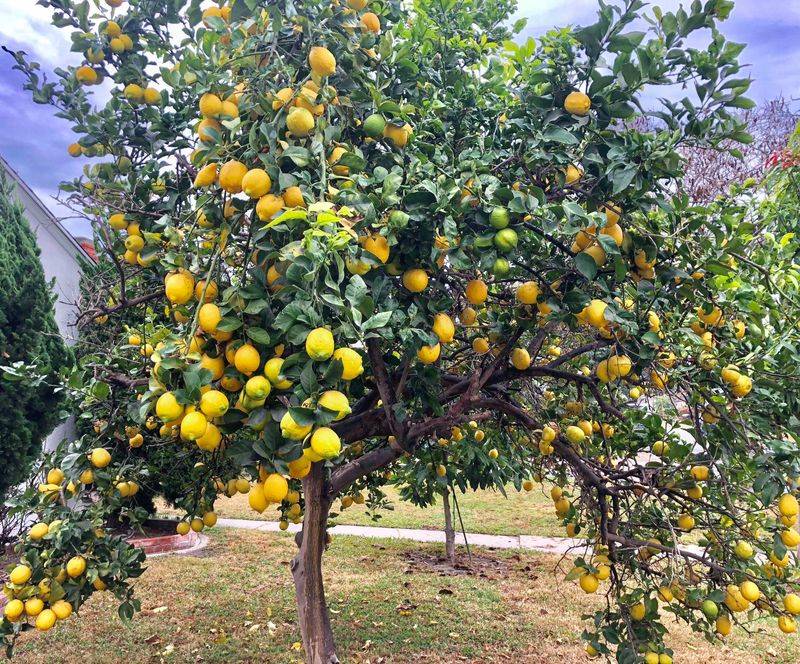
A citrus tree surrounded by a lush, layered mix of herbs, flowering plants, and ground covers can look beautiful in a California edible landscape, but the conditions that planting creates right at the trunk are worth paying close attention to.
Dense planting around the base traps moisture, reduces airflow, and keeps the soil near the crown consistently wet in a way that citrus trees do not handle well over time.
The trunk and crown area of a citrus tree are particularly sensitive to prolonged moisture exposure.
When multiple plants crowd closely around the base, they create a microclimate that stays damp even during dry summers because irrigation water does not evaporate as quickly through dense foliage cover.
That lingering moisture near the bark can invite fungal and bacterial issues that gradually weaken the tree.
Root competition is the other side of the problem. A densely planted root zone means multiple plants drawing from the same soil resources, often on overlapping schedules.
Even well-intentioned companion planting can create a crowded underground environment where citrus feeder roots struggle to access consistent water and nutrition without competition from every direction.
Keeping a clear, open ring of at least two to three feet around the citrus trunk, covered with a modest layer of wood chip mulch pulled away from the bark itself, creates a much more favorable environment.
Plants can still be grown nearby in the broader garden space, but giving the trunk room to breathe and the root zone space to function without crowding makes a meaningful difference in long-term citrus health across California gardens.