How To Choose A Shade Tolerant Native Flower For A California Garden
Shade gardens have a reputation for being tricky, and most of it comes from one common mix-up.
Not all shade is the same. A dim patch under an old oak behaves nothing like a cool, damp corner beside a creek or a bright spot where light flickers through branches all day.
California natives know the difference, though nursery tags rarely spell it out. Some love deep, dry shadows. Others want rich, moist ground, and a few prefer that moving, dappled light.
Match the plant to the right kind of shade, and a forgotten corner fills with delicate blooms, busy bees, and the occasional hummingbird. Miss the match, and a sulking plant takes up the whole summer.
Three quick questions sort it out: how dark is the spot, how wet does the soil stay, and does the garden sit near the coast or farther inland?
Then comes the fun part, meeting the flowers that fit.
Match The Plant To The Type Of Shade
Spend one full day watching that shady spot before buying anything. Jot down when sunlight touches the ground and when it leaves, because those notes tell you more than any plant tag will.
Deep shade gets little or no direct sun. That describes the ground under a thick oak canopy or the narrow strip between two houses.
Only a small group of natives handles that kind of gloom. They tend to grow slowly and bloom softly.
Dappled shade works differently. Light slips through leaves and dances across the ground in moving spots.
Many woodland natives, like western columbine, love this flickering light. It mimics the forest edges where they grow wild.
Part shade usually means a few hours of direct sun, often in the morning, with shade the rest of the day. Morning sun is gentle, while afternoon sun in California can be fierce.
A spot with hot afternoon rays may stress a plant labeled for shade. Check which hours the sun actually lands there.
Here’s a simple way to sort it out. If you could read a book comfortably at noon without squinting, you probably have dappled or part shade.
If the area feels dim even on a bright summer day, call it deep shade. That label narrows your plant list fast.
A quick sketch of your yard with the sun patterns marked helps too. It turns a vague feeling into a clear plan.
Calscape, run by the California Native Plant Society, lets you search plants by sun exposure. That one filter saves time, money, and a lot of guessing at the nursery.
Decide Between Dry Shade And Moist Shade
Push a trowel into the soil in late summer and see what you find. Under an old oak, you will likely hit dry, crumbly dirt.
Beside a north facing wall near a downspout, the soil might feel cool and a little damp. Both spots are shady, yet they call for very different plants.
Trees pull a lot of water from the soil, and their canopies block rain. As a result, the ground beneath big trees often stays very dry for months.
Dry shade is common in California because our summers barely see rain. Plants that handle it, like inside-out flower, are tough and patient.
They often go quiet in late summer and wake up again with fall rains. That rest is normal, so there’s no need to worry.
Moist shade shows up near creeks, irrigated lawns, low spots, and the cool sides of buildings. Woodland natives like Pacific bleeding heart and wild ginger thrive there.
Put them in dry shade, though, and they will crisp up like forgotten toast. A little matching up front prevents that.
Native oaks need special care too. UC experts warn that regular summer watering under native oaks can hurt the trees by encouraging root rot.
So under an oak, choose plants that like it dry instead of adding water to suit thirsty flowers. The tree will thank you.
A quick test helps here. Dig a hole about six inches deep in July or August.
If the soil is dry all the way down, plan for dry shade plants. If it still feels moist, you have more choices to play with.
Check Your Region Coastal Or Inland
Fog rolls into a San Francisco garden on a July morning, while a yard in Fresno bakes at 105 degrees. Both gardeners might buy the same shade plant, but only one will likely watch it thrive without extra help.
Coastal gardens enjoy cooler temperatures, higher humidity, and summer fog. Shade there stays gentle and moist longer.
Woodland plants from the north coast, like Pacific bleeding heart, feel right at home in these mild conditions. They rarely complain.
Inland gardens face a tougher test. Hot, dry air pulls moisture from leaves even in shade.
A plant that looks happy in Santa Cruz might scorch in Riverside, even under a tree. Location changes the whole story.
Your best move is checking each plant’s native range. Calscape shows a map of where a plant grows naturally in California.
If that map includes your area, or places with similar weather, your odds go way up. It’s a handy shortcut.
Nursery staff who know your area can confirm the match. A quick question at the register can save a whole season.
Elevation matters too. Foothill and mountain gardens get colder winters and sometimes snow.
Plants from those regions can handle frost that might trouble coastal species. Inland gardeners can still grow woodland favorites, as long as they pick the coolest, most protected spot, usually the north or east side of a building.
Adding mulch keeps roots cooler and holds moisture longer. It works like a cozy blanket for the soil.
Treat your region as the first filter, shade type as the second, and soil moisture as the third. Run each plant through all three, and you will rarely pick a poor match.
Inside-Out Flower Suits Dry Deep Shade
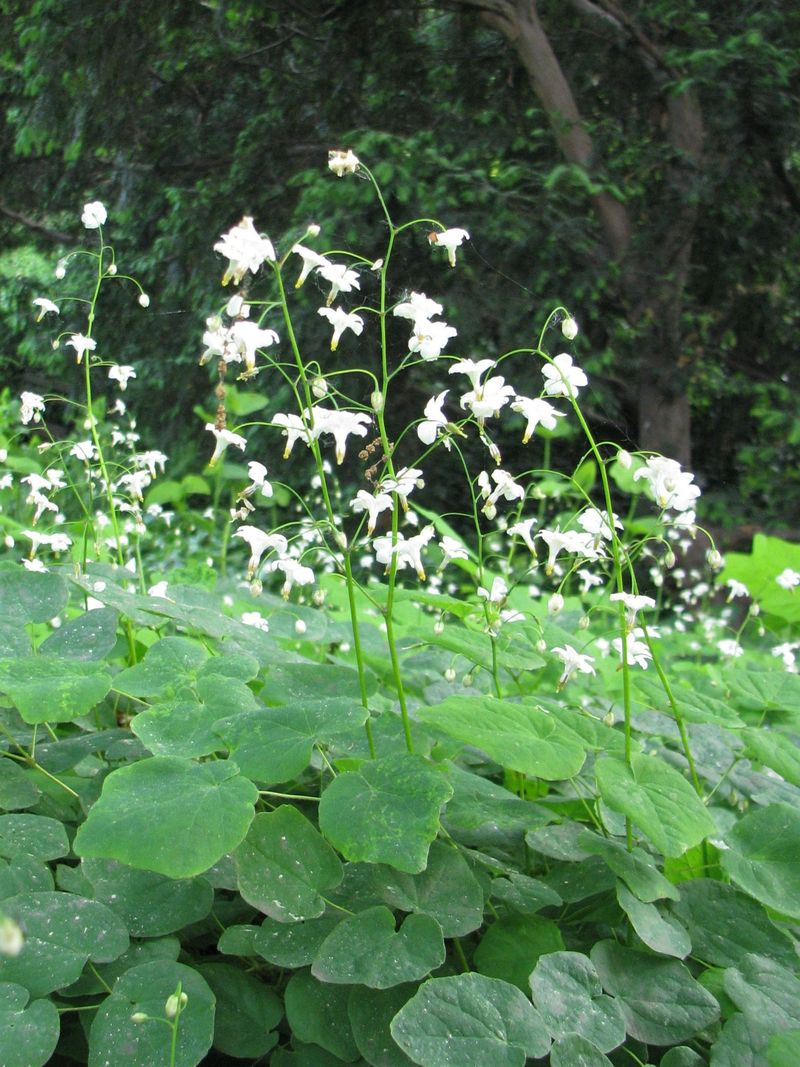
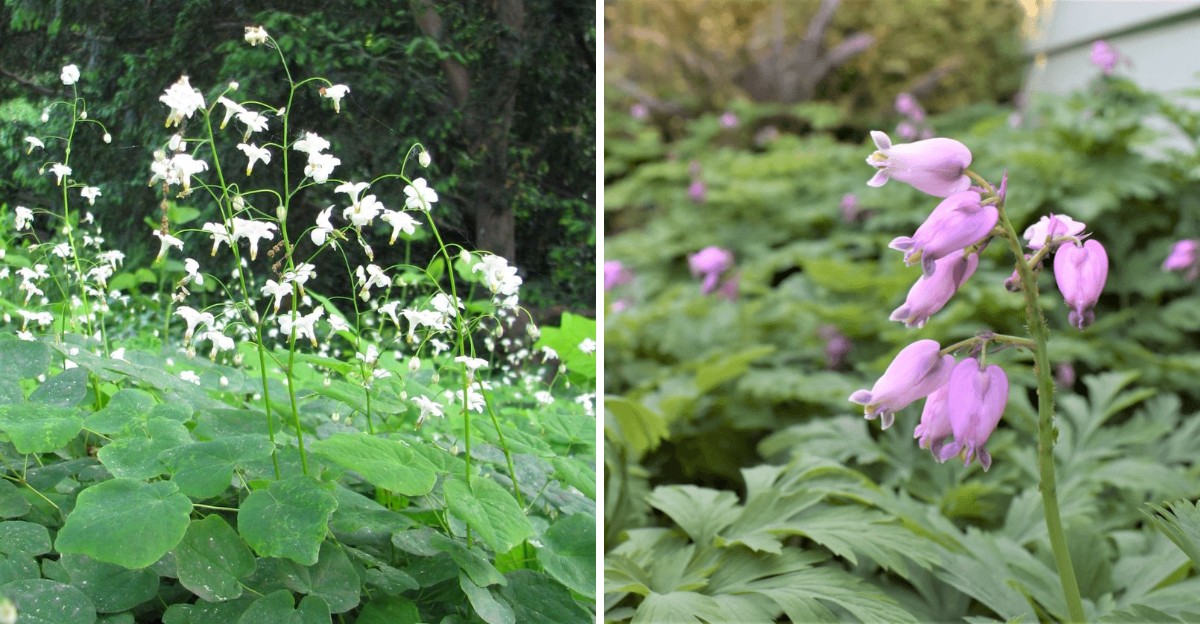
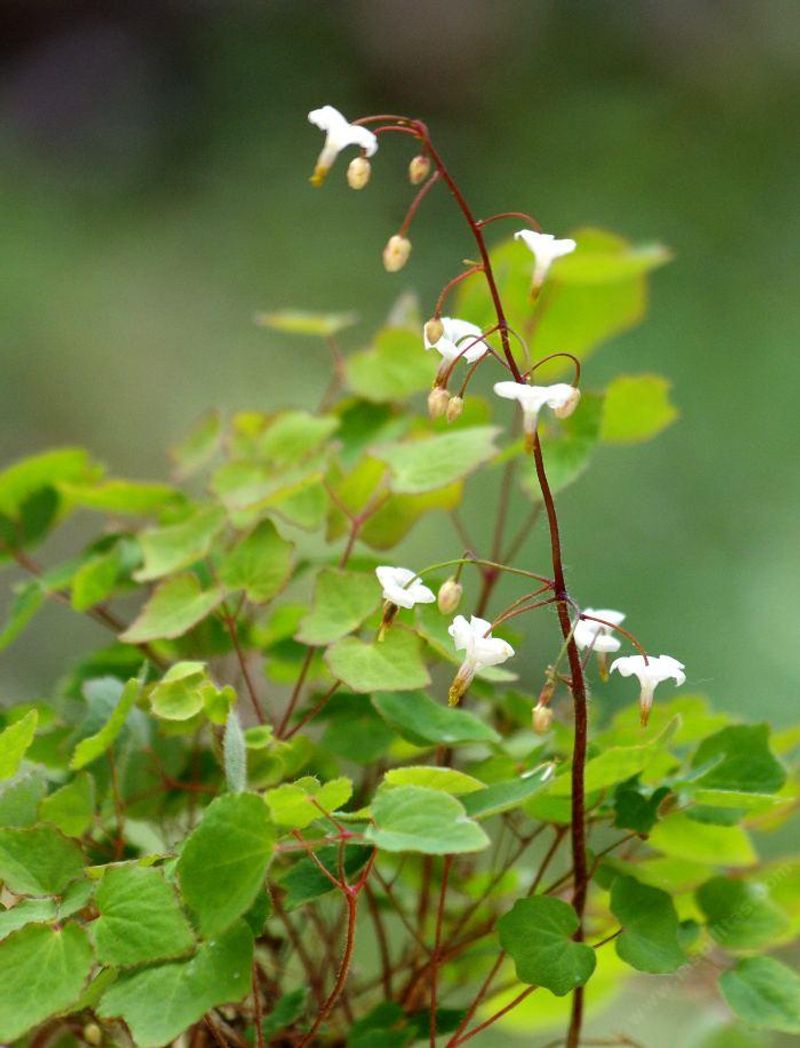
Tiny white blossoms look like they were blown backward by a strong wind. Their petals sweep back, giving inside-out flower its funny name.
Up close, each bloom resembles a little shooting star dressed for a party. It’s a charming sight.
Known to botanists as Vancouveria planipetala, this woodland native grows in shady forests of northern and central coastal California. It belongs to the barberry family.
Its leaves look like delicate, lobed clovers and form a soft carpet over time. The plant usually stays under about a foot tall.
Here is why gardeners love it for tough spots. Inside-out flower handles deep shade and tolerates dry soil once established.
Calscape lists it as a plant for shade under trees, where many other flowers simply give up. That makes it a real problem solver.
The plant spreads slowly by underground stems called rhizomes. Give it time, and it fills in under oaks, redwoods, or the shady side of a house.
Pair it with ferns for a layered woodland look. The contrast in leaf shapes adds depth.
Flowers appear in late spring and early summer. They are small, so plant a group rather than a single clump.
A drift of them looks like a dusting of snowflakes floating above green leaves. The effect is soft and calm.
Water regularly during its first year to help roots settle in. After that, it needs much less.
In hot inland gardens, it appreciates an occasional summer drink and the deepest shade you can offer. Leave fallen leaves around it, since they act like natural mulch, just as they would on a forest floor.
Pacific Bleeding Heart Likes Moist Woodland Shade
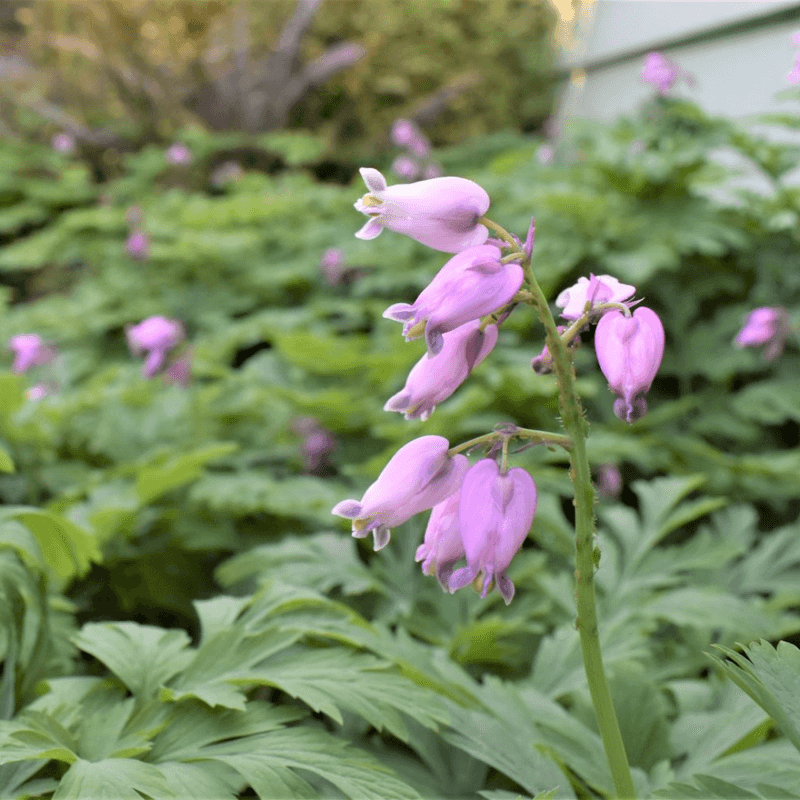
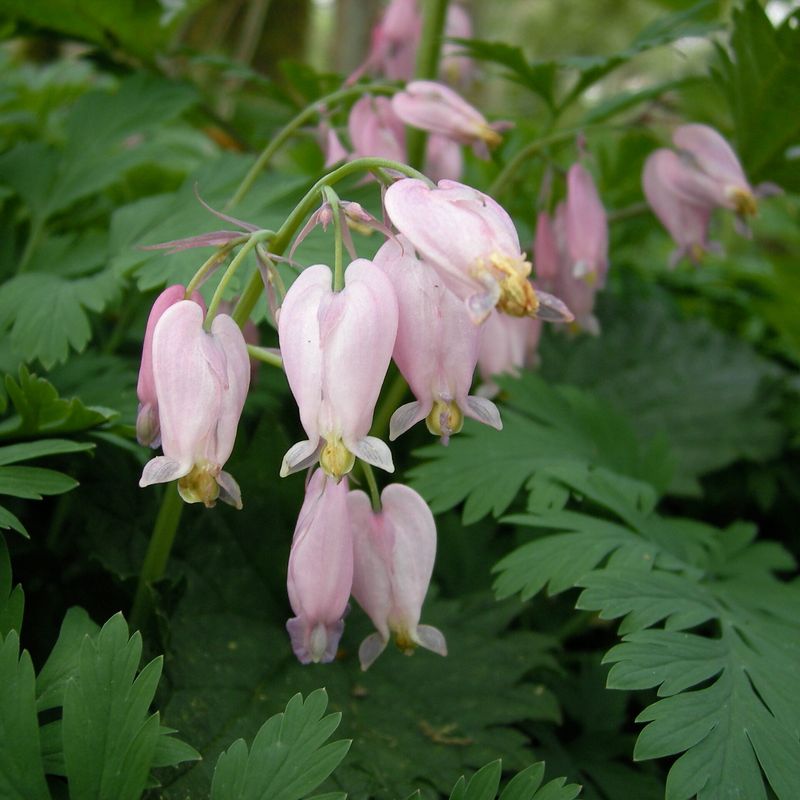
Rosy pink hearts dangle from arching stems like charms on a bracelet. Pacific bleeding heart, or Dicentra formosa, might be the most romantic flower in any shade garden.
Its lacy, fern-like leaves add a soft, cloud-like texture too. The whole plant feels light and airy.
In the wild, it grows in moist woodlands across northern California and up the West Coast. You will often find it near streams, under redwoods, or in cool forest openings.
Those clues tell you exactly what it wants at home. Garden conditions that copy the forest keep it happy.
Give it rich soil that stays damp but not soggy. Light shade or dappled shade works best.
A spot on the north side of a house or near a shaded water feature can feel like a little slice of forest. It settles in nicely there.
Blooms usually show up in spring and can continue for weeks in cool conditions. Bumblebees and hummingbirds visit the flowers, and ants carry off its seeds, which helps the plant spread naturally.
Don’t panic if it disappears in late summer. When soil dries out or heat arrives, Pacific bleeding heart often goes dormant.
The roots rest underground and return with cool, wet weather. That’s a normal part of its yearly rhythm.
Coastal gardeners have an easier time with this beauty. Inland gardeners can still succeed with deep mulch, steady water, and protection from afternoon heat.
Pair it with sword ferns or wild ginger for a lush, layered look that feels straight out of a fairy tale. The shapes play well together.
Wild Ginger Covers Damp Shady Ground
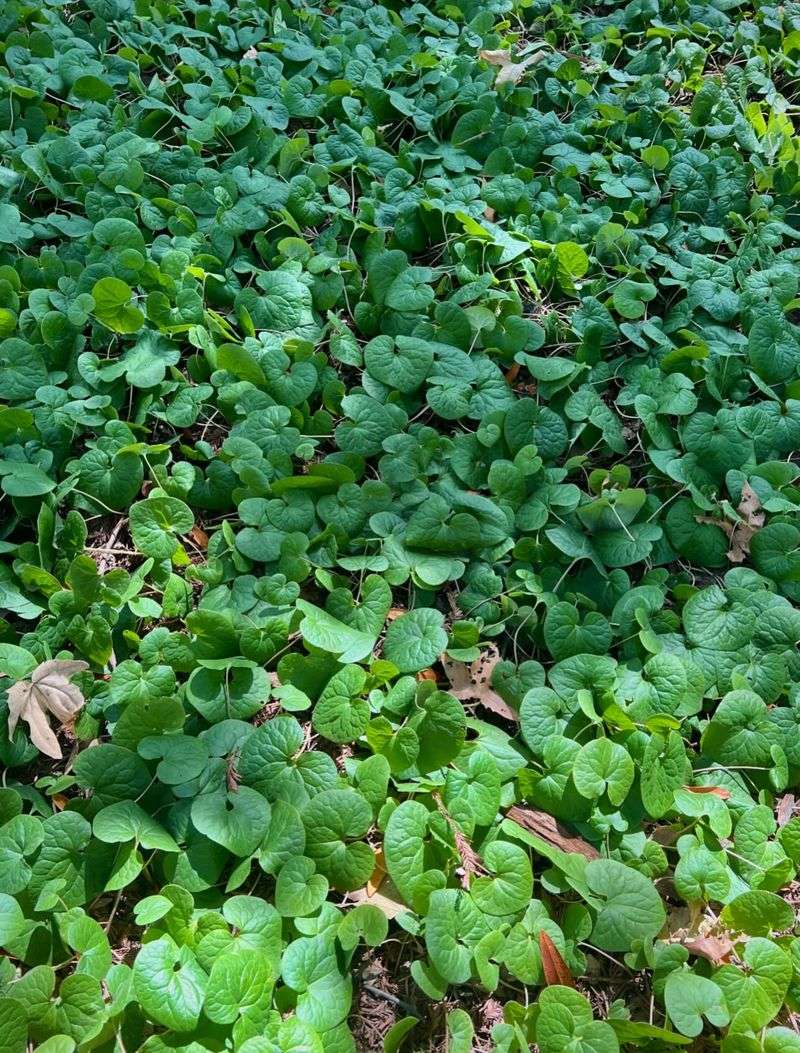
Crush a leaf of western wild ginger between your fingers and take a sniff. You will catch a spicy, gingery scent.
Despite the smell, it is not the ginger from the grocery store. It should not be eaten.
Asarum caudatum is a low groundcover with glossy, heart-shaped leaves. It grows naturally in moist, shady forests of northern California, especially among redwoods.
Over time, it spreads into a thick green rug that hides bare soil. That makes it a lovely living mulch.
Wild ginger needs steady moisture. Damp shade is its sweet spot, like under redwoods, along a shady path, or beside a regularly watered bed.
Calscape notes it needs shade and regular water, so skip it for dry spots under oaks. A wet corner suits it far better.
Now for the hidden treasure. Its odd, maroon-brown flowers sit right at ground level, tucked under the leaves.
They have three long, tail-like tips. You have to kneel down and lift the foliage to find them.
Gardeners love wild ginger for filling gaps between ferns and other woodland plants. It stays only a few inches tall, which makes it handy along walkways or at the front of a shady border.
Give it soil rich in organic matter, like leaf mold or compost. A layer of fallen leaves helps hold moisture.
It pairs well with Pacific bleeding heart in a shared moist bed. Their leaf shapes make a pretty contrast.
In hot inland areas, plant it only in the coolest, most sheltered corner you have. Slugs sometimes nibble the leaves, so keep an eye out, and otherwise enjoy a calm, low-fuss neighbor.
Western Columbine Brightens Dappled Shade
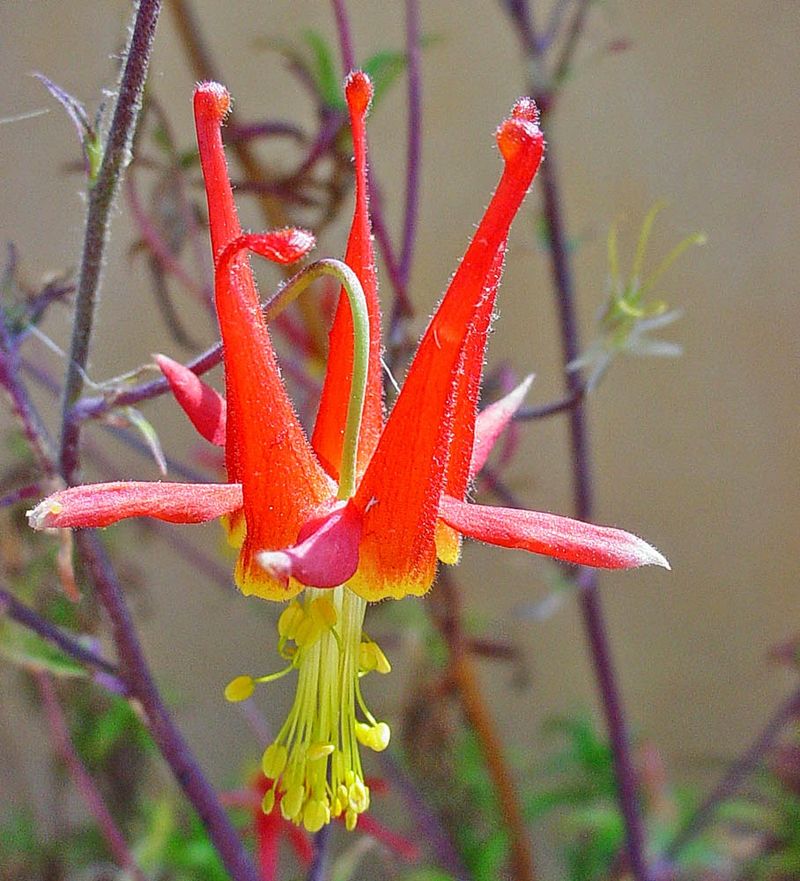
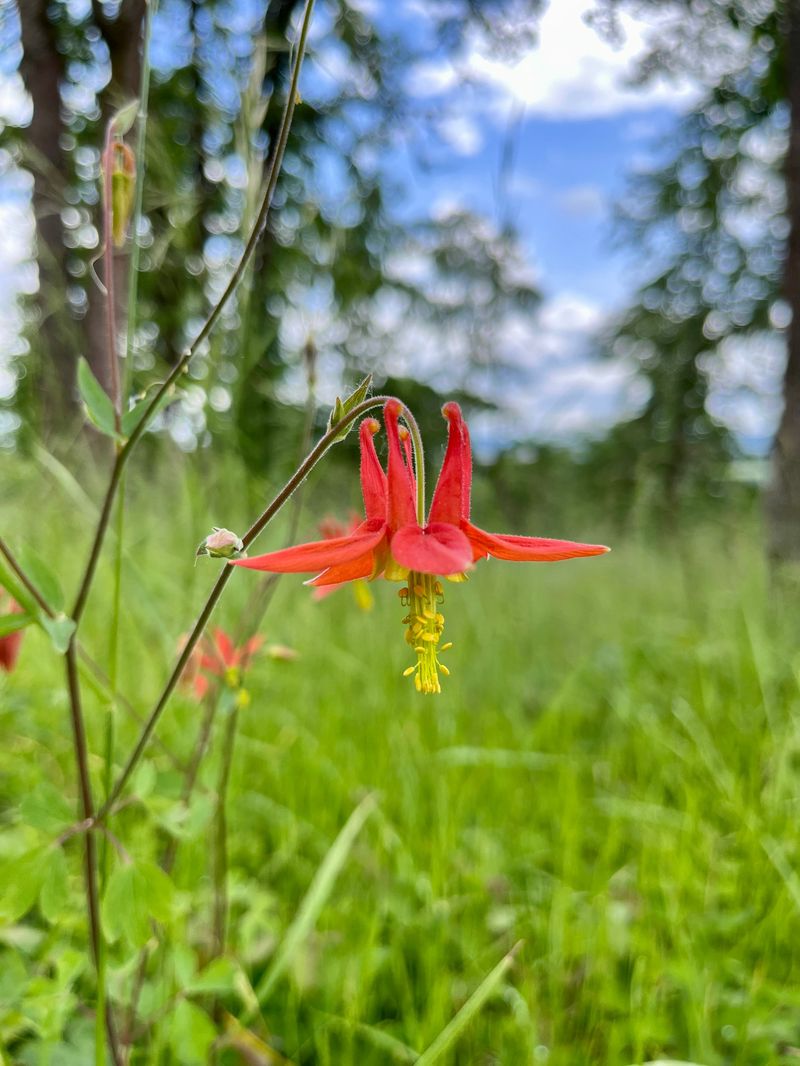
A flash of red and yellow catches your eye, and then a hummingbird zips in for a drink. Western columbine practically rings the dinner bell for hummingbirds.
Its nodding flowers have long red spurs filled with sweet nectar. They look like tiny lanterns.
Aquilegia formosa grows wild in many parts of California, from coastal woods to mountain meadows. You will often find it along stream banks and forest edges.
Those places get bright, filtered light rather than full sun or total darkness. Dappled shade suits it best.
Under a high tree canopy or beside a lacy shrub, it gets just enough light to bloom well. Too much deep shade can mean fewer flowers, while hot afternoon sun may stress it.
The plant usually grows one to three feet tall. Its blue-green leaves look a bit like oversized clover.
Flowers appear in spring and early summer, dancing above the foliage on slender stems. The movement catches every breeze.
Western columbine likes moderate moisture. It does not want soggy roots, but it appreciates water during dry months, especially inland.
Good drainage keeps it happy. Columbines are short-lived plants, so each one may only last a few years.
Luckily, they reseed freely, so let some flowers go to seed and new plants will pop up nearby. Pair them with sword ferns for a nice contrast in leaf shape.
Plant a few together for a bigger splash of color, and soon you may have a regular crowd of hummingbirds dropping by for a sip. A little editing of seedlings each year keeps the patch looking tidy.