8 Christmas Tree Varieties That Hold Needles Longest In Ohio Homes
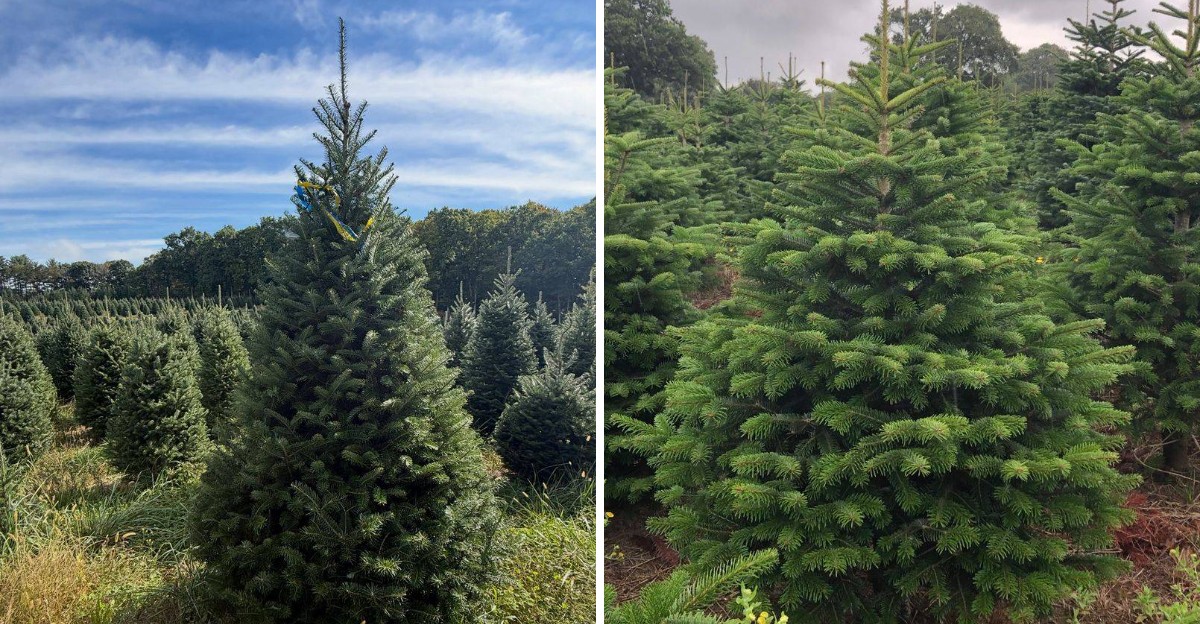
Scotch pine trees often keep their needles even after drying out, which once made them the top holiday choice in Ohio. That stubborn grip on green needles explains why grandparents still talk about them with real fondness.
Here’s something worth knowing about modern tree farms across the region today. Many growers have switched to a balsam fir variety because it handles heavy clay soil far better than its fussy cousins.
I never get tired of wandering tree lots, sniffing branches and tugging gently on needles to test them.
You might be surprised how much a single species choice changes the amount of sweeping you do by January.
Ohio living rooms run warm and dry once furnaces kick on for the long winter season ahead.
So which evergreens can handle that cozy indoor heat and still look fresh when the presents finally disappear?
1. Fraser Fir
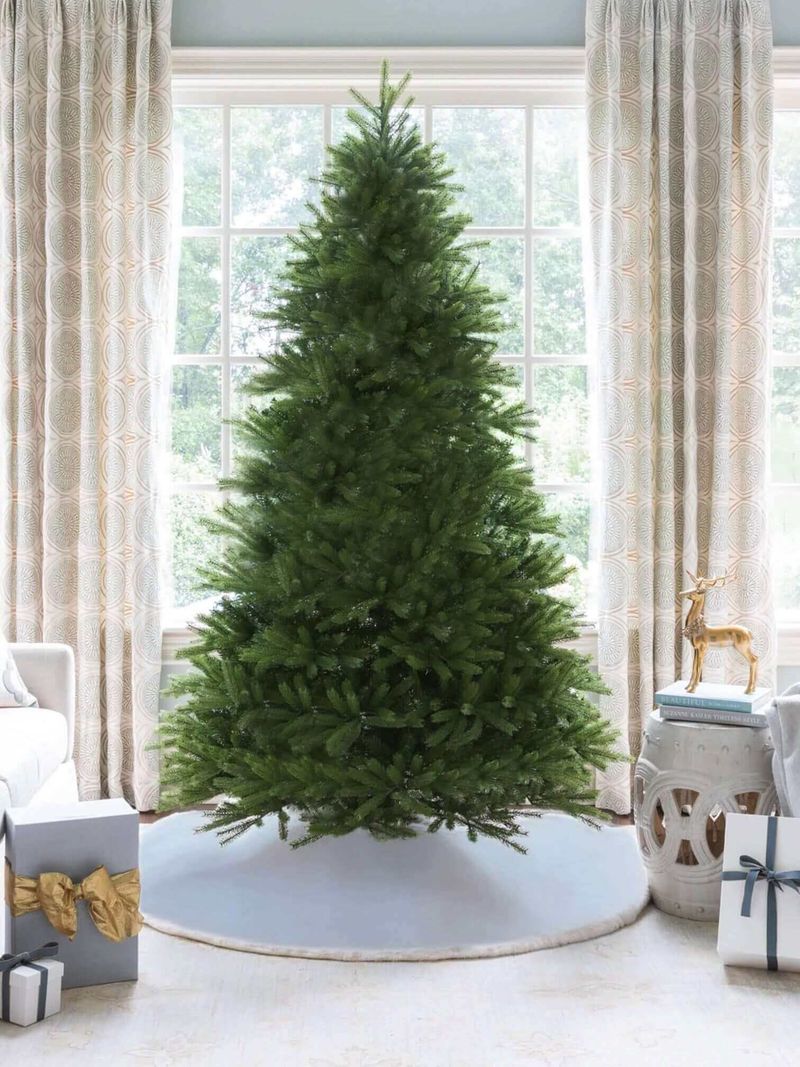
Tree farmers sometimes call the Fraser fir the Cadillac of Christmas trees, and one gentle tug explains that nickname. Its soft, flat needles cling tightly, even when your furnace runs warm and steady all evening.
I love flipping a branch over to see the silvery undersides flash against the dark blue-green tops. That two-tone look makes white lights sparkle in a way that photographs beautifully during cozy family gatherings.
Fraser firs come from the high mountains of the southern Appalachians, where cool, moist air keeps them happy. Ohio growers can raise them well, but they need well-drained soil that stays fairly moist through summer.
Heavy clay can invite root rot, which is why some local farms now plant fewer Frasers than before. You may still find them on many lots, often shipped in from North Carolina farms each year.
Sturdy branches hold heavy glass ornaments without sagging, so your grandmother’s treasured decorations can hang with confidence. The fragrance stays pleasant and clean, filling a room without overwhelming anyone who prefers milder holiday scents.
Here’s my best tip for keeping those needles in place until the New Year arrives at your door. Cut a fresh half inch off the trunk base, then place the tree in water within a few hours.
Check the stand daily, because a fresh tree can drink a surprising amount during its first week indoors. Keep it away from heat vents and fireplaces, and that fir should reward you with weeks of tidy floors.
2. Canaan Fir
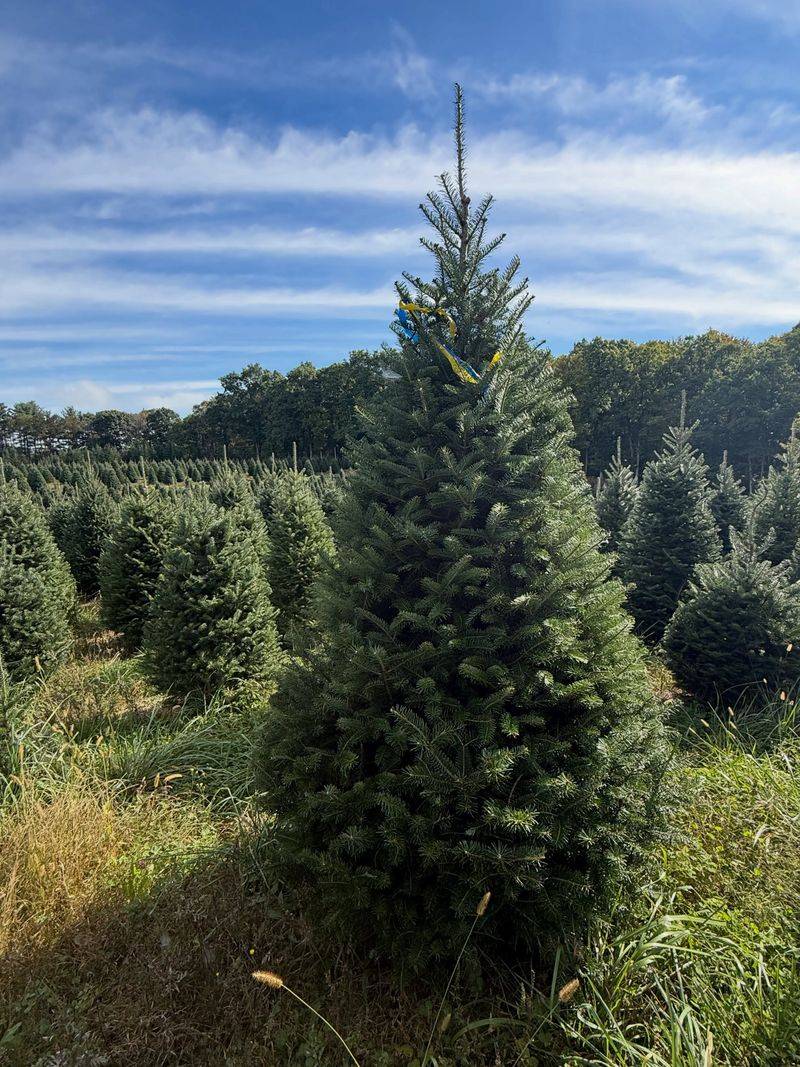
Ohio tree farmers have quietly crowned a new favorite, and many shoppers have no idea what it is called. Canaan fir has become a dominant choice for local growers, mostly because it shrugs off heavy clay soil.
The name comes from the Canaan Valley in West Virginia, where this fir grows naturally in high country. Botanists consider it a variety of balsam fir, often described as sitting between balsam and Fraser in its traits.
Those mixed roots give you the best of both worlds when you bring one home for the holidays. Soft, flat needles about one to one and a half inches long often show a silvery stripe underneath.
I find the scent especially charming, with a sweet and slightly spicy note reminding me of balsam. Stiff branches support small ornaments and larger keepsakes alike, so decorating feels relaxed rather than nervous and careful.
Needle retention ranks very good to excellent, though some research suggests a little shedding can start early. Regular watering makes the biggest difference, since a thirsty tree drops needles much faster than a well-hydrated one.
Shopping locally gives you a real advantage with this particular fir, because freshness affects needle holding so much. A tree cut nearby in late November often lasts longer than one trucked across several states in hot trailers.
Ask the farmer when each tree was harvested before you strap one onto your car roof. You might want to choose-and-cut yourself, which guarantees the freshest possible start for your indoor holiday display.
3. Concolor Fir
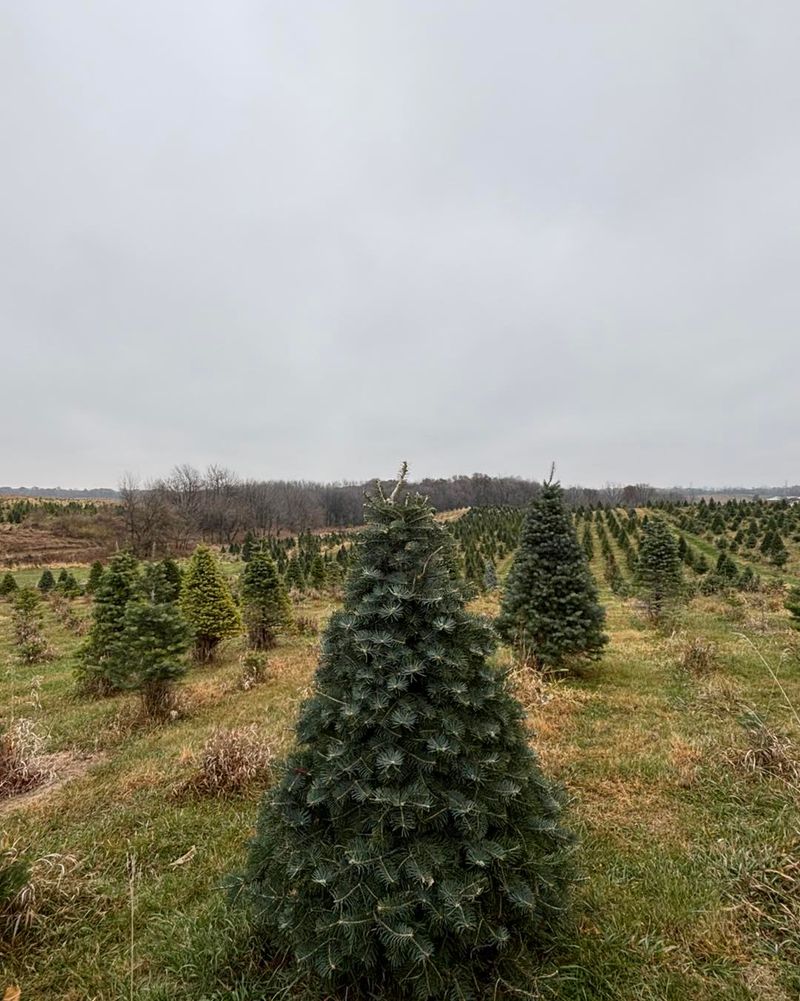
Crush a few needles between your fingers, and you might swear someone just peeled a fresh orange nearby. Concolor fir, also called white fir, carries a bright citrus scent that surprises nearly everyone on first sniff.
Some people describe the aroma as lemony, while others notice a faintly soapy note mixed into the fragrance. I could be wrong, but I think kids especially love this tree because it smells like dessert time.
Silvery-blue needles stretch about one and a half to two and a half inches, curving upward along each branch. That soft, frosted color looks wonderful with blue lights or simple white ornaments for a calm wintry style.
Needle retention rates very good to excellent, which makes concolor a smart pick for longer indoor displays. Its popularity keeps climbing at tree farms, and you can see why once you watch those needles hold firm.
Native to the mountains of the western United States, this fir handles Ohio growing with a few challenges. Early spring buds can get nipped by late frosts, so farmers often favor cooler, sheltered spots on their land.
Moist but well-drained soil keeps the trees healthiest, and growers say concolor adapts better than many expect. If you plant one in your yard after the holidays, choose a balled tree and a protected location.
Indoors, give this beauty plenty of fresh water and a spot away from sunny, warm windows. Those upward-curving needles should stay put through most of the season, keeping your floors pleasantly clear.
4. Scotch Pine
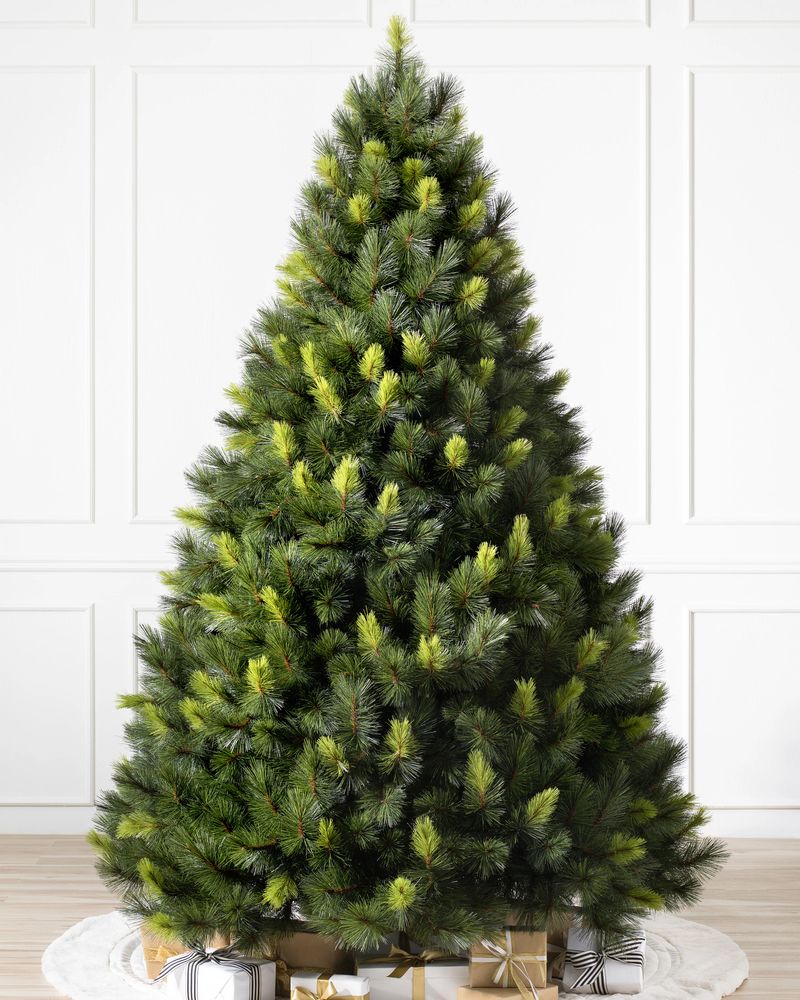
Grandpa probably remembers when nearly every Ohio living room held a Scotch pine during the holidays. It reigned as the most popular local Christmas tree for decades, largely because of its stubborn, needle-holding ways.
What I find fascinating is how this pine keeps its needles even after the tree has dried out. That forgiving nature made it a lifesaver for busy families who sometimes forgot about the water stand.
Needles grow in pairs, measuring about one and a half to three inches long, with a firm feel. Stiff branches hold heavy ornaments easily, so vintage glass balls and handmade keepsakes hang without drooping toward the floor.
The pine fragrance lasts a long time, though it rarely fills a room as strongly as some firs. Many shoppers like that subtle scent because it stays pleasant from Thanksgiving weekend until the New Year celebrations wrap up.
Here’s something worth knowing before you plant one outdoors, though, because this species comes from Europe and Asia. Scotch pine has naturalized widely in many areas and can suffer from pine wilt and other troublesome diseases.
Some states and conservation groups discourage new landscape plantings, so a cut tree is often the wiser choice. Enjoy it indoors, then recycle it through a local program that turns old trees into mulch or habitat.
A fresh trunk cut still helps, even with a tree this forgiving about missed waterings. Keep it hydrated anyway, since dry branches of any species can become a fire risk near lights or heaters.
5. Eastern White Pine
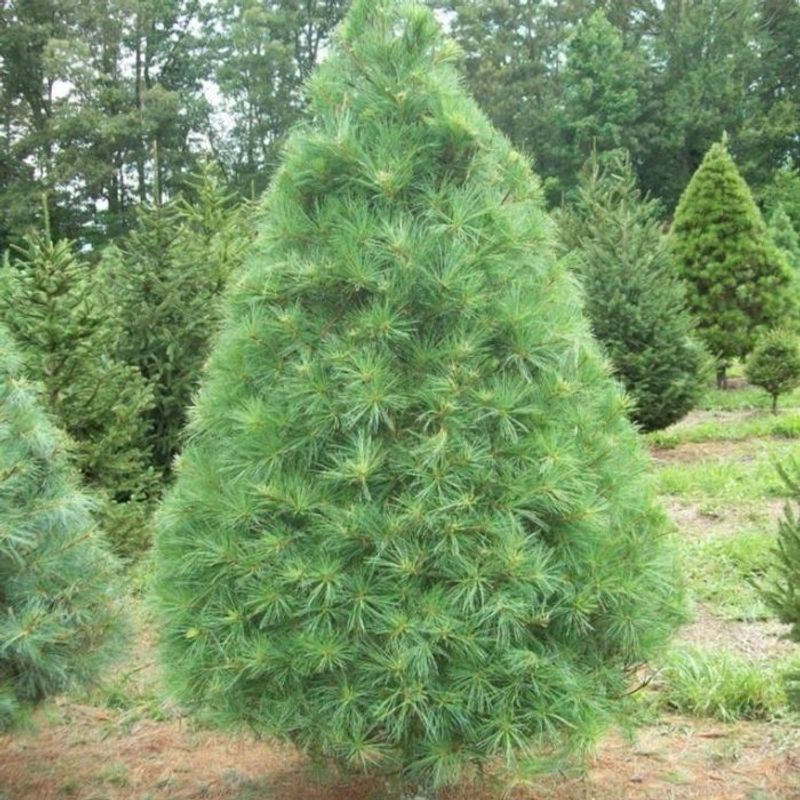
Run your hand along an eastern white pine branch, and it feels more like a soft paintbrush than a prickly tree. Long, feathery needles grow in bundles of five, creating a fluffy look that gentle hands enjoy touching.
A fun trick for remembering the count involves the word white, which conveniently has five letters. I teach that little memory trick to every young helper who joins me on a tree farm trip.
Needles stretch two to five inches long and range from bright green to blue-green shades. On living trees, each needle typically stays attached for about a year and a half before falling in autumn.
Cut trees hold their needles very well, giving your room a lush, full appearance through the holiday stretch. The scent stays mild and pleasant, which suits households that find stronger evergreen aromas a bit too intense.
One catch involves those flexible branches, since heavy ornaments can bend them downward like tired fishing poles. Lightweight decorations, ribbon, and small lights work best, so save your heaviest glass treasures for a sturdier fir instead.
Eastern white pine grows naturally in parts of the state, mainly the northeast, and makes a lovely landscape tree too. It prefers moist, rich, acidic soil and often struggles in alkaline clay common in central and western areas.
Keep the water stand full every day, because a well-watered pine stays soft and flexible longer. Don’t be surprised if visitors keep reaching out to pet the branches throughout your holiday gatherings.
6. Balsam Fir
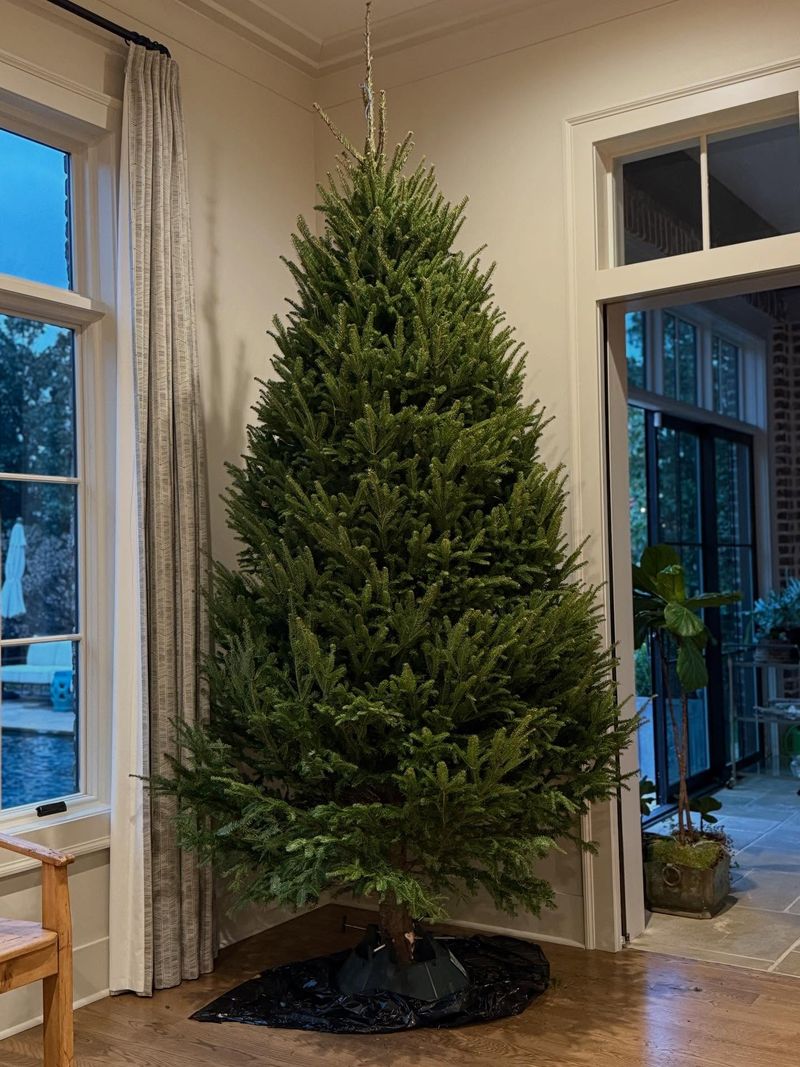
Open the front door after bringing home a balsam fir, and the whole house smells like a snowy northern forest. Many people consider that rich balsam aroma the classic Christmas scent, and I happily agree with them.
Candle makers and air freshener companies try to copy this fragrance every winter, with mixed results at best. Nothing quite matches the real thing drifting from fresh branches near a warm, glowing fireplace mantel.
Dark green needles measure about three quarters to one and a half inches long, often with silver hints below. The tree grows in a tidy cone shape, which means less trimming and fussing when you set it up.
Needle retention runs good to excellent, so you can expect a tidy display with steady watering. Stiff, sturdy branches handle a wide variety of ornaments, from paper snowflakes to heavier heirloom pieces passed down through generations.
Balsam fir grows naturally across Canada and the northern states, though it is not native to Ohio. It can still grow in cooler spots, especially northeastern counties with acidic soil and chilly winters.
Late spring frosts sometimes damage young growth, which makes local balsam farming tricky in certain regions of the state. Many lots ship them from Michigan, Wisconsin, or Canada, so ask how recently your tree was cut.
Give it a fresh trunk cut and room-temperature water as soon as you get home from shopping. Skip the homemade additives in the stand, since university experts say plain water works best for most cut trees.
7. Douglas Fir
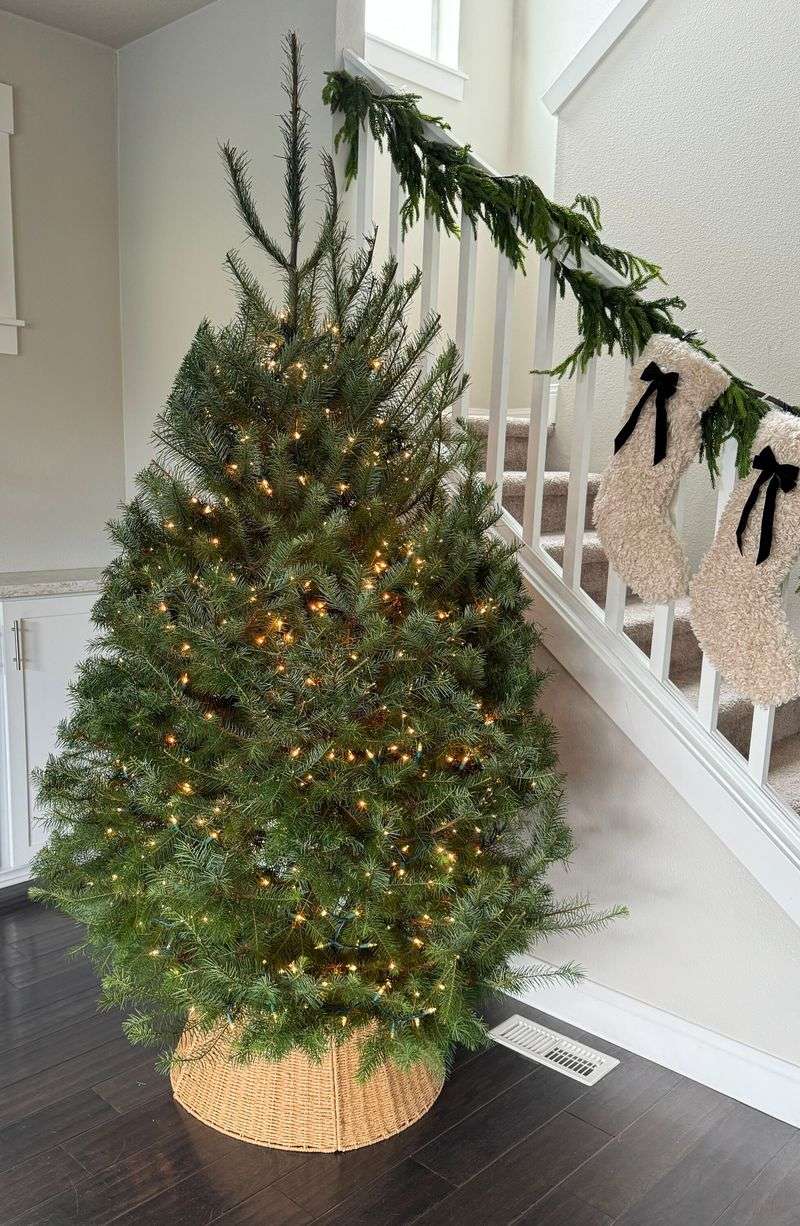
Despite its common name, the Douglas fir is not a true fir, which tickles my inner plant nerd. Botanists place it in a separate group called Pseudotsuga, meaning false hemlock, a name that adds even more confusion.
Look closely at a cone hanging on a growing tree, and you may spot tiny papery bracts poking out. Some folks say they resemble the back legs and tails of little mice hiding inside the scales.
Fine, soft needles about one inch long range from green to blue-green and feel gentle against your hands. Crush a few, and you will notice a pleasant, slightly citrusy fragrance drifting up from your fingertips.
The branches bend more easily than firm fir limbs, so heavy ornaments may droop a little lower than expected. A full, bushy shape still leaves plenty of room for lights, garland, and lighter decorations tucked between branches.
Needle retention rates good to very good, lasting several weeks indoors when you keep the water flowing. Douglas fir drinks heavily, and dry stands lead to faster shedding, so check the water level every single morning.
Ohio growers can raise this species, though early spring frosts sometimes harm tender new growth on young trees. Its original home lies in the western mountains, where conditions differ quite a bit from Midwest farm fields.
I can see why families choose Douglas fir for its full look and friendly price at many lots. Just treat watering as a daily habit, and that soft greenery should stay fresh until the holidays end.
8. Nordmann Fir
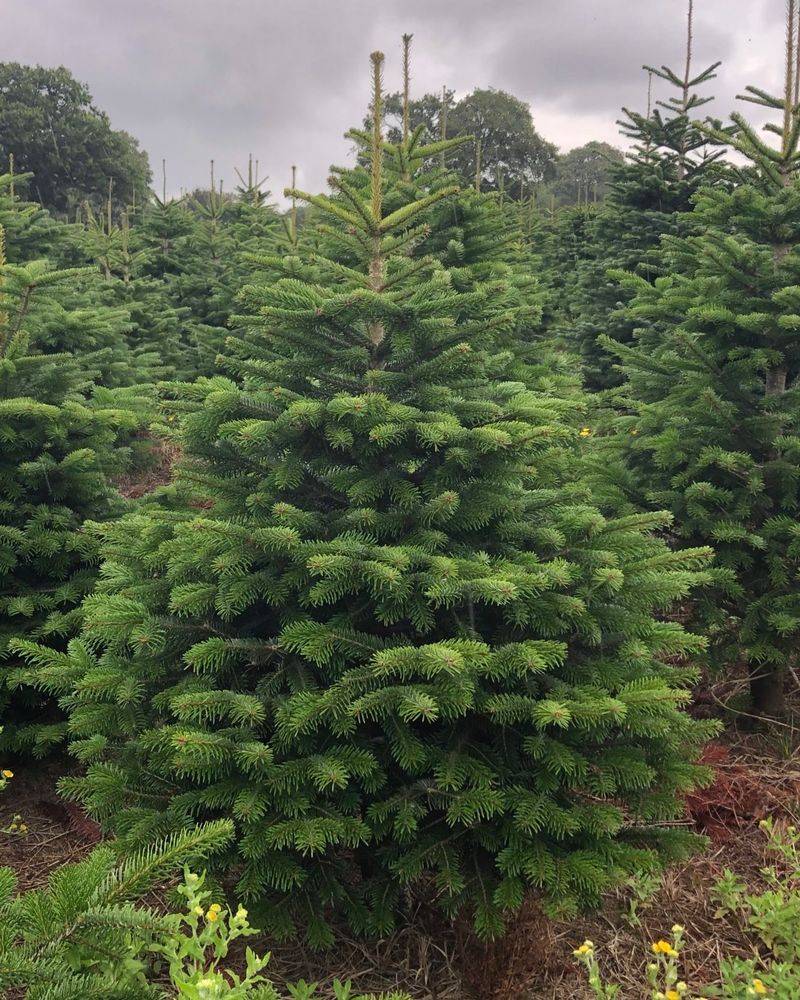
Across much of Europe, the Nordmann fir rules holiday markets the way Fraser fir dominates many American lots. Glossy, deep green needles hang on so firmly that many families call it the least messy tree available.
Native to the mountains around the Black Sea and the Caucasus region, this fir carries an elegant reputation. Its name honors Alexander von Nordmann, a Finnish naturalist who explored that area during the nineteenth century.
Soft needles with silvery undersides feel friendly to small hands, which makes decorating with kids much more pleasant. The tree often grows in a balanced pyramid shape, with strong branches holding heavy ornaments without bending at all.
Fragrance stays subtle and light, so sensitive noses usually tolerate this tree better than strongly scented balsam types. You might find it hard to believe, but some households keep a Nordmann up for weeks with minimal sweeping.
Nordmann firs are still uncommon at Ohio tree lots, so finding one may take some calling around first. Growers in Oregon and other states raise them successfully, and interest keeps rising among farms experimenting with new species.
Researchers like this fir because it shows strong resistance to phytophthora root rot, a problem for several fir species. It also tolerates neutral to alkaline clay soils, which could make it valuable for Midwest farms someday.
Treat a Nordmann like any fresh tree, with a new trunk cut and steady water. If you spot one at a local farm, I would grab it quickly, because word spreads fast among savvy shoppers.