The Little Songbird More Ohioans Are Spotting in Their Yards This Fall
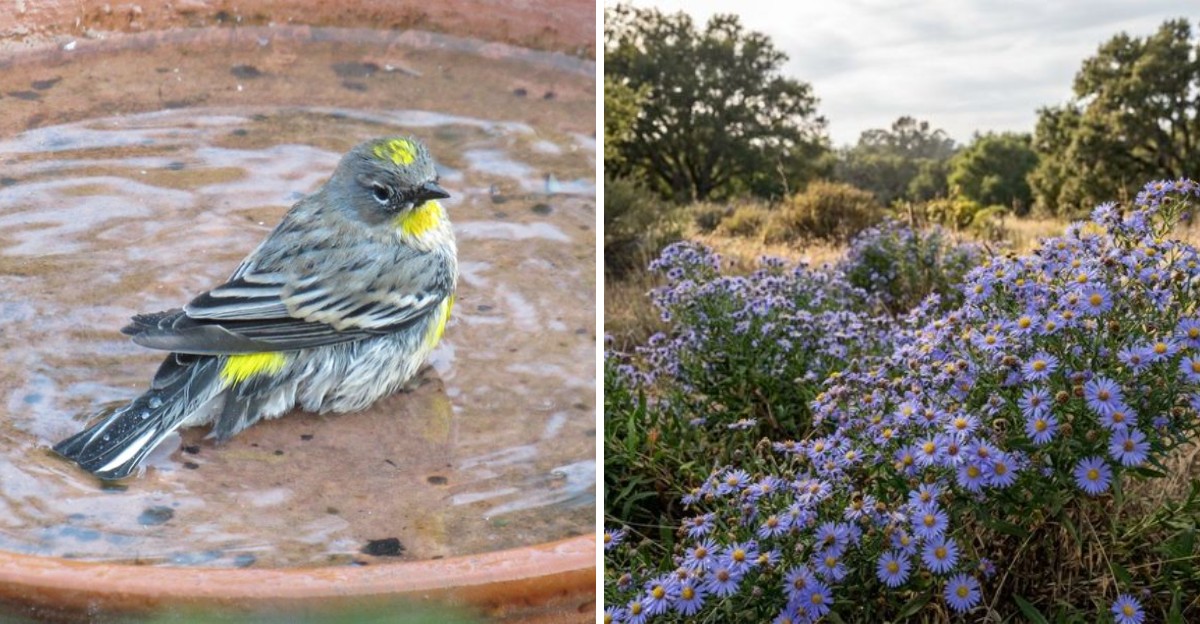
A bird smaller than your hand can fly from Canada to South America, and some of them stop to snack in your flower beds on the way. One kind even flies nonstop over the Atlantic Ocean for up to three days.
I love how these tiny travelers show up without warning. One morning the asters are quiet. The next, they are full of quick, flickering wings and soft little chip notes.
Ohio sits right in the path of this huge seasonal movement. You don’t need binoculars or a fancy feeder to notice it, either. A birdbath, a few seed heads, and a patient cup of coffee by the window often do the trick.
Hear me out, because fall might be the sneakiest birding season of the year. Your yard might be hosting a few world travelers right now, hiding in plain sight.
1. Those Tiny Warblers in Your Fall Garden Are Just Passing Through
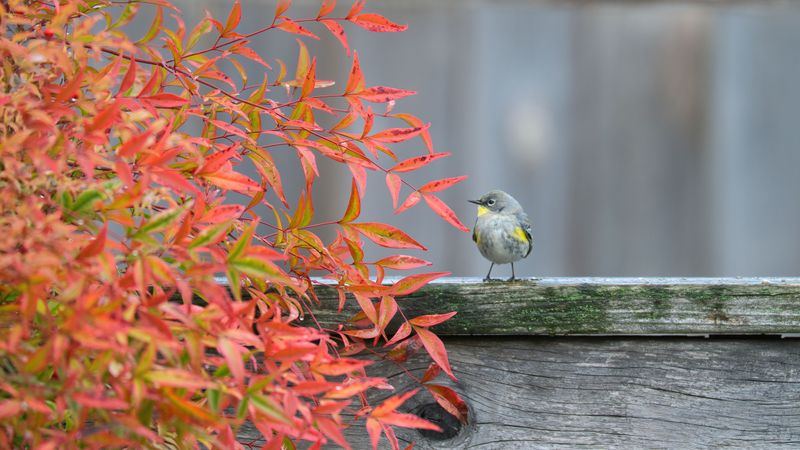
Many of the little birds flitting through your shrubs right now are fall migrants, mostly warblers, kinglets, and sparrows. They are not new neighbors moving in for good.
They are travelers taking a short break.
Every autumn, huge numbers of songbirds leave their northern breeding grounds in Canada and the northern woods. They head south to the southern U.S., Mexico, Central America, or South America.
Most of them fly at night and spend their days resting and eating.
That daytime refueling is when you spot them. A warbler might stay in your yard for an hour or a few days, then vanish on the next clear night with a north wind behind it.
Fall migration also lasts longer than spring migration. It often starts in August and keeps going into November.
Young birds born this summer join the trip too, which means more birds overall are on the move.
So if your yard feels busier than usual, you are likely catching a slice of this seasonal parade. Nothing strange is happening.
Your garden simply offers the food and cover these birds are hunting for. Keep an eye on your trees in the early morning, when activity often peaks.
2. Yellow-Rumped Warblers Often Lead the Autumn Crowd
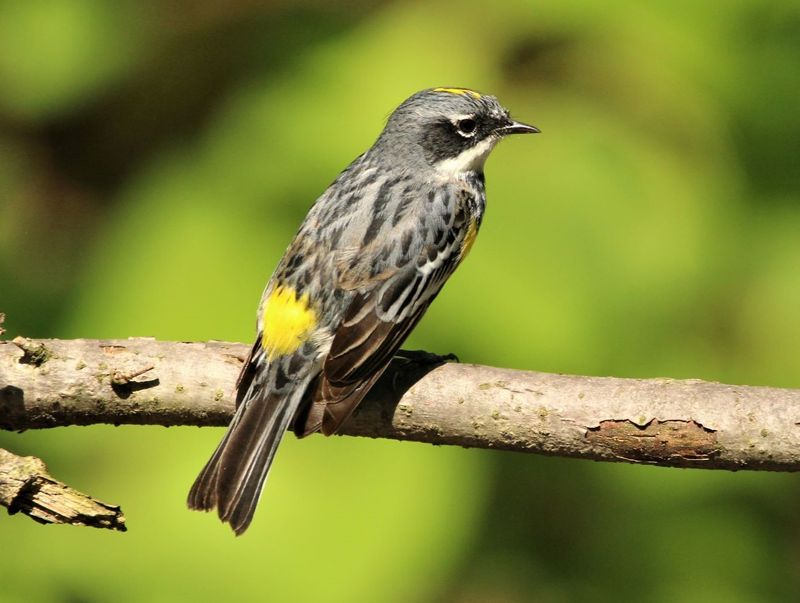
Look for a flash of lemon-yellow just above the tail. That bright patch earned the Yellow-rumped Warbler its silly nickname among birders, “butter butt.”
This species is one of the most common fall warblers in Ohio. It also tends to arrive later and linger longer than many of its cousins.
You may see loose groups of them in October, chipping softly as they move through trees.
What makes them special is their menu. Most warblers rely heavily on insects, but Yellow-rumps can digest waxy berries like bayberry and the bluish cones of eastern red cedar.
That flexible diet lets some of them stay farther north into winter than other warblers can.
In fall, they look much duller than in spring. Expect brownish-gray backs, faint streaks, and a hint of yellow on the sides.
The rump patch stays easy to spot when they fly.
Want to welcome them? Plant native berry producers such as eastern red cedar, northern bayberry, or gray dogwood.
A few of these shrubs can turn your yard into a regular stop. Honestly, few sights cheer up a gray October morning like a busy little butter butt.
3. Kinglets, Juncos, and White-Throated Sparrows Join the Late-Season Party
Late October brings a different cast. The warblers thin out, and a whole new group starts hopping through leaf litter and hedges.
White-throated Sparrows are easy to love. They have crisp white throats, striped heads, and a yellow spot near the eye.
Many spend the winter in Ohio, scratching under shrubs with a quick backward hop-kick.
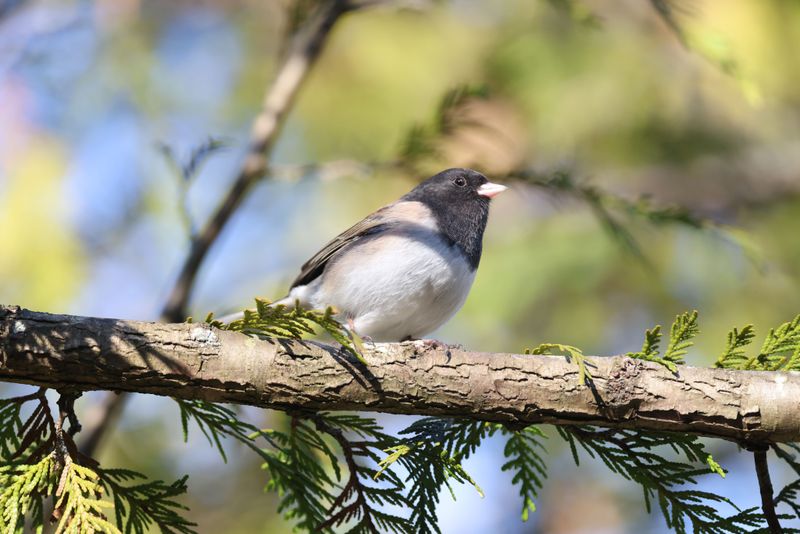
Dark-eyed Juncos often show up around the same time. People call them “snowbirds” because their arrival hints that colder weather is close.
Watch for slate-gray backs, pale bellies, and white outer tail feathers that flash when they fly.
Then come the kinglets, some of the tiniest songbirds in North America. Golden-crowned Kinglets weigh about as much as a couple of pennies and can handle surprisingly cold nights.
Ruby-crowned Kinglets nervously flick their wings and hide that red crown patch most of the time.
These birds feed in different spots, so a mixed yard helps. Leave some fallen leaves under shrubs for the sparrows and juncos.
Keep a few evergreens for kinglets. A low platform feeder with millet or sunflower chips can also bring ground feeders right up close for easy viewing.
4. Lake Erie’s Shoreline Funnels Migrating Songbirds Into Northern Yards

Birds crossing a giant lake at night face a big decision. Many songbirds prefer not to fly over wide open water, especially when weather turns rough.
Lake Erie works like a natural barrier along northern Ohio. Some birds pile up along the shore before or after crossing, packing into woods, parks, and yards near the water.
Spots like Magee Marsh and the area around Black Swamp Bird Observatory are famous for this, mostly in spring but also in fall.
Weather plays a huge role too. A cold front with north winds can push lots of birds south overnight.
If rain or storms hit while they are flying, they may drop down in big numbers. Birders call this a fallout, and it can be thrilling to see.
Do not worry if you live in central or southern Ohio, though. Migration happens across the whole state, not just by the lake.
Birds pass over farms, river valleys, city parks, and suburban backyards everywhere.
Check the forecast for clear nights after a cold front. Those conditions often lead to busy mornings.
I like to step outside early the next day and simply listen for soft chip notes in the trees.
5. Native Asters and Seed Heads Feed Hungry Migrants
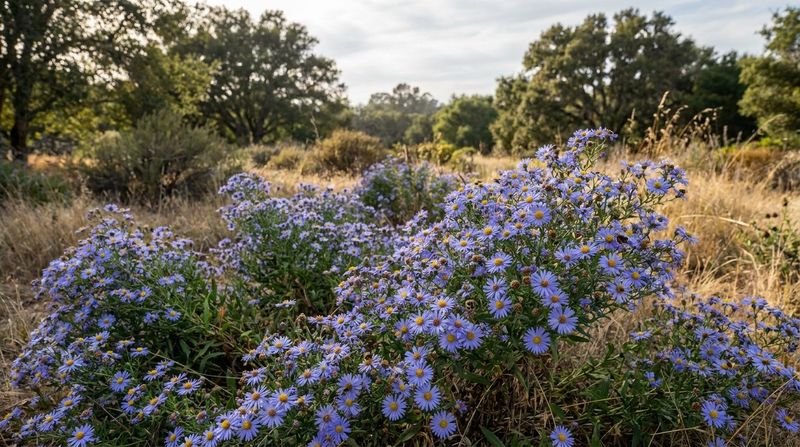
Honestly, the messiest corner of my garden gets the most bird traffic. Those leftover seed heads I almost cut back?
Birds treat them like a buffet.
Migrating songbirds burn an enormous amount of energy. Many need to fatten up quickly before their next flight.
Native plants help in two ways, by offering seeds and berries and by hosting the insects many warblers eat.
Good fall choices for Ohio include New England aster, goldenrod, purple coneflower, black-eyed Susan, and native sunflowers. Goldenrod gets blamed for hay fever, but its pollen is heavy and mostly carried by insects, not wind.
Ragweed is usually the real culprit.
Berry shrubs matter too. Spicebush, gray dogwood, arrowwood viburnum, and winterberry offer fat-rich fruit that migrants gobble up.
Skip invasive plants like Amur honeysuckle and Callery pear, even though birds eat their fruit, since they crowd out native habitat.
Here is an easy tip. Wait until spring to tidy your flower beds.
Standing stems provide seeds and shelter through fall and winter. Feeders filled with black oil sunflower seed or suet can add an extra boost, especially for chickadees, sparrows, and juncos sticking around for the colder months.
6. A Shallow Birdbath Can Draw Songbirds Better Than a Feeder
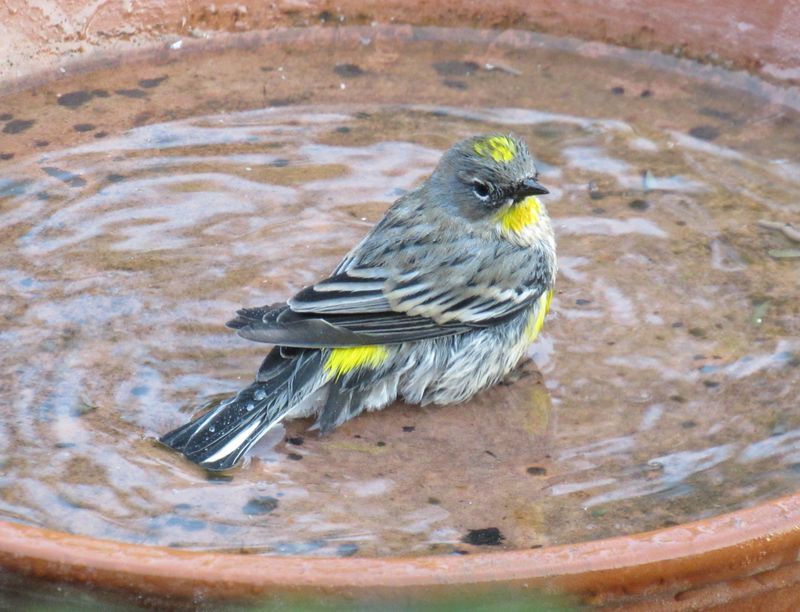
Some of my best bird sightings happen at a plain old birdbath. Plenty of warblers ignore seed feeders, yet they will happily splash in fresh water.
Birds need water for drinking and for bathing. Clean feathers help them stay warm and fly well, which matters a lot on a long trip.
During dry fall stretches, a reliable water source can be hard for them to find.
Keep the water shallow, about one to two inches deep. Add a few flat stones so small birds can stand comfortably.
Place the bath near shrubs for quick cover but not so close that a cat could hide and pounce.
Moving water works like a magnet. A dripper or small bubbler makes sound and ripples that catch a passing bird’s attention.
Many birders swear by this trick during migration season.
Change the water every few days and scrub the basin to reduce algae and disease. Once nights drop below freezing, usually from late October onward in much of Ohio, a heated birdbath can keep water open.
Avoid adding antifreeze or chemicals. Plain, fresh water is all the birds need.
7. Window Decals, Darker Nights, and Indoor Cats Keep Migrating Birds Safe
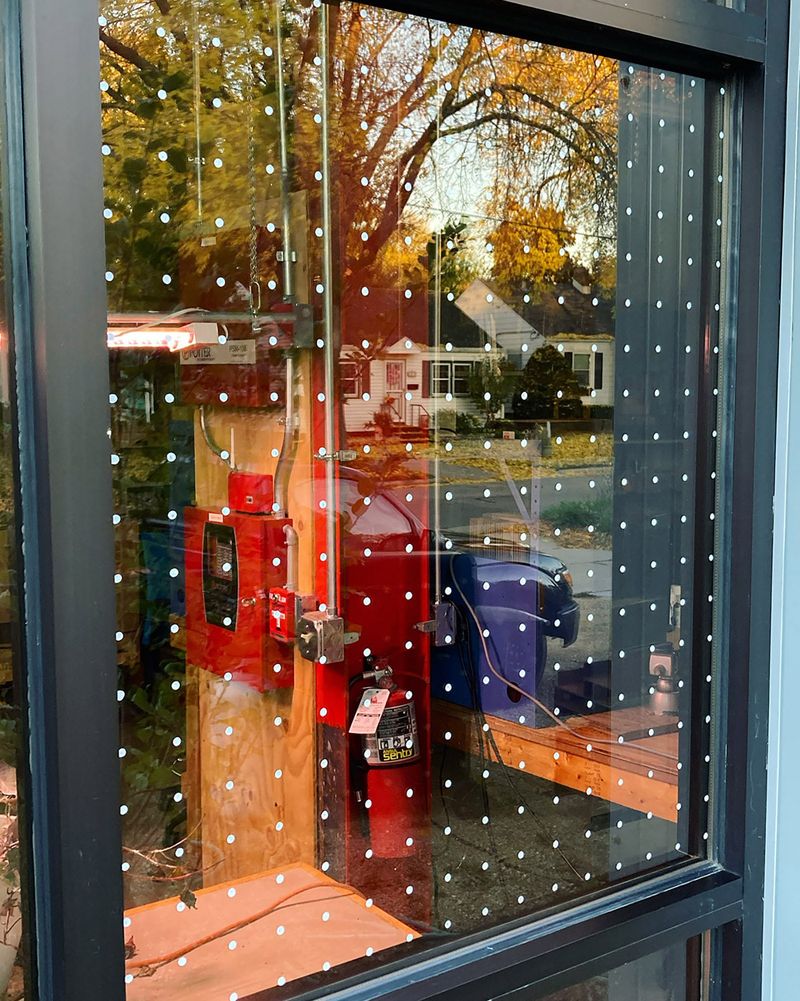
Glass fools birds. They see reflected trees and sky and think they can fly right through.
Window strikes rise during migration, and researchers estimate up to about a billion birds hit buildings in the U.S. each year. Homes account for a large share of those collisions.
The fix can be simple and cheap.
Add dots, tape strips, or decals to the outside of windows, spaced about two inches apart. A single hawk silhouette rarely works because birds simply fly around it.
Screens and exterior netting also help soften the glass.
Lights matter at night. Most songbirds migrate in the dark, and bright artificial light can confuse them.
Groups like Lights Out Ohio encourage people to switch off unneeded outdoor lights during spring and fall migration.
Cats are another big concern. Keeping pet cats indoors protects tired migrants feeding on the ground.
Put all these steps together with native plants, water, and a little leftover garden mess, and your yard becomes a true rest stop. You don’t need acres of land.
Even a small Ohio backyard can help these tiny travelers finish their trip and return to sing again next spring.