8 Fall Rose Care Mistakes That Can Cause Winter Damage In Georgia Gardens
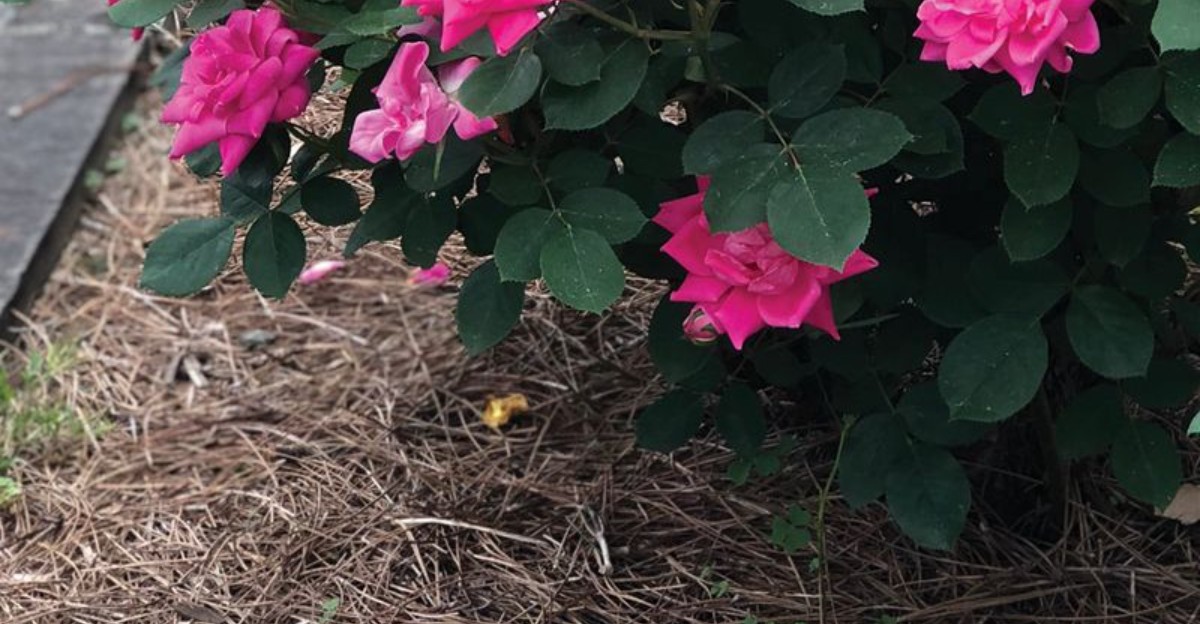
Georgia stretches across USDA hardiness zones 7a through 9a, so winter lows vary wildly from Blairsville to Brunswick. That spread means one shrub can sail through December on the coast and struggle badly in the mountains.
What surprises me most is how fall habits, not winter cold, often set up the real trouble. A warm October paired with the wrong snip or scoop of fertilizer can wake sleepy canes too early.
I have to admit that I once babied my favorite bushes all autumn and paid for it in spring. Those blackened tips taught me that kindness at the wrong moment can hurt a plant more than neglect.
You might notice a few of these habits hiding in your own routine right about now.
Some of the most familiar fall chores could be setting your thorny favorites up for a rough winter without you even realizing it.
1. Heavy Fall Pruning Wakes Up Tender Rose Shoots
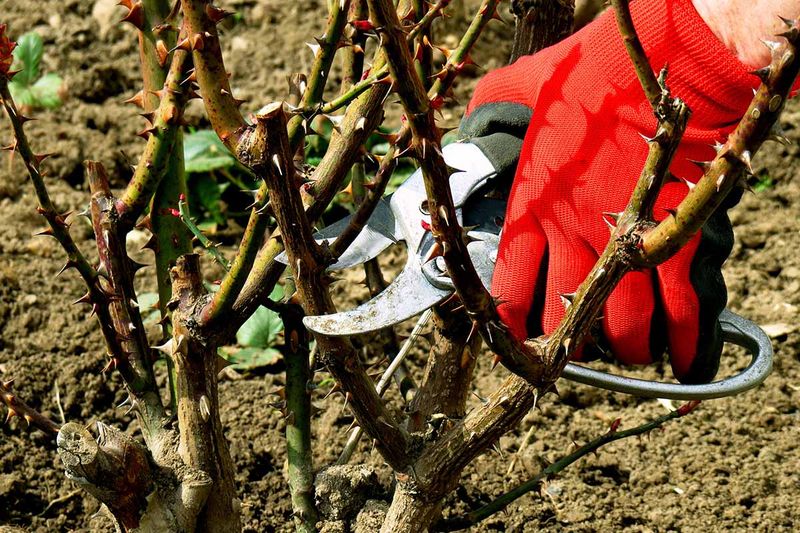
Nothing tempts me more than a scraggly rose bush in October, with long canes waving like unruly hair.
Grabbing the loppers feels productive, yet a hard cut now sends the plant a confusing message.
Pruning signals a rose to push fresh buds, and those buds start growing during mild autumn spells. That soft new growth has no time to toughen up before the first hard freeze arrives.
Once frost hits, tender shoots turn black and mushy, and the damage can creep down into healthy wood. Open pruning cuts also give cold air and disease an easy doorway into the canes all winter long.
University of Georgia Extension experts suggest saving major pruning for late winter, usually around February in most of the state. Gardeners in the colder mountain counties can wait until early March, when the hardest cold usually passes.
Personally, I only trim fall canes that are broken or so tall they whip around during storms. A light snip of a few inches keeps things tidy without waking the whole bush up.
Climbing roses deserve extra patience because many of them bloom on older wood grown during previous seasons.
Cutting them back hard in fall can remove next year’s flowers before you ever see a bud.
Tuck those shears away for a few months and enjoy the shaggy look with a clear conscience. Your roses will reward the wait with sturdier canes and a stronger flush of spring blooms.
2. Late Nitrogen Fertilizer Pushes Soft Rose Leaves Before Frost
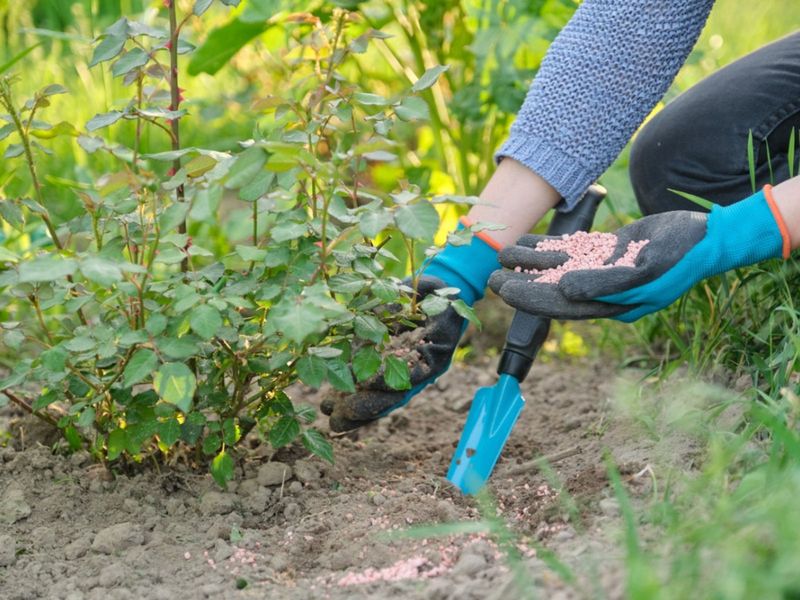
Feeding roses in autumn feels generous, kind of like handing a sleepy toddler a big bowl of candy. The energy has to go somewhere, and nitrogen sends it straight into fresh, leafy new shoots.
Those shoots look lush for a week or two, then frost turns them limp and dark.
Each damaged shoot wastes stored energy the plant needs to carry it safely through the colder months.
UGA Extension guidance suggests making the last rose feeding by late summer or early fall in most areas. A handy rule is stopping about six to eight weeks before your average first frost date.
First frost lands anywhere from late October in the mountains to late November near the coast. Checking your own county’s typical frost date takes a minute and saves a lot of spring frustration.
I like to switch my attention from feeding to soil building once September starts winding down each year. A thin layer of compost around the drip line improves soil slowly without forcing a growth spurt.
Slow-release granules applied in summer can keep feeding longer than you expect, so read labels carefully. Some products last three months or more, which stretches nitrogen right into the risky autumn window.
Letting roses slow down naturally helps their canes harden and store food in the roots for winter.
A calm, slightly hungry rose in fall often turns into a vigorous, happy rose come spring.
3. Dry Autumn Soil Leaves Rose Roots Thirsty Before Winter

October in this state can be surprisingly stingy with rain, and those crisp blue skies hide a problem. Roses heading into winter with parched roots handle cold snaps far worse than their well-watered neighbors do.
Dry soil actually holds less heat than moist soil, so thirsty roots feel freezing temperatures more sharply.
Winter wind also pulls moisture from canes, and dry roots cannot replace that lost water quickly.
You need to check soil moisture with your finger instead of trusting the calendar or a cool breeze. If the top two inches feel dry and dusty, it is time to grab the hose again.
Aim for about one inch of water per week during dry spells, soaking the soil deeply each time. A slow trickle or soaker hose reaches deeper roots better than a quick spray from above.
Newly planted roses need the most attention because their small root systems dry out fast in autumn. Personally, I keep a rain gauge near my rose bed so I know exactly when nature falls short.
Morning watering works best, especially when nights dip toward freezing and foliage needs time to dry. Wet leaves sitting overnight invite fungal spots, which nobody wants to see on their favorite bushes.
Skip watering when the ground is frozen solid, since the water simply runs off or pools.
In most Georgia winters, though, frozen soil rarely lasts very long, so steady watering stays useful.
4. Black Spot Leaves Left Under Roses Spread Disease
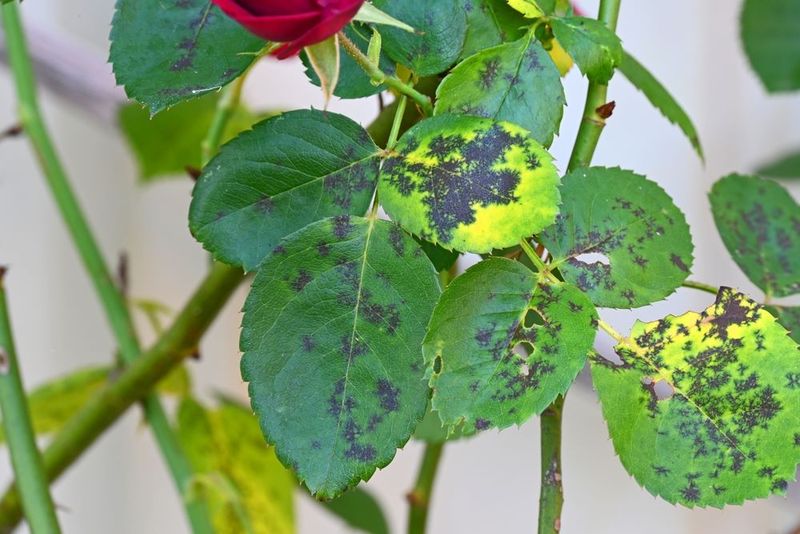
Those yellow leaves freckled with black blotches look harmless once they flutter to the ground in fall.
Sadly, black spot fungus, Diplocarpon rosae, spends the winter hiding on fallen leaves and infected canes.
When spring rains splash water onto that debris, spores bounce up and land on brand new leaves. Within days, the cycle starts again, and your bushes can lose much of their foliage by summer.
Leaf loss weakens roses because fewer leaves mean less food gets stored in the canes for the following winter. A rose that drops most of its leaves each year often enters cold weather tired and stressed.
I like to rake under my bushes every week or two once the leaves start dropping in autumn. It takes about ten minutes, and honestly it does more good than many sprays I have tried.
Bag diseased leaves or toss them in the trash rather than adding them to your compost pile.
Most home compost piles rarely get hot enough to reliably break down stubborn fungal spores over winter.
Snip off any obviously infected canes with dark lesions, cutting back to clean, healthy wood below the damage. Wipe your pruners with a household disinfectant between cuts so you do not carry spores around.
Fresh mulch spread after cleanup adds another barrier between lingering spores and next year’s tender leaves. Tidy beds now mean fewer spotted leaves and more energy for blooms when warm weather returns.
5. Late Deadheading Stops Roses From Forming Winter Hips
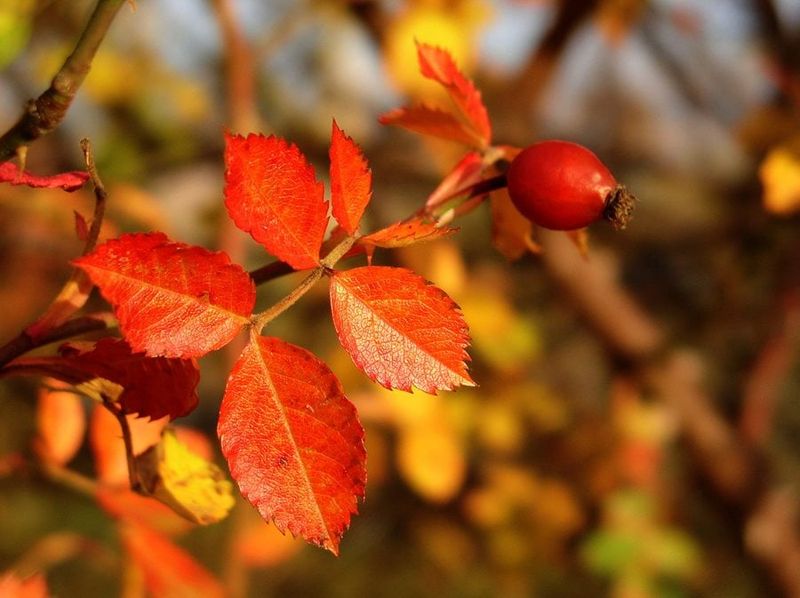
Plump orange rose hips dangling in November are one of my favorite sights in a quiet garden.
They also send an important signal, telling the plant that the growing season is finally winding down.
Deadheading spent flowers through summer encourages roses to keep producing new buds and shoots for more weeks.
Keep snipping deep into autumn, and you invite fresh tender growth that frost will likely scorch.
Many experienced rose growers stop deadheading roughly six weeks before their expected first frost in fall. Letting the final flowers fade right on the bush allows seed-filled hips to form naturally afterward.
Hip formation helps nudge the plant toward dormancy, which slows new growth and helps the canes harden. It feels a bit lazy, but in this case doing less truly helps your roses more.
Bonus perks show up, too, because birds such as cardinals and mockingbirds may nibble on the hips. Rose hips are also rich in vitamin C, which is why people have used them in teas.
Not every rose sets hips, and many modern hybrid teas produce only a few or none. That is fine, since simply leaving faded blooms in place still discourages a late growth spurt.
You might notice the garden looks a little scruffy, but those faded petals have a job. Save the cleanup for late winter pruning, when you can remove old hips along with tired canes.
6. Pine Straw Mulch Piled Against Rose Canes Causes Trouble
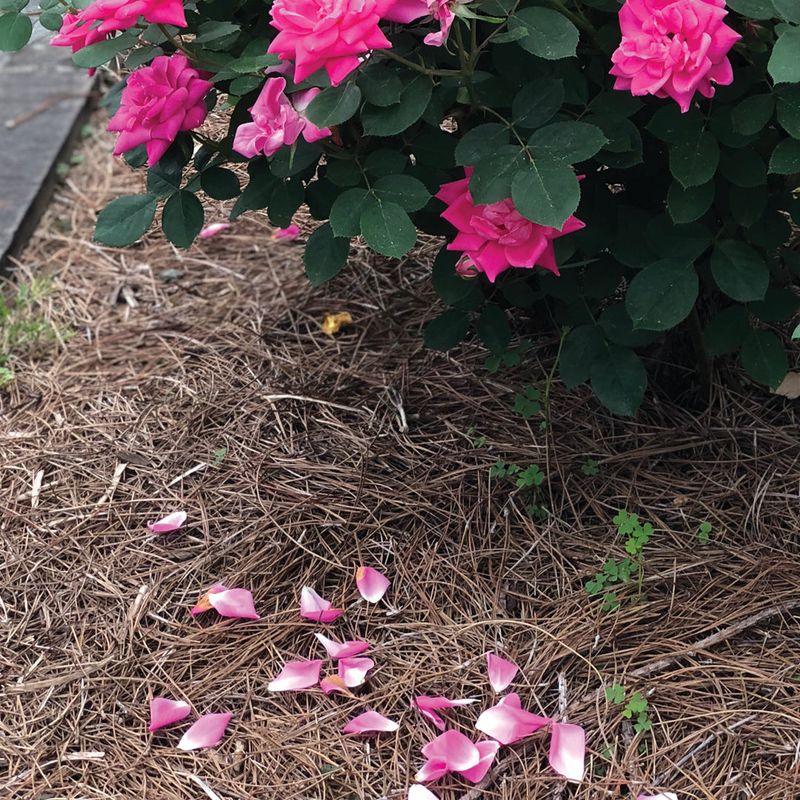
Pine straw is practically the official groundcover of Southern gardens, and it works wonderfully around roses.
Trouble starts when well-meaning gardeners heap it into a tall volcano pressed tightly against the canes.
Mulch piled against stems traps moisture, which can soften bark and invite rot and canker diseases. Rodents and voles also love hiding in deep mulch, where they may chew on tender bark.
A two to three inch layer spread evenly over the root zone gives plenty of insulation. Leave a gap of a few inches around the base so air can move freely near the canes.
Timing matters too, because mulching too early keeps soil warm and may delay the natural slowdown.
Many gardeners wait until after the first hard frost to add extra mulch for winter protection.
In colder north Georgia gardens, some growers loosely mound soil or mulch around grafted roses for extra protection. That loose mound should come away in late winter before new buds begin to swell.
Pine bark nuggets and shredded hardwood also work well if pine straw is not your style. Avoid fresh grass clippings, which mat down and can stay soggy around the base for weeks.
I love how a neat ring of mulch makes a rose bed look finished all winter. Your roots stay cozy and the canes stay dry, which is a pretty sweet trade for minimal effort.
7. Rose Rosette Witches Brooms Need Removal Before Winter
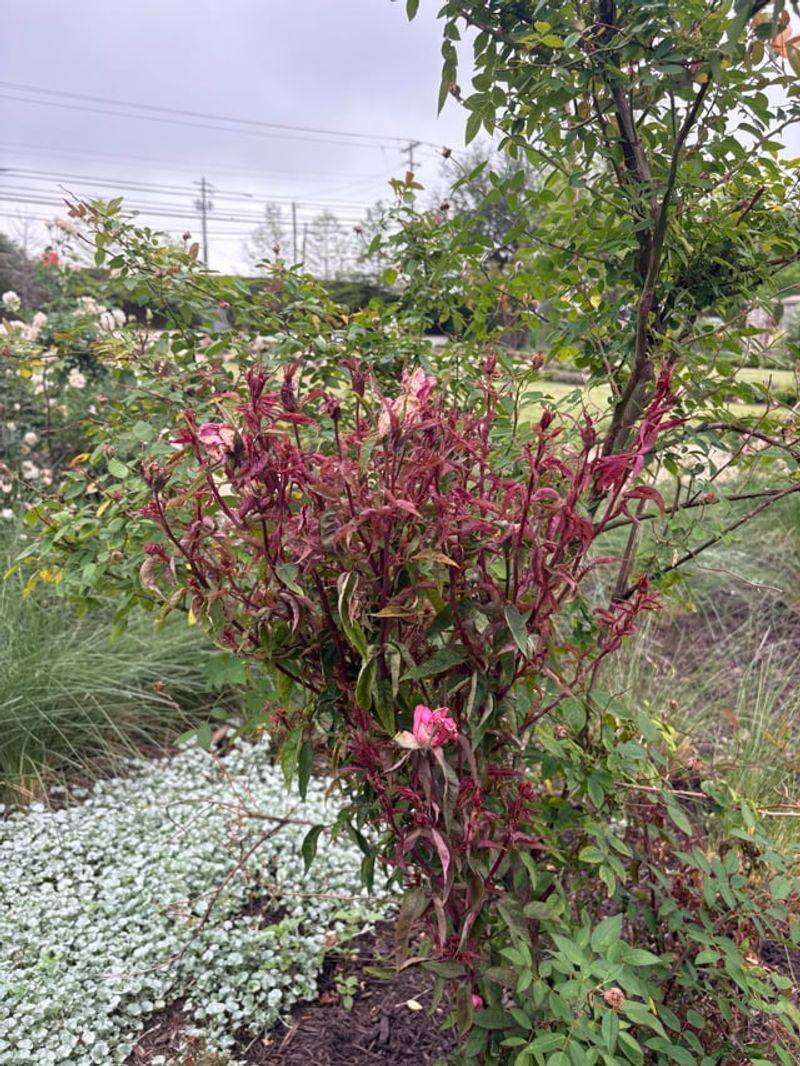
Bright red, oddly thick shoots packed with soft prickles might look like vigorous new growth to you. Sadly, they can be a warning sign of rose rosette disease, a virus spread by tiny mites.
The culprit is rose rosette virus, carried by an eriophyid mite so small you need magnification.
Infected plants develop clusters of distorted shoots called witches brooms, along with stunted and oddly twisted flowers.
No cure exists, and infected roses usually decline over a few years while spreading trouble nearby. UGA and other extension services recommend removing the entire plant, including the roots, as soon as possible.
Fall cleanup is a perfect moment to inspect each bush closely while symptoms are still easy to spot. Look for unusually dense thorns and reddish leaves that stay red instead of maturing to green.
Bag the canes before pulling the plant out so mites do not blow onto healthy neighbors nearby. Dig out every remaining root piece, since sprouts from leftovers can carry the virus right back again.
Removing nearby wild multiflora rose helps too, because this invasive species often hosts the virus and mites. Spacing roses so their branches do not touch slows the tiny mites from crawling between neighboring plants.
I have to admit that tossing a beloved rose feels heartbreaking, but waiting puts every other bush at risk.
Clearing it out before winter gives your remaining roses a much cleaner and safer start next spring.
8. Tall Rose Canes Rocking In Winter Wind Loosen Roots
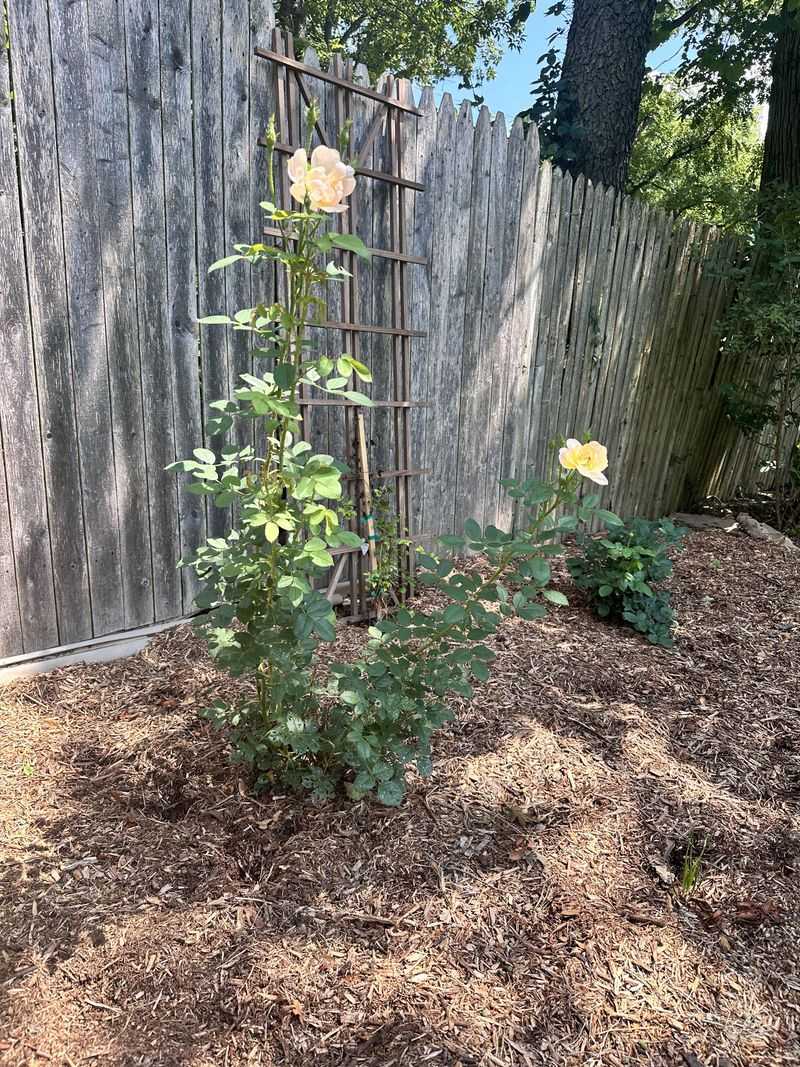
A tall rose swaying in a January gust looks almost graceful, like a dancer bending in the breeze. Underground, though, that swaying can loosen roots and open gaps where cold air and water settle.
Gardeners call this wind rock, and it hits tall hybrid teas and freshly planted roses the hardest.
Loose roots dry out faster, and the plant may lean or sit wobbly when spring finally arrives.
A simple fix is trimming extra-long canes back by roughly one third once the plants slow down in late fall. Keep these cuts modest, since the real shaping job still belongs to your late winter pruning session.
Climbers need a different approach, so tie their long canes loosely to a trellis or fence. Soft garden twine or stretchy plant ties hold the canes steady without cutting into tender bark.
Newly planted roses may benefit from a sturdy stake on the windy side of the bush. After storms, walk the garden and press any loosened soil back around the base with your foot.
Open hilltop yards and breezy coastal Georgia gardens tend to see more wind rock than sheltered spots. If you are planting new roses, a spot near a fence or hedge offers welcome protection.
Personally, I find a quick wobble test after windy nights tells me everything I need to know.
A steady rose stays anchored through winter and pushes out stronger growth once warm days return.