Before You Cover Your Georgia Plants For Frost Make Sure You’re Not Making This Mistake
A thin sheet meant to save your plants can actually make frost damage worse. I learned that the hard way one chilly Georgia morning, staring at a row of limp, blackened leaves.
The culprit was sitting right there on top of them. It looked helpful, it felt protective, and it trapped cold moisture right against every tender leaf.
I think most of us grab whatever is handy when the forecast drops. The garage shelf, the junk drawer, the leftover roll from a paint job.
You need a better plan than a quick grab, and it costs almost nothing.
Cold snaps here can show up suddenly after a run of mild, sunny days. Tender peppers, potted hibiscus, and fresh annuals have little warning.
Choosing the right cover before temperatures drop can mean the difference between protected plants and a garden full of frost damage.
1. That Roll Of Plastic Sheeting Is Doing More Harm Than Good
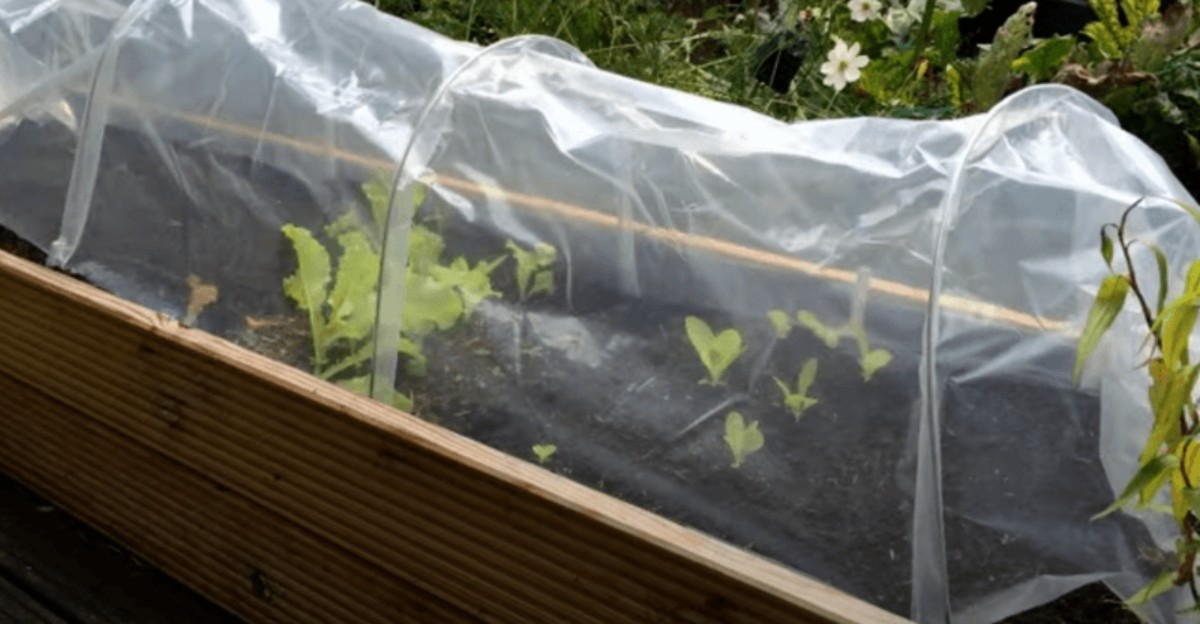
Plastic feels like the obvious choice. It is waterproof, cheap, and probably already sitting in your garage.
Sadly, it is the most common frost-cover mistake gardeners make.
Plastic does a poor job of holding heat overnight. When it rests directly on leaves, cold passes straight through the thin layer and into the plant tissue.
Moisture also collects on the underside, freezes, and leaves those leaves with ugly, water-soaked damage by morning.
The problem gets worse after sunrise. Plastic traps solar heat like a closed car, so a cover left on too long can cook tender growth.
Your plants go from freezing to baking in just a few hours.
I used to think a thicker plastic tarp would fix things. It does not, because the material itself is the issue, not the thickness.
If plastic is truly your only option, keep it from touching foliage. Build a quick frame with stakes, tomato cages, or buckets, then drape the plastic over that support.
Pull it off early the next morning.
Better yet, save the plastic for painting projects. Breathable fabrics do a far better job and are easy to find, as the next section shows.
2. Old Bed Sheets And Frost Cloth Make Smarter Plant Blankets
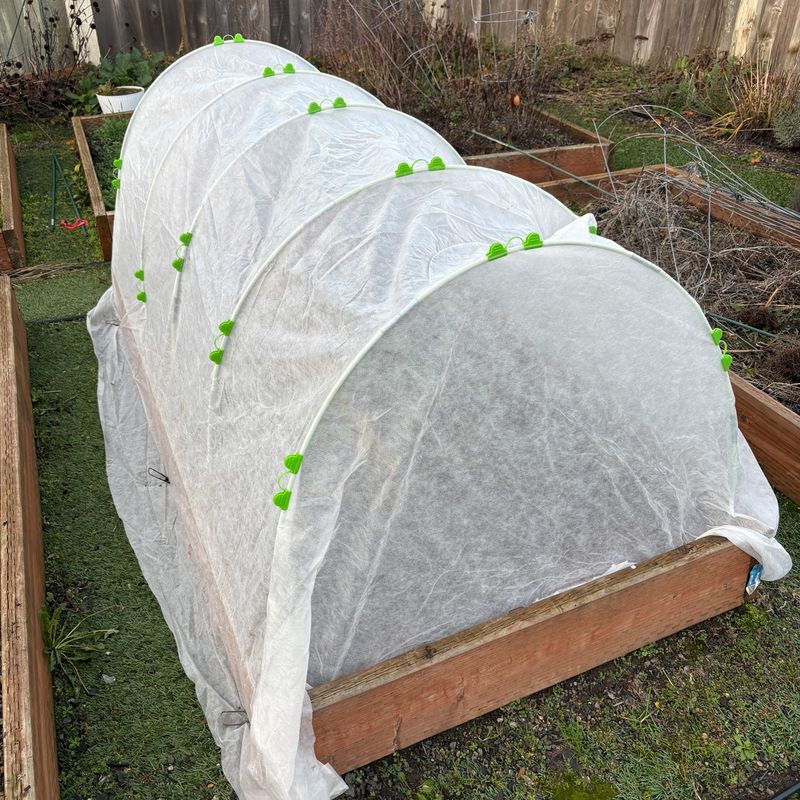
Grandma had it right when she ran outside with her spare bedsheets. Breathable fabric is one of the simplest and most effective frost protections around.
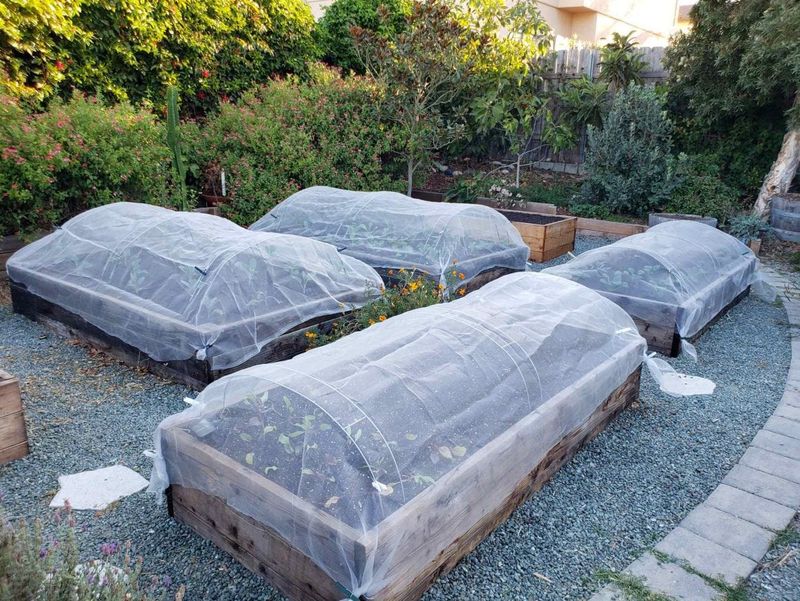
Frost cloth, sometimes sold as row cover or garden fabric, is made for this job. It lets air and moisture move while holding in some warmth.
Heavier weights offer several extra degrees of protection, and light weights work well for mild cold snaps.
No frost cloth? Old cotton sheets, quilts, burlap, and lightweight blankets all work in a pinch.
Thrift stores are full of them, and I keep a basket of worn sheets just for chilly nights.
Fabric works because it slows the loss of heat rising from the ground. It acts like a cozy tent rather than a cold wrapper.
Moisture can escape instead of turning to ice on the leaves.
One caution matters here. Heavy, wet blankets can crush delicate stems, so use supports under thicker materials.
Fun fact: University of Georgia Extension experts often recommend fabric covers over plastic for home gardens. They are reusable, inexpensive, and forgiving if you make small mistakes.
A good stash will serve you for many winters.
3. Drape Covers All The Way To The Ground Around Your Shrubs
Here is a sneaky fact about frost. Most of the warmth your plants need at night is coming up from the soil, not falling from the sky.
Soil soaks up heat during sunny Georgia afternoons. After dark, it slowly releases that warmth.
A cover that stops halfway down the plant lets all that free heat drift away into the night air.
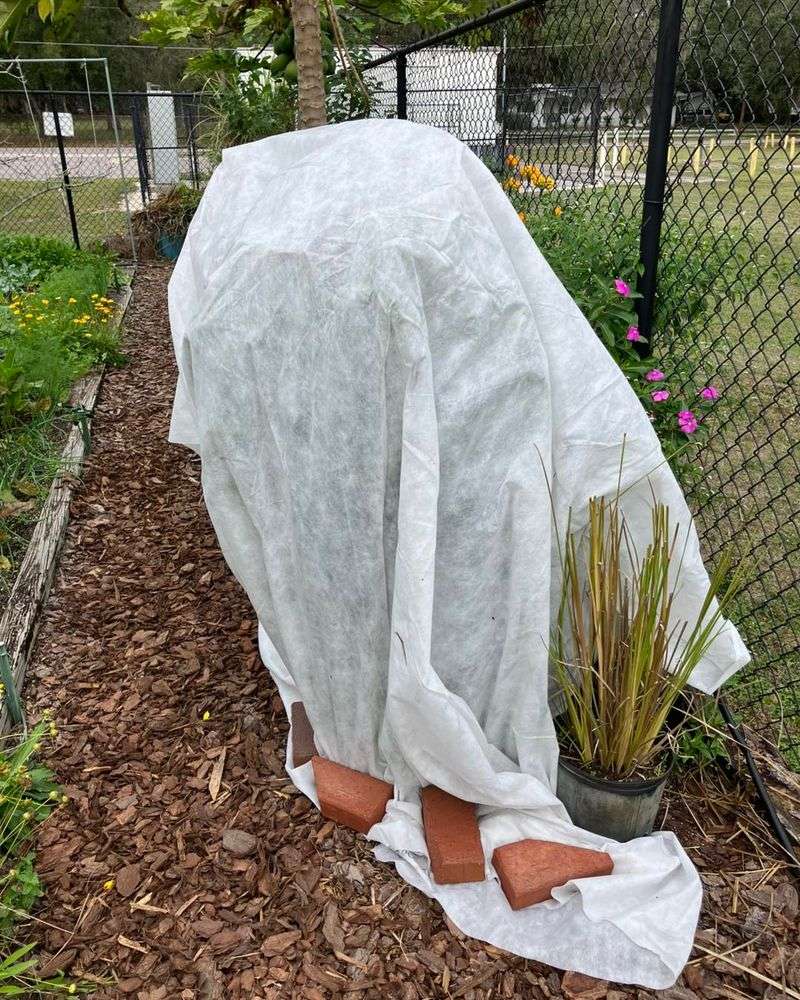
So the trick is simple. Let your frost cloth or sheet reach the ground on every side, creating a small tent over the plant.
Next, hold those edges down. Bricks, rocks, landscape pins, or even heavy boards work well.
Wind loves to lift loose fabric, and one gust can undo all your effort.
I like to tuck the edges in like I am making a bed. It takes an extra minute, but the difference shows by morning.
Avoid wrapping the cover tightly around the trunk or tying it at the base like a sack. That cuts off the soil heat you are trying to catch.
Think tent, not umbrella. A loose dome anchored at the ground gives your plants the warmest pocket of air possible.
4. Stakes And Tomato Cages Keep Fabric Off Tender Leaves
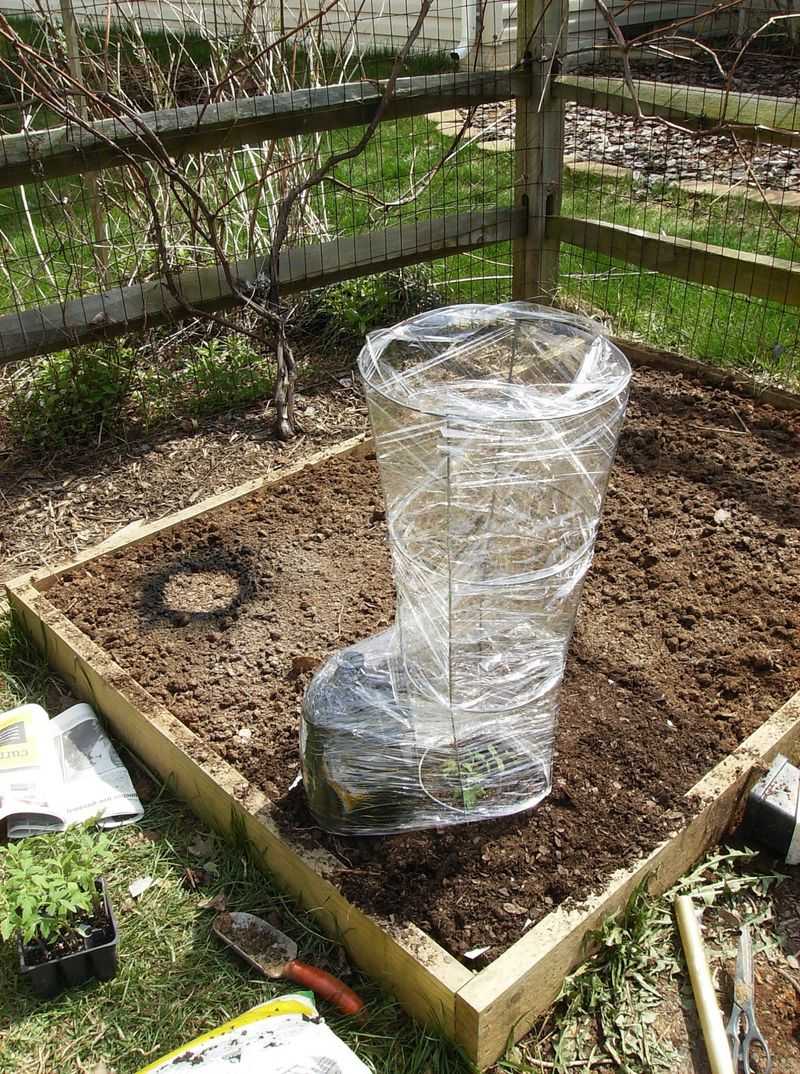
Leaves pressed against a cover are the most likely to get frostbite. A small gap of air between fabric and foliage makes a surprising difference.
When the cover touches leaves, cold transfers right through. That is why you often see damage only on the tops of plants where the fabric rested.
The covered parts underneath may look perfectly fine.
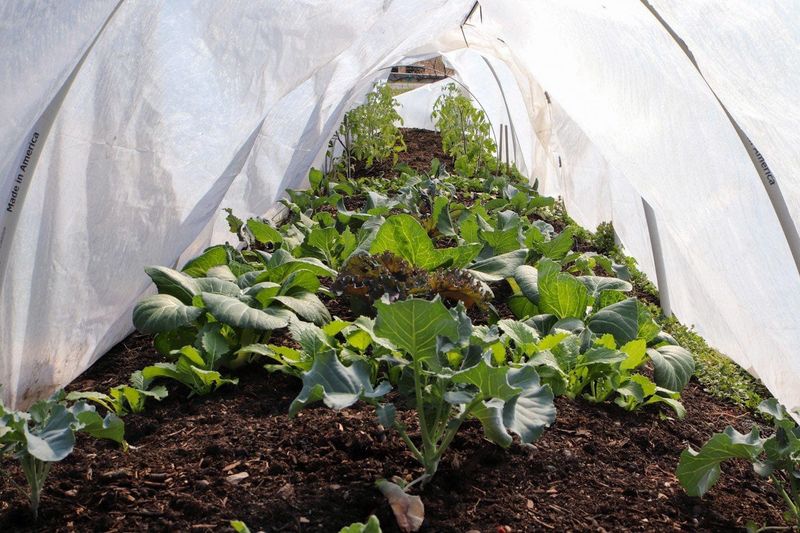
Building a simple frame fixes this. Tomato cages, bamboo stakes, PVC hoops, or upside-down buckets all create a tent shape.
Even a couple of patio chairs can hold a sheet over a flower bed.
For low crops like lettuce or strawberries, wire hoops work beautifully. You can leave them in the garden all winter, ready for the next cold snap.
Personally, I keep a bundle of old stakes by the back door from November through March. When the forecast drops, setup takes ten minutes.
Frames also help with heavier materials. Quilts and blankets can snap brittle stems, especially on peppers and tropical plants, if they sit directly on top.
Give your plants some breathing room. That little air pocket acts like insulation and keeps leaves from freezing to the cover overnight.
5. Cover Plants Before Sunset And Uncover Them By Morning
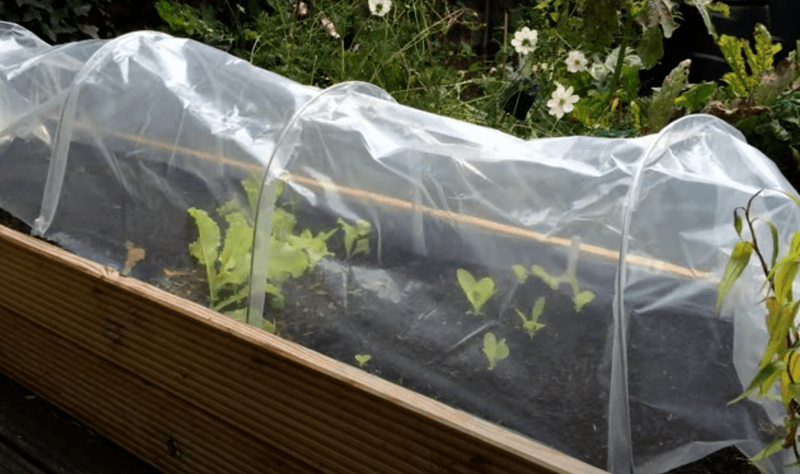
Timing can matter as much as the cover itself. Wait until bedtime, and much of the day’s stored heat has already slipped away.
Aim to cover plants in the late afternoon or early evening, ideally before sunset. That way you trap the warmth the soil collected during the day.
Doing it with daylight left also beats fumbling with sheets in the dark.
Morning matters just as much. Once temperatures climb above freezing and the sun is up, remove the covers.
Leaving them on too long can overheat plants, especially on bright, clear days. Plants also need light to stay healthy, and a sheet blocks most of it.
If another cold night is coming, simply fold the covers nearby. I drape mine over a fence rail so they dry out before evening.
Georgia weather loves a dramatic swing. A frosty dawn can turn into a 60-degree afternoon, so check the forecast each day.
A smart habit is setting two phone reminders. One goes off around 4 p.m. on cold days, and another nudges you mid-morning.
Your plants will thank you for the routine.
6. A Deep Drink Of Water Helps Roots Ride Out The Cold
Watering before a freeze sounds backward, but it is solid advice. Moist soil holds and releases heat better than dry, dusty soil.
Give your beds a thorough soaking one or two days before a frost is predicted. Morning or early afternoon is best, so leaves have time to dry before nightfall.
Wet foliage heading into a freezing night is a problem. Water on leaves can turn to ice.
Focus the hose on the soil around the roots, not the tops of plants.
Dry plants also tend to suffer more cold injury. A well-hydrated plant handles stress better, much like you do after a good breakfast.
Winters in Georgia can be surprisingly dry between rain events. Many gardeners stop watering after fall and forget their plants still need moisture, especially evergreens and newly planted shrubs.
Skip this step if the ground is already soggy from recent rain. Overly wet soil in heavy clay can cause root problems of its own.
Pair watering with your covering plan for the best results. Damp soil underneath and breathable fabric on top create a warmer pocket of air where your plants can rest easy.
7. Pine Straw Mulch And Clustered Pots Add Extra Insulation
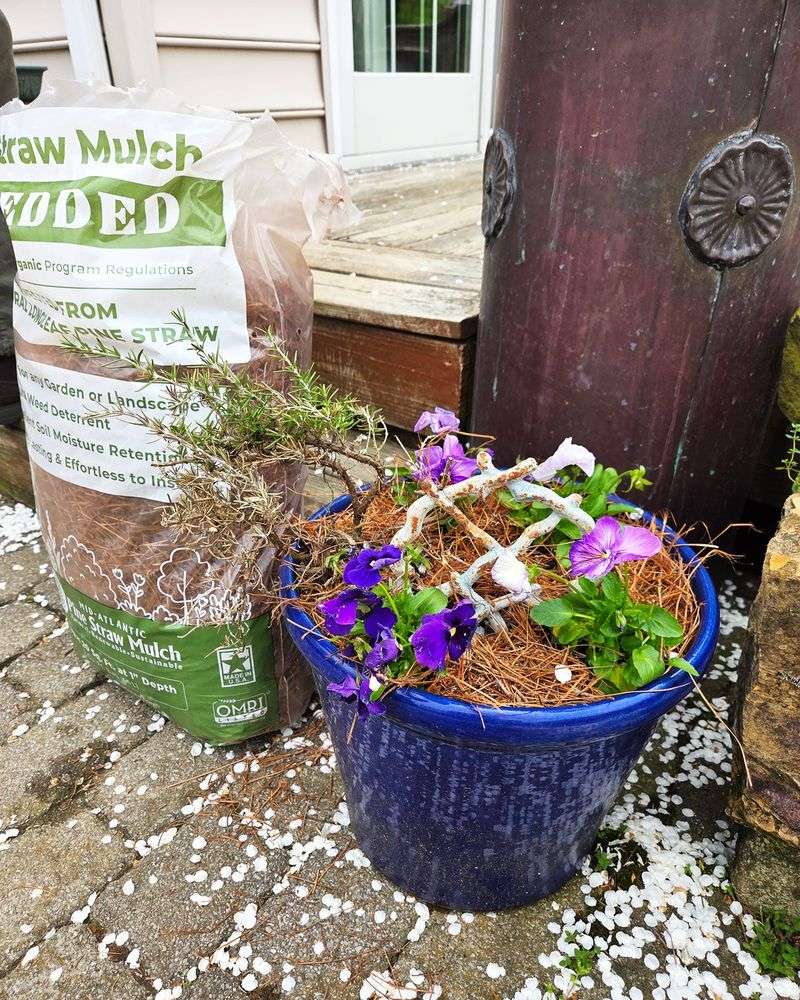
Georgia gardeners have a secret weapon falling from the sky every year. Pine straw is cheap, plentiful, and makes excellent winter mulch.
Spread about 2 to 3 inches of pine straw, shredded bark, or chopped leaves around your plants. This layer insulates the soil and protects roots from sudden temperature drops.
It also helps the ground hold moisture.
Keep mulch a few inches away from trunks and stems. Piling it against bark can invite rot and give rodents a cozy hiding spot.
Potted plants need special attention. Roots in containers sit above ground, so they feel the cold far more than plants growing in beds.
The easiest fix is bringing pots into a garage, shed, or porch on frosty nights. Too heavy to move?
Group them together against a south-facing wall, where the house radiates a little warmth.
Then stuff pine straw or leaves around and between the pots. I once saved a whole collection of potted herbs this way during a surprise January cold snap.
Clustering works because plants share warmth and block wind for each other. A huddled group stays cozier than pots scattered across the patio.
8. Save Your Covers For Tender Peppers, Annuals, And Tropicals
Not every plant in your yard needs a blanket. Knowing which ones to protect saves time, effort, and a mountain of sheets.
Frost and freeze are not quite the same thing. A freeze means air temperatures hit 32 degrees or lower, while frost can form on clear, calm nights even when thermometers read a bit above that.
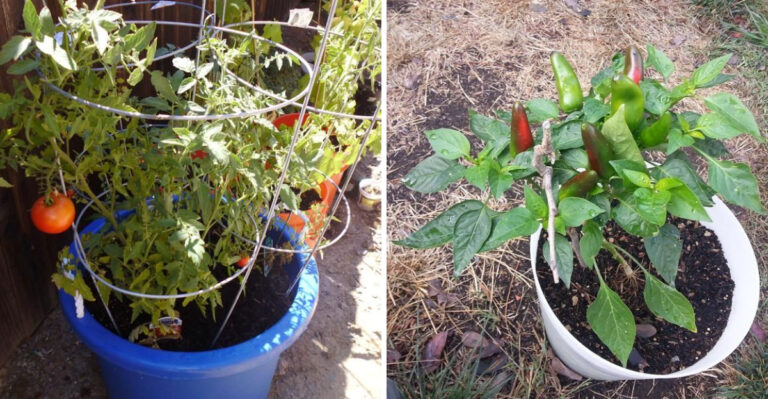
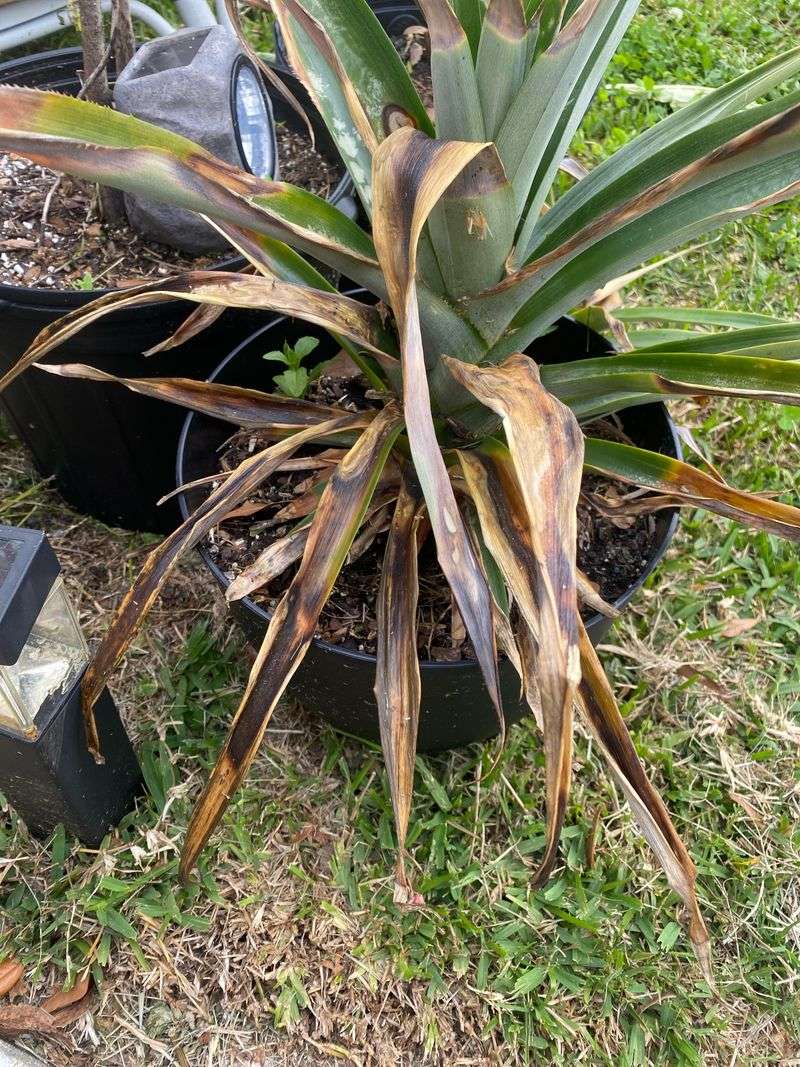
Tender plants suffer first. Tomatoes, peppers, basil, impatiens, hibiscus, bougainvillea, and most houseplants summering outdoors can be harmed by a light frost.
Hardy plants are a different story. Established hollies, camellias, azaleas, native trees, and cool-season greens like collards and kale usually handle typical winter cold without help.
In fact, collards often taste sweeter after a frost.
Location matters too. North Georgia mountains often see first frost in late October, while South Georgia may wait until late November or later.
Windy freezes deserve a warning. When strong, cold winds roll in, covers help less because moving air strips heat away quickly.
For your next step, walk your garden this week and sort plants into two groups. Gather enough covers for the tender list, and you will be ready before the forecast even changes.