The Coffee Grounds Trick Florida Gardeners Use When Planting Fall Vegetables
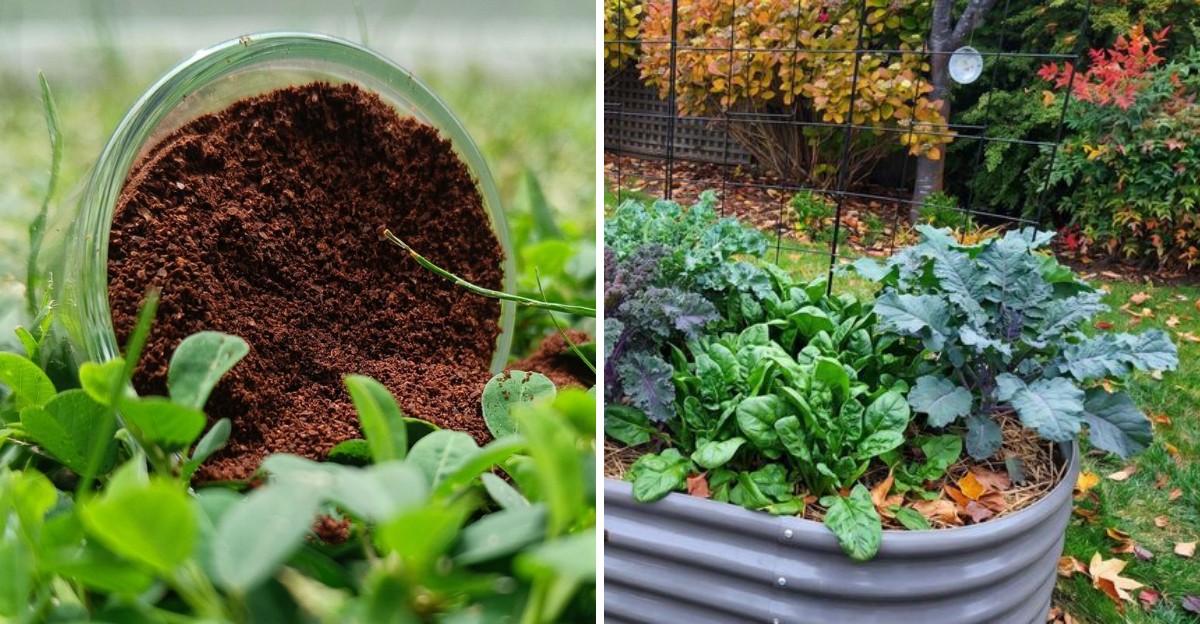
Your kitchen trash holds a garden amendment that earthworms will happily drag underground. Starbucks stores have handed it out for free for years through a program called Grounds for Your Garden.
I love that something we toss every morning can help a vegetable bed. I’ll take the blame for scraping it into the garbage for years without a second thought.
Then I learned that one cup of it carries real nitrogen, plus traces of potassium, magnesium, and copper.
There’s a catch, though. Researchers have found this same material can slow seedlings when it lands in the wrong spot.
Florida gardeners planting fall crops in sandy soil have extra reasons to care about getting it right.
That leftover morning brew could be your broccoli’s best friend or its worst enemy, and the difference comes down to how you use it.
Those Used Coffee Grounds Are Not as Acidic as Most Gardeners Believe
Plenty of gardeners sprinkle coffee grounds around their plants to make the soil more acidic. It sounds logical, since coffee tastes sour.
The science tells a different story.
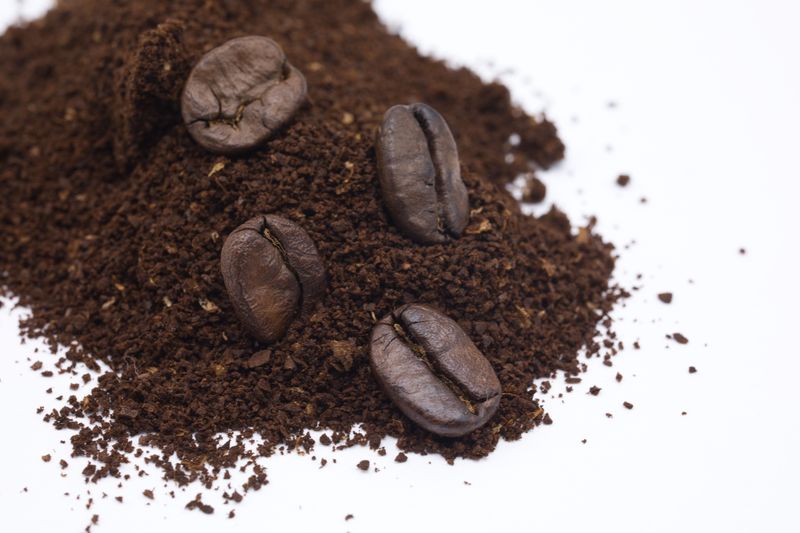
Most of the acid in coffee washes out into your mug during brewing. Used grounds usually test somewhere around 6.2 to 6.8 on the pH scale, which is close to neutral.
Fresh, unbrewed grounds are a different matter, since they are noticeably more acidic.
So the real trick Florida gardeners use has little to do with acidity. Spent grounds work mainly as organic matter, a slow source of nutrients, and food for soil life.
That matters a lot in a state where many backyards sit on fast-draining sand that holds little organic material.
I find this freeing, honestly. You can stop worrying about souring your soil with a weekly bag of grounds.
You can also stop expecting grounds to fix alkaline soil, which is common near limestone and coastal areas.
If you suspect a pH problem, a soil test through your county UF/IFAS Extension office gives real answers for a small fee. Then you can treat coffee grounds as what they truly are, a handy organic ingredient rather than a magic potion.
Toss Coffee Grounds in the Compost Pile First for the Best Results
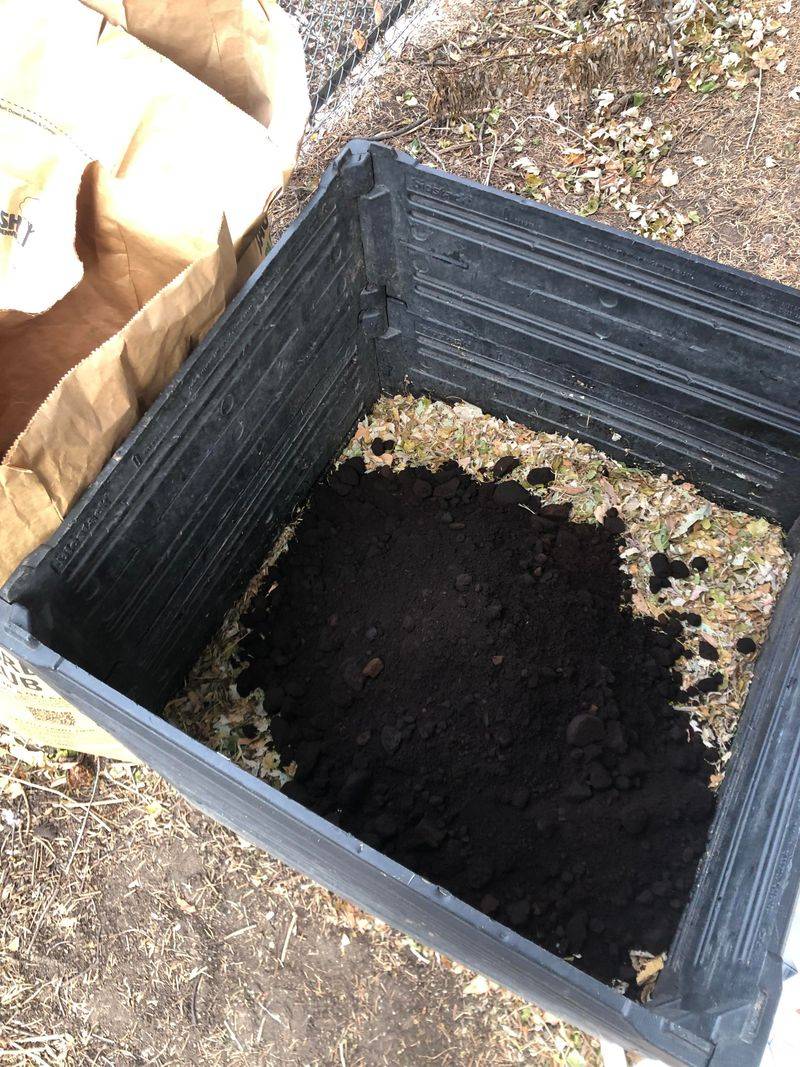
Composting is the smartest way to use coffee grounds, and most extension experts agree. Grounds count as a green ingredient because they are rich in nitrogen.
They roughly match grass clippings in nitrogen content, around 2 percent by weight.
Balance matters here. Mix your grounds with brown, carbon-rich materials like dry leaves, shredded paper, or pine straw.
A loose guide is about three parts brown to one part green, though nobody needs a scale.
Many composters keep grounds to roughly 10 to 20 percent of the total pile. Too much can make the mix dense and soggy.
Paper filters can go right in too, since they break down easily.
Florida heat speeds things along nicely. A well-turned pile can produce usable compost in a few months, far faster than in colder states.
Start a batch in late summer and it may be ready for spring transplants.
Composting also breaks down caffeine and other compounds that can bother young plants. That is a big reason this route beats dumping grounds straight into a new bed.
Finished compost gives your fall vegetables steady nutrition, better soil texture, and a lot less guesswork.
Keep Fresh Grounds Away From Seed Rows and Tiny Seedlings
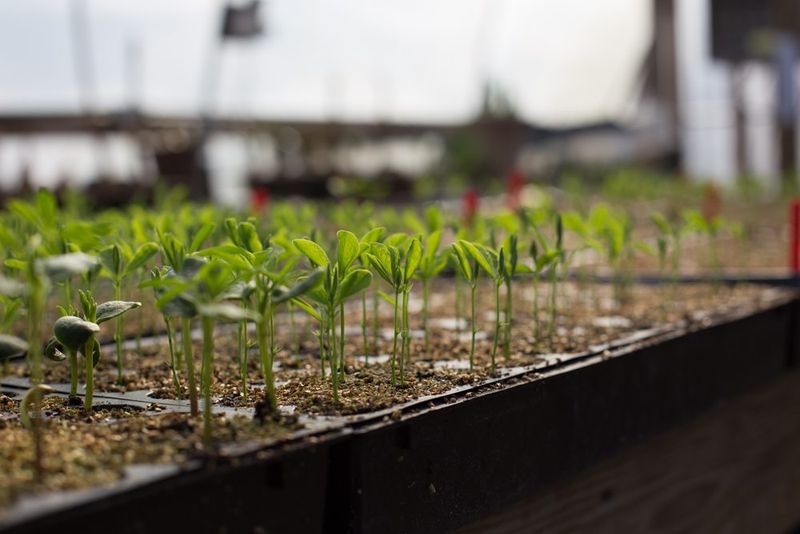
Here is the part many social media tips skip. Studies have shown that raw coffee grounds can slow seed germination and stunt young plants.
Caffeine and other natural compounds seem to play a role.
Researchers in Australia grew broccoli, leeks, radishes, and other crops in soil mixed with spent grounds. Many of those plants grew more poorly than plants in untreated soil.
The effect was strongest with heavier amounts.
Fall is prime seed-sowing time in the state. Radishes, carrots, lettuce, turnips, and beets often go straight into the ground.
Those tiny sprouts are fragile, so give them a clean start.
My rule is simple. No raw grounds go into a seed row or around fresh transplants for the first few weeks.
Composted grounds are a safer choice because time and microbes break down the troublesome compounds.
Once plants have several sets of true leaves and solid roots, a light dusting of grounds mixed into the soil is far less risky. Watch them closely, though.
If growth seems slow or leaves look pale after adding grounds, pull back and let compost do the job instead.
Sandy Florida Soil Loves a Little Extra Organic Matter
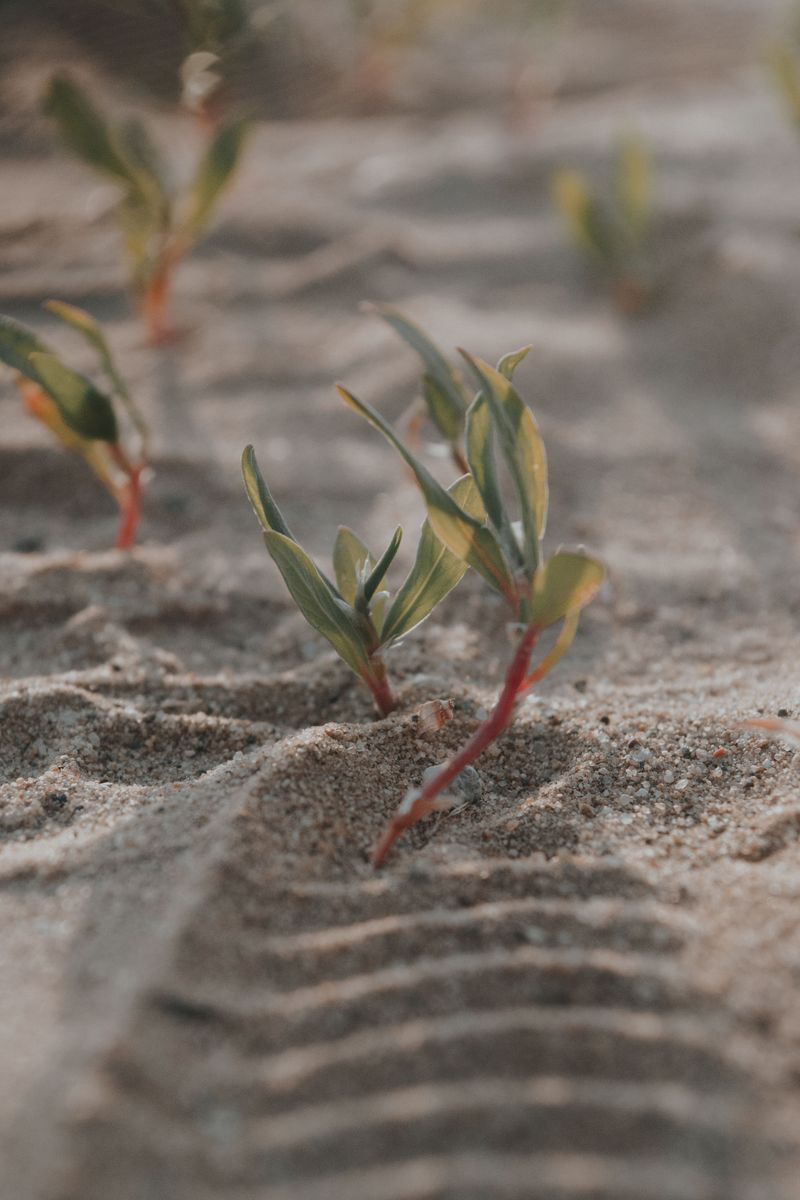
Grab a handful of soil in much of the state and it often runs through your fingers like beach sand. Water and nutrients slip away fast.
That is where organic matter, including composted coffee grounds, earns its keep.
Organic matter acts a bit like a sponge. It helps sandy soil hold moisture longer between waterings and keeps nutrients near the roots.
UF/IFAS commonly recommends working several inches of compost into vegetable beds before planting.
Coffee grounds are just one piece of that puzzle. Finer particles add texture, and when composted with leaves and kitchen scraps, they help build a crumbly, dark soil.
Your lettuce and kale will notice the difference.
Gardeners in heavier soils, like parts of the Panhandle with more clay, get a different perk. Organic matter can loosen tight soil and improve drainage.
Either way, the goal is the same healthy, loamy texture.
One caution matters for every soil type. Grounds alone pack down when used in thick layers, so blend them with other materials.
A mix of compost, aged manure, and grounds beats a single ingredient every time.
Earthworms Wiggle Toward Coffee Grounds Like Kids to Candy
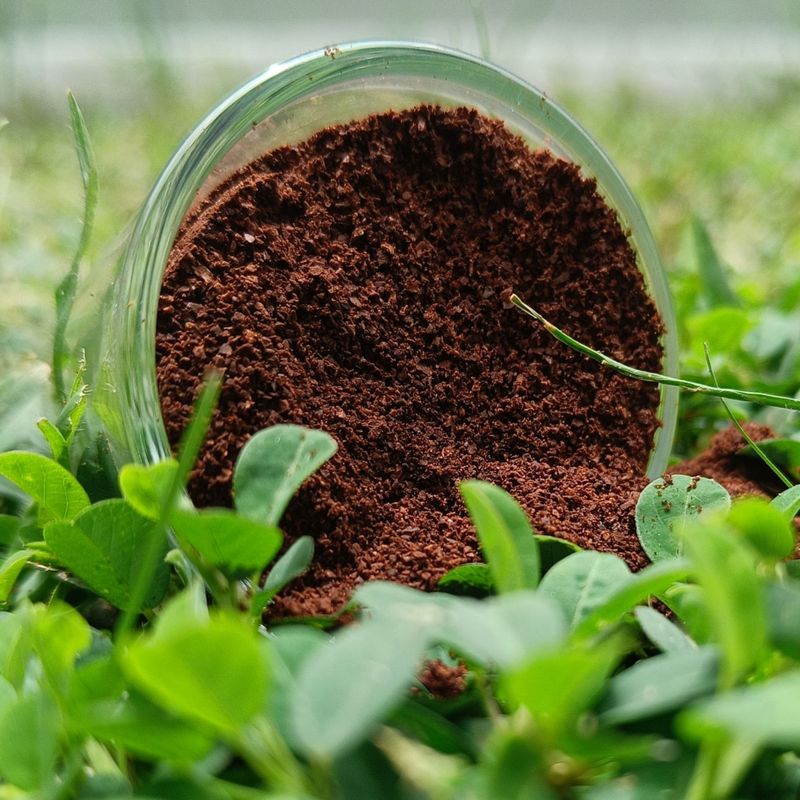
Worm farmers figured this out long ago. Earthworms happily munch on coffee grounds, and many vermicomposting bins get a regular dose.
The worms pull organic bits deeper into the ground as they feed.
That tunneling does real work for your garden. Worm burrows let air and water reach roots more easily.
Their castings, the polite word for worm poop, are packed with nutrients plants can use.
Grounds also feed bacteria and fungi in the soil. Those microbes break organic matter into forms your vegetables can absorb.
A busy underground crew usually means healthier, sturdier plants above ground.
Moderation still matters with worms. In a worm bin, grounds work best as a portion of their diet, mixed with vegetable scraps and shredded paper.
Too much at once can make bedding overly wet and dense.
Fun fact for curious kids and grown-ups alike. Earthworms have no eyes, yet they sense light through their skin and quickly retreat from it.
Next time you lift a shovel of soil and spot a few wigglers near old coffee grounds, you will know they found a snack worth staying for.
A Thin Layer Mixed Into the Soil Beats a Thick Coffee Mulch
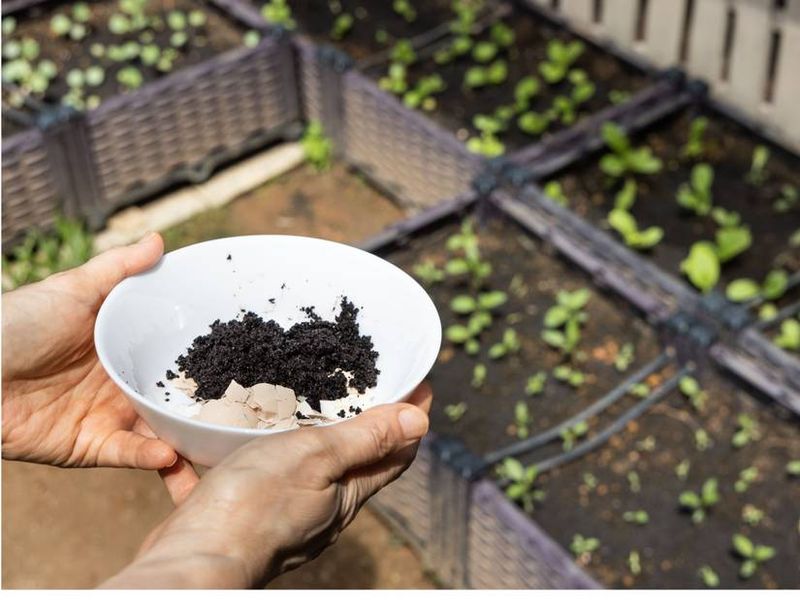
Picture-perfect blankets of coffee grounds might look tidy, but they cause trouble. Fine grounds can pack into a crust that sheds water instead of soaking it up.
Roots underneath may end up thirsty.
A better method is light and mixed. Sprinkle no more than about half an inch around established plants, then gently scratch it into the top inch or two of soil.
Another option is to cover grounds with a coarser mulch like pine straw or shredded leaves.
Timing helps too. Apply grounds around mature broccoli, collards, cabbage, or tomatoes rather than tiny starts.
Spacing applications a few weeks apart avoids building up too much in one spot.
Fall weather can still bring warm, humid stretches. Thick, damp layers of grounds sometimes grow harmless mold, which looks unpleasant but is usually not a big deal.
Mixing them into soil keeps things drier and cleaner.
Liquid feeding is another option some gardeners like. Steep a couple of cups of used grounds in a few gallons of water overnight, then water around plants.
It is a mild boost, not a replacement for balanced fertilizer.
Slugs and Snails Might Not Mind Your Coffee Grounds Barrier
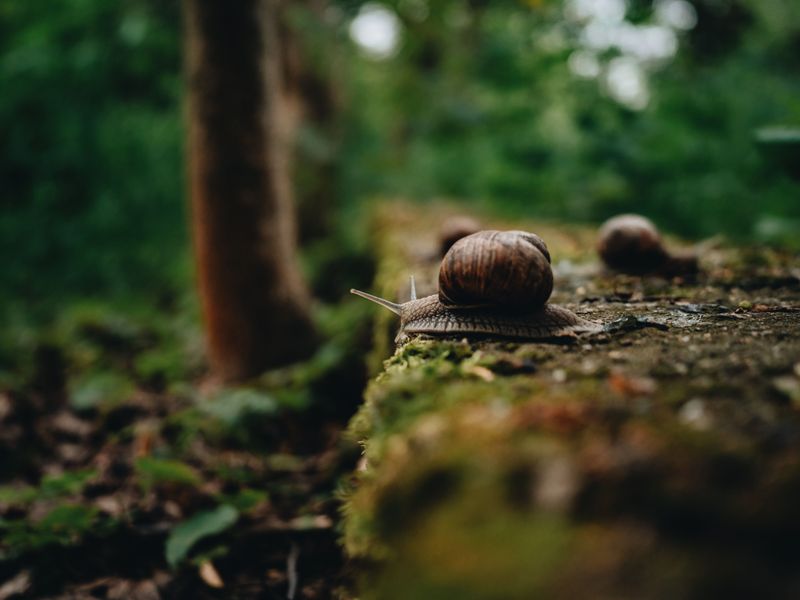
Ask around at any garden club and someone will swear coffee grounds keep slugs off their lettuce. I wanted that to be true.
The research is shakier than the rumor.
A USDA study did find that strong caffeine solutions could harm slugs and snails. That said, the caffeine levels tested were far higher than what remains in brewed grounds.
A scattered ring around your plants delivers much less.
Some gardeners report fewer slugs, while others see no change. Rough textures may slow a few critters, but rain quickly softens any barrier.
Fall showers can wash the effect away overnight.
Proven slug control is fairly simple. Hand-pick them in the evening, set out shallow traps or boards to hide under, and water in the morning so soil dries by night.
Iron phosphate baits are a lower-toxicity option labeled for vegetable gardens.
Leafy crops like lettuce, kale, and young cabbage tend to attract the most nibbling. Check undersides of leaves and near mulch edges often.
Treat coffee grounds as a soil helper, and lean on proven methods when slimy visitors show up.
Plant Your Broccoli, Kale, and Carrots at the Right Fall Window
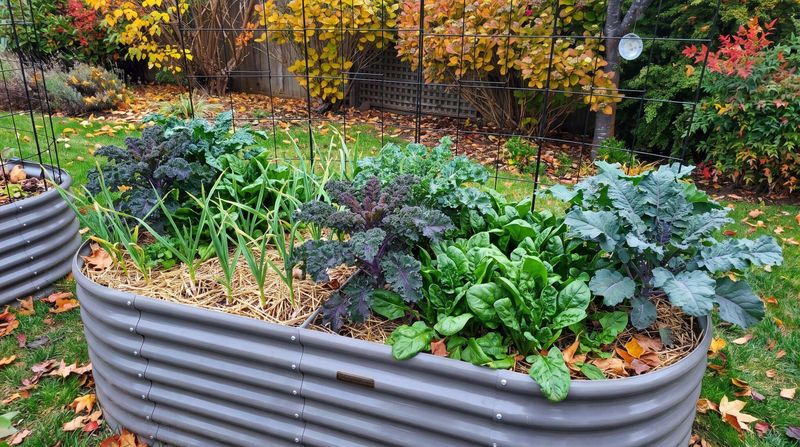
Coffee grounds are a helpful sidekick, but timing is the main star. Our state stretches across very different climates, so fall planting windows shift from north to south.
UF/IFAS planting guides break the state into North, Central, and South regions.
North Florida gardeners often start cool-season crops like broccoli, cabbage, collards, and carrots from late August through October. Central Florida runs a bit later, with many crops going in from September into November.
South Florida enjoys its main vegetable season from October through early spring.
Good fall picks include lettuce, kale, radishes, beets, onions, and turnips. Tomatoes and peppers can work in Central and South Florida when planted early enough to beat cooler nights.
Check the Florida Vegetable Gardening Guide for exact dates in your county.
Prepare beds a few weeks ahead. Clear old plants, loosen soil, and mix in finished compost containing those coffee grounds.
Fertilize based on soil test results rather than guesswork.
My takeaway is simple. Save your grounds, compost them, and use them lightly around older plants.
Pair that habit with smart timing, and your fall harvest stands a much better chance of thriving.