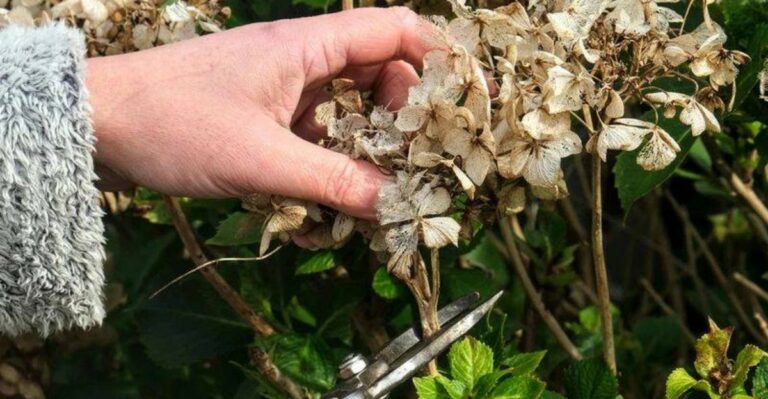
8 Holiday Plants To Keep Away From Pets In California Homes
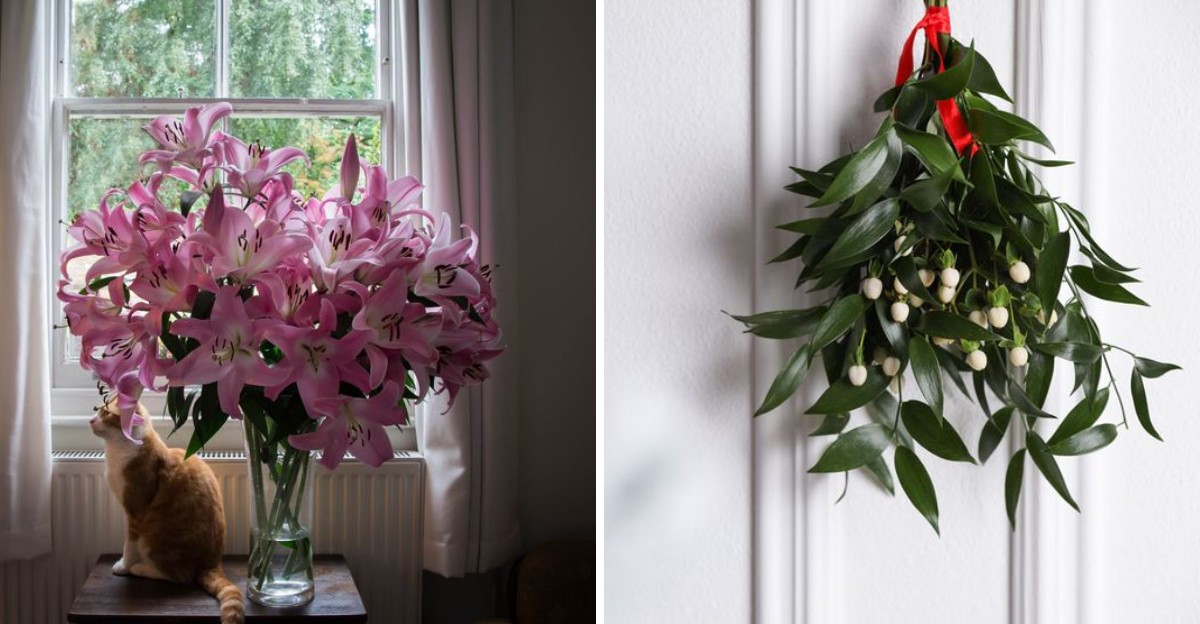
A cat can develop serious kidney trouble after licking a little flower pollen off its fluffy fur. That single detail from veterinary toxicology experts changed how I look at every holiday bouquet in my house.
Many festive favorites sold in grocery stores each December carry compounds that upset stomachs or even affect hearts. Glossy leaves and bright berries can hide trouble that curious pets discover long before we ever notice.
Here in California, mild winters mean many of us decorate porches and patios as much as living rooms.
I can see why, but that also gives our dogs and cats extra chances to chew on greenery.
You might be surprised which cheerful gift plants landed on this list for California pet owners this season.
So which of these beauties is sitting on your table right now, just inches from a curious nose?
1. Amaryllis
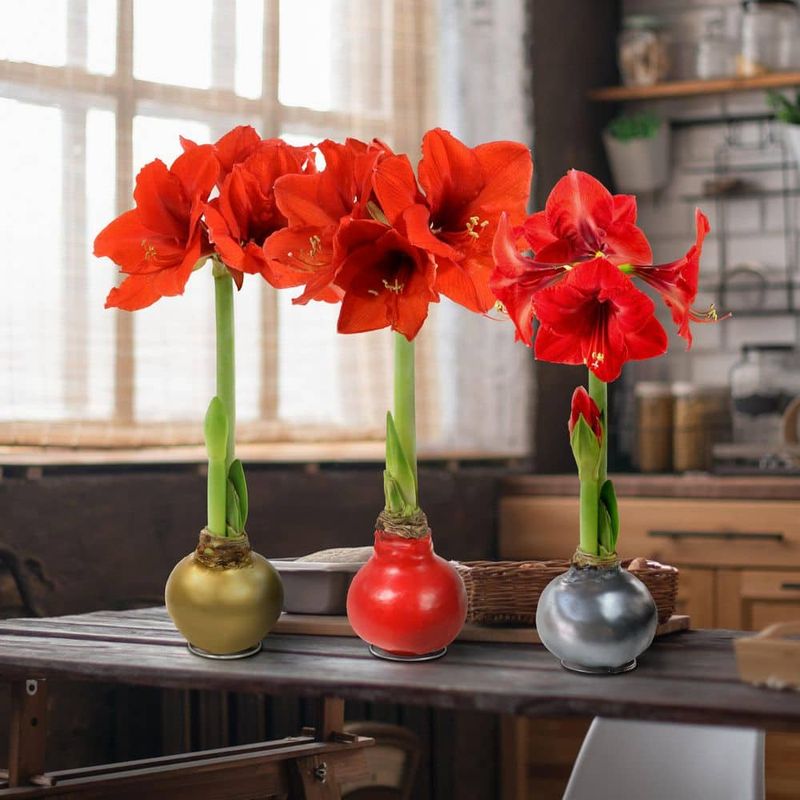
Those towering red trumpets on a tall green stalk look like they belong on a holiday card, not a warning list. I adore watching an amaryllis bulb shoot upward several inches in a week, almost like it has somewhere important to go.
The plant sold as amaryllis is usually a Hippeastrum hybrid, and every part contains an alkaloid called lycorine. The bulb holds the highest concentration, which matters a lot if you share your home with a dog who loves digging.
According to the ASPCA, pets that chew this plant may show vomiting, drooling, and a sudden drop in energy. Some animals also seem to have belly pain, and larger amounts can bring tremors that need quick veterinary help.
What I find interesting is how many kits come with the bare bulb sitting right on top of loose soil. To a playful puppy, that round bulb looks a lot like a toy ball waiting to be carried away.
My favorite fix is placing the pot on a high shelf or mantel where paws and noses cannot easily reach it. A heavy pot also helps, since a lightweight container tips over fast when a cat brushes past the leaves.
Once the blooms fade, many gardeners move the bulb outdoors to rest, especially in mild coastal areas. Keep that resting bulb behind a fence or inside a raised bed, so your dog does not unearth it later.
If you suspect your pet nibbled any part, call your vet or a pet poison hotline right away for guidance.
2. Paperwhite Narcissus
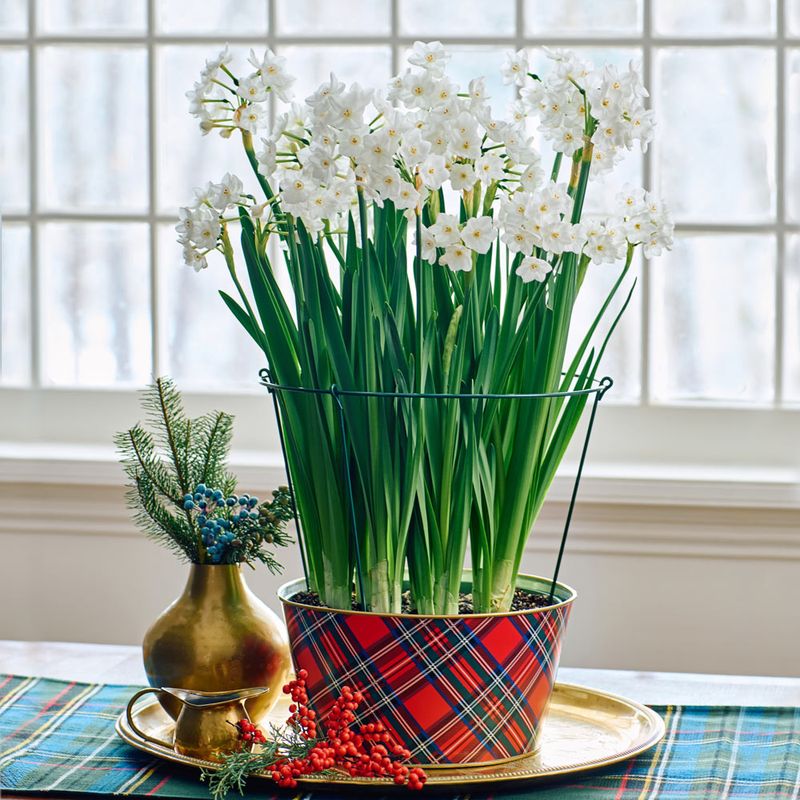
Paperwhites have a scent that fills a whole room, and honestly, people either love it or wrinkle their noses fast. I fall somewhere in the middle, though I still grow a bowl of them in pebbles almost every winter.
Known botanically as Narcissus papyraceus, this daffodil relative carries lycorine and other alkaloids throughout the plant. The bulbs hold the strongest dose, and they often sit exposed in shallow bowls of gravel or water.
Pets that chew paperwhites may drool heavily, vomit, or develop diarrhea within a short time, according to veterinary sources. Larger amounts can lead to tremors, low blood pressure, or abnormal heart rhythms that need urgent care.
You might want to think twice about letting your cat drink from that pretty glass bowl. Water sitting around narcissus bulbs can pick up compounds from the plant, so it is no safe snack spot either.
A clever trick is forcing your bulbs inside a tall glass vase rather than a wide, shallow dish. The taller walls make it harder for whiskers and tongues to explore the bulbs and the water below.
Paperwhites grow well outdoors in the warmer parts of California, where gardeners often tuck them into beds after the holidays. Mark those planting spots clearly, because a digging dog can locate fresh bulbs surprisingly quickly in soft soil.
Wash your hands after handling the bulbs too, since sap can irritate sensitive skin for some people.
3. Holly
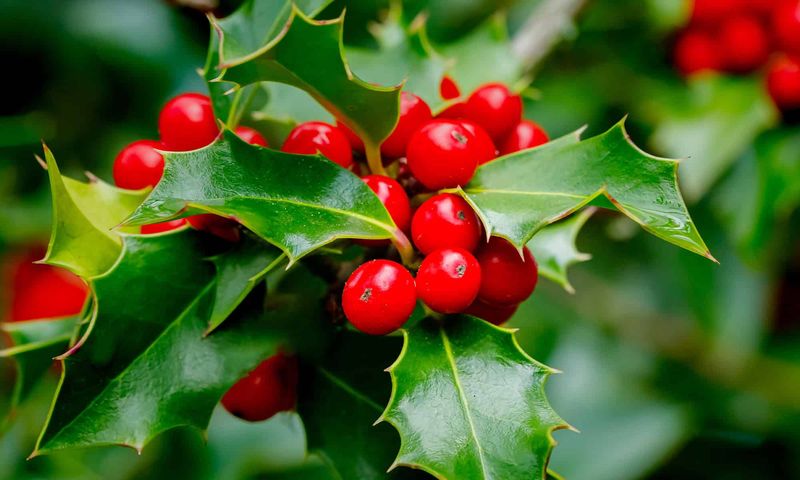
Nothing says winter cheer quite like a sprig of holly with shiny red berries tucked into a garland. I grin every time I see it on a mantel, even though I know my dog would happily investigate it.
Holly belongs to the genus Ilex, and the ASPCA lists English holly and American holly as toxic to dogs and cats. The leaves and berries contain saponins, which mainly irritate the stomach and intestines rather than causing heart trouble.
I wouldn’t necessarily say holly is the scariest plant on this list, but it can still make a pet miserable. Vomiting, diarrhea, and lip smacking are common signs after a curious pet chews the prickly leaves.
Those spiny edges add another layer of trouble, since they can scratch tender mouths and gums. You may notice your pet pawing at its face or shaking its head after a nibble.
Fallen berries are the sneaky part, because they roll under couches and behind furniture where we rarely look. A quick sweep each evening can catch stray berries before a puppy finds them during a midnight adventure.
Artificial holly gives you the same festive look without the worry, and many versions look surprisingly realistic. I mix a few faux sprigs with real cedar boughs for texture that keeps my furry helpers out of trouble.
Outdoors, skip planting English holly in coastal areas, since some regions consider it an invasive concern near wild habitat.
4. Mistletoe
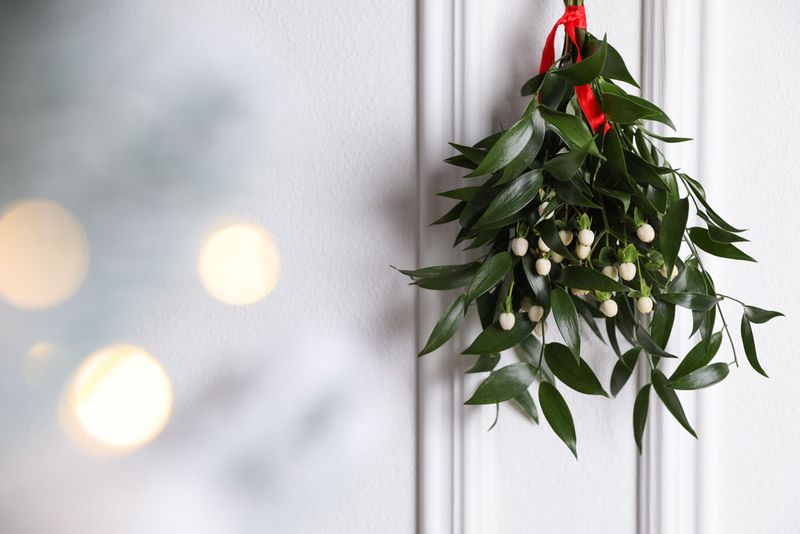
Kissing under a little bundle of mistletoe is a sweet tradition, but your pets should never get to join the fun. Okay, I said never, so let me rephrase: keep those white berries far away from curious mouths.
Most mistletoe sold in American stores is Phoradendron, a native plant that grows on oaks and other trees. European mistletoe, Viscum album, sometimes appears in imported decorations and is generally considered more toxic.
Here’s something worth knowing about the berries: they often drop from hanging bundles as they dry indoors. A cat that bats one across the floor might eventually chew it, which can lead to stomach upset.
According to the ASPCA, pets eating mistletoe may show vomiting and diarrhea, and larger amounts can affect heart rate. Some animals also develop low blood pressure or a wobbly walk, which needs fast veterinary attention.
You might be surprised to find mistletoe growing wild in oak trees across many California neighborhoods. Gardeners often see the round green clumps more easily in winter after deciduous trees lose their leaves.
For decorating, hang mistletoe high above doorways and place a small tray or bag underneath to catch falling berries. Many shops also sell lifelike artificial bundles that hold up for years without dropping anything onto your floor.
If a pet does chew some, note the amount and call your veterinarian quickly for advice.
5. Lilies
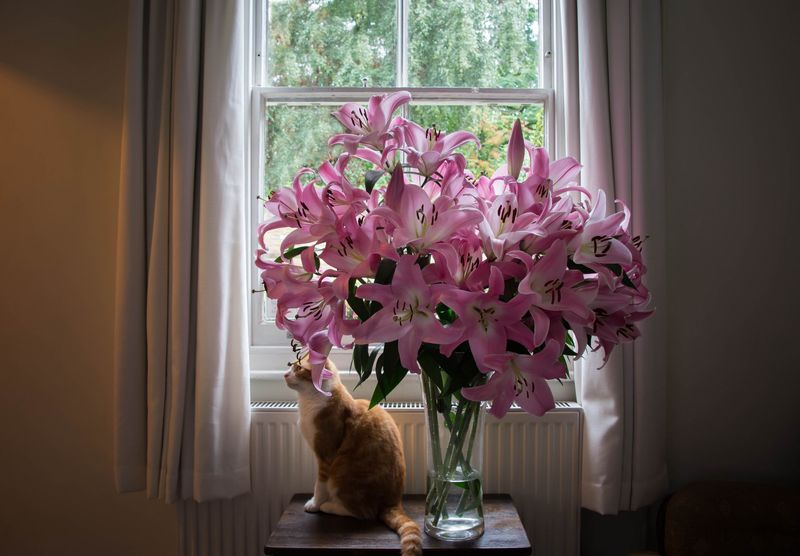
Lilies tucked into a holiday bouquet look elegant, yet for cat owners they rank among the most serious flower worries. I learned this years ago, and now I check every gift arrangement before it comes through my door.
True lilies in the genus Lilium, including Easter, tiger, and Asiatic types, can cause acute kidney injury in cats. Daylilies in the genus Hemerocallis carry the same risk, even though they belong to a different plant family.
What surprises many people is how small an exposure can be serious for a cat. Chewing a single leaf, grooming pollen from fur, or sipping vase water may be enough to cause harm.
Early signs often include vomiting, drooling, and a sudden loss of appetite within hours of exposure. Veterinarians stress that fast treatment greatly improves the outlook, so do not wait for symptoms to worsen.
Dogs are less sensitive to lilies, though they can still develop stomach upset after eating petals or leaves. Even so, a household with any cat should treat lilies as a firm no for indoor decorating.
Friends and relatives often send stargazer lilies during the holidays without knowing the risk. A polite note asking for cat-friendly flowers, like roses or sunflowers, saves everyone stress and keeps the season cheerful.
If lilies arrive anyway, move them outside or to a closed room, then wipe up any fallen pollen right away.
6. Cyclamen
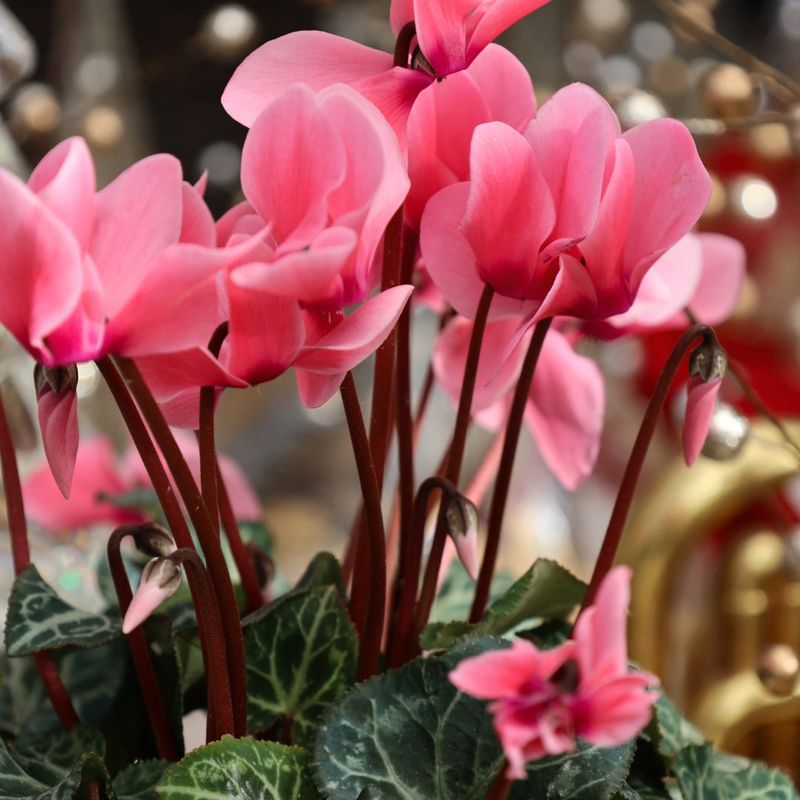
Cyclamen flowers look like tiny butterflies frozen mid-flight, with petals swept backward as if caught in a breeze. I never get tired of the marbled silver patterns on the heart-shaped leaves either.
Florist cyclamen, Cyclamen persicum, fills garden center shelves during the cool months, especially in mild coastal climates. It loves bright light and cool rooms, which is why many people keep it near a chilly window or patio.
The trouble hides underground in the round tuber, which holds the highest concentration of irritating saponins. Leaves and flowers carry smaller amounts, but a dog digging up the tuber faces the greater risk.
Pets that chew cyclamen may drool, vomit, or develop diarrhea, according to the ASPCA. Eating large amounts of the tuber can rarely cause heart rhythm problems or seizures, so quick veterinary care matters.
Many California gardeners place potted cyclamen outdoors on porches, where they bloom happily through our cool, damp winters. That convenient spot also puts the plant right at nose level for a dog heading out for walks.
Raised plant stands or hanging baskets keep the blooms visible while lifting the tubers away from curious paws. I also water from the bottom, which avoids soggy crowns and keeps the soil from smelling interesting to pets.
Once spring warms up, cyclamen often goes dormant, so store the resting tuber somewhere pets cannot reach.
7. Taxus
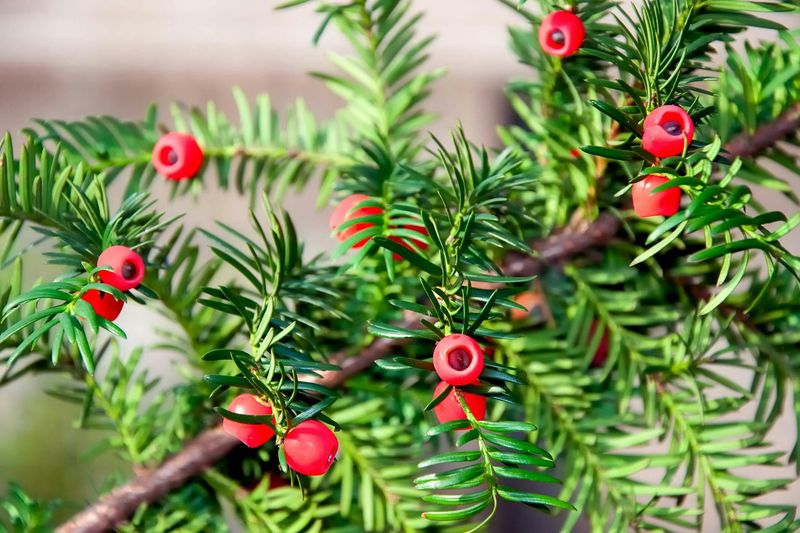
Taxus looks so tidy and classic that it often sneaks into wreaths and garlands without anyone noticing. Its dark needles and red berry-like cups seem harmless, but this evergreen deserves the most respect on the list.
Plants in the genus Taxus contain compounds called taxines throughout their needles, bark, and seeds. The soft red aril surrounding each seed holds little toxin, though the seed inside remains dangerous when chewed.
Taxines affect the heart, and veterinary sources describe sudden trembling, weakness, and irregular heartbeat after ingestion. Signs can appear quickly, so any suspected yew snack calls for an immediate trip to the vet.
What I find fascinating is that yew is a common foundation shrub in many neighborhoods, not just a decoration. Clippings tossed on a lawn after pruning can tempt dogs, horses, and other animals passing by.
When buying holiday greenery, ask the seller what species went into the wreath or swag. Fir, pine, and cedar are popular alternatives, though any needles can still poke and upset a sensitive stomach.
If yew already grows in your California yard, prune it carefully and bag the trimmings right away. I also check the ground under the shrub after windy days, since fallen bits gather in surprising places.
Native Pacific yew, Taxus brevifolia, grows in northern forests too, so hikers with dogs should watch closely there as well.
8. Kalanchoe
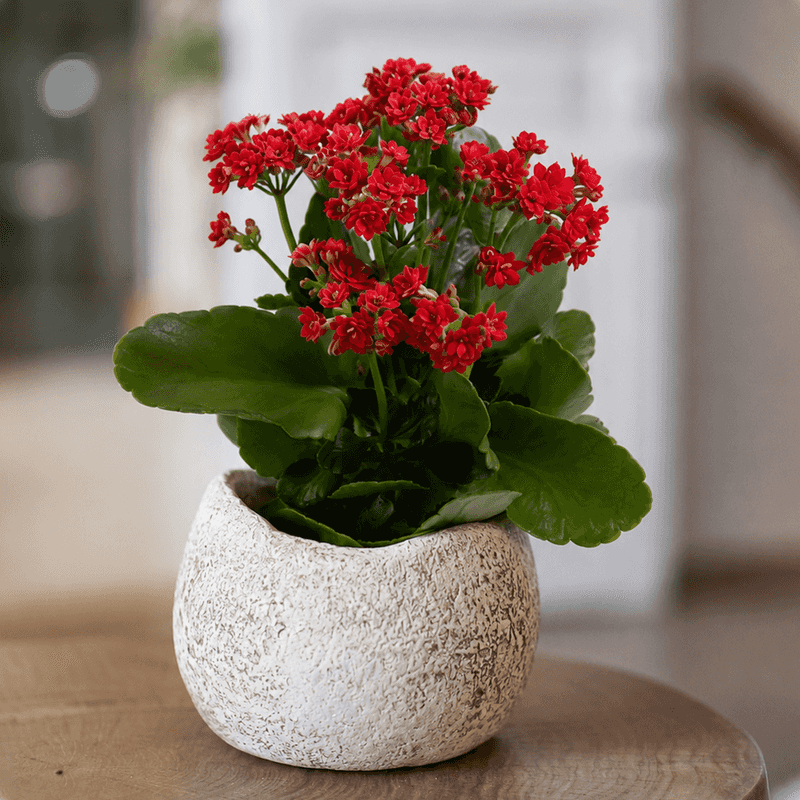
Kalanchoe arrives at the checkout counter looking like a tiny bouquet that never needs much water. I love its thick, scalloped leaves and those tight clusters of orange, pink, or red flowers.
Flaming Katy, or Kalanchoe blossfeldiana, is the most common holiday variety sold as a cheerful gift. Its blooms last for weeks, which is exactly why so many end up on coffee tables within easy reach.
The plant contains bufadienolides, which are cardiac glycosides that can affect how the heart works. According to the ASPCA, most pets show vomiting and diarrhea, while abnormal heart rhythm appears only rarely.
Cats seem especially drawn to the plump, juicy leaves, perhaps because they feel interesting to bite. Some related species, like mother of millions, also spread aggressively outdoors, so I avoid planting them in open garden beds.
The sunny windowsill where kalanchoe thrives often doubles as a favorite cat lounging spot. You can see why a bored kitty might start nibbling on the closest green thing during a lazy afternoon.
Hanging planters or closed rooms with good light keep this succulent happy without inviting trouble. Let the soil dry between waterings, since soggy pots lead to rot faster than most gift plants.
If your pet chews a leaf, rinse its mouth gently, watch for symptoms, and call your vet for advice.