What California Gardenias Actually Need In June To Keep Blooming All Summer
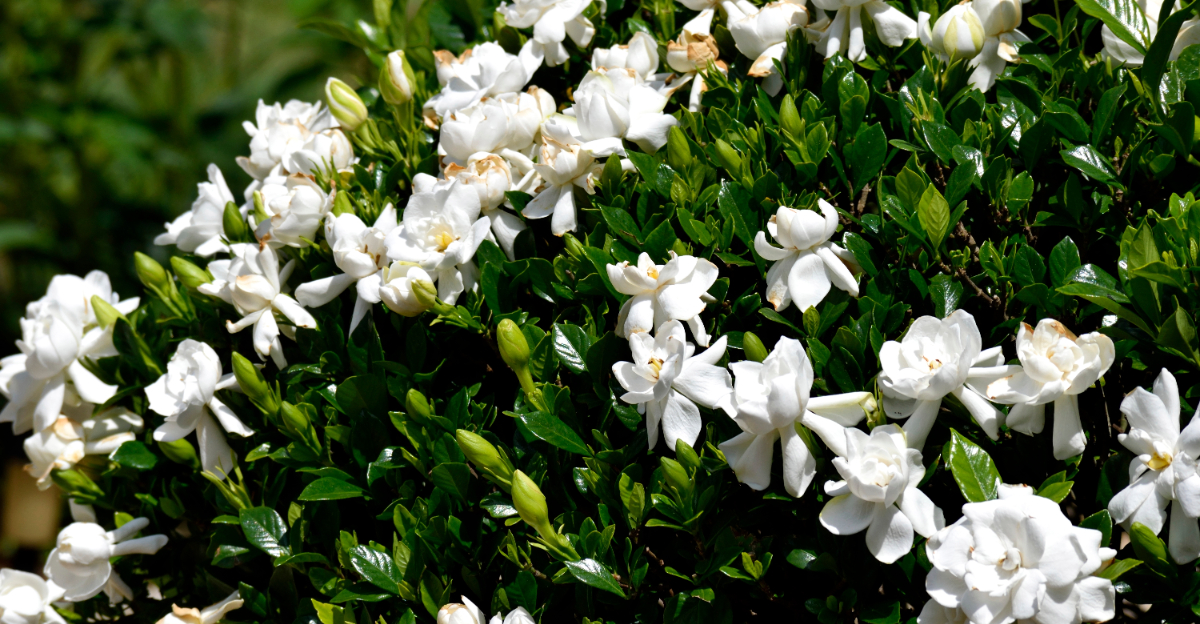
Gardenias can be dramatic in June, but they are worth the trouble. One day they look glossy and perfect.
The next, buds yellow, leaves curl, or flowers slow down right when you want the show to keep going.
California heat can push them hard, especially when sun, dry air, and uneven watering hit at once.
These plants want steady care, not guesswork. They need bright light without harsh afternoon stress, soil that stays lightly moist, and feeding that supports blooms without forcing weak growth.
Mulch helps too, since cool roots make a big difference during hot spells. Once you learn what gardenias are asking for, they become much easier to read.
Give them the right June routine, and those creamy, fragrant flowers can keep coming long after the first flush fades.
1. Morning Sun And Afternoon Shade Keep Gardenias Happier
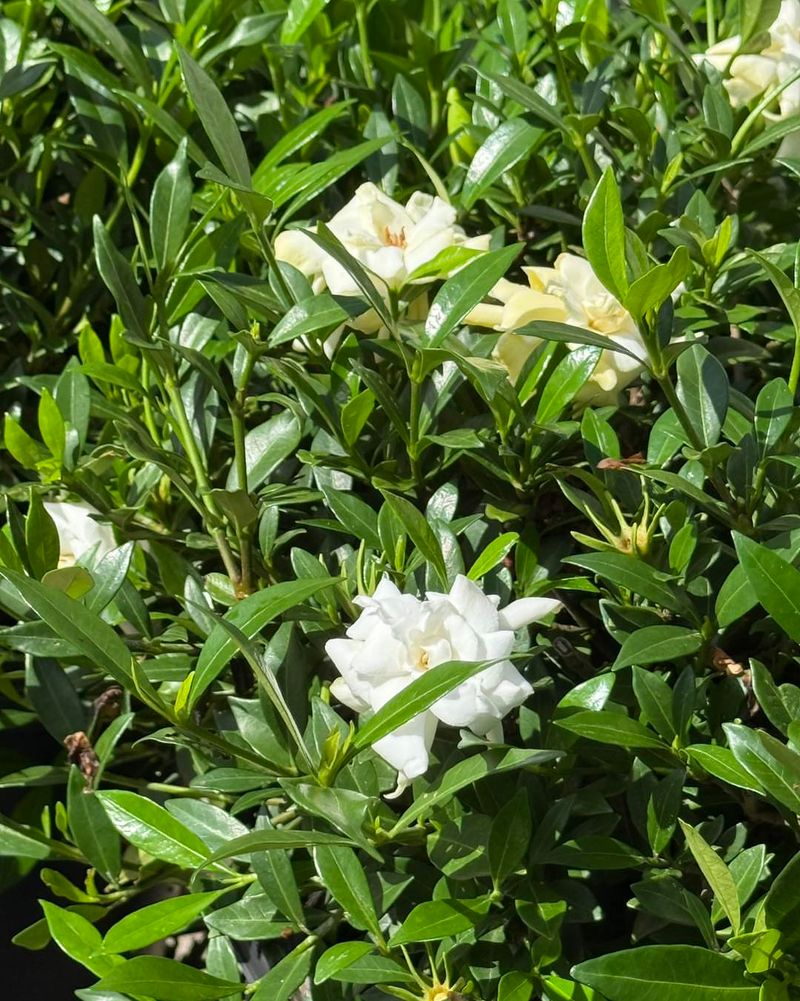
Most gardeners do not realize that where a gardenia sits in the yard can matter just as much as how often it gets watered. In June, the sun in our state gets intense fast.
Gardenias actually love sunlight, but only in the right doses and at the right times of day.
Morning sun is ideal. It is bright enough to fuel blooming but gentle enough not to scorch the leaves or buds.
When gardenias get full afternoon sun in summer, the heat can cause leaf burn and bud drop. That means you lose flowers before they ever open.
If your gardenia is planted in a spot that bakes from noon onward, consider adding a shade cloth or moving potted plants to a more sheltered area.
Planting near a fence, a wall, or a larger shrub can create natural afternoon shade without blocking that important morning light.
East-facing spots tend to work really well for gardenias in our state. The plant gets a good dose of sun in the morning, then the structure or landscape blocks the harsh afternoon rays.
If you are planting a new gardenia this season, keep this in mind before you dig the hole.
Even established gardenias can benefit from a little repositioning of nearby plants or the addition of a shade structure during the hottest weeks.
A happier gardenia in the right light spot will reward you with more blooms and greener, healthier leaves all summer long.
2. Consistent Moisture Matters More Than Constant Water
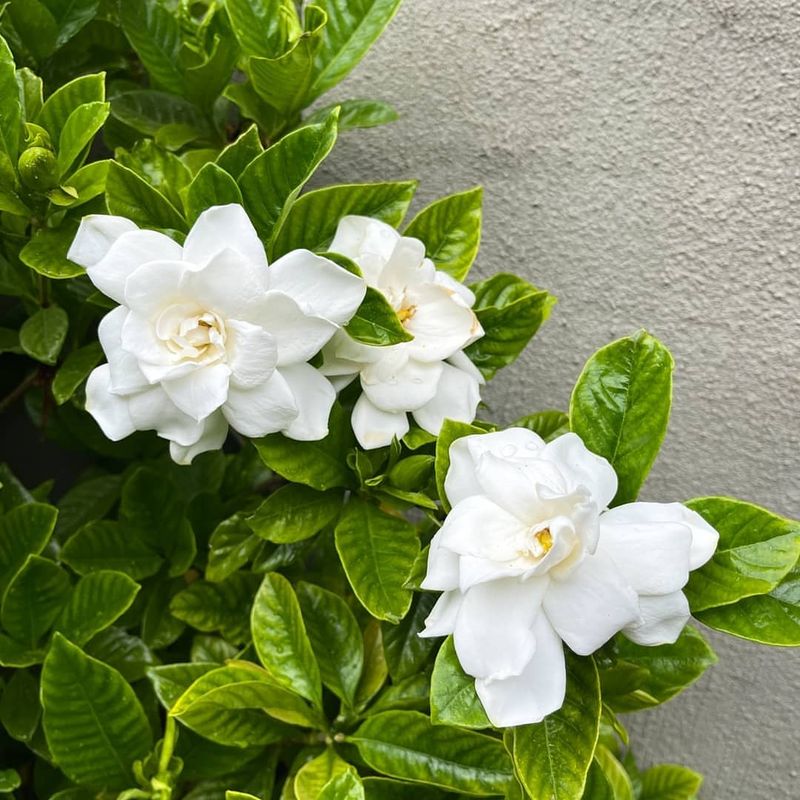
Watering gardenias sounds simple, but there is a real art to it. One of the most common mistakes gardeners make in summer is either overwatering or letting the soil dry out completely between sessions.
Both extremes stress the plant and slow down blooming. What gardenias actually want is consistent moisture. That means the soil should feel evenly damp, not soaking wet and not bone dry.
Think of it like keeping a sponge moist. You want it damp all the way through, but not dripping.
In June, the heat can pull moisture out of the soil quickly. Checking the soil every day or two is a smart habit.
Stick your finger about two inches into the soil near the base of the plant. If it feels dry at that depth, it is time to water.
Your California Garden Changes Every Week. Your Plan Should Too.
Gardening in California changes quickly throughout the season. Every Friday you’ll receive a simple weekly plan showing exactly what to plant, prune, fertilize, harvest, and protect so you never miss the right timing.
Watering deeply and less often is better than watering a little bit every single day.
Deep watering encourages the roots to grow further down into the soil, where they can find cooler, more stable moisture during hot spells.
Early morning is the best time to water gardenias. The water soaks in before the heat of the day causes evaporation.
Watering in the evening can leave the foliage damp overnight, which can invite fungal problems.
Keep the water aimed at the base of the plant and away from the leaves whenever possible.
3. Good Drainage Prevents Roots From Sitting Wet
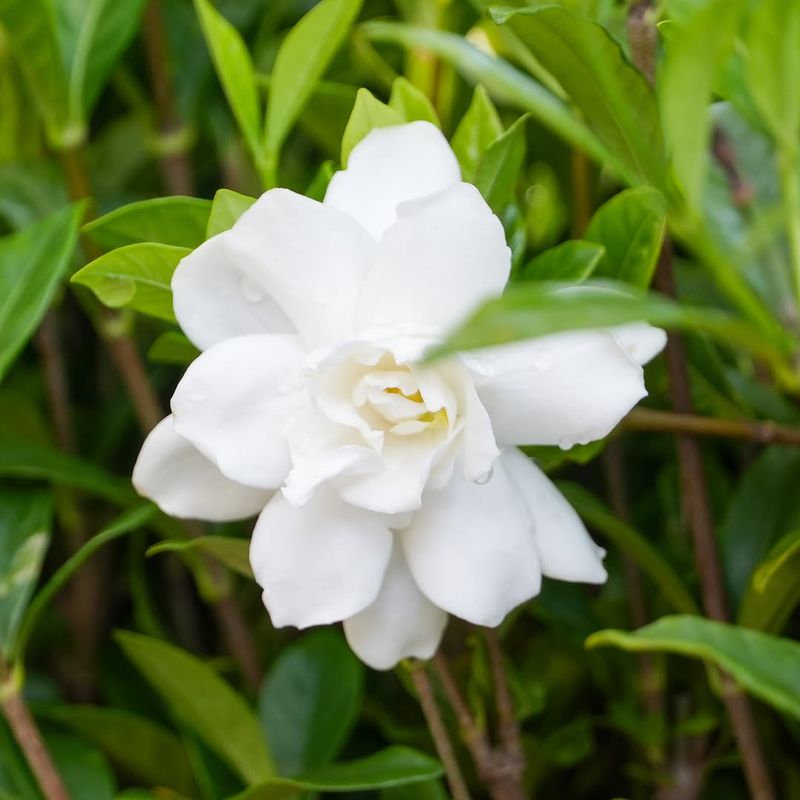
Here is something a lot of people overlook when they plant gardenias: drainage matters just as much as watering.
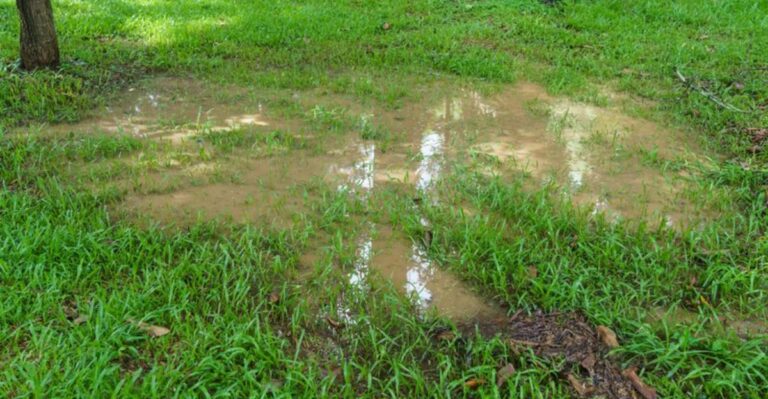
Even if you water perfectly, a spot with poor drainage can leave roots sitting in wet soil for hours. That is a problem gardenias cannot handle well.
Roots need oxygen to function. When soil stays waterlogged, the oxygen gets pushed out and roots begin to suffer.
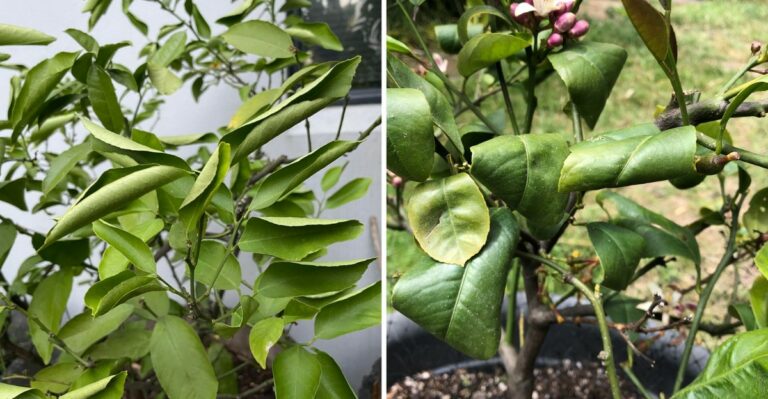
You might notice yellowing leaves, wilting even after watering, or buds that drop before opening. These are all signs the roots are struggling.
Before planting a new gardenia, check how water moves through your soil. Dig a small hole, fill it with water, and watch how fast it drains.
If water is still sitting there after an hour, the drainage is too slow for gardenias.
Improving drainage can be as simple as mixing in compost, perlite, or coarse sand into the planting area.
Raised beds are another great option because they naturally drain better than flat ground.
In our state, clay-heavy soils are common, especially in certain regions, so amending the soil before planting is often necessary.
For gardenias already in the ground, avoid watering until the top layer of soil dries slightly. Pull back mulch occasionally to check if moisture is building up underneath.
Good drainage is the foundation of a healthy gardenia, and getting it right in June protects the plant all season long.
4. Mulch Keeps Shallow Roots Cool In June Heat
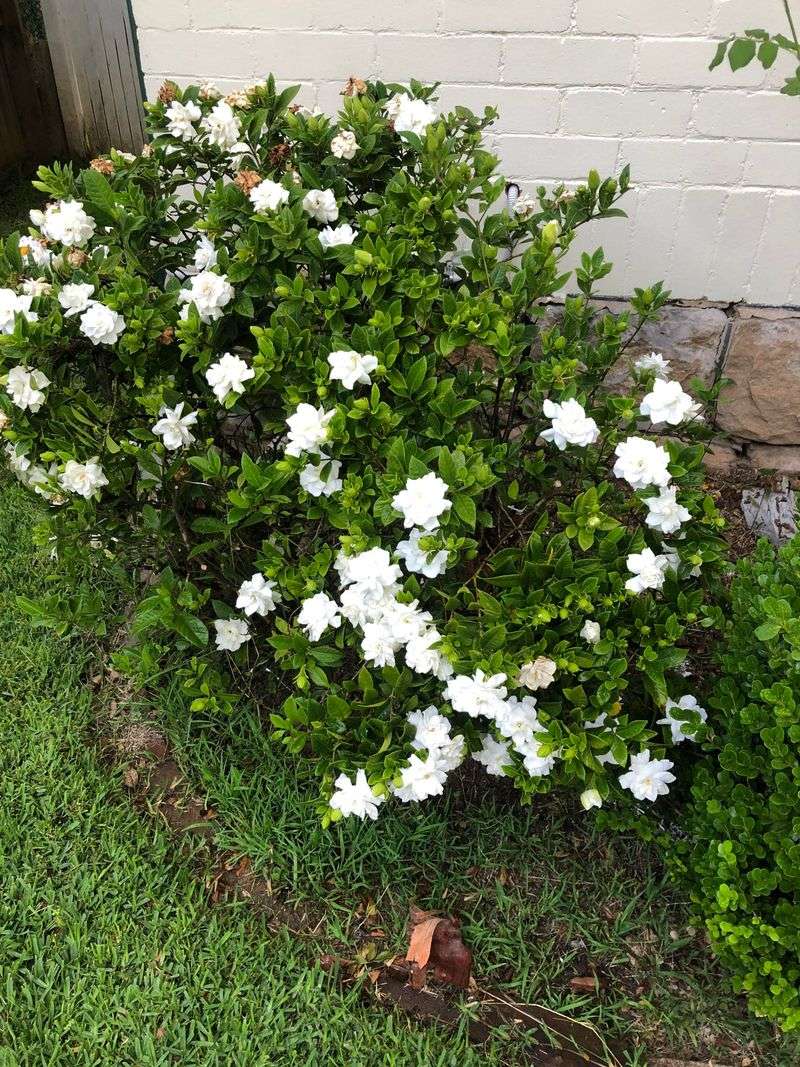
Not many plants wear their sensitivity on their roots quite like gardenias do. These plants have shallow root systems that sit close to the surface of the soil.
In June, when the sun beats down all day, that surface soil can heat up fast and stress the roots below.
Mulch is one of the simplest and most effective things you can do for your gardenias this month.
A two to three inch layer of organic mulch spread around the base of the plant acts like a blanket for the roots.
It keeps soil temperatures cooler and holds moisture in at the same time. Wood chips, shredded bark, and pine needles all work well for gardenias.
Pine needles have the added bonus of being slightly acidic, which suits gardenias since they prefer acidic soil conditions.
Whatever mulch you choose, keep it a few inches away from the main stem to prevent rot. Mulch also slows down weed growth around the base of the plant.
Fewer weeds mean less competition for water and nutrients, which is a win for your gardenia during the demanding summer months.
Refreshing your mulch layer in early June is a great seasonal habit. Over time, mulch breaks down and becomes thinner.
Topping it back up to two or three inches before the hottest weeks arrive gives your gardenias the best shot at staying comfortable and continuing to bloom.
5. Acid-Loving Fertilizer Helps Keep Leaves Green
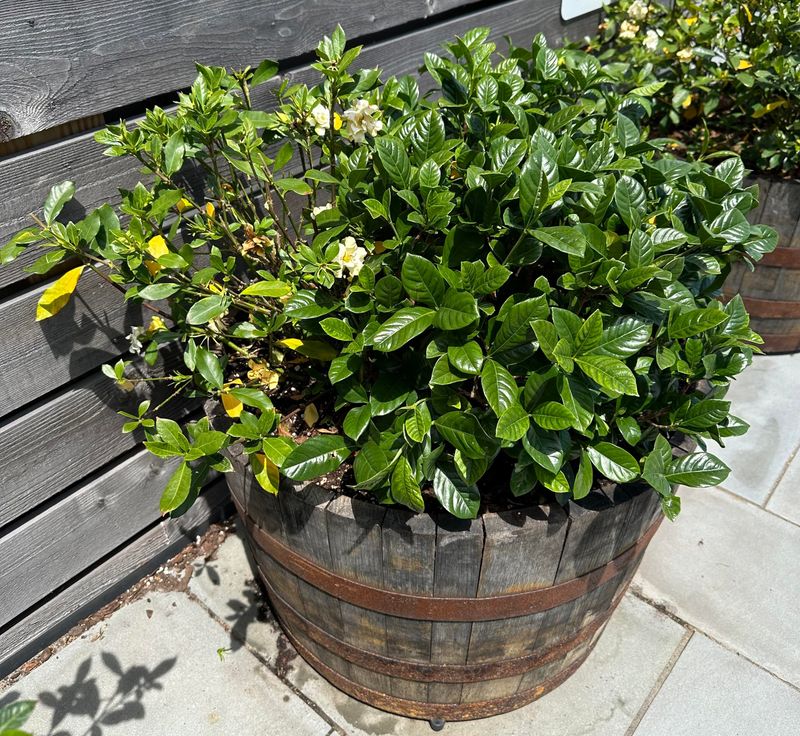
Yellow leaves on a gardenia can feel alarming, but they are often a sign of a fixable problem. Gardenias are acid-loving plants, which means they need soil with a lower pH to absorb nutrients properly.
When the soil is too alkaline, the plant cannot pull in iron and other nutrients, even if those nutrients are present.
Feeding gardenias with an acid-forming fertilizer in June helps address this directly. Look for fertilizers labeled for azaleas, camellias, or acid-loving plants.
These products are formulated to lower soil pH slightly while providing the nutrients gardenias crave.
A slow-release granular fertilizer applied around the drip line of the plant works well. Follow the package directions carefully because too much fertilizer can burn the roots or cause excessive leafy growth with fewer blooms.
Less is more when it comes to feeding these plants.
Liquid fertilizers are another option and can be absorbed more quickly. Some gardeners alternate between granular and liquid forms to give their gardenias a steady nutrient supply throughout the growing season.
Do not forget to water after applying granular fertilizer. This helps move the nutrients into the root zone and prevents the granules from sitting on dry soil where they can cause damage.
Keeping leaves green through smart feeding is one of the best ways to support strong, continuous blooming in gardenias from June all the way through summer.
6. Heat Stress Can Cause Buds To Drop Before Opening
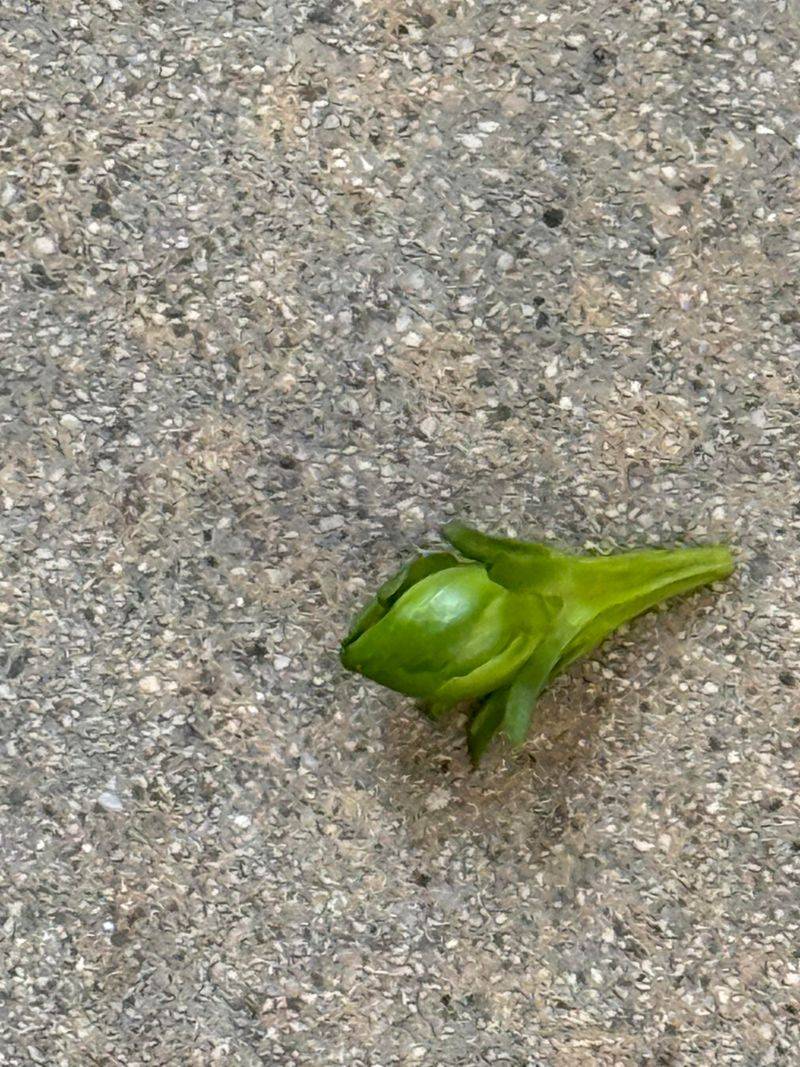
Few things are more frustrating than watching gardenia buds form and then fall off before they ever open. It happens more often in June than any other month, and heat stress is usually the reason.
When temperatures spike, gardenias react by dropping buds to conserve energy.
Bud drop is the plant’s way of protecting itself. It would rather let go of a few buds than push all its resources into flowers it cannot support in extreme heat.
Understanding this helps you respond with care instead of panic.
Keeping the soil consistently moist during heat waves is the most important step. A plant that is well-hydrated handles heat much better than one that is already dry.
Watering deeply before a heat wave arrives gives the roots a reserve to draw from.
Avoid moving potted gardenias to drastically different locations during bud development. Even a shift from a shaded porch to a sunny patio can trigger bud drop.
Gardenias are sensitive to sudden changes in light, temperature, and even airflow.
Misting the leaves lightly in the early morning can help cool the plant on especially hot days. Some gardeners place a small fan nearby to improve air circulation without adding heat.
If your plant drops a few buds during a heat spike, do not give up on it. Once temperatures stabilize and care stays consistent, gardenias will often set new buds and get back to blooming within a few weeks.
7. Potted Gardenias Need Closer Moisture Checks
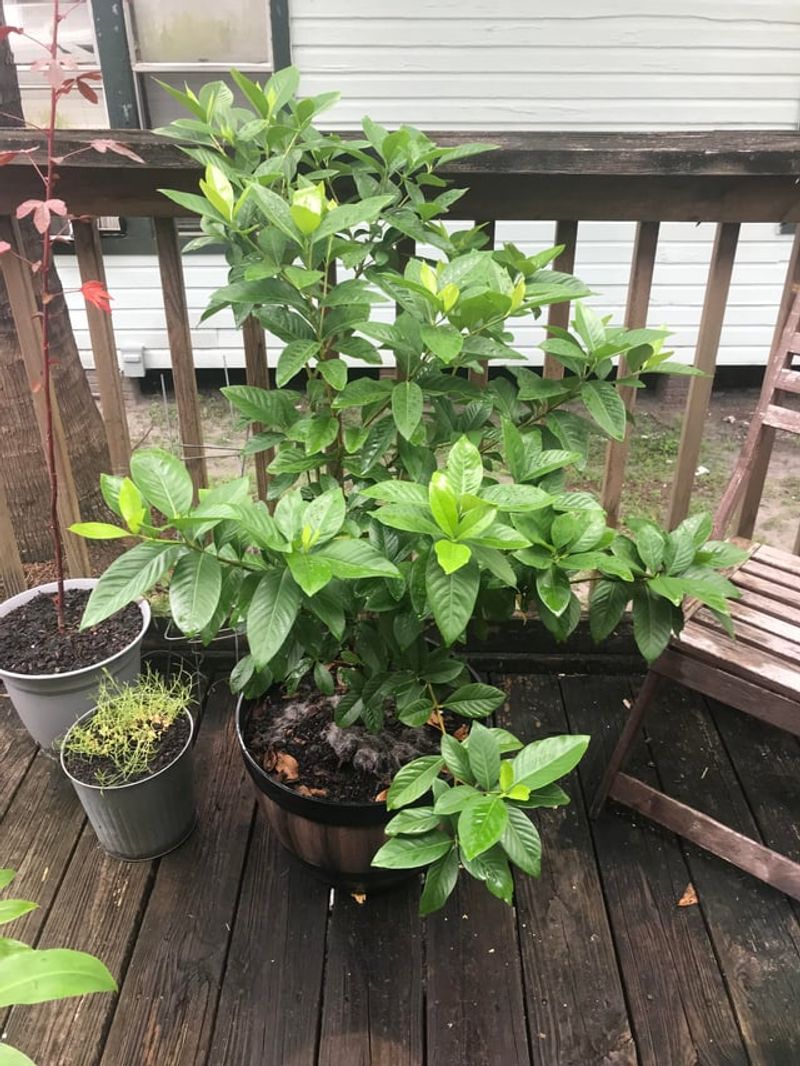
Growing gardenias in containers is a popular choice in our state, especially for gardeners who want more control over soil type and placement.
But potted gardenias come with their own set of challenges, and June is when those challenges really show up.
Containers dry out much faster than garden beds. The smaller volume of soil heats up quickly in warm weather, and moisture evaporates from all sides of the pot, not just the top.
This means a potted gardenia can go from well-watered to dangerously dry in just a day or two during a heat wave.
Checking moisture daily is not overkill for potted gardenias in June. Use the finger test every morning.
If the soil feels dry two inches down, water thoroughly until it drains from the bottom of the pot. Empty the saucer after watering so the roots are not sitting in standing water.
Pot size and material both affect how quickly soil dries out. Terra cotta pots are porous and dry faster than plastic or glazed ceramic ones.
If your gardenia is in a small terra cotta pot, consider moving it to a larger glazed container to help retain moisture longer.
Grouping potted plants together is a simple trick that helps. Plants release humidity as they transpire, and a cluster of pots creates a slightly more humid microclimate.
This small boost in humidity can make a real difference for gardenias during the driest, hottest weeks of summer.
8. Spider Mites And Whiteflies Can Slow Summer Blooming
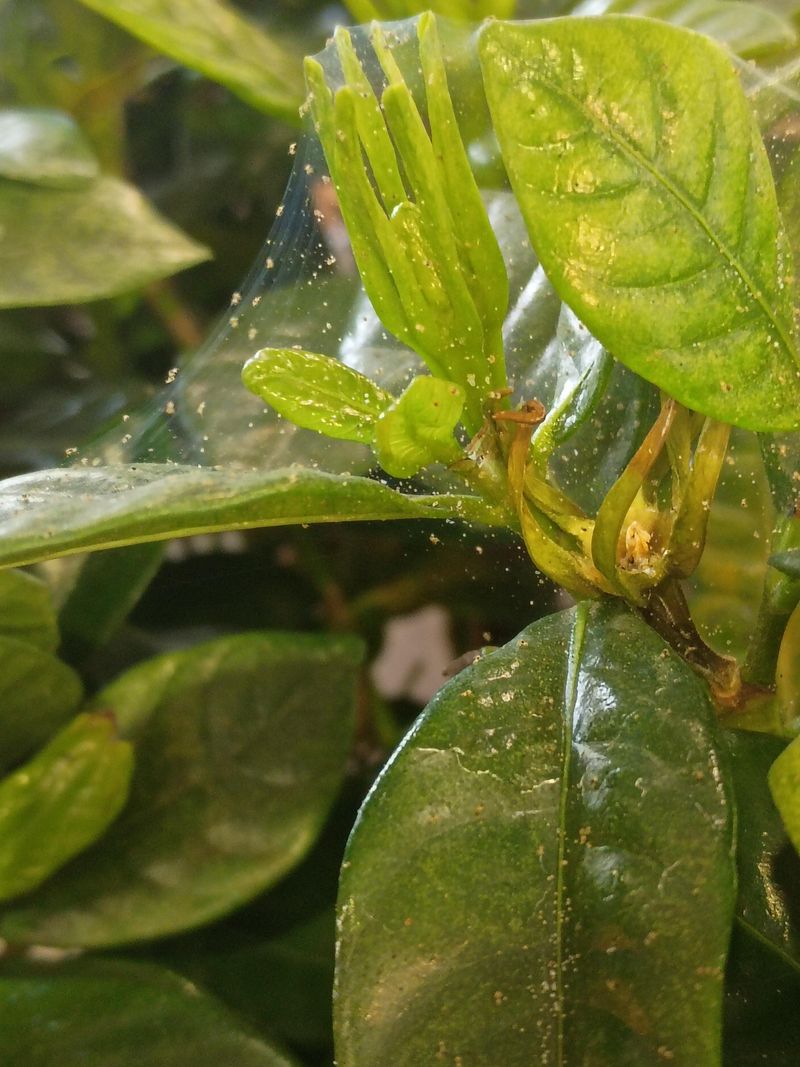
Warm, dry weather in June creates perfect conditions for two of the most common gardenia pests: spider mites and whiteflies.
Both are tiny and easy to miss at first, but they can do a lot of damage quickly if left unchecked. Catching them early is the key to protecting your blooms.
Spider mites are so small you might not even see them at first. Look for fine webbing on the undersides of leaves and a dusty or stippled look on the leaf surface.
Whiteflies are more visible. Give the plant a gentle shake and watch for a cloud of tiny white insects lifting off the leaves.
Both pests feed on the plant’s sap, which weakens it over time. A weakened gardenia has fewer resources to put toward blooming, so pest pressure directly affects how many flowers you get.
Keeping pests under control is as important as watering and fertilizing.
Neem oil is one of the most effective and widely available treatments for both spider mites and whiteflies.
Mix it with water and a small drop of dish soap, then spray it on the plant, especially the undersides of leaves. Apply in the early morning or evening to avoid leaf burn.
Repeating treatments every seven to ten days helps break the pest life cycle. Strong blasts of water from a hose can also knock mites off the plant.
Keeping your gardenia healthy and well-watered makes it more resistant to pest attacks throughout the summer season.