8 Native New York Seeds That Need Cold Stratification, and How to Do It Outdoors or in the Fridge
Plenty of wildflower seeds carry a built-in calendar that blocks sprouting until they feel weeks of damp cold. That chemical lock keeps tender seedlings from popping up during a warm October week, then freezing soon after.
Across New York, winter handles that job for free, with snow and rain soaking seeds month after month. Your refrigerator can copy the same trick, which surprised me more than I care to admit.
I learned the hard way that skipping this chilly step leaves you staring at bare pots all spring. Guilty as charged, I once blamed bad seed when my own impatience was the real problem.
The eight New York natives below each respond better to a cold nap first, and every one rewards a little patience. So which seeds belong outside in a snowy pot, and which ones deserve a spot beside your butter?
1. Wild Columbine
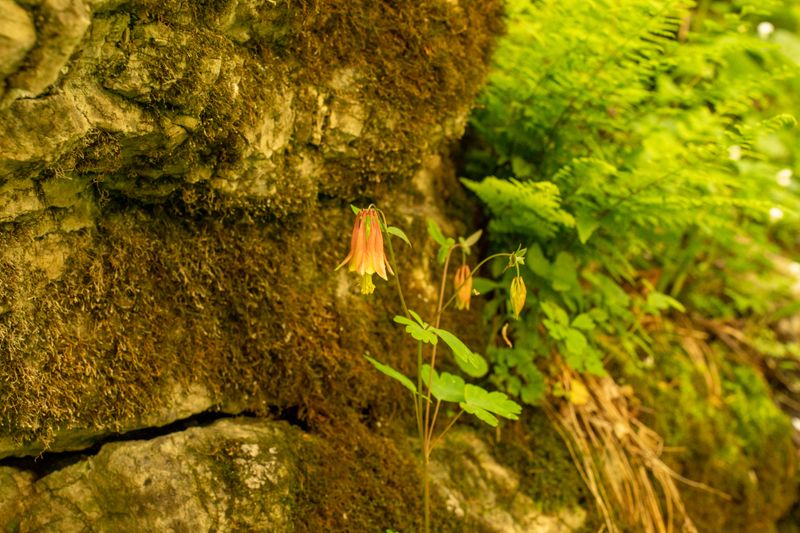
Hummingbirds zip straight to those dangling red and yellow lanterns, sipping nectar tucked deep inside each long spur. Wild columbine blooms in late spring, often right when ruby-throated hummingbirds return from their winter travels.
I adore how this plant clings to rocky ledges and thin soil where fussier flowers sulk. It grows one to three feet tall, with lacy blue-green leaves that look lovely before blooms appear.
Seeds need roughly sixty days of cold, moist conditions near forty degrees before they wake up. Shorter chills of three or four weeks may work, but the longer stretch usually brings better results.
For the fridge method, mix the tiny black seeds into a spoonful of damp sand inside a zip bag. Label it with the name and date, then tuck the bag toward the back of the fridge.
If you prefer the outdoor route, sow seeds on top of a gritty pot in late fall. Columbine seeds benefit from light to sprout, so press them gently onto the soil rather than burying them deep.
Part sun to light shade suits this woodland native, especially in well-drained soil that rarely stays soggy. Plants are often short-lived, yet they reseed politely and keep popping up in fresh spots each year.
Fair warning, your first-year seedlings will likely produce only leaves while they build strong roots underground. Flowers usually arrive in the second spring, and trust me, those nodding bells are well worth the wait.
2. Common Milkweed
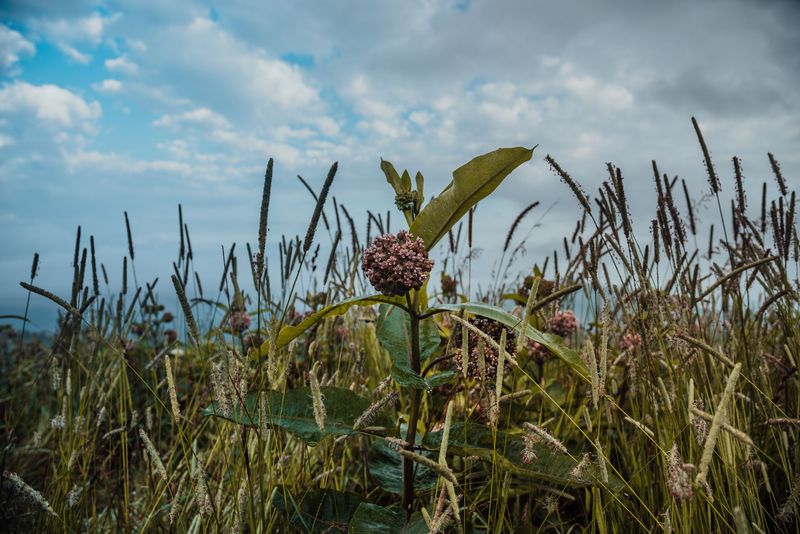
Crack open a dry milkweed pod in autumn and silky white parachutes spill out, ready to ride any breeze. Each fluffy seed carries a flat brown disc, and that disc is what you want to chill.
Common milkweed is the plant monarch caterpillars munch most often across the Northeast, so every seedling counts. Mature stems reach three to six feet, topped with pink globes that smell sweet in early summer.
Plan on thirty to sixty days of cold, moist treatment before planting, ideally just above freezing. I strip the fluff first by shaking pods in a paper bag with a few coins inside.
In the fridge, wrap seeds in a damp paper towel and slip it into a labeled plastic bag. Check weekly for mold, and plant any seeds that sprout early instead of waiting for the calendar.
Outdoors, scatter seeds across bare, sunny ground in late fall after the first hard frost arrives. Winter snow will press them into the soil, and spring warmth will nudge them awake later on.
Full sun gives the best growth, though some light shade is fine in most yards. Sandy soil or heavy clay both work well as long as water drains away after big storms.
I’m the first to admit this plant wanders by underground runners and can claim a whole corner. Give it a meadow edge or roomy bed, and the butterflies will thank you all summer long.
3. New England Aster
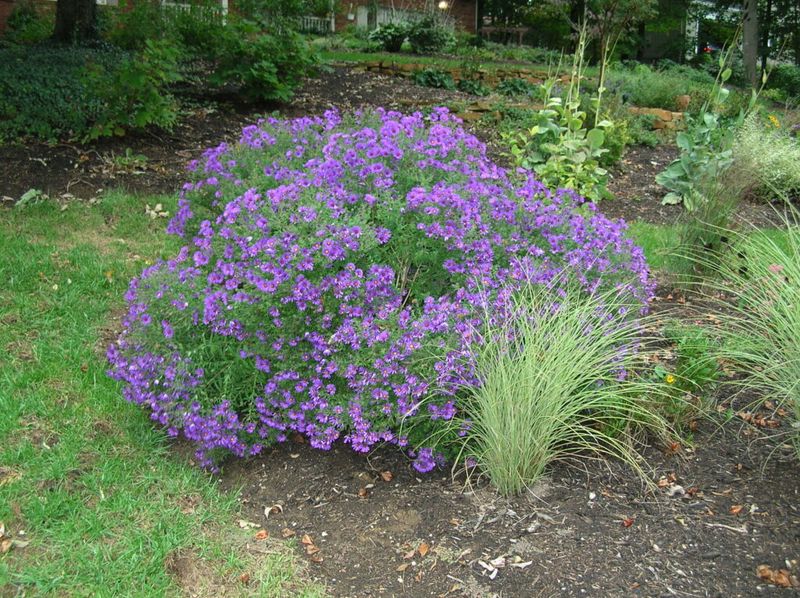
October in many gardens would look pretty dull without those purple daisies buzzing with late bees. New England aster fills that gap, opening rose-purple rays around sunny yellow centers from late summer into fall.
Plants stretch three to seven feet tall, so they can tower over your mailbox by autumn. I pinch the tips back in early summer to keep stems shorter and stop them from flopping.
Seeds sprout best after four weeks to three months of cold, moist rest, depending on the source. I lean toward about sixty days because it gives a nice cushion without too much fuss.
Aster seeds are tiny, so mixing them with damp vermiculite in a small container keeps them from getting lost. Label the lid clearly, since a fridge full of mystery bags gets confusing by February.
For winter sowing, use a clear milk jug with drainage holes cut into the bottom and the cap removed. Fill it with moist potting mix, sprinkle seeds on top, and set it outside in a snowy spot.
Moist, fertile soil makes this aster happiest, though it handles clay loam better than many perennials. Full sun is ideal, yet partial shade still produces a cheerful show with slightly fewer blooms.
Migrating monarchs often stop to sip from these flowers while fueling up for their long trip south. Watching that happen on a crisp fall afternoon is easily my favorite reward of the whole year.
4. Swamp Milkweed
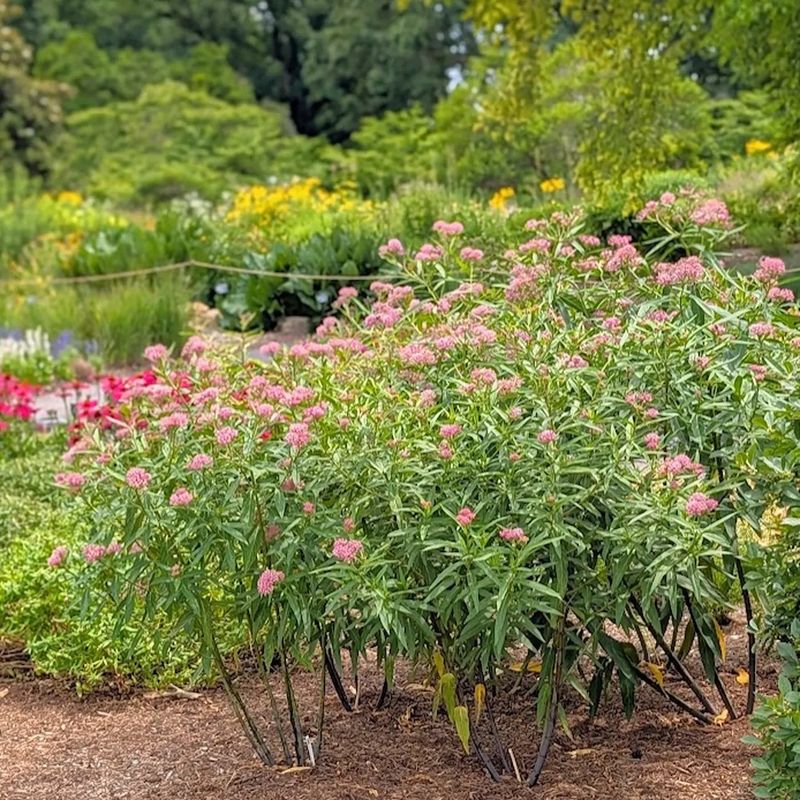
Pink flowers with a faint vanilla scent make swamp milkweed one of the sweetest surprises in a wet garden. Despite its soggy name, this tidy native grows happily in regular garden beds with steady moisture.
Asclepias incarnata stays in clumps instead of running, which makes it far easier to manage than its wandering cousin. Plants usually reach three to five feet tall, blooming in midsummer with flat clusters of blossoms.
Seeds generally need about thirty days of cold, moist treatment before they germinate well, and some growers go longer. That short window makes it a great choice if you start late in winter.
I like folding seeds into a damp coffee filter, then sliding it into a sealed sandwich bag. A month in the fridge, followed by sowing in warm potting mix, usually brings up seedlings quickly.
Outdoor sowing works just as well, especially in containers sitting near a downspout or rain garden. Set pots out in late fall, and let freezing and thawing loosen those seed coats over winter.
Full sun keeps stems sturdy and blooms plentiful, though a bit of afternoon shade is acceptable. Pond edges and low spots that stay damp after rain are where this plant really shines.
Monarch caterpillars happily munch the leaves, while swallowtails and bumblebees crowd the flowers on warm July days. Not going to lie, I planted three seedlings once and spent the summer counting stripy caterpillars every morning.
5. Obedient Plant
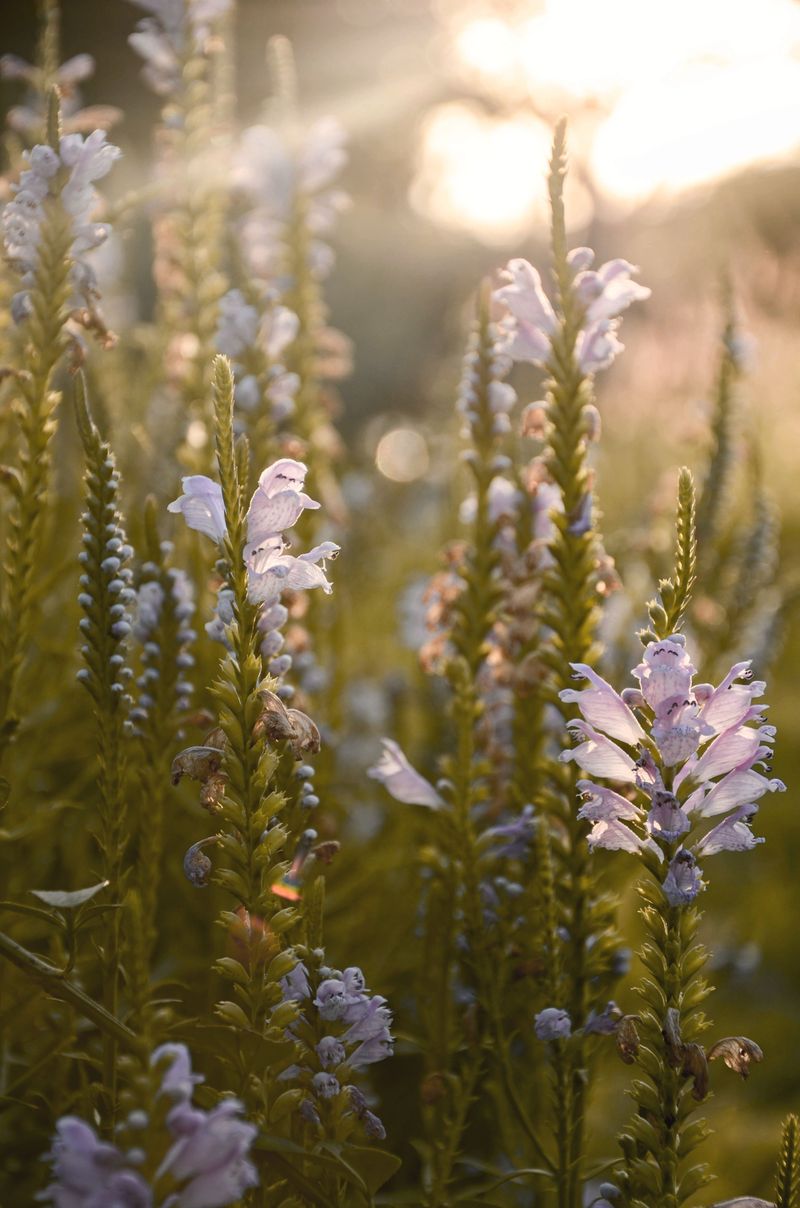
Push one of its little tubular flowers sideways, and it stays put like a bendy toy. That quirky hinge earned obedient plant its name, though gardeners joke that its roots behave far less politely.
Physostegia virginiana grows two to four feet tall, sending up neat spikes of pink or white blooms in late summer. Square stems give away its mint family roots, and bees treat the flowers like a buffet.
Seeds need sixty to ninety days of cold, moist stratification, kept around thirty-four to forty degrees. Start your fridge batch by early January if you want transplants ready for planting in spring.
Damp sand works nicely as a medium, mixed with the seeds in a labeled zip bag or deli container. Peek inside every week, adding a few drops of water if the sand starts feeling dry.
Outdoors, sow seeds in pots or prepared beds in late fall, covering them very lightly with soil. Our long winters supply plenty of cold days, so seedlings should appear once spring soil warms.
Full sun to light shade suits it, and moist, moderately rich soil keeps the flower spikes coming. Clay and sandy loam are both fine, which makes it handy for tricky spots near wet areas.
Truth is, this plant spreads by underground runners, so give it room or plant it inside a bottomless bucket. Dividing clumps every couple of years keeps it tidy and gives you extra plants for friends.
6. Wild Bergamot
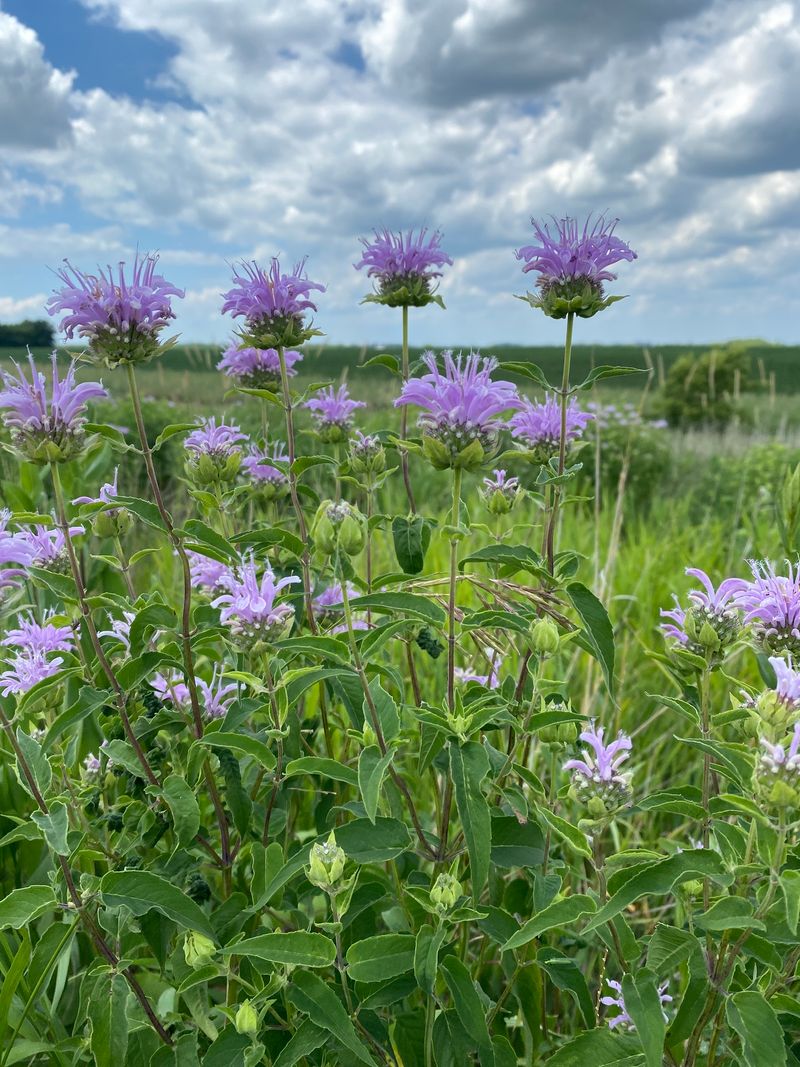
Rub a leaf between your fingers and a spicy, oregano-like scent fills the air almost instantly. Wild bergamot smells so good that I brush past it on purpose whenever I walk through the garden.
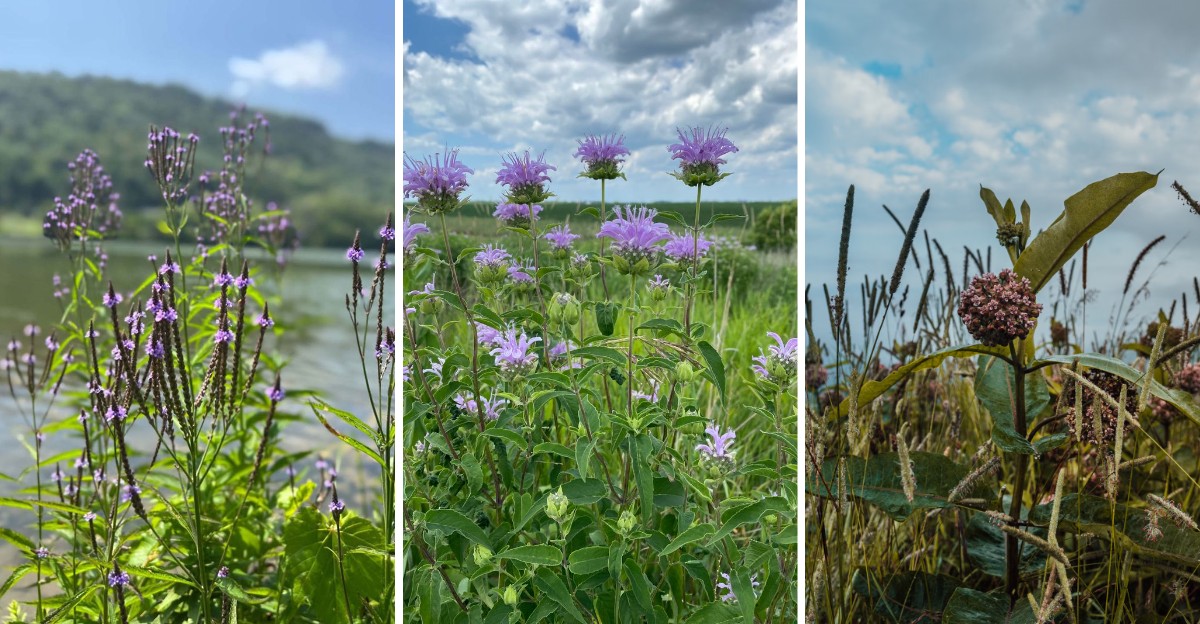
Monarda fistulosa grows two to four feet tall, with lavender pompom flowers that bloom from midsummer into early fall. Its tubular petals attract hummingbirds, while fuzzy bumblebees tumble around the shaggy flower heads collecting nectar.
A month or two of cold, moist rest helps seeds sprout more evenly, especially for indoor starts. Some seeds may germinate without chilling, but stratifying gives you a far more reliable crop of seedlings.
Mix the dusty little seeds with a pinch of damp sand, then seal everything in a labeled bag. Four to six weeks in the fridge usually does the trick before sowing them on moist potting mix.
Outdoor fans can scatter seeds over a cleared patch in late fall and simply walk away. Seeds are tiny, so press them lightly into the surface instead of burying them under heavy soil.
Full sun gives the strongest stems, though part shade works if the spot gets good air flow. Powdery mildew can show up on leaves in humid summers, so spacing plants apart helps reduce trouble.
I used to think this plant needed rich soil, but it handles lean, rocky ground with surprising grace. It tolerates clay and sand alike, making it a smart pick for meadow plantings across New York.
7. Golden Alexanders
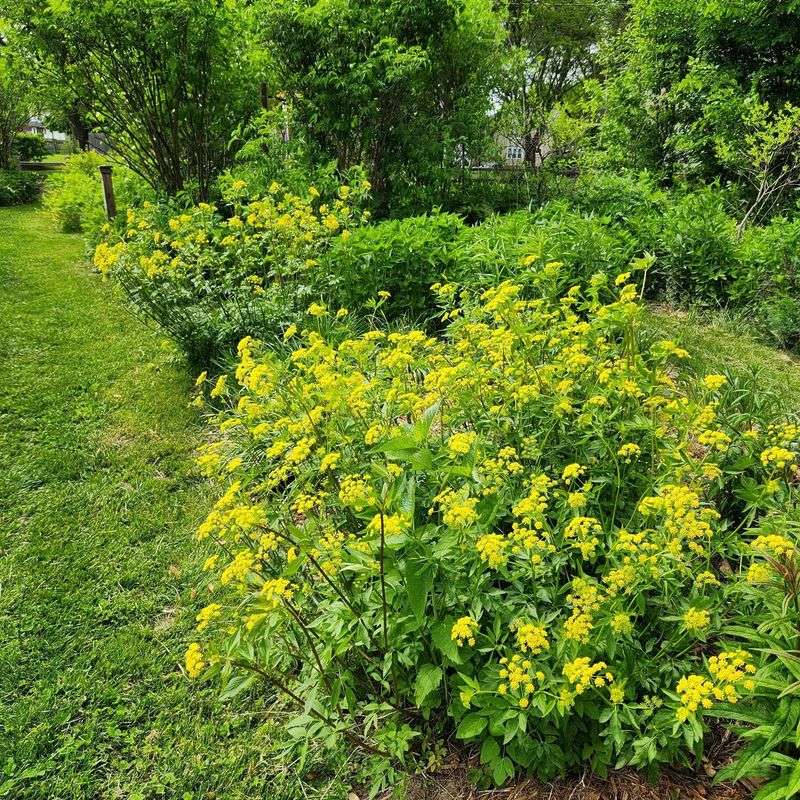
Bright yellow umbrellas of tiny flowers pop open in late spring, long before most meadow plants wake up. Golden Alexanders feeds early bees when nectar is scarce, and that alone earns it a spot.
Zizia aurea belongs to the carrot family and grows one to three feet tall with glossy, toothy leaves. It also hosts black swallowtail caterpillars, so a few chewed leaves are a sign of success.
Seeds need about sixty days of cold, moist stratification, and they can be slow to sprout afterward. I learned this after giving up on a tray too early, only to see sprouts weeks later.
For the fridge, soak seeds in water overnight, then mix them with damp vermiculite in a labeled container. Keep the mix moist but not dripping, since soggy media invites mold faster than you might expect.
Outdoor sowing suits this plant beautifully because the seeds come ready for a long, natural chill. Sow them in fall, about a quarter inch deep, and mark the spot so spring weeding does no harm.
Plants prefer full sun to part shade and moist or medium soil, including fairly heavy clay. They self-seed gently over time, which fills gaps in a native border without turning into a pushy problem.
Expect mostly leaves the first season, with flowers usually following in the second or third year. Patience pays off here, and I think those sunny early blooms feel like a gift after a gray winter.
8. Blue Vervain
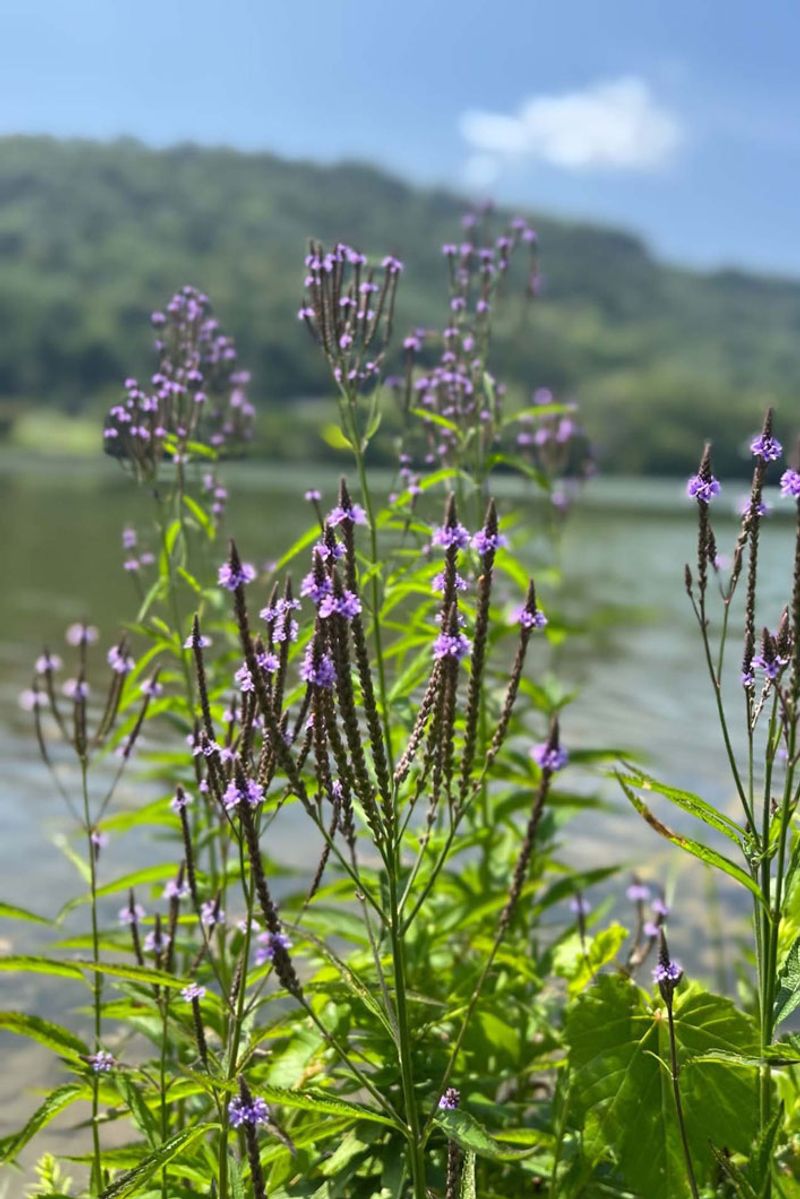
Skinny purple candelabras rise above wet meadows in midsummer, each spike blooming from the bottom up in slow rings. Blue vervain looks almost architectural, and I can’t resist a plant with that much quirky personality.
Verbena hastata grows three to five feet tall and loves damp ground along streams and pond edges. Its small flowers draw native bees, and seed-eating birds like cardinals pick at the stalks in fall.
Seeds usually need thirty to sixty days of cold, moist treatment before they sprout with any enthusiasm. Light also helps germination, so sow them on the surface instead of covering them with soil.
A damp paper towel inside a labeled bag works fine, since the seeds are small but easy to spot. After a month or more in the fridge, scatter them onto moist mix under bright light.
Winter sowing outdoors is even simpler, and it matches how this wildflower naturally spreads along wet ditches. Fill a pot with damp soil, press seeds onto the top, and leave it outside through the snowy months.
Full sun and consistently moist soil keep it happiest, though average garden soil works if you water during droughts. Plants are fairly short-lived but reseed nicely, so a few new seedlings appear each spring.
I’m a sucker for plants that solve problems, and this one loves soggy spots where lawns struggle. Tuck it into a rain garden anywhere in New York, and you will see pollinators show up fast.