This Easygoing Houseplant Brings 10 Big Perks To Your New York Home
Your radiator hisses like a cranky cat, your only window stares directly at a brick wall, and last night’s takeout is still lingering in the air. Classic New York living, honestly.
Yet somewhere deep down, you want something green on that dusty shelf. Not a needy diva that sulks when you miss a watering.
More like a chill roommate who pays rent in good vibes and does not text you at midnight.
Here is the fun part: one tough, upright houseplant handles city life like a seasoned subway rider. It shrugs off dim corners, dry heat, and your packed schedule with barely a complaint.
Bonus: it will not judge your takeout habits.
Stick around to meet this low-fuss hero. Your apartment might be about to get a whole lot happier.
1. A Night Shift Plant For Your New York Bedroom
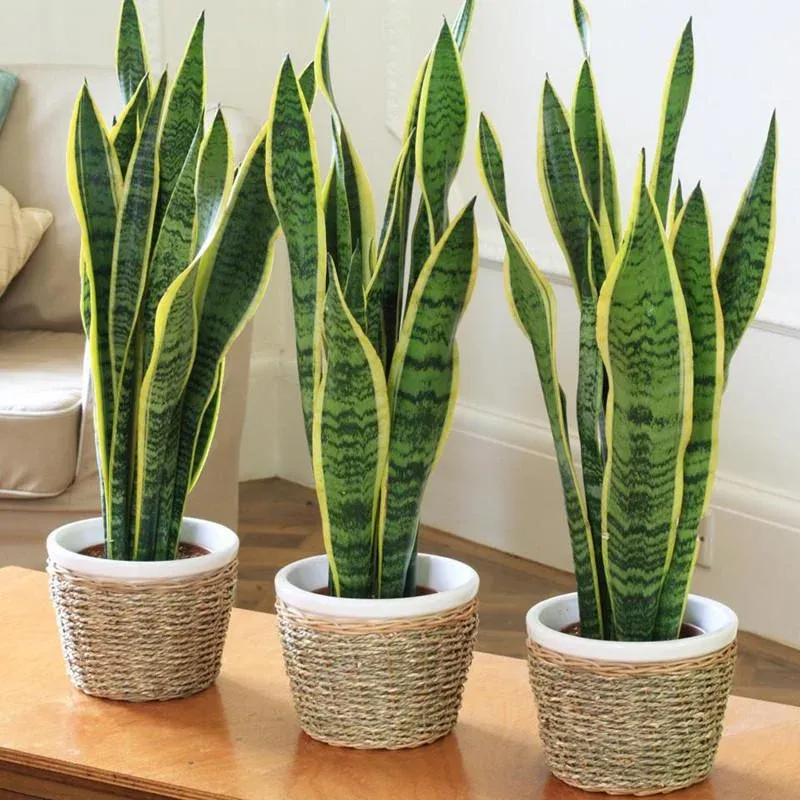
Meet the snake plant, a leafy friend with an unusual schedule. Its stiff, striped leaves stand tall like green swords guarding your room.
Most plants open tiny pores in their leaves during the day to take in carbon dioxide. Snake plants flip that routine around.
They use a system called CAM photosynthesis, opening those pores at night and storing carbon dioxide until morning.
When daylight returns, the plant uses that stored carbon to make food, and that is also when it produces oxygen. This night shift helps it save water, which is a big reason it handles neglect so well.
You may have heard that snake plants clean the air. A well-known NASA study from 1989 did include them, but those tests took place in small, sealed chambers.
A later review of decades of research found that houseplants have little measurable effect on air quality in real homes, where normal airflow does far more.
So think of a snake plant as great company, not an air purifier. Its tolerance for lower light makes it an easy fit for a bedroom or desk corner.
Wipe the leaves with a damp cloth every few weeks so dust does not block the light they need.
Many folks say their rooms simply feel calmer with greenery around. That alone makes it a lovely addition to a busy city home.
2. Thrives In Dim Light
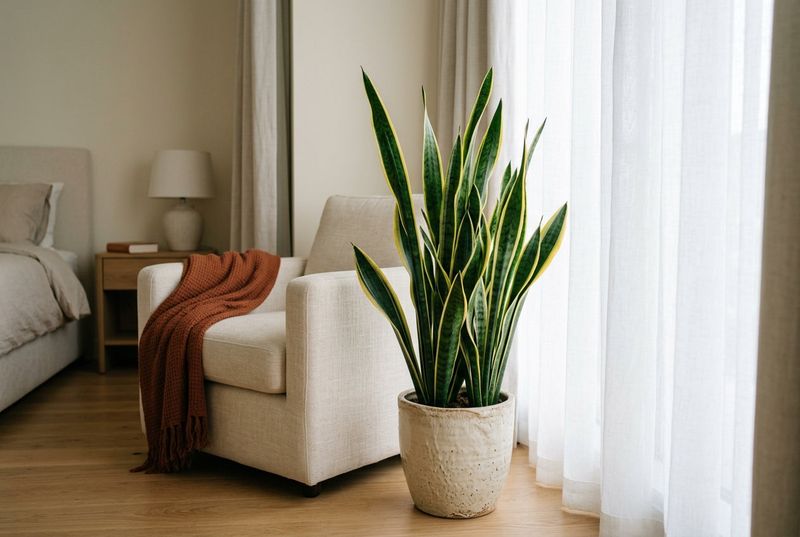
Sunlight in a city apartment can feel like a rare treat. Tall buildings block the view, and some windows face nothing but an alley.
Here is where the snake plant truly shines. It can handle low light better than many common houseplants.
That dark corner by your bookshelf suddenly has real potential.
Of course, it is not a plant that lives on darkness alone. In very dim spots, it will grow slowly and hold steady instead of growing fast.
Think of it as the plant taking a long, relaxed nap.
If you want new leaves, give it some bright, indirect light. An east or west window works nicely in most New York apartments.
Even a spot a few feet from a sunny window can help.
Watch out for sudden changes, though. Moving a plant from a dark hallway straight into strong summer sun can scorch its leaves.
Your New York Garden Changes Every Week. Your Plan Should Too.
Gardening in New York changes quickly throughout the season. Every Friday you’ll receive a simple weekly plan showing exactly what to plant, prune, fertilize, harvest, and protect so you never miss the right timing.
Shift it to brighter spots slowly over a week or two.
A simple grow light is another handy option for basement units. Small LED bulbs cost little and fit into regular lamps.
Follow the bulb’s instructions for how many hours to run it each day.
Fun fact: snake plants come from tropical West Africa. That tough background helps explain why they adapt so easily to your home.
3. Forgiving Watering For Busy Schedules
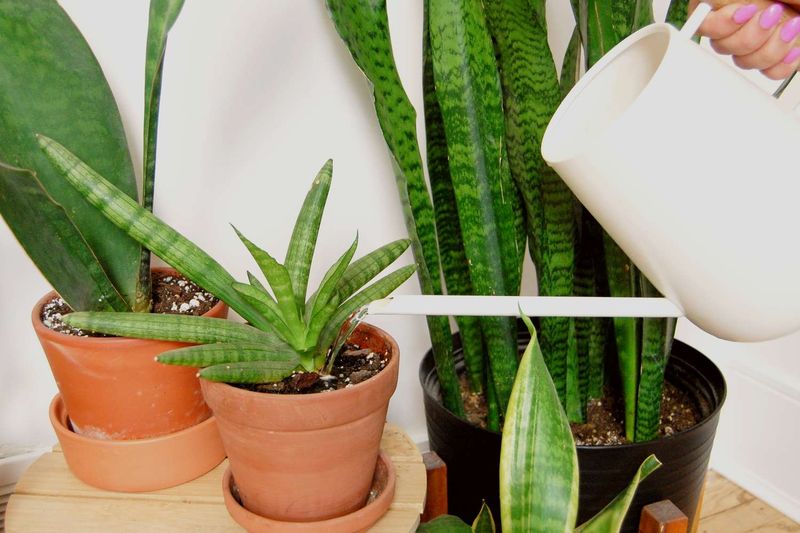
Long commutes, late shifts, and weekend trips upstate can leave plants forgotten. Luckily, the snake plant is basically the camel of the houseplant world.
Its thick leaves store water like little canteens. That means it can often go a couple of weeks or more between drinks, depending on light, heat, and pot size.
In winter, many owners water even less often.
The biggest mistake people make is giving too much love. Soggy soil leads to root rot, which can ruin the plant quickly.
When in doubt, wait a few more days before watering.
Try the finger test before you grab the watering can. Push a finger about two inches into the soil.
If it feels dry, go ahead and water slowly until it drains from the bottom.
Pots with drainage holes are a must for this plant. Pair them with a gritty cactus or succulent soil mix.
Terracotta pots help too, since they let extra moisture escape.
Radiator heat in New York winters dries soil faster than you might expect. Even so, check the soil instead of following a strict calendar.
Your plant will tell you what it needs.
Set a phone reminder every two weeks just to check. It takes thirty seconds and keeps your leafy friend happy and firm.
4. Slim Shape Fits Tight Spaces
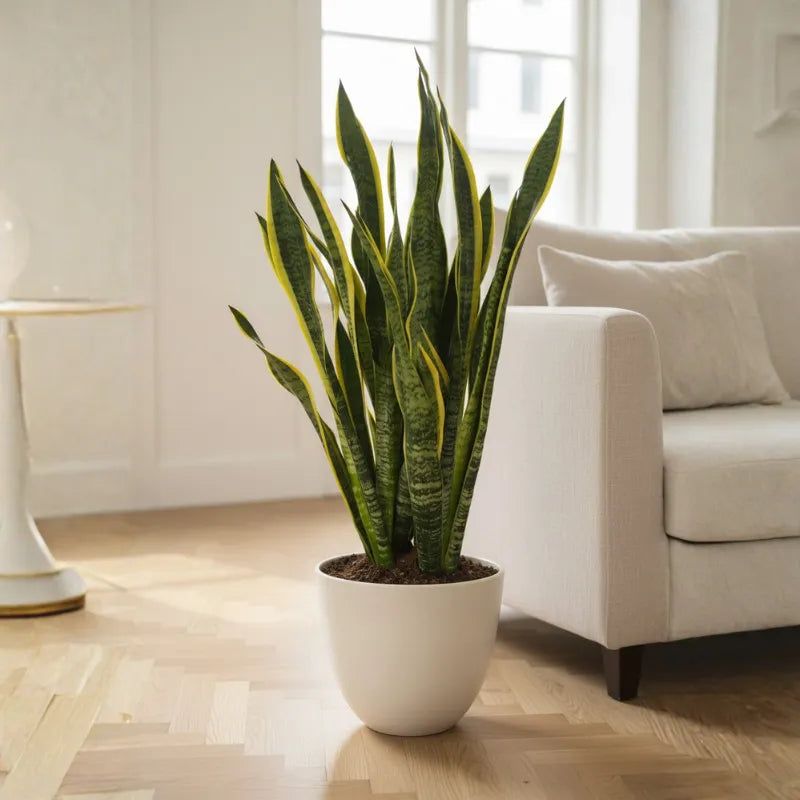
Space is the true luxury in New York, where studios can feel like shoeboxes. Every square inch matters when your kitchen doubles as your office.
Thankfully, snake plants grow up instead of out. Their tall, narrow leaves point toward the ceiling rather than spreading across the floor.
You get lots of green without losing walking room.
A tall variety of Dracaena trifasciata (formerly Sansevieria) can reach three or four feet. That makes it great for filling a skinny gap beside a couch or door.
It adds height and drama to a small room.
Smaller types work well on cramped shelves and windowsills. The bird’s nest snake plant, called Hahnii, stays under a foot tall.
It forms cute little rosettes that look tidy in tight spots.
Here are a few clever placement ideas:
Tuck a tall one near a window, keeping it at least a foot away from the radiator. Line small ones along a fire escape window ledge indoors.
Use one as a living bookend on a crowded shelf.
Designers love snake plants for their clean, modern lines. They look sharp in minimalist spaces and blend with nearly any style.
Even a cramped walk-up feels more polished with one standing proudly in the corner.
Small home, big personality. That is a winning combo.
5. Shrugs Off Dry Winter Heat
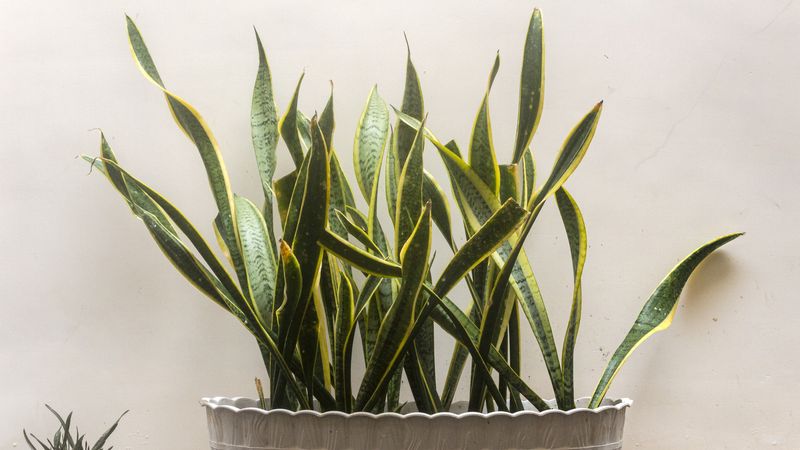
Ask any New Yorker about winter heating, and you may hear a groan. Old steam radiators blast heat until the air feels as dry as a desert.
Many tropical houseplants hate this. Their leaves turn crispy and brown at the edges.
The snake plant, however, barely seems to notice the dry air.
It evolved in warm, arid regions where humidity is low. So your toasty apartment actually feels a bit like home to it.
You can skip the misting bottle and humidifier entirely.
Still, a little care goes a long way during the cold months. Keep the pot at least a foot away from radiators.
Direct heat can dry the roots and stress the leaves.
Cold drafts are the bigger danger in winter. Snake plants do not like temperatures below about 50 degrees Fahrenheit.
Move them away from leaky windows and doors that open to icy hallways.
Growth slows down naturally during the darker months, and that is okay. Cut back on watering since the plant uses less.
Skip fertilizer until spring arrives.
Once March rolls around, your plant will wake up again. You might even spot fresh shoots poking out of the soil.
A tough winter survivor deserves a little celebration.
6. Easy Wins For First-Time Plant Parents
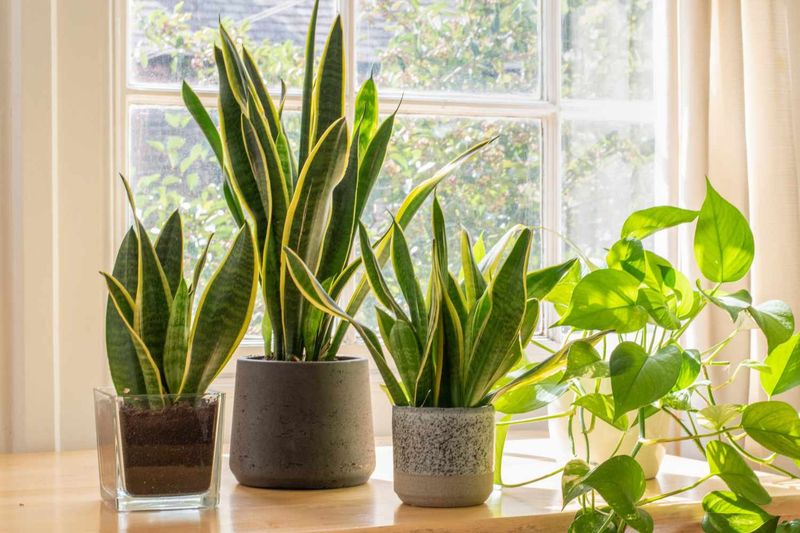
Plenty of people swear they have a black thumb. Maybe a fern turned brown, or a basil plant gave up after one week.
The snake plant is a great confidence builder. It forgives mistakes, bounces back from neglect, and keeps looking sharp.
Many plant lovers say it was the first green friend that stuck around.
Beginners in New York often deal with tricky conditions. Low light, dry heat, and travel all make plant care harder.
This plant handles all three with a calm attitude.
To start strong, buy a healthy plant with firm, upright leaves. Avoid ones with mushy spots or yellow edges.
Garden centers and plant shops commonly carry them, often at friendly prices.
Next, keep things simple. Water lightly, offer moderate light, and resist fussing too much.
Honestly, ignoring it a little is part of the secret.
Once you succeed, you may feel ready for more plants. Pothos and ZZ plants are great next steps with similar easy needs.
Soon your windowsill could look like a tiny jungle.
There is real joy in watching something grow under your care. Each new leaf feels like a small victory.
Starting with a plant that wants you to win makes the hobby fun from day one.
7. A Calm Green Escape From New York Noise
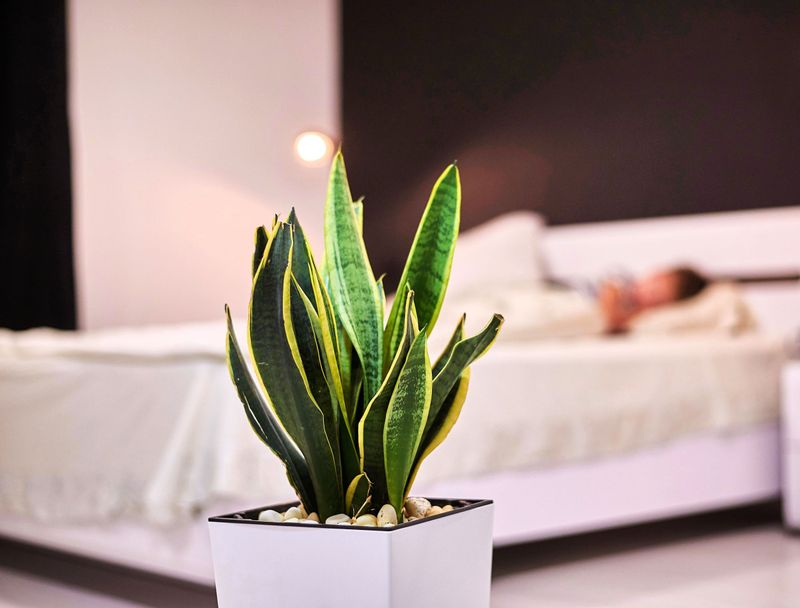
Sirens, honking taxis, and a neighbor’s loud music can fray anyone’s nerves. A little green can help soften the edges of a hectic day.
Studies on indoor plants suggest they may lower stress and boost mood. Simply looking at leaves seems to relax many people.
Researchers call our natural pull toward nature biophilia.
The snake plant brings that calming touch without adding chores. You can enjoy the benefits without worrying about constant care.
Less work means less stress, which is the whole point.
Try creating a small relaxation corner in your space. Add a comfy chair, a soft lamp, and one or two snake plants.
It becomes a spot to read, sip tea, or just breathe.
Some people even use plant care as a mindful moment. Wiping dusty leaves slowly can feel like a short meditation.
It pulls your focus away from screens and worries.
Plants will not fix every hard day, of course. Still, a living thing in your room offers quiet comfort.
It reminds you that growth happens slowly and steadily.
After a long ride on a packed subway, walking into a green room feels good. Your apartment becomes less of a crash pad and more of a peaceful retreat in New York.
8. Budget-Friendly Decor For New York Renters
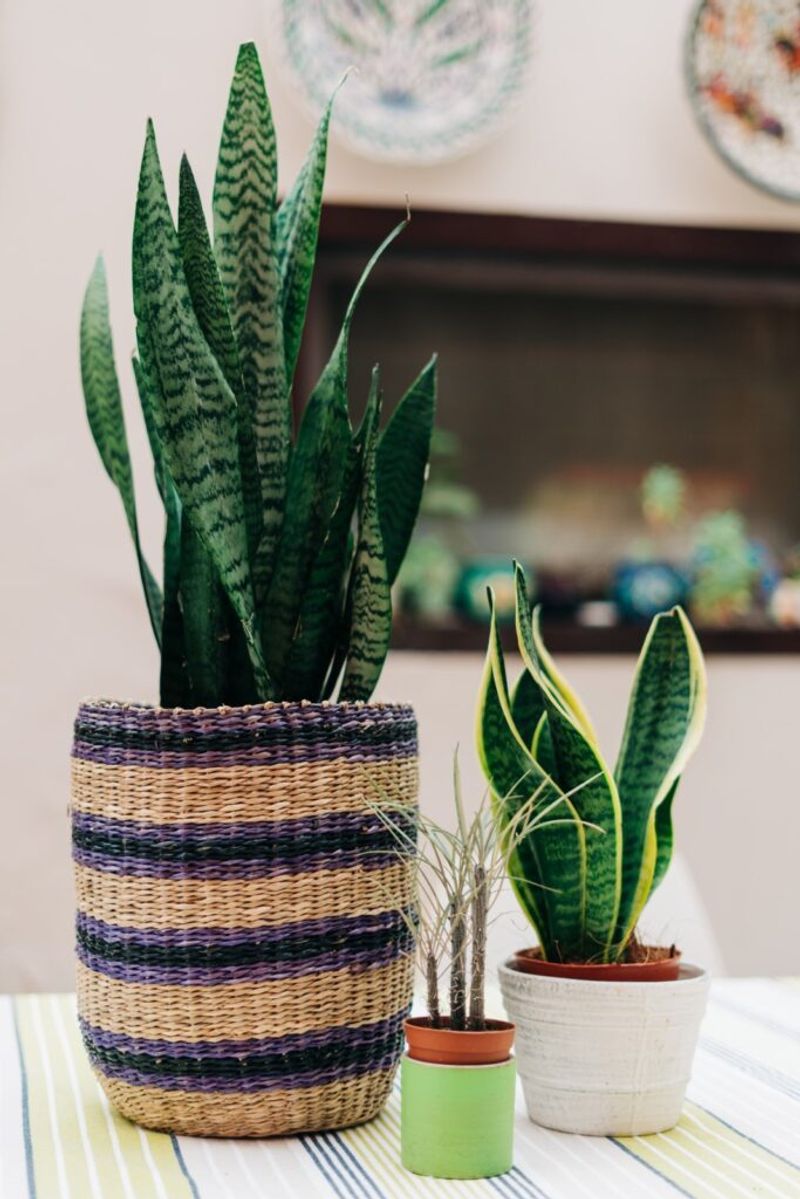
Renting in New York often means white walls you cannot paint and strict rules about nails. Decorating on a budget becomes a creative puzzle.
Snake plants solve a big part of that puzzle. They add color, height, and life without touching your security deposit.
Plus, they move with you easily when your lease ends.
Prices are friendly too. Small pots are usually affordable, and larger ones cost more but can last for years with simple care.
Even better, one plant can turn into many. Snake plants grow pups, which are baby shoots from the roots.
Gently divide them in spring and pot them separately for free new plants.
You can also grow new ones from leaf cuttings. Slice a healthy leaf into pieces and let them sit in water or soil.
Roots can take several weeks or longer to form, so a little patience helps.
Dress up plain plastic pots with woven baskets or thrifted planters. Flea markets in Brooklyn and Queens often have charming finds.
Mixing textures gives your home a warm, lived-in look.
Gifted plants make lovely housewarming presents too. Share your extra pups with friends who just moved.
Few gifts are as cheap, thoughtful, and long-lasting.
9. Steady Through New York Seasons With Little Fuss
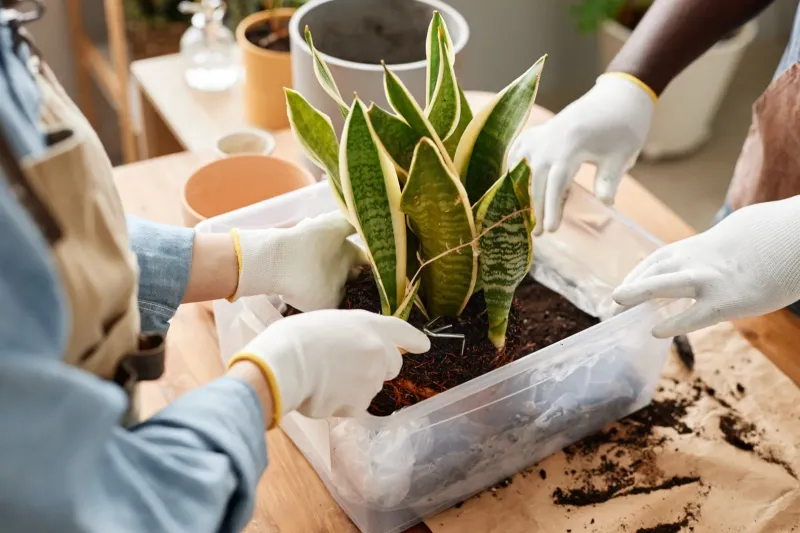
Snake plants are known for their long life. With steady care, one can stay with you for many years.
That long life comes from a slow, steady growth style. The plant does not rush, which suits a low-maintenance routine.
With basic care, it can stay healthy for a long time in a New York home.
Repotting is rarely needed, which is a huge relief. Snake plants actually like being a little snug in their pots.
Plan to move them into a bigger container every two to three years.
Spring is the best time for that job. Choose a pot just one or two inches wider than the old one.
Use fresh succulent soil and water lightly afterward.
Feeding is simple too. A diluted houseplant fertilizer once or twice in spring and summer is plenty.
Too much food can harm the roots, so keep it light.
Pests seldom bother this tough plant. Now and then, mealybugs or spider mites show up.
A cotton swab dipped in rubbing alcohol usually handles them quickly.
Through humid summers and chilly winters, the snake plant stays steady. It is the kind of loyal roommate who rarely complains.
You might even grow old together.
10. Stylish Variety For Every New York Room
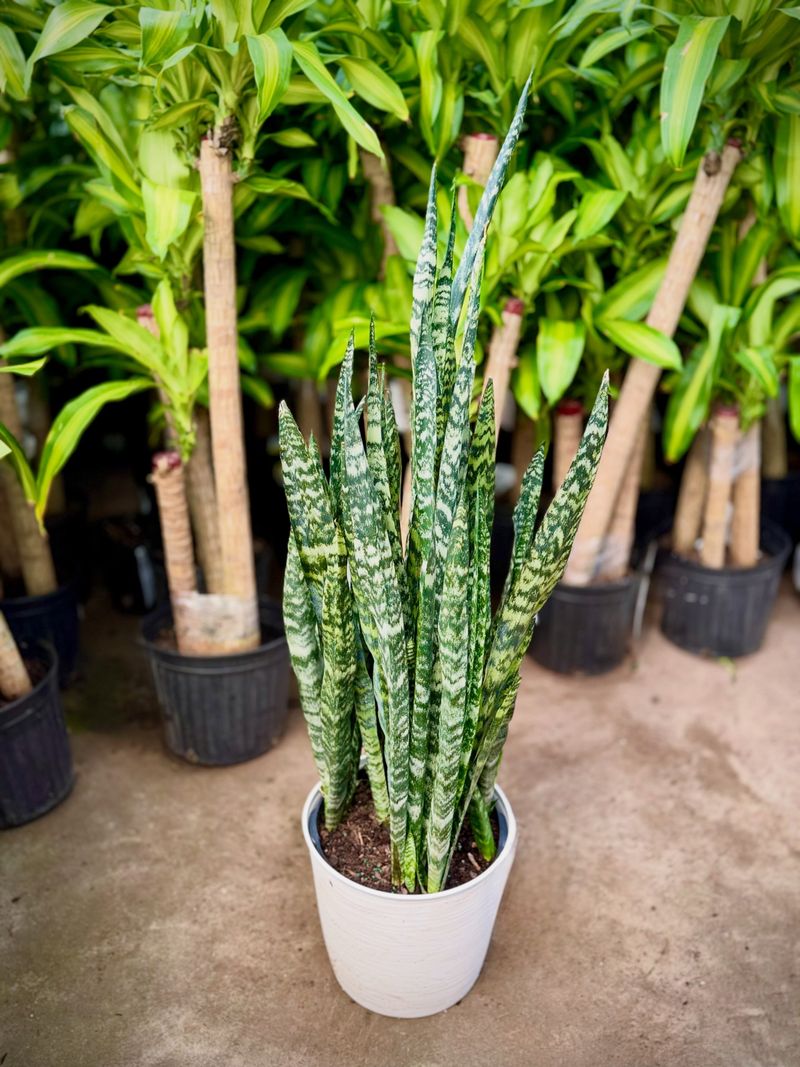
Variety is the spice of life, and snake plants deliver plenty of it. Dozens of types exist, each with its own look and charm.
The classic Laurentii has bold yellow edges that frame its green stripes. Moonshine shows off pale, silvery leaves that almost glow in soft light.
Cylindrical snake plants grow round spikes that look like green pencils.
Some folks call the plant mother-in-law’s tongue because of its sharp, pointed leaves. It is a playful nickname, and the plant takes it in stride.
Botanists now group it with the genus Dracaena.
Mixing a few types creates a fun display. Try a tall one on the floor, a medium one on a table, and a tiny rosette on a shelf.
The different heights make any room in New York feel styled and thoughtful.
Match varieties to your room’s mood too. Silver tones look calm in bedrooms.
Bright yellow edges add energy to kitchens and home offices.
A quick safety note for pet owners: snake plants can upset cats and dogs if chewed. Keep them on high shelves if your furry friends like to nibble.
With so many choices, collecting them can become a happy little hobby. Each one adds personality to your home without extra effort.