The Fall Leaf Mistake That Invites Snow Mold Into New York Lawns
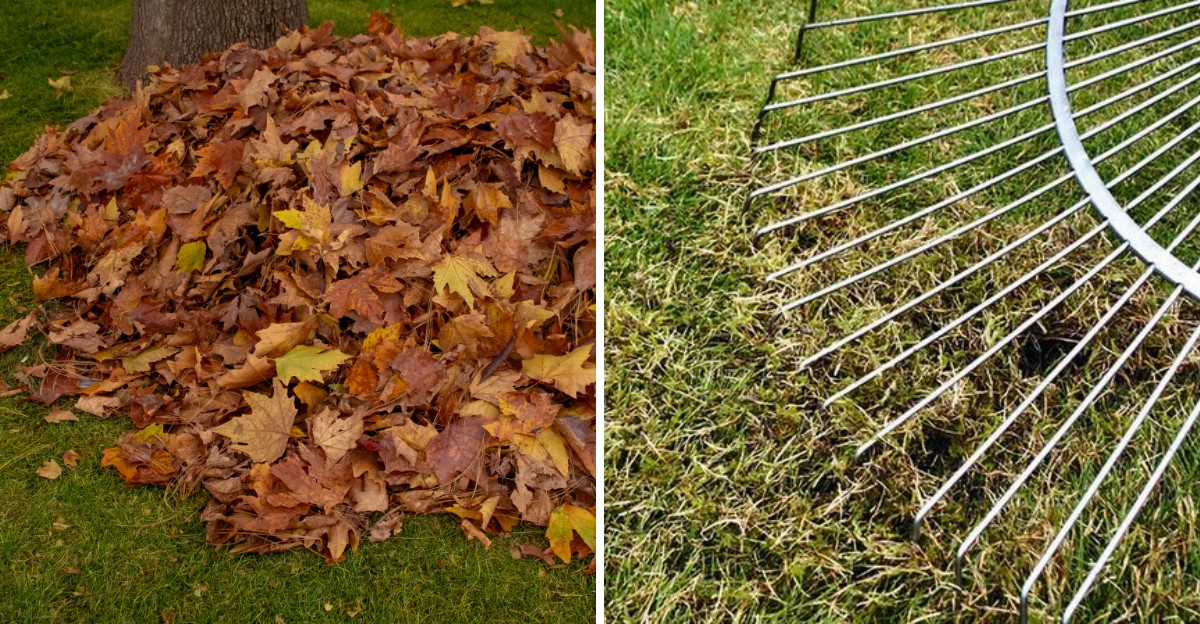
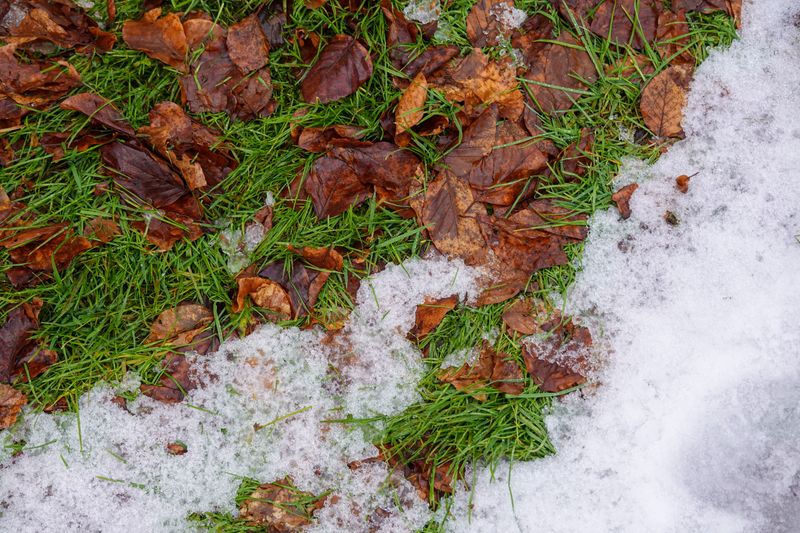
Some of the worst lawn damage of the year starts on a pretty October afternoon, long before the first snowflake lands. A soggy layer of maple and oak leaves can sit on your grass all winter like a wet wool blanket.
I used to think those leaves were harmless, even helpful. Then I watched matted, crusty circles show up across a friend’s yard the week the snow melted.
Across New York, long snowy winters give certain cold-loving organisms months of quiet time under cover. They wake up in damp, dark spots where air can’t move and grass can’t breathe. You might be setting the table for them without knowing it.
The fix is simple, and it costs nothing but a free weekend afternoon. So what exactly is happening under that pile, and why does one lazy fall chore matter so much by spring?
That Soggy Leaf Pile On Your Grass Is Hiding More Than Worms
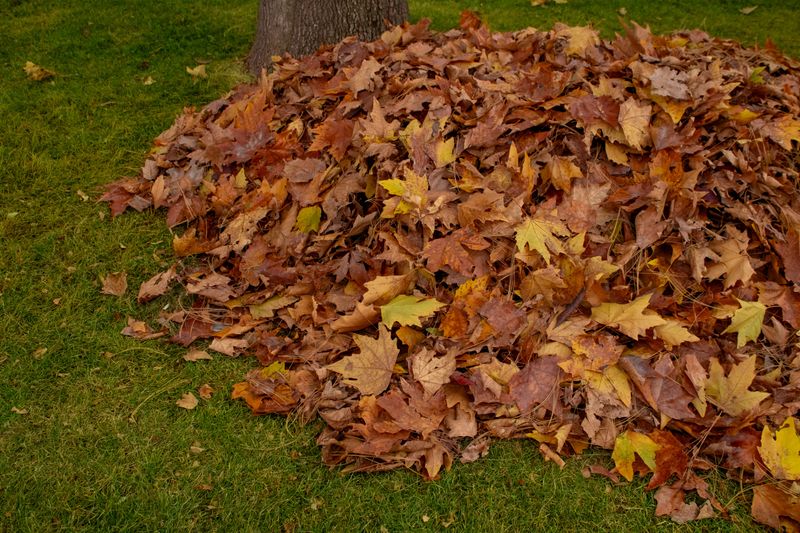
Lift a corner of a leaf mat in late November and you will feel it right away. The grass underneath is cold, wet, pale, and squished flat against the soil.
That flattened, airless zone is the real problem. A thick layer of leaves holds moisture against the grass blades and blocks sunlight, so the turf goes into winter weak and stressed.
Once snow lands on top, the leaves and snow together create a dark, damp, insulated pocket.
Fungi that cause snow mold love that pocket. They grow best at cool temperatures, roughly just above freezing, when moisture stays high for weeks.
Bare, upright grass dries out and gets air movement during thaws. Grass trapped under leaves rarely gets that break.
So the mistake is not raking leaves too late or too early. The mistake is leaving a heavy, matted layer on the lawn when winter arrives.
I like to do a quick test each fall. If I can’t see grass blades poking through the leaves, the layer is too thick.
A light scattering of shredded bits is fine, and it can even feed the soil.
A soaking wet carpet of whole leaves is a different story. That is the setup that turns a healthy lawn into a patchy, crusty mess by the time spring cleanup rolls around in March or April.
Grab The Rake Or Mower Before The First Snow Sticks
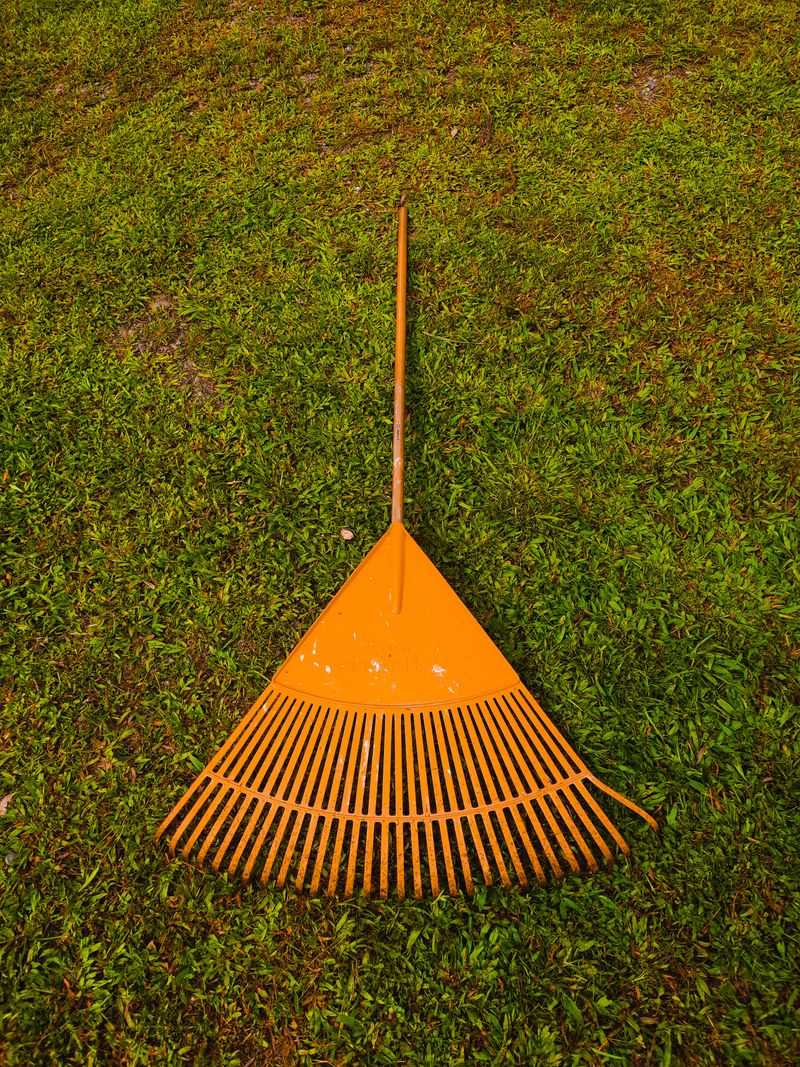
Clearing the lawn before snow cover is the single most useful step you can take. Cornell and other extension experts list removing leaf buildup as a core snow mold prevention practice.
You have two easy choices. Rake or blow leaves off the grass, or mow over them to chop them into small pieces.
Mulched leaves that settle down between grass blades break down quickly and let light and air reach the turf.
Personally, I mow when the leaf layer is still thin and dry. Running a mower over a foot of wet leaves just makes a soggy, clumpy mess that smothers grass all over again.
Doing it every week or so during peak leaf drop keeps things manageable.
Timing matters across the state. In the Adirondacks and Tug Hill, lasting snow can arrive by mid-November.
Around New York City and Long Island, you often have until early December.
Check your local weather and aim to finish before snow that is likely to stay on the ground. A last pass right after the final big oak drop pays off, since oaks tend to hold leaves later than maples.
Bonus tip: those collected leaves make wonderful compost or mulch for garden beds. Your lawn gets a clean slate, and your flower beds get free organic matter.
Gray And Pink Snow Mold Patches Look Different For A Reason
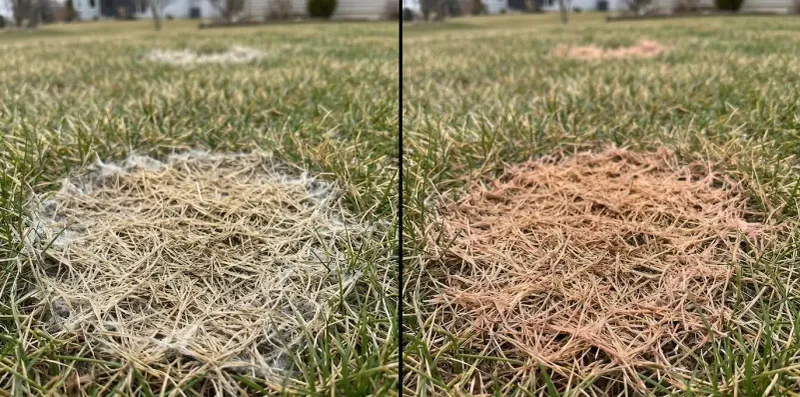
Two different fungi are behind the circles you see after melt. Knowing which one you have helps you decide how worried to be.
Gray snow mold, caused by Typhula species, shows up as round straw-colored or grayish patches, often a few inches to a couple feet wide. Fresh patches can have a cottony, gray-white coating.
Look closely and you may spot tiny reddish-brown dots on the blades, which are resting structures called sclerotia.
Pink snow mold, caused by Microdochium nivale, usually forms smaller tan or bleached patches with a pinkish or salmon edge. It does not need snow cover.
It can show up during any cool, wet stretch in fall or spring.
Here’s the part that surprised me. Gray snow mold mostly damages leaf blades, so grass often grows back.
Pink snow mold can reach the crowns, which sometimes leads to more lasting thin spots.
The best time to look is right after snow recedes, while the lawn is still damp. The fuzzy growth fades quickly once things dry out, and then the patches just look like matted, faded grass.
Snap a photo when you see them. It makes comparing with extension fact sheets much easier later.
Tall Grass Going Into Winter Gives Fungus A Free Bed
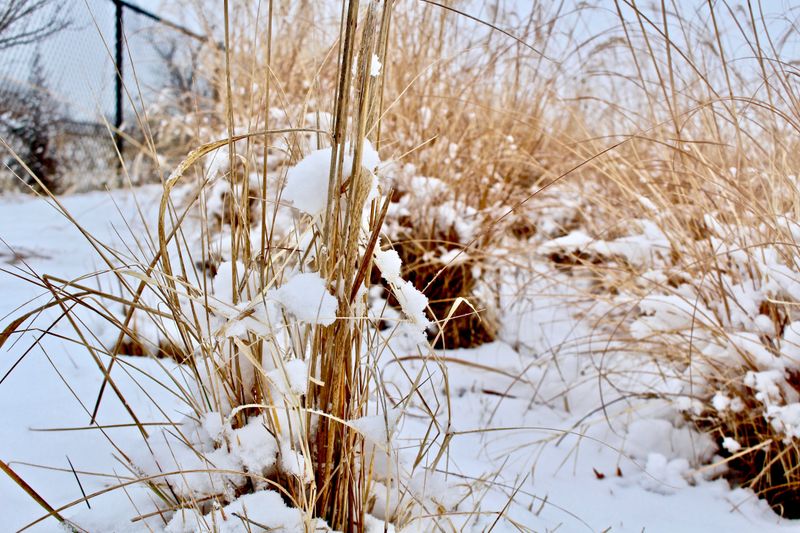
Long, floppy grass and wet snow make a bad pair. When tall blades fold over under the weight of snow, they form a dense mat that holds moisture just like leaves do.
Keep mowing until the grass stops growing in late fall. Many turf experts suggest your last few cuts sit around 2 to 2.5 inches for cool-season lawns like Kentucky bluegrass and fine fescue.
Don’t scalp it, though. Cutting off more than a third of the blade at once stresses the plant right before winter.
Lower the mower deck gradually over a few weeks instead.
I treat my last mow like tucking the lawn in for bed. Neat, even, and not buried in clippings.
If clippings pile up in clumps, rake them or spread them out so they don’t add another soggy layer.
Shorter grass also dries faster during midwinter thaws. That small edge helps reduce the long, damp stretches that snow mold fungi need.
One more perk shows up in spring. A tidy lawn greens up more evenly, and you won’t be fighting a tangled mat of last year’s growth in April.
Sharp mower blades help too. Clean cuts heal faster than ragged, torn tips.
Late Fall Fertilizer Can Feed The Wrong Thing
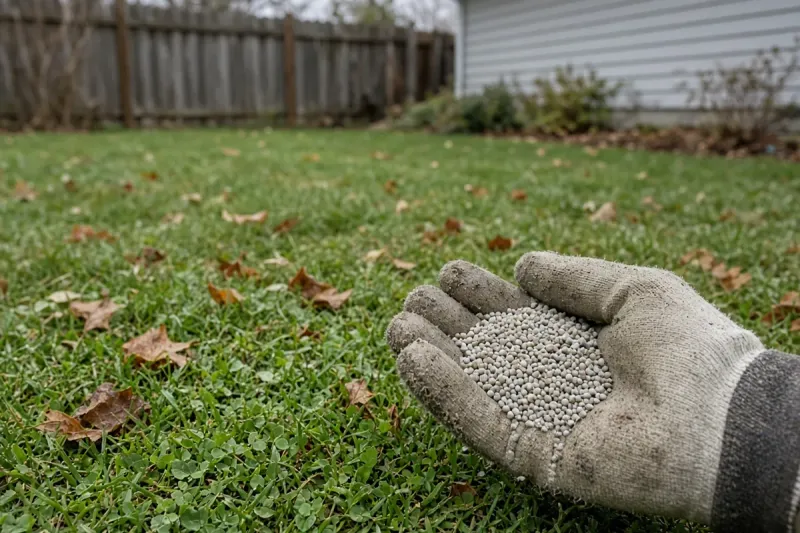
A big dose of quick-release nitrogen right before winter sounds generous. For snow mold, it can backfire.
Heavy late nitrogen pushes soft, lush leaf growth. Tender tissue going under snow is easier for fungi to infect, especially pink snow mold.
Turf researchers have linked excess late fertilization with more disease.
Cornell guidance for New York lawns points to early fall, around September, as a key time to feed. Grass uses that nutrition to build roots and store energy without racing into fragile new growth.
Also, New York has a Nutrient Runoff Law that limits lawn fertilizer use. You can’t apply lawn fertilizer between December 1 and April 1, and phosphorus fertilizer is restricted unless a soil test shows a need or you’re establishing a new lawn.
Fertilizer also can’t be applied within 20 feet of water in most cases.
A simple soil test through your county Cornell Cooperative Extension office tells you what your lawn needs. Many lawns need less than people think.
My rule is easy to remember. Feed in September, sweep any granules off sidewalks and driveways, and let the lawn slow down naturally as the days shorten.
Healthy, steady growth handles winter far better than a forced growth spurt.
Giant Snow Piles From Your Shovel Keep The Lawn Wet For Weeks
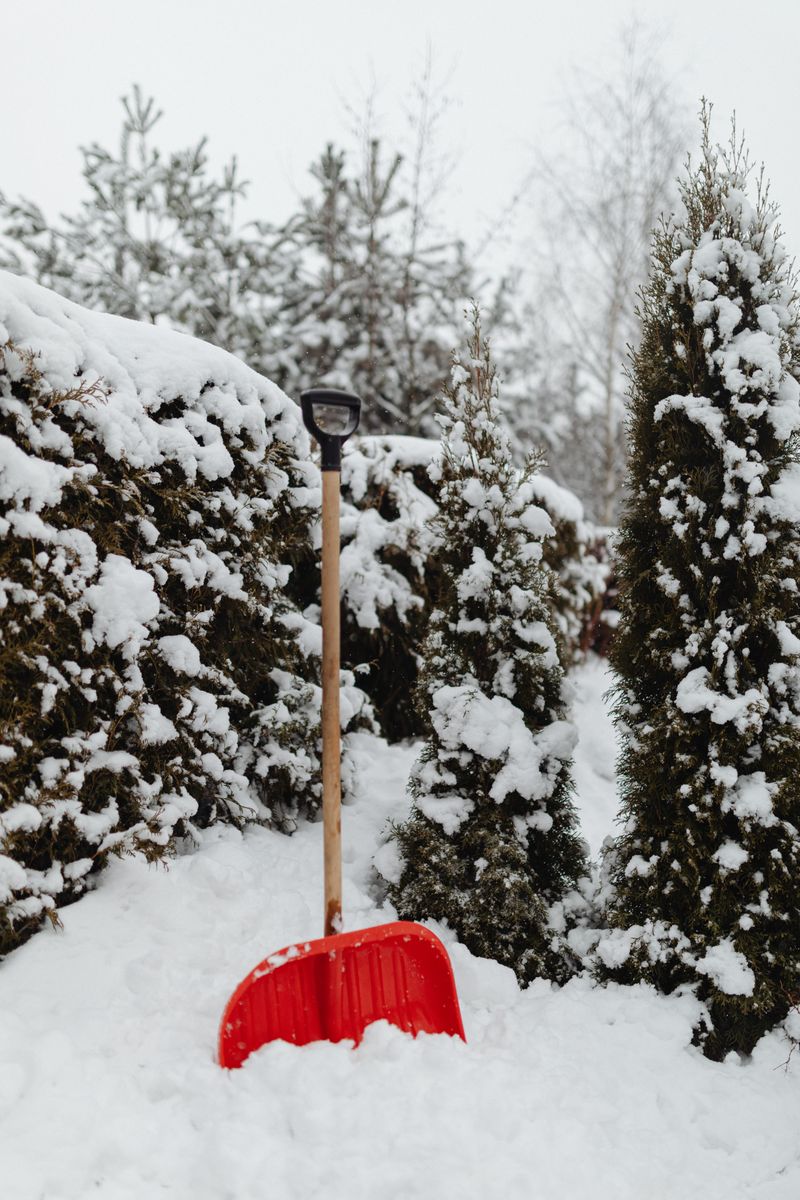
Every shoveled driveway leaves a snowbank somewhere. Where you dump it can decide which corner of your yard struggles in spring.
Deep, packed piles melt slowly. That means grass underneath sits cold and soaked well after the rest of the lawn has dried out.
Lawn care pros often see the worst snow mold right along driveways and walkways for exactly this reason.
You can’t control a lake-effect storm in Buffalo or Syracuse, but you can control your shovel. Spread snow out over a wider area instead of building one tall mountain.
Thin layers melt faster and give the grass relief sooner.
Watch out for plow piles too. If a contractor clears your driveway, ask them to push snow away from your favorite lawn areas when possible.
I also like breaking up big piles during a warm spell in late winter. A few minutes with a shovel spreads the snow so sun can reach it.
Avoid walking the same path across snowy grass all winter. Packed snow and ice from constant foot traffic act a lot like a compact pile, holding cold moisture right against the turf.
Small habits like these add up to fewer surprises when the snow finally pulls back.
A Light Spring Raking Helps Matted Grass Bounce Back
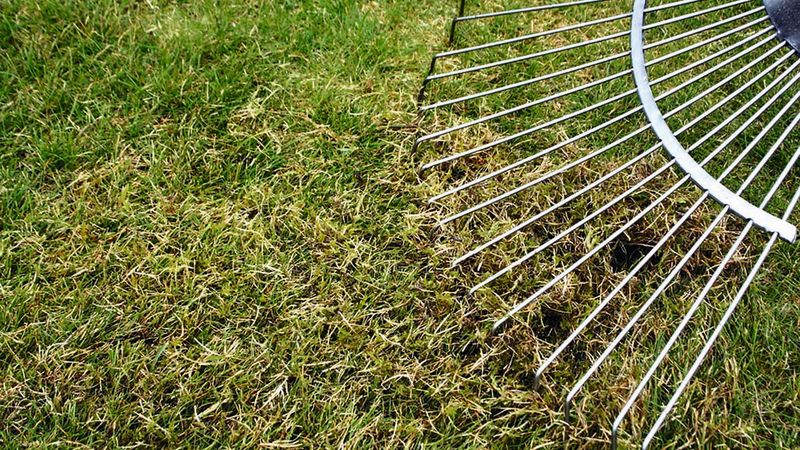
Spotted some crusty circles in March? Relax a little.
Most snow mold damage on home lawns is cosmetic, and the grass often recovers as weather warms.
The best thing you can do is gently rake the patches once the ground is firm enough to walk on without leaving deep footprints. A leaf rake or flexible rake works well.
Fluff up the matted blades so air and sunlight can reach the crowns.
That fresh airflow helps the area dry out, which slows any lingering fungal growth. It also gives new shoots a clear path upward.
Skip the fungicide in most cases. Extension specialists generally say home lawns rarely need it for snow mold, since symptoms fade with warm, dry weather.
Fungicides are mostly a preventive tool on golf courses, applied in fall.
Give it a few weeks. By May, most gray snow mold spots have filled in on their own.
If a patch still looks thin, lightly scratch the soil surface and overseed with a grass type suited to your lawn, like a bluegrass, fescue, or perennial ryegrass blend. Keep that seed lightly moist until it sprouts.
I find a little patience works better than any product here. Grass is tougher than it looks.
Your Fall Leaf Routine Is The Best Snow Mold Insurance You Have
Snow mold prevention mostly comes down to habits you already know. The trick is doing them consistently each fall.
Here is my simple checklist for New York yards:
Clear or mulch leaves regularly until the trees are bare. Keep mowing until growth stops, finishing around 2 to 2.5 inches.
Fertilize in early fall, follow state fertilizer rules, and skip heavy late nitrogen.
Improve drainage where water sits after rain. Core aeration in early fall can help compacted soil breathe and drain better.
Reduce thick thatch if it’s over about half an inch.
Spread out snow piles in winter, then rake matted spots gently in spring.
Choosing tougher grass helps over time too. When overseeding, look for cultivars rated for disease resistance in your region.
Your county Cornell Cooperative Extension office can point you toward good options.
Some years will bring snow mold no matter what. A long winter with deep snow on unfrozen ground creates ideal conditions, and weather is out of your hands.
Still, I find that a clean lawn going into winter almost always looks better coming out. One afternoon with a rake or mower in November can save you weeks of patching in spring.
Grab some cider, put on a warm jacket, and give those leaves the boot.