8 North Carolina Trees That Cause The Fewest Problems Near Power Lines
That tiny tree at the garden center can be a little deceiving.
A young sapling looks harmless. It fits in a corner. It barely reaches your waist. Then years pass, branches stretch, and suddenly the sky above your yard becomes part of the planting plan.
Have you ever looked up at power lines and wondered which trees can actually live nearby without becoming a constant battle?
The right tree can bring shade, flowers, birds, and beauty without creating a yearly pruning headache.
The wrong choice can turn a simple planting project into a long-term chore. The secret is not finding the smallest tree with the biggest label. It is finding a tree that naturally knows how to stay within its space.
North Carolina has several beautiful options that fit smaller areas better than towering shade trees. Some offer spring flowers. Some feed wildlife. Some add fall color that makes neighbors stop and look twice.
Ready to discover the trees that can keep your yard looking great while keeping those overhead lines out of the drama?
1. Serviceberry Keeps A Small Rounded Crown
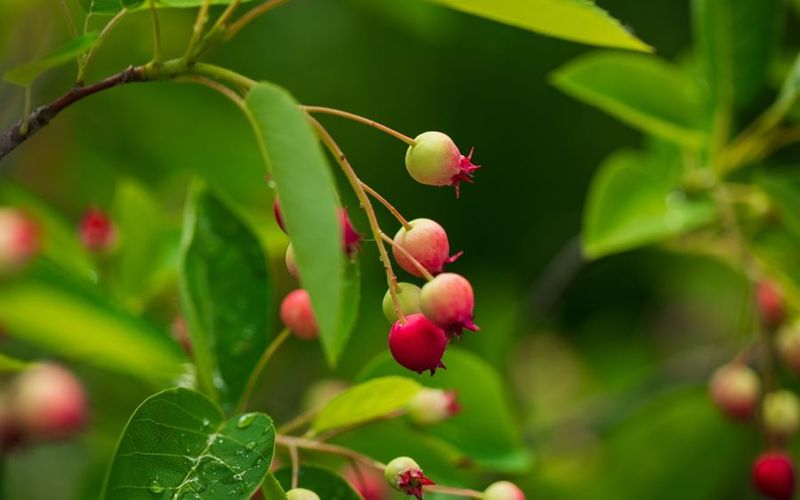
Small tree. Big personality. That is serviceberry’s specialty.
This native favorite brings several seasons of interest without needing a massive footprint. In early spring, white flowers cover the branches before the leaves fully arrive.
The display looks almost like the tree borrowed a little snow from winter and decided to decorate for spring.
Serviceberry usually stays around 15 to 25 feet tall, depending on the species and growing conditions. Some selections remain closer to the smaller side, which makes them worth considering for areas near utility lines where space is limited.
Always check your utility guidelines before planting because every location has different clearance rules.
The flowers are only the beginning. Small berries appear in early summer and quickly attract birds. Cedar waxwings, robins, and other backyard visitors often treat the fruit like a seasonal snack bar.
The tree also adds orange and red tones in fall, giving it more than one moment to shine.
Serviceberry handles full sun and partial shade, making it flexible for many North Carolina yards. It prefers moist, well-drained soil but can adapt to average garden conditions once established.
Place it where you can enjoy the details. Near a walkway or patio works beautifully because you get to notice the flowers, berries, and wildlife activity up close.
Serviceberry proves that a smaller tree does not have to play a small role. It brings flowers, fruit, and charm without trying to become the neighborhood skyscraper.
2. Flowering Dogwood Fits Many Utility Strips
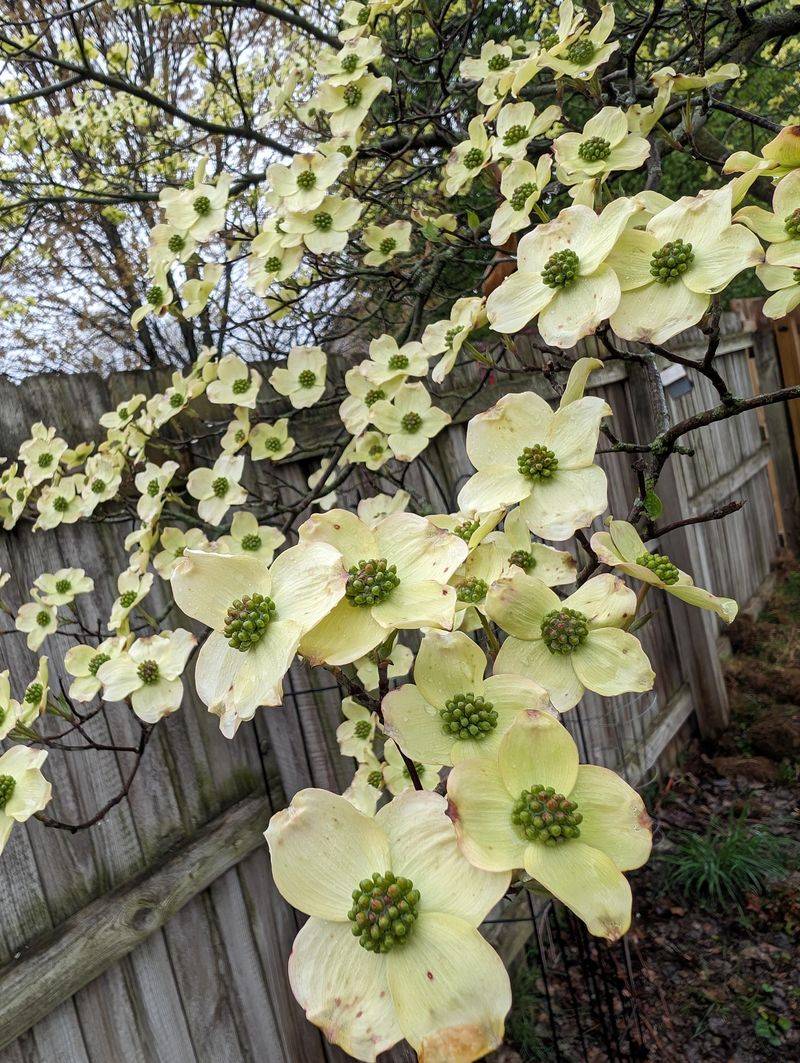
Few trees announce spring quite like flowering dogwood. One day the yard looks sleepy. Then suddenly, white blooms appear across the branches like the tree flipped a seasonal switch.
Cornus florida is one of North Carolina’s most recognizable native trees. It usually reaches around 15 to 30 feet tall, making it much more manageable than many traditional shade trees. Its rounded shape also gives landscapes a classic woodland look.
The important detail near power lines is the spread. Dogwood branches can stretch outward almost as much as the tree grows upward.
Your North Carolina Garden Changes Every Week. Your Plan Should Too.
Gardening in North Carolina changes quickly throughout the season. Every Friday you’ll receive a simple weekly plan showing exactly what to plant, prune, fertilize, harvest, and protect so you never miss the right timing.
A spot with enough side clearance is just as important as height clearance. A quick check with your utility provider can save future trouble.
Dogwood prefers the conditions it finds in nature. Bright filtered light, good airflow, and consistent moisture help it perform well. Deep shade can reduce flowering, while harsh afternoon heat can stress the tree in exposed locations.
The spring display gets the attention, but the tree keeps working after that. Red berries appear later in the year and provide food for birds. Fall brings warm shades of red and orange that keep the landscape interesting.
One smart move is adding mulch around the root zone. It helps protect the soil and keeps moisture more consistent during North Carolina summers.
Flowering dogwood is not the loudest tree in the yard. It does not need to be. It quietly earns attention every spring, then lets the rest of the year carry the conversation.
3. Red Buckeye Stays Compact Under Wires
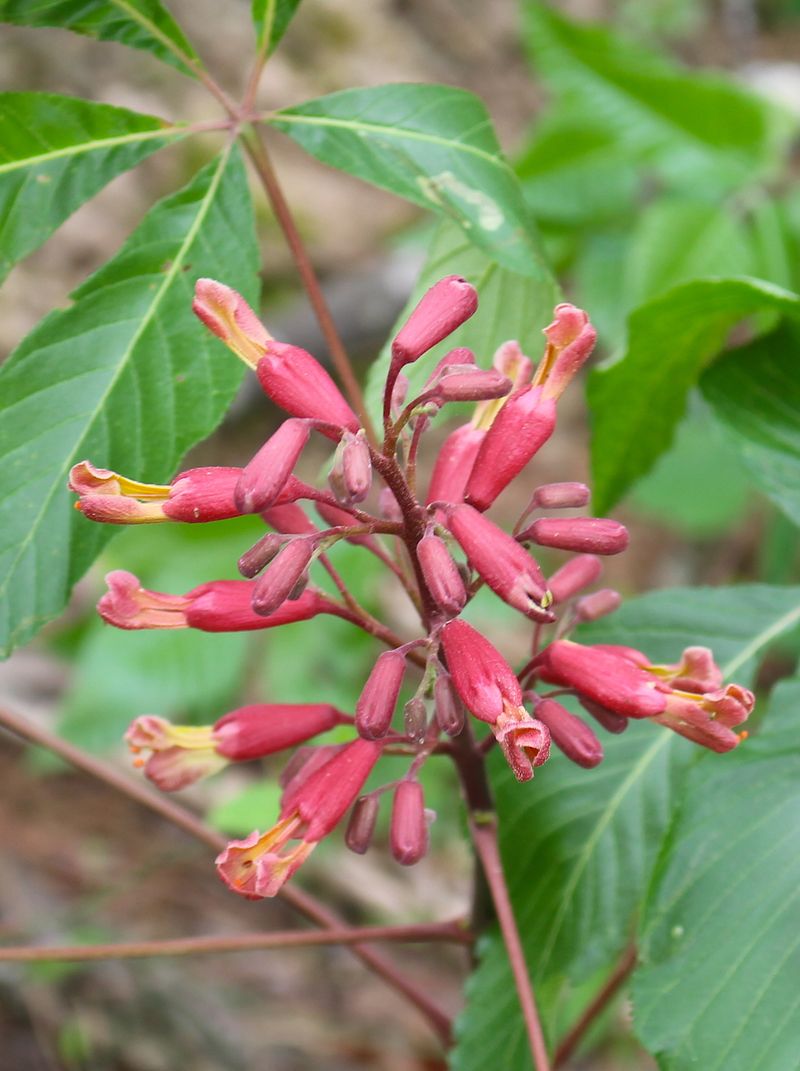
Some trees attract attention before gardeners even know their names. Red buckeye is one of them.
In spring, its bright red flower clusters appear like tiny fireworks on the branches. Ruby-throated hummingbirds often notice them quickly, making this small native tree a favorite for wildlife-friendly gardens.
Aesculus pavia usually stays around 10 to 20 feet tall. That compact size gives it an advantage near utility areas where larger trees can become difficult to manage.
It still deserves proper spacing, but it naturally stays much smaller than many common landscape trees.
Red buckeye is especially useful for yards with partial shade. It grows naturally as an understory tree, so it does not demand intense sunlight all day. A location with filtered light can work very well.
One interesting habit surprises many gardeners. The leaves may drop earlier than expected during late summer, especially during dry periods. This is normal behavior for the species. The tree is simply taking a seasonal pause.
Give it moist, rich soil when possible. A layer of compost mixed into the planting area can help it settle in. Once established, it becomes a fairly low-maintenance choice.
The flowers are the main attraction, but the shape of the tree matters too. Red buckeye keeps a tidy profile without constantly reaching for the sky.
For smaller landscapes, that is a pretty useful talent. A tree that knows its limits makes everyone happier, including the person holding the pruning tools.
4. American Fringetree Keeps A Smaller Profile
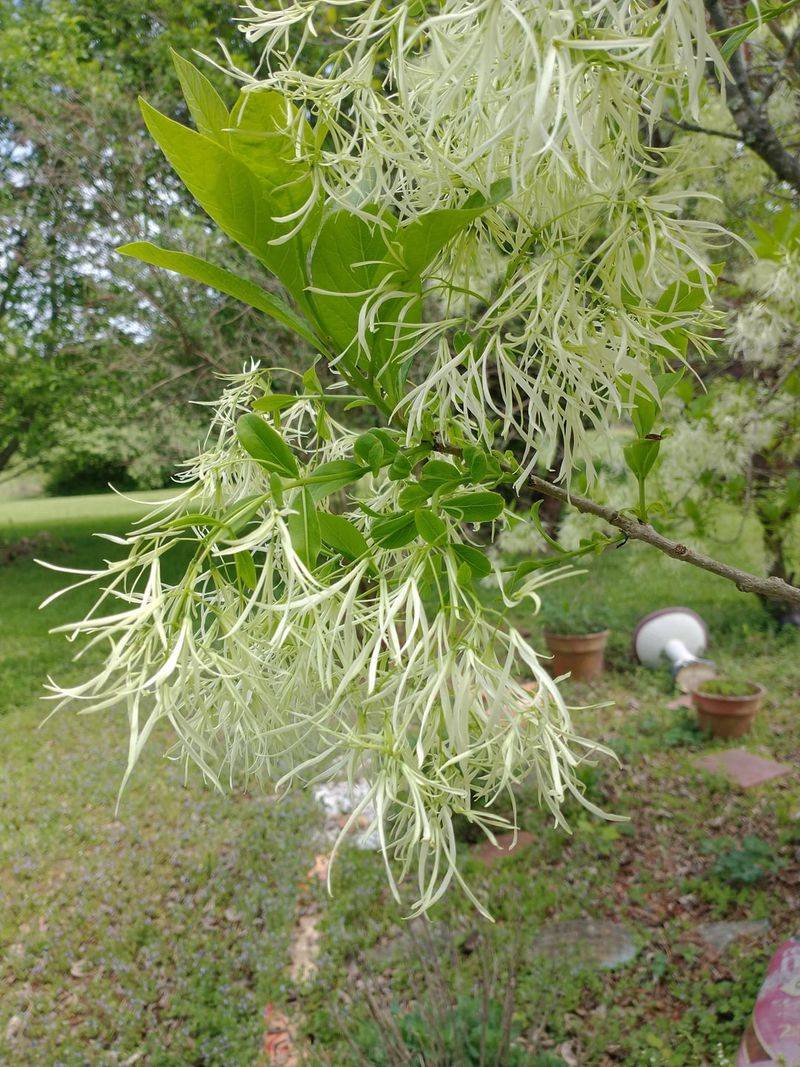
American fringetree creates one of those garden moments that makes people stop walking.
In late spring, white flowers cover the branches with long, narrow petals that look almost like ribbons hanging from the canopy. The tree has a soft appearance, but it brings plenty of character to a landscape.
Chionanthus virginicus usually grows around 12 to 20 feet tall. That smaller mature size makes it a practical option for locations where tall trees are not a good match.
Utility clearance still matters, but this tree naturally stays in a more manageable range.
Fringetree often develops a multi-stem form, giving it a graceful shape without needing heavy pruning. It works well as a specimen tree near patios, entrances, or smaller garden spaces.
Full sun encourages the best flowering, though partial shade is tolerated. The tree adapts to different soils, including many conditions found across North Carolina. Good drainage helps keep roots healthy.
A fun detail is that male and female plants can look slightly different. Male trees often produce heavier flower displays, while female trees may develop blue-black fruit that birds enjoy later in the season.
This tree does not rely on size to make an impact. Its flowers create the drama. Its shape creates the elegance.
American fringetree is proof that a smaller tree can still have a big garden presence. Sometimes the quiet performers steal the show without making a fuss.
5. Star Magnolia Stays Short And Manageable
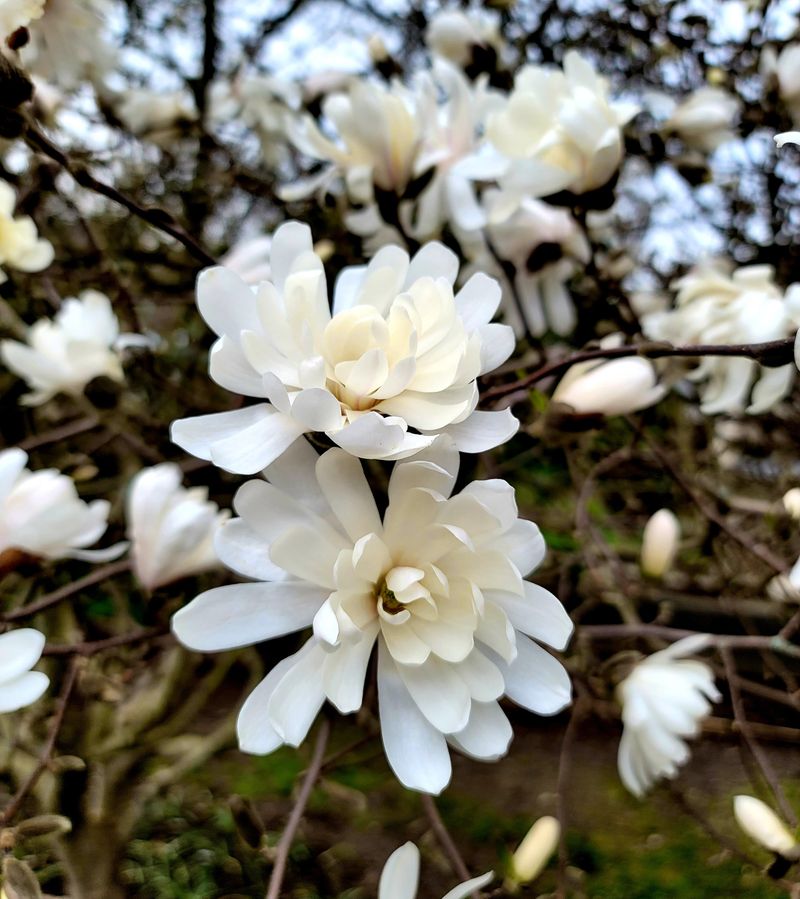
Spring has a habit of arriving quietly. Star magnolia prefers to make an entrance.
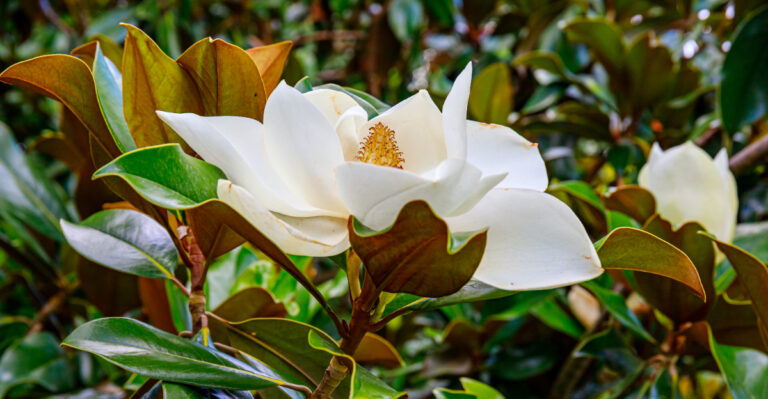
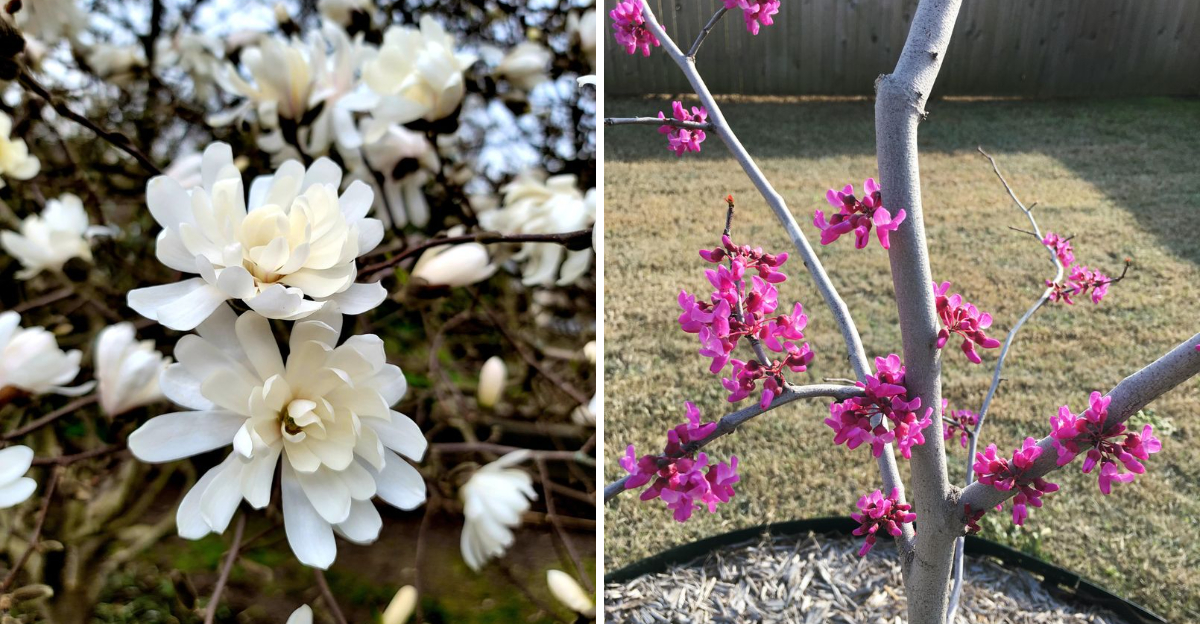
Before most trees wake up, this small magnolia covers itself with white, star-shaped flowers. The branches look like they are covered with little bursts of spring before the first leaves even appear.
Magnolia stellata usually stays around 15 to 20 feet tall. Its rounded shape and slower growth make it easier to manage than many larger magnolias.
That smaller frame can work well in yards where overhead space is limited, though checking utility guidelines before planting is still the smart move.
The flowers are the main attraction, but the timing creates the magic. Late winter and early spring gardens often look empty. Star magnolia fills that gap with color when many landscapes are still waiting for their big moment.
One thing gardeners in North Carolina should know is that late freezes can affect the flowers. A sudden cold snap may turn the open blooms brown for a short time. The tree itself usually handles this better than the flowers do.
Star magnolia prefers moist, well-drained soil and performs best with plenty of sunlight. A little afternoon shade can help in warmer areas. Mulch around the roots helps keep soil temperatures more stable.
This tree works beautifully near patios and walkways because the flowers are easy to appreciate up close. You do not need to search for the beauty from across the yard.
Star magnolia keeps its branches low, its flowers high in attention, and its maintenance needs fairly simple. That is a pretty good balance for a small-space tree.
A little tree with a big spring announcement always deserves a spot on the guest list.
6. Compact Crabapples Keep Clearance Easier
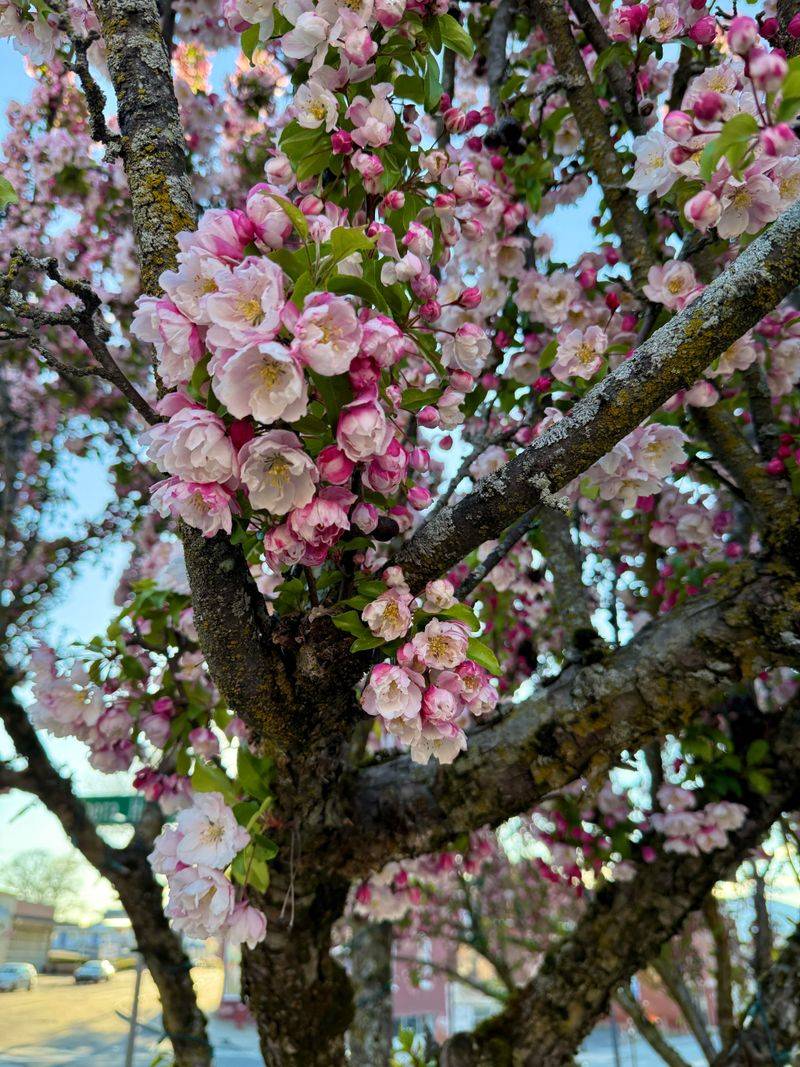
Crabapples can be garden celebrities or garden headaches. The difference comes down to choosing the right one.
Some crabapple trees grow much larger than homeowners expect. Others stay compact and fit smaller spaces much better. For areas near power lines, the tree label matters less than the final size.
Compact cultivars can stay around 8 to 15 feet tall, depending on the variety. That makes them easier to place in areas where a towering canopy would create future problems.
Before planting, check the mature height of the exact cultivar because crabapples come in many different sizes.
Spring is when these trees earn their spotlight. Pink, white, or red flowers cover the branches and attract pollinators. Later, small fruits appear and often remain into winter, giving birds another reason to visit.
Disease resistance is an important piece of the puzzle. Some older crabapples struggle with common issues like apple scab. Choosing a stronger cultivar can mean less maintenance and a healthier-looking tree.
For gardeners, this is where a little homework saves a lot of effort. A few extra minutes checking the plant tag can prevent years of trimming battles later.
Compact crabapples also bring fall interest with colorful leaves and bright fruit. They do not just show up for spring and disappear.
Place one near a front yard, driveway, or garden path, and it becomes a seasonal highlight. This tree brings flowers, fruit, and wildlife value without trying to become the tallest tree on the block. That is what you call a small tree with a full calendar.
7. Smaller Redbuds Fit Wider Utility Easements
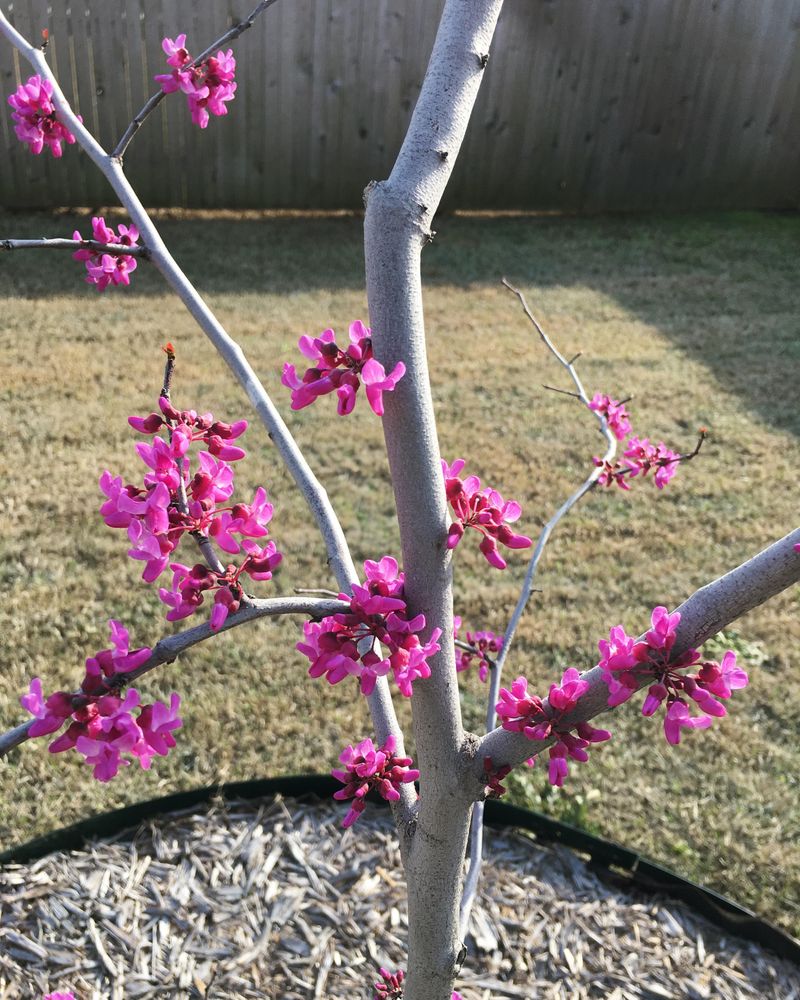
The first sign of spring in many North Carolina landscapes is not a leaf. It is a flash of pink.
Eastern redbud flowers appear along bare branches before the leaves arrive. The effect feels like the tree decorated itself overnight. It is one of those garden surprises that makes people slow down and take notice.
Standard redbud usually grows around 20 to 30 feet tall. That can work in some locations, but smaller cultivars are often better choices near utility areas.
Varieties such as compact or weeping forms can offer a more controlled size while keeping the famous spring display.
The shape of the tree matters too. Redbuds often spread wider than gardeners expect. A narrow planting space may not give the branches enough room, so always consider the full mature width.
Redbuds are native trees with strong wildlife value. Their flowers provide an early food source for certain native bees, and their seeds can attract birds later in the year.
They handle different light conditions well. Full sun encourages heavier flowering, while partial shade can also work in many yards. They are especially useful in places where larger shade trees would feel cramped.
A little attention during planting goes a long way. Avoid compacting the soil around the roots, and keep a mulch layer nearby without piling it against the trunk.
Redbud brings a woodland feel without needing a woodland-sized yard. It proves that a tree can create a memorable spring moment without reaching for the clouds. Sometimes the best garden surprises come in a smaller package.
8. Smoketree Stays In The Small Tree Range
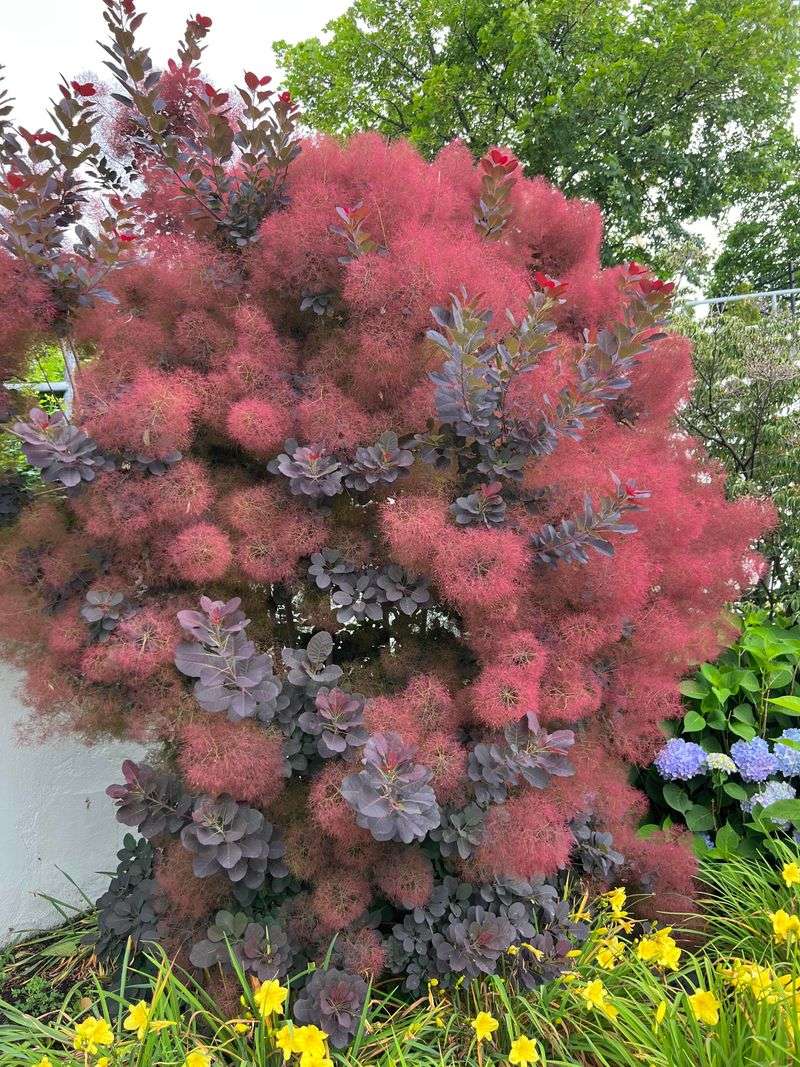
Some trees bloom. Smoketree puts on a performance.
In early summer, fluffy flower clusters appear above the branches, creating a hazy cloud that gives the tree its famous name.
The effect looks almost like smoke floating through the garden, but without any actual drama from your neighbors or utility company.
Smoketree usually stays in the smaller tree range, often around 10 to 15 feet tall depending on the species and growing conditions.
That compact habit makes it worth considering for spaces where a larger tree would eventually become difficult.
Full sun is the secret ingredient. Smoketree performs best with plenty of light and well-drained soil. It does not enjoy constantly wet roots, so improving drainage before planting can make a big difference.
Many gardeners choose purple-leaved varieties because the foliage adds color throughout the growing season. Fall can bring another surprise with shades of orange, red, and yellow appearing before the leaves drop.
One of the best things about smoketree is that it does not demand constant shaping. Its natural form is part of the charm. A little selective pruning can help maintain structure, but it usually does not need frequent correction.
Place it where the evening light can hit the leaves and flower clusters. The changing colors create a moving display as the day fades.
Smoketree reminds us that a smaller tree does not have to be boring. It can bring texture, color, and conversation all at once.
A tree near power lines should know its boundaries, and smoketree tends to do that while still making a memorable entrance.