Why Do Some Florida Shrubs Draw Snakes Closer Than Others
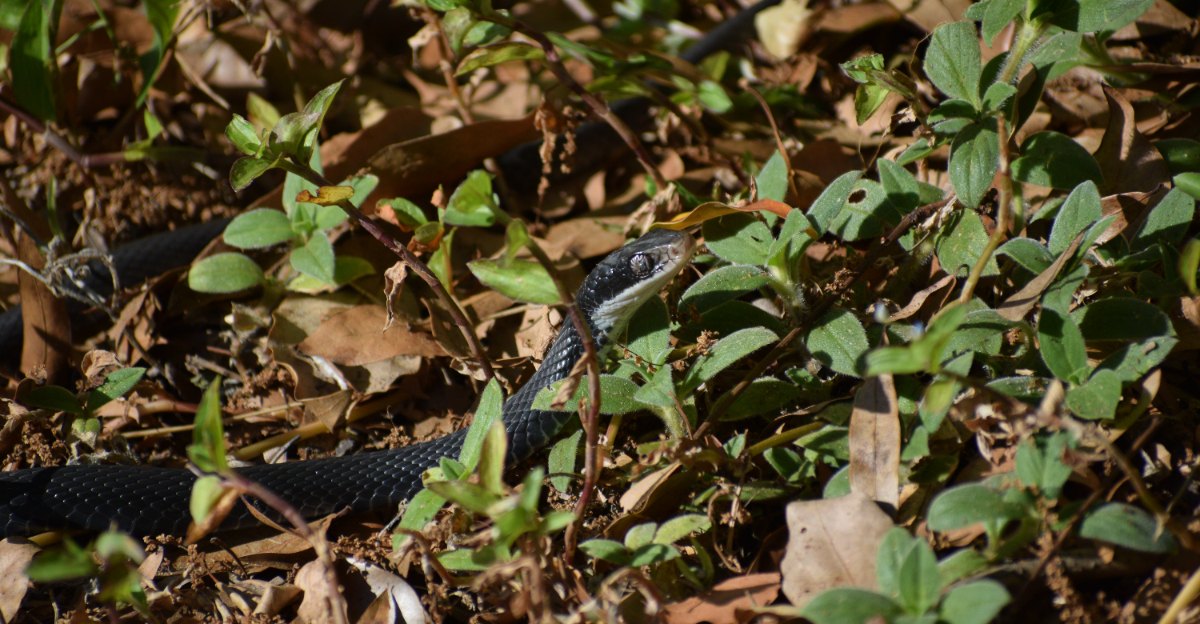
A snake near your Florida shrubs may seem like a random backyard surprise, but the plant itself can influence how inviting that spot becomes. Some shrubs create dense cover, hold moisture, attract insects, or provide hiding places for the small animals snakes follow.
The snake is not usually interested in the plant. It is responding to everything that gathers around it.
That difference matters because the same landscape choice that gives your yard privacy and beauty can also create a busier little ecosystem close to your home.
Thick branches, low growth, fallen leaves, and crowded planting areas can change how wildlife moves through the space.
Not every shrub creates the same conditions, and a few details can make one corner far more attractive than another. Before you remove every plant or assume the worst, look at what the shrub is offering beyond its leaves.
The clues are often sitting right in front of you.
1. Dense Low Branches Give Snakes More Places To Disappear
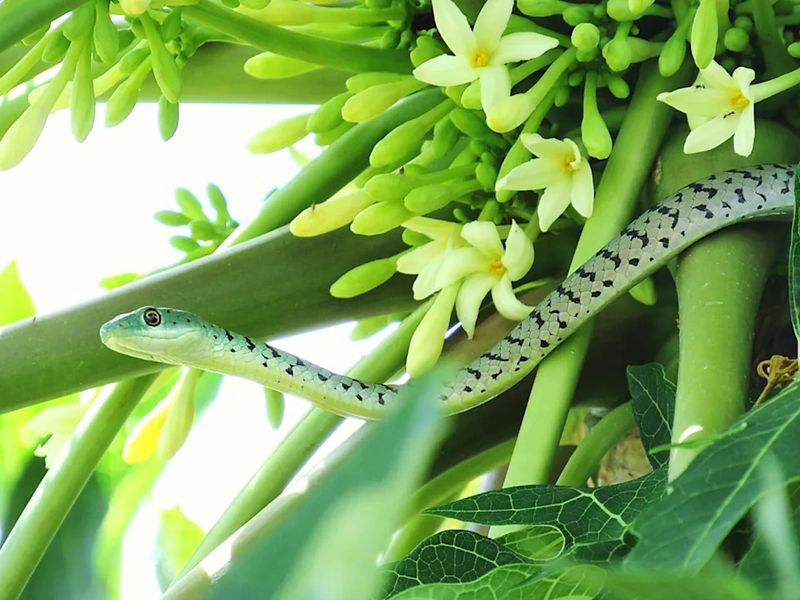
Low-hanging branches that nearly brush the soil can turn an ordinary shrub into a place where a snake is nearly impossible to spot. Thick foliage close to the ground creates layered pockets of shade and sheltered space.
A snake resting inside that kind of cover does not need to do much at all to stay out of sight.
Cover matters a great deal to snakes. It reduces their exposure to predators, keeps body temperature more stable, and gives them a protected spot to rest between movements.
A dense, overgrown shrub provides all of that without requiring the snake to travel far.
People often walk right past a well-concealed snake without realizing it is there. That is not because the shrub produced some chemical signal that drew the animal in.
It is because the physical structure of the plant made that spot genuinely useful. Pruning a shrub so that its base stays more visible changes how much concealment it offers, and that changes how comfortable the space feels for any animal seeking cover.
The shrub species itself is rarely the deciding factor. Structure, density, and how close the foliage sits to the ground matter far more than the name on the plant tag.
2. Shrubs Packed Together Create A Bigger Shelter Zone
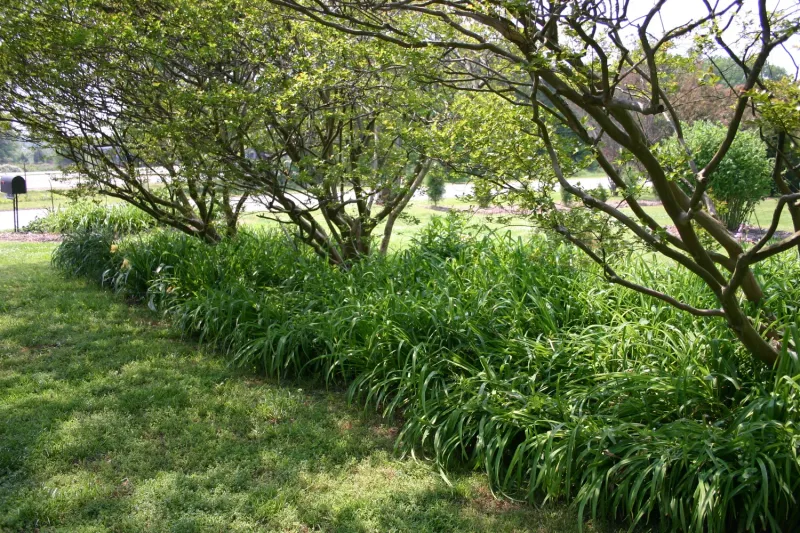
Picture several shrubs planted so close that their branches interlock and their canopies overlap completely. That connected row of plants stops being a collection of individual shrubs and starts functioning more like a continuous tunnel of cover.
Any small animal moving through it can travel a surprising distance without ever stepping into the open.
That kind of connected vegetation is genuinely useful to a wide range of wildlife, not just snakes. Birds, lizards, frogs, and small mammals all benefit from layered planting.
Dense groupings support biodiversity, and that is not automatically a problem. Many homeowners actually want wildlife-friendly landscaping in parts of their yard.
The consideration worth making is about placement and context. A connected row of dense shrubs running alongside a seldom-used fence line is very different from the same planting pressed against a front door or a play area.
Your Florida Garden Changes Every Week. Your Plan Should Too.
Gardening in Florida changes quickly throughout the season. Every Friday you’ll receive a simple weekly plan showing exactly what to plant, prune, fertilize, harvest, and protect so you never miss the right timing.
Continuous cover along a high-traffic path changes the chance of a surprise encounter simply because people and wildlife end up sharing the same narrow space more often. Visibility drops as planting density increases.
Homeowners who understand that relationship can make better decisions about where to plant densely. They can also decide where to keep things more open, based on how often people use each part of the yard.
3. Rodents Can Make A Shrub Bed Much More Interesting
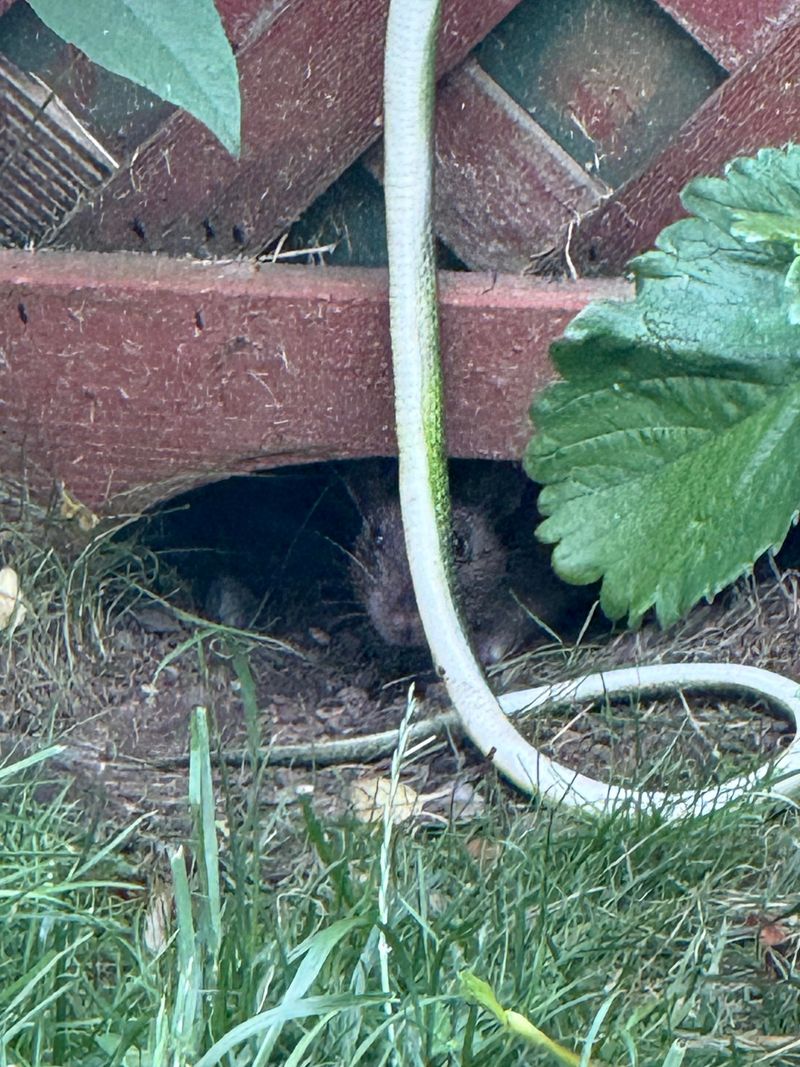
Rodent signs near a shrub bed can shift things considerably. Rats and mice are comfortable nesting in dense, low vegetation where they feel hidden and safe.
Spilled bird seed under a feeder, outdoor pet food left in a bowl overnight, or an exposed compost pile nearby can all draw rodents into a landscaped area.
Several snake species common to Florida feed on small mammals. A shrub bed that already provides good cover becomes an even more practical place for a rodent-eating snake.
That is especially true if prey is regularly moving through the same space. The connection is indirect but real.
Dense cover plus active prey can make a particular spot more worth visiting than a nearby bed that offers less of both.
Keeping rodent food sources managed is genuinely useful for reasons well beyond snakes. Reducing accessible food near shrub beds makes those areas less attractive to rodents, and less rodent activity means fewer reasons for a hunting snake to linger.
Removing a bird feeder or securing a compost bin is not about hating wildlife. It is about thinking carefully about what each part of the yard is set up to support.
It is also about whether that matches what the homeowner actually wants happening close to the house.
4. Frogs And Lizards Can Add Another Reason To Hunt There
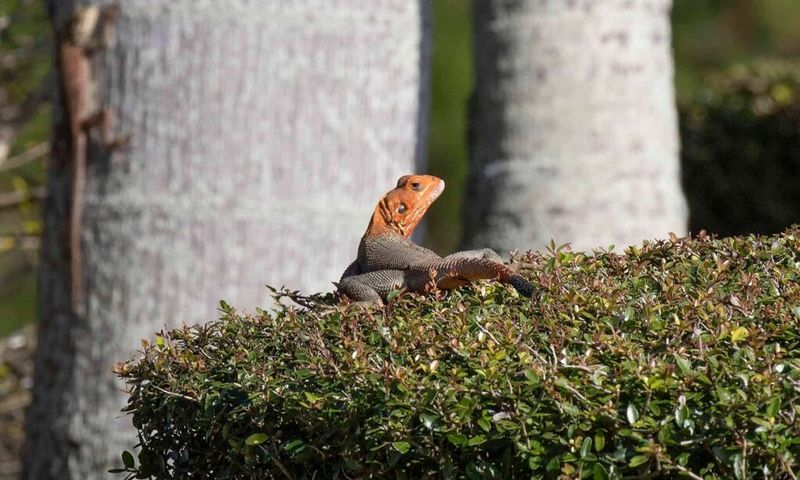
A frog sitting quietly under a broad leaf at the base of a shrub is easy to miss. So is the small lizard warming itself in a patch of light just inside a dense planting.
Both animals are common in Florida landscapes, and both are part of the diet of several native snake species.
Not every snake eats rodents. Rough green snakes, for example, feed primarily on insects and soft-bodied invertebrates.
Garter snakes eat frogs and earthworms. Ringneck snakes take small lizards.
A shrub bed that supports a healthy, layered mix of small wildlife is essentially supporting a wider food web. Different parts of that web matter to different snake species.
None of that means a yard full of frogs and lizards is a yard with a snake problem. Frogs and lizards are valuable parts of a healthy garden ecosystem.
The point is simply that a shrub bed rich in small prey offers more reasons for a wider variety of snakes to move through. That richness comes from the habitat quality of the planting, not from any chemical or biological property of the shrub species itself.
A well-layered, wildlife-rich bed near a patio is a different situation from the same bed tucked into a back corner of the property.
5. Shrubs Against The House Create More Unwanted Encounters
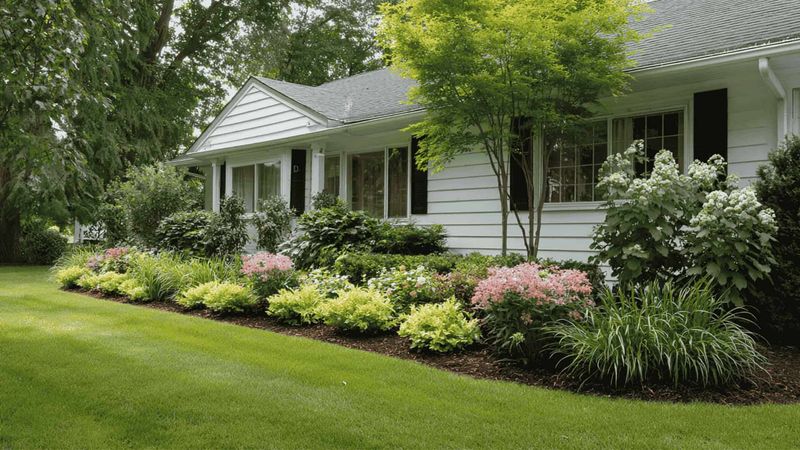
Foundation plantings are one of the most common features of Florida residential landscapes. They soften the look of a building, provide shade, and add curb appeal.
Most of the time they cause no issues at all. The situation changes when dense shrubs are pressed tightly against a wall right next to a door, garage, utility box, or outdoor seating area.
Placing concealed cover directly beside spaces that people use frequently increases the chance of a surprise encounter.
A snake resting inside a dense shrub at knee height next to a front step is much more likely to startle someone than the same snake in a bed along a back fence.
The snake is not behaving differently in either location. The difference is how close its concealment sits to where people regularly reach, step, or kneel.
University of Florida IFAS Extension guidance on managing wildlife near homes encourages keeping vegetation near buildings trimmed and maintained. That way, animals and people are less likely to surprise each other.
That does not mean removing every foundation shrub. It means thinking about how much cover is directly adjacent to high-use areas.
It also means considering whether some modest pruning or a small gap between the plant and the wall might make encounters less likely.. Placement shapes the outcome more than the plant species does.
6. A Dark Cluttered Base Matters More Than Pretty Foliage Above
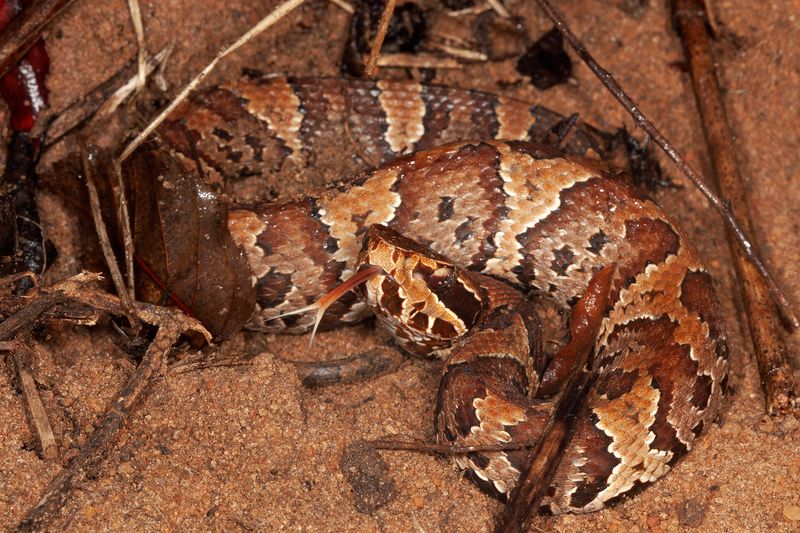
Stacked pots, old boards, coiled hoses, fallen branches, and thick piles of decomposing leaf debris can create a hiding space. That hiding space is completely different from the kind the shrub itself provides.
These objects sit at ground level and form gaps, tunnels, and dark recesses that are genuinely useful to small animals looking for shelter. A shrub surrounded by that kind of clutter offers far more concealment than one with a clean, visible base.
Pruning the top of a shrub while leaving a cluttered floor underneath it changes very little about how useful the space is at ground level. The foliage above might look tidier, but the actual hiding opportunities remain.
That distinction is worth understanding before spending time on overhead trimming while ignoring what sits beneath the canopy.
Normal mulch, leaf litter, and planting material are part of healthy landscaping. The issue is unnecessary clutter that has accumulated without purpose.
Boards that are no longer being used and stacked containers that have sat in one spot for months are different from a standard layer of mulch. The same is true of piles of wood debris left directly under a shrub.
Clearing that kind of material changes the ground-level conditions without requiring any change to the plant itself. A visible, uncluttered base makes it easier to see what is present before reaching or kneeling down.
7. Open Shrubs Make Surprise Encounters Less Likely
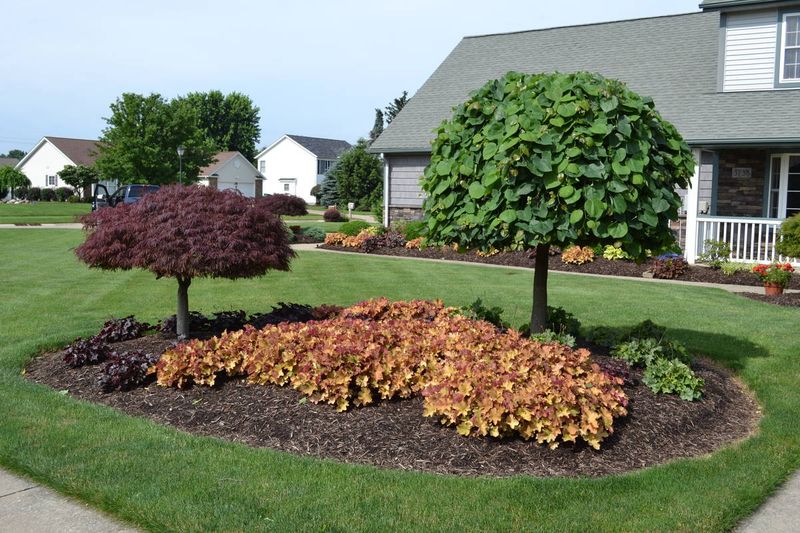
Clearance at the base of a shrub changes what a person can see before they get close. A plant pruned so that a few inches of open space exist between the lowest branches and the soil lets someone glance underneath before reaching in.
That small improvement in visibility can make a real difference during routine yard work.
Improved visibility is not the same as guaranteed exclusion. A snake can still move through an open, well-maintained landscape.
The benefit of a more open base is that a person is less likely to be surprised by something they did not see. That is a practical advantage, not a promise that the area is completely clear.
Maintaining clearance does not mean cutting a shrub back severely or harming the plant. Light pruning that removes the lowest branches without stressing the plant can be enough to open up the view at ground level.
Florida Fish and Wildlife Conservation Commission guidance on reducing wildlife encounters near homes consistently points to visibility. It also points to clutter reduction as a practical step.
Keeping a shrub healthy and properly shaped is good horticultural practice on its own. The added benefit of a more visible base is simply that homeowners can see what is happening at ground level before they reach their hands into it.
8. Placement And Maintenance Matter More Than The Shrub Name
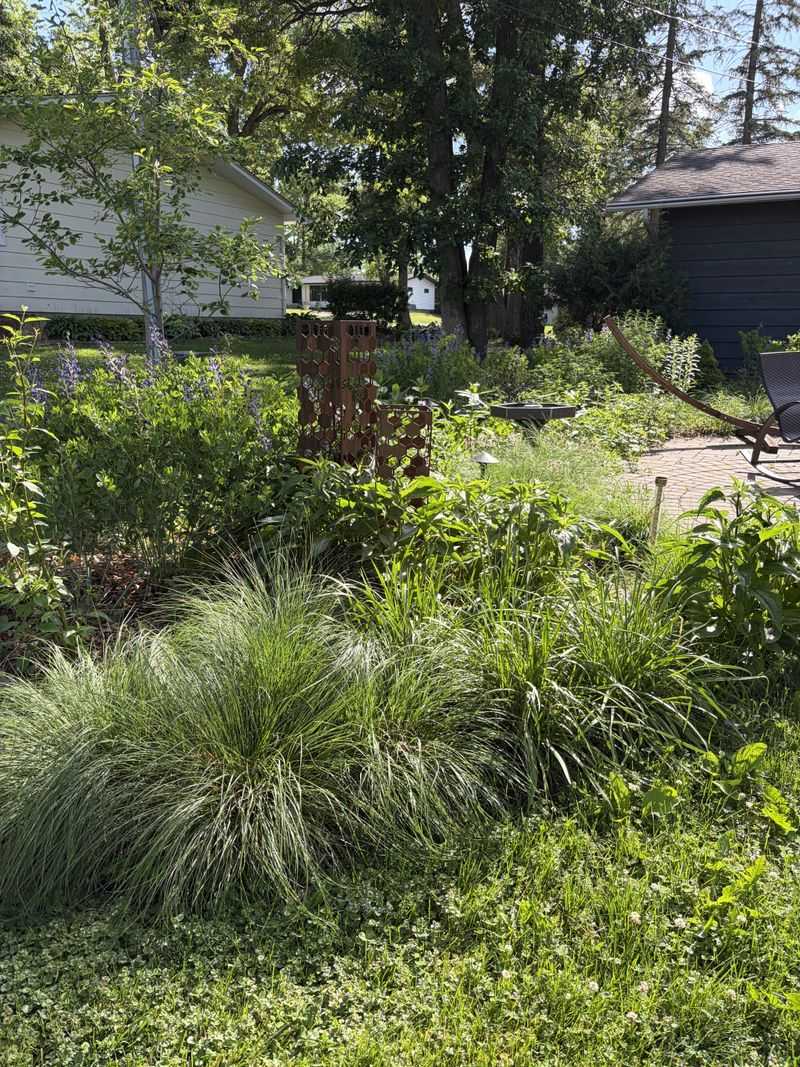
Consider two identical shrubs planted with the same species from the same nursery. One sits beside a cluttered shed with old lumber stacked against the wall, dense ground cover, and evidence of rodent activity nearby.
The other grows in an open, maintained bed with a visible base, set back from the building, and kept clear of debris. Those two shrubs are the same plant.
The conditions around them are completely different.
The first bed offers cover, prey, protected movement, and proximity to additional shelter. The second offers far less of all of those things.
Any snake passing through the yard has more practical reasons to spend time near the first planting. The shrub name explains nothing about that difference.
The surrounding conditions explain everything.
Gardeners who want wildlife-friendly habitat can keep it. Dense, layered plantings in quieter corners of a property support biodiversity and are genuinely valuable.
The practical step is being intentional about conditions near doors, walkways, play spaces, and buildings, keeping those areas more visible and less cluttered. No repellent products or plant species swaps are needed.
The shrub beds that seem to draw more snakes are usually the ones offering better cover, active prey, and protected movement. Managing those conditions, not the plant name, is what changes the experience for the people living there.