The September Task That Decides If Your Pennsylvania Peonies Bloom Next Spring
September in a Pennsylvania garden is one of those months that feels like the season is winding down, but for peony growers, it is actually one of the most important windows of the entire year.
If your peonies delivered a underwhelming flower show this past spring, or barely bloomed at all, the fix is not something you apply next spring.
It happens right now, in fall, when most gardeners have already mentally checked out of the garden for the season.
There is one specific task that quietly determines whether your plants put on a genuinely impressive display next year or spend another spring producing a lot of foliage and very little else.
Pennsylvania’s cool fall temperatures create exactly the right conditions for this work, and the timing matters considerably more than most people realize.
1. Cutting Back Foliage At The Right Moment

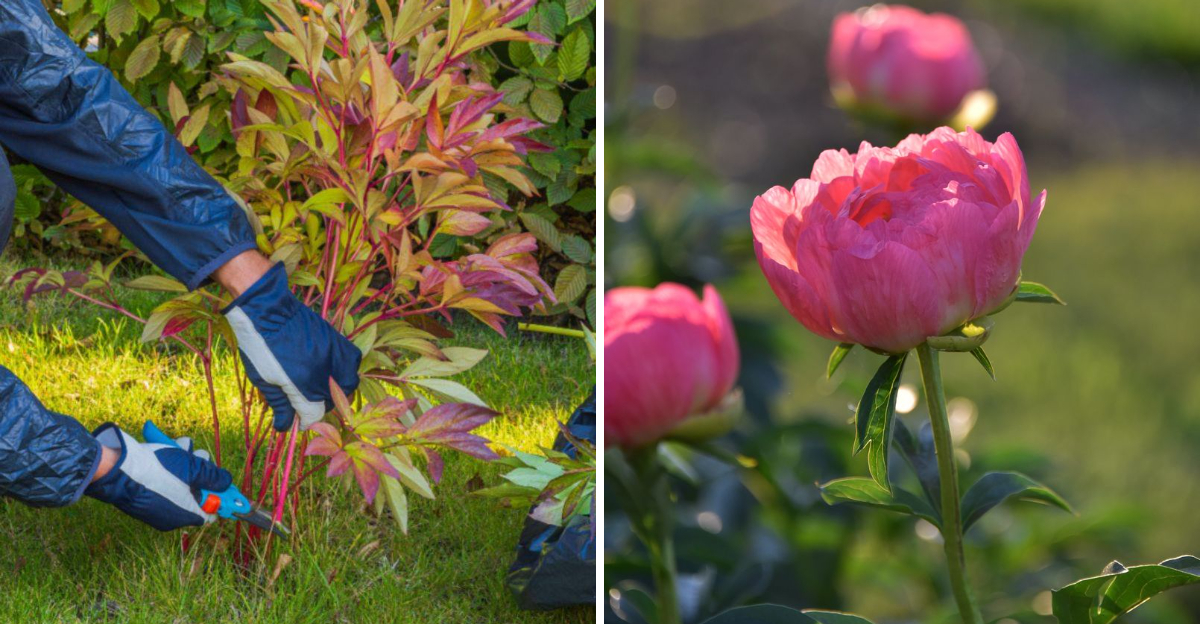
Timing the foliage cutback is the single September move that shapes your bloom count. In Pennsylvania, peony leaves start fading once the nights turn cool, and that signal tells you the plant is pulling energy down into the roots.
Wait until the foliage looks tired and yellow-green, usually mid to late September across much of Pennsylvania. Cutting too early steals stored energy the plant still needs.
Cutting at the right time lets those roots stock up for spring flowers.
Snip each stem down to about an inch or two above the soil line. Use clean, sharp shears so you leave a neat cut instead of a crushed stem, which can invite trouble in damp autumn weather.
Removing the old leaves also breaks the cycle of leaf-borne fungal problems that can persist on leftover foliage. Botrytis, the gray mold peony growers often watch for, can overwinter on infected plant material.
Here is the part gardeners forget: bag and toss those clippings rather than composting them. Home compost piles rarely get hot enough to handle peony diseases.
A tidy fall cutback rewards you with cleaner growth and stronger buds. Skip it, and you may battle spots and weak flowering next year.
It is a small task with an outsized payoff for peony beds.
2. Getting Planting Depth Exactly Right
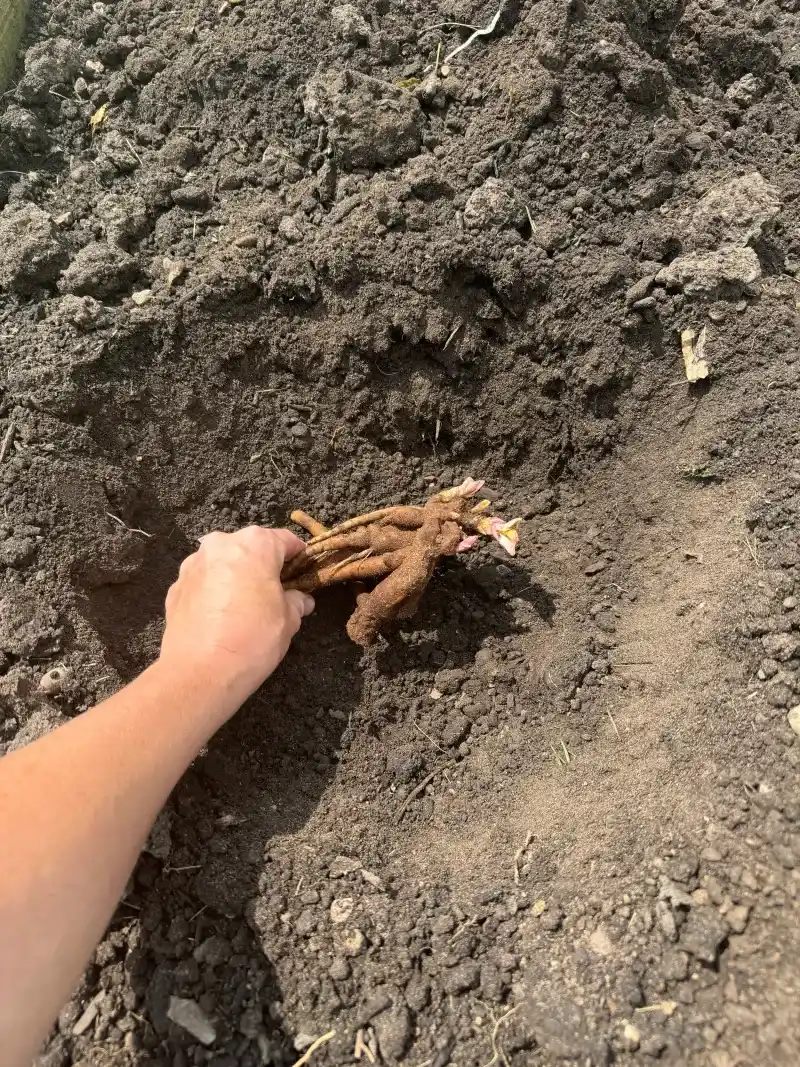
Depth is where many peony disappointments begin. Plant those pink buds, called eyes, too deep and you can end up with lush leaves and stubbornly few flowers year after year.
September is a good time for planting and transplanting peonies because the soil still holds warmth while the air cools. In Pennsylvania, this timing gives roots an opportunity to establish before winter arrives.
The eyes should sit only about one to two inches below the surface. Planting deeper than recommended is one of the most common reasons peonies fail to bloom well.
Peonies benefit from winter chilling, and burying the eyes too deep can interfere with normal growth and flowering. Allow the plant to experience seasonal conditions without covering the crown with excess soil or mulch.
Dig a generous hole, loosen the soil, and settle the root so the eyes face upward. Backfill gently and firm the soil to remove large air pockets around the roots.
Your Pennsylvania Garden Changes Every Week. Your Plan Should Too.
Gardening in Pennsylvania changes quickly throughout the season. Every Friday you’ll receive a simple weekly plan showing exactly what to plant, prune, fertilize, harvest, and protect so you never miss the right timing.
Mark your planting depth before you walk away. Many gardeners plant correctly, then add mulch later and accidentally cover the eyes too deeply.
Get the depth right in September, and you give peonies a stronger foundation for years of dependable spring color.
3. Choosing A Spot With Enough Sun

Sunlight plays a major role in how well peonies flower, and September is a useful time to evaluate whether a planting spot still receives enough light before winter.
Peonies perform best in full sun, but a growing tree canopy can gradually reduce the amount of light reaching the plant without gardeners noticing.
Aim for at least six hours of direct sun daily. In warmer areas of Pennsylvania, some light afternoon shade may help protect blooms from fading, but too much shade can lead to weaker growth and fewer flowers.
Take a walk around your yard on a sunny September afternoon and watch where shadows fall. Trees and shrubs often become larger over time, so a location that received plenty of sun years ago may now sit in much deeper shade.
If a peony is growing under a maple, near large shrubs, or beside a structure that blocks sunlight, fall can be a suitable time to consider relocating it while the plant is entering dormancy.
Good airflow matters too. A sunny, open location helps foliage dry more quickly after rain and can reduce conditions that favor some fungal problems during humid periods.
Avoid crowding peonies against fences or shrubs that restrict both light and air movement. Give each plant enough space to develop as it matures.
Choose a bright, open spot for your peonies, and you remove one of the common environmental factors that can limit flowering.
4. Dividing Overgrown Clumps Without Stress
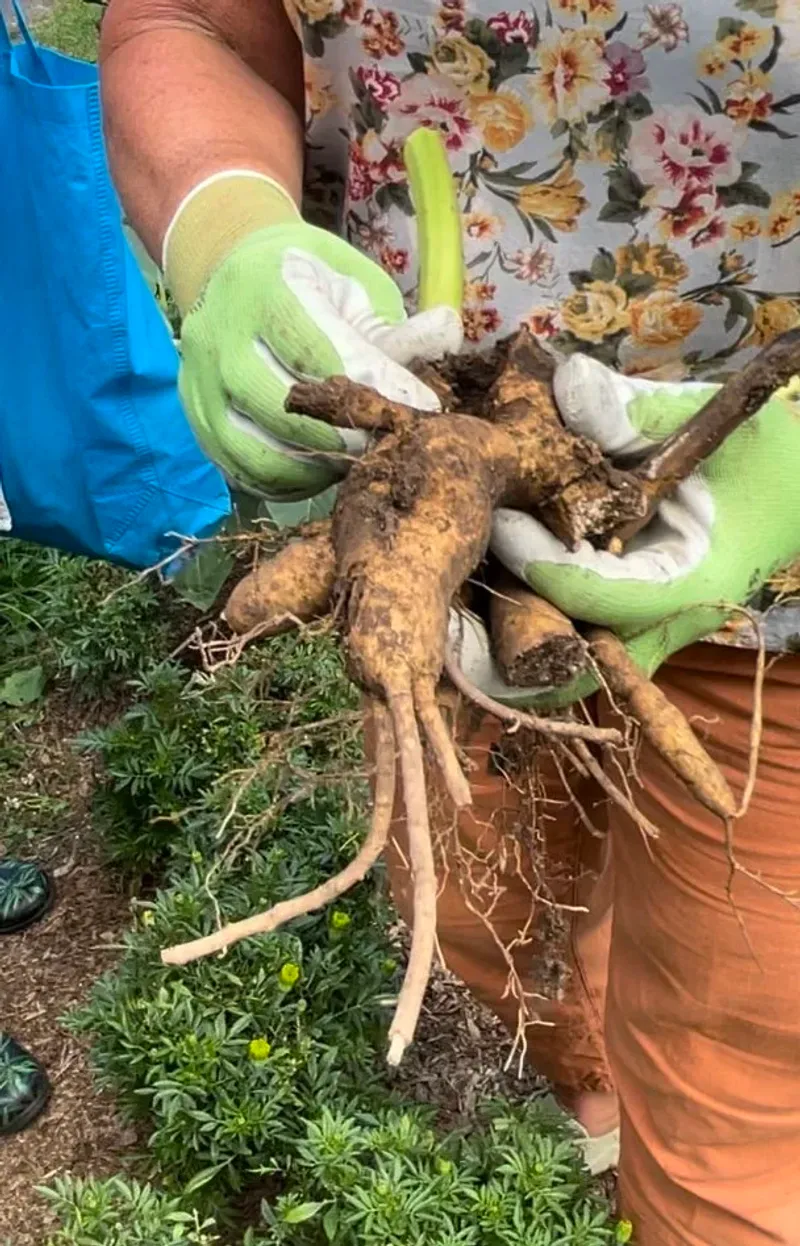
An old peony clump that has declined in flowering may benefit from division, especially if the plant needs to be moved or has become difficult to manage.
Fall is a common season for dividing peonies because the plant is entering dormancy and the roots have time to establish before the next growing season.
In Pennsylvania, September often provides a useful window while the soil remains workable and temperatures begin to cool.
Dig up the whole clump carefully, starting well outside the crown so you keep as much root as possible. Peony roots can be thicker and deeper than many gardeners expect, so take your time during this step.
Rinse away the soil so you can see the eyes clearly. Each new division should include several healthy eyes attached to a solid section of root, giving the plant a stronger start.
Avoid splitting peonies into very small pieces, since smaller divisions may take longer to become established and produce flowers. Larger divisions often recover more quickly and have more stored energy to support new growth.
Use a clean, sharp knife to separate sections and replant them at the correct shallow depth. Space the new divisions with enough room to mature and avoid future crowding.
Do not expect a full display the very next spring. Freshly divided peonies often need time to rebuild their root systems before returning to strong flowering, but patience can lead to decades of reliable spring color.
5. Improving Drainage Before Winter Sets In
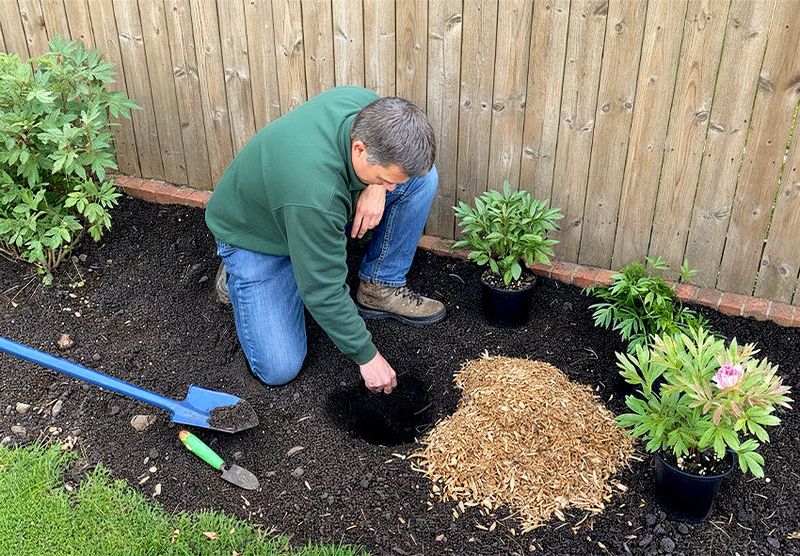
Soggy soil is a quiet enemy of peonies, and Pennsylvania’s heavy clay in many regions makes drainage a real fall project. Roots sitting in cold, wet ground all winter can become stressed and may struggle to flower.
September is the smart time to test how your soil drains. Dig a hole, fill it with water, and watch how long it takes to empty.
Slow drainage in clay beds is a warning sign.
Work compost and coarse organic matter into the planting area to improve soil structure. Better soil structure helps water move through the planting area instead of pooling around the crown.
Raised beds or slightly mounded planting spots help in low, wet corners of yards. Even a few inches of lift can keep roots away from standing water.
Peonies prefer a soil pH near neutral, roughly 6.5 to 7.0. A soil test through Penn State Extension can help determine whether lime or other amendments are actually needed.
Avoid planting in spots where puddles linger after storms. Those low areas can trap moisture through winter and place extra stress on the crown.
Fix drainage in September, and your peonies enter winter in better condition, ready for healthy spring growth.
6. Feeding Roots The Fall Way
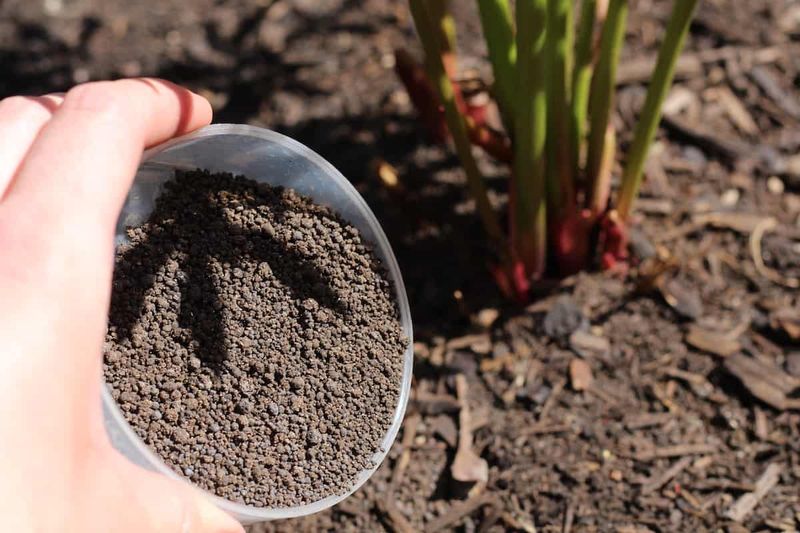
Fall is a good time to look at your peonies’ soil, but adding fertilizer is not automatically the answer to better blooms next spring.
Healthy peonies rely on strong roots, adequate sunlight, proper planting depth, and suitable soil conditions, so feeding should begin with understanding what the plant actually needs.
A soil test from Penn State Extension can help determine whether nutrients are lacking before you add any products to the garden.
Avoid heavy applications of nitrogen in Pennsylvania peony beds. Too much nitrogen can encourage leafy growth at the expense of balanced plant development and may not improve flowering.
If a soil test shows a nutrient need, choose a fertilizer based on those results rather than adding phosphorus or other nutrients without a reason. Traditional products such as bone meal are not necessary unless a soil test indicates that phosphorus levels are low.
A thin layer of well-aged compost around established plants can help improve soil organic matter and support a healthy growing environment. Keep compost and other amendments away from the crown itself, where excess moisture can create unfavorable conditions.
Established peonies are often low-maintenance plants once they are growing well, so a thoughtful approach to soil care is usually more useful than routine heavy feeding.
By focusing on soil health instead of pushing extra growth, Pennsylvania gardeners can help peonies enter winter in good condition and prepare for another season of spring flowers.
7. Clearing Debris That Hides Disease
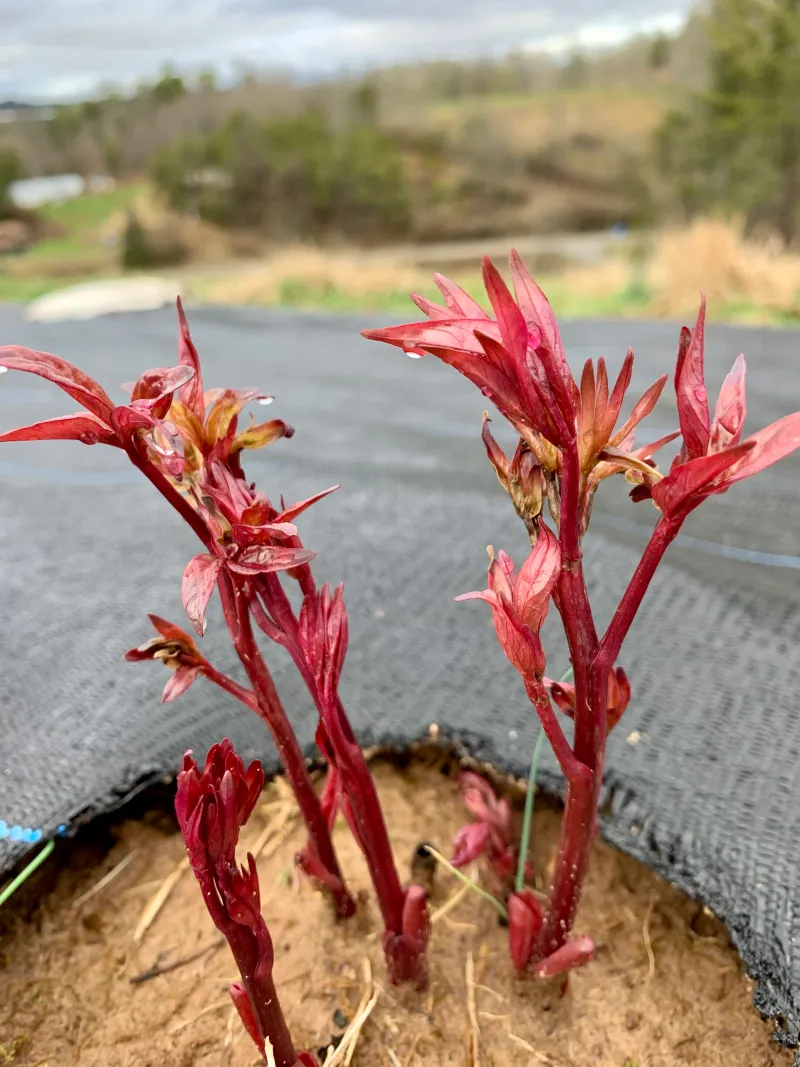
A messy peony bed in fall is like leaving the door open for disease. Old leaves, fallen stems, and garden litter can give fungal spores a place to survive through damp autumn and winter conditions.
September cleanup breaks that cycle. Rake away peony foliage and nearby debris, then clear a clean zone around the crown of each plant.
Botrytis blight is one of the main disease concerns for Pennsylvania peonies, showing up as gray mold and browning stems in spring. It can survive winter on leftover infected plant material.
Remove and discard the clippings rather than composting them. Home compost piles may not heat enough to properly break down these disease-causing materials.
While you clear, take a moment to inspect stems and crowns for spots, soft areas, or mold. Catching trouble early can make spring care easier.
Keeping the surrounding area open also improves airflow, which helps foliage dry more quickly during humid periods. Drier leaves can reduce conditions that favor fungal problems.
Do not forget mulch buildup near the crown, which can trap moisture. Pull heavy mulch back so the eyes remain exposed and the crown stays better ventilated.
A clean September bed sets your peonies up for a healthier spring growing season.
8. Mulching For Winter Without Smothering
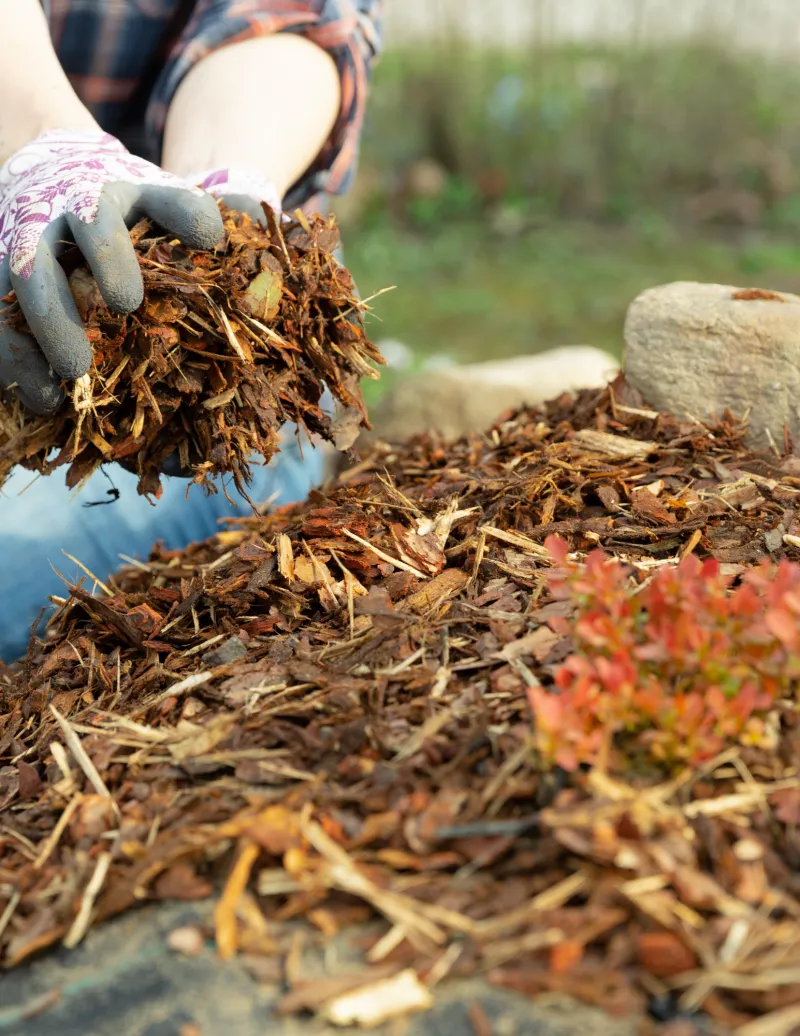
Mulch protects, but with peonies it can backfire fast. Pile it too thick over the eyes and you can accidentally bury them too deeply, which is a common reason peonies fail to bloom well.
For established plants, most peonies handle winter conditions with little or no mulch. They benefit from experiencing the normal seasonal cycle rather than being heavily covered.
Newly planted or freshly divided peonies are the exception. A light layer of straw or shredded leaves can provide some protection during the first winter, especially in colder areas.
Apply mulch after the ground has cooled, rather than spreading a thick layer too early in the season. Early mulching can keep the soil warmer and create conditions that encourage crown problems.
The goal is to provide protection without trapping excess moisture. In Pennsylvania, freeze-thaw cycles can sometimes lift shallow roots, and a light mulch layer may help moderate those changes.
Pull mulch back from first-year plants as soon as growth appears in spring. Leaving it piled over emerging shoots can interfere with new growth.
Keep mulch a few inches away from the crown itself so moisture does not collect around the plant base. Good airflow around the eyes remains important even during winter.
Mulch carefully, and your young peonies can enter the next growing season in better condition.
9. Marking Plant Locations You Will Forget
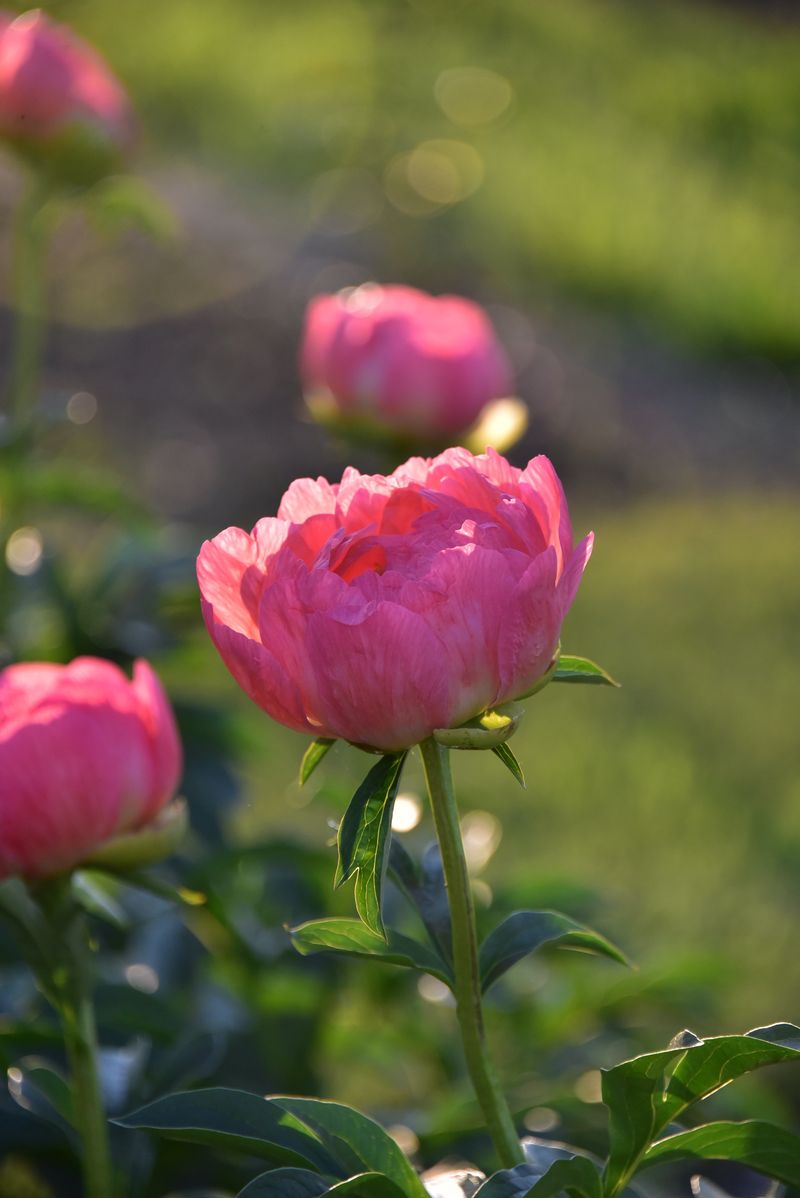
Come next spring, you will swear you know exactly where every peony sits, and you will be wrong. Once foliage is cut back in fall, dormant crowns can disappear into the soil across any garden bed.
September is a good time to place a marker beside each plant. A stake, a labeled tag, or even a ring of stones can help you avoid stepping on emerging eyes in early spring.
Peony shoots can appear early in the season, sometimes while frost still lingers, and a careless boot or shovel can snap those tender red tips right off.
Markers also help when you plan spring digging or add companion plants. Knowing where roots spread underground keeps you from disturbing a peony crown by accident in your Pennsylvania garden.
Write the variety name on each tag if you grow several kinds. Bloom times and colors vary, and keeping notes helps you remember which plants perform best.
Use weather-resistant markers that can handle wet, freezing winters. Cheap paper tags may fade or break down before spring arrives.
A quick map sketched in a garden notebook works as a backup, too. Mark now, and you protect the buds you worked hard to develop for the next season.
10. Watching The Calendar For Your Region
Timing fall peony care depends on where you garden, but the calendar alone should not decide every task.
The state includes a wide range of climates, from warmer southeastern areas to cooler northern and higher-elevation regions, so seasonal changes can arrive at different times.
For planting and dividing peonies, early fall is generally a suitable window because the soil remains workable while cooler temperatures reduce stress on newly moved roots.
Gardeners should focus less on a specific date and more on the plant’s condition and local weather patterns.
Peony foliage naturally declines as the season progresses, which signals that the plant is moving toward dormancy and is ready for fall cleanup.
In warmer parts of Pennsylvania, peony foliage may remain green longer, while cooler regions may see decline earlier. Waiting until growth has naturally slowed allows the plant to complete its seasonal energy cycle before removing foliage or disturbing the roots.
Local conditions matter more than a single statewide schedule. A gardener in Philadelphia may complete fall tasks later than someone in the mountains of northern Pennsylvania, while both can still provide peonies with the care they need before winter.
Paying attention to plant signals, soil conditions, and seasonal weather creates a more reliable approach than following a fixed date.