8 Pennsylvania Evergreen Cuttings You Can Turn Into Holiday Decor for Free
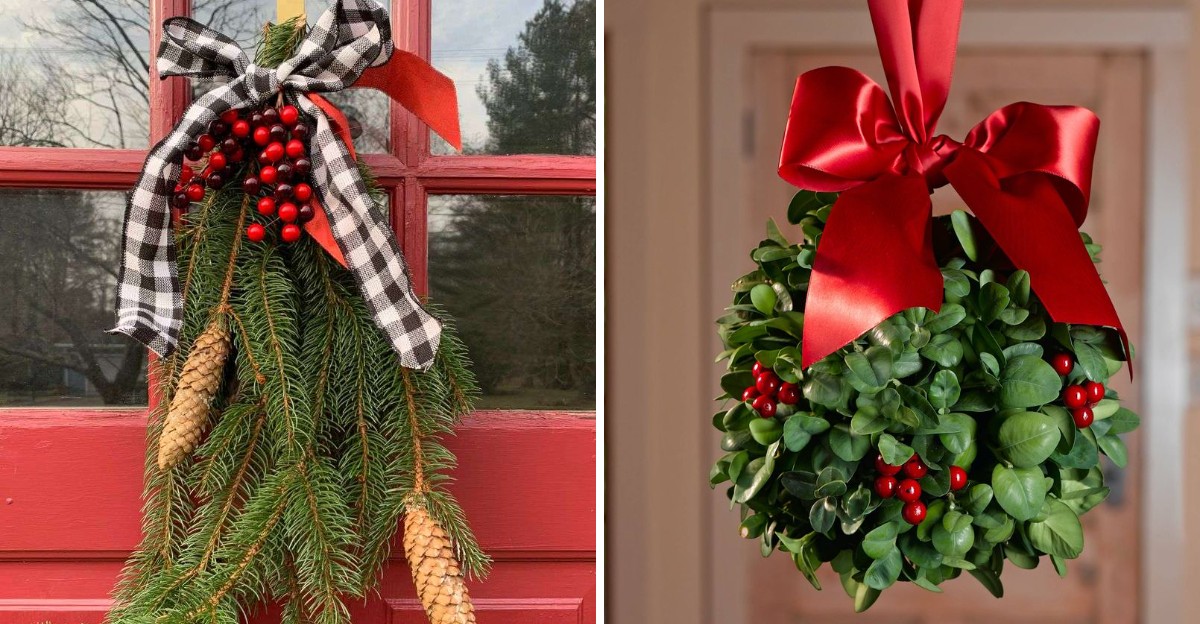
Pennsylvania picked the eastern hemlock as its state tree in 1931, and it was a smart choice. Those tiny cones dangle from the branches all winter like ornaments nobody had to hang.
Free decorations? Yes, please.
Meanwhile, a store-bought wreath can run you fifty bucks or more. That’s a lot of cash for greenery that might be growing beside your driveway, quietly judging your shopping habits.
I love bringing clippings inside because my living room ends up smelling like a cabin in the woods. Some cuttings stay fresh for weeks indoors, while others would rather chill on the porch with the pumpkins you forgot to toss.
Grab your pruners and a sweater. Your yard is about to become the best holiday shop in town, and everything is on the house.
1. Eastern White Pine
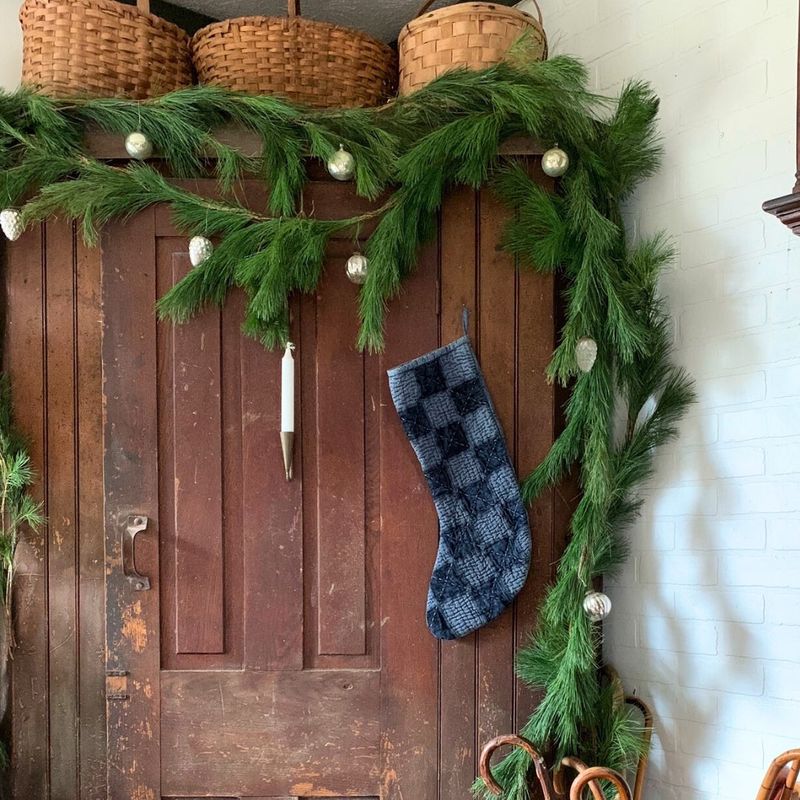
Run your hand along a white pine branch and you’ll swear it feels more like feathers than needles. Those soft needles grow in bundles of five, which makes this tree easy to spot on any walk.
Each needle stretches about two to five inches long, giving cut sprigs a loose and airy look. I have a soft spot for how bluish-green the color appears against a red ribbon or brass bell.
Eastern white pine is native across the state and can tower anywhere from 70 to over 100 feet. Lower limbs on big trees often hang within reach, so you rarely need a ladder for decent clippings.
Garlands are where this pine really shines, because the flexible branches drape over mantels without fighting back. Wire short pieces onto a rope base, overlapping each bundle so the stems stay hidden underneath.
The slender cones measure four to eight inches long and make charming accents tucked into a centerpiece. Gather fallen ones from the ground, then bake them briefly on low heat to chase out hitchhiking bugs.
Needles hold on nicely after cutting, which explains why so many families choose white pine as their tree. Keep stems in a bucket of cool water overnight before arranging, and your greens will stay fresh longer.
Snip only from healthy branches, cutting just above a side shoot so the tree keeps its natural shape. Ask permission first if the pine stands on a neighbor’s property or any public land nearby.
2. Eastern Hemlock
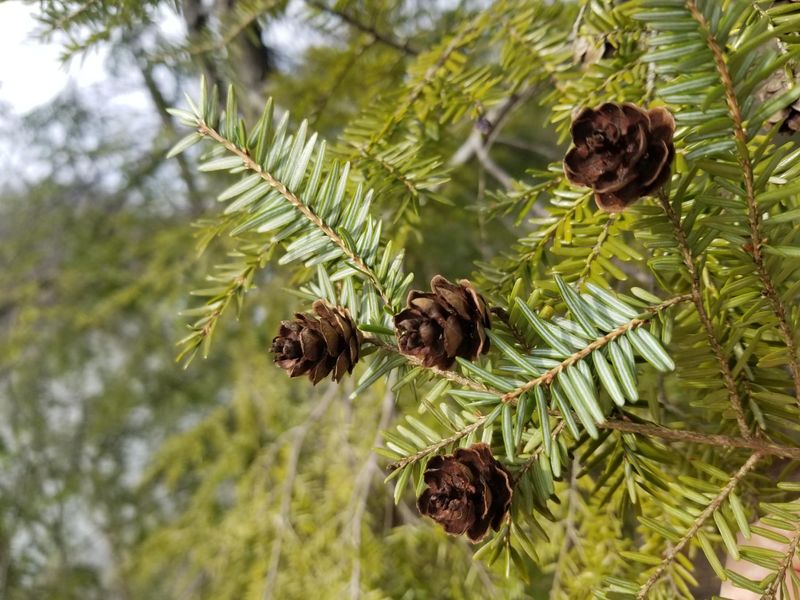
Few trees come pre-decorated, but hemlock dangles tiny cones from its branch tips like little brown ornaments. Each cone measures about three-quarters of an inch, and many cling to the branches well into winter.
As the official state tree of Pennsylvania, eastern hemlock grows in shady ravines and along cool streams. I could stare all day at how its drooping branches seem to bow politely toward passing hikers.
Flip a sprig over and you will spot two white bands running under each flat, glossy needle. Those needles are only about half an inch long, giving garlands a delicate, lacy texture that pine cannot match.
Hemlock looks wonderful layered into wreaths, especially when you tuck it behind sturdier greens for a soft edge. Cones left attached to the stems add instant charm without any glue gun or extra shopping trip.
Indoor heat can make the fine needles drop sooner, so hemlock often performs best on a cool porch. Mist arrangements every few days, and keep them away from heat vents or a sunny window.
Before cutting anything, check the undersides of branches for white cottony tufts near the needle bases. Those tufts signal hemlock woolly adelgid, a harmful pest, so skip those trees and avoid moving infested material.
A light trim from a healthy backyard hemlock rarely bothers the tree, since it handles pruning fairly well. Cut a few small sprigs from different spots so no single side ends up looking bare.
3. Norway Spruce
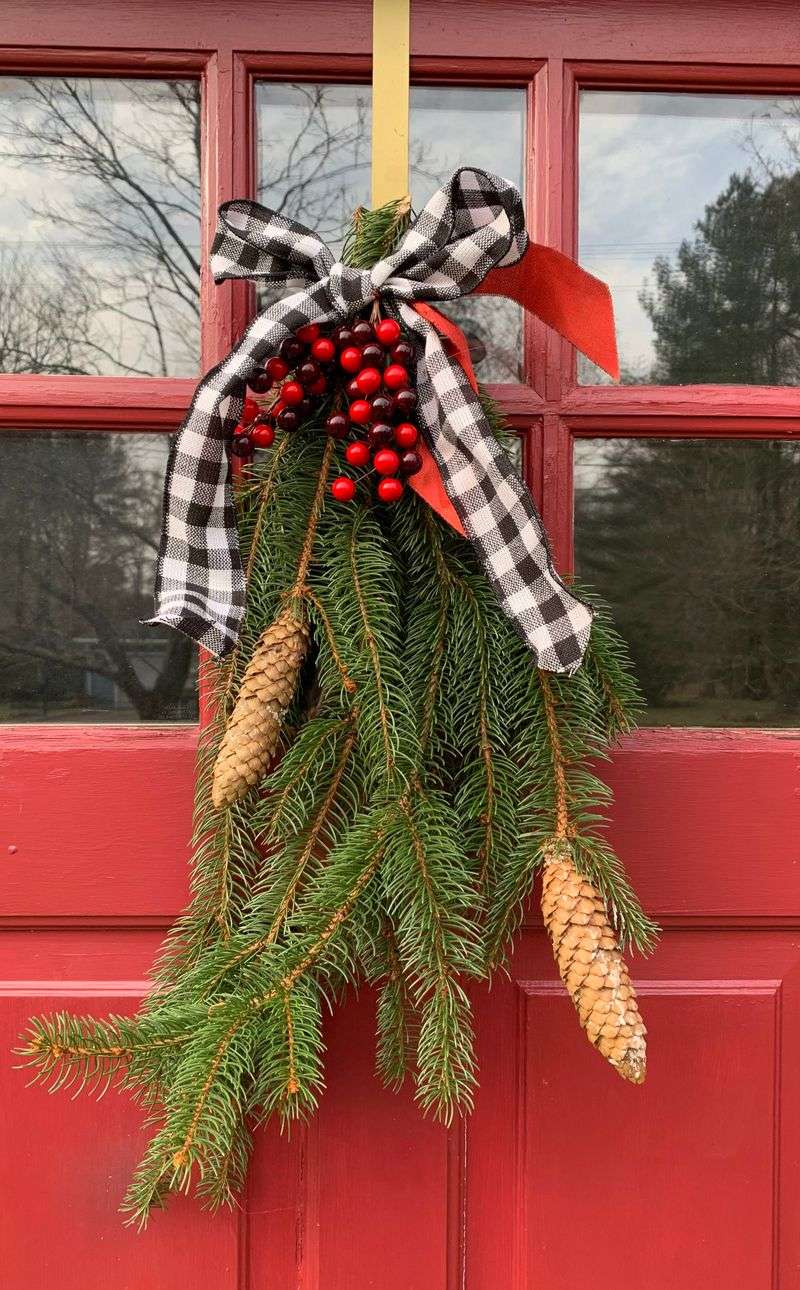
Big cones are the showstoppers here, since Norway spruce produces the largest cones of any spruce species. They stretch three to seven inches long and turn from green to a warm medium brown as they ripen.
Originally from Europe, this tree was planted widely across the state for windbreaks and has naturalized in places. You can probably find one near an old farmstead or town park within a short drive of home.
Branches reach outward and then droop gracefully, almost like a green curtain hanging from each limb. Those hanging side shoots make perfect swags for a front door, needing little more than a bow and twine.
The smell is pure holiday nostalgia, the classic evergreen fragrance many of us remember from childhood. I’m still surprised by how a single bundle of spruce can scent an entire entryway for days.
Wear gloves when you handle it, because the four-sided needles feel noticeably sharp on bare fingers. Each needle runs about half an inch to an inch and a half long, with a glossy dark green finish.
Spruce tends to shed needles once it dries out, so moisture is your best friend with these cuttings. Soak stems overnight, then use them outdoors in window boxes or porch pots where cold air keeps them crisp.
Fallen cones make a fun scavenger hunt for kids, and they look lovely piled in a wooden bowl. Pick up storm-snapped branches after windy days too, since those free boughs save your trees from extra trimming.
4. American Holly
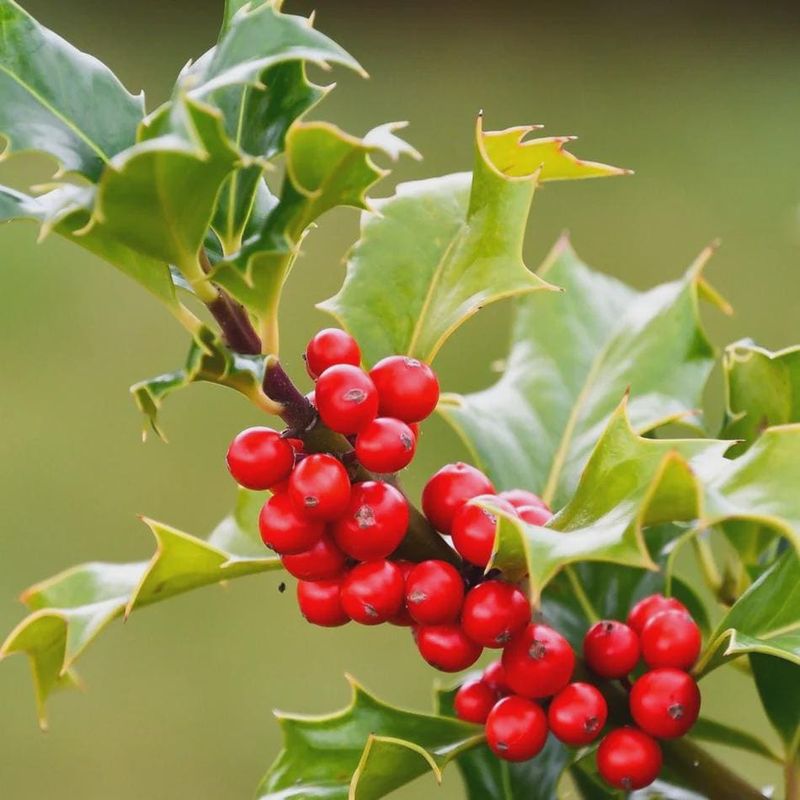
Nothing says holidays quite like glossy holly leaves paired with bright red berries, and our native version delivers both. American holly grows wild in parts of Pennsylvania, especially the southeastern counties, and shows up in many yards.
A twist that surprises plenty of gardeners is that only female holly plants produce those famous berries. They also need a male plant growing nearby for pollination, or the branches stay plain green all season.
Winter is a smart time for pruning holly, so your holiday clippings double as a healthy trim. Cut stems just above a leaf node, and spread your cuts around the plant to keep its shape balanced.
Those leathery leaves have spiny tips, so a sturdy pair of gloves will save you plenty of ouches. I wouldn’t necessarily say holly is fun to handle, but the finished look makes every prick worthwhile.
Keep cut holly from freezing, because frozen branches can quickly turn the leaves and berries black. Store bundles in a cool garage or shed until you are finally ready to arrange them.
Families with small children or pets should place holly up high, since the berries are considered poisonous to people. Birds, on the other hand, rely on those crimson berries as winter food when other meals run short.
Leave plenty of berries on the tree for robins and cedar waxwings to enjoy later in the season. A few berry-studded sprigs tucked into a mantel arrangement go a surprisingly long way on their own.
5. Arborvitae
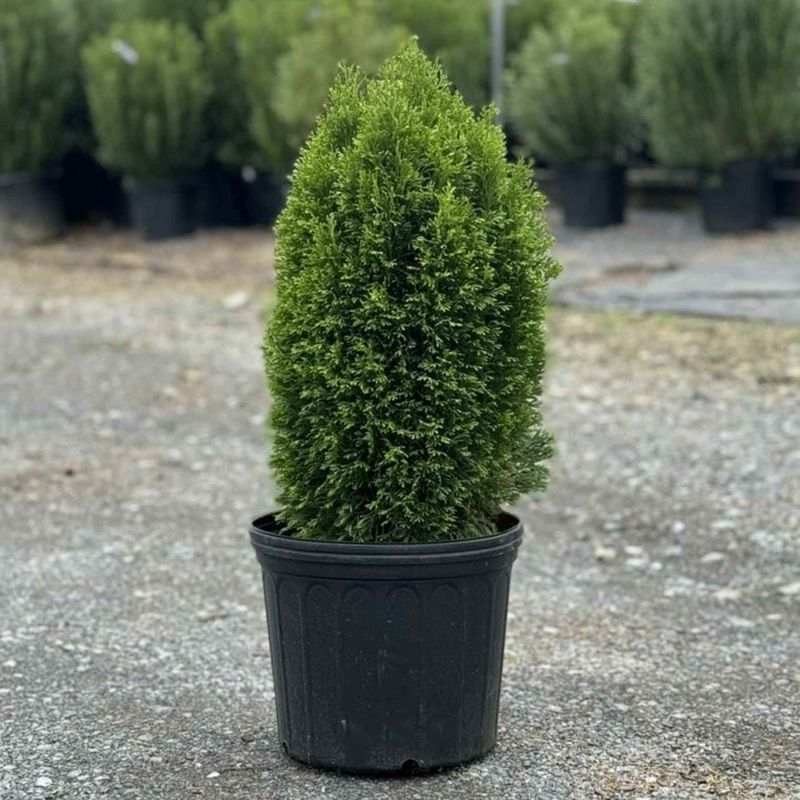
Crush a sprig of arborvitae between your fingers and you’ll catch a bright, citrusy scent that feels instantly cheerful. Those flat, scale-like leaves grow in fan-shaped sprays, almost like nature folded tiny green paper fans.
Also called northern white cedar, this native evergreen lines countless driveways and property borders across the region. You might find it hard to believe, but those privacy hedges are basically a free craft store.
Cut arborvitae often holds its looks longer than cut spruce or pine, which makes it great for lasting displays. Use the flat sprays as a backdrop in porch pots, then layer pine or holly on top.
Winter foliage sometimes shifts from bright green to yellow-green or bronze, and I happen to love that warm tint. Pair bronze sprigs with copper ribbon or gold candles for a cozy table setting with real character.
Mini tabletop trees are a fun project, made by poking sprigs into a foam cone from bottom to top. Kids love helping with this, and a small hedge provides more than enough material for several trees.
Be careful about cutting deep into older branches, because arborvitae rarely sprouts new growth from bare brown wood. Take tips from the outer green layer only, and your hedge will fill back in nicely.
Arborvitae is not drought tolerant, so plants that went thirsty in autumn may yield thinner, drier cuttings. Watering deeply before the ground freezes helps the shrub stay healthy and gives you better greens.
6. Eastern Redcedar
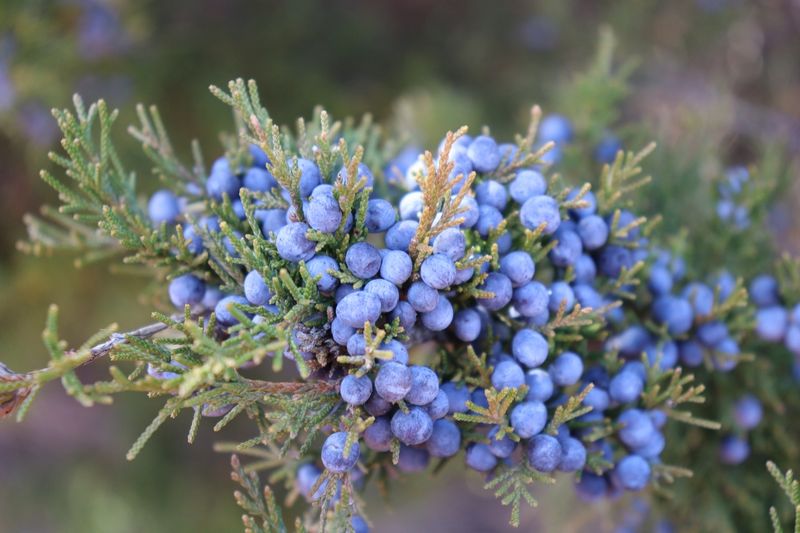
Despite the name, eastern redcedar is not a true cedar at all, but a juniper with a woodsy perfume. Those powdery blue berry-like cones on female trees look like someone sprinkled frosted beads across every branch.
This tough native pops up along fencerows and old fields throughout Pennsylvania, often without anyone planting it. It shrugs off drought and harsh cold, which explains why it thrives where other trees struggle.
Look closely and you’ll notice two leaf types, soft scale-like ones and prickly needle-like ones on younger growth. The prickly sprigs can scratch, so gloves are a smart idea while you gather your bundles.
Cuttings about six to eight inches long work especially well for homemade wreaths and rustic swags. I like mixing redcedar with white pine because the blue cones pop beautifully against those softer needles.
Winter often gives the foliage a rusty, bronzed tint, which adds a warm, vintage feel to arrangements. Don’t be surprised if your favorite tree looks more brown-green than bright green by late December.
Those blue cones feed many birds and small mammals through the cold months, so share the harvest generously. Clip a handful from heavily loaded branches and leave the rest for cedar waxwings and other hungry visitors.
Redcedar has a history as a Christmas tree too, especially on farms where families simply cut one from the pasture. Its aromatic boughs bring that old-fashioned, country holiday mood indoors without costing you a single cent.
7. Rosebay Rhododendron
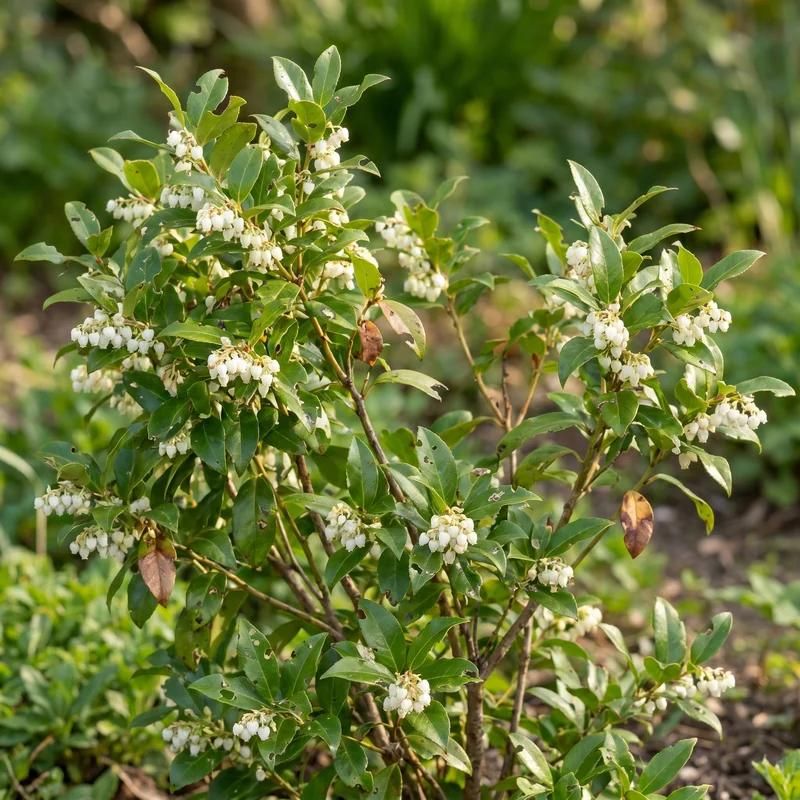
On frosty mornings, rosebay rhododendron leaves curl into tight tubes and droop, acting like a living thermometer. They unroll again as temperatures climb, a clever trick that helps the plant hold on to moisture.
This native shrub forms thick understory tangles in the Allegheny Mountains and shady woodlands across the state. Its big leathery leaves stretch four to eight inches long, often with a rusty tint underneath.
I find those bold leaves add drama that needles can’t, especially as a base layer in a large outdoor planter. A few rhododendron stems behind pine and cedar create a sense of depth that looks professionally arranged.
The foliage holds up best outdoors, so save these cuttings for window boxes and urns by the front door. Indoor warmth and dry air can make the leaves curl or wilt faster than you might expect.
Every part of the plant contains toxic compounds, so keep cuttings away from curious pets and young kids. Wash your hands after handling, and skip using these leaves anywhere near food on a holiday table.
Only cut from shrubs in your own yard, since harvesting plants from state forests or parks typically requires permission. Taking a stem here and there from a large backyard plant rarely causes any noticeable harm.
Pay attention to flower buds at branch tips, because those fat buds hold next summer’s white to pinkish blooms. Clip side shoots instead, and you’ll get to enjoy both holiday greenery and the June flowers later.
8. Common Boxwood
Colonial gardeners prized boxwood, and centuries later its tiny glossy leaves still dress up the fanciest holiday wreaths. Each leaf measures roughly half an inch to an inch, giving clippings a crisp, tailored look.
You can see why historic homes still favor boxwood, since cut sprigs keep their dark color for weeks. Properly stored sprigs often outlast many other greens you might bring indoors for the holiday season.
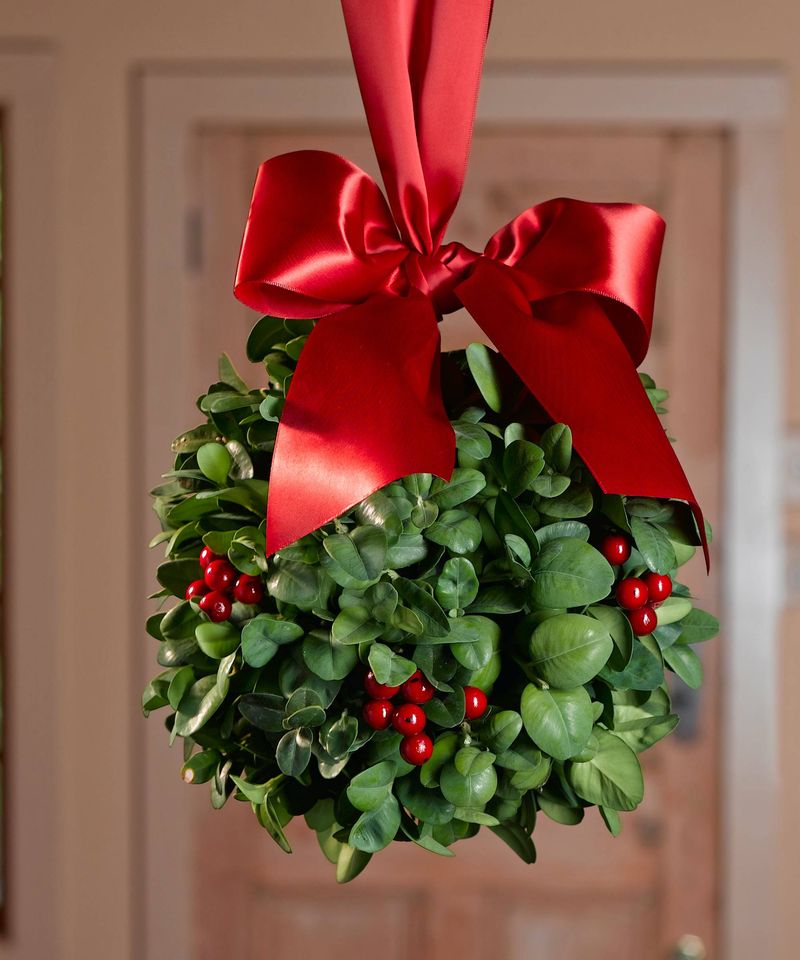
Kissing balls and tiny tabletop trees are classic boxwood projects, since the small leaves hold neat, detailed shapes. Push short sprigs into a soaked floral foam ball until no gaps remain, then hang it with ribbon.
Fair warning about the scent, because some people find boxwood’s aroma charming while others wrinkle their noses. I could be wrong, but a quick sniff test outdoors before decorating saves a lot of regret.
Light snipping for decorations generally does no harm, and it can actually help thin a dense shrub. Reach inside the plant to cut stems, which lets light and air reach the interior branches.
Boxwood blight is a serious fungal disease, so inspect plants for dark leaf spots and sudden leaf drop first. Bag up any suspicious material for the trash instead of the compost pile to slow its spread.
Boxwood contains toxic alkaloids, which is why deer usually leave it alone in snowy winter gardens. Keep finished pieces out of reach of pets, and enjoy that polished green glow all season long.