The Pennsylvania Birds That Arrive In October And Stay All Winter
Ask most people what happens to birds in the fall, and they’ll say the same thing. They fly south. But for some birds, Pennsylvania is the south.
Every October, a wave of visitors drops in from Canada and the far north. To them, a Pennsylvania winter feels mild.
Food is easier to find here, the snow isn’t as deep, and the forests and fields offer plenty of shelter. So they settle in and stay until spring.
Some of these newcomers are easy to spot, hopping beneath feeders and kicking through fallen leaves.
Others are shy and quick, flashing tiny bursts of color high in the evergreens. A few only show up in certain years, when food runs short up north.
Once you know who to look for, even the grayest winter day can bring a fun surprise to your backyard.
1. Dark-Eyed Junco
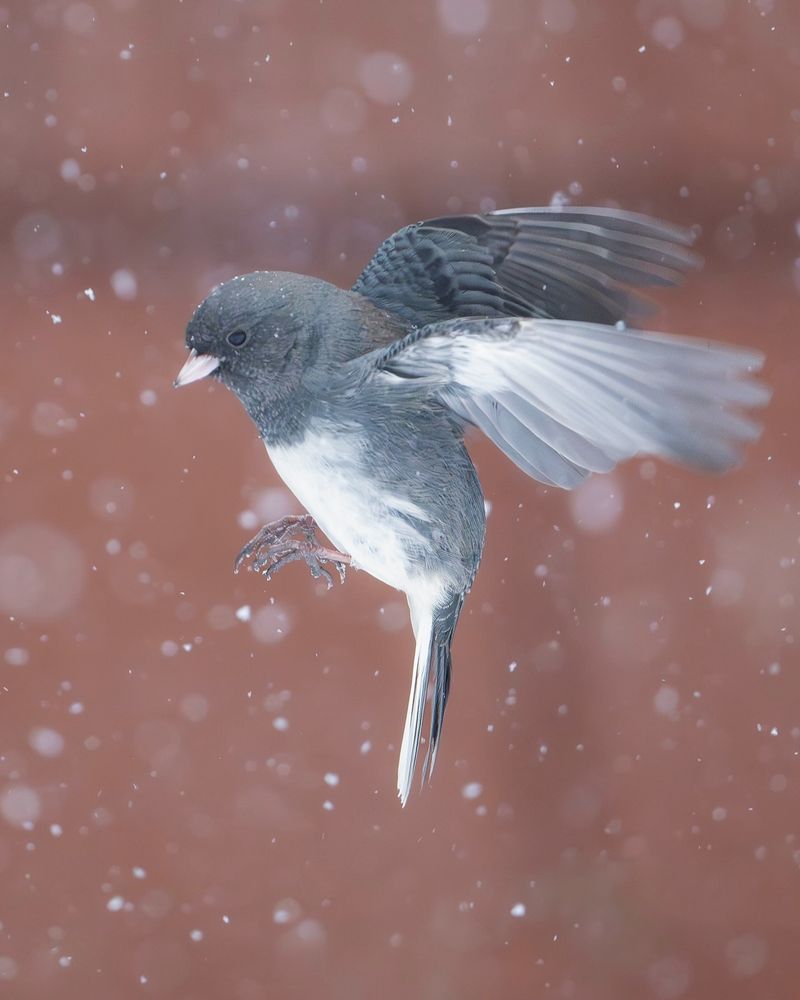
Old-timers in Pennsylvania have a saying that when the juncos show up, snow is not far behind. That is why many people call them snowbirds. They usually arrive in October, right as the air turns crisp.
Spotting a junco is pretty easy. Most have a slate-gray back and head with a clean white belly. Their small bill is pale pink, almost like a tiny piece of candy corn without the color.
Watch closely when one takes off. You will see bright white feathers flash on the outer edges of its tail. Scientists think this flash may help the birds keep track of each other in a flock.
Juncos are ground feeders at heart. They hop under feeders and pick up seeds that other birds drop. You will often see them in small groups, scratching through leaves and snow.
Here is a fun twist. Not every junco leaves in spring. Some actually nest all year in the cool northern mountains of Pennsylvania, so a few lucky people see them in summer too.
Want to bring them to your yard? Scatter white millet or cracked corn right on the ground or on a low tray. Juncos also love sunflower chips that are easy to crack.
Brush piles help a lot. They give juncos a safe spot to hide from hawks and cold wind. Even a pile of old branches in a corner of the yard can work.
Keep an ear open too. Juncos make a sharp little tick sound and a soft trill. Once you learn it, you will notice them everywhere on winter walks.
2. White-Throated Sparrow
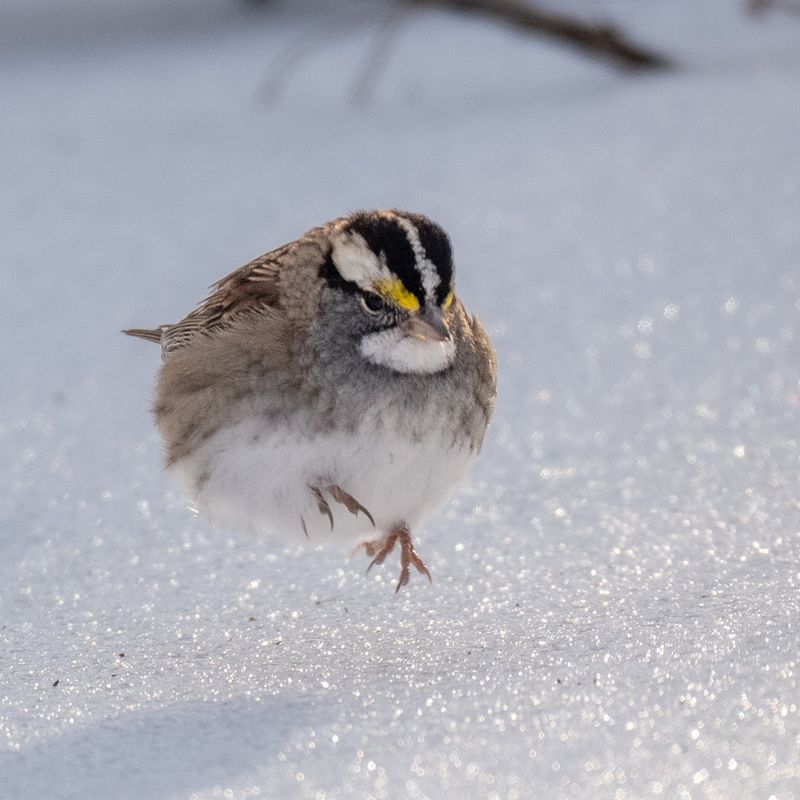
Old Sam Peabody, Peabody, Peabody. That is how many birders describe the sweet whistled song of the white-throated sparrow. Hearing it on a cold morning can make a gray day feel brighter.
Big flocks of these sparrows pour into Pennsylvania in October. They spend the whole winter in yards, parks, and woodland edges. You can often hear them before you see them.
So how do you tell them apart from other brown sparrows? Look for a bright white patch on the throat. Then check near the eyes for small yellow spots, almost like tiny dabs of paint.
Your Pennsylvania Garden Changes Every Week. Your Plan Should Too.
Gardening in Pennsylvania changes quickly throughout the season. Every Friday you’ll receive a simple weekly plan showing exactly what to plant, prune, fertilize, harvest, and protect so you never miss the right timing.
Their heads have bold stripes too. Some have white stripes and others have tan stripes. Both kinds are the same species, which surprises a lot of people.
These birds love to scratch. They kick backward with both feet to flip over leaves and find seeds underneath. It looks like a funny little dance.
Shrubs and brush piles are their favorite hangouts. Thick bushes keep them safe from predators and give shelter from wind. If your yard is too neat, they may skip it.
Here is a simple tip. Leave some fallen leaves under your bushes in fall instead of raking every last one. You will be giving the sparrows a natural snack bar full of seeds and bugs.
Millet and cracked corn scattered on the ground also work well. Place the food near cover so the birds feel safe. Soon you might have a whole crew singing about Old Sam Peabody right outside your window.
3. American Tree Sparrow
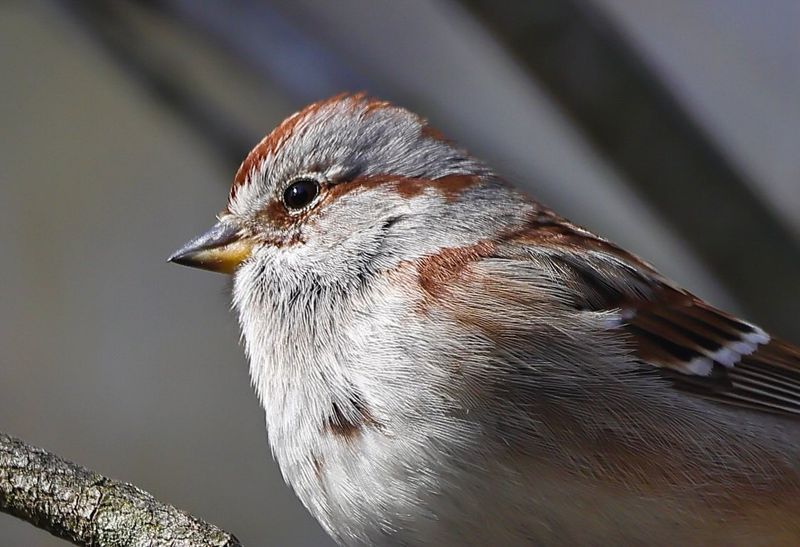
Despite the name, the American tree sparrow spends most of its time on the ground, not in trees. Early settlers thought it looked like a European sparrow that lived in trees, and the name just stuck. Funny how history works sometimes!
These tough little birds nest way up in the far north, near the edge of the Arctic. That is cold country. To them, Pennsylvania in winter feels almost cozy.
They tend to show up a bit later than other visitors. Most arrive in late October and November. By December, flocks are easy to find in many parts of the state.
Look for a rusty red cap on top of the head. The chest is plain gray with one small dark spot right in the middle, like a button. The bill is two colors, dark on top and yellow on the bottom.
Weedy fields are a favorite place for them. They pick seeds from goldenrod, ragweed, and grasses that poke up through the snow. Sometimes they even shake the stems to make seeds fall.
They visit feeders too. Tree sparrows like to eat millet and small seeds on the ground under the feeder. They often join juncos, so check any junco flock for a rusty cap.
Want to help them out? Leave part of your garden or lawn edge uncut in fall. Those dried plants hold lots of seeds all winter long.
On quiet days, listen for their soft, tinkling calls. A flock chattering together sounds a bit like small bells. It is a cheerful sound in the middle of winter.
4. Golden-Crowned Kinglet
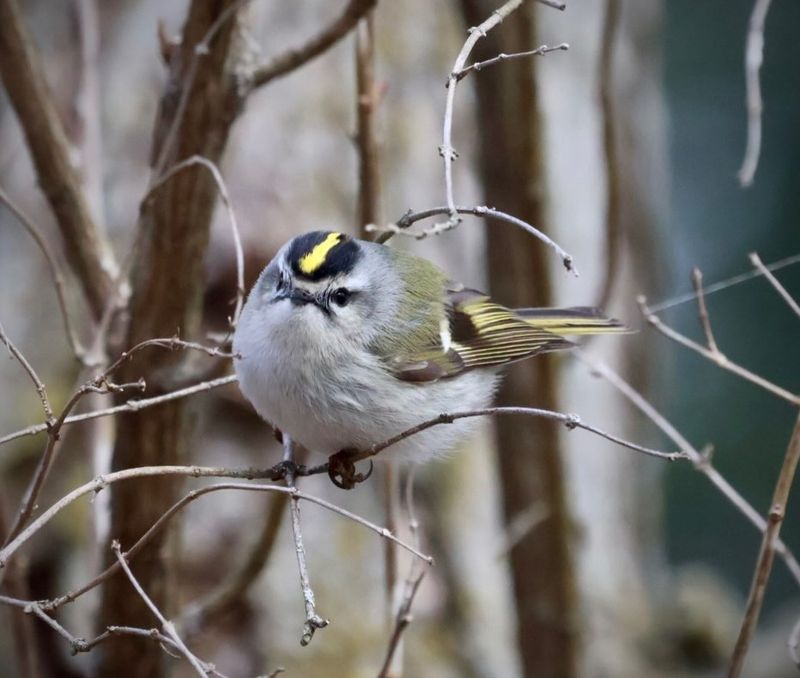
Weighing about as much as two pennies, the golden-crowned kinglet is a true winter wonder. It is even smaller than a chickadee. Yet it handles freezing Pennsylvania nights like a champ.
How does such a tiny bird stay warm? It eats almost all day long. Kinglets search pine, spruce, and hemlock trees for insect eggs and tiny bugs hidden in the needles and bark.
They are always on the move. They flick their wings, hop from twig to twig, and even hang upside down. Watching one can make your head spin.
The face has bold stripes of black and white. On top of the head sits a bright crown of yellow, and males show a flash of orange in the middle. It looks like a little flame.
At night, kinglets sometimes huddle together to share body heat. Scientists have found that their feathers are thick and fluffy for their size. That helps trap warmth like a puffy coat.
Finding one takes patience. Head to a park or forest with evergreen trees on a calm winter day. Listen for very high, thin calls that sound like see-see-see.
Many people with older ears cannot hear these calls at all. If you are out with a grandparent, you might be the one who hears them first. That is a fun job to have.
Planting evergreens in your yard can help kinglets too. They rarely visit feeders, but a spruce or hemlock gives them a place to hunt. Bring binoculars and enjoy the show.
5. Red-Breasted Nuthatch
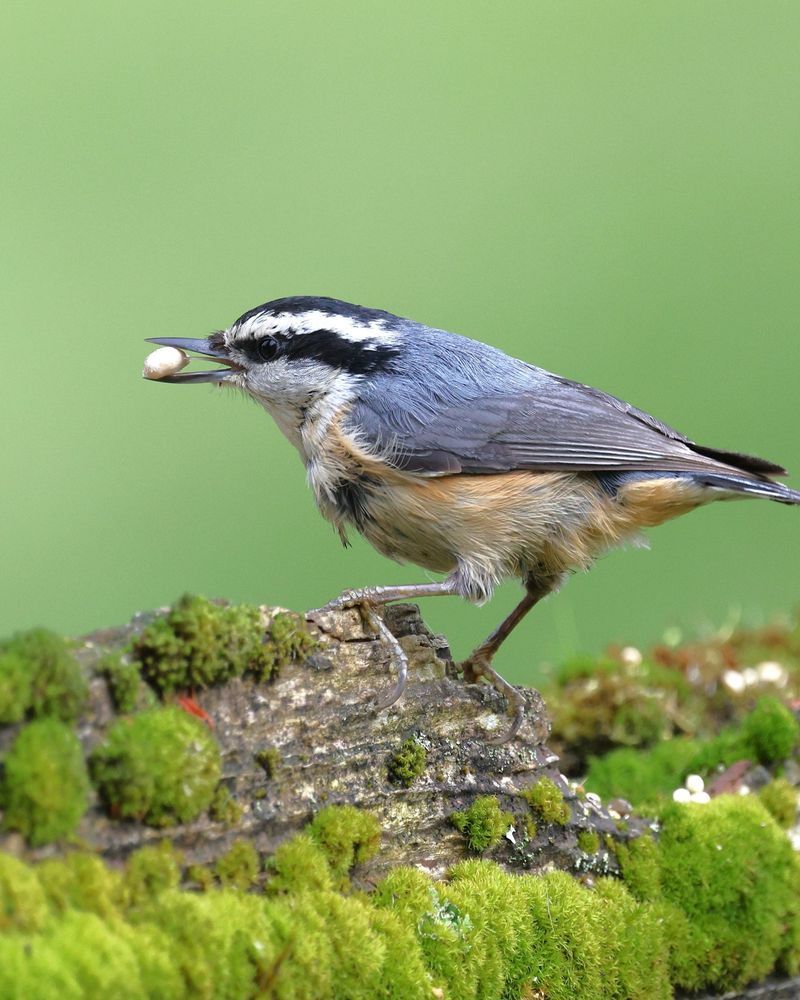
Beep, beep! If you hear a sound like a toy tin horn in the woods, a red-breasted nuthatch may be nearby. Its nasal calls are one of the quirkiest sounds of winter.
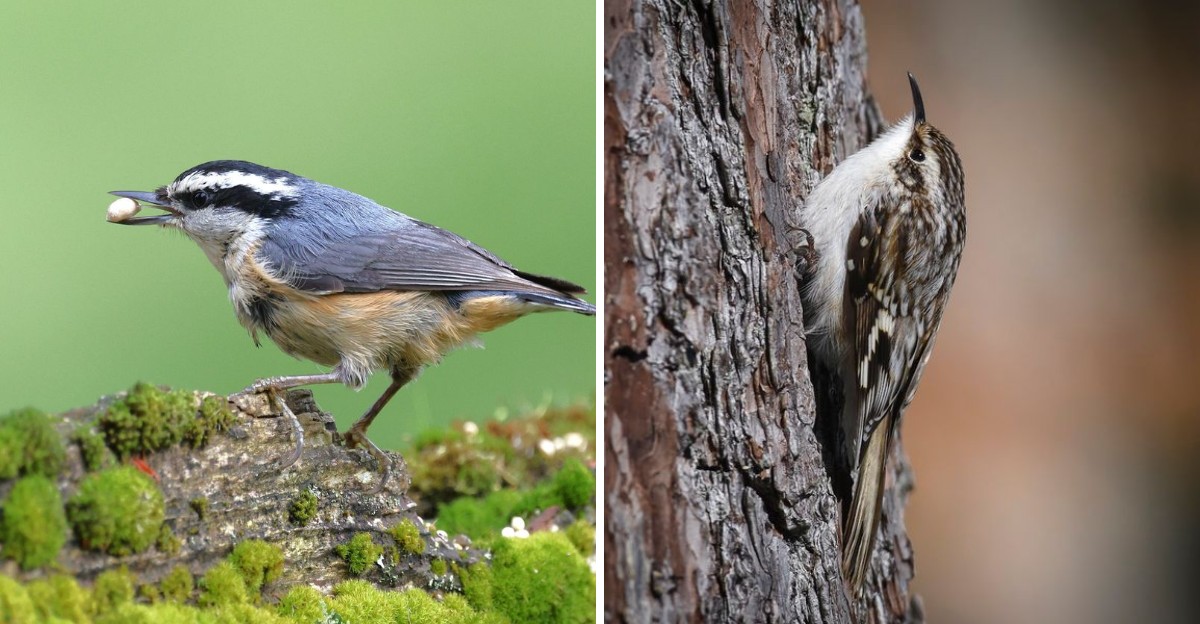
These birds are small and full of energy. They have a blue-gray back, a rusty orange belly, and a black stripe through the eye. A white stripe above the eye makes their face look extra sharp.
Nuthatches have a neat trick. They climb down tree trunks headfirst. Most birds go up, so the nuthatch gets to spot food others miss.
Here is the interesting part. Their numbers in Pennsylvania change a lot from year to year. When cone crops fail in Canada, these birds fly south in big numbers looking for food.
Birders call these big movements irruptions. In those years, you may see red-breasted nuthatches at feeders all over the state. In other years, they can be hard to find.
They love sunflower seeds and suet. Often they grab one seed and fly off to hide it in tree bark. Later in winter, they come back for their snack.
To attract them, hang a tube feeder with black oil sunflower seeds. A suet cake near some pine trees works great too. Peanut pieces are another favorite.
Keep an eye on bird news each fall. Many bird groups share winter forecasts that predict which northern birds may show up. If nuthatches are expected, get your feeders ready early and listen for those little horns.
6. Brown Creeper
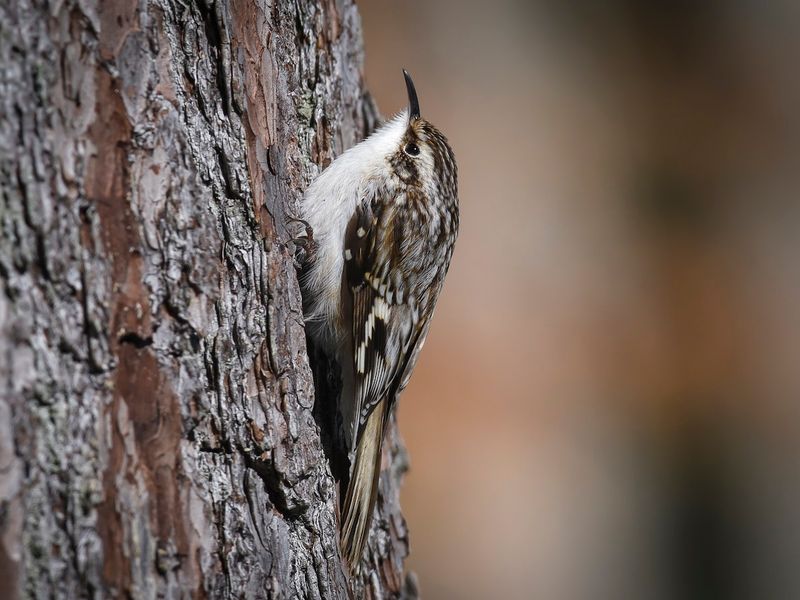
Some birds want to be seen, but the brown creeper would rather stay hidden. Its streaky brown back looks almost exactly like tree bark. You could stare right at one and miss it.
Brown creepers live in Pennsylvania all year in small numbers. In winter, though, more birds arrive from the north and join the locals. That makes fall and winter the best time to find them.
Their way of feeding is unique. A creeper lands at the bottom of a tree and spirals up the trunk. It uses its stiff tail like a kickstand to brace itself.
When it reaches the top, it flutters down to the base of the next tree. Then it starts climbing all over again. It is like a never-ending elevator ride.
The thin, curved bill is a perfect tool. It slips into small cracks in the bark to pull out spiders, insect eggs, and tiny bugs. Few other birds can reach those spots.
So how can you find one? Look for movement on big trees with rough bark, like oaks and maples. Listen for a soft, high call that sounds a bit like seee.
Creepers sometimes visit suet feeders, especially ones smeared right on tree bark. Try pressing a little peanut butter mixed with cornmeal into the bark of a backyard tree. It might tempt one in.
Leaving dry trees standing, when safe, also helps. Loose bark gives creepers places to hunt and even nest. Patience is key, but spotting one feels like winning a prize.
7. Yellow-Rumped Warbler
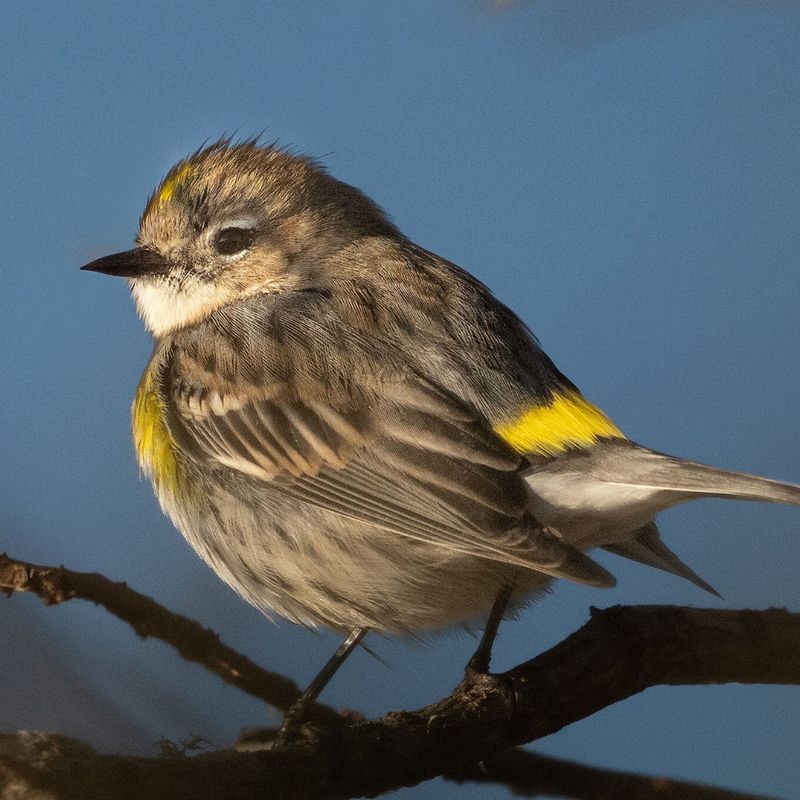
Most warblers leave Pennsylvania in fall and head to warm places like Mexico and South America. The yellow-rumped warbler breaks that rule. It is one of the few warblers brave enough to spend winter here.
Birders have a fun nickname for it. They call it the butter butt because of the bright yellow patch on its rump. You can see it clearly when the bird flies away.
In winter, these birds look a bit plain. Their feathers turn brownish with soft streaks. Still, they keep small yellow patches on their sides and that famous yellow rump.
So what is their secret? Unlike most warblers, they can live on berries when insects are hard to find. Their bodies can digest waxy berries that other warblers cannot use.
Eastern red cedar berries are a favorite. They also eat bayberries and even poison ivy berries. Yes, the plant that makes people itch is a tasty meal for these birds!
Most yellow-rumped warblers winter in southeastern Pennsylvania and in lower areas. Places with milder weather and plenty of berry plants work best. Parks along rivers are good spots to search.
You can help them in your own yard. Plant native berry bushes like red cedar, bayberry, or winterberry. They will feed many birds all season long.
Suet feeders may attract them too, especially during icy weather. Listen for a sharp check call coming from shrubs and trees. Once you hear it, look for that flash of yellow and say hello to your winter warbler.