The Mistakes To Avoid When Growing Hostas In Your Pennsylvania Garden
Hostas have a well earned reputation for being one of the most forgiving plants in a Pennsylvania garden.
They come back reliably, they handle shade that defeats most other plants, and they look genuinely beautiful when they’re healthy. But forgiving is not the same as indestructible.
Certain mistakes made repeatedly with hostas compound over time in ways that lead to plants that underperform, decline, or never quite reach the size and fullness they’re capable of.
Most of these mistakes are common, easy to make, and surprisingly easy to fix once you know what to look for.
Understanding what hostas actually need versus what most homeowners assume they need changes how you care for them and produces noticeably better results without any additional effort.
1. Planting In Blazing Afternoon Sun
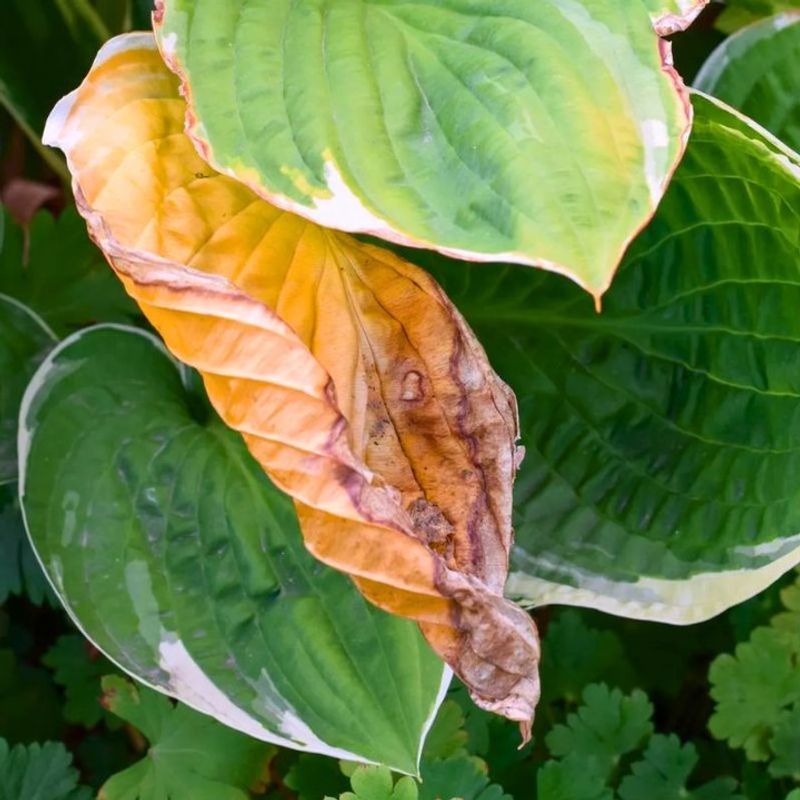
Picture a big blue hosta in July, its leaves curled and brown at the edges like burnt toast. That sad sight happens all over Pennsylvania every summer. Most of the time, the cause is simple: too much hot afternoon sun.
Hostas are woodland plants at heart. In the wild, they grow under tall trees in Japan, China, and Korea. They love bright, filtered light, but they do not enjoy baking in the heat.
Summers here can get steamy, especially in places like Philadelphia, Harrisburg, and Pittsburgh.
Afternoon sun between noon and 5 p.m. is the strongest and hottest. Leaves that sit in that heat often scorch, fade, or turn crispy.
The fix starts with picking the right spot. Morning sun with afternoon shade is the sweet spot for most hostas. The north or east side of your house is often a great choice.
Color matters too. Blue hostas, like ‘Halcyon’ and ‘Blue Angel,’ get their color from a waxy coating that melts away in strong sun.
Gold and yellow types, like ‘Sum and Substance,’ can handle a bit more light and even glow brighter with it.
Already planted in the wrong place? Don’t panic. You can move a hosta in early spring or early fall when the weather is cool.
Dig a wide circle around the clump to keep the roots together. Water it well after moving, and keep the soil damp for the first month. A few weeks later, it should settle in happily.
Fun fact: hostas are sometimes called ‘plantain lilies,’ and people have grown them in gardens for hundreds of years. Give them a shady home, and they will reward you for decades.
2. Forgetting About Hungry Deer

Ask any Pennsylvania gardener about deer, and you might hear a groan. Our state has well over a million white-tailed deer. To them, a hosta bed looks like an all-you-can-eat salad bar.
Deer love hostas more than almost any other garden plant. They can wipe out a whole bed in a single night. You might go to bed with lush leaves and wake up to bare stems sticking out of the ground.
Many new gardeners plant hostas and hope for the best. That rarely works in towns near woods, farms, or parks.
Your Pennsylvania Garden Changes Every Week. Your Plan Should Too.
Gardening in Pennsylvania changes quickly throughout the season. Every Friday you’ll receive a simple weekly plan showing exactly what to plant, prune, fertilize, harvest, and protect so you never miss the right timing.
Even suburban yards in places like Chester County and State College see nightly deer visits.
So what can you do? A tall fence is the surest defense, and it should be at least 8 feet high. Deer are amazing jumpers, so a short fence is more like a hurdle than a wall.
If a fence isn’t possible, try deer repellent sprays. Look for ones made with rotten eggs, garlic, or hot pepper. Spray every two weeks and again after heavy rain, since the scent washes away.
Switching products every few months helps too. Deer are smart and can get used to one smell. Motion-activated sprinklers are another clever trick that startles them away.
You can also plant hostas closer to your house, where deer feel less safe. Surrounding them with plants deer dislike, like ferns, bleeding heart, or astilbe, can help hide them.
Keep your eyes open for torn, ragged leaf edges and missing leaves. Those are clear signs deer have been snacking. Acting fast can save the rest of your garden.
3. Letting Slugs Chew Holes In Every Leaf
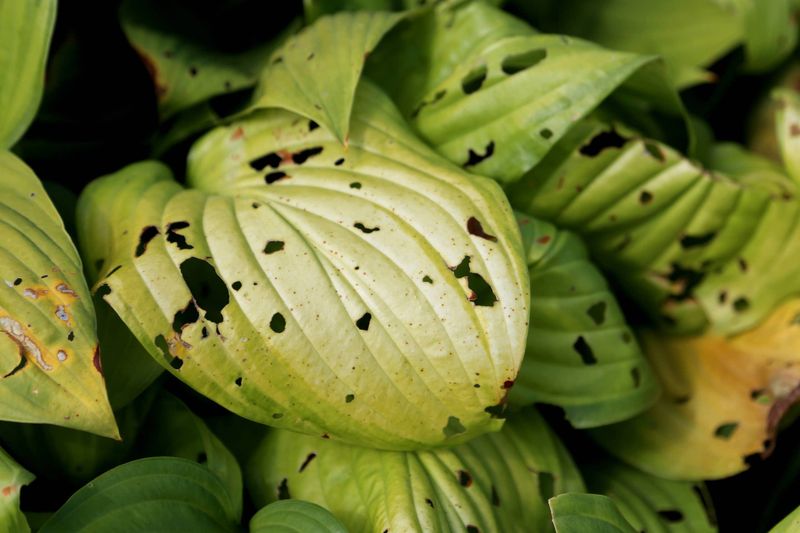
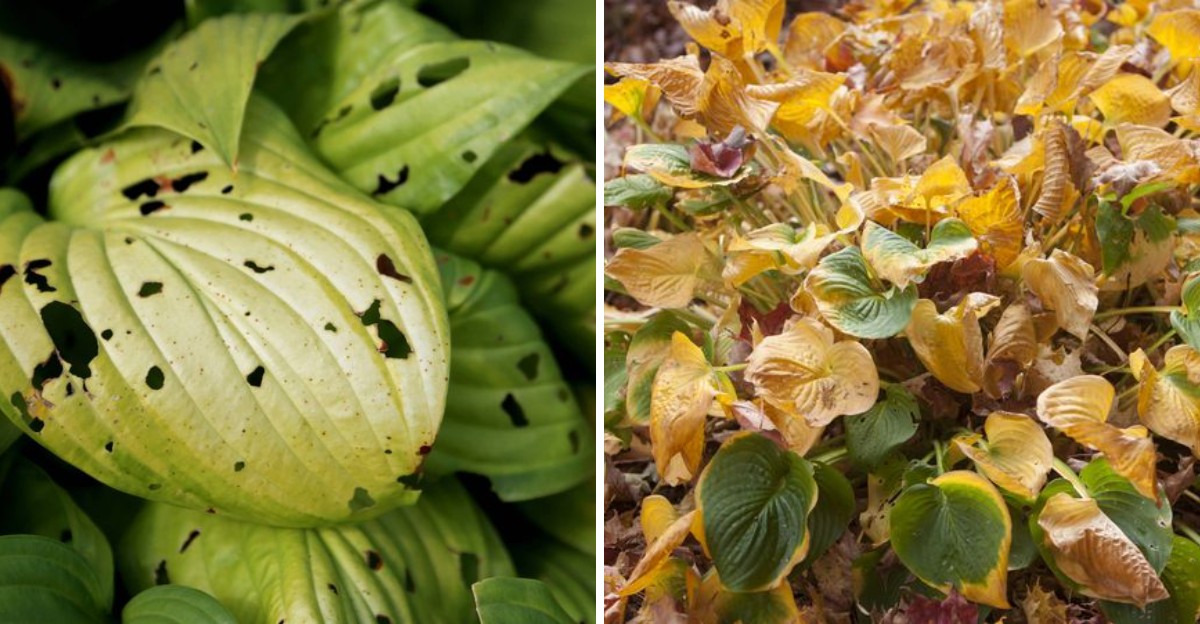
Have you ever found your hosta leaves full of holes, like someone went at them with a hole punch? Shiny, silvery trails on the ground give away the culprit. Slugs are behind this mess, and they adore hostas.
Pennsylvania springs are cool and damp, which is exactly what slugs love. They hide under mulch and leaves during the day. At night, they crawl out and feast.
Ignoring slugs is a big mistake because the damage adds up fast. A few holes may not seem like much. By August, though, the leaves can look like Swiss cheese.
The good news is that slugs are easy to fight without harsh chemicals. Start by going out at night with a flashlight. Pick them off and drop them into a cup of soapy water.
Beer traps are an old garden trick that really works. Bury a shallow dish so the rim sits at ground level, then fill it with cheap beer. Slugs crawl in for a drink and can’t get out.
Iron phosphate slug bait is another safe choice. It’s labeled for use around pets and wildlife when used as directed. Sprinkle it around your plants in early spring, when slugs first wake up.
Watering in the morning instead of the evening helps too. Wet ground at night rolls out a welcome mat for slugs. Pull thick mulch a few inches back from the base of each plant.
Some hostas fight back on their own. Thick-leaved types like ‘Sum and Substance’ and ‘Frances Williams’ are tougher for slugs to chew. Picking these varieties gives you a head start before the battle even begins.
4. Watering Too Much Or Too Little
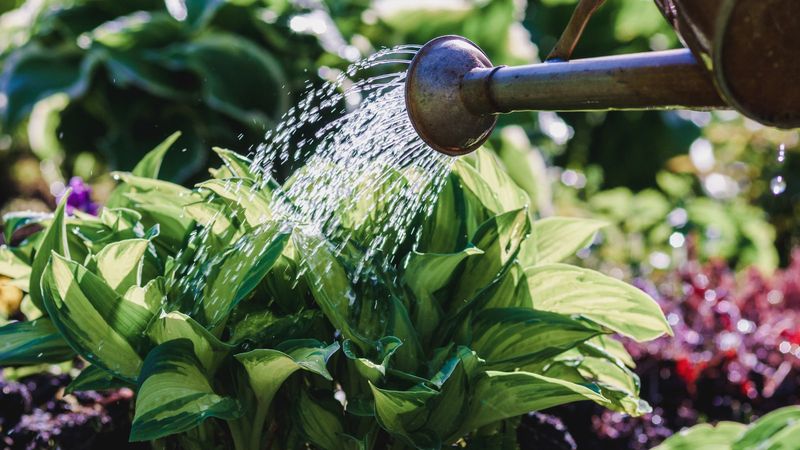
My neighbor once watered her hostas every single evening, rain or shine. By midsummer, the leaves had turned yellow and mushy at the base. She meant well, but she was drowning them.
Watering sounds simple, but it trips up lots of gardeners. Hostas need steady moisture, not a swamp. They also can’t handle going bone dry for weeks.
Most hostas do best with about one inch of water per week. Rain often covers that in spring. July and August are a different story, when Pennsylvania can go weeks with little rain.
A deep soak once or twice a week beats a light sprinkle every day. Deep watering pushes roots to grow down, where the soil stays cooler. Shallow watering keeps roots near the surface, where they dry out fast.
Try the finger test before you grab the hose. Push a finger about two inches into the soil. If it feels dry, it’s time to water, and if it feels damp, wait a day or two.
Timing matters as well. Water early in the morning so leaves dry by afternoon. Soaker hoses are a great tool because they send water straight to the roots.
Watch for warning signs. Brown, crispy edges often mean the plant is thirsty. Yellow leaves and soft, rotting stems usually point to too much water or poor drainage.
A two-inch layer of shredded bark mulch helps hold moisture in the ground. It also keeps roots cool on hot days.
Just leave a little space around the crown so it can breathe. Plants under big trees need extra attention, since tree roots steal water fast.
5. Skipping Soil Prep In Heavy Clay
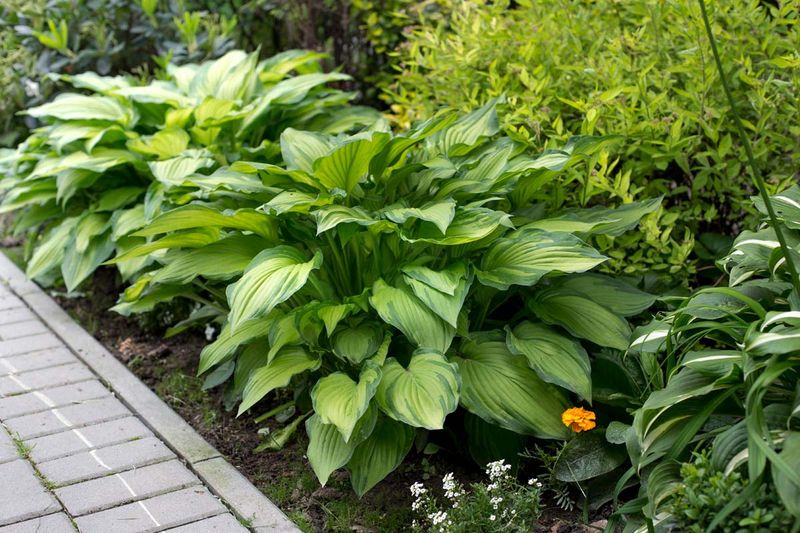
Grab a handful of soil in many Pennsylvania backyards, and it might feel like modeling clay. Squeeze it, and it holds its shape. That dense dirt is common across the state, and it can cause big trouble for hostas.
Clay soil packs tightly together. Water has a hard time draining through it, and roots struggle to spread. In spring, it stays soggy, and in summer, it bakes as hard as a brick.
Plopping a hosta into a small hole in clay is one of the most common mistakes. The hole acts like a bowl that fills with water. Roots sit in that puddle and can start to rot.
A little work up front makes a huge difference. Dig a hole about twice as wide as the root ball but only as deep. Wide holes give roots room to reach out into loose soil.
Mix in plenty of compost, shredded leaves, or aged manure. Organic materials like these loosen the clay and feed helpful worms and microbes. Over time, your soil will become darker, softer, and richer.
Skip the sand. Adding a little sand to clay can actually create something closer to concrete. Compost is always the safer bet.
Hostas also like soil that is slightly acidic to neutral, with a pH between 6.0 and 7.5. A simple soil test from Penn State Extension can tell you exactly what you have. Kits cost very little and come with helpful advice.
Planting on a gentle mound can help in very wet spots. Raising the crown just a few inches keeps it out of standing water. Top-dress with fresh compost each spring for bigger, healthier leaves.
6. Crowding Plants And Never Dividing
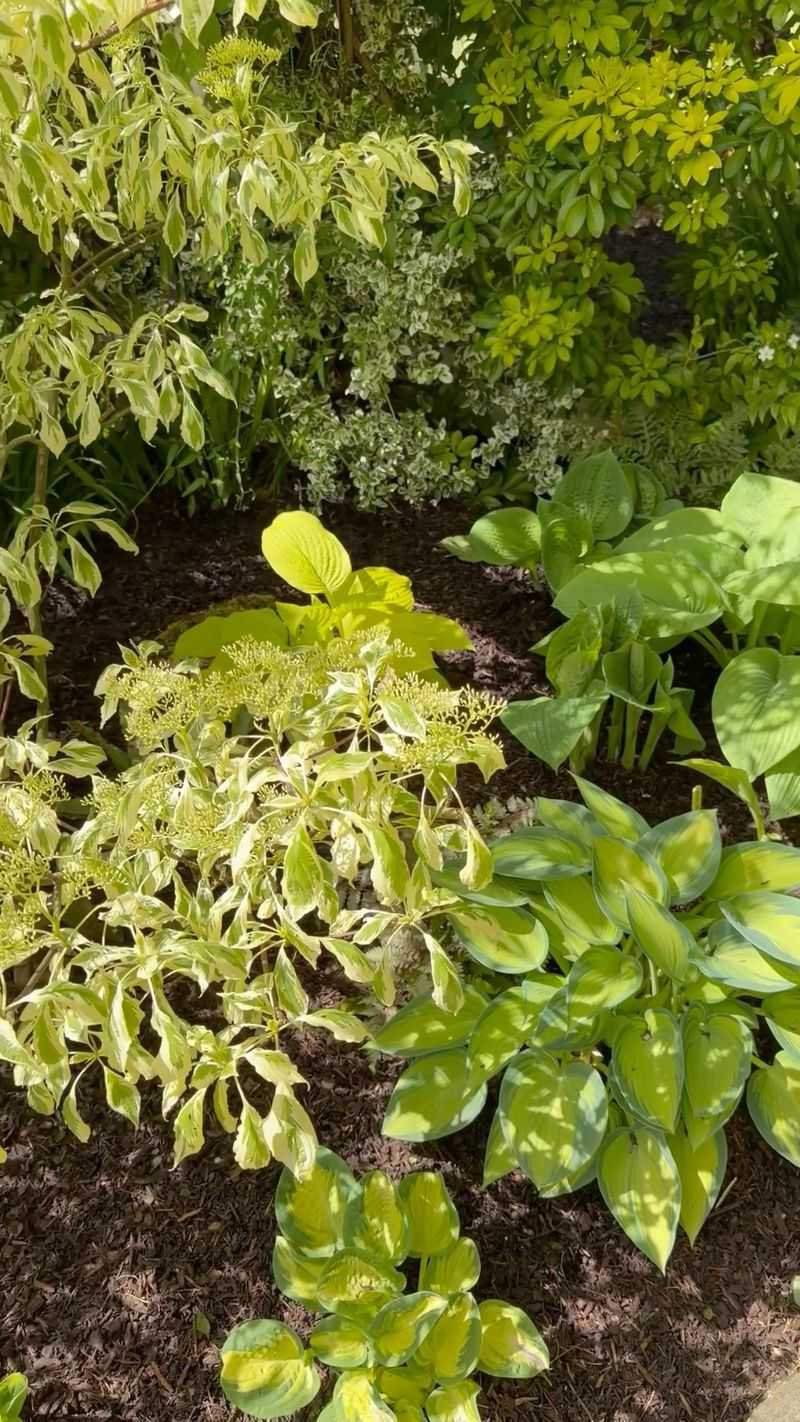
Tucked beside many old Pennsylvania farmhouses, you’ll find giant hosta clumps that have been growing for fifty years or more.
Hostas are tough and long-lived. Still, even these champs can get cranky when they run out of room.
A tiny hosta from the garden center doesn’t stay tiny for long. Some varieties spread three, four, or even six feet wide. ‘Empress Wu,’ one of the biggest hostas in the world, can grow leaves more than a foot and a half long.
Planting hostas too close together is an easy mistake to make. Small plants look lonely in a big bed, so we squeeze them in. A few years later, they’re bumping elbows and fighting for water and food.
Crowded plants also trap moisture between their leaves. That damp air invites fungus and makes a cozy hiding spot for slugs. Good spacing lets breezes flow through.
Check the plant tag for its full-grown width and space plants based on that number. Most medium hostas need about two to three feet between them. Large types may need four feet or more.
Dividing is the other half of the puzzle. When a clump gets hollow in the center or shrinks in leaf size, it’s telling you it needs a split. Many hostas enjoy a fresh start every five years or so.
Early spring is the best time, just as the pointed shoots poke through the soil. Use a sharp spade to slice the clump into sections, each with a few shoots and plenty of roots.
Replant them right away and water well. Bonus: you’ll end up with free plants to share with friends and neighbors!
7. Getting Fall Cleanup And Winter Care Wrong
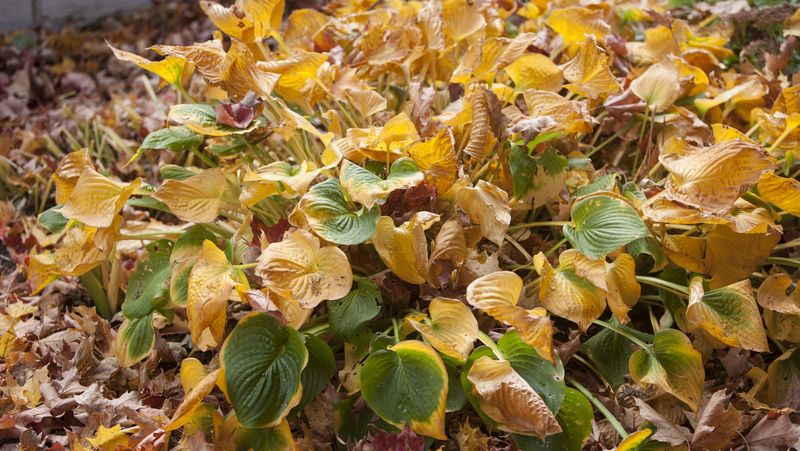
When the first hard frost hits Pennsylvania, usually sometime in October, hostas collapse into a mushy heap almost overnight.
It’s a normal part of their yearly cycle, not a sign of trouble. What you do next, though, can shape how they look next spring.
Leaving that soggy foliage in place all winter is a common slipup. Old leaves make a perfect winter hotel for slug eggs and fungus spores. Voles also love hiding under the mess, where they chew on hosta roots.
Once the leaves have flopped over, cut them off near the ground. Toss them in the trash or yard waste bin instead of the compost pile if they showed signs of disease. Clean your pruners afterward with rubbing alcohol.
Speaking of disease, keep an eye out for Hosta Virus X. Infected leaves show blotchy, mottled patterns or strange streaks along the veins. Sadly, there’s no cure, so infected plants should be removed and thrown away.
Pennsylvania winters bring plenty of freeze and thaw cycles. That back-and-forth can push shallow roots right out of the ground.
A loose, three-inch layer of shredded leaves or pine needles after the ground freezes helps keep things steady.
Hold off on fertilizer after midsummer. Feeding late pushes out soft new growth that won’t have time to toughen up before cold weather. A balanced, slow-release fertilizer in early spring is all most hostas need.
Finally, mark where your hostas are planted. They pop up late in spring, sometimes not until May, so it’s easy to dig into them by accident. A simple plant tag or garden stake saves a lot of heartbreak.