9 Lantana Tasks Maryland Gardeners Should Never Skip In August If They Want Blooms Through Fall
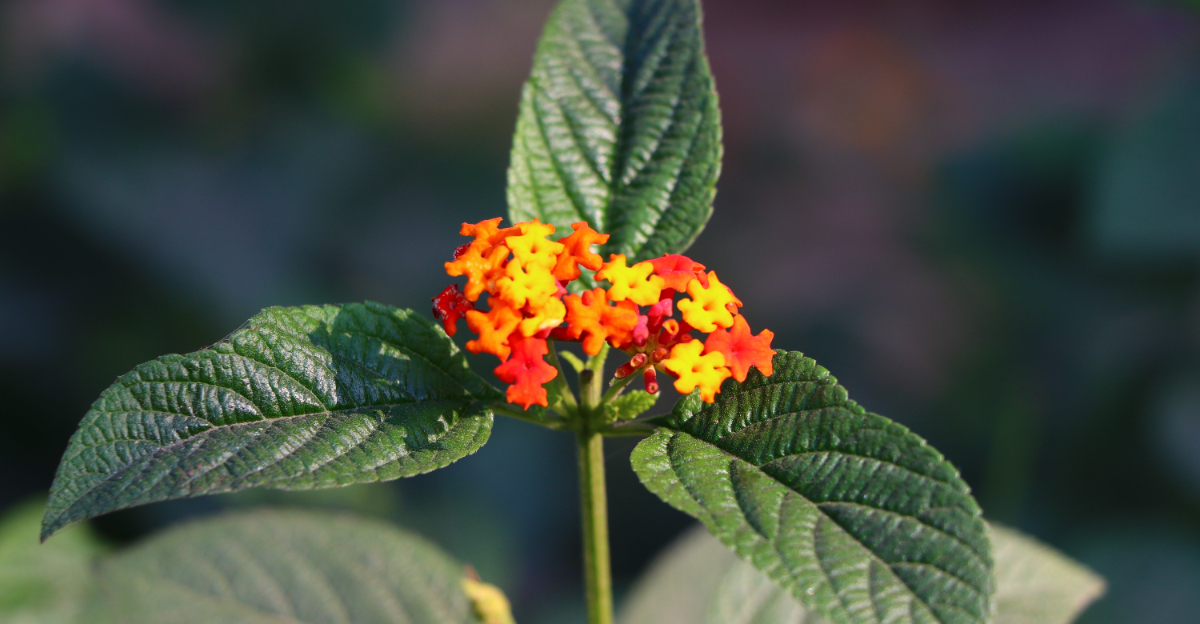
Lantana does not wait around for careless gardeners. Heat in Maryland separates attentive growers from distracted ones. Humidity thickens, pests appear, and blooms begin slowing sooner than expected.
You might assume your plant is fine, but appearances mislead. Nothing about late summer growth happens without direct cause. Every leaf, every bloom, every root responds right now.
Maryland gardens reward attention more than any other season. Sharp instincts matter far more than assumptions if you want lasting color this season. Bugs multiply quietly while stems stretch toward fatigue.
Watering habits that worked fine in June now fall short. Blooms slow the moment attention drifts, even briefly.
Your lantana wants momentum, not maintenance, through these final weeks. Timing matters more than effort right now. Small missteps add up quickly under relentless sun.
Color fades much faster than most gardeners expect. What you do this week decides how your lantana finishes the season.
1. Snip Spent Blooms Regularly
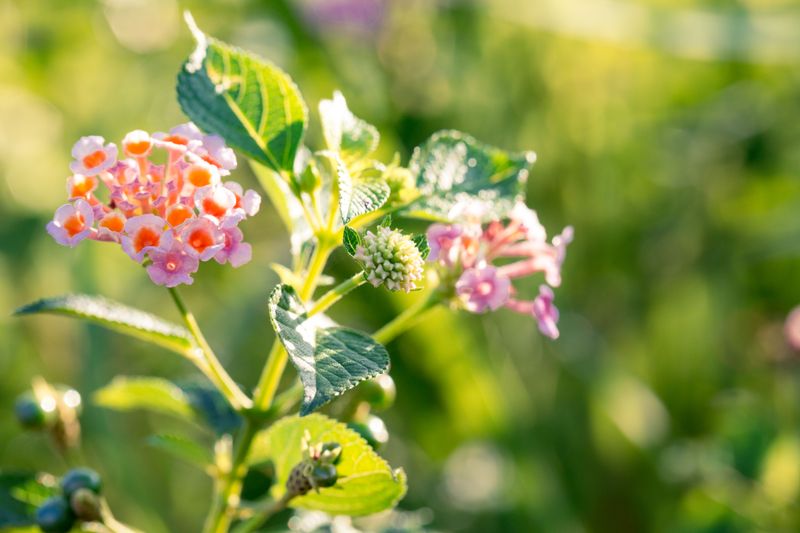
Trimming lantana is one of the fastest ways to keep color coming all season long. When old flower clusters stay on the plant, they signal the lantana to slow down and set seed instead of pushing out new blooms.
Grab a pair of clean, sharp scissors or pruning snips. Look for clusters that have turned brown, papery, or started forming small dark berries at the center.
Clip those clusters off just below the base of the flower head. You do not need to remove a long stem, just the spent portion is enough to trigger a fresh flush of growth.
Do this every five to seven days during August. Lantana in Maryland can push out new flower clusters surprisingly fast when the spent ones are removed consistently and promptly.
Some gardeners skip this step because the plant still looks full and green. However, those hidden spent clusters are quietly stealing energy that should go toward new buds forming underneath.
Make it a habit to walk your garden with snips in hand every weekend morning. The whole process takes less than ten minutes for most plants, and the payoff in fresh blooms is well worth that small effort through fall.
2. Prune Leggy Stems For Fullness
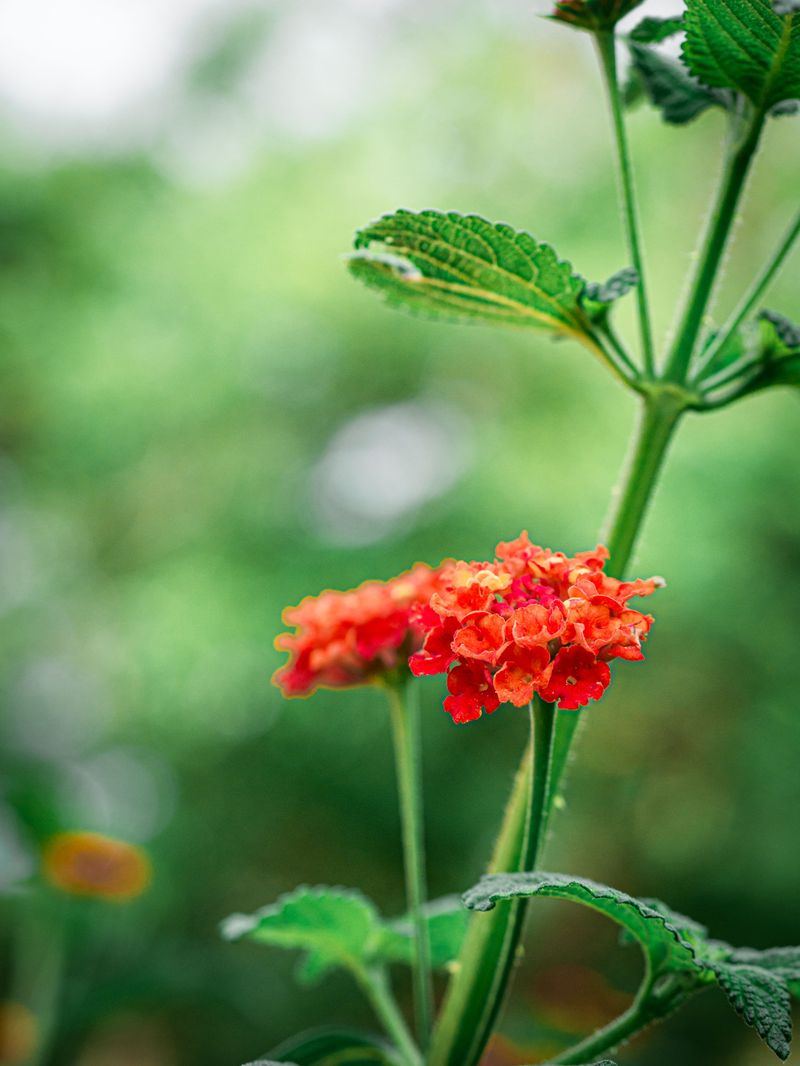
Lantana loves to stretch out in summer heat, sometimes sending up long bare stems that make the whole plant look scraggly and thin. Pruning those stems back is the fix, and it works fast.
Look for stems that are noticeably longer than the rest of the plant. These are usually the ones with few leaves near the base and a small bloom cluster stuck way up at the top.
Cut them back by about one-third of their length using clean pruning shears. Make your cut just above a leaf node, which is the small bump where a leaf meets the stem.
New side shoots will sprout from that node within a week or two. Those side shoots become the branching, full-looking growth that gives lantana its signature rounded, bushy shape heading into fall.
Your Maryland Garden Changes Every Week. Your Plan Should Too.
Gardening in Maryland changes quickly throughout the season. Every Friday you’ll receive a simple weekly plan showing exactly what to plant, prune, fertilize, harvest, and protect so you never miss the right timing.
August is actually the ideal month for this kind of shaping work in the mid-Atlantic region. Temperatures are warm enough to encourage fast regrowth, and there is still plenty of season left to enjoy the result.
Do not be afraid to cut aggressively if the plant has really gotten out of hand. Lantana is remarkably resilient and bounces back from hard pruning with a reliability that experienced gardeners genuinely appreciate.
3. Water Deeply During Dry Spells

Maryland summers can swing from soggy to bone-dry within the same week, and lantana feels every shift. Deep, infrequent watering is far better for this plant than light daily sprinkles that barely reach the roots.
When rainfall drops below one inch per week, step in with a slow, deep soak at the base of the plant. Let the water run for several minutes so it penetrates at least six to eight inches into the soil.
Shallow watering encourages roots to stay near the surface, where they are vulnerable to heat stress and rapid moisture loss. Deep watering trains roots to go down, making the plant more drought-tolerant over time.
Water in the early morning when possible. Morning watering gives the soil time to absorb moisture before the afternoon heat ramps up, reducing evaporation and keeping roots cooler during peak temperature hours.
Avoid wetting the foliage when you water. Wet leaves in high humidity create the perfect environment for fungal problems, which lantana can develop under the right wrong conditions.
A simple moisture check works great: push your finger about two inches into the soil near the base of the plant. If it feels dry at that depth, your lantana is ready for a thorough, satisfying drink of water.
4. Check For Whitefly Infestations Often

Whiteflies are common pests in the August lantana garden. They cluster on the undersides of leaves, suck out plant juices, and multiply at a rapid rate in warm, humid conditions.
Check the undersides of leaves at least twice a week during August. A quick shake of a branch will send a cloud of tiny white insects flying if an infestation is present, making them surprisingly easy to spot.
Catch them early and you have several solid options for control. A strong blast of water from a garden hose can knock many of them off, and insecticidal soap spray handles moderate populations effectively without harsh chemicals.
Neem oil is another popular choice among organic-minded gardeners. Mix it according to label directions and apply in the early morning or evening to avoid burning foliage in the direct August sun.
Heavy whitefly pressure causes leaves to yellow, curl, and drop prematurely. A badly infested lantana can lose so much energy that it stops blooming entirely, which is exactly what you want to prevent heading into fall.
Natural predators like ladybugs and lacewings help keep whitefly numbers in check. Planting nearby companions that attract beneficial insects is a smart long-term strategy for keeping your lantana garden healthier all season long.
5. Fertilize Lightly To Sustain Blooming
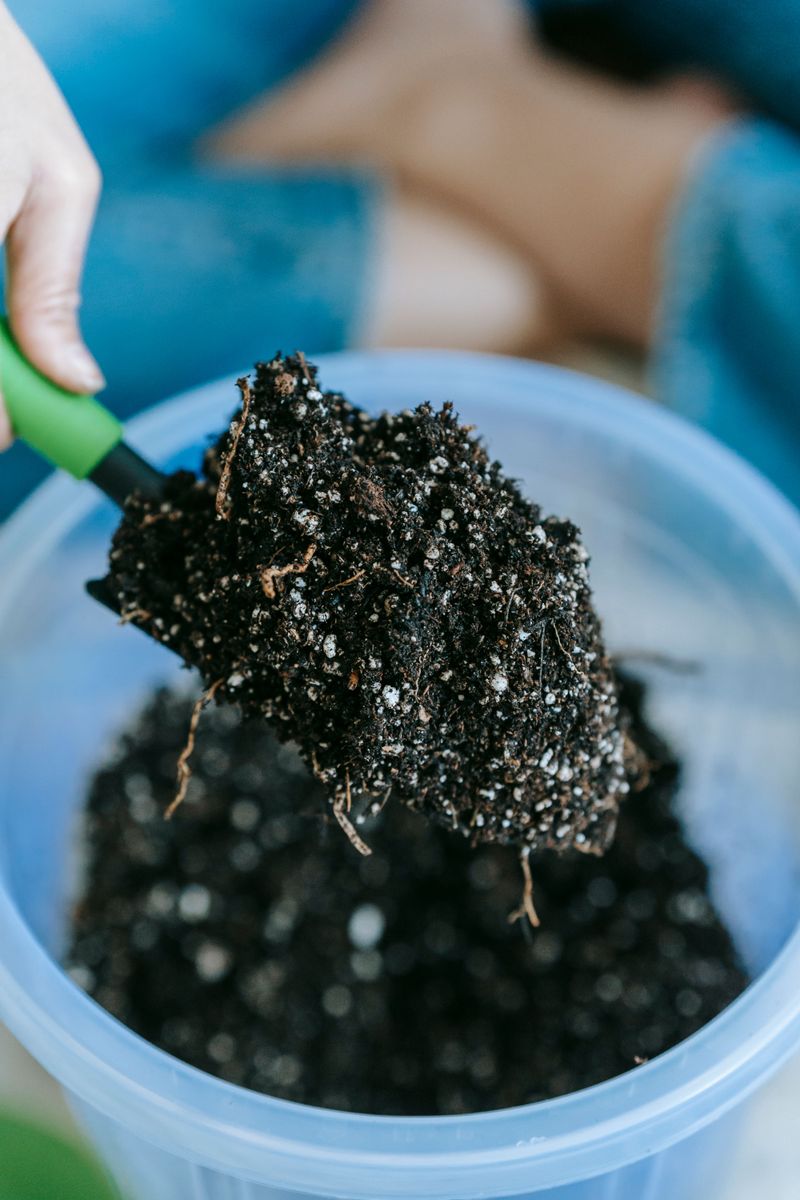
Feeding your lantana in August sounds simple, but the key word here is lightly. Too much fertilizer, especially nitrogen-heavy formulas, pushes the plant to grow leaves instead of flowers.
Choose a balanced, low-nitrogen fertilizer or one specifically formulated for flowering plants. Look for formulas where the middle number on the label, which represents phosphorus, is equal to or higher than the first number.
Phosphorus supports flower production directly, making it your best friend when you want blooms to keep coming through September and October. Apply fertilizer at half the recommended dose to avoid overfeeding in the summer heat.
Granular slow-release fertilizers work well for lantana because they feed gradually over several weeks. A single application in early August can carry the plant comfortably through the rest of the growing season without any additional feeding.
Liquid fertilizers act faster but require more frequent application. If you prefer liquid feeding, use it every two to three weeks at a diluted rate and always water the plant before applying to protect the roots.
Signs of overfeeding include lush, dark green growth with very few blooms and stems that feel unusually soft. Pull back on feeding immediately if you notice those signs and let the plant reset before the season wraps up.
6. Remove Yellowing Or Damaged Leaves
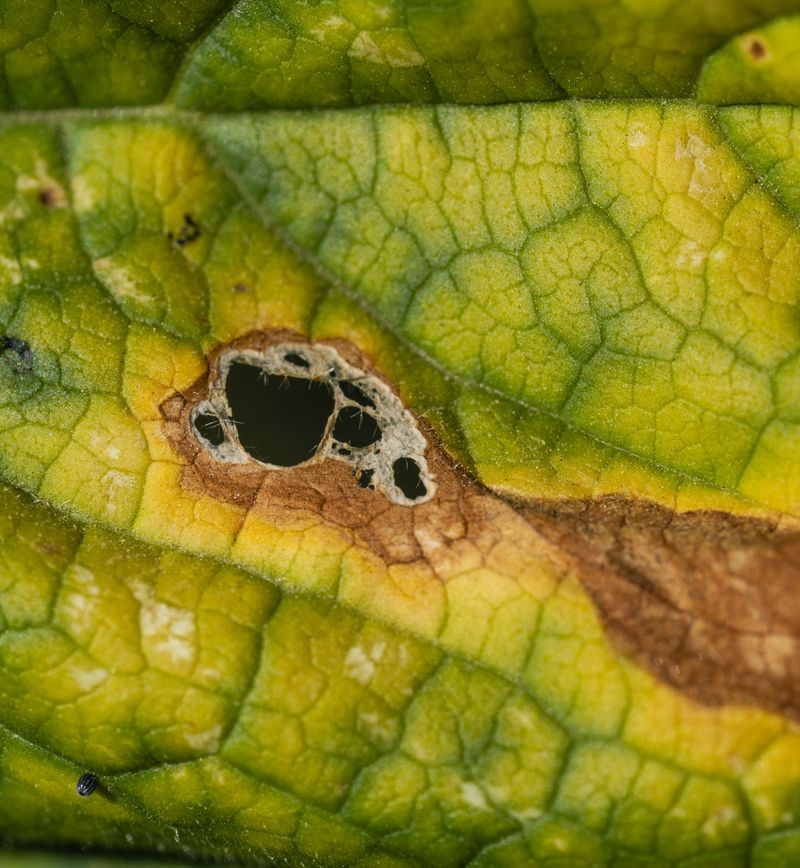
Yellowing leaves on a lantana plant are more than just an eyesore. They are a signal that something needs attention, and removing them is one of the easiest ways to help the plant redirect its energy toward healthy growth.
Start by pulling off any leaves that are fully yellow, spotted, or visibly damaged by insects or disease. Use your fingers for soft, easy-to-remove leaves and small snips for tougher or more stubborn ones.
Do not leave pulled leaves on the soil surface around the plant. Diseased foliage sitting in the mulch can harbor fungal spores or pest eggs that reinfect the plant during warm, humid August conditions.
Dispose of damaged leaves in the trash rather than the compost pile. Composting diseased plant material can spread problems throughout your garden if the compost does not heat up enough to break down pathogens completely.
Yellowing can have several causes, including overwatering, nutrient deficiency, or pest damage. Observing where the yellowing starts on the plant, whether at the base or tips, can help you pinpoint the underlying issue more accurately.
Once you remove the problem leaves, the plant looks tidier and focuses its resources on producing new, healthy foliage and those colorful bloom clusters that make lantana so satisfying to grow through the fall season.
7. Monitor Soil Drainage After Heavy Rain
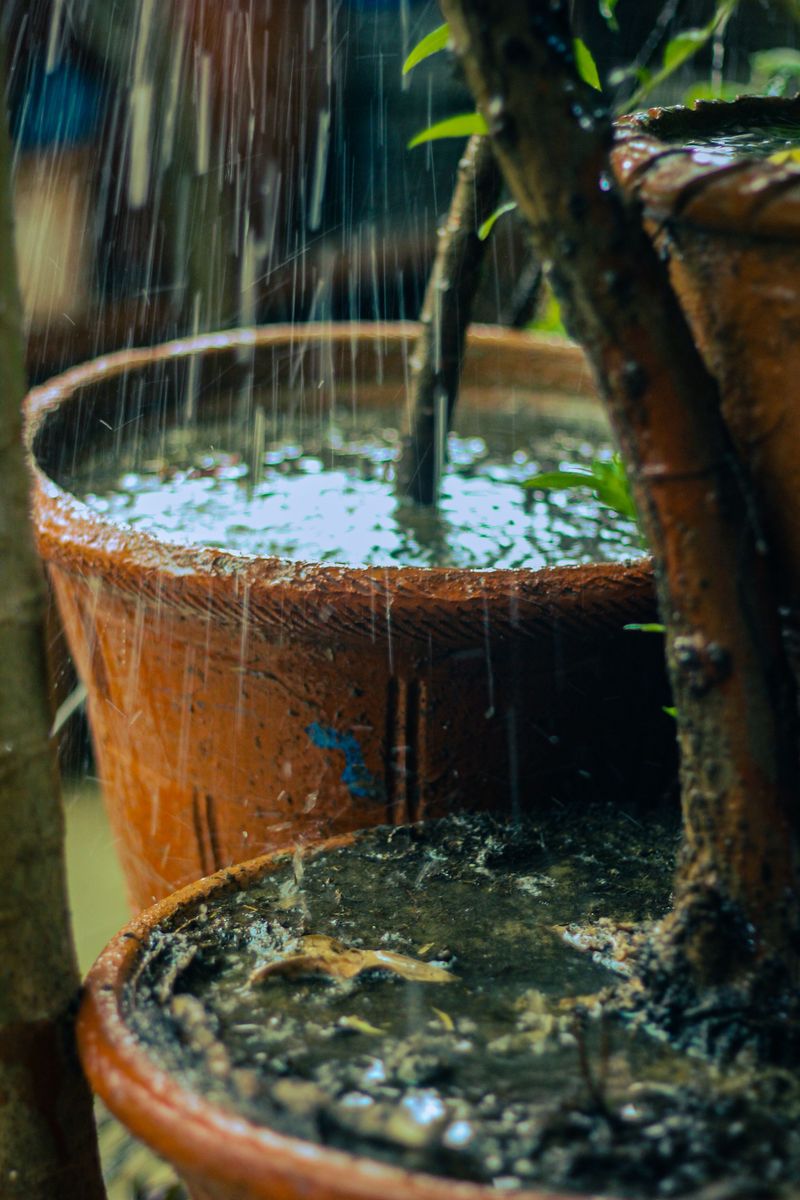
After a heavy Maryland summer downpour, standing water around your lantana is a sign worth checking. Lantana is drought-tolerant but performs poorly when its roots sit in soggy, waterlogged soil for extended periods.
Walk your garden within an hour after a heavy rain event. Check whether water is pooling around the base of your lantana plants and how long it takes to drain away into the surrounding soil.
If water sits for more than thirty minutes, your drainage needs improvement. Compacted clay soil, which is common in many parts of the mid-Atlantic region, is often the culprit behind slow-draining garden beds.
One quick fix is to work a layer of coarse sand or perlite into the top few inches of soil around the plant. Raised planting beds are an even better long-term solution for gardens that consistently struggle with drainage issues.
Root rot is a significant risk when drainage is poor. Roots are deprived of oxygen in saturated soil, and lantana with root rot shows wilting, yellowing, and a general decline that looks confusingly similar to drought stress.
Healthy drainage keeps roots oxygenated and encourages the strong, deep root system that lantana needs to power consistent blooming from August straight through the end of the growing season.
8. Trim Back Overgrown Spreading Branches
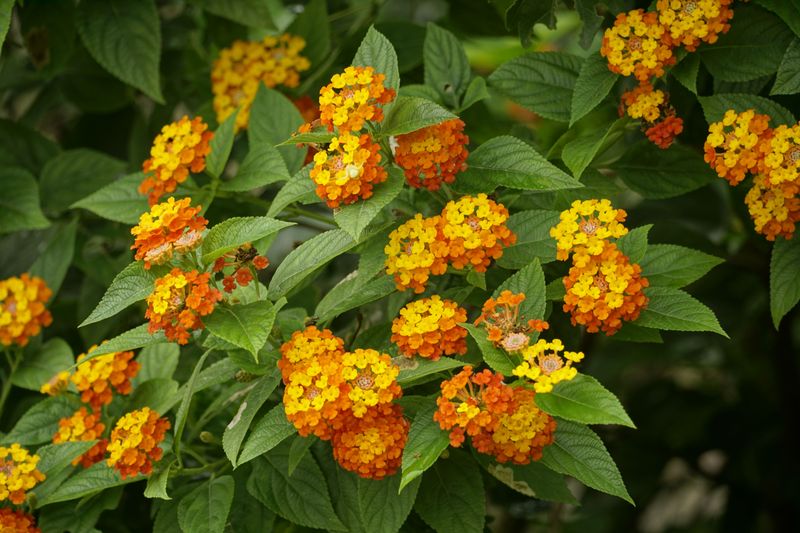
Lantana can spread aggressively when conditions are warm and favorable, and August in the mid-Atlantic basically encourages rapid growth. Branches that creep too far out can shade neighboring plants and make the whole bed look disorganized.
Step back and look at the overall shape of your lantana from a few feet away. Identify branches that extend well beyond the natural edge of the plant’s canopy and disrupt the flow of the garden bed.
Trim those branches back to a point where they align with the overall shape you want. Use sharp bypass pruners and make clean cuts just above a leaf node to encourage tidy, controlled regrowth from that point forward.
This kind of shaping also improves airflow through the center of the plant. Good airflow reduces humidity inside the canopy, which lowers the risk of fungal issues that tend to flare up in Maryland’s hot, muggy August conditions.
Some lantana varieties spread more than others. Trailing types used in containers or as ground covers need more frequent trimming than compact upright cultivars, so factor in your specific variety when deciding how often to reach for the pruners.
A well-shaped lantana plant not only looks polished but also blooms more evenly across its surface. Consistent Consistent trimming through August sets the stage for a full, colorful display right through autumn.
9. Watch For Powdery Mildew Signs

Powdery mildew is one of those problems that can develop quickly, and lantana is not immune when humidity spikes and airflow is poor. Catching it early makes all the difference between a quick fix and a widespread infection.
Look for a white or grayish powdery coating on the surface of leaves. It often starts on the upper side of foliage and spreads quickly to nearby stems and younger growth if left untreated for even a few days.
Unlike most fungal problems, powdery mildew actually thrives in dry air with high humidity at night. Maryland’s August nights fit that profile almost perfectly, which is why vigilance during this month is especially important for lantana growers.
Remove and discard any visibly affected leaves as soon as you spot them. Do not compost them, as the spores can survive and spread to healthy plants throughout the rest of your garden space.
A simple homemade spray of one tablespoon baking soda per gallon of water can help suppress mild cases. Apply it in the early morning so the solution dries before temperatures peak, reducing any risk of leaf scorch.
Prevention is always easier than treatment when it comes to mildew. Keeping lantana properly pruned for airflow and avoiding overhead watering are the two best habits for protecting your plants and ensuring strong blooms through fall.