A Pile Of Sawdust At A Maryland Tree Base Points To Something Above It
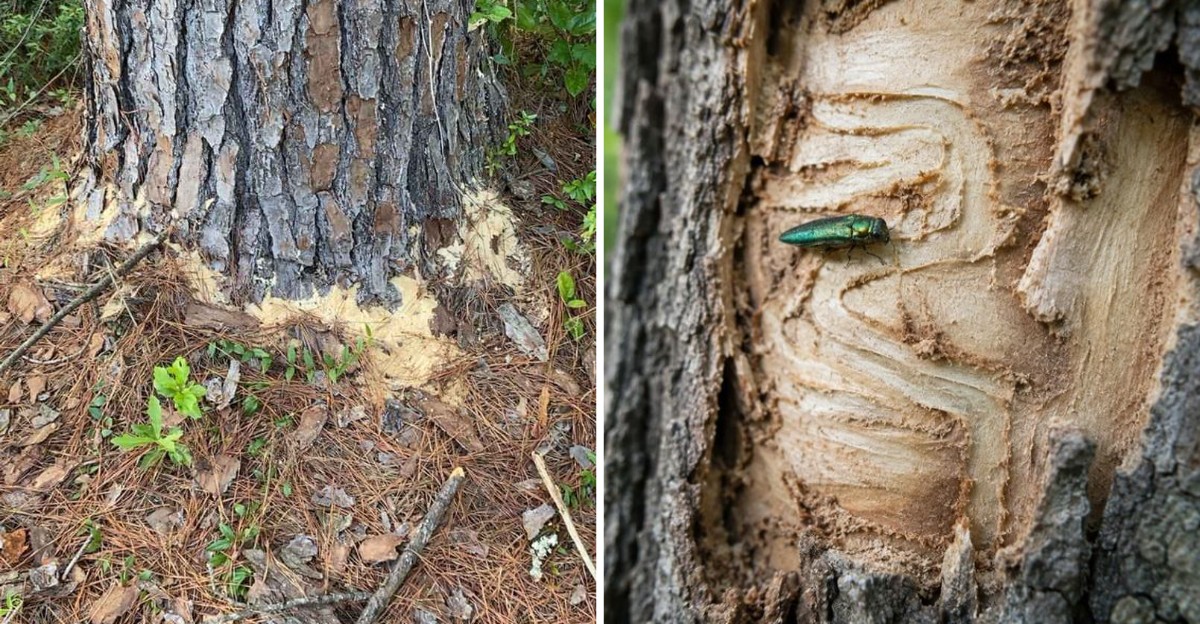
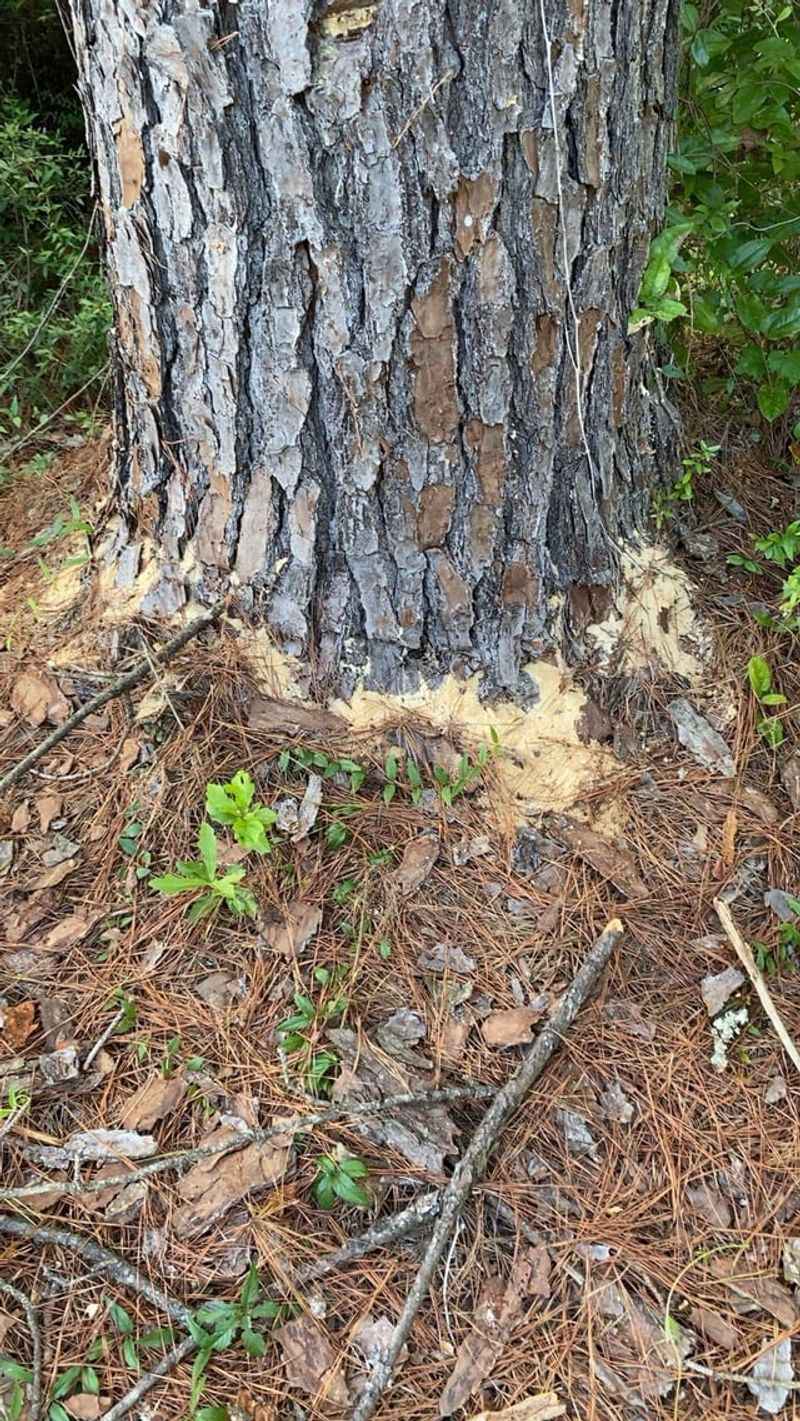
Something gritty crunched underfoot beside the old shade tree in the side yard early on Saturday morning. A neat tan pile leaned against the trunk, pale and fine, almost like spilled cinnamon sugar.
Nobody nearby had been sawing boards, and the lawn crew had not rolled through the street in weeks. Still, the little heap rebuilt itself within a few days of each heavy September rainstorm.
Loose sawdust does not invent itself, which means the real answer sits somewhere higher on the trunk. Tilt your head back, squint at the rough bark, and the odd little story slowly begins.
Maryland yards hide a surprising amount of quiet drama between the bark and the highest branches. The pile keeps growing anyway, and the tree stays far too polite to say a word.
Wood Shavings That Signal Insects Inside The Trunk
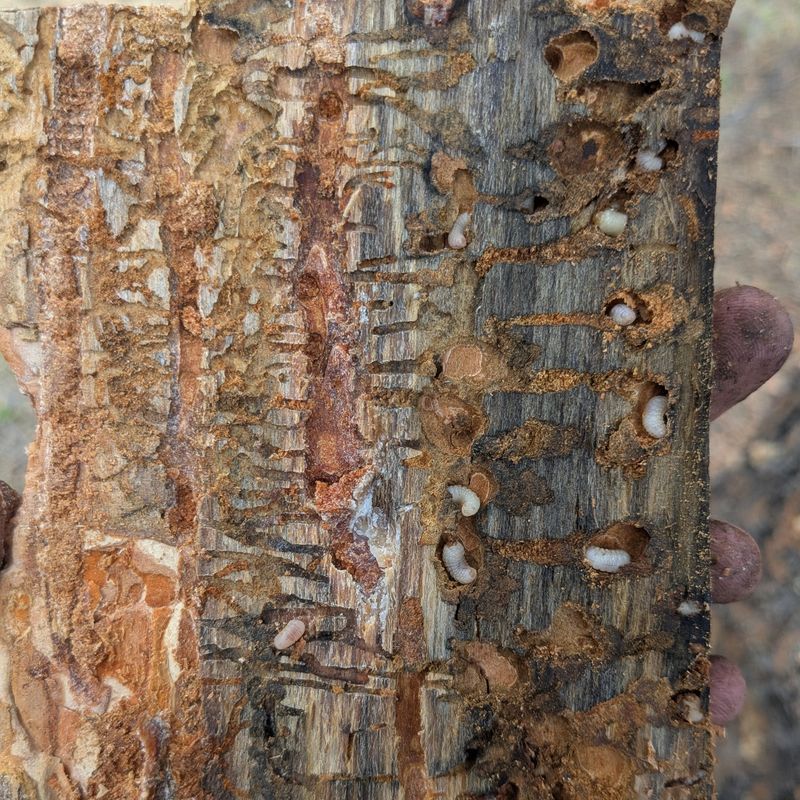
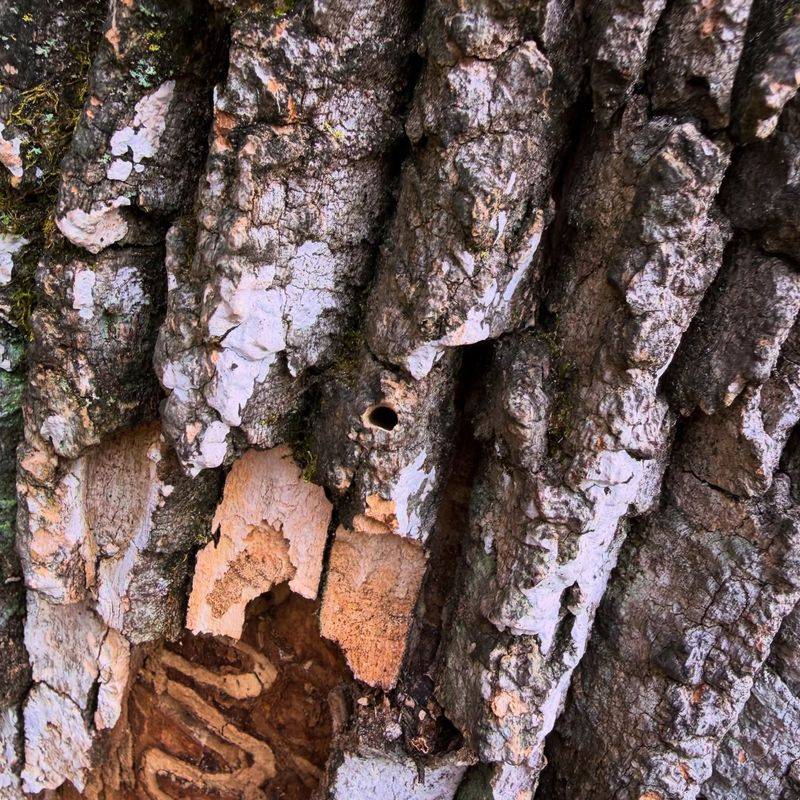
Insect larvae chewing tunnels beneath the bark push their sawdust-like waste out through small exit holes. Gravity finishes the job, stacking those crumbs into a neat cone against the trunk.
Arborists call that gritty material frass, a mix of chewed wood fibers and digested waste. Fresh frass looks pale and sharp-edged, while older piles turn gray and clump after rain.
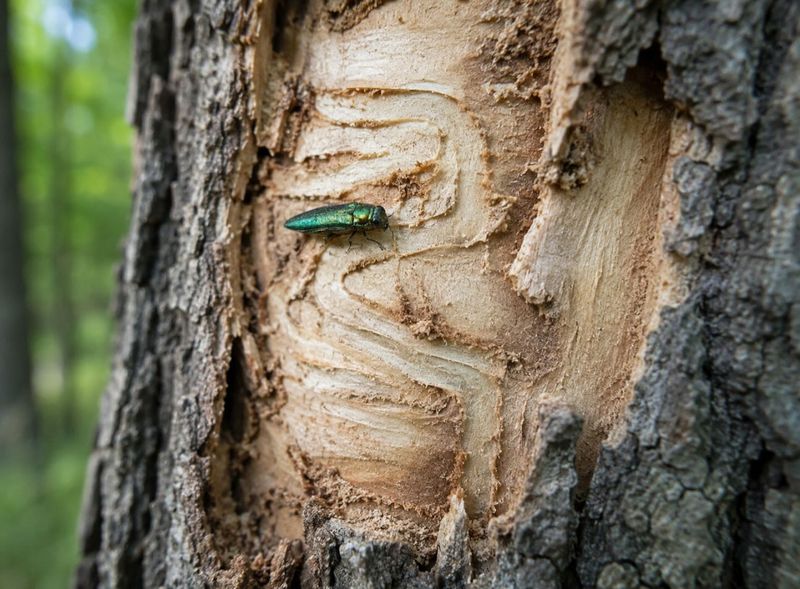
Maryland homeowners usually spot it beside ash, dogwood, peach, maple, and stressed young shade trees. Emerald ash borer, dogwood borer, and flatheaded appletree borer all leave similar calling cards.
The pile itself is harmless, but it works like a paper receipt for activity happening overhead. Something above that spot has been feeding on living wood for weeks or even months.
Follow the pile upward with your eyes and check the bark for pinholes or oval scars. Cracked patches, oozing sap, and loose bark plates often appear right along the tunnel path.
Not all sawdust means insects, so rule out squirrel chewing, woodpecker work, and old pruning cuts. Carpenter ants also toss coarse shavings, though theirs contain bits of insect legs and wings.
Take a photo, note the date, and mark the height of the highest hole you find. That simple record helps a certified arborist judge how far the problem has spread.
University of Maryland Extension agents field these calls constantly from late summer onward each year. Your pile of dust is common in local yards, and it is worth taking seriously.
The September Sawdust Surge
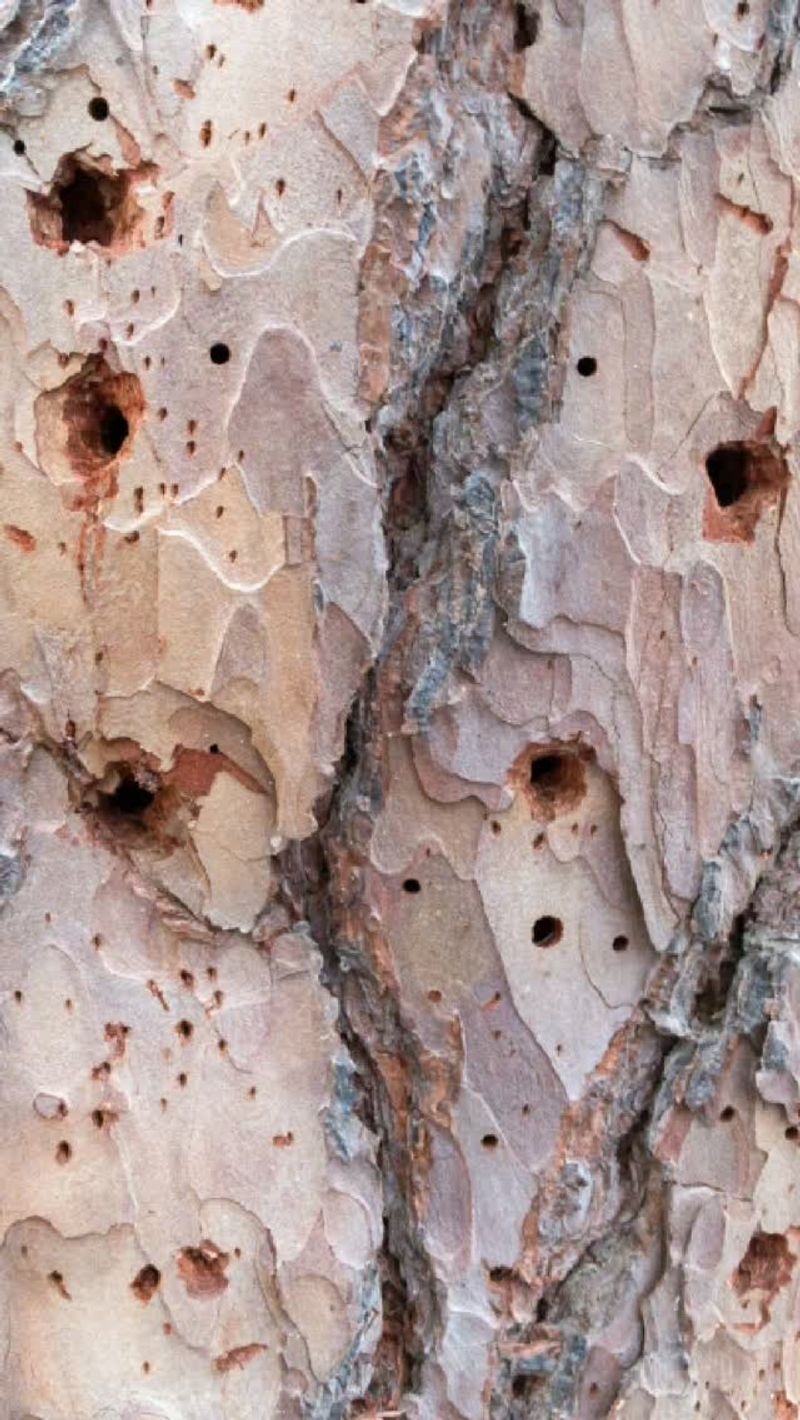
September brings a shift in Maryland yards, and bark-boring larvae are entering their hungriest stretch. Warm days, dry soil, and tired trees combine into a rough season for thin bark.
Adult beetles laid eggs across late spring and summer on stressed trunks and sun-scalded limbs. Those eggs hatched, and the young larvae have been tunneling quietly ever since.
By now the tunnels are wide, so frass output climbs and piles become easy to notice. Fall rains flatten the older material, making each fresh layer stand out clearly.
Summer drought in Maryland leaves trees short on water and low on defensive sap pressure. Healthy trunks can flood a tunnel with sap, but thirsty ones cannot push back.
Your Maryland Garden Changes Every Week. Your Plan Should Too.
Gardening in Maryland changes quickly throughout the season. Every Friday you’ll receive a simple weekly plan showing exactly what to plant, prune, fertilize, harvest, and protect so you never miss the right timing.
Newly planted trees from spring sales face the biggest risk during their first two autumns. Their root systems are small, their bark is thin, and their stress signals travel far.
September is also prime inspection weather, since leaves thin out and trunks become easier to study. Cooler mornings make a slow walk around the yard genuinely pleasant.
Mark your calendar for two checks, one in early September and one in mid October. Comparing the two piles tells you whether the feeding is active or finished.
Treatment timing hinges on that answer, because most trunk sprays target adults in spring. Autumn is for diagnosis, watering, and planning, not for panic purchases at the garden center.
Local extension offices answer sawdust questions all fall, usually for free. Photos of the pile, the holes, and the whole tree speed up their answer.
Costly Mistakes Homeowners Make With Frass
Plenty of homeowners sweep the pile, shrug, and assume the tree will sort itself out. Unfortunately the cleanup erases the only easy clue about what is happening under the bark.
A second common misstep involves piling mulch high against the trunk like a volcano. Trapped moisture softens bark, and soft bark is an open invitation for egg-laying beetles.
String trimmers deserve blame too, since one careless pass strips bark near the root flare. Those wounds release scents that attract certain borers from surprising distances.
Some folks reach for a hardware store spray and soak the trunk from top to bottom. Surface sprays rarely reach larvae already tunneling several inches inside solid wood.
Poking wire into holes sounds satisfying, yet it usually widens wounds and spreads decay fungi. Sealing holes with tar or paint traps moisture and slows natural healing.
Heavy pruning during warm weather ranks high on the regret list for Maryland yards. Fresh cuts scent the air, and beetles follow that scent straight to your tree.
Waiting through winter is the costliest choice of all, because tunnels keep widening inside. Each season of feeding cuts more of the tissue that moves water upward.
Skip the guesswork and let someone qualified look before money leaves your wallet. A twenty minute inspection beats a thousand dollar removal bill later.
Photograph the pile before clearing it, then compare with a new photo two weeks later. Documentation costs nothing and gives an arborist real information to work with.
Smart Next Steps For A Tree With Fresh Frass
First move is simple, and it does not involve a single chemical or power tool. Get a professional set of eyes on the tree, ideally an ISA certified arborist.
Maryland requires licensed tree experts for most tree care work, which protects homeowners from bad advice. Ask for the license number before anyone climbs or quotes a price.
Identification drives everything, since ash trees, dogwoods, and peach trees each host different borers. The right species name points to the right product and the right month.
Systemic treatments, applied as soil drenches or trunk injections, travel inside the wood where larvae feed. Timing usually falls in spring, so autumn discoveries often mean scheduling ahead.
Water is the cheapest medicine available this month, especially after a dry Maryland August. Slow soaking every week or two helps the tree rebuild sap pressure and defenses.
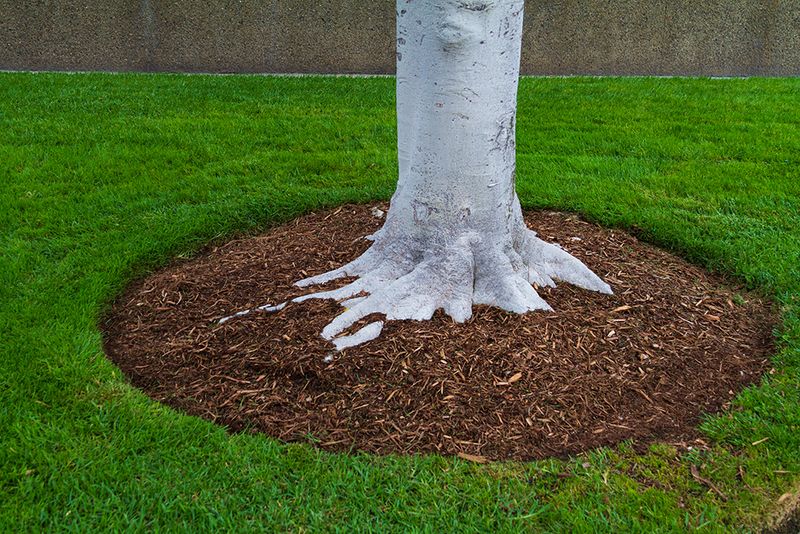
Pull mulch back a few inches from the trunk so bark can breathe and dry. Two to three inches deep, spread wide like a doughnut, works far better.
Heavily tunneled trunks sometimes fail structurally, and an honest arborist will say so plainly. Removal near a driveway or roofline beats a surprise during a winter storm.
Get two written estimates, and skip anyone who promises a cure after one glance. Good tree people explain options, costs, and the odds without dramatic sales pressure.
Firewood rules matter too, so leave infested wood on site rather than hauling it elsewhere. Moving logs across counties spreads these insects faster than they travel alone.
Recovery Odds For An Infested Maryland Shade Tree
Survival odds lean favorable, since many trees pull through a borer visit with sensible care. Outcome depends mostly on how much living tissue still remains under the bark.
A thin layer called cambium moves water and sugar between roots and leaves. Tunnels that cut a full ring around the trunk shut that pipeline down.
Scattered holes on one side of a mature trunk usually mean a fair chance. Thinning crowns, sprouts near the base, and peeling bark suggest widespread damage inside.
Ash trees in Maryland face tough odds against emerald ash borer without ongoing treatment. Dogwoods and fruit trees often bounce back once stress is reduced and watering improves.
Recovery shows up slowly, through callus rolls of raised bark around old holes. Fewer new piles next summer is the clearest sign of real progress.
Woodpeckers hammering one trunk section can actually help, since they hunt larvae under bark. Their shallow pits and light flaking are a natural pest control service.
Structural safety outranks sentiment when a tunneled trunk leans over a bedroom or sidewalk. An arborist can test wood soundness with a mallet and a small drill.
Replacement planting is not failure, and fall is an excellent window in Maryland. Choose a species that suits the site, then give it room and steady water.
Patience pays here, since trees heal on their own calendar rather than ours. Two or three quiet seasons often reveal whether the trunk is truly rebuilding strength.
Long Term Protection For Yard Trees In Maryland
Borers mostly target trees that are already struggling, which makes prevention mainly about comfort. Keep a tree unstressed and the beetles usually fly past toward easier targets.
Watering deeply during dry spells matters more than any product on a store shelf. Fifteen gallons weekly for a young tree beats daily sprinkles that barely wet dust.
Mulch rings shield trunks from mowers and trimmers, the two biggest bark wreckers in suburbia. Keep that ring wide, shallow, and pulled back from the bark itself.
Prune in late winter while beetles are inactive and wounds close quickly in spring. Save summer pruning for broken limbs and genuine safety hazards near the house.
Planting choices count for decades, so match the species to soil, light, and space. Diverse yards handle pest outbreaks better than a row of identical trees.
Young thin-barked trees appreciate shade protection on their southwest side during early years. Sun scald cracks bark, and cracked bark is exactly what egg-laying beetles want.
Buy nursery stock locally and inspect trunks for holes, ooze, or loose bark before paying. Skip firewood bargains from out of state, since logs carry hitchhikers.
Walk your yard twice a year with coffee in hand and eyes on the trunks. Early September and early June are perfect moments for that slow lap.
Small habits add up, and a well-watered, unwounded tree resists trouble for many years. Sawdust at the base becomes something you notice in other people’s yards instead.