8 Reasons Beautyberry Is The Native Shrub Most North Carolina Gardeners Walk Right Past
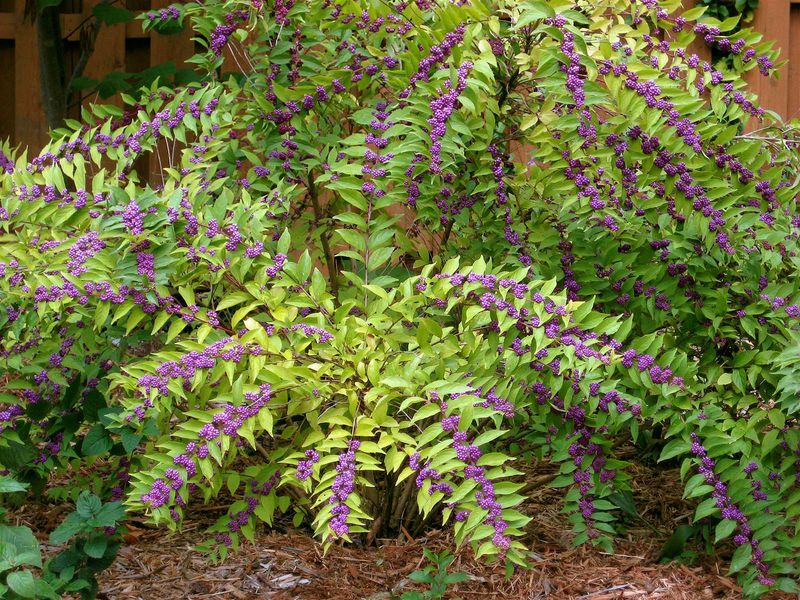
You walk the same loop at the garden center every fall, past the mums and the pansies, and there it sits in a plain black pot with no flowers. A native shrub called beautyberry, and half the North Carolina gardeners in that aisle stroll right by it. Then October hits and the whole plant lights up with clusters of purple berries so bright they look fake. Give it one season in your yard and you will wonder why you ignored it for years.
1. Those Electric Purple Berries Stop Traffic In October
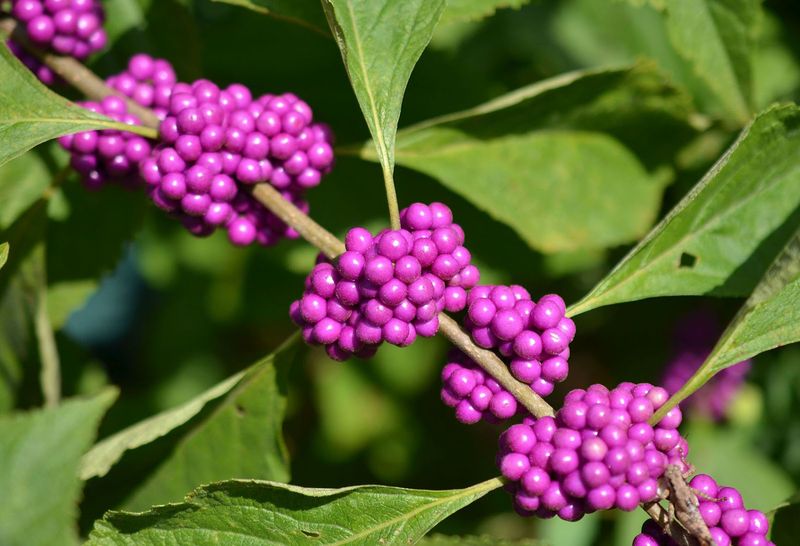
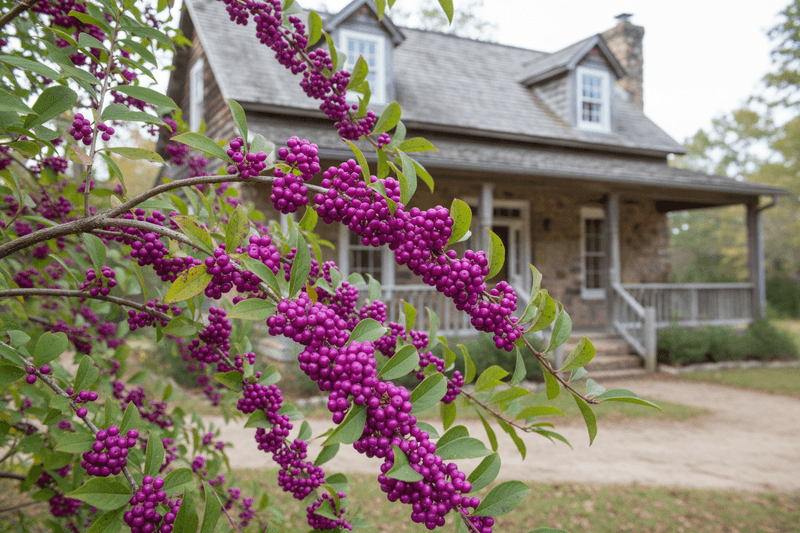
Picture your porch on a cool October evening in the Piedmont, the light going gold, and one shrub in the corner glowing like someone strung it with grape candy. That is American beautyberry, or Callicarpa americana, doing its one showstopping trick.
The berries wrap tight around the stems in fat clusters, and the color is a purple so loud it almost does not look real. Here is the part people miss at the nursery. In spring and summer, the plant is just green and leafy, so it gets passed over for whatever is already blooming.
But the berries hold on the branches from late August well into November, long after your azaleas and hydrangeas have quit for the year. That timing is the whole gift. When the yard starts winding down, beautyberry is just getting loud.
Plant it where you will actually see it, near a walkway or off the porch, and give it room to arch out about 4 to 6 feet wide. Do not bury it in the back of a bed. A neighbor who tucks it behind taller shrubs misses the show entirely, and the show is the whole point. Come fall, you will be the one house on the street with a purple bonfire in the corner.
2. Birds Treat It Like A Late-Season Diner
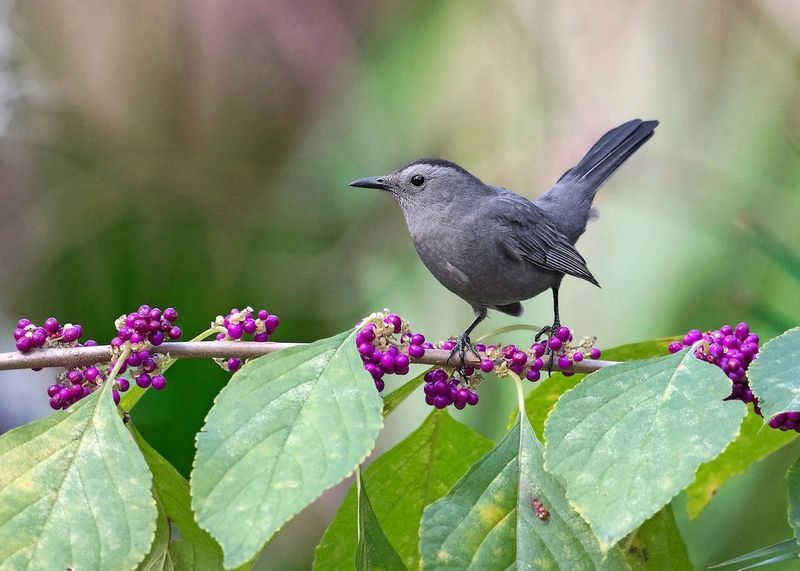
Mockingbirds have a plan for your beautyberry, and it kicks in right when other food gets scarce. As fall rolls into the Coastal Plain, the easy berries are mostly gone, and a shrub still loaded with fruit becomes a magnet.
Cardinals, catbirds, brown thrashers, and towhees all work the branches. NC State Extension notes that beautyberry fruit feeds more than 40 species of songbirds, which is a genuinely big number for one plant. So while you are watching for color, the birds are watching for supper.
The berries ripen slowly and hang on for weeks, which spreads the feeding out instead of dumping it all at once. That matters in November when a surprise cold snap can drop Piedmont temps into the low 20s overnight and birds burn energy just staying warm.
To make your shrub a real stop on the route, plant it within about 10 to 15 feet of some cover, a fence line, a cedar, or a brush pile. Birds like a quick exit if a hawk swings through. Leave the berries alone and skip the pruning shears in fall.
You get a living bird feeder that fills itself, and the porch turns into front-row seats.
Your North Carolina Garden Changes Every Week. Your Plan Should Too.
Gardening in North Carolina changes quickly throughout the season. Every Friday you’ll receive a simple weekly plan showing exactly what to plant, prune, fertilize, harvest, and protect so you never miss the right timing.
3. It Shrugs Off North Carolina Red Clay
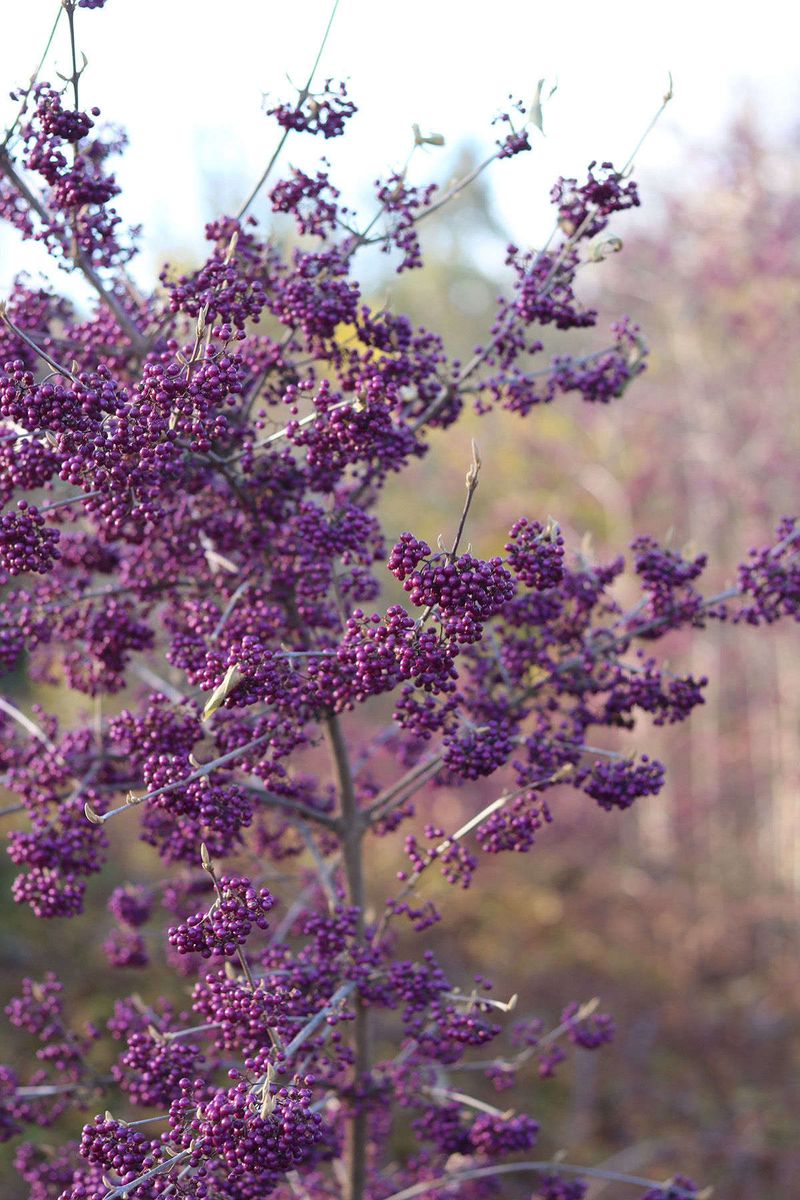
Most shrubs sulk in Piedmont red clay, that heavy, orange, brick-hard soil that turns to soup when it rains and concrete when it dries. Beautyberry does not care.
Being a true native, it evolved in these exact soils across the Southeast, so the clay that kills fussy ornamentals is just home to it. You do not need to haul in bags of amendment or build a raised mound. Dig a hole, set it in, water it, walk away.
Here is where it gets easy. Beautyberry handles both wet spells and dry ones once its roots settle in, usually within the first full growing season. It takes full sun or part shade, though a little afternoon shade in the hotter Sandhills keeps the leaves from wilting during muggy July afternoons.
Space plants about 4 to 5 feet apart if you want a loose row. Water new plants deeply once a week for the first summer, roughly 1 inch, then let nature take over.
For anyone who has fought clay with a shovel and lost, this is a small win that feels big. A shrub that thanks you for doing less.
4. The Leaves May Help Keep Mosquitoes Off You
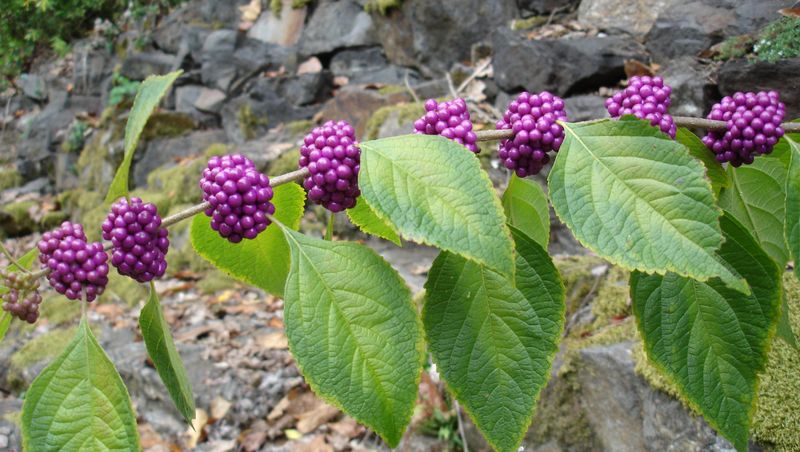
Country folk in the South have crushed beautyberry leaves and rubbed them on their skin for generations, long before anyone had a spray can. Turns out they were onto something.
Researchers with the USDA looked into that old habit and found compounds in the leaves, including one called callicarpenal, that may help repel mosquitoes and biting insects. It is not a magic force field, and it will not replace your bug spray on a bad evening. But it is a real clue hiding in a common plant.
In North Carolina, mosquito season runs long, from spring through the first frost, and it gets brutal after summer storms leave standing water. Anything that helps is worth a shrub in the yard.
Plant beautyberry near the patio or along the path to the grill, somewhere you brush past it. Crush a few leaves in your hands if you want to test the old trick yourself. Think of it as one layer, alongside dumping standing water and running a fan on the porch.
A plant that earns its keep by looking good and possibly buying you a few bite-free minutes at the cookout. That is a fair trade.
5. You Almost Cannot Kill It With Neglect
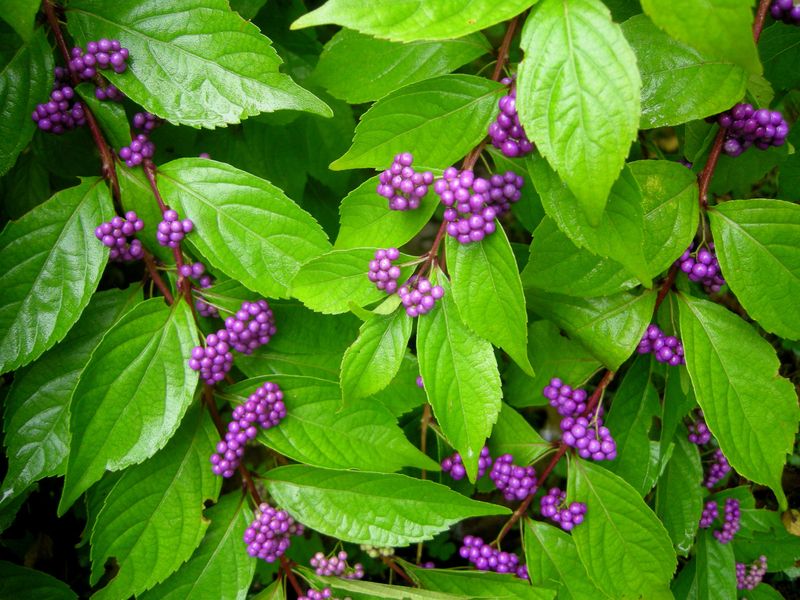
Some plants demand a schedule. Beautyberry asks for almost nothing, which makes it a strange fit for gardeners trained to fuss.
Once established, it laughs off drought, ignores most pests, and does not need fertilizer to put on a good berry show. Japanese beetles and stink bugs, the twin villains of a North Carolina summer, mostly leave it alone. That alone sets it apart from roses and other beetle magnets that keep you out there hand-picking bugs into a cup of soapy water.
The one job it appreciates is a hard prune in late winter, sometime around February in the Piedmont before new growth starts. Cut it back to about 12 inches from the ground and it bounces right back bushier, because it blooms and fruits on new wood, meaning the growth it puts out that same season.
Skip the prune and it still lives, just gets a little leggy and wild over the years. Either way, it forgives you.
For anyone juggling work, kids, and a yard that never quite gets finished, a shrub this patient is a quiet relief. You can ignore it for a month and it will still show up for you in October.
6. It Fills The Awkward Gap After Summer Blooms Fade
Every NC yard has that dead stretch. Late summer into fall, when the hydrangeas have browned, the daylilies are done, and the whole garden looks tired and green and sort of over it.
Beautyberry times its whole performance for that exact gap. While everything else is packing up, it starts coloring the berries in late August and holds the display through October and into November across most of the state. So the season that usually sags gets a second act.
Think about pairing it with other fall players for a longer show. Goldenrod and native asters bloom around the same window, and Joe Pye weed carries tall purple heads into early fall, so a corner planted with all of them keeps working when the rest of the yard clocks out.
Give beautyberry a spot with morning sun and set it where the late-day light can hit the berries and make them glow. About 4 feet of clearance lets it arch naturally without crowding neighbors.
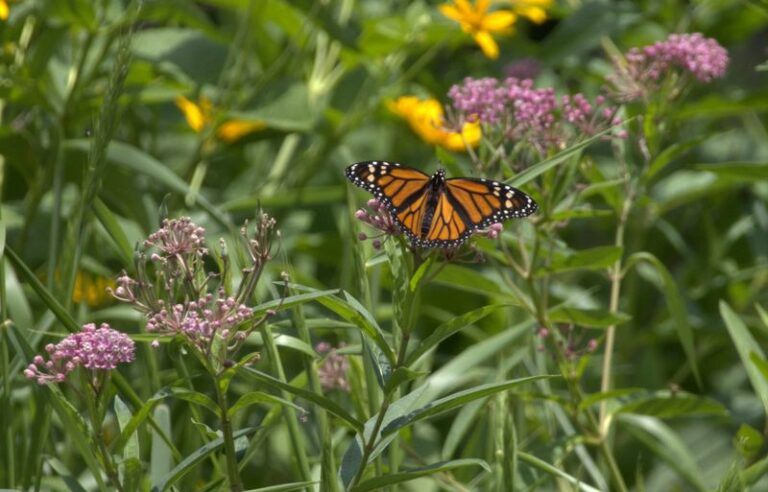
The payoff is a yard that stays interesting into monarch season, when the fall butterflies are drifting through on their way south. You stop dreading the end of summer because something good is just starting.
7. One Free Plant Turns Into A Dozen
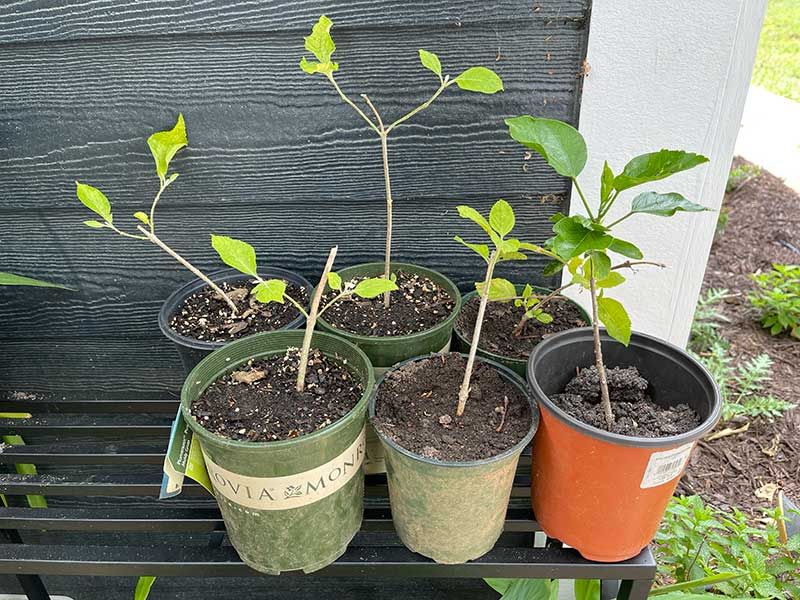
Here is a secret that makes beautyberry feel almost too generous. It roots from cuttings so easily that one shrub can seed an entire hedge for free.
Snip a pencil-thick softwood cutting about 6 inches long in early summer, strip the lower leaves, and stick it in a pot of damp soil in the shade. Keep it moist and many will root within a few weeks. Birds do the other kind of planting for you, dropping seeds along fence lines where new seedlings pop up on their own.
That means one plant from the nursery can become a whole border along your property line over a couple of seasons, no repeat trips to buy more. For a native hedge that feeds birds and screens the neighbor’s shed, that is a genuinely cheap path.
Space your rooted starts about 4 to 5 feet apart for a full row. If volunteer seedlings show up where you do not want them, they pull out easy while young, so it spreads without turning into a bully.
There is something satisfying about a plant that hands you copies of itself. You start with one and, before long, you are giving cuttings to neighbors over the fence.
8. It Fits Every Corner Of North Carolina
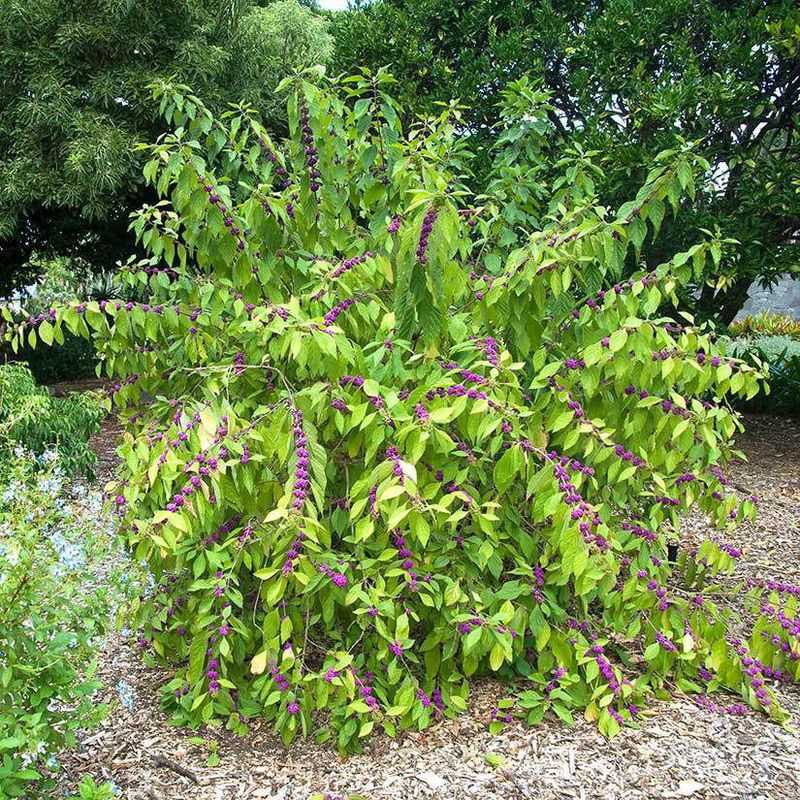
Plenty of plants love one region and hate the rest. Beautyberry stretches across the whole state, which is rare enough to notice.
It thrives from the warmer coast, zones 8a to 8b, right through the Piedmont at 7b to 8a, and up into the cooler mountains around zone 6b to 7a. That range covers sandy Coastal Plain soil, heavy Piedmont clay, and rockier mountain ground, all with the same easy plant. Not many natives are that flexible.
Hurricane season, June through November, throws wind and flooding at the eastern half of the state, and beautyberry’s loose, whippy branches tend to bend rather than snap. In the mountains, it dies back in a hard winter and resprouts from the roots come spring, so a cold snap does not end it.
Set it in full sun near the coast and give it a touch of afternoon shade in the hotter Sandhills. Everywhere else, it is genuinely hard to place it wrong.
Whatever end of the state you garden in, this is a shrub that already belongs there. Walk past it one more time at the nursery and you are leaving the easiest native win in North Carolina sitting in its pot.