What It Really Means When Trees In Virginia Shed Leaves Before Fall
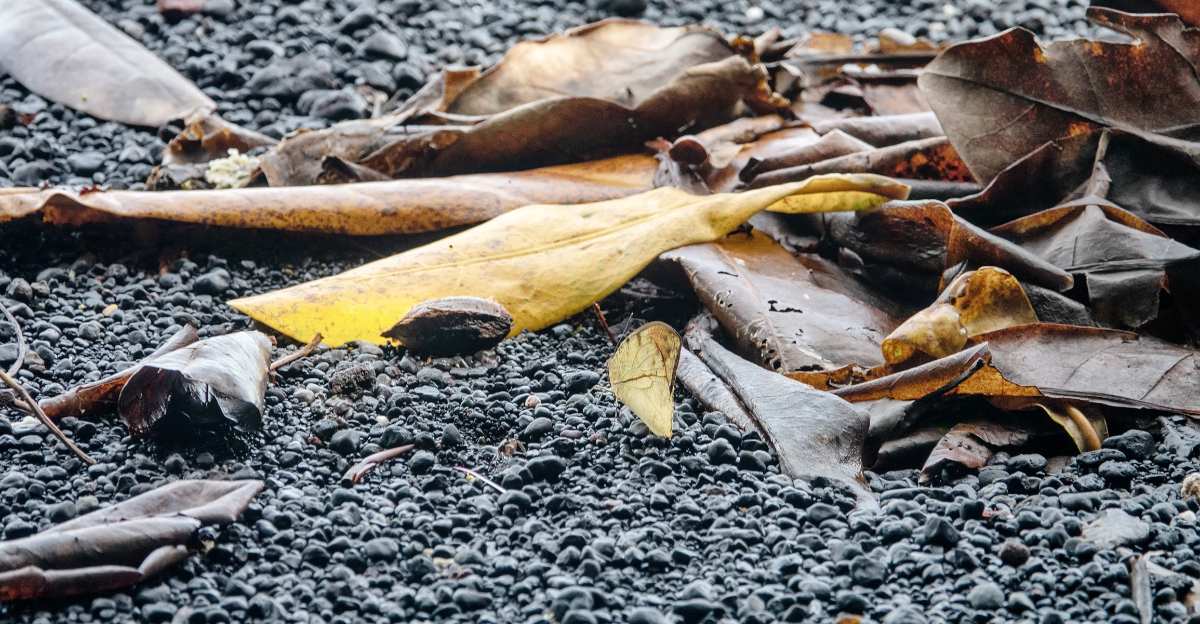
You notice oak leaves piling up weeks before autumn arrives. Something inside you already senses this isn’t normal, and you’re right. Virginia summers push trees into stress patterns you rarely expect.
Heat alone truly won’t explain everything you’re watching happen. Your roots, soil, and hidden insects might all be quietly influencing this outcome. Only a single cause usually explains what’s happening beneath your bark.
Every leaf you lose early carries a very clear warning. Ignoring these signs invites problems you can’t reverse later. Waiting only lets whatever you’re facing grow stronger every single day.
Clay soil and shifting rainfall affect Virginia trees especially hard, and you feel it constantly. Diagnosing what you’re dealing with takes more than a glance.
Timing tells you almost as much as the symptoms themselves. Answers exist, but you truly need real context now. Knowing this could protect your oak before you lose it for good.
What Midsummer Leaf Drop Actually Signals
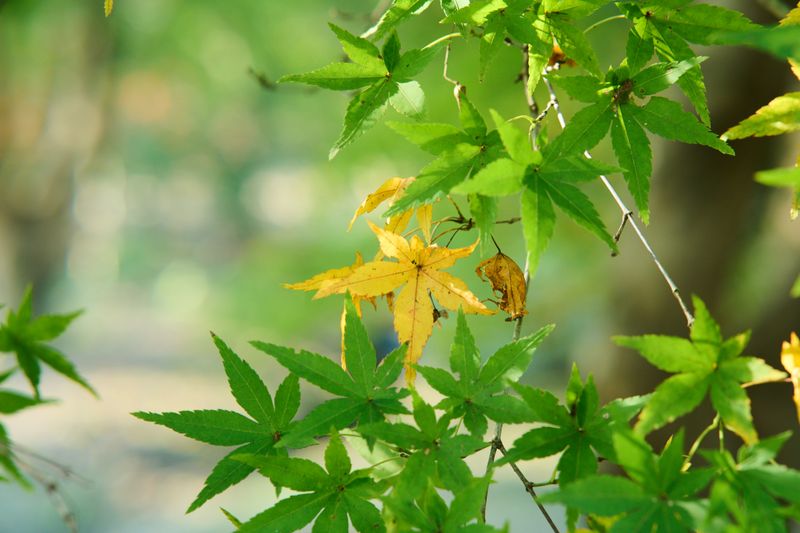
Your tree is not panicking. Early leaf drop in midsummer is actually a survival strategy, not a sign of failure.
Trees shed leaves to reduce water loss when conditions become stressful. Think of it like a ship throwing cargo overboard to stay afloat.
When trees in Virginia shed leaves before fall, they are making a calculated trade-off. Fewer leaves mean less water needed to keep the tree alive through tough conditions.
This process is called early senescence, and it happens when a tree senses it cannot support all its foliage. The tree prioritizes its roots and trunk over its canopy.
Midsummer leaf drop often happens gradually at first. You might notice yellowing on the lower branches or interior leaves before the outer canopy shows any change.
The timing matters a lot. Leaf drop in June or July usually points to environmental stress. Drop in August or September edges closer to normal seasonal behavior.
Pay attention to which leaves fall first. Inner, older leaves dropping usually signal stress. Outer or tip leaves dropping can point to disease or pest damage.
Most healthy trees can recover well from one season of early leaf drop, though recovery depends on the tree species and severity of stress.
Catching this early gives you the best shot at helping your tree bounce back strong next spring.
Drought Stress Or Something More Serious
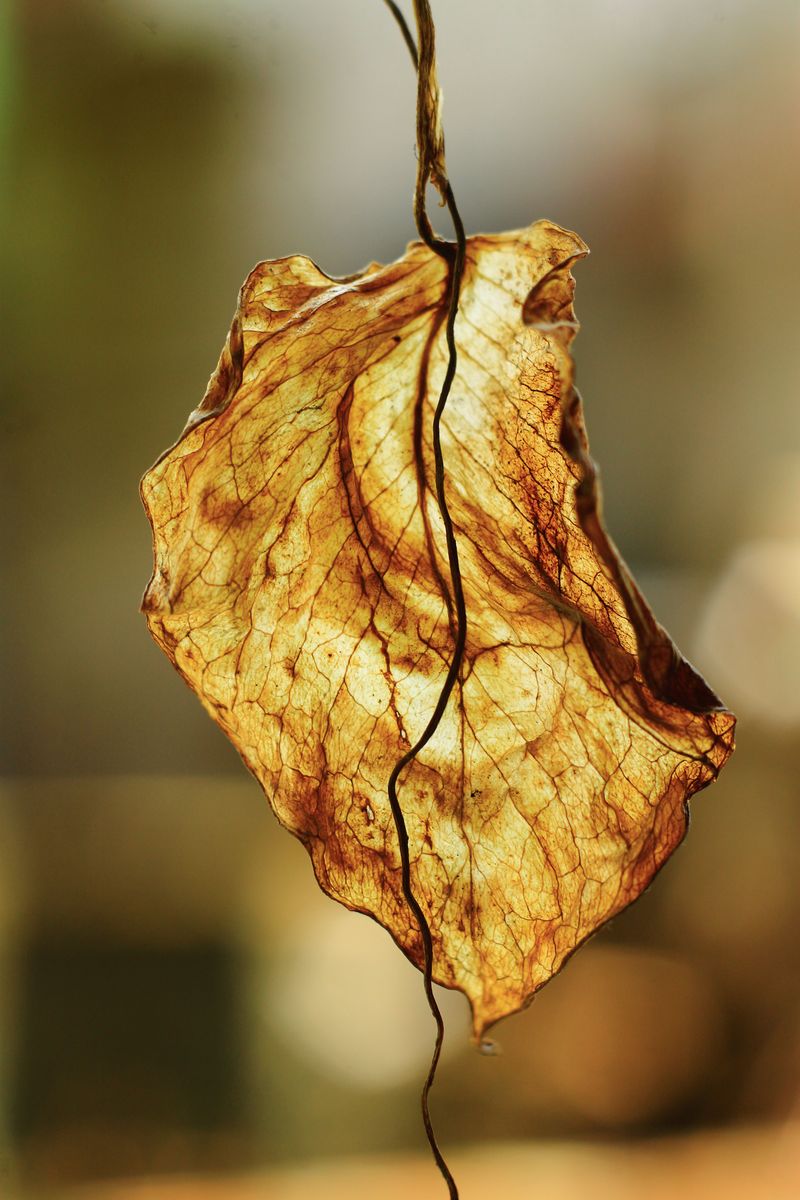
Drought is one of the most common reasons trees in Virginia shed leaves before fall arrives. The state’s hot, humid summers can shift quickly from wet to dry.
When rainfall drops below normal for even three or four weeks, shallow-rooted trees feel it first. Dogwoods, maples, and birches are especially sensitive.
Drought stress shows up as leaf scorch before full drop begins. The edges of leaves turn brown and crispy, similar to heat damage.
But drought is not always the whole story. Sometimes early leaf loss points to something deeper, like root damage from construction or soil compaction.
Compacted soil cuts off oxygen to roots. Without oxygen, roots struggle to pull up water even when moisture is present underground.
Your Virginia Garden Changes Every Week. Your Plan Should Too.
Gardening in Virginia changes quickly throughout the season. Every Friday you’ll receive a simple weekly plan showing exactly what to plant, prune, fertilize, harvest, and protect so you never miss the right timing.
Fungal root rot is another possibility that mimics drought symptoms perfectly. The tree looks thirsty but actually has damaged roots that cannot absorb water properly.
A quick way to check: dig about three inches into the soil near the tree’s drip line. If it feels dry and powdery, drought is likely your culprit.
If the soil feels moist but the tree still shows stress, something more serious may be at play. That is when calling an arborist makes sense.
Do not assume watering will always fix the problem. Diagnosing the right cause first saves you time, money, and a lot of frustration later.
Common Reasons Trees Shed Leaves Early
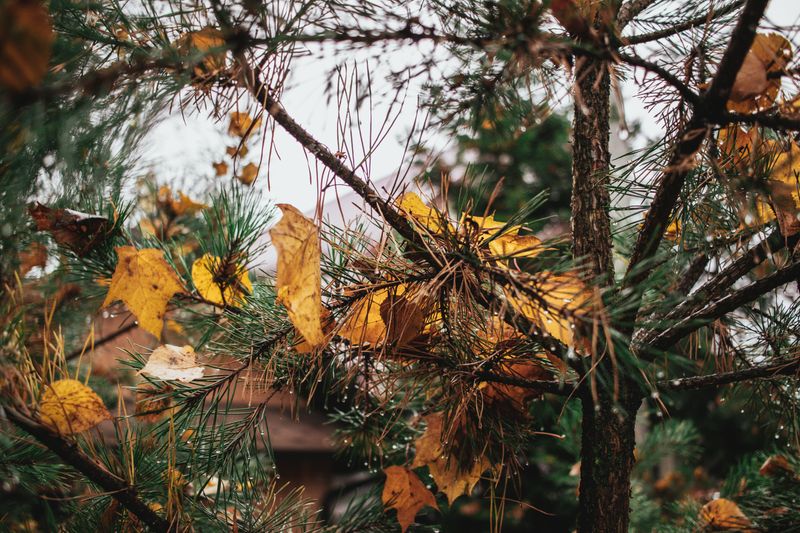
Not every early leaf drop means disaster. Several common and very treatable causes explain why your tree might be shedding ahead of schedule.
Insect infestations are a big one. Spider mites, scale insects, and aphids drain nutrients from leaves, causing them to yellow and fall prematurely.
Fungal diseases like anthracnose and powdery mildew are extremely common in Virginia’s humid climate. These infections cause spots, curling, and early leaf shed across many tree species.
Leaf scorch from reflected heat is underrated as a cause. Trees planted near pavement, driveways, or south-facing walls absorb extra heat and lose moisture faster.
Overwatering is a surprisingly common mistake. Soggy soil around the root zone deprives roots of oxygen and leads to the same symptoms as drought stress.
Herbicide drift is another sneaky culprit. If a neighbor applies herbicide on a windy day, your tree can absorb it through its leaves or roots.
Soil pH imbalance prevents trees from absorbing nutrients properly. A tree that cannot access iron or manganese will show yellowing and early leaf loss.
Physical damage to the trunk or major roots also triggers early shedding. Even a lawnmower nick in the bark can disrupt water flow through the tree.
Knowing the real cause behind the leaf drop is the first step toward fixing it. Guessing usually leads to wasted effort and a tree that keeps struggling.
Red Flags Worth Watching Closely
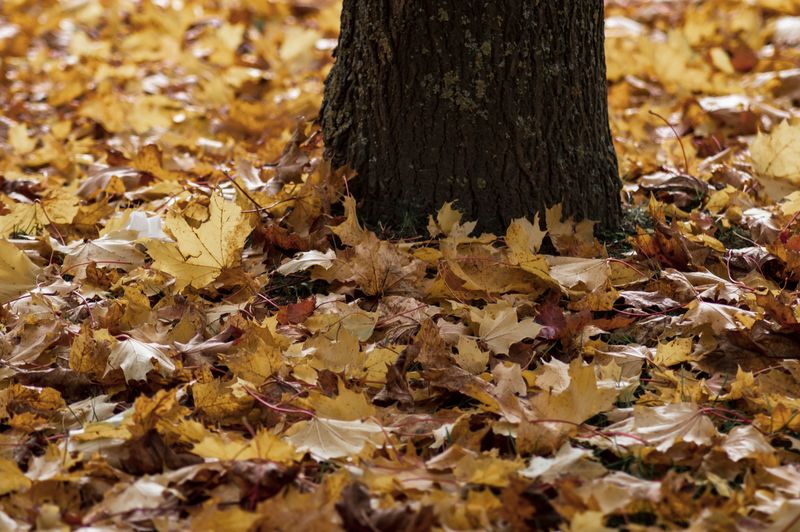
Some early leaf drop is manageable. But certain warning signs tell you something more urgent is happening with your tree.
Dark, sunken areas on the bark called cankers are a serious red flag. They block water and nutrient flow through the tree’s vascular system.
Sudden, rapid defoliation across the whole canopy is another alarm. Gradual drop is usually stress-related. Fast, widespread drop often signals disease or severe pest pressure.
Mushrooms or shelf-like fungal growth at the base of the trunk indicate internal wood rot. That kind of rot weakens structural integrity from the inside out.
Oozing sap or sticky residue on branches can signal bacterial infection or boring insects tunneling beneath the bark. Neither problem resolves without intervention.
Branch decline is a major warning. When tips of branches turn brown and dry from the outside in, the tree is losing its ability to move water upward.
Vertical cracks in the bark, called frost cracks, can also contribute to early leaf loss. They create entry points for pathogens that cause long-term damage.
If you notice more than two of these signs at once, act quickly. A certified arborist can assess the tree before the problem spreads further.
Catching these red flags early is the difference between saving a tree and losing it. Address these red flags before the canopy declines further.
Why Virginia’s Climate Makes This Common
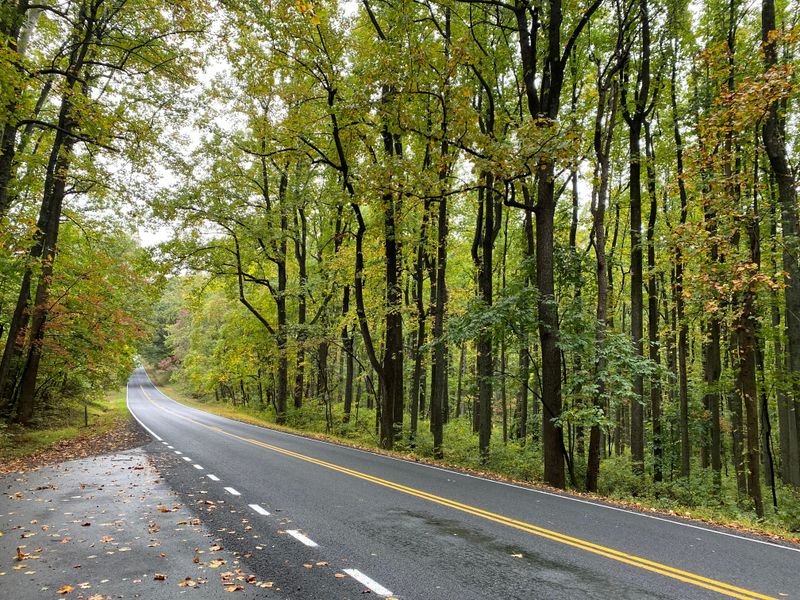
Virginia sits in a unique climate zone that puts trees under more pressure than many homeowners realize. Hot summers, unpredictable rainfall, and humid conditions combine to put trees under significant stress.
The state spans multiple plant hardiness zones. Trees in the western mountains experience different stressors than trees along the coastal plain or in the Piedmont region.
Summer temperatures regularly push into the 90s across much of Virginia. That heat accelerates soil moisture evaporation and forces trees to work harder to stay hydrated.
Virginia also experiences periodic summer droughts that alternate with heavy rain events. This inconsistent moisture pattern stresses root systems and weakens overall tree health.
The high humidity encourages fungal diseases to spread quickly. Wet foliage sitting in warm, still air creates ideal conditions for leaf spot, rust, and blight.
Pest pressure is intense here too. The spotted lanternfly and emerald ash borer are both now widespread across Virginia, and continue to stress native tree populations significantly.
Clay-heavy soils common in northern and central Virginia drain poorly. After heavy rain, roots sit in waterlogged conditions that damage them even during summer heat.
Urban heat islands in cities like Richmond, Norfolk, and Northern Virginia amplify temperature stress for street and yard trees. Pavement holds heat and pushes soil temperatures dangerously high.
Virginia’s climate practically sets the stage for early leaf shed every summer. Understanding your local conditions helps you stay one step ahead of your trees’ needs.
How To Help A Struggling Tree Bounce Back
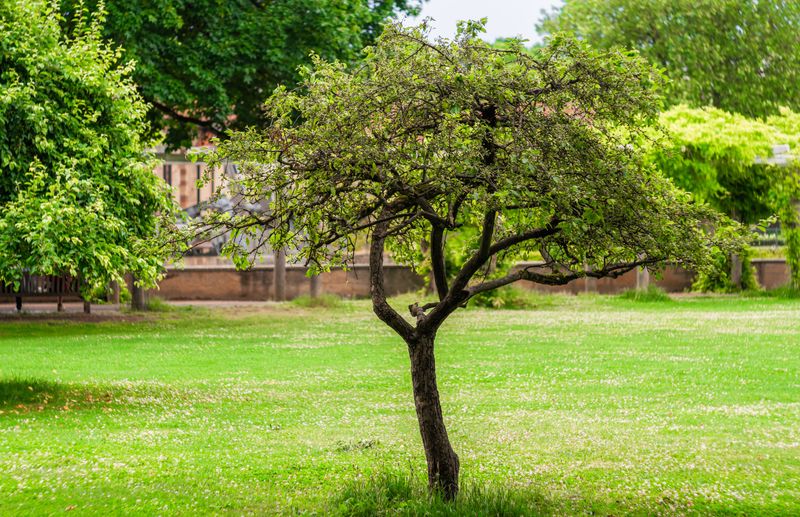
A stressed tree is not a lost cause. With the right care at the right time, most trees recover surprisingly well from early leaf shed.
Deep, slow watering is your first and most powerful tool. Use a soaker hose or drip system to water the entire root zone, not just near the trunk.
Water deeply once or twice a week during dry stretches. Shallow daily watering trains roots to stay near the surface, making trees more vulnerable to drought.
Mulching is one of the most effective tools for helping stressed trees. A three-to-four-inch layer of organic mulch around the base holds moisture, regulates soil temperature, and feeds beneficial microbes.
Keep mulch a few inches away from the trunk itself. Mulch piled against bark traps moisture and creates conditions that invite rot and disease.
Avoid fertilizing a stressed tree in summer. Pushing new growth when the tree is already struggling puts extra demand on a root system that is already strained.
Hold off on heavy pruning until the tree shows signs of recovery. Removing too much canopy during stress can slow the tree’s ability to produce energy through photosynthesis.
Treat any confirmed pest or disease issues promptly. An arborist can recommend targeted treatments that address the specific problem without harming beneficial insects or surrounding plants.
Consistency is everything when helping a tree recover. One good season of care can set a struggling tree on a path back to full health next year.
When To Call A Professional And What To Expect
Some tree problems require more than basic home care to resolve. Knowing when to call a professional saves you from costly mistakes.
If your tree has visible cankers, major branch decline, or fungal growth at the base, skip the DIY approach. These symptoms need a trained eye and proper diagnosis.
A certified arborist will assess the whole tree, not just the visible symptoms. They examine root health, bark condition, soil quality, and canopy structure before recommending any treatment.
Expect the arborist to ask about recent changes near the tree. Construction, grading, or utility work nearby can damage roots in ways that do not show up for months.
Soil testing is sometimes part of the process. Knowing your soil’s pH and nutrient levels helps identify deficiencies that contribute to early leaf drop in trees across Virginia.
Treatment plans vary widely depending on the diagnosis. Some trees need targeted pesticide or fungicide applications. Others need root aeration, soil amendments, or structural support cables.
Cost depends on tree size, problem severity, and treatment type. A basic consultation typically costs a few hundred dollars depending on your area and the arborist, and it is usually a worthwhile investment.
Ask for credentials before hiring anyone. Look for ISA-certified arborists, which means they meet professional standards for tree care knowledge and safety practices.
Getting expert help early is almost always cheaper than removing a tree that was not properly treated. Your trees in Virginia deserve that level of attention and care.