8 Steps to Get an Ohio Thanksgiving Cactus Covered in Blooms Before the Holiday
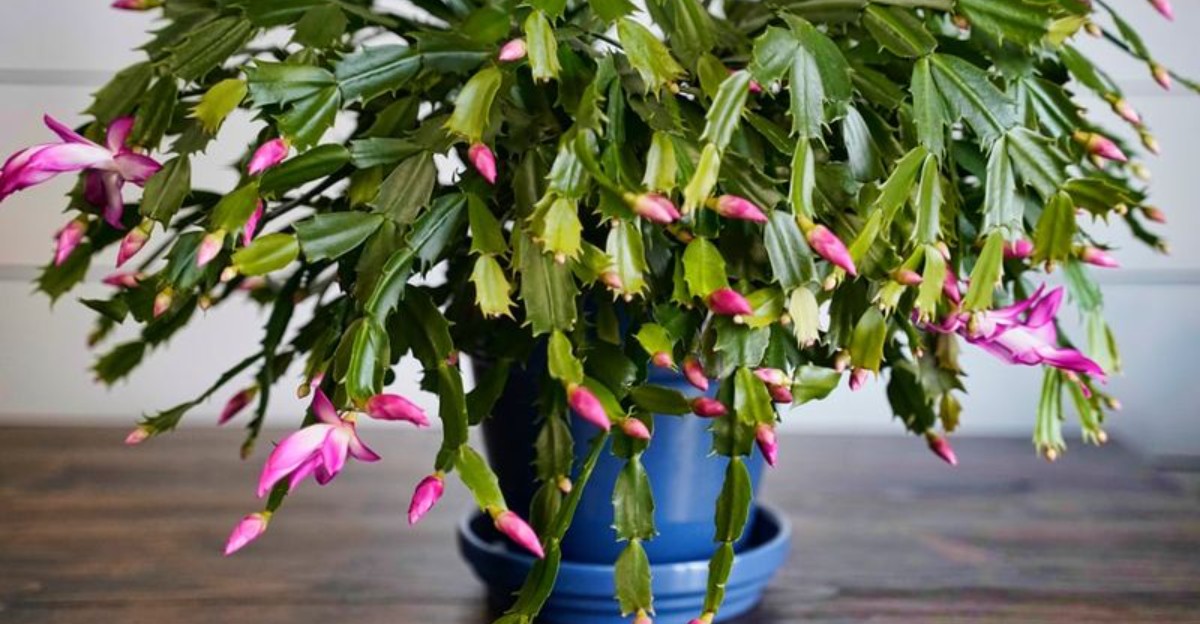
A favorite November houseplant actually began life clinging to mossy tree branches high in the mountains of Brazil. Those wild ancestors soak up mist and filtered light, and they bloom when autumn nights grow long.
Here in Ohio, our shrinking fall daylight can trigger that same flowering switch inside a sunny living room. Cool porch nights help too, which makes Ohio’s chilly autumn weather an unexpected ally for holiday color.
I have to admit my first one sulked for two years and gave me exactly three lonely flowers.
You might notice the same stubborn behavior on yours, even with careful watering and a bright window.
A few small tweaks to darkness and timing turned my shy plant into a pink fountain of blossoms. Could your windowsill be hiding the same holiday show, just waiting for the right signals from you?
1. Check The Pointed Claw Teeth On Your Holiday Cactus Stems
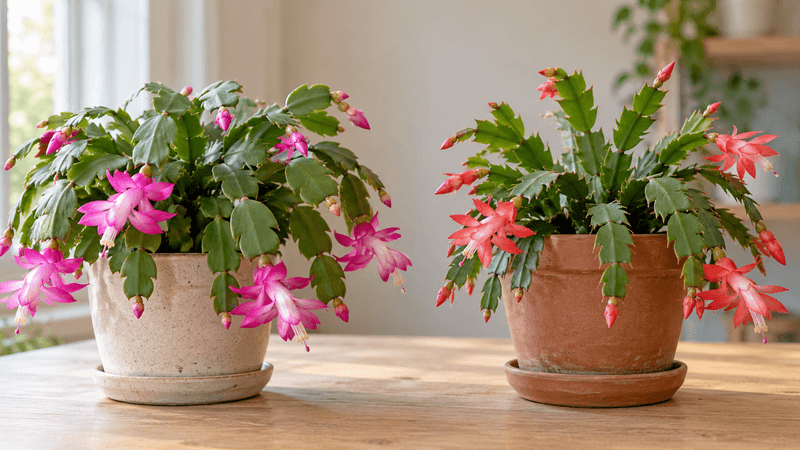
Grab your plant and run a finger along the stem edges, because those tiny points tell the whole story. Thanksgiving cactus, Schlumbergera truncata, has sharp claw-like teeth that earned it the cute nickname crab cactus.
Christmas cactus, a hybrid called Schlumbergera x buckleyi, has smoother stems with rounded, scalloped edges instead of points. Easter cactus belongs to a different group and has bristly segment tips plus starry flowers in spring.
Personally, I love peeking at the flowers too, since Thanksgiving types usually show yellow pollen on their anthers. Christmas cactus flowers tend to carry purplish brown anthers, which makes a handy backup clue during bloom season.
Why does the name matter so much when both plants look nearly identical sitting on a kitchen windowsill? Each type responds to fall cues on its own schedule, so knowing yours helps you plan the timing.
Thanksgiving cactus often opens its buds about a month earlier than its Christmas cousin under similar home conditions. Many plants sold in stores labeled as Christmas cactus are actually Thanksgiving types, so double check your label.
I like to snap a quick phone photo of the stems and compare it with university extension pictures. That simple habit saves guesswork later and helps you match the care plan to the right plant.
Once you confirm those pointed claws, you know your target date sits right around late November each year. Everything else in this plan builds on that single fact, so it pays to get it right.
2. Give Your Thanksgiving Cactus Long Dark Nights In Early Fall
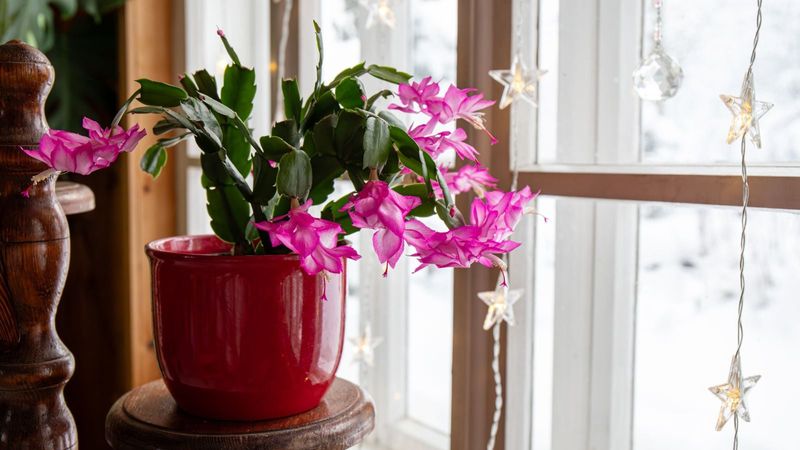
Light from a single bedside lamp can quietly delay a whole season of flower buds on this plant. Thanksgiving cactus is a short-day plant, which means it sets buds when nights stretch long and stay uninterrupted.
Extension experts recommend about 12 to 14 hours of steady darkness each night for roughly six weeks. For a late November show, I start this routine somewhere around the last week of September.
You can tuck the pot into a spare bedroom or closet from early evening until breakfast time. Another easy trick is setting a cardboard box over the plant each night, then lifting it every morning.
During the day, give the plant bright indirect light so it has energy to build those plump buds. A spot near an east window works nicely, since harsh afternoon sun can scorch or redden the stems.
Honestly, a glowing streetlight outside my window sabotaged my plan during the very first year I tried. Even short bursts of artificial light at night can confuse the plant and push blooming later than expected.
Ohio days naturally shorten through autumn, so an unused room with blinds closed often does most of the work. Once you see tiny buds forming at the stem tips, you can relax the darkness routine a bit.
I love how a humble cardboard box becomes the secret tool behind such a colorful holiday table. Set a phone reminder for evenings, because consistency matters far more than any fancy gadget or grow light.
3. Keep Your Holiday Cactus In A Cool Room With Chilly Nights
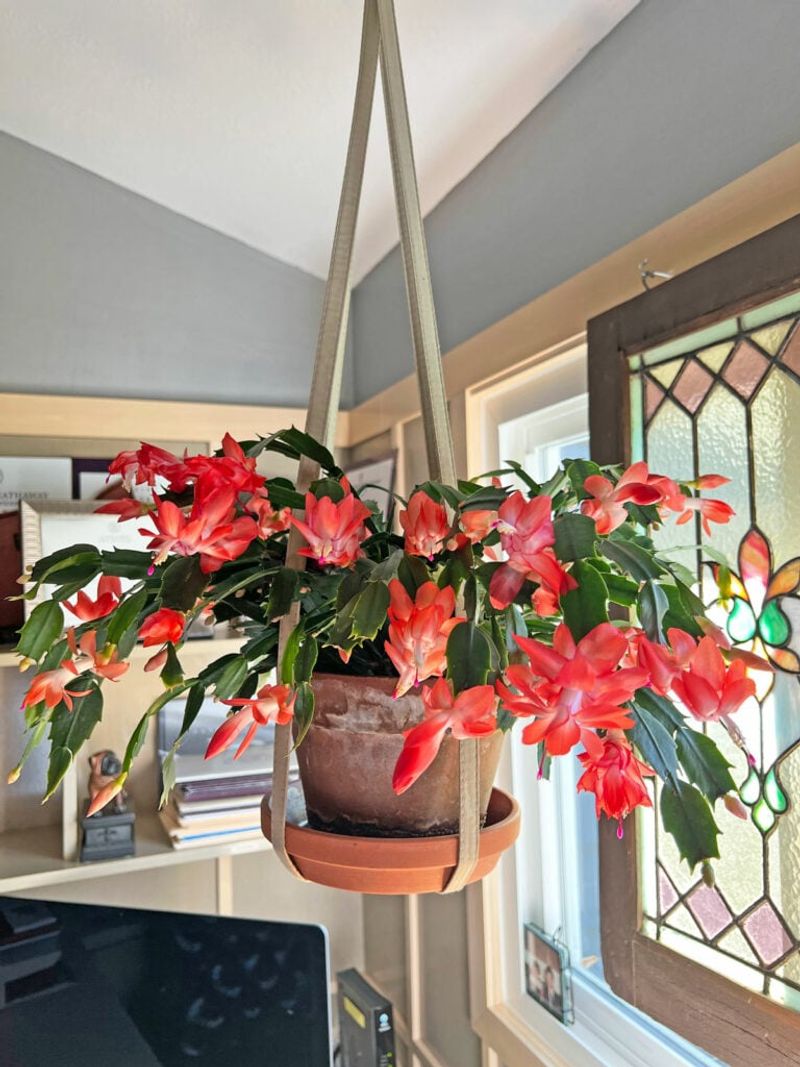
Cool air works like a second bloom switch, and it can sometimes outshine darkness as a flowering trigger. University extension sources note that nights around 50 to 55 degrees encourage buds even without strict dark treatment.
I believe this explains why plants on chilly sun porches often bloom better than ones near warm furnaces. Daytime temperatures between roughly 60 and 70 degrees keep the plant comfortable while those cool nights work their magic.
Many Ohio gardeners summer their plants outdoors in shade, which gives them natural fall chill before frost arrives. Bring the pot inside once nights threaten to dip below about 45 degrees, usually by early October.
Frost can badly injure the fleshy stems, so watch the forecast closely during those unpredictable autumn weeks. An unheated guest room or a bright basement window can serve as a perfect chilly bloom chamber indoors.
Keep the plant away from blasting heat vents and drafty doors that swing open throughout the busy day. Sudden swings in temperature are a common reason buds drop before they ever get a chance to open.
A cheap indoor thermometer helped me find the coolest corner of my house in about one afternoon. You might be surprised how much warmer a shelf near the ceiling is compared with a low windowsill.
Once buds swell to the size of a pea, a slightly warmer room is fine for display. Just move the plant gently and keep it in steady conditions, since buds dislike frequent relocation.
4. Water Your Thanksgiving Cactus Like A Rainforest Plant
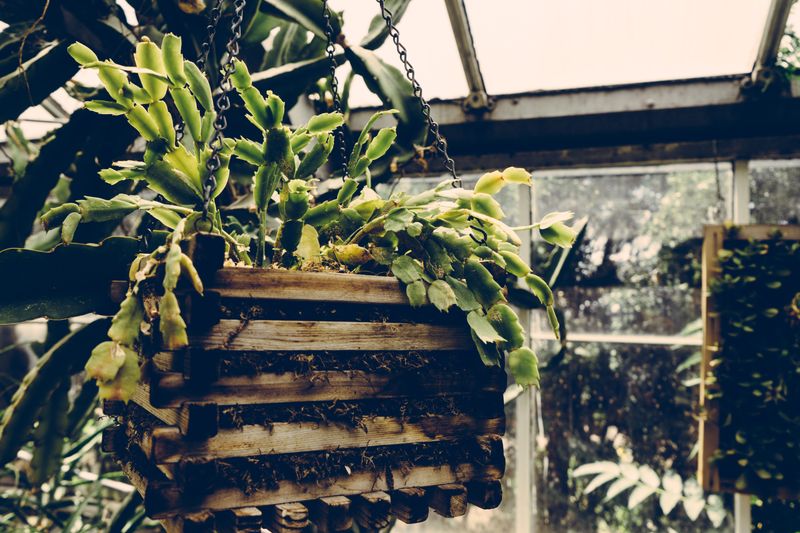
Spiky desert cacti love a long drought, but this branchy beauty grew up sipping rain in humid forests. Wild plants grow as epiphytes on tree branches, where their roots catch rain and then dry quickly.
At home, water thoroughly once the top inch of soil feels dry when you poke a finger in. Let extra water drain out the bottom, then empty the saucer so roots do not sit in puddles.
Soggy soil is the most common trouble I see, and it often leads to mushy roots and limp stems. Wrinkled, droopy segments can mean either too much water or too little, so check the roots before reacting.
During the early fall bud-setting period, many growers water a little less often to encourage flowering. Do not let the soil stay bone dry for weeks, though, because stressed stems may shrivel and struggle.
Once buds appear, switch to steadier watering so the soil stays lightly moist instead of swinging wildly. Uneven moisture during this stage ranks right up there with cold drafts as a reason buds fall off.
Personally, I water mine with room temperature water because chilly tap water feels like a rude surprise. A watering can with a narrow spout helps you soak the soil without splashing the arching stems.
Indoor heating in Ohio homes dries pots faster in late fall, so check moisture about twice weekly. You will quickly learn the weight of a thirsty pot versus a freshly watered one by lifting it.
5. Raise The Humidity Around Your Holiday Cactus With A Pebble Tray
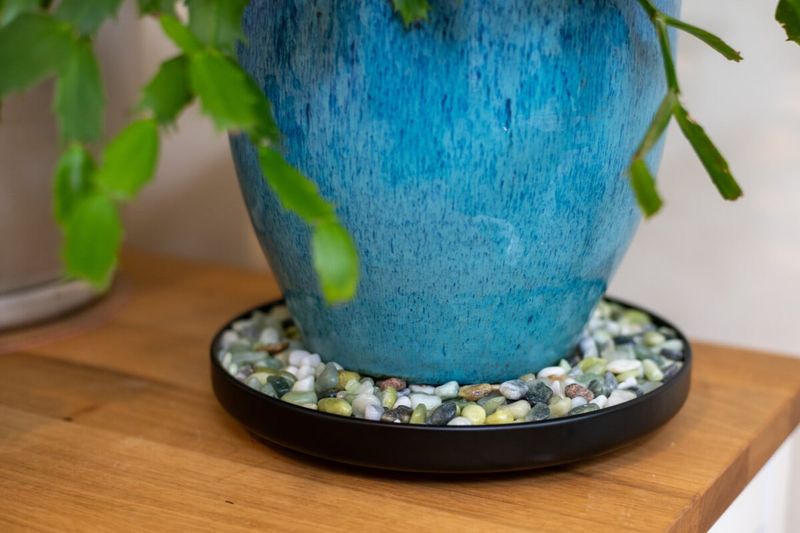
Furnace season can drop indoor humidity surprisingly low, and your rainforest-born plant definitely notices the change. Thanksgiving cactus prefers moderate to high humidity, especially while it is busy forming and holding its buds.
A pebble tray is my favorite low-effort fix, and it costs almost nothing to put together. Fill a shallow dish with gravel, add water just below the stone tops, then set the pot on top.
The pot should rest on the stones rather than in the water, so roots stay airy and healthy. As water evaporates, it lifts the moisture level right around the stems where the plant needs it most.
Grouping several houseplants together creates a friendly little microclimate, since leaves release moisture into the surrounding air. I like how my cactus and a leafy fern seem happier sharing one bright table near the window.
Misting gives a quick, pleasant boost, but its effect fades within minutes, so treat it as a bonus. A small room humidifier offers steadier results if your home feels especially parched once the heat kicks on.
Watch for crispy segment edges or buds that shrivel early, because dry air can play a role. Low humidity is rarely the only cause, though, so review watering and drafts before blaming the air.
Refresh the tray water every few days, and rinse the pebbles monthly to keep things fresh and clean. That tiny chore takes about two minutes, and the reward is plump segments plus buds that actually open.
6. Feed Your Thanksgiving Cactus In Summer Then Stop Before Fall
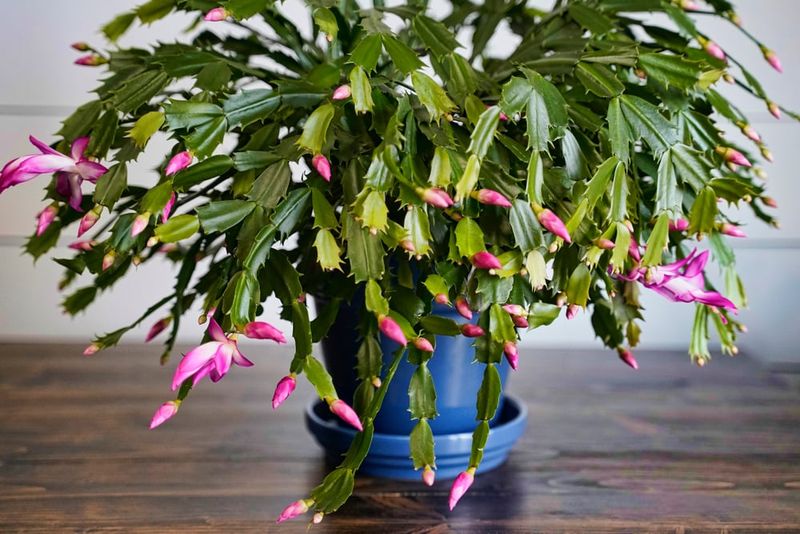
Hungry plants grow chunky new segments all summer, and every new segment tip becomes a possible flower spot. Feeding during the warm growing months builds the strong, leafy framework that later carries a crowd of blooms.
From spring into late summer, use a balanced houseplant fertilizer mixed at half strength every two to four weeks. Apply it to moist soil instead of dry soil, which helps protect tender roots from fertilizer burn.
Some growers add a little Epsom salt for magnesium, since these plants appear to need more than many houseplants. A common extension suggestion is one teaspoon per gallon of water monthly, skipping the week you fertilize.
Around late August or early September, I put the fertilizer bottle away until the flowers finish. Halting the feeding helps the plant slow its leafy growth and shift attention toward forming flower buds.
Too much nitrogen late in the season can keep the plant pushing stems when you really want petals. You might notice bright green baby segments popping up in fall, which often signals a delayed or skimpy show.
Salt buildup can appear as a white crust on the soil, especially when you fertilize often. Flushing the pot with plain water every couple of months washes away extra salts before they harm roots.
After the last blossoms fade, give the plant a short rest before restarting the feeding routine in spring. I think of fertilizer as summer fuel, while autumn belongs to darkness and cool, quiet nights.
7. Repot Your Holiday Cactus In Spring Using Airy Well Drained Mix
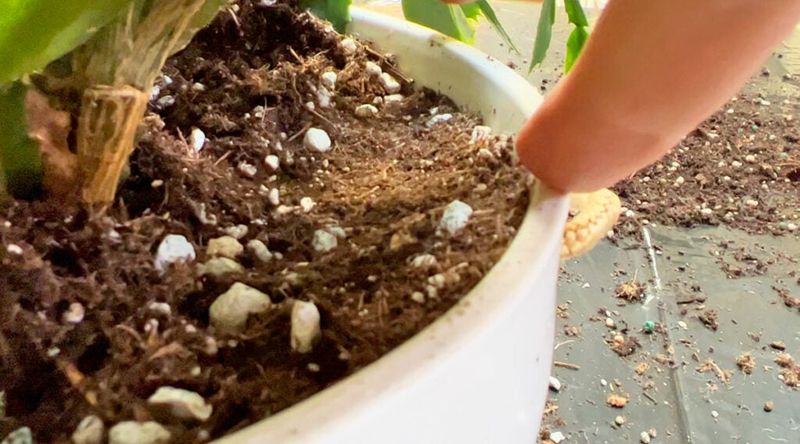
Crowded roots sound like a problem, yet a snug pot actually seems to encourage this plant to flower. Many extension sources say a slightly root-bound Thanksgiving cactus often blooms more freely than one in a roomy container.
Repotting every two or three years is usually plenty, and spring is the best season to do it. Moving it in fall stresses the plant right when it should be focused on building flower buds.
Choose a new pot only one size larger, and make sure it has a drainage hole. Clay pots dry a bit faster than plastic, which can help if you tend to water generously.
Since wild plants root in leafy debris on tree bark, they need a loose mix with plenty of air. I blend regular potting soil with perlite or fine orchid bark, roughly two parts soil to one part grit.
Heavy garden soil holds too much water and can suffocate roots, so keep it out of your pots. A bagged cactus mix works too, though adding some regular potting soil helps it hold slightly more moisture.
When you lift the plant out, gently loosen circling roots and trim any that look brown and mushy. Set it at the same depth as before, then wait several days before giving it a full drink.
What surprises me most is how fast a freshly potted plant perks up once its roots can breathe. Spring repotting in Ohio gives the plant months of warm weather to settle in before fall bud season.
8. Pinch Back Thanksgiving Cactus Stems For More Flower Tips
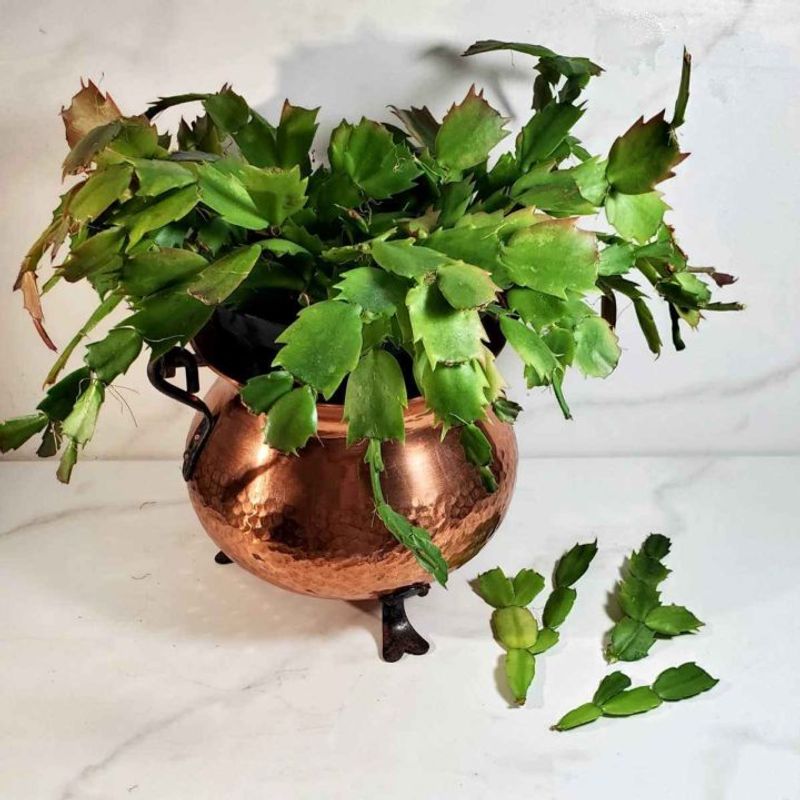
Every flower on this plant opens from the tip of a stem segment, so more tips means more color. That simple math makes a quick summer trim one of the smartest moves you can make all year.
In late spring or early summer, twist off one or two segments from the end of each stem. Gently twisting at the joint usually leaves a cleaner break than cutting through the middle of a segment.
Each pinched stem often branches into two new segments, which gives the plant a fuller, bushier shape. By fall, those extra branches mature and become ready to carry buds when long nights arrive.
Avoid heavy pruning after midsummer, because the plant needs time for new growth to toughen up before bud season. Some growers also remove tiny immature segments in early fall, since those rarely produce flowers that season.
You are in for a treat with the cuttings, because they root easily in barely damp potting mix. Let the pieces dry for a day or two, then tuck them upright about a segment deep.
I love sharing rooted cuttings with friends, since a single plant can last for decades with steady care. Some families in Ohio still grow cuttings passed down from grandparents, which makes each bloom feel extra special.
Pair your summer pinch with the darkness and cool nights plan, and your plant gets every advantage. Come late November, those many stem tips should be dripping with bright pink blossoms right on schedule.