What Boxwoods Need Before Their First Ohio Winter
Your new boxwoods have never seen an Ohio winter. Rookies get a rough welcome.
Those little shrubs went in this year, and their roots haven’t spread far enough to cope with what’s coming. Wind will dry them out.
Sun bouncing off snow will scorch them. Frozen ground will cut off the water they can’t afford to miss.
Established hedges shrug it off. Newcomers have no such luck.
Plenty of gardeners assume the nursery tag told the whole story. It didn’t.
The shrubs that sail through January usually got a head start in November, and the steps look nothing like what you’d expect.
Some cost nothing. A few need a trip to the shed.
One of them has to happen before the ground locks up.
Walk out to the planting this weekend and look it over. The first winter sets the tone for the next twenty.
1. Newly Planted Boxwoods Are Most At Risk Their First Winter
Think of a brand new boxwood like a kid on the first day at a new school. Everything feels strange, and it has not found its footing yet.
Older shrubs have deep, settled roots that help them adjust slowly as the weather turns cold. A young plant has not had time to build that support system, so winter stress hits it harder.
Evergreens keep their leaves all year, and those leaves lose moisture all winter long. Strong wind and bright sun pull water out even faster, like a towel drying on a breezy clothesline.
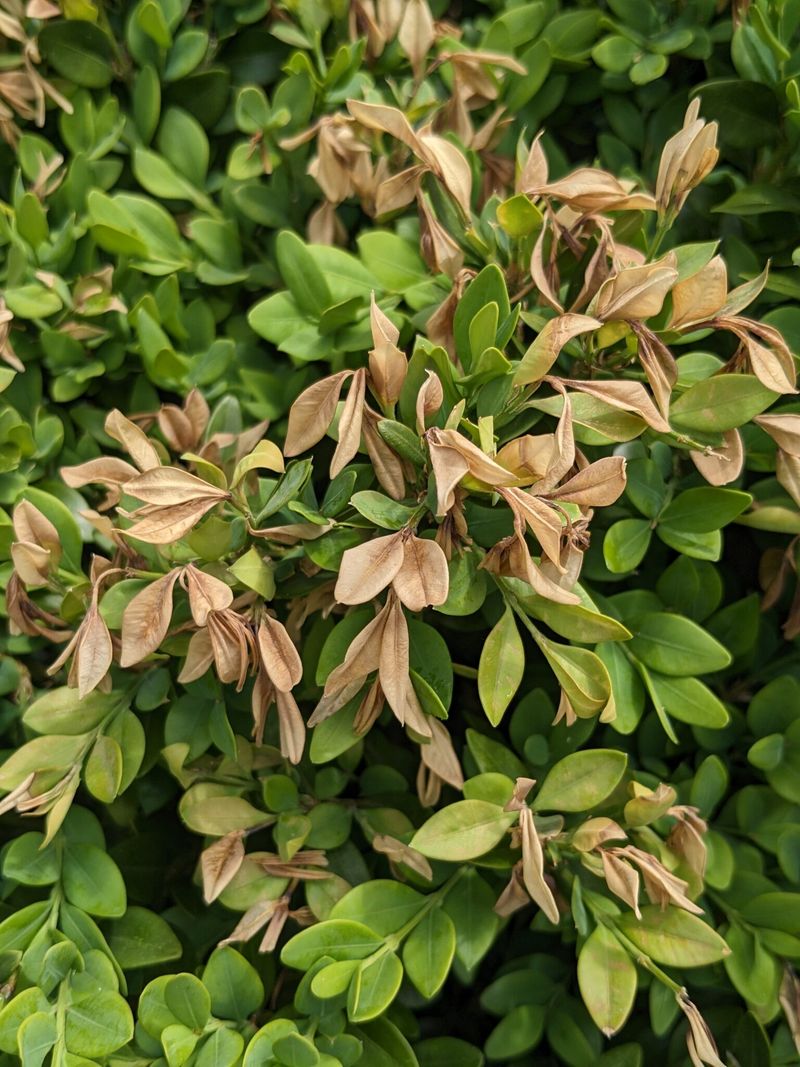
When the ground freezes, roots cannot sip water to replace what the leaves lose. Gardeners call the result winter burn or desiccation injury.
You might spot it in late winter or early spring. Leaves can turn dry and brown, yellow, or a rusty reddish-brown, often on the side facing the wind.
Ohio sees plenty of this damage after extra cold or gusty winters. Shrubs planted in spring or fall of the same year tend to show it most.
Here is the upside. Knowing your plant is vulnerable means you can act early, and the steps ahead are simple enough for any weekend gardener to handle.
2. Their Roots Haven’t Spread Far Enough To Find Water
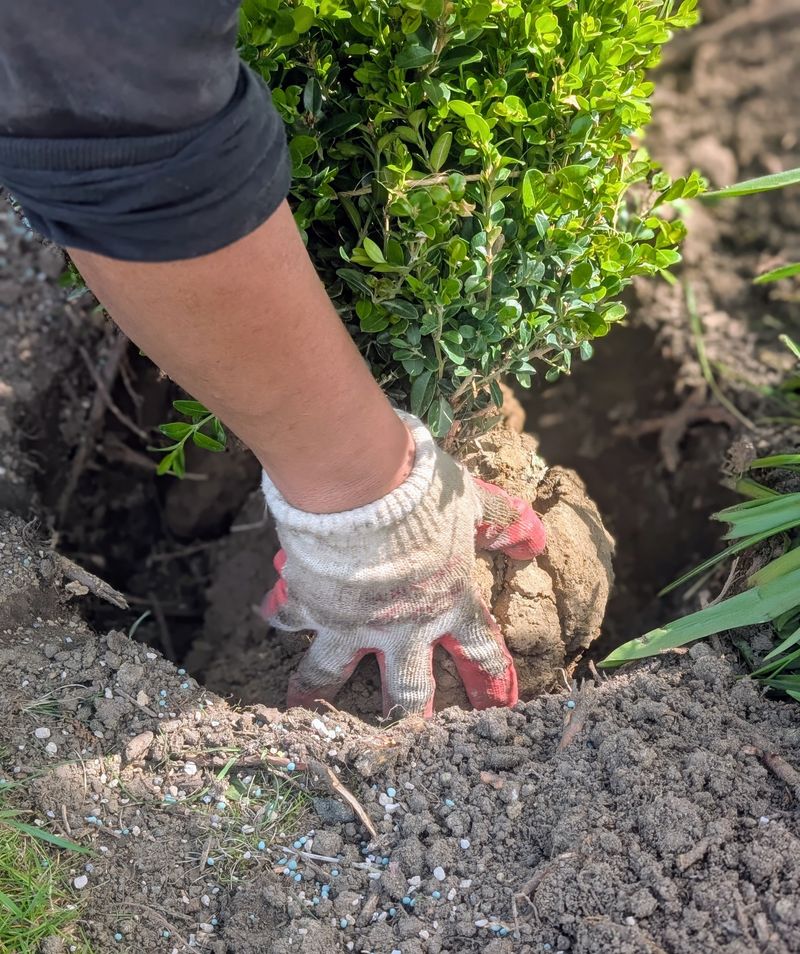
Fun fact: boxwood roots are more like a shallow welcome mat than a deep anchor. They spread out close to the soil surface in a thin, fibrous web.
That shape works nicely in summer when rain soaks the top layer. In winter, though, the top layer is the first part of the soil to freeze solid.
Once those roots are locked in frozen ground, they cannot pull up moisture. Meanwhile, the leaves keep losing water through a process called transpiration, which is basically plant sweating.
For a mature shrub, roots may reach a bit wider and find small pockets of usable water. A newly planted boxwood still has its roots bunched near the original root ball.
Picture trying to drink from a glass across the room with a short straw. Young roots simply cannot reach far enough yet.
Your Ohio Garden Changes Every Week. Your Plan Should Too.
Gardening in Ohio changes quickly throughout the season. Every Friday you’ll receive a simple weekly plan showing exactly what to plant, prune, fertilize, harvest, and protect so you never miss the right timing.
That is why the first year matters so much. The plant is relying almost entirely on the soil right around its base.
Moist soil does another helpful job too. Water filling the tiny air spaces around the roots holds warmth better than dry, airy dirt, so it acts like a light blanket.
Keeping that small root zone well supplied before freeze-up gives your shrub a real head start on the cold months.
3. Water Regularly Until The Ground Freezes
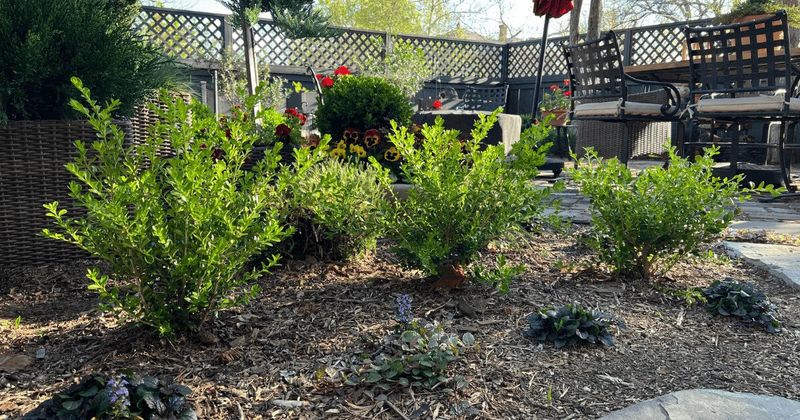
Many folks coil up the hose in October and call it a season. Your new boxwood would politely ask you to hang on a little longer.
For the first two years, these shrubs want steady watering. During dry spells in fall, aim for about one inch of water each week.
Deep, slow soakings beat quick sprinkles every time. A long drink pushes water down where roots can find it and encourages them to grow stronger.
Keep going until the ground actually freezes. In much of Ohio, that may be late November or even December, depending on the year.
Right before a hard freeze, give one last thorough soak. Moist soil holds heat better, so the water can help buffer the plant as temperatures drop overnight.
Winter thaws happen too, and they are a great chance to check in. If the soil is dry and the air is above 40°F, water around midday.
Midday timing gives water hours to sink in before nighttime cold returns. Watering late in the afternoon can leave a frozen crust instead.
A soaker hose or a slow trickle from a regular hose works well. Let it run for a while, then move on to other chores while it does the work.
4. Check The Soil Before Each Watering
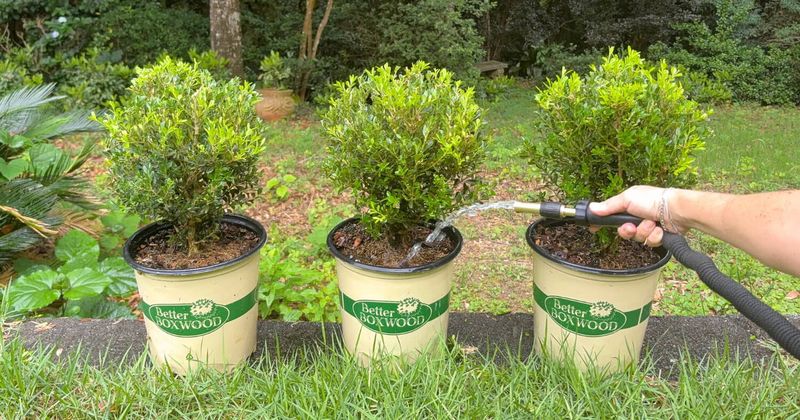
Your finger is one of the best garden tools you own, and it costs nothing. Before you water, give the soil a quick poke.
Push your finger about 2 to 3 inches down, roughly to your first knuckle. If it feels dry and your finger comes out clean, it is time to water.
Not a fan of dirty hands? Grab a popsicle stick or a thin bamboo skewer instead.
Slide it 3 to 5 inches into the soil and wait about 30 seconds. If soil clings to it or the wood looks darker, there is still plenty of moisture down there.
For the gadget lovers, an inexpensive moisture meter gives a clear reading. Just stick the probe in near the root zone and read the dial.
Why bother checking at all? Too much water can be just as harmful as too little, because soggy soil invites root rot.
The sweet spot is soil that feels like a wrung-out sponge. It should be moist, but not dripping or muddy.
Fall weather in Ohio swings a lot, with rainy weeks followed by dry ones. A ten-second soil check keeps you from guessing and helps your boxwood get exactly what it needs.
5. Give Young Roots A Blanket Of Mulch
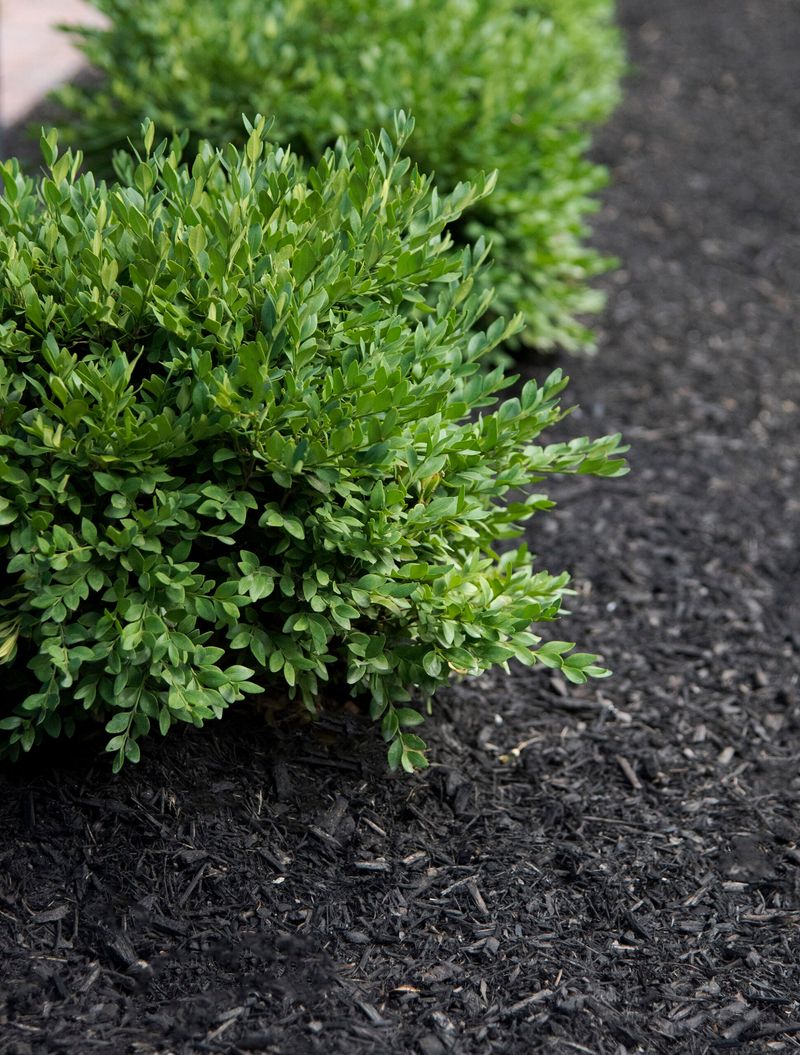
Imagine heading outside in January without a hat. Bare soil around a young shrub feels a lot like that.
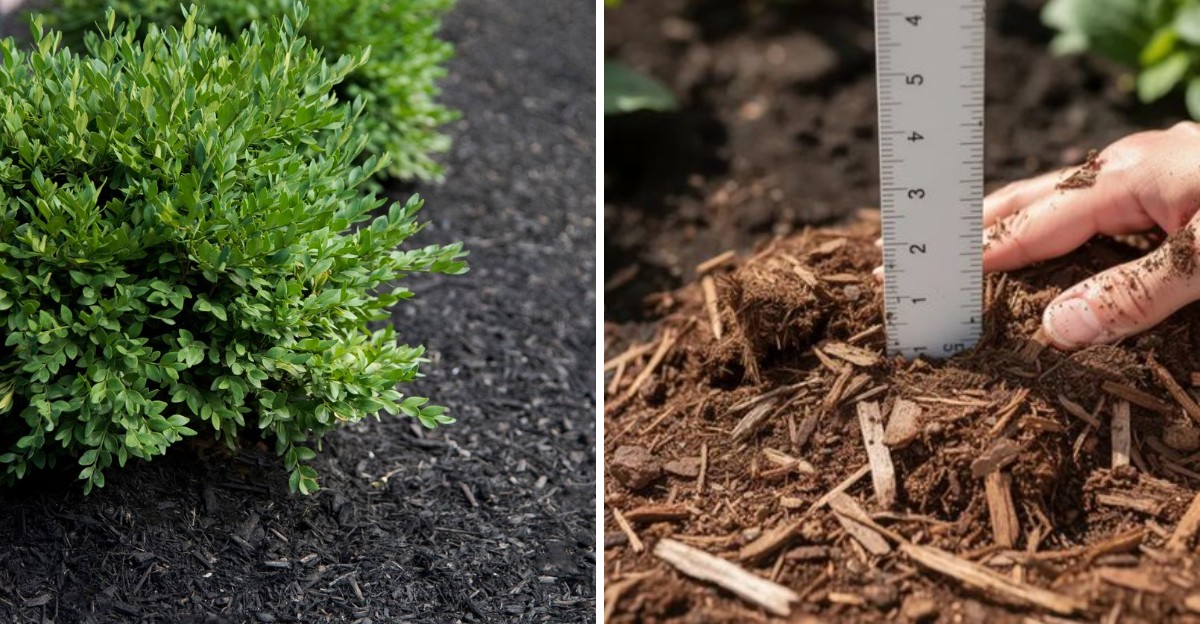
A layer of organic mulch, about 2 to 3 inches deep, works like a cozy knit cap for the roots. Some experts stretch that to 4 inches, but 2 to 3 is a great target.
Mulch does three big jobs at once. It holds moisture in the soil, keeps soil temperatures steadier, and softens those wild swings between freezing nights and sunny afternoons.
Ohio gardeners have lots of good choices. Shredded hardwood, shredded leaves, straw, pine fines, and pine bark mulch all work nicely.
If you use leaves from your own yard, run the mower over them first. Whole leaves can mat together into a soggy sheet that blocks water from soaking in.
Timing matters a little. Spread winter mulch once the ground starts to cool but before the deep freezes arrive.
Missed that window? You can still add it after the ground freezes, and it will help hold moisture in place.
Spread it wide enough to cover the whole root zone, roughly out to the edge of the branches. A rake and one wheelbarrow load usually handles several small shrubs.
6. Leave A Bare Ring Around The Base Of New Shrubs
Here is a mistake that shows up in neighborhoods everywhere. Someone piles mulch high against a shrub like a little volcano, thinking more is better.
Sadly, that mulch volcano causes trouble. Mulch pressed against the stem traps moisture right where the bark needs to stay dry.
Damp bark can start to rot over time. It can also invite fungal diseases and give pests a snug hiding spot for the winter.
Voles and other small critters love a thick, fluffy pile near a stem. Once tucked inside, they may nibble on the bark while you are indoors watching snow fall.
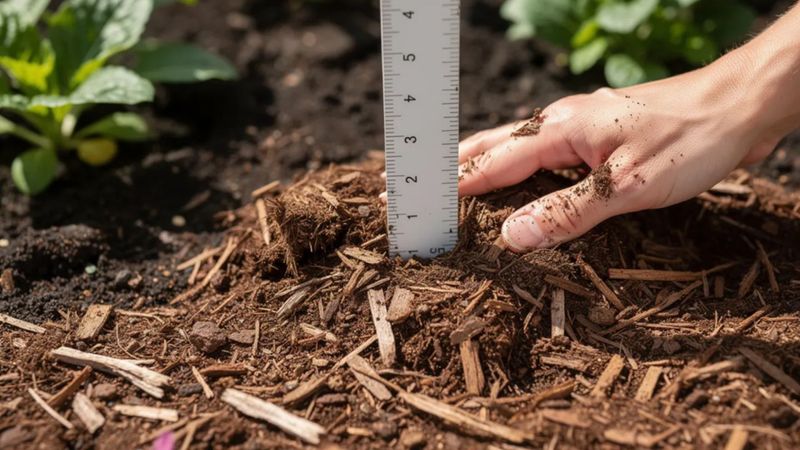
The fix is simple. Leave a gap of bare soil around the base, about 6 inches wide if you have room.
Think of it as a donut instead of a mountain. The mulch forms the ring, and the stem sits in the open hole in the middle.
After spreading mulch, take a moment to brush it away from the trunk with your hand. A small trowel works too if the mulch is packed in.
Check again after big storms or a busy leaf season. Wind and rain can shift mulch back toward the stem, so a quick tidy-up keeps things healthy all winter.
7. A Burlap Screen Matters Most For Young Plants In Windy Spots
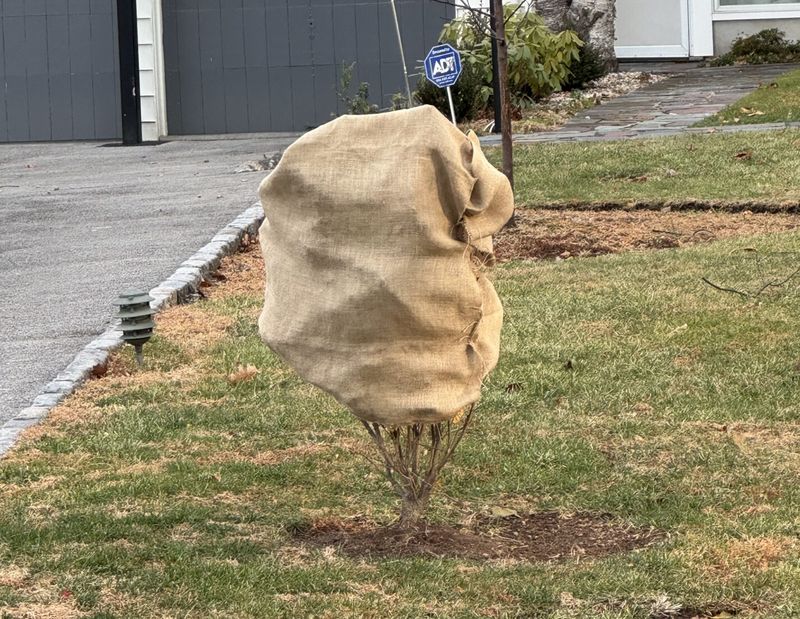
Stand on a hill in an Ohio February and you will feel why this step matters. Those raw, howling winds dry out skin and leaves alike.
A burlap screen blocks much of that drying wind and harsh sun. It also helps shed heavy snow that could bend or split branches.
Not every boxwood needs one. Young shrubs, newly planted ones, and plants in open, breezy spots get the most benefit.
A shrub tucked against the house on the sheltered side may be fine without it. One standing alone near a corner or open field is a strong candidate.
The easiest setup is three or four wooden stakes pounded around the plant with burlap stapled to them. This makes a little fence without touching the leaves.
If you wrap the shrub directly, keep it loose. Air needs to move through, or trapped moisture can lead to fungal problems.
Skip plastic, since it holds heat and moisture. Natural burlap breathes much better.
Some gardeners also use an anti-desiccant spray in late fall, before temps stay below 40°F. Take the burlap off in late winter, once hard frosts ease and before new growth starts, so your plant does not overheat.
8. Let New Boxwoods Rest Instead Of Feeding Them
It feels kind to feed a plant before winter, like packing a big lunch before a long trip. With boxwoods, that kindness can backfire.
Fertilizer tells a shrub to grow. In late summer or fall, that means a fresh flush of soft, tender shoots.
Those baby shoots have no time to toughen up, a process gardeners call hardening off. When the first hard frost arrives, they are easily damaged.
Instead, your boxwood should be slowing down right now. It is quietly getting ready to rest, much like a bear heading toward its den.
So tuck that fertilizer bag away for a few months. The best time to feed is early spring, just before new growth begins.
Choose a slow-release, balanced fertilizer and follow the directions on the label. Once a year is usually plenty for these shrubs.
If you already fed in late summer, do not panic. Just skip any more feeding, keep up with watering and mulch, and watch for tip damage in spring.
A soil test from your county extension office can also help. It shows what your soil actually lacks, so you can buy the right product and avoid wasting money next season.
9. Let First-Year Damage Show Itself Before You Prune
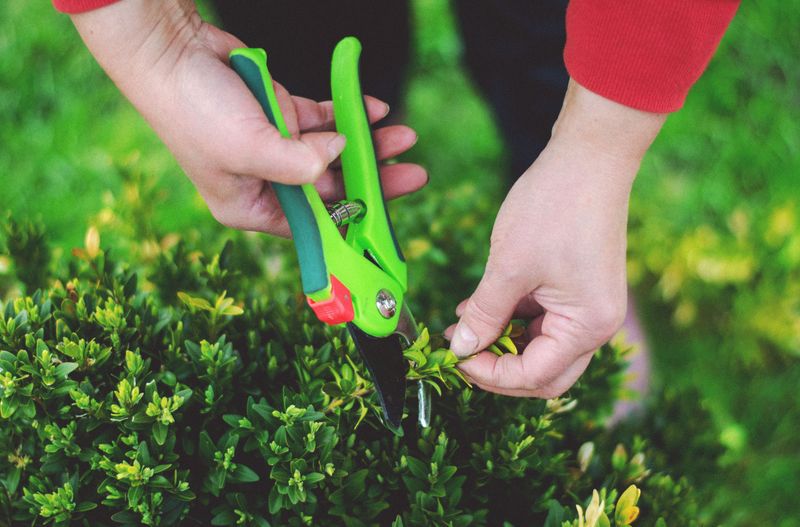
Spotting brown, crispy patches on your boxwood in March can make your heart sink. Resist the urge to grab the clippers right away.
Patience pays off here. Some branches that look rough may still be alive underneath, and you cannot always tell at first glance.
The best window for pruning is late winter or early spring, while the plant is still resting. If the damage is hard to judge, wait until new growth appears.
Fresh green buds act like a map. They show you exactly which parts are thriving and which parts are finished.
For light winter burn, usually only the tips are affected. Snip those brown ends back to healthy green tissue and you are done.
For bigger damage, cut affected stems back to live wood. A quick scratch with your fingernail will show green under healthy bark.
Bark that has split or foliage that is badly burned will not bounce back. Remove it so the plant can focus energy on new shoots.
Avoid heavy pruning in fall. It can wake the shrub up right before the coldest weather, and that leads to more damage.
Clean, sharp pruners make neat cuts that heal faster.